Key Takeaways
Teeth whitening can lighten certain types of discoloration in natural teeth using peroxide-based whitening agents.
In-office whitening generally produces faster visible results, sometimes lightening teeth by several shades in a single visit.
At-home whitening includes both professional take-home trays and OTC products like strips, gels, and rinses.
Professional take-home whitening offers a middle-ground approach combining home convenience with professional guidance.
Results vary by stain type, method, and individual response; yellowish stains typically lighten more readily than gray or brown discoloration.
Temporary sensitivity and gum irritation can occur with any peroxide whitening method.
Crowns, fillings, veneers, and implant restorations do not bleach like natural teeth and may create shade mismatch.
Whitening results are not permanent and require maintenance through hygiene, dietary awareness, and occasional touch-ups.
Excessive whitening can increase irritation and sensitivity without proportional benefit.
Acidic, abrasive, and improvised DIY methods can damage teeth or oral tissues and should be avoided.




Natural tooth color varies from person to person. Genetics, diet, tobacco use, medications, and the simple passage of time all influence how teeth look over the years. What many people consider "normal" covers a wide range of shades, and darker or more yellow teeth are not inherently unhealthy.
Tooth whitening, also called teeth bleaching, is an elective cosmetic dentistry treatment that can lighten certain types of discoloration in natural teeth. Teeth whitening methods generally fall into two categories: professional treatments performed in a dental office and over-the-counter products used at home. Both professional treatments and OTC products primarily rely on peroxide-based bleaching agents to change tooth color from within.
The main teeth whitening options include in-office whitening under direct supervision, professionally supervised take-home whitening with custom trays, and consumer products such as whitening strips, trays, whitening rinses, and whitening toothpastes. These differ in application method, peroxide concentration, treatment time, level of supervision, and the type of whitening results they produce. Different teeth whitening methods do not work equally well on all types of stains, and outcomes vary with stain type, starting tooth color, and individual response.
How Does Teeth Whitening Work?

Peroxide teeth whitening works by changing the color inside the tooth rather than simply scrubbing the outer surface. The terms "tooth whitening" and "teeth bleaching" are used interchangeably, and peroxide-based agents are the active ingredients in virtually all modern whitening treatments. How well teeth respond depends on the concentration of the whitening agent, how long it stays in contact with the tooth, and the type of discoloration present.
Whitening Agents
Hydrogen peroxide and carbamide peroxide are the two main bleaching agents used across professional teeth whitening and at-home teeth whitening methods. Carbamide peroxide breaks down into hydrogen peroxide and urea when it contacts saliva, so both agents ultimately rely on hydrogen peroxide or carbamide peroxide to produce the whitening effect. Professional treatments use higher concentrations of bleaching agents than OTC products, while at-home gels and strips use lower to moderate concentrations with longer contact times.
How Peroxide Lightens Teeth
Hydrogen peroxide diffuses through the outer enamel layer into the dentin beneath, where it reacts with colored molecules called chromogens. This chemical reaction breaks large pigmented compounds into smaller, less visible fragments, much like how oxygen-based bleach lightens a stained shirt. The result is a tooth that appears lighter because of internal color change, not a surface coating. Extremely dark gray stains or deep stains from medications may respond less dramatically to this bleaching process.
Whitening vs. Surface-Stain Removal
Peroxide bleaching changes color within the tooth structure. Whitening toothpastes, by contrast, primarily remove surface stains from the enamel surface using mild abrasives, detergents, and polishing agents. Foods and drinks like coffee, tea, and red wine leave extrinsic stains that toothpastes can help lift. Some whitening toothpastes contain low levels of peroxide, but they generally lighten teeth by 1–2 shades at most and are better suited for maintaining results after a more intensive whitening procedure.
Why Do Teeth Become Stained or Discolored?
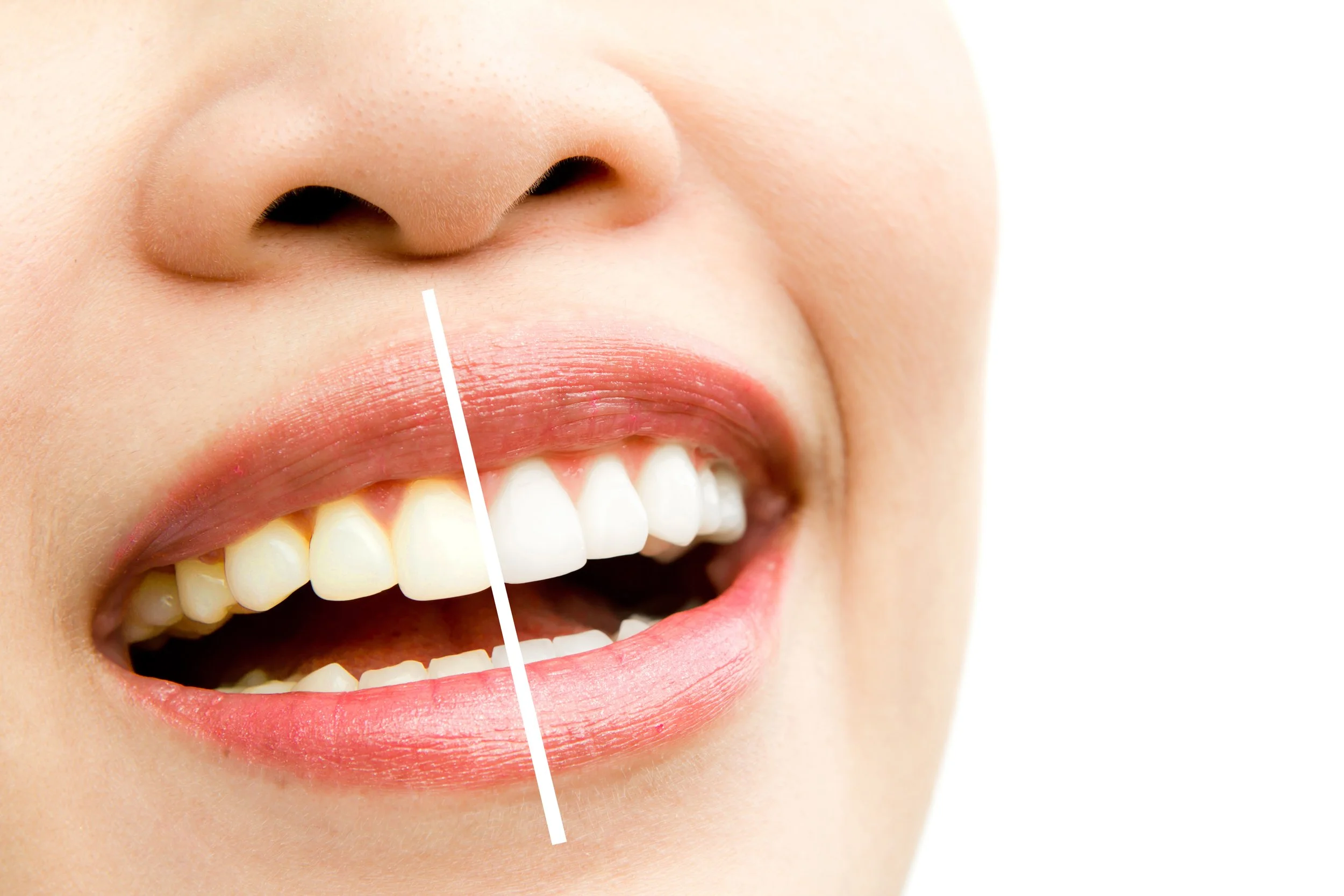
Tooth discoloration can be extrinsic, sitting on the tooth surface, or intrinsic, embedded within the tooth structure. The same person can have multiple causes at once, and whitening results depend heavily on which type of staining is present.
Food and Drink Stains
Chromogens in coffee, black tea, cola, red wine, berries, and deeply colored sauces can stain teeth and build up on enamel over months or years. Frequent sipping of staining foods and beverages tends to increase buildup. Whitening methods that remove surface stains, including polishing during dental cleanings and some whitening rinses, can help, sometimes combined with peroxide bleaching for a more complete result.
Tobacco-Related Staining
Tar and nicotine in cigarettes, cigars, and smokeless tobacco create stubborn yellow-brown stains. Long-term tobacco use can result in dark, patchy discoloration that may need both professional cleaning and peroxide teeth bleaching for noticeable improvement. Stopping tobacco reduces new stain formation and helps extend whitening results.
Changes With Age
Enamel gradually thins over decades while the underlying dentin becomes thicker and more yellowish. Even without heavy coffee or tobacco exposure, this internal color shift makes teeth appear darker, particularly after the 30s and 40s. Age-related yellowing is common, not a sign of disease, and often responds reasonably well to peroxide whitening.
Medication- or Development-Related Discoloration
Medications taken during tooth development, such as tetracycline prescribed in earlier decades, can cause intrinsic banding or gray-brown discoloration. A tetracycline stain often responds less predictably to conventional whitening and sometimes requires longer treatment or alternatives like veneers. Developmental conditions such as fluorosis or enamel hypomineralization can also affect bleaching efficacy.
Trauma and Individual Tooth Discoloration
A single tooth that turns darker after an injury, deep cavity, or root canal treatment may have pulp or structural changes rather than simple surface staining. This localized discoloration should be evaluated before routine teeth whitening, because treatment may involve addressing the tooth's health first and sometimes internal bleaching rather than generalized external whitening.
What Is In-Office Teeth Whitening?
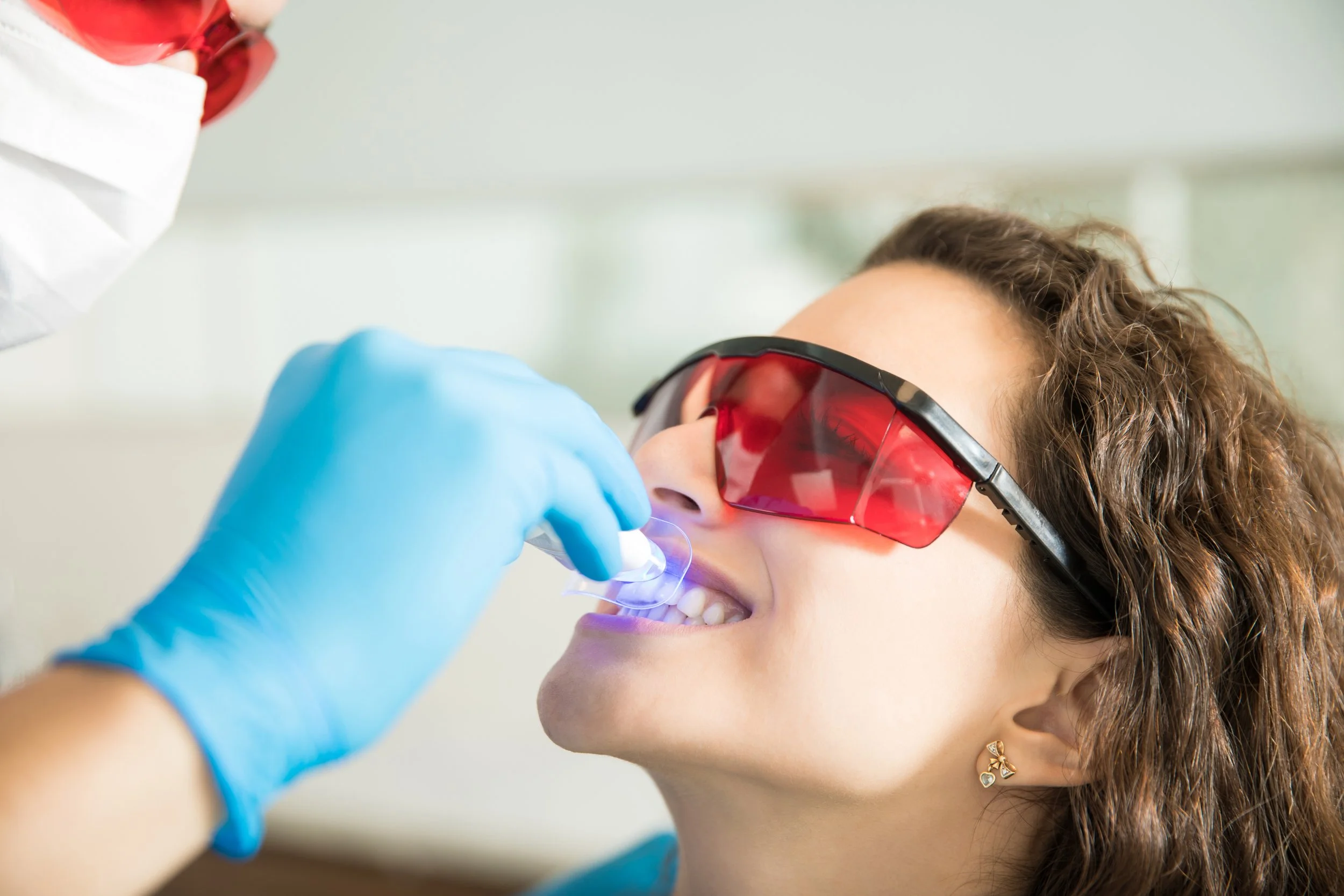
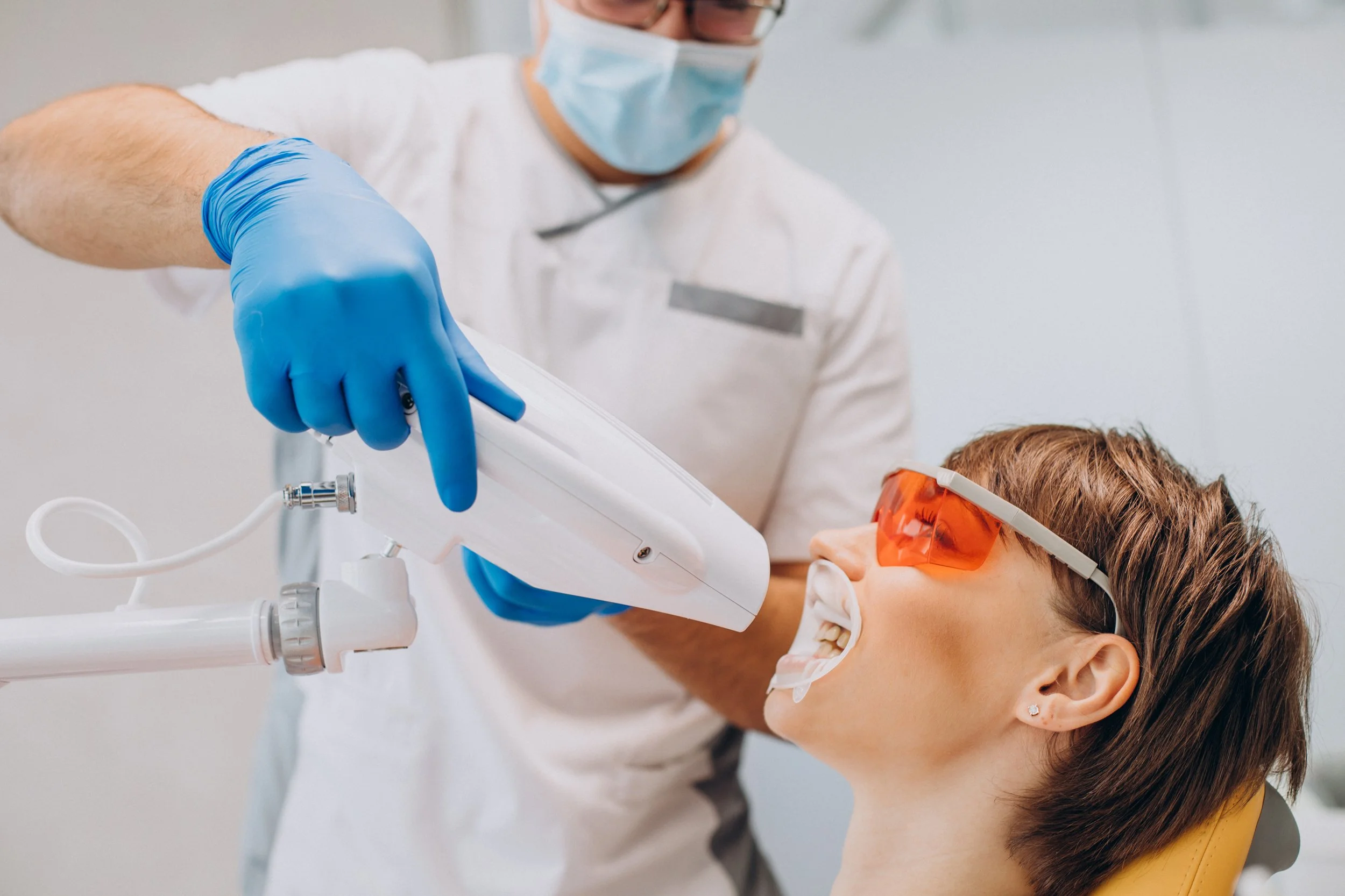
In-office whitening, also called office bleaching or in office vital bleaching, is a professional teeth whitening procedure carried out in a dental setting under direct clinical supervision. The dentist assesses the teeth, isolates gums and lips, and applies a high-concentration whitening gel in controlled intervals. Some systems use light activation, but research shows that light does not always add meaningful whitening benefit and may increase sensitivity for some people.
How In-Office Whitening Is Performed
The general steps include examination of teeth and gums, shade documentation, placement of cheek retractors, protective barriers on gums, and careful application of the whitening solution to visible tooth surfaces. Dentists protect gums during whitening treatments to ensure safety. The gel remains in place for a set time, is rinsed, and additional cycles may follow. In-office whitening typically takes 60 to 90 minutes and may involve two to three application cycles during the same visit. Professional whitening averages between $500 and $1,000 depending on the system used.
Whitening-Agent Concentration
In-office whitening systems use higher peroxide concentration than most at-home whitening products because the in office procedure is monitored and soft tissues are protected. A higher concentration can create faster visible change but does not guarantee a better final result for every stain type. Stronger whitening gel requires precise application times to reduce sensitivity and gingival irritation.
Treatment Time
Many in office treatment sessions produce noticeable tooth color change in a single appointment, though some people need more than one visit. This shorter overall timeline contrasts with the repeated daily or nightly use required for most at-home bleaching systems.
Professional Supervision
In-office whitening allows dental professionals to evaluate dental restorations, check for cavities or gum problems, and decide whether the bleaching procedure is appropriate. Supervision also helps identify when further whitening is unlikely to improve results and when alternatives might be more suitable.
Benefits of In-Office Teeth Whitening
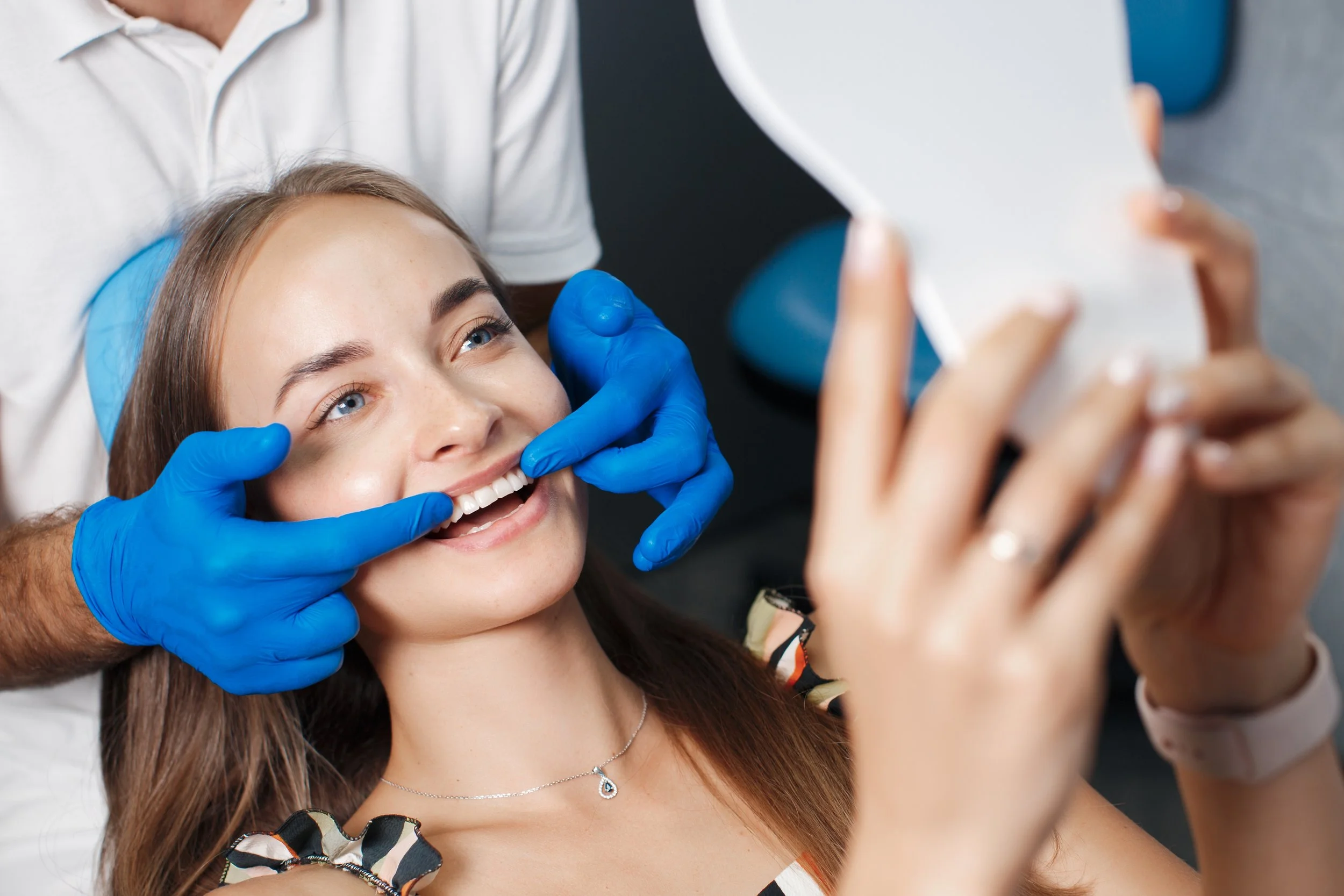
In-office whitening is often chosen for speed and professional oversight. Professional whitening can lighten teeth by 7–8 shades on average, and in-office whitening can achieve results of 7–8 shades lighter in responsive cases.
Faster Visible Results
Many people see visible lightening after a single session because of higher peroxide concentration and controlled contact time. This faster visible change contrasts with the gradual brightening from at-home peroxide products, though speed of change is different from long-term stability.
Controlled Application
The dental team controls where gel is placed, how thickly it is applied, and how long it remains. This can reduce uneven application compared with loose-fitting over the counter products.
Soft-Tissue Protection
In-office teeth whitening procedures include gum barriers and cheek retractors to minimize contact between whitening material and soft tissues, lowering the chance of gum irritation compared with unsupervised tray overflow at home.
Shorter Treatment Process
Some patients prefer completing their whitening treatment in one or two visits rather than committing to nightly trays for weeks. In-office whitening can suit people with a specific event approaching and limited time for whitening teeth at home.
Limitations of In-Office Teeth Whitening
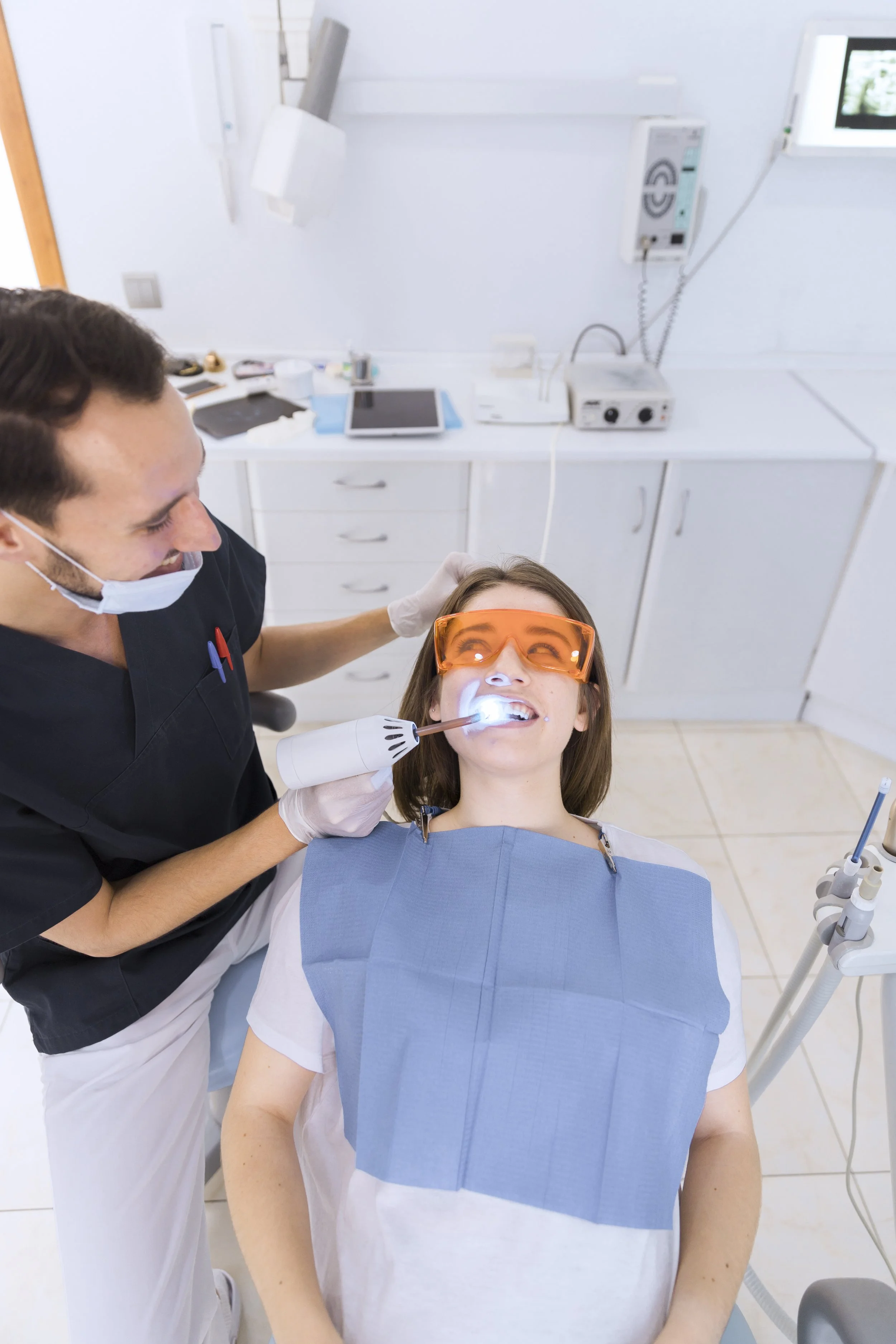
Although in-office whitening is convenient and fast, it has limitations that should be weighed against its advantages.
Tooth Sensitivity
Temporary tooth sensitivity during or shortly after the whitening procedure is common, especially to cold air, drinks, or sweet foods. Increased tooth sensitivity occurs during and after treatment, though it often subsides over hours to days. People with sensitive teeth, exposed roots, or thin tooth enamel may feel it more strongly. Dentists may use desensitizing products or adjust application times when appropriate.
Gum or Soft-Tissue Irritation
Peroxide gel that contacts gums can cause temporary white patches or soreness. Gum irritation can last several days after whitening procedures, but this is typically short-lived irritation rather than gum disease.
Results Are Not Permanent
Even after professional whitening, results gradually change as new surface stains accumulate. People who frequently consume coffee, tea, or red wine, or who use tobacco, may notice color regression sooner. Periodic touch-ups are often used to maintain a lighter shade.
Not Every Stain Responds Equally
Brown stains, gray stains, medication-related discoloration, and trauma-related darkening may not respond as dramatically as food stains or age-related yellowing. Professional whitening cannot change the color of dental restorations, so uneven results may occur if crowns or fillings are present in visible areas. Tooth whitening can cause unacceptable color changes in restorations relative to surrounding natural teeth.
Additional Whitening May Sometimes Be Desired
Some people follow up in-office whitening with professionally supervised take-home whitening to refine results. There is a point where extra whitening does not produce further improvement and can increase teeth whitening sensitivity.
What Is At-Home Teeth Whitening?
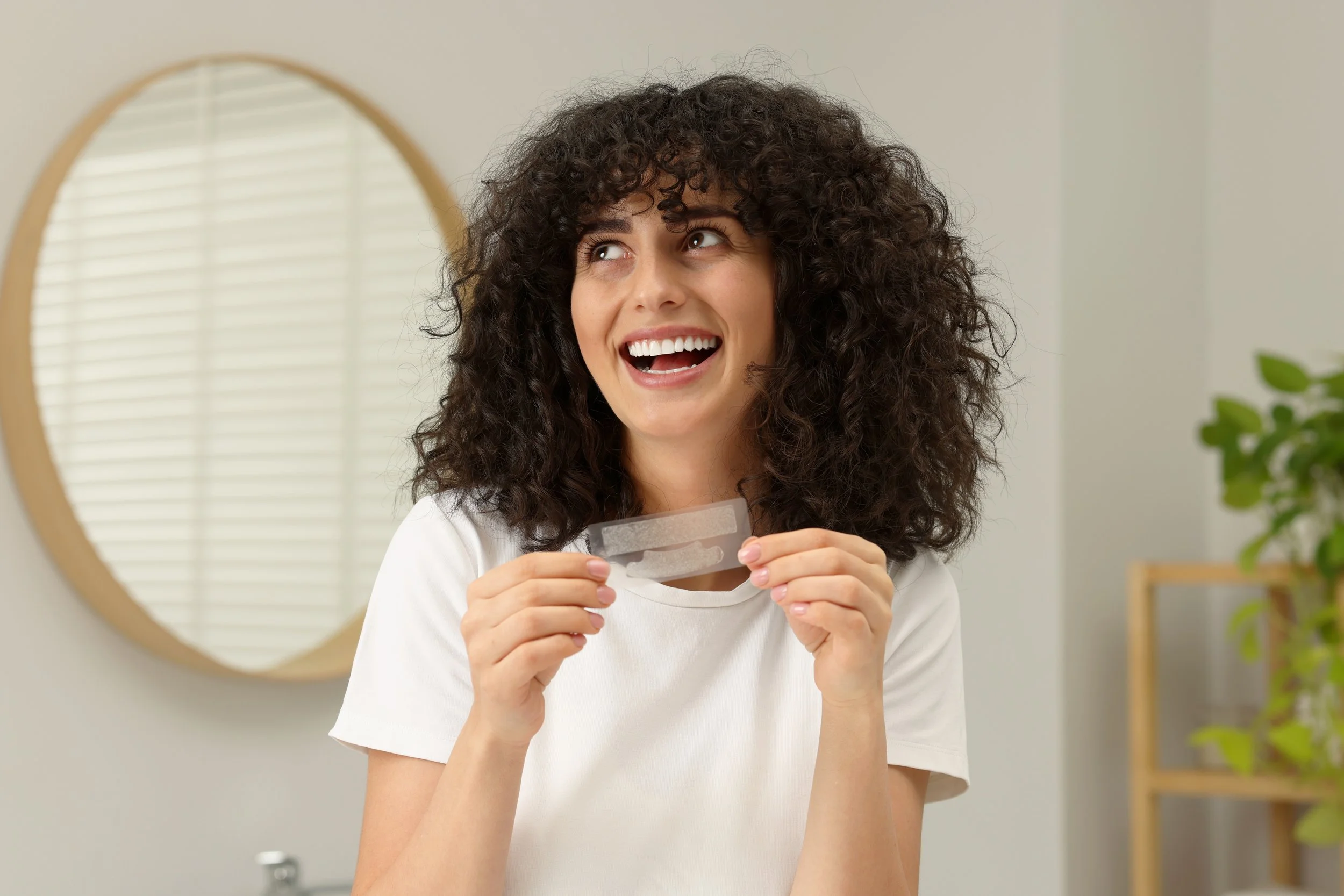
At home teeth whitening includes any whitening done outside the dental office, from professionally supervised custom trays to consumer products. At-home kits from dentists cost between $150 and $400, while OTC options vary widely in price and strength. These teeth whitening methods differ in fit, application time, and expected whitening results.
Professionally Supervised Take-Home Whitening
Dentists provide custom-fitted trays and measured amounts of carbamide or hydrogen peroxide gel with written instructions. Custom whitening trays typically cost between $150 and $500, and prescription bleaching gel costs about $20 to $40 per portion. Custom trays take 1–3 hours daily for 10–14 days, depending on the prescription and targeted lightening.
Whitening Strips
Teeth whitening strips are thin flexible films pre-coated with low-to-moderate concentration peroxide-based gels. Whitening strips can lighten teeth by 1–2 shades in 14 days with consistent use. They work best on reasonably aligned teeth; crooked or rotated teeth may whiten less evenly.
Over-the-Counter Trays and Gels
OTC trays and paint-on gels use peroxide formulas but rely on generic tray shapes that may not seal tightly against every tooth. A loose fit can lead to uneven whitening or gum irritation if gel overflows. Following package directions carefully is important.
Whitening Toothpaste
Whitening toothpastes primarily help remove and prevent surface stains using mild abrasives and sometimes low peroxide levels. Whitening toothpastes can lighten teeth by 1–2 shades and are generally more about maintenance than achieving deeper color change.
Whitening Rinses and Other Products
Whitening rinses contain hydrogen peroxide in low concentrations and are swished for 30–60 seconds daily. Whitening rinses take up to 3 months for 1–2 shade improvement. Other tooth whitening products like pens or paint-on films offer mild, gradual improvement.
Benefits of At-Home Teeth Whitening
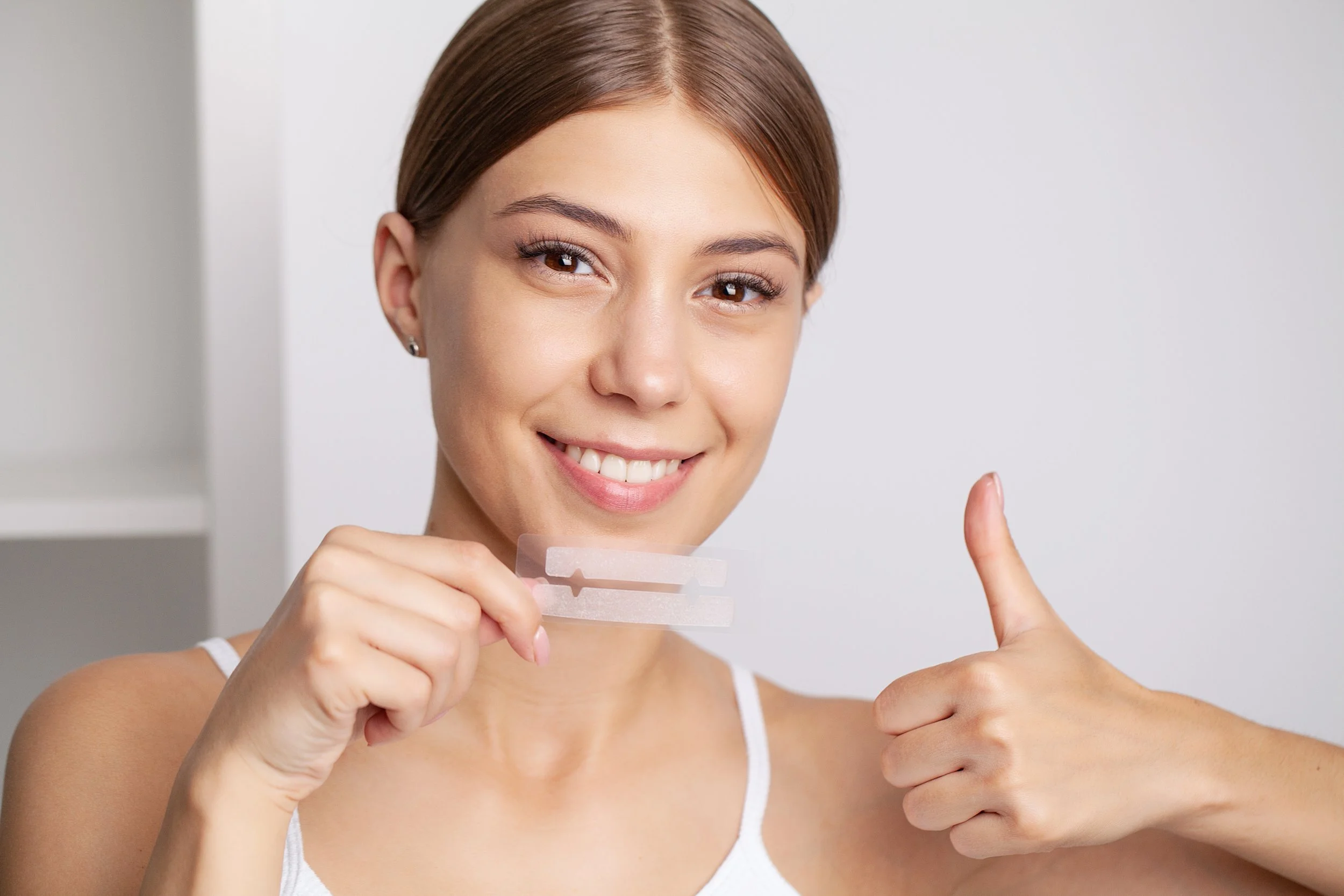
At-home whitening offers flexible options for people who prefer gradual change or cannot attend multiple office visits.
Convenience
Whitening teeth at home allows people to schedule treatment around daily life, using trays or strips in the evening or overnight. This is practical for those with busy schedules.
Gradual Whitening
Lower-peroxide whitening products applied over multiple days create a stepwise change that some people find more comfortable. Gradual whitening also allows individuals to stop when they reach a shade that looks natural to them.
Flexible Treatment Schedule
Most at-home whitening products can be paused if sensitivity develops, then restarted once symptoms improve, without needing an immediate dental appointment.
Variety of Options
People can choose between professional take-home trays, whitening strips, OTC trays, whitening rinses, and whitening toothpastes depending on goals. Some use more than one option over time, such as a tray-based series followed by whitening toothpaste for maintenance.
Limitations of At-Home Teeth Whitening
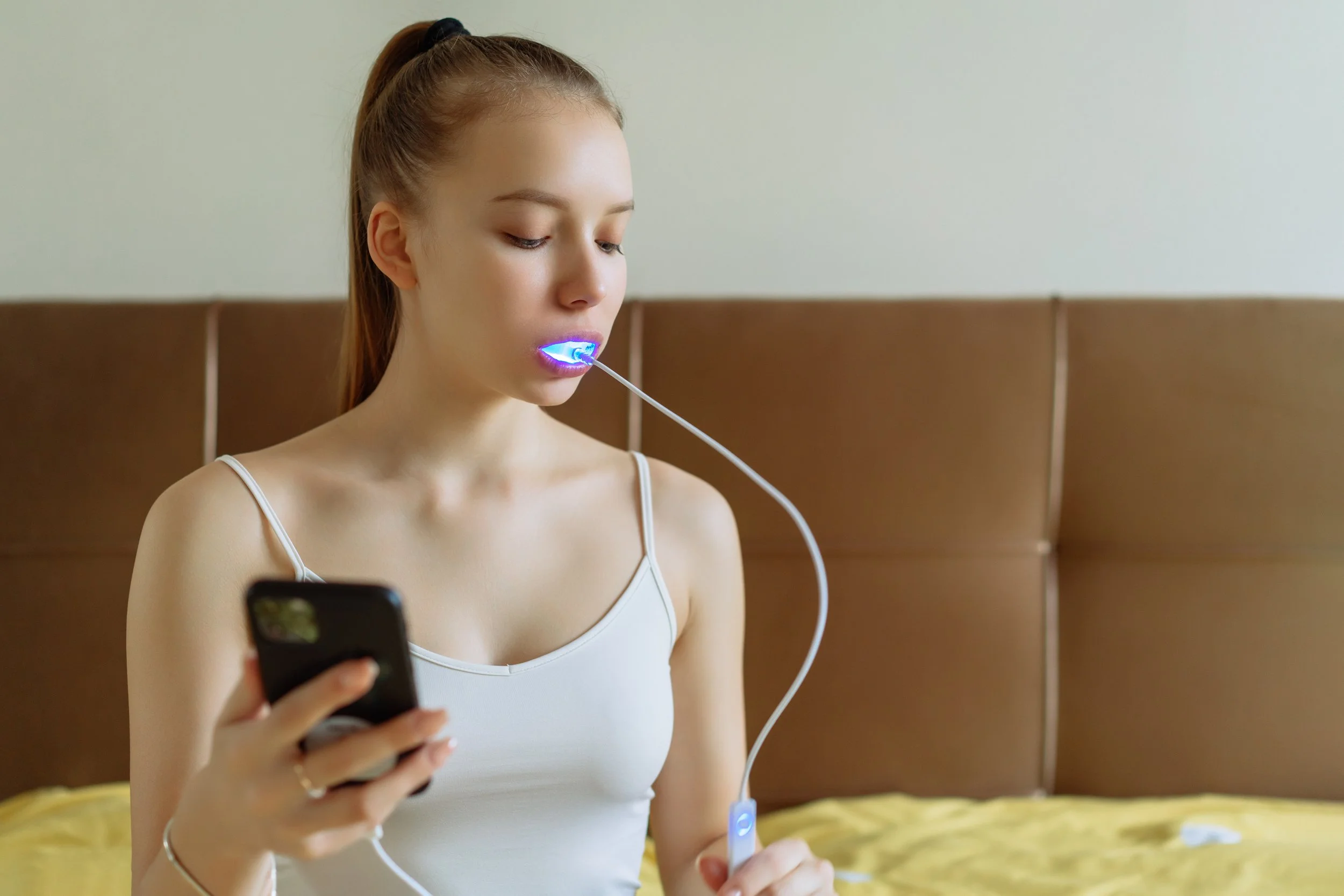
At-home whitening is effective for many people but tends to work more slowly and requires consistent use.
Results May Take Longer
Lower concentrations and shorter daily contact times mean most at-home teeth bleaching systems lighten color gradually over 1–3 weeks or more. People expecting overnight results may be disappointed.
Consistency Matters
Skipping applications or shortening wear time often leads to less noticeable results. Following the manufacturer's or dentist's schedule matters for achieving intended outcomes.
Uneven Whitening Can Occur
Generic trays, misaligned teeth, or thick plaque can prevent the whitening agent from contacting surfaces evenly. Existing crowns, veneers, or large fillings remain the same shade and may stand out after natural teeth lighten.
Sensitivity and Gum Irritation
Teeth whitening sensitivity and mild gum irritation can occur with at-home whitening products, particularly when used longer or more often than directed. Discontinue use and seek dental advice if persistent discomfort or painful white patches develop on gums.
Product Effectiveness Varies
Different teeth whitening methods sold over the counter use different concentrations and delivery systems. Clinical trials show professional take-home systems with higher-concentration carbamide peroxide produced greater color change than OTC trays or paint-on gels at six-month follow-up.
In-Office vs. At-Home Teeth Whitening: Key Differences
Both approaches can lighten responsive natural teeth, but they differ in speed, control, supervision, and treatment experience. This teeth whitening comparison summarizes the core distinctions.
Speed
In office whitening often produces obvious change after one visit. Professionally supervised trays or whitening strips may take days or weeks. Faster is not inherently "better," and some people are comfortable with slower change.
Professional Supervision
In-office whitening involves full clinical supervision. Professional take-home whitening includes periodic monitoring. Over-the-counter whitening products place more responsibility on the individual to notice problems and follow instructions.
Whitening Strength and Exposure
In-office products typically use higher peroxide concentration for shorter controlled periods, while at-home whitening uses lower concentrations for longer or repeated exposures. Final whitening results depend on both strength and total exposure time, as well as stain type, not concentration alone.
Convenience
Some people prefer dedicating one or two appointments. Others prefer fitting shorter, repeated applications into daily life. Neither approach is universally superior.
Control of Application
Dental teams use barriers and precise gel placement to reduce overflow. Home trays or strips depend on the user's technique and tray fit for even contact.
Tooth Sensitivity
Both in-office and at-home peroxide whitening can cause temporary sensitivity. Temporary sensitivity is a common side effect of whitening treatments regardless of method. A 2024 umbrella review found no statistically significant difference in post-operative sensitivity between in-office and at-home bleaching. People with exposed roots may benefit from slower, lower-concentration regimens or desensitizing strategies.
Results
Appropriately used professional teeth whitening and well-formulated at-home products can both lighten vital teeth. Stain type, baseline shade, and restored teeth are major factors. No method can promise a specific shade for every person.
Professional Take-Home Whitening: The Middle Ground
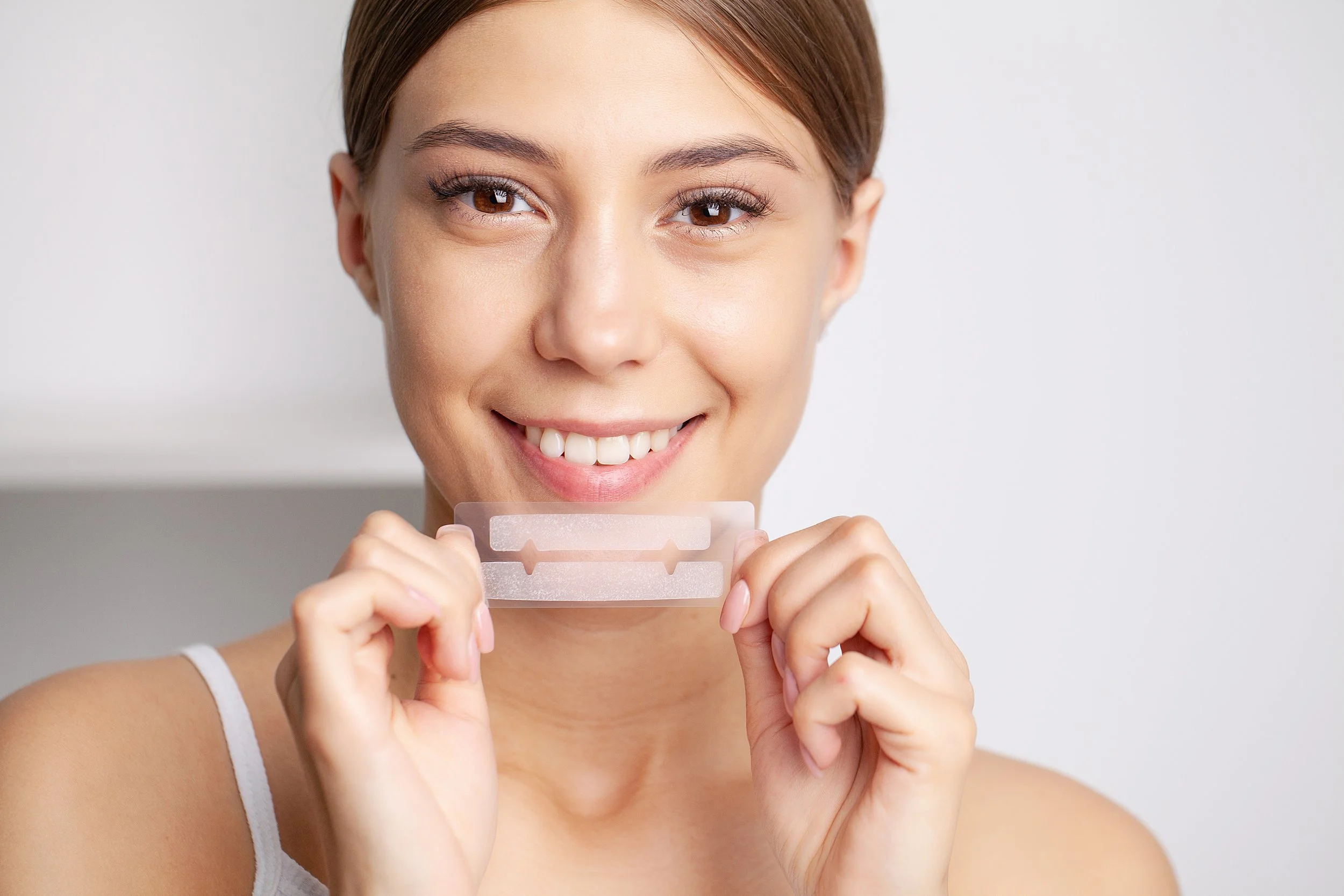
Professionally supervised take-home whitening combines the convenience of home use with professional assessment and customization.
Custom-Fitted Trays
Custom trays are created from impressions or digital scans, providing a close fit that reduces gel waste and limits gel contact with gums compared with generic trays.
Home Treatment With Professional Guidance
The dentist selects the whitening concentration, provides instructions on wear time, and may schedule follow-ups to assess response and adjust the protocol if sensitivity develops.
Gradual Results
Professional take-home whitening is usually worn for several hours per day or overnight for 1–3 weeks, producing progressive shade change rather than an immediate shift. This pacing may feel gentler for some people.
How It Differs From Store-Bought Products
Custom trays and professionally selected gel differ from one-size-fits-most trays and unspecified concentrations in OTC whitening systems. Professional assessment addresses existing oral conditions and dental restorations before starting.
How Long Does Teeth Whitening Take?
Timing depends on method, stain type, and individual biology.
In-Office Whitening Timeline
In-office whitening is usually one longer visit, sometimes followed by a second visit or home touch-ups. Visible lightening often appears at the end of the first appointment, though temporary post-treatment color rebound can occur as teeth rehydrate over a few days.
At-Home Whitening Timeline
Professional trays typically involve nightly use over 1–2 weeks. Strips and OTC trays often require daily use over 1–3 weeks. Mild change may be visible after several days, with full effect after completing the recommended course.
Why Whitening Speed Varies
Key influences include the type of stains, starting shade, the whitening agent used, daily contact time, and individual response. Stubborn gray or brown intrinsic discoloration may require longer treatment and may never match the response seen with yellowish stains.
How Long Do Teeth Whitening Results Last?

Whitening is not permanent. Results from professional whitening can last several months to years, but teeth whitening results can last up to a year with proper care. Whitening results may fade in 4–6 weeks without care.
New Surface Staining
Ongoing consumption of coffee, tea, red wine, and dark sodas gradually adds new surface stains. Avoid staining foods for 48 hours post-whitening. Using a straw can reduce contact between staining beverages and teeth, slowing new stain buildup. Following a "White Diet" helps maintain whitening results post-treatment.
Natural Color Changes
Enamel and dentin continue to change over time, meaning natural tooth color may shift slightly regardless of dietary habits. This is normal and may call for occasional touch-up whitening.
Oral Hygiene
Maintaining good oral hygiene is essential after teeth whitening. Regular brushing with fluoride toothpaste, flossing, and periodic professional cleanings support stain removal. Regular dental cleanings help to maintain brightness by removing surface stains. Even excellent hygiene cannot permanently freeze a shade.
Touch-Ups
Many people use shorter whitening sessions as touch-ups when color darkens. Use custom-fitted trays for touch-up treatments when possible. Monthly home bleaching can extend whitening effects. Caution: whitening more often than recommended increases the chance of sensitivity and tissue irritation.
Teeth Whitening and Tooth Sensitivity

Temporary tooth sensitivity is one of the most commonly reported side effects of peroxide-based whitening, whether in-office or at-home. Understanding bleaching and tooth sensitivity helps set realistic expectations.
Why Whitening Can Cause Sensitivity
Peroxide diffuses through enamel and dentin to the pulp, where it can temporarily change fluid movement or nerve responsiveness. This does not automatically mean permanent damage but can produce transient heightened sensitivity.
What Whitening Sensitivity Feels Like
Common sensations include brief sharp twinges when breathing cold air, sipping cold water, or biting cold foods, plus generalized ache or increased response to sweet drinks. These typically fade within hours to days after the whitening gel is removed.
Factors That May Influence Sensitivity
Previous history of sensitive teeth, exposed root surfaces from gum recession, cracked teeth, large fillings, peroxide concentration, total daily contact time, and frequency of use all matter. People differ in how strongly their teeth react, even with the same product.
Managing Whitening-Related Sensitivity
Practical strategies include shortening wear time, spacing out applications, switching to a lower-concentration gel, or using toothpaste for sensitive teeth. Approaches that produce less tooth sensitivity, such as lower-concentration home gels, may suit some people better. Contact a dental professional if sensitivity is intense or persistent.
When Sensitivity May Be Something Else
Prolonged or severe pain localized to one tooth, spontaneous throbbing, or pain when chewing may indicate cavities or cracks rather than whitening sensitivity. Pause whitening and seek evaluation if symptoms go beyond brief, mild discomfort.
Is Teeth Whitening Safe?
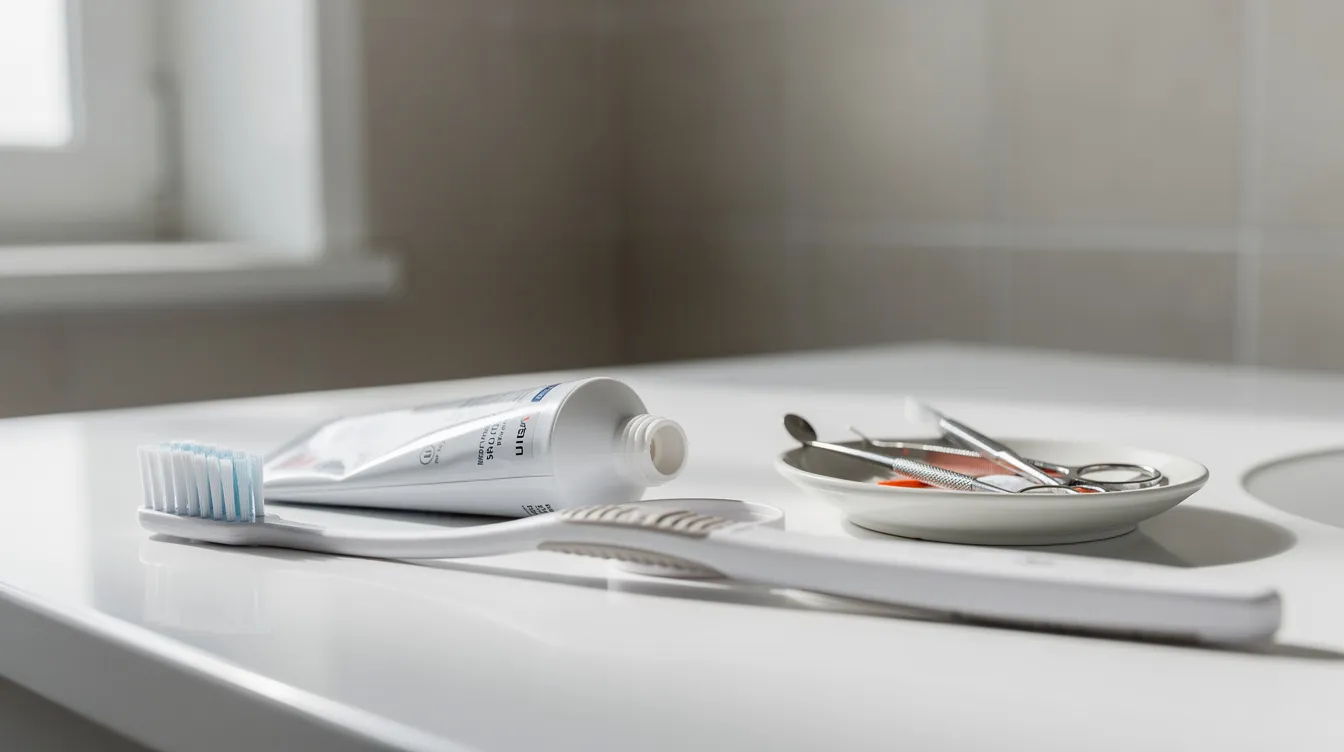
Peroxide-based tooth whitening has been studied for decades and is generally considered safe when used as directed, according to the American Dental Association. Safety depends on product formulation, exposure time, oral health status, and correct use.
Following Product Instructions
Respect recommended application times and frequencies. Extending wear does not necessarily produce brighter teeth but does increase sensitivity and irritation risk.
Protecting Gums and Soft Tissues
Contact between whitening gel and gums can cause temporary irritation or white patches. Correct tray fit and cautious application help limit this. Rinse thoroughly and discontinue use if significant soft-tissue irritation develops.
Avoiding Excessive Whitening
High concentrations of peroxide can damage tooth enamel when misused. Aggressive bleaching increases susceptibility to tooth demineralization. Repeating full whitening courses frequently or layering multiple whitening products at once can strain teeth and gums. Aim for realistic, stable results rather than continuously chasing a whiter smile.
Existing Oral Health Problems
Active cavities, cracked teeth, significant gum disease, or exposed roots can make whitening uncomfortable. These conditions may need to be addressed first. A dental evaluation helps determine when whitening is appropriate.
Does Whitening Work on Crowns, Fillings, Veneers, and Implants?
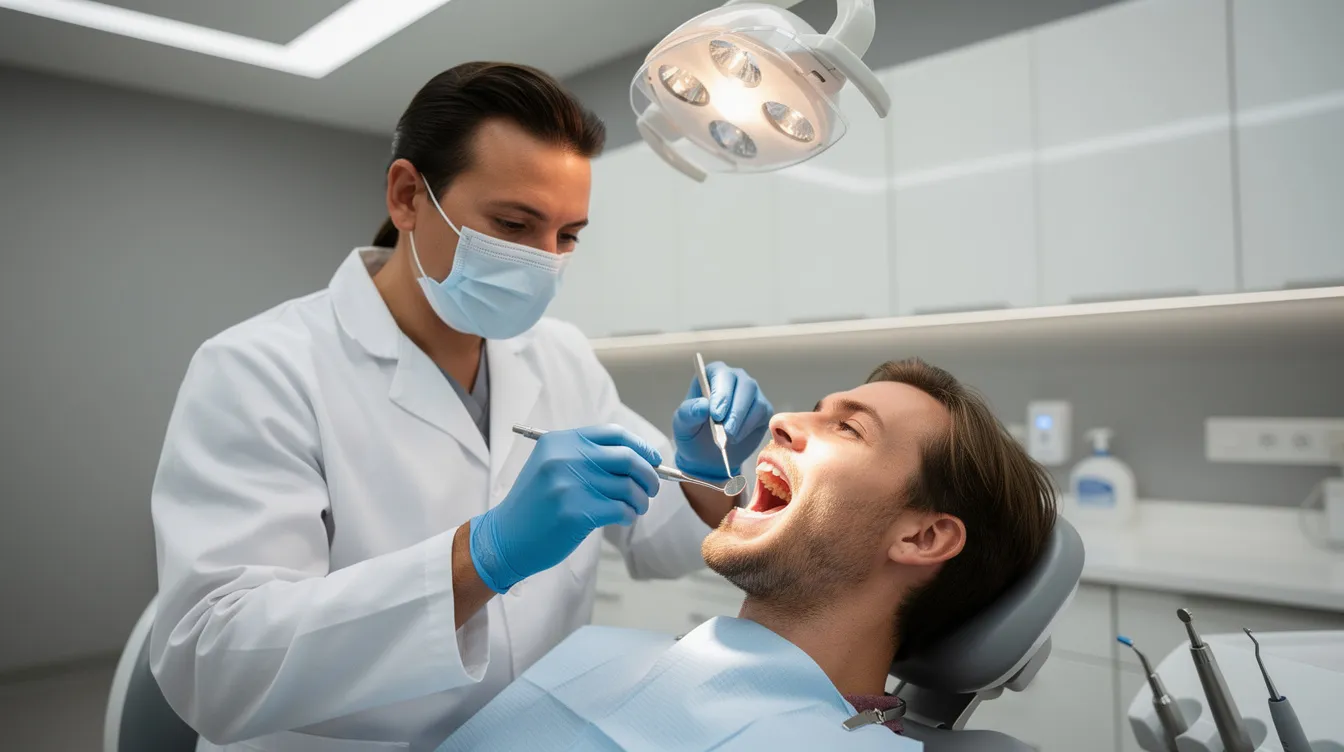
Most conventional whitening products are designed for natural tooth structure and do not predictably change the color of dental restorations.
Natural Teeth
Peroxide-based whitening is intended for natural enamel and dentin and can effectively lighten many types of stains in natural teeth, though response varies with intrinsic discoloration.
Crowns
Porcelain or metal-ceramic crowns are manufactured to a fixed shade and do not lighten with standard bleaching agents. External stains on crowns can sometimes be polished away, but the underlying color stays the same.
Fillings and Bonding
Tooth-colored composite fillings and bonding materials do not bleach like enamel. Older composites may need replacement if they contrast with newly whitened surrounding teeth.
Veneers
Porcelain veneers resist whitening; their color does not change with peroxide bleaching. Mismatch can occur if adjacent natural teeth are significantly whitened.
Implant Crowns
Implant-supported crowns are fixed-shade restorations that do not respond to the bleaching process. Planning whitening before implant crown shade selection can help achieve a more harmonious overall result.
Shade Mismatch
Whitening natural teeth when multiple visible restorations are present can make restored teeth appear darker by comparison. Discussing timing and potential restoration replacement with a dentist is advisable if whitening is part of a broader treatment plan.
What Types of Stains Respond Best to Whitening?
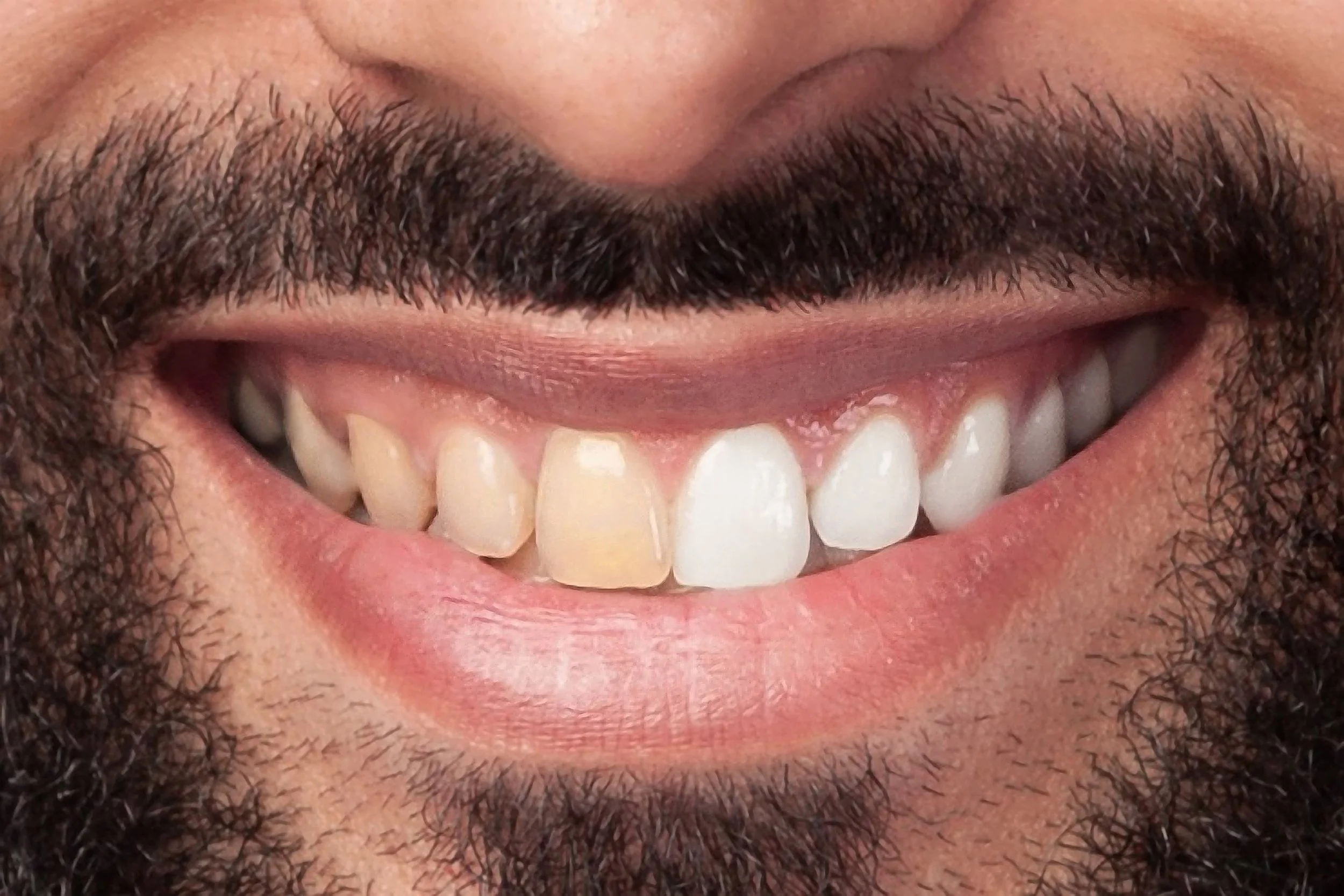
Not all stained teeth respond equally. Recognizing stain type helps set expectations for whitening results.
Extrinsic Stains
Extrinsic stains are discoloration on the enamel surface from coffee, tea, red wine, and tobacco. These respond well to surface-stain removal and typically also respond favorably to peroxide bleaching.
Intrinsic Discoloration
Intrinsic discoloration sits within the tooth structure, including age-related dentin darkening and some medication-related changes. These deep stains can sometimes be lightened by peroxide but may require more time, and improvement may not be complete.
Yellow, Brown, and Gray Discoloration
Yellowish discoloration often lightens more readily than brown stains or gray stains. Gray discoloration from medications or trauma is often more resistant and may need combined approaches or alternative cosmetic treatments.
A Single Dark Tooth
An isolated dark tooth should be evaluated for pulp health or previous trauma before any whitening plan. Internal bleaching or restorative procedures may be needed rather than generalized external whitening.
Whitening Toothpaste vs. Peroxide Whitening
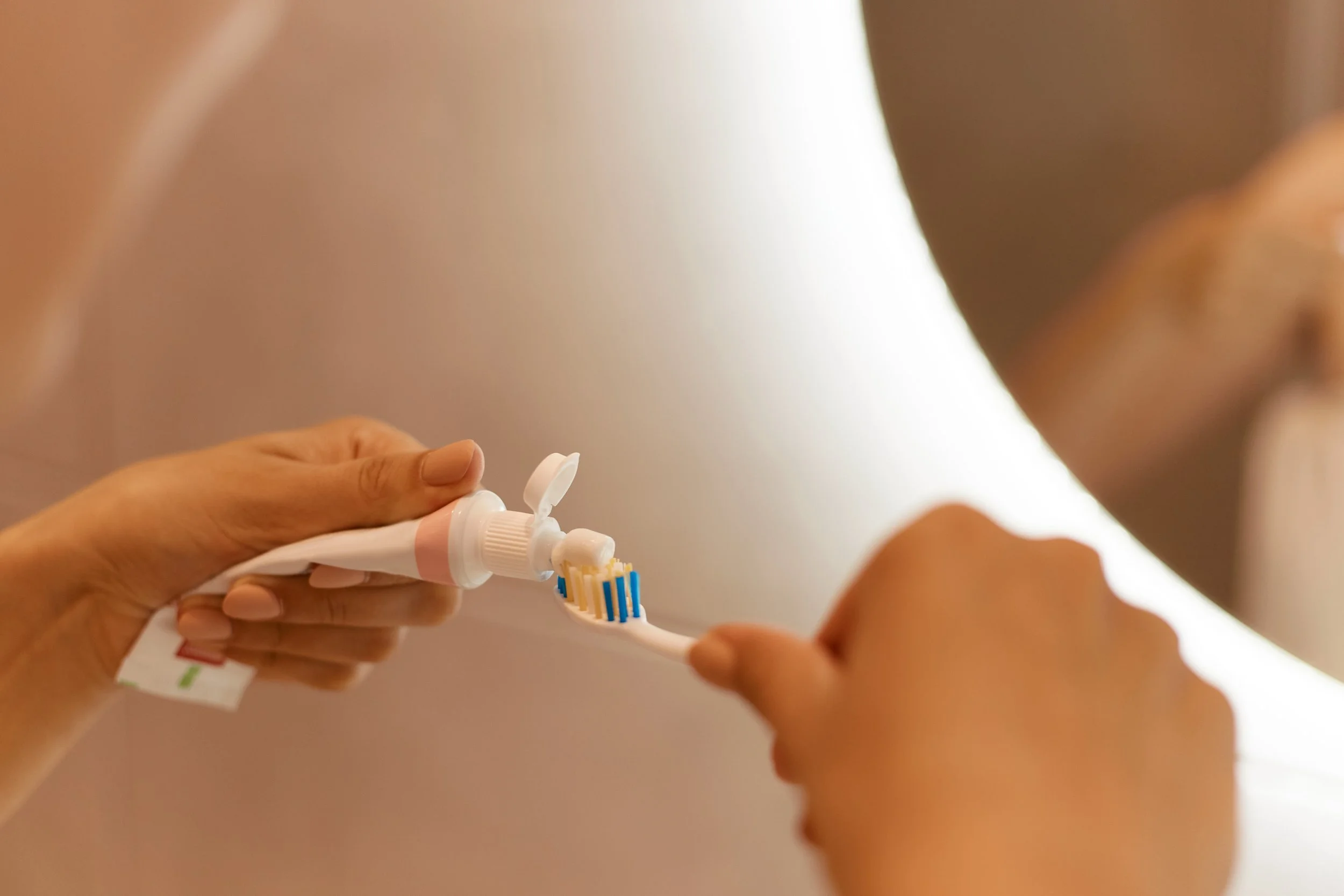
Whitening toothpastes and peroxide-based bleaching agents serve different roles in stained teeth treatment.
How Whitening Toothpaste Works
Whitening toothpaste formulations include polishing agents, detergents, or low peroxide levels aimed at helping to remove surface stains. They typically produce subtle changes and are best for maintaining results from more intensive whitening.
How Peroxide Whitening Works
Peroxide whitening agents penetrate enamel and dentin and chemically lighten tooth color through the breakdown of chromogens, going well beyond surface cleaning and producing more noticeable shade change.
Abrasiveness and Overuse
Any toothpaste with high abrasiveness, or overly forceful brushing, can contribute to gradual enamel wear. Choose products with balanced cleaning ability and use a soft-bristled brush, particularly if you have sensitive teeth.
At-Home Whitening Mistakes to Avoid
Many side effects from at-home whitening come from using whitening products differently than directed.
Leaving Products on Longer Than Directed
Exceeding recommended wear times can increase tooth sensitivity and gum irritation without guaranteeing a teeth bright outcome. Adhere to instructions even if results seem slow initially.
Whitening More Frequently Than Recommended
Repeating full whitening cycles too often leads to cumulative sensitivity. Discuss any desire for frequent retreatment with a dentist.
Applying Products to Irritated Gums
Starting whitening when gums are already sore or bleeding can aggravate existing irritation. Address gum health first.
Excessively Combining Multiple Whitening Products
Using strips, trays, rinses, and whitening toothpaste intensively at once multiplies exposure and can increase discomfort without proportional gains.
Using Unproven DIY Whitening Remedies
Some popular home remedies lack evidence for safety and may harm enamel and gums. The next section examines common DIY trends.
DIY Teeth Whitening Remedies: What to Know
Social media often promotes "natural" whitening options, but natural does not automatically mean safe or effective.
Baking Soda
Baking soda is mildly abrasive and appears in some commercially formulated toothpastes at controlled levels. Vigorous scrubbing with straight baking soda can wear enamel and does not replicate peroxide bleaching's internal color change.
Lemon Juice and Other Acids
Acidic liquids like lemon juice or vinegar should not be used as whitening agents. Repeated acid exposure can thin enamel, increase sensitivity, and make teeth more prone to staining.
Charcoal
Charcoal products are marketed for whitening, but scientific evidence for meaningful bleaching efficacy is limited. Abrasiveness is a concern with long-term use.
Household Hydrogen Peroxide
Household hydrogen peroxide solutions are not designed as stand-alone oral-care products and can irritate tissues if misused. Use professionally designed whitening products or dentist-guided whitening systems instead.
"Natural" Does Not Automatically Mean Safe
Many natural substances can still be acidic, abrasive, or irritating. Evaluate safety and evidence, and consult a dental professional before trying unconventional methods.
Who May Need Extra Caution With Teeth Whitening?
Certain groups require additional consideration before starting any whitening treatment.
People With Significant Tooth Sensitivity
Those who already experience temperature sensitivity may find whitening less comfortable and may need lower-strength products or alternative approaches.
People With Gum Recession or Exposed Roots
Exposed root surfaces lack enamel coverage and are more sensitive to peroxide contact. Additional protection or different treatment plans may be needed.
People With Cavities or Cracked Teeth
Whitening gel entering cavities or cracks can cause sharp pain. Decay and structural issues should be addressed before the bleaching procedure. External cervical resorption is a rare but serious concern that dental professionals screen for.
People With Multiple Visible Restorations
Numerous front-tooth fillings, crowns, or veneers will not lighten with whitening, so significant whitening may create uneven color. Planning may include updating restorations afterward.
Pregnancy and Breastfeeding
Data on elective whitening during pregnancy and breastfeeding remain limited. Many professionals choose to postpone cosmetic whitening during these periods.
Children and Adolescents
Teeth are still developing in younger patients, and discoloration can have varied causes. Suitability of whitening depends on age, tooth development, and the cause of discoloration, guided by a dental professional.
How to Compare Teeth Whitening Options

There is no single best teeth whitening method for everyone. Consider these factors:
Type of Discoloration
Whether staining is mainly extrinsic or intrinsic affects which methods are most helpful. Professional assessment helps when the cause is unclear.
Desired Speed of Results
In office bleaching suits those wanting faster visible change. Gradual at-home whitening fits those comfortable with slower shifts.
Existing Tooth Sensitivity
Discuss concentration levels and desensitizing measures with a dentist before starting if sensitivity is a concern.
Crowns, Fillings, Veneers, or Implant Restorations
Factor in shade mismatch risk and the potential need to update restorations after whitening.
Preferred Level of Professional Supervision
Some value direct in-office supervision, others prefer professional take-home guidance, and some are comfortable with OTC options.
Treatment Convenience
Compare dedicating 1–2 appointments versus consistently using trays or strips at home over days or weeks.
Realistic Expectations
Match expectations to each method's typical performance. Modest brightening, more noticeable change, and simple stain clean-up are all valid goals for a whiter teeth outcome or a brighter smile.
Common Myths About Teeth Whitening
"Professional Whitening Permanently Whitens Teeth"
All whitening results change over time as new stains accumulate and aging continues. No professional whitening treatment produces permanent results.
"At-Home Whitening Does Not Work"
Appropriately used at-home peroxide whitening systems can significantly lighten tooth color in responsive natural teeth, especially with professional supervision.
"The Strongest Product Always Works Best"
Bleaching efficacy depends on balancing strength, contact time, stain type, and individual comfort. The highest peroxide concentration is not always preferable and may cause increased tooth sensitivity.
"Whitening Works on Crowns and Fillings"
Standard bleaching agents do not reliably change the color of restorations. These may need separate treatment for color adjustment.
"Whitening Toothpaste Bleaches Teeth Like Peroxide"
Whitening toothpastes mainly act on surface stains and do not produce the same internal color change achieved with peroxide-based gels used in teeth whitening procedures.
"Whitening Always Damages Enamel"
Established whitening products used according to instructions have a long history of use. Misuse or abrasive DIY methods carry greater risk.
"If Whitening Hurts, It Means It Is Working"
Discomfort is not a marker of effectiveness. Significant pain is a reason to adjust or stop treatment and seek professional guidance. A brighter teeth result does not require suffering.
Frequently Asked Questions
How does teeth whitening work?
Peroxide-based whitening agents penetrate tooth enamel and react with colored compounds inside the tooth, breaking them into smaller, less visible fragments. This lightens the tooth from within rather than coating it.
Is in-office whitening better than at-home whitening?
"Better" depends on priorities. In-office whitening offers speed and supervision. At-home whitening offers convenience and flexibility. Both can effectively lighten responsive teeth when used appropriately.
Does professional whitening work faster?
Yes, in-office whitening generally produces quicker visible change because of higher concentrations and direct application. However, final shade depends on stain type, individual response, and maintenance.
Can at-home whitening work?
Professionally supervised trays and many OTC whitening strips and gels provide noticeable results over days or weeks when used consistently. Studies show at-home methods can approach similar color change as in-office whitening over time.
What is professional take-home whitening?
Dentist-provided custom trays filled with prescription-strength whitening gel, used at home according to individualized instructions. It combines professional assessment with the convenience of home treatment.
How long does teeth whitening take?
In-office whitening typically requires one or two visits. At-home strips and trays often require daily use over 1–3 weeks. Timelines vary by method and stain severity.
How long do results last?
Duration varies from months to over a year depending on diet, tobacco use, hygiene, and new stain exposure. Touch-ups are common for maintaining lighter color.
Does teeth whitening cause sensitivity?
Temporary sensitivity is a common side effect for some people. It typically feels like brief sharp twinges to cold and usually fades within hours to days after stopping treatment.
Is whitening safe for enamel?
Established dental whitening products used as directed have a long track record. Overuse or harsh DIY methods carry greater risk. Following instructions is essential.
Can whitening irritate gums?
Peroxide contact with gums may cause temporary irritation or white patches. Proper tray fit and removing excess gel promptly help minimize this.
Does whitening toothpaste work?
Whitening toothpastes mainly help remove surface stains and may lighten tooth color by 1–2 shades. They do not replace peroxide bleaching for deeper changes.
Do whitening strips work?
Many peroxide-based whitening strips can lighten teeth by 1–2 or more shades over a course of use, with results depending on the product and user consistency.
Can crowns, fillings, veneers, or implants be whitened?
Conventional bleaching does not reliably change the color of these materials. Options for color change involve polishing or replacing restorations to match newly whitened teeth.
Why is one tooth darker than the others?
A single dark tooth may have internal changes from trauma, decay, or previous dental work. Evaluation is needed before deciding on a whitening approach.
Is repeated whitening safe?
Many people safely have periodic touch-ups. Frequent, unsupervised repetition or overlapping whitening products can increase sensitivity and irritation. Professional guidance helps determine safe intervals.
Are DIY whitening remedies safe?
Acidic, abrasive, or unregulated DIY methods carry risk of enamel erosion and tissue irritation. Evidence-based products and professional advice offer more predictable and safer results.
How do I compare in-office and at-home whitening?
Consider speed, supervision level, sensitivity history, stain type, existing restorations, personal schedule, and realistic expectations. No single method is universally superior for all situations.
Conclusion
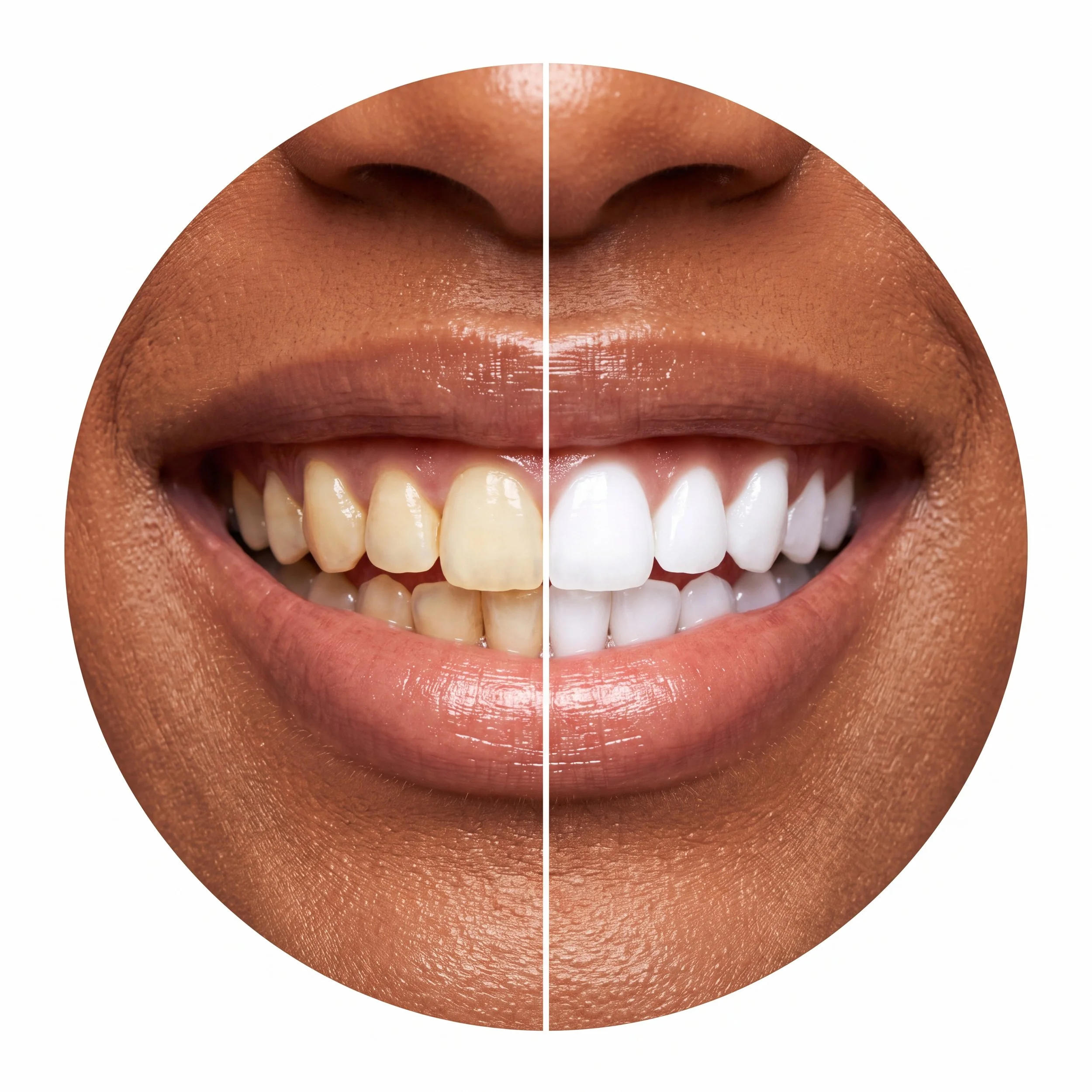
In-office professional whitening, professionally supervised take-home whitening, and over-the-counter at-home products each serve different roles in lightening responsive natural teeth. The main differences center on speed of whitening results, application method, level of professional involvement, and the day-to-day treatment experience rather than one approach being universally superior.
Stain type, existing dental restorations, tooth sensitivity, and overall oral health strongly influence which teeth whitening options are appropriate and how well they work. Extrinsic stains from food and tobacco tend to respond more readily than intrinsic discoloration from medications or trauma, and restorations will not lighten to match newly whitened teeth without separate treatment.
Safe use matters with every approach. Following product instructions, avoiding overuse, and steering clear of unproven DIY remedies all help protect teeth and oral tissues. Aligning whitening choices with realistic expectations and professional guidance when needed leads to more satisfying, sustainable outcomes.