Key Takeaways
Adults can support good oral health by brushing teeth twice a day with fluoride toothpaste and cleaning between teeth daily
Gentle, thorough brushing for about two minutes is more effective and safer than aggressive scrubbing
Dental plaque is soft and removable daily, while tartar is hardened and usually needs professional removal
Diet, frequent sugar and acid exposure, saliva flow, and dry mouth strongly influence cavity and erosion risk
Healthy gums should not routinely bleed during gentle cleaning; persistent bleeding deserves attention
Oral hygiene must include cleaning around crowns, bridges, implants, dentures, and other appliances
Mouthwash can support specific goals but cannot replace brushing and interdental cleaning
Smoking, vaping, and chewing tobacco affect gum health and oral tissues even with good home care
Oral hygiene needs may shift from young adulthood through older age, but tooth loss and severe disease are not unavoidable
Regular professional dental care combined with a simple, consistent daily routine offers the best chance of maintaining healthy teeth and gums for life





Oral hygiene is the daily care you give your teeth, gums, and the rest of your mouth. It goes well beyond tooth brushing. Adults should brush your teeth twice a day with fluoride toothpaste and clean between teeth daily to help prevent tooth decay and gum disease. Good oral hygiene also involves managing diet, supporting saliva flow, and protecting teeth from habits that cause damage.
Adult oral health needs shift over time. Medications, dry mouth, gum recession, dental restorations, orthodontic retainers, and age-related changes can all influence what your mouth requires. More than 80% of people have had at least one cavity by age 34, which means dental disease is common even among adults who try to take care of their teeth.
The good news is that maintaining oral health does not need to be complicated. A few consistent habits form the backbone of a healthy mouth. This article is a practical guide to daily brushing, cleaning between teeth, protecting enamel and gums, understanding fluoride and diet, managing dry mouth, caring for dental work, and recognizing when to seek professional help.
What Is Good Oral Hygiene?

Good oral hygiene means everyday practices that keep teeth, gums, and oral tissues clean, comfortable, and as disease-free as possible. The core goals include controlling dental plaque, protecting tooth enamel, supporting healthy gums, limiting bad breath, and reducing the risk of preventable oral disease.
Maintaining optimal oral hygiene prevents cavities and gum disease. It is an ongoing routine rather than an occasional deep clean before seeing the dentist. Good oral hygiene helps prevent bad breath and painful dental problems that can become costly and complex to treat.
Dental Plaque and Why It Matters
Dental plaque is a soft, sticky biofilm that continually forms on teeth and along the gum line. It is made up of communities of microorganisms, their metabolic byproducts, and food debris. Plaque is not simply "dirt" or leftover food.
When plaque is not regularly disrupted through brushing and interdental cleaning, the bacteria within it metabolize sugars and produce acids that attack enamel. This process drives tooth decay and gum inflammation. A fuzzy or filmy coating on teeth at the end of the day is a common sign of plaque buildup that daily cleaning can remove.
Plaque vs. Tartar
Plaque is soft and removable with effective daily brushing and flossing. Tartar, also called dental calculus, forms when plaque hardens through mineralization, typically within 24 to 72 hours in areas near the gum line and behind lower front teeth.
Tartar creates a rough surface that traps even more plaque and irritates nearby gums. Unlike plaque, tartar cannot generally be removed at home. Professional cleanings help detect early signs of oral health issues and remove tartar that daily care misses. Adults who tend to form tartar quickly may need more frequent professional cleaning visits.
Healthy Teeth and Healthy Gums
Healthy teeth are comfortable during eating and drinking, free of obvious cavities, and not constantly sensitive to normal temperatures. Healthy gums feel firm, fit closely around each tooth, and do not routinely bleed with gentle brushing or interdental cleaning.
Gum color varies naturally among individuals and skin tones. Health is better judged by comfort, firmness, and absence of persistent swelling or bleeding rather than by a single ideal shade. Importantly, dental problems including early tooth decay and gum disease can develop silently, so the absence of pain does not guarantee good oral health.
Building a Daily Oral Hygiene Routine

Effective adult oral hygiene works best as a predictable morning and nighttime routine built around a small number of key habits. Consistency matters far more than owning specialty products. Brush your teeth twice a day and floss daily, and you establish the foundation of a routine that protects teeth and gums throughout life.
Brush Twice a Day
Adults should brush your teeth twice a day with fluoride toothpaste, typically after breakfast and before bed, cleaning all accessible tooth surfaces and along the gum line. Nighttime brushing is especially important because saliva flow slows during sleep, giving acids and plaque more time to act on uncleaned teeth. Linking brushing to daily cues like waking up and getting ready for bed helps the habit stick.
Clean Between Teeth Every Day
Toothbrush bristles cannot reach the tight contact points between teeth where plaque and food particles accumulate. Flossing daily removes plaque from spaces toothbrushes cannot reach, and cleaning between teeth prevents cavities between them. Options include dental floss, interdental brushes, water flossers, and floss picks. The best tool is the one you can use effectively and consistently. Ask your dental hygienist to demonstrate a method that fits your tooth spacing and dental work.
Use Fluoride Toothpaste
Using fluoride toothpaste strengthens tooth enamel and helps make teeth more resistant to acid-related mineral loss. Fluoride supports remineralization of early weakened areas, helping prevent cavities. It complements but does not replace effective plaque removal through brushing and interdental cleaning.
Clean the Tongue When Needed
The tongue's textured surface can trap microorganisms and food particles that contribute to bad breath. Gentle tongue cleaning with a scraper or soft toothbrush is an optional step. It helps with freshness but is not a primary method for preventing tooth decay or gum disease.
Make the Nighttime Routine Count
A simple nighttime sequence works well: clean between teeth, brush thoroughly with fluoride toothpaste, then avoid eating or drinking anything but water afterward. Since saliva flow decreases during sleep, the mouth has less ability to neutralize acids overnight. Keep it straightforward. Place your toothbrush, floss, and any removable appliances in a visible spot to make the routine easy to remember.
How to Brush Your Teeth Effectively

Brushing technique matters because simply moving a brush around the mouth quickly may leave many surfaces untouched. The goal is gentle, thorough cleaning along the gum line and on every tooth surface. Research shows that brushing twice daily for two minutes reduces the risk of cavities compared to shorter or less frequent sessions.
Brush for About Two Minutes
Spending about two minutes ensures every region of the mouth receives attention. A practical strategy is to mentally divide the mouth into four sections and spend roughly 30 seconds on each. A timer, phone, or built-in timer on an electric toothbrush can help you reach the full duration.
Clean Every Tooth Surface
Cover all three main areas on every tooth:
Outer surfaces facing the cheeks and lips
Inner surfaces facing the tongue and palate
Chewing surfaces with grooves and pits
Follow a set pattern each time to avoid missing the same spots daily. Do not neglect the inner surfaces of lower front teeth, where tartar frequently forms.
Use Gentle Pressure
Pressing harder does not remove more plaque. Soft, short strokes with light pressure are enough. Signs of overbrushing include splayed bristles, gum tenderness, and notches near the gum line. Hold the toothbrush with a relaxed grip, similar to holding a pen, using your thumb and index finger to guide it gently.
Position the Brush Near the Gumline
Plaque collects where the tooth meets the gum, so angle the bristles slightly toward the gum line and move them gently along each tooth. Keep movements small and controlled rather than large, fast scrubbing strokes.
Do Not Forget the Back Teeth
Molars do the bulk of chewing, have deeper grooves, and are prone to plaque buildup and decay. Open wide and angle the brush head to reach the very back teeth on both the cheek and tongue sides. A smaller brush head or powered toothbrush can help if reaching these areas is difficult.
Choosing a Toothbrush

Both manual toothbrushes and powered toothbrushes can be effective when used correctly with soft bristles and proper technique. Focus on a head size that fits comfortably in the mouth and a handle that is easy to grip and control.
Soft-Bristled Toothbrushes
A soft bristled toothbrush cleans effectively while being gentle on teeth and gums. Harder bristles and aggressive scrubbing can contribute to gum recession and surface wear. Soft bristles are especially important for older adults, people with thin gum tissue, or those with sensitivity.
Manual Toothbrushes
Manual toothbrushes are reliable, affordable, and work well when used twice daily for about two minutes with gentle technique. Choose a compact head if you have a small mouth or difficulty reaching back teeth. Replace a manual brush when bristles begin to spread or after about three months.
Electric Toothbrushes
An electric toothbrush can make effective brushing easier by providing consistent, small brush movements. Helpful features include built-in two-minute timers and pressure sensors. A 2025 network meta-analysis found oscillating-rotating powered brushes ranked highest for plaque and gingivitis reduction, though a well-used manual brush still delivers strong results. Powered brushes can be particularly useful for people with arthritis or reduced dexterity, but they are not a requirement for good oral health.
When to Replace a Toothbrush or Brush Head
Replace manual toothbrushes or electric brush heads about every three months, or sooner if bristles look worn or splayed. Frayed bristles clean less effectively and may irritate gums. Consider replacing the brush after recovering from a cold or flu.
Flossing and Cleaning Between Teeth

Cleaning between teeth is a core part of adult oral hygiene, not an optional extra. Plaque and food can collect where teeth touch and along the gum line between teeth, areas that toothbrush bristles cannot reliably reach.
Why Brushing Alone Is Not Enough
Even when teeth look clean from the front, plaque can sit in tight spaces out of sight. Unremoved plaque between teeth contributes to cavities and early gum inflammation. Brushing plus interdental cleaning together offers far better protection than brushing alone.
How to Floss Effectively
To hold floss properly, wind about 18 inches around your middle finger on each hand, then guide it with your index finger. Gently slide dental floss between teeth, curve it into a C shape against one tooth, and move it up and down. Repeat on the neighboring tooth. Avoid snapping floss into the gums. Use a clean section for each space.
Interdental Brushes
Interdental brushes are small, cone-shaped brushes designed to clean the spaces between teeth. They can serve as a special brush for people with larger gaps, gum recession, bridges, or dental implants. Each space may need a particular size. Do not force them where spaces are very tight.
Water Flossers
Water flossers use a pulsating stream of water to flush out plaque and food particles. They can be useful for adults with braces, bridges, or difficulty using traditional floss. Some people benefit from combining water flossing with other interdental tools.
Floss Picks and Other Interdental Tools
Floss picks and pre-threaded devices make interdental cleaning more convenient. Convenience often improves consistency. The best interdental tool is the one you can and will use every day.
Fluoride and Enamel Protection
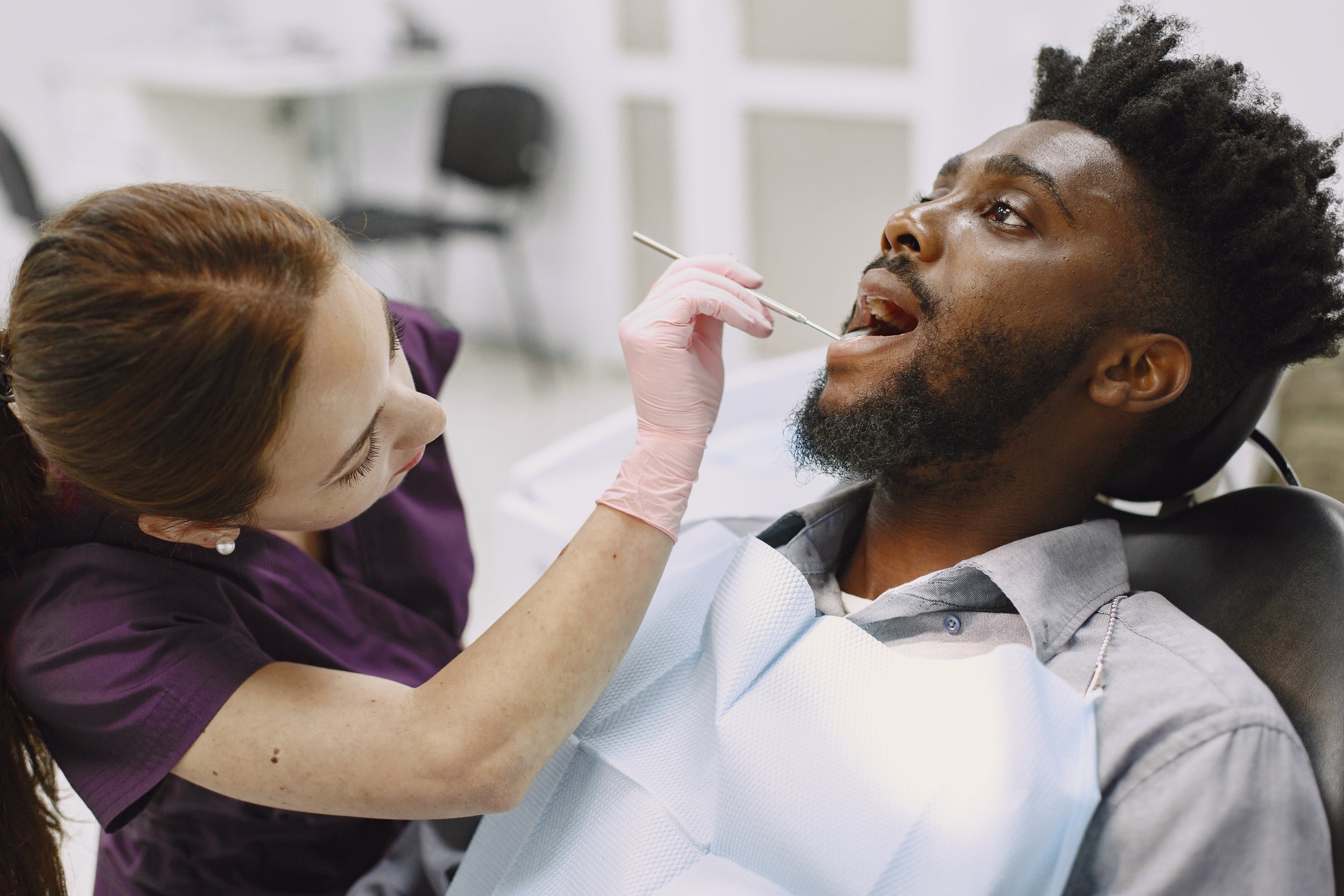
Teeth face repeated acid challenges from plaque bacteria and from acidic foods and drinks. Tooth enamel constantly loses and gains minerals, and fluoride helps tip this balance toward repair. Appropriate fluoride use is safe and beneficial for adults, not just children.
How Fluoride Helps Teeth
Acids from bacteria and diet dissolve tiny amounts of minerals from the tooth surface in a process called demineralization. Remineralization is the natural repair process where minerals from saliva and fluoride re-enter weakened enamel. Fluoride makes enamel more resistant to acid and supports repair of early mineral loss before cavities form.
Fluoride Toothpaste
Fluoride toothpaste is a standard part of adult dental care and is recommended by the American Dental Association for cavity prevention. Use a pea-sized amount for adults, brush thoroughly for about two minutes, then spit out excess foam rather than swallowing. Avoid rinsing vigorously with water immediately after brushing so more fluoride remains on teeth.
Fluoridated Drinking Water
In many communities, drinking water contains fluoride at levels designed to help reduce tooth decay across the population. Fluoridated water works together with toothpaste to support enamel health. Adults who mostly drink bottled or filtered water may receive less fluoride, depending on local supplies and filter types.
Additional Fluoride for Higher-Risk Adults
Some adults at higher risk for cavities, such as those with dry mouth, many fillings, or frequent new decay, may be advised to use additional fluoride products. Options include fluoride mouth rinse or prescription-strength toothpaste. Any higher-strength fluoride product should be used exactly as directed by a dental professional.
Keeping Gums Healthy
Adult oral hygiene protects not only teeth but also the gums and deeper supporting structures. Untreated gum inflammation can progress to more serious periodontal disease, making daily plaque control and regular dental care essential for keeping gums healthy.
What Healthy Gums Typically Look and Feel Like
Healthy gums feel firm, comfortable when brushed gently, and not prone to ongoing swelling or bleeding. Gum color varies widely across individuals and skin tones. Get familiar with your own baseline so you can notice persistent changes over time.
Why Gums Bleed
Bleeding gums often signal that plaque has remained along the gum line, leading to inflammation. Starting or improving interdental cleaning can temporarily increase bleeding as inflamed tissue is disturbed. Other contributors include brushing too hard, hormonal changes, and certain medications. Persistent bleeding should be discussed with a dentist and is not something to simply ignore.
Gingivitis
Gingivitis is a mild form of gum disease caused by plaque buildup where teeth and gums meet. Common signs include redness, swelling, tenderness, and bleeding with brushing or flossing. Daily brushing and flossing can reverse mild gum disease, and professional cleanings support improvement. Gum disease can worsen diabetes and other chronic conditions, so controlling gingivitis matters for overall health.
Periodontitis
Periodontitis is a more advanced form of periodontal disease affecting deeper tissues and bone that support teeth. Signs can include gum recession, loose teeth, changes in bite, and persistent bad breath. Poor oral health can lead to heart disease and stroke, and oral infections can lead to heart disease and stroke as well. Chronic gum disease is linked to increased risk of cognitive decline. Gum disease can worsen blood sugar control in diabetics, and diabetes increases the risk of gum disease severity. Periodontitis requires professional diagnosis and a treatment plan with ongoing care. About 42% of U.S. adults aged 30 and older have some form of periodontitis.
Avoid Aggressive Brushing
Aggressive brushing can damage gum tissue, exposing root surfaces and making teeth more sensitive. Worn notches near the gum line or receding gums are signs of overbrushing. Gentle, patient tooth brushing along the gum line with soft bristles is both safer and more effective than scrubbing.
Diet and Everyday Oral Health

Oral hygiene continues throughout the day, not just during brushing. Eating and drinking patterns strongly affect teeth and gums, and both what you consume and how often you expose teeth to sugar and acids influence cavity and erosion risk.
Sugar and Tooth Decay
Certain oral bacteria metabolize sugars and other fermentable carbohydrates and produce acids as byproducts. Repeated acid attacks gradually dissolve minerals from enamel, creating weak spots that may progress to cavities. Limiting sugary snacks and beverages protects against tooth decay. Reducing sugar intake and choosing tooth-friendly snacks like nuts, cheese, or raw vegetables helps lower risk.
How Often You Eat Matters
Grazing or sipping sugary drinks over many hours keeps acid levels elevated and reduces time for saliva to repair teeth. Combining meals and choosing set snack times is kinder to teeth than constant nibbling. Finishing meals with water helps rinse away food particles and dilute acids.
Sugary Drinks
Common sugary drinks include soda, sweetened coffee and tea, energy drinks, sports drinks, and many fruit-flavored beverages. Sipping these slowly or repeatedly throughout the day prolongs acid exposure. Limit frequency, keep sugary drinks with meals when possible, and choose plain water between meals.
Acidic Foods and Drinks
Dental erosion is direct loss of tooth structure from acids not produced by bacteria, such as from citrus juices, soda, or vinegar-based drinks. Erosion can thin enamel over time, leading to sensitivity and changes in tooth appearance. Avoid swishing acidic drinks, use a straw aimed toward the back of the mouth, and wait about 30 minutes before brushing after acid exposure. Erosion and cavities are different processes, though a person can experience both.
Foods That Support Overall Dental Health
A healthy diet with vegetables, fruits, whole grains, lean proteins, and dairy or fortified alternatives supports strong teeth and gums. Calcium- and phosphate-rich foods like milk, yogurt, and cheese help provide minerals involved in tooth maintenance. Crunchy, unsweetened foods like raw carrots can stimulate saliva flow.
Water and Oral Health
Water is the best everyday beverage for teeth. It has no sugar, helps rinse away food particles, and supports saliva production. Adequate hydration supports oral health and helps wash away food particles. In areas with fluoridated drinking water, choosing tap water provides ongoing low-level enamel support. Adults who frequently feel thirsty or have dry mouth should keep water nearby and sip regularly.
Saliva and Dry Mouth

Saliva is a key natural defense for oral health, helping maintain a healthy mouth between brushing sessions. When saliva flow drops, cavity risk rises, oral infections become more likely, and everyday comfort decreases.
How Saliva Protects the Mouth
Saliva washes away food particles and dissolved sugars, buffers acids to protect enamel, and carries minerals such as calcium and phosphate that help repair early enamel damage. It also keeps soft tissues comfortable and supports tasting and chewing.
Common Causes of Dry Mouth
Medications are among the most common contributors to dry mouth, including many drugs for high blood pressure, allergies, depression, and pain. Other contributors include dehydration, mouth breathing, tobacco products, those who drink alcohol heavily, and certain health conditions. Dry mouth can occur at any age but is more frequent among older adults due to polypharmacy.
Why Dry Mouth Can Increase Cavity Risk
Dry mouth can lead to tooth decay and infections because reduced saliva means slower clearance of sugars and weaker acid buffering. Decay in adults with dry mouth may develop quickly along the gum line or on root surfaces, even in people who brush regularly. Adults with persistent dryness and increased cavities should seek tailored advice about fluoride and other preventive strategies.
Everyday Ways to Support a Moist Mouth
Drink small sips of water throughout the day
Chew sugar-free gum to stimulate saliva, especially varieties containing xylitol
Avoid frequent sugary or acidic beverages as a coping strategy for dryness
Use a humidifier at night
Avoid tobacco and consume less alcohol
Discuss persistent symptoms with a healthcare professional
Oral Hygiene With Dental Work

Crowns, bridges, dental implants, dentures, and retainers are common in adult dental care and all require regular cleaning. While artificial materials like ceramic or metal do not develop cavities themselves, the natural teeth and gums around them still need protection.
Crowns
A crown covers part or all of a tooth, but the natural tooth structure beneath and around the crown edge remains vulnerable to decay. Brush carefully along the margin where the crown meets the gum line and use floss or interdental brushes gently between crowned teeth.
Bridges
A dental bridge replaces missing teeth by anchoring to neighboring teeth or implants. Food and plaque collect under the replacement tooth and around the supports. Tools like floss threaders, super floss, or interdental brushes can slide under the bridge. Ask your dental team for a custom demonstration.
Dental Implants
Implants are artificial roots placed in the jaw to support crowns, bridges, or dentures. The implant itself does not get cavities, but plaque can still irritate surrounding gums and supporting bone. Daily brushing and interdental cleaning around implant-supported teeth with soft brushes keeps tissues healthy.
Removable Dentures
Both full and partial dentures require daily cleaning. Remove dentures to clean them, gently brush with a non-abrasive cleaner, and rinse thoroughly. The gums, tongue, and any remaining natural teeth also need routine brushing. Take dentures out at night if advised to let oral tissues rest.
Retainers and Other Removable Appliances
Orthodontic retainers, clear aligners, night guards, and sports mouthguards should all be cleaned daily. Never place a dirty appliance over freshly cleaned teeth. Store appliances in a clean, ventilated case and bring them to dental visits for inspection.
Common Oral Hygiene Mistakes
Many adults genuinely try to take care of their teeth but unintentionally develop habits that reduce effectiveness. Small corrections can significantly improve oral health outcomes.
Brushing Too Hard
Pressing firmly may feel thorough but can damage gums and wear tooth surfaces. If your bristles splay outward quickly, you are likely using too much force. A softer grip or a brush with a pressure sensor can help.
Brushing Too Quickly
A 20-to-30-second brushing session misses entire areas, especially back teeth and inner surfaces. Aim for two minutes and follow a repeatable pattern every time.
Only Brushing the Front Teeth
Many people focus on the teeth they see when they smile. Molars and premolars often develop cavities and gum problems first when cleaning is incomplete.
Skipping Interdental Cleaning
Skipping flossing leaves plaque on surfaces that brushing does not touch. Start small: clean between teeth daily at least once, choosing a time that is realistic for you.
Using Oral Rinses as a Substitute for Brushing
Swishing with a mouth rinse cannot physically scrub away plaque. Rinses may freshen breath or deliver helpful ingredients, but they should be considered an add-on, not the foundation of oral hygiene.
Ignoring Bleeding Gums
Gums that bleed regularly with gentle cleaning are signaling irritation or another issue. Avoiding those areas allows more plaque to accumulate and worsens inflammation. Continue gentle cleaning and arrange a dental assessment if bleeding persists.
Assuming Pain Is the First Sign of Dental Disease
Many cavities and early gum problems cause no pain until advanced. More than 40% of adults report mouth pain within the last year, often after problems have progressed. Regular dental visits help prevent oral health problems and catch small issues early.
Using Teeth as Tools
Opening packages, tearing tape, biting tags, or cracking nutshells with teeth can chip enamel, fracture restorations, or cause cracks. Use scissors, bottle openers, or other appropriate tools instead.
Mouthwash: Is It Necessary?

Mouthwash can be helpful for some adults as a supplement to brushing and interdental cleaning, but it is not mandatory for everyone. Cosmetic rinses mainly freshen breath, while therapeutic rinses may contain active ingredients like fluoride or antimicrobials.
What Mouthwash Can Do
Some mouthwashes contain fluoride to support enamel or antimicrobial ingredients to help reduce plaque-related bacteria. Therapeutic rinses may be recommended by dentists for specific conditions such as gingivitis or high cavity risk. Follow label directions carefully.
What Mouthwash Cannot Replace
Mouthwash cannot mechanically remove dental plaque and food particles like brushing and interdental cleaning can. Using mouthwash after incomplete brushing does not compensate for missed surfaces.
Choosing an Oral Rinse
Consider your goals: fresh breath, enamel support, or gum health. Avoid rinses high in alcohol if they cause discomfort, especially with dry mouth. Discuss options with a dentist, particularly if you have gum disease or frequent cavities.
Protecting Teeth From Wear and Damage

Good oral hygiene includes protecting teeth from physical and chemical wear. Habits like grinding, chewing hard objects, and frequent acid exposure gradually wear down otherwise healthy teeth.
Teeth Grinding and Clenching
Bruxism is grinding or clenching teeth, often during sleep or stress. Signs include morning jaw soreness, headaches, worn tooth edges, and chipped enamel. A dentist can identify wear patterns and may suggest protective options like a night guard.
Chewing Ice and Hard Objects
Chewing ice, hard candies, popcorn kernels, or pen caps can lead to cracks, chips, or fractures in teeth and restorations. Swap for safer alternatives like sipping cold water.
Using Teeth to Open Things
Teeth are designed for chewing food, not for opening bottles, snapping tags, or holding items. Twisting or levering motions can create cracks that lead to sensitivity or tooth breakage.
Sports and Recreational Activities
Contact sports and activities with fall risk can cause dental injuries. Properly fitted mouthguards help protect teeth, lips, and jaws. Adults with orthodontic appliances or vulnerable restorations should ask about suitable mouthguard options.
Acid Exposure and Tooth Wear
Frequent acid exposure leads to gradual enamel thinning, especially when combined with mechanical wear from heavy brushing or grinding. Limit acidic drinks, avoid brushing immediately after acid exposure, and use fluoride toothpaste to support enamel.
Smoking, Vaping, and Oral Hygiene
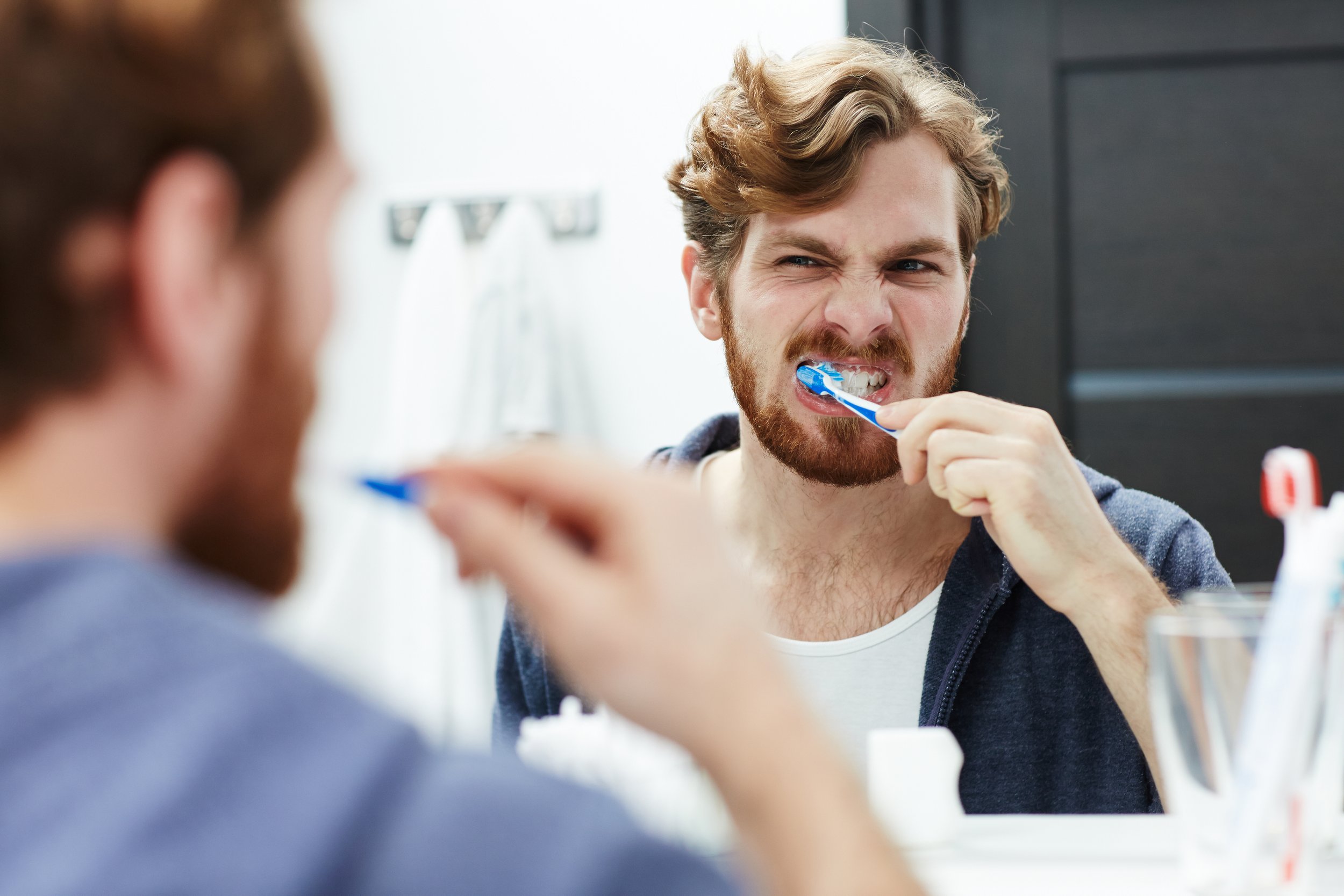
Tobacco and nicotine products affect oral tissues even for adults who practice good oral hygiene daily. Excellent brushing cannot fully offset these effects, though maintaining thorough dental care remains important at every stage.
Smoking and Gum Health
Smoking significantly increases the risk of gum disease and oral cancers. It can reduce obvious signs like bleeding, masking early gum problems. Poor oral health can contribute to systemic health issues like heart disease and diabetes, and smoking compounds these risks. Smokers should pay close attention to daily plaque control and keep regular dental appointments.
Vaping and the Mouth
Research is still developing, but possible oral effects of vaping include dry mouth, irritation of soft tissues, and changes in the oral environment. Flavored or sweetened liquids may increase exposure to sugars or acids. Mention vaping use to dental professionals so advice can be tailored.
Smokeless Tobacco
Smokeless tobacco products like chewing tobacco and snuff are placed in the mouth along the gums or cheeks. They can irritate local tissues, increase risk of certain oral disease, and cause gum recession where they are frequently placed. Watch for persistent sores or tissue changes and seek prompt professional evaluation. Pregnant women who use tobacco products face an increased risk for complications including low birth weight infants, and should discuss cessation with their healthcare provider.
How Oral Hygiene Needs Can Change With Age
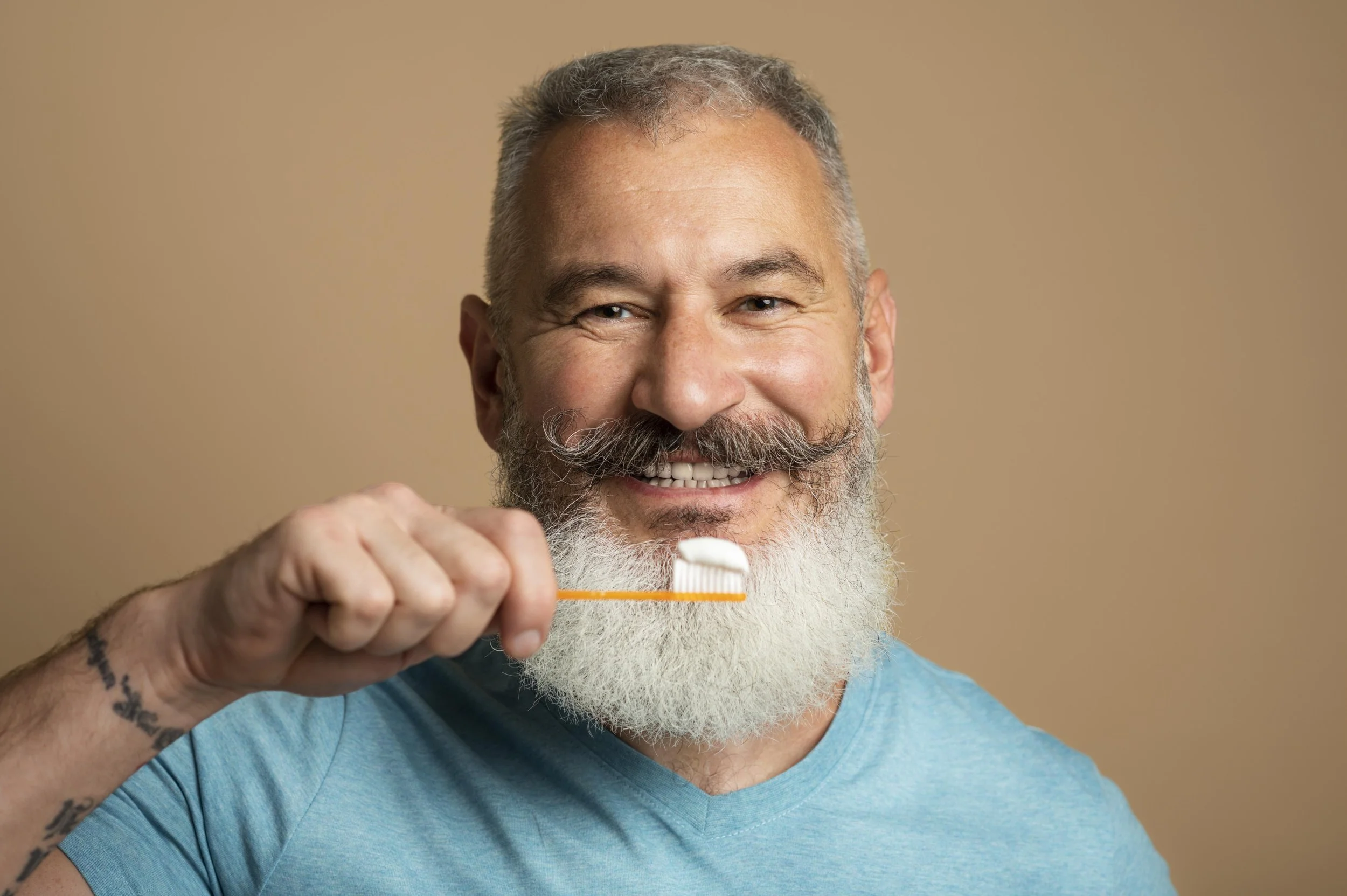
The core principles of adult oral hygiene remain consistent throughout life, but specific needs and challenges shift. Aging does not make cavities, gum disease, or tooth loss inevitable. Instead, it can change risk factors and require simple adaptations.
Young Adults
Young adults often face irregular schedules, late-night snacking, and frequent sugary or acidic drinks. Orthodontic retainers or clear aligners require thorough cleaning of both teeth and appliances. Wisdom teeth can be hard to clean and may trap plaque. Building strong teeth daily habits early, including twice-daily brushing and daily interdental cleaning, protects good oral health long term.
Middle Adulthood
Many adults in this stage have multiple fillings, crowns, or other restorations needing careful cleaning around margins. Gum health becomes increasingly important with greater focus on preventing or managing gingivitis and early periodontitis. Medications for blood pressure, mood, or chronic health conditions can contribute to dry mouth and increased risk for cavities.
Older Adults
Older adults may experience gum recession, exposing root surfaces more vulnerable to decay and sensitivity. Dry mouth is more common due to multiple medications, increasing cavity risk even in long-time brushers. Some older adults use implants, partial dentures, or full dentures and may need help adapting routines. Tooth loss and missing teeth are not an automatic part of aging. The National Institute of Dental and Craniofacial Research reports that about 17% of adults aged 65 and older have lost all teeth, but this rate has declined over decades with better dental care.
Adapting Oral Hygiene to Changing Needs
Powered toothbrushes or modified handles help adults with arthritis or limited hand strength
Interdental brushes and water flossers serve as alternatives when traditional flossing becomes difficult
Family members and caregivers can support independent oral care while stepping in when needed
Adjusting tools and routines helps adults of any age practice good oral hygiene
Signs Your Oral Hygiene Routine May Need Attention
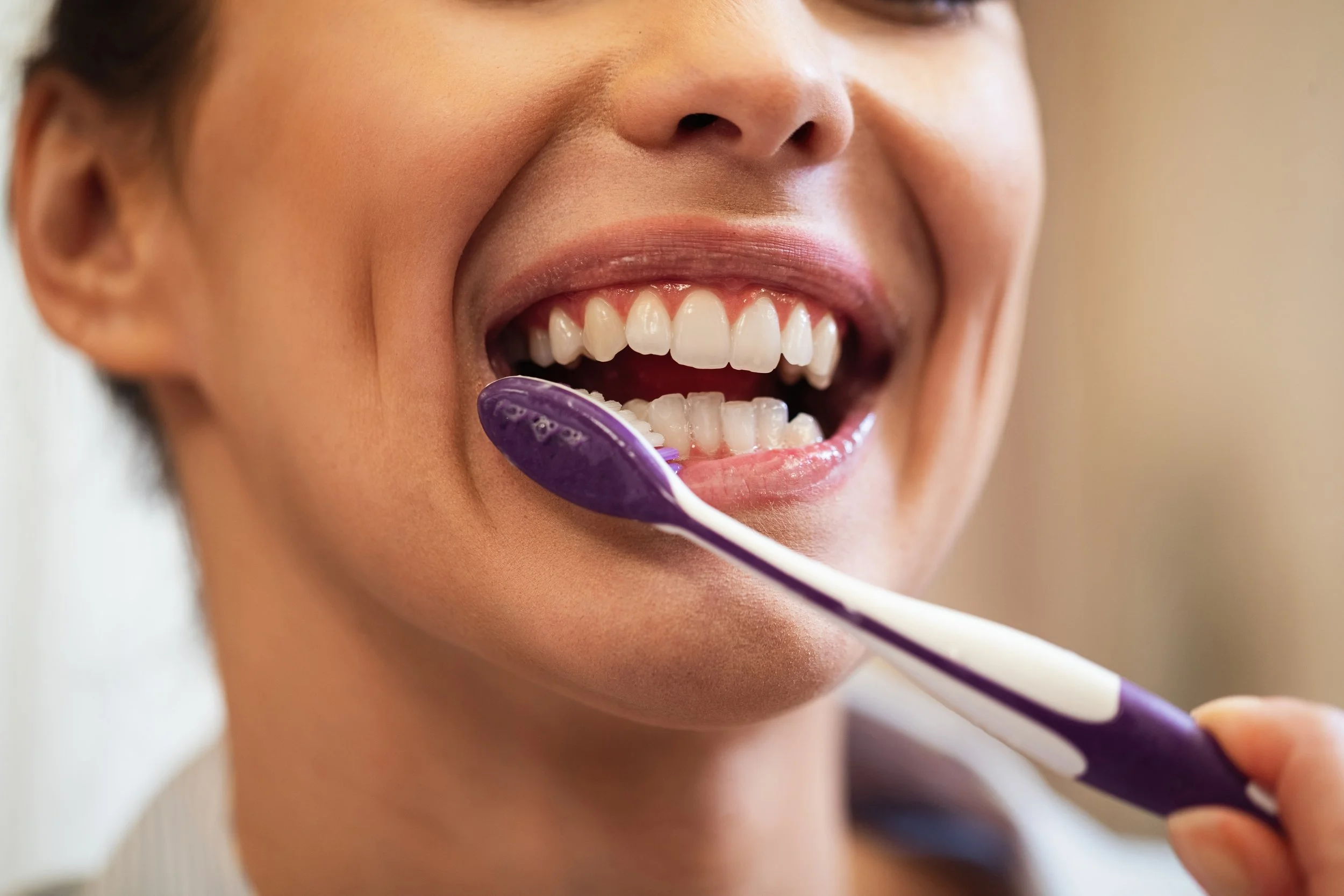
Certain changes in the mouth can signal that current habits might not be meeting your oral health needs. These signs can have many possible causes, and professional evaluation matters more than self-diagnosis. Regular dental visits are recommended at least every six months to catch problems early.
Gums That Bleed Regularly
Frequent bleeding with gentle brushing or flossing suggests gum irritation or inflammation that warrants attention from a dentist.
Persistent Bad Breath
Bad breath that does not improve with thorough brushing, interdental cleaning, and tongue cleaning may signal plaque buildup, gum disease, dry mouth, or other oral health problems.
Increasing Tooth Sensitivity
Growing sensitivity to hot, cold, or sweet foods may indicate enamel wear, gum recession, or cavities. See a dentist to identify the cause.
Visible Plaque or Tartar Buildup
Chalky or sticky films near the gum line signal plaque, while yellow or brown hardened deposits indicate tartar. Noticeable buildup suggests technique or frequency may need improvement.
Red, Swollen, or Tender Gums
Persistent redness, puffiness, or soreness may be signs of gingivitis or other gum issues. Seek dental advice rather than self-treating.
Gum Recession
Gums pulling away from teeth can occur from gum disease, brushing too hard, or other factors. Recession exposes root surfaces that are more prone to decay and sensitivity.
Loose Teeth
Adult teeth should not feel loose or wobbly. Looseness may relate to gum disease, trauma, or other conditions needing prompt evaluation.
Tooth Pain
Ongoing or spontaneous tooth pain signals that decay, cracks, or other issues may have reached deeper structures. Contact a dental professional promptly.
Chipped or Cracked Teeth
Chips and cracks can allow bacteria to enter, increase sensitivity, and compromise tooth strength. Have damaged teeth assessed even if they do not hurt initially.
Persistent Dry Mouth
Ongoing dryness, stickiness, or difficulty swallowing dry foods suggests reduced saliva flow. Discuss with both a dentist and physician.
Mouth Sores or Tissue Changes That Do Not Resolve
Sores, white or red patches, or other tissue changes lasting longer than about two weeks need professional evaluation. Most are not serious but should be checked promptly, especially in adults who smoke or drink alcohol regularly.
When Oral Symptoms May Need Prompt Attention
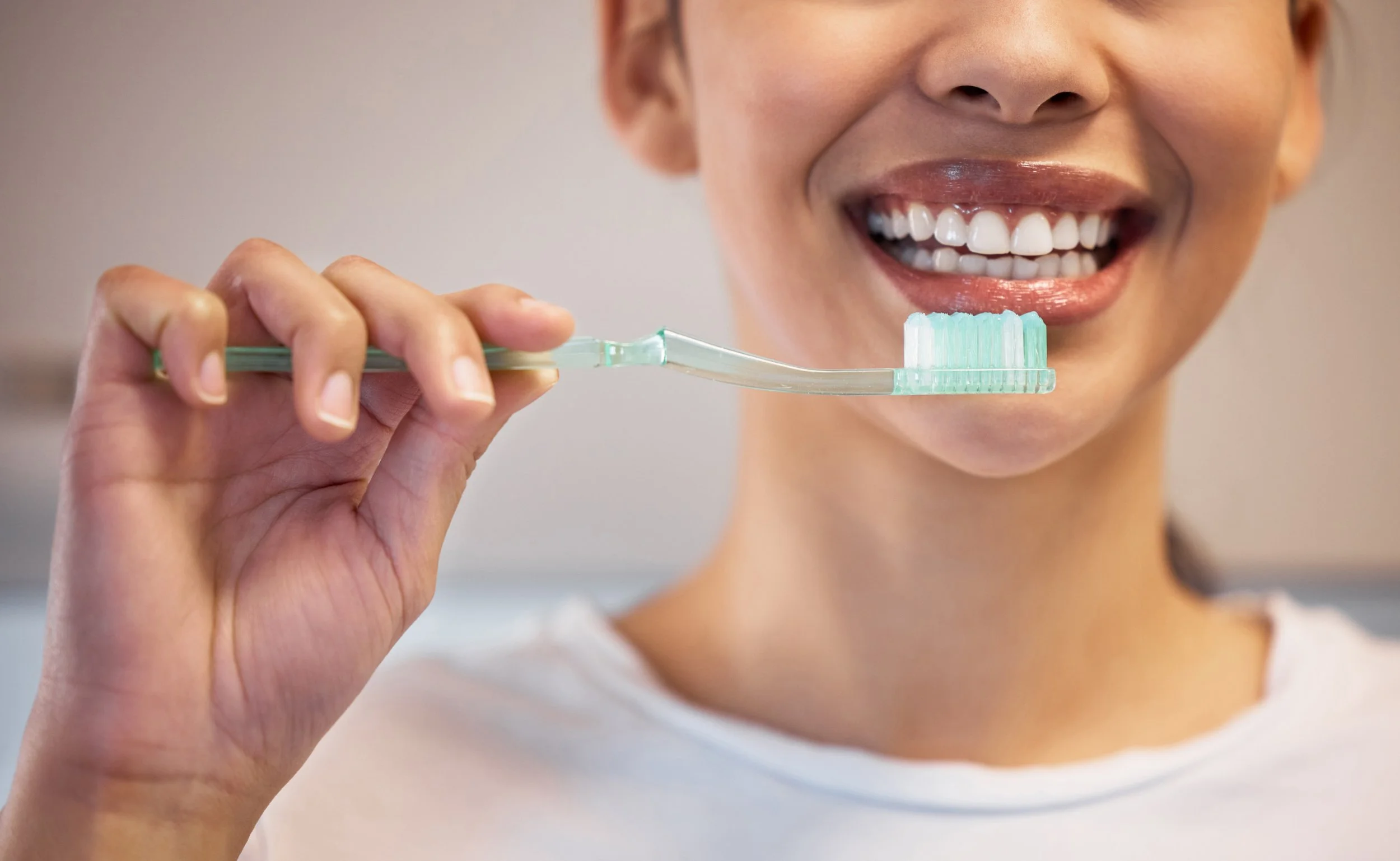
Most daily oral hygiene concerns are not emergencies, but some symptoms can indicate urgent health problems requiring immediate in-person care.
Significant Facial or Oral Swelling
Rapidly developing swelling of the face, cheek, jaw, or gums may indicate infection or trauma. Seek immediate care, especially if swelling is spreading.
Fever With Dental Infection Symptoms
Fever combined with toothache, swelling, or pus from gums can signal spreading infection. Contact a healthcare professional without delay.
Severe or Rapidly Worsening Tooth Pain
Intense pain preventing sleep, eating, or functioning requires urgent dental attention. Do not rely solely on pain medication.
Difficulty Swallowing or Breathing
Any trouble swallowing or breathing linked to mouth or jaw problems can be a medical emergency. Seek emergency care immediately.
Significant Dental Trauma
Broken or displaced teeth, heavy bleeding after injury, or jaw trauma after falls require urgent dental or emergency-room evaluation.
A Knocked-Out Permanent Tooth
Time is critical. Keep the tooth moist in milk or saliva and seek emergency dental care immediately.
Uncontrolled Oral Bleeding
Heavy bleeding from the mouth that does not slow with gentle pressure is a concerning sign. Seek emergency medical or dental care.
Common Myths About Adult Oral Hygiene

Misunderstandings about oral health can lead adults to skip useful habits or rely on ineffective ones. Here are common myths and the facts behind them.
"Brushing Harder Cleans Teeth Better"
Plaque is soft and can be removed with gentle brushing. Harder pressure mainly risks damaging gums and enamel. Thoroughness and time, not force, are the keys.
"Flossing Is Only Necessary When Food Is Stuck"
Interdental cleaning removes plaque every day, not just visible food. Waiting until food is wedged misses the preventive benefit of daily plaque removal.
"Bleeding Gums Mean You Should Stop Flossing"
Bleeding is usually a sign of inflammation, not a reason to stop cleaning. Continue careful flossing and arrange a dental visit if it continues.
"Mouthwash Can Replace Brushing"
Mouthwash alone cannot scrub plaque from tooth surfaces or between teeth. Rinses are best used after effective brushing and interdental cleaning.
"If My Teeth Do Not Hurt, They Must Be Healthy"
Early cavities and gum disease are often painless and can progress quietly. Regular dental checkups and daily care matter even when everything feels fine.
"Adults Do Not Need Fluoride"
Adults can develop new cavities at any age, including root decay as gums recede. Fluoride toothpaste and fluoridated water continue to help protect enamel throughout adulthood. The oral health topics covered by the Centers for Disease Control and Prevention confirm that about 91% of adults aged 20 to 64 have experienced caries.
"Dental Problems Are an Inevitable Part of Aging"
While risks change with age, tooth loss and severe gum disease are not guaranteed outcomes. Many older adults keep most or all of their natural teeth with consistent oral hygiene and professional care.
"Electric Toothbrushes Always Clean Better"
Both manual and powered brushes can be effective when used regularly with good technique. Features like timers and pressure sensors help some people but do not automatically guarantee better cleaning.
A Simple Daily Oral Hygiene Checklist
Morning
Brush your teeth thoroughly for about two minutes with fluoride toothpaste, covering all surfaces and the gum line
Clean the tongue gently if it tends to collect coating
Drink water to rehydrate and support saliva flow
Place removable appliances back only after teeth and gums are clean
During the Day
Choose water as your main beverage between meals
Limit frequent sugary snacks and long sipping of sweet or acidic drinks
Use sugar-free gum after meals if appropriate to stimulate saliva
Wear a mouthguard during sports or activities with dental injury risk
Avoid using teeth as tools
Before Bed
Clean between teeth using floss, interdental brushes, or a water flosser
Brush your teeth again for about two minutes with fluoride toothpaste, then spit without vigorous rinsing
Clean removable dentures, retainers, or night guards according to instructions
Finish with only plain water and avoid late-night snacks or sugary drinks
Frequently Asked Questions

Below are answers to common practical questions about adult oral hygiene and daily dental care.
What is the best daily oral hygiene routine for adults?
Brush twice daily with fluoride toothpaste, clean between teeth once daily, limit sugar and acid exposure, and drink water regularly. Most adults benefit from brushing after breakfast and before bed, plus regular dental checkups.
How many times a day should adults brush their teeth?
Most adults should brush their teeth twice a day to effectively control plaque and support healthy teeth and gums.
How long should adults brush their teeth?
About two minutes each time, dividing attention across all sections of the mouth. An electric toothbrush with a built-in timer can help.
Should adults floss every day?
Yes. Adults should clean between teeth daily using floss or another effective interdental tool to remove dental plaque where brushes cannot reach.
Is floss or a water flosser better?
Both can be effective. The best choice depends on tooth spacing, dental work, hand dexterity, and personal preference. A dental professional can recommend tools suited to your mouth. For additional resources, ask your dental hygienist about demonstrations during your next visit.
Do adults still need fluoride toothpaste?
Yes. Adults benefit from fluoride toothpaste to prevent cavities on both enamel and exposed root surfaces. Adults can develop new decay throughout life, especially with dry mouth or gum recession.
Is an electric toothbrush better than a manual toothbrush?
Both can clean well when used consistently with proper technique. Electric brushes may make effective cleaning easier for some adults but are not mandatory for good oral health.
Should you use mouthwash every day?
Daily mouthwash is optional. Some adults benefit from fluoride or antimicrobial rinses, while others do well without them. Choose based on goals and professional advice.
Why do my gums bleed when I floss?
Bleeding often occurs when gums are inflamed from plaque buildup or when technique is too forceful. Continue gentle cleaning and arrange a dental visit if bleeding persists beyond about a week.
How can adults prevent cavities?
Brush twice daily with fluoride toothpaste, clean between teeth every day, limit frequent sugar and acid exposure, drink water, manage dry mouth, and keep regular dental visits. Research shows these combined habits are effective at reducing decay risk.
How can adults keep their gums healthy?
Daily plaque removal along the gum line through gentle brushing and interdental cleaning is essential. Avoid tobacco, manage diabetes and other health conditions with medical support, and visit the dentist regularly to help protect against other diseases that affect the mouth.
What causes tartar even when you brush?
Some people naturally form tartar more quickly due to saliva composition, and missed areas along the gum line can harden between visits. Regular professional cleanings plus improved technique help manage tartar and prevent plaque buildup from causing further issues.
Does oral hygiene need to change as you get older?
The basic steps stay the same, but tools and strategies may need to adapt to dry mouth, gum recession, restorations, and dexterity changes. Review your routine with your dentist to keep it realistic and effective.
Conclusion

Effective adult oral hygiene is built around a few reliable habits: brushing twice daily with fluoride toothpaste, cleaning between teeth every day, and using gentle, thorough technique. A healthy diet, adequate hydration, attention to saliva flow, and protection from physical damage all contribute to maintaining healthy teeth and gums.
Oral health needs can shift with age, medications, dry mouth, and dental work, but tooth loss and severe disease are not inevitable. Consistent daily care, attention to changes in the mouth, and regular professional guidance from a dentist regularly can help adults keep a comfortable, functional smile throughout life.