The Link Between Osteoporosis and Oral Health: What You Need to Know
How Osteoporosis and Oral Health Are Connected
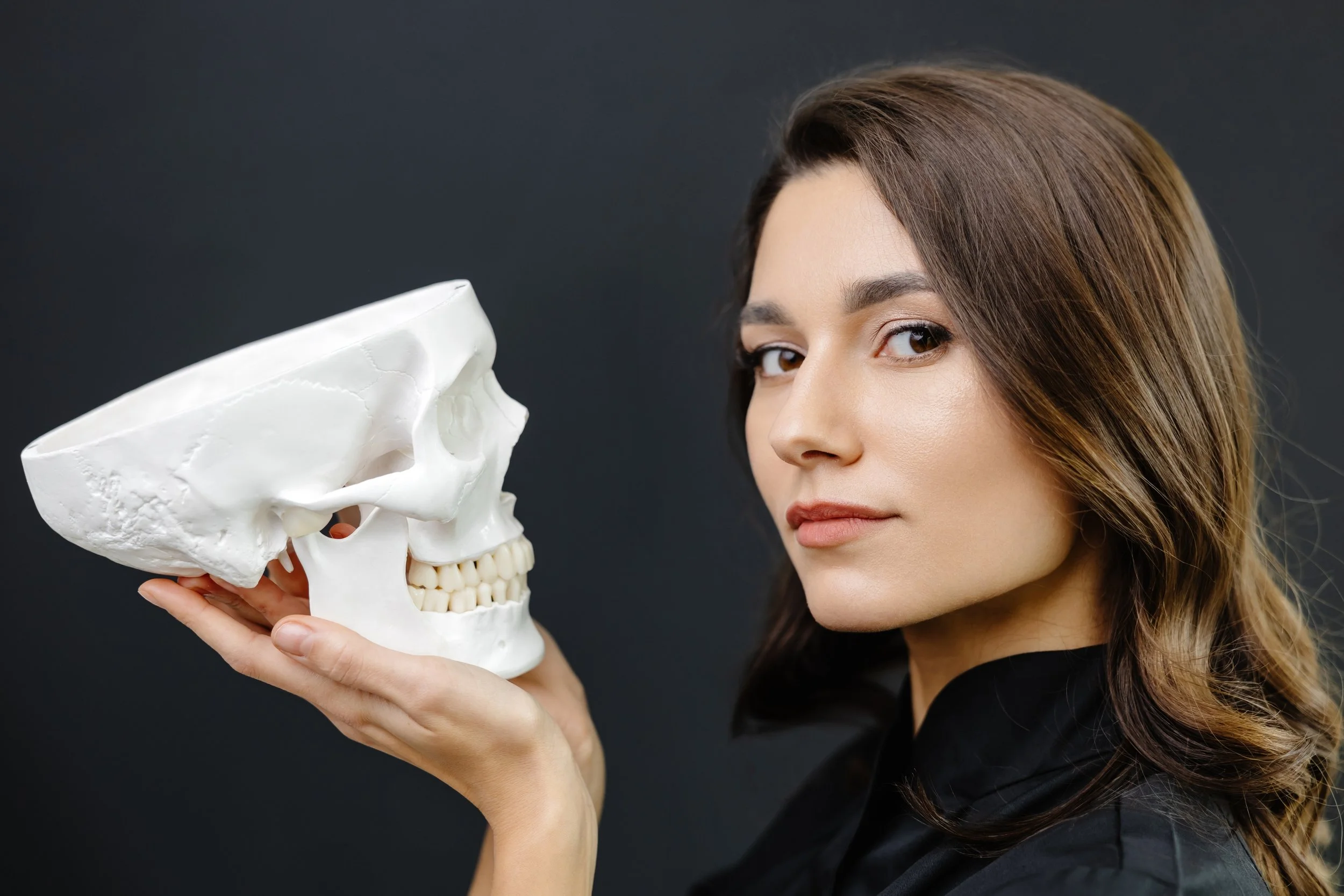
Osteoporosis and oral health are connected because the jawbone is part of the skeleton. When osteoporosis weakens bone, it may also affect the bone that supports the teeth.
Many people think of osteoporosis as a spine, hip, or wrist problem, but changes in bone density can influence jawbone health, tooth support, and long-term oral health. This article explains osteoporosis, mouth-related signs, risk factors, nutrition, prevention, dental procedures, and questions to discuss with a healthcare provider. This article explores the connection between osteoporosis and oral health, including mouth-related signs, risk factors, nutrition, prevention, dental procedures, and questions to discuss with a healthcare provider.
What Is Osteoporosis? Understanding the Basics

Osteoporosis is often called a silent disease because it can develop gradually with few obvious symptoms. It is a condition of low bone mass, reduced bone density, and weaker bone strength.
Bones are living tissue. Old bone breaks down, and the body builds more bone. Osteoporosis occurs when bone loss outpaces bone formation, making bones strong enough less often and increasing fracture risk.
The most common symptom is a sudden bone fracture. Fractures usually occur in the spine, hip, or wrist, and osteoporosis can lead to back pain and lost height. Women over 50 have a 20% risk of fractures, and around 1 in 3 adults over 50 have osteopenia, meaning low bone mass that is not yet osteoporosis.
Normal density, osteopenia, and osteoporosis are usually assessed with a bone density test such as a DXA scan.
How Bone Density Affects the Jawbone and Teeth
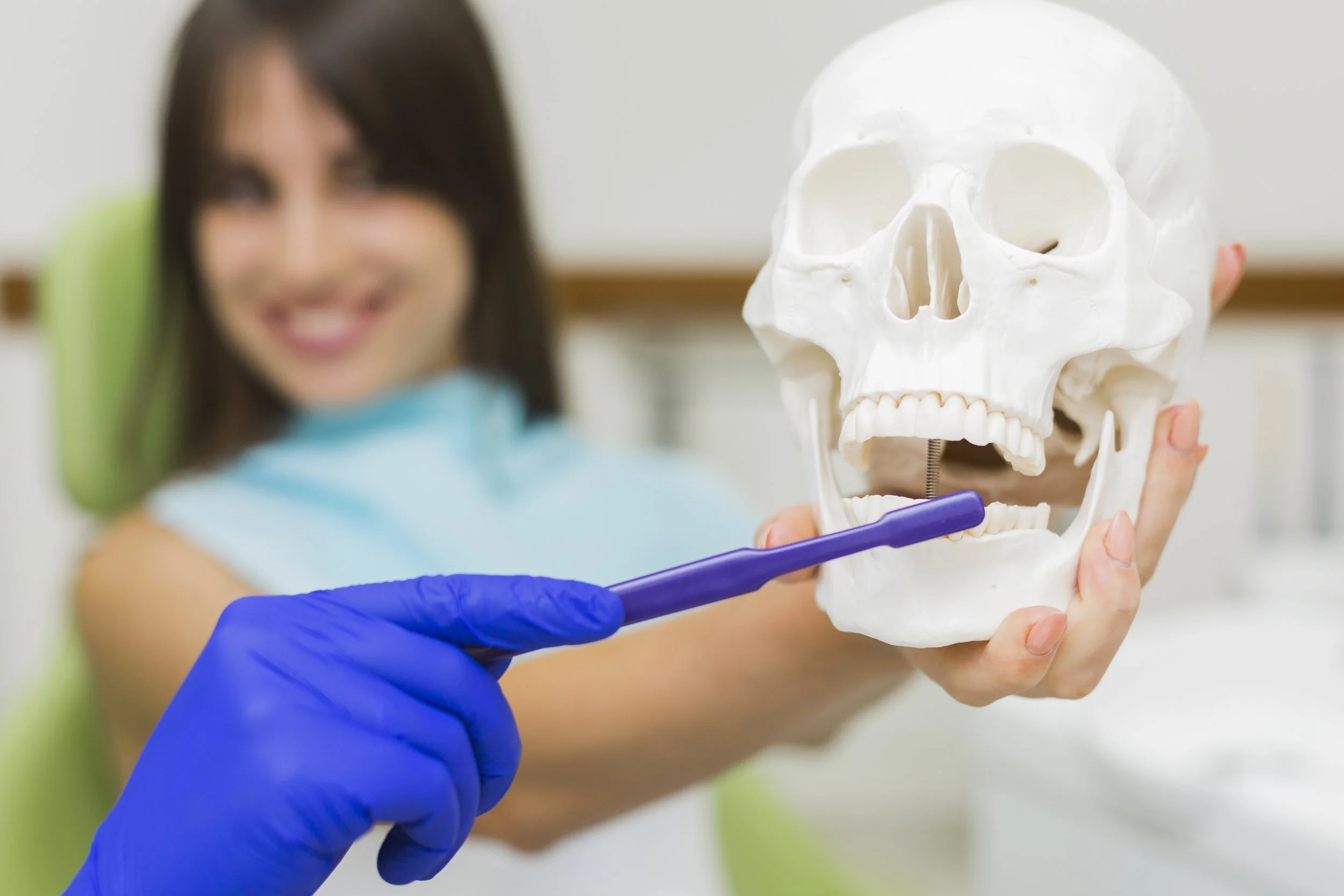
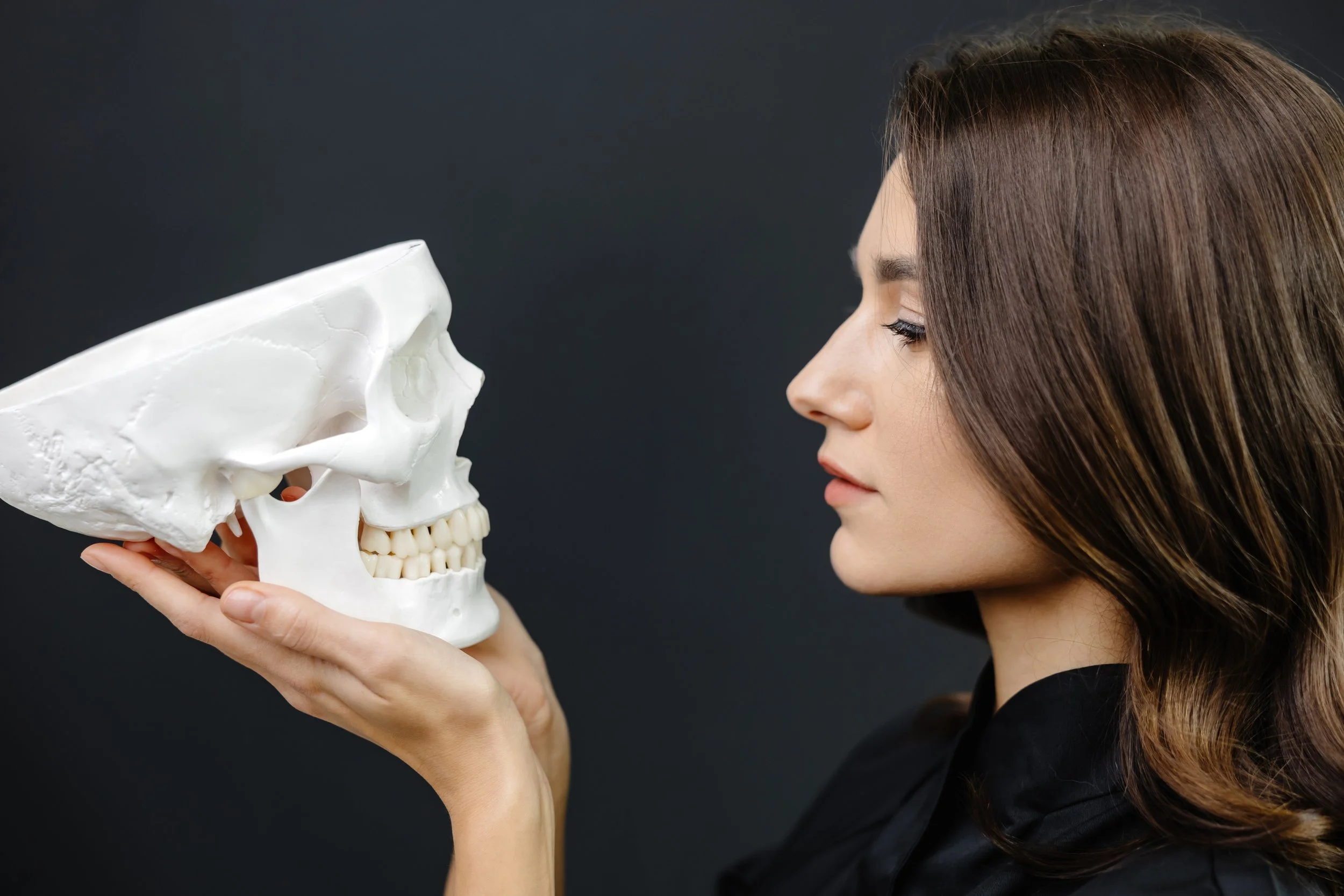
The jawbone supports the teeth and its density affects dental health. The upper and lower jaw hold tooth roots, absorb chewing forces, and help maintain bite function.
Osteoporosis can lead to reduced jawbone density. Reduced bone density in the jaw can lead to increased tooth mobility, and teeth may become loose due to lack of structural support from the jawbone. In simple terms, jawbone density failure leads to tooth mobility and higher risk of tooth loss.
Research suggests osteoporosis increases the risk of tooth loss due to lower bone mass in the jaw; some reports find women with osteoporosis are three times more likely to lose teeth. Still, gum disease, hygiene, smoking, and tooth injury also matter. Dental x rays can show changes in jawbone density and may start a broader bone health discussion.
Osteoporosis and Oral Health: Potential Signs in the Mouth
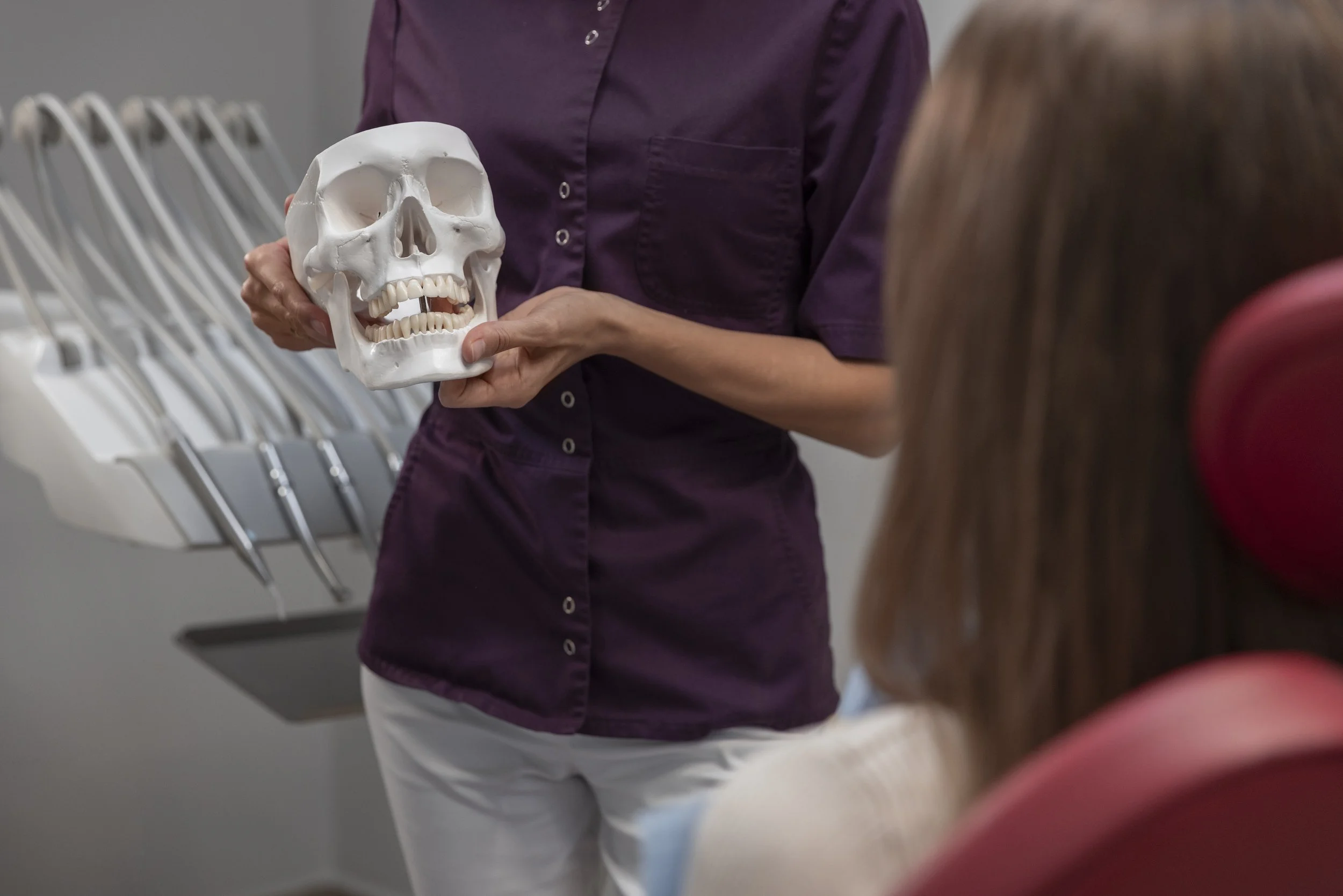
Osteoporosis symptoms are not usually obvious in the mouth, but some oral changes may be associated with lower jawbone density.
Possible signs include loose teeth, receding gums with underlying bone loss, shifting teeth, bite changes, and dentures or partials that no longer fit well. Loose teeth may indicate early signs of osteoporosis, but they are not proof of it.
Tooth loss can affect your ability to eat and speak. Persistent pain, swelling, tooth movement, or denture changes should be evaluated because gum disease, injury, infection, and other conditions can cause similar findings.
Shared Risk Factors for Osteoporosis and Oral Health Problems
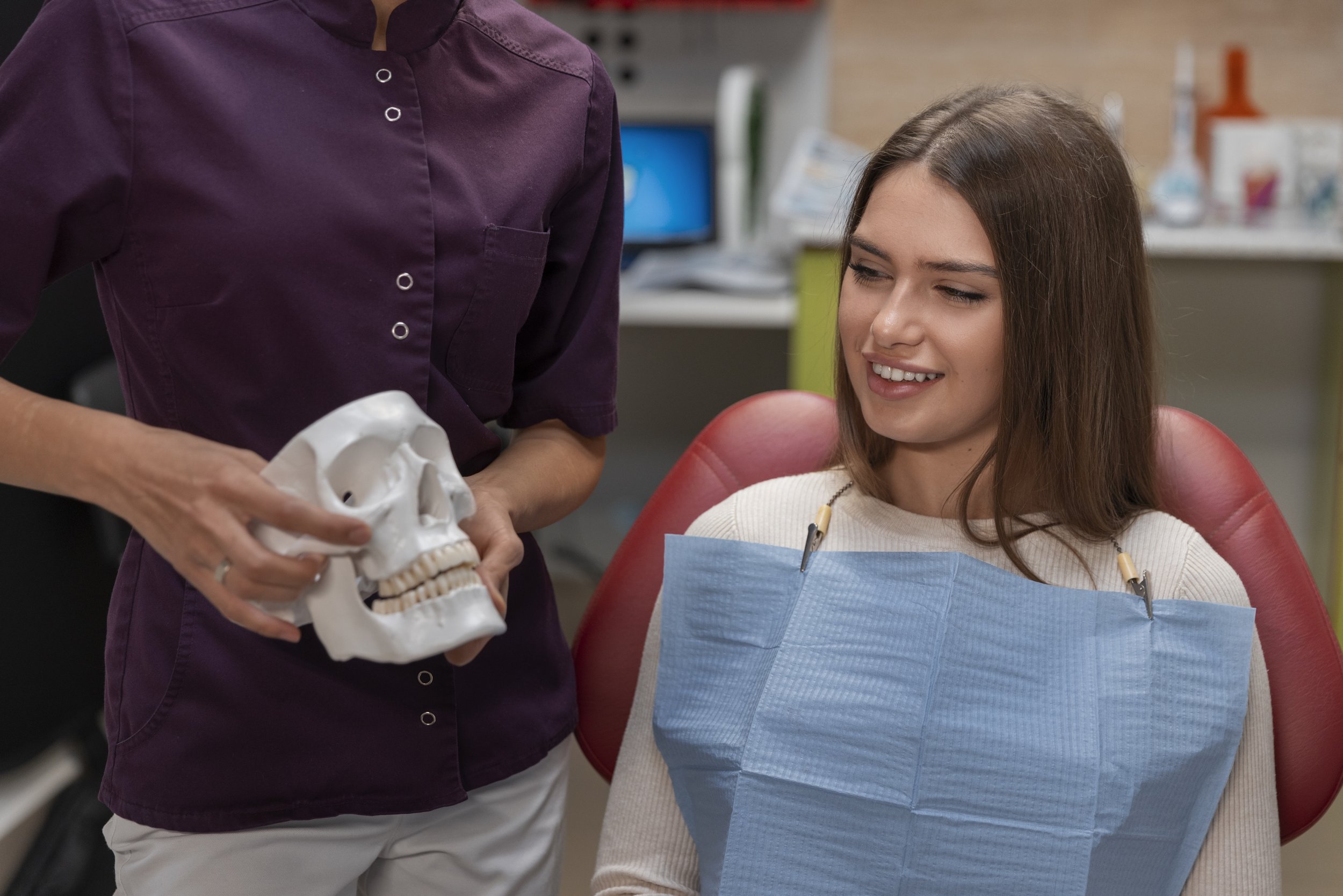
Osteoporosis and dental health problems often share risk factors.
Age is important because it is one of the strongest risk factors for osteoporosis.. Bone density declines over time, and oral tissues may become more vulnerable to gum disease and tooth loss. Hormones also matter: lower estrogen after menopause and lower testosterone in older men can accelerate bone loss.
Lifestyle affects both systems. Smoking increases the risk of developing osteoporosis. Smoking accelerates bone loss and increases the risk of tooth loss. Heavy alcohol use may also increase risk, while low activity reduces skeletal loading.
Nutrition is another shared factor. A poor diet, frequent sugary drinks, and low intake of calcium or vitamin d may weaken healthy bones and raise cavity or gum risks.
Medical conditions can contribute, including inflammatory bowel disease, celiac disease, endocrine disorders, kidney disease, autoimmune disease, and some skin diseases. Long-term corticosteroid use increases osteoporosis risk. Very thin young women are at higher osteoporosis risk, and Caucasian or Asian descent increases osteoporosis risk. Family history also matters.
Osteoporosis Medications and Jawbone Health
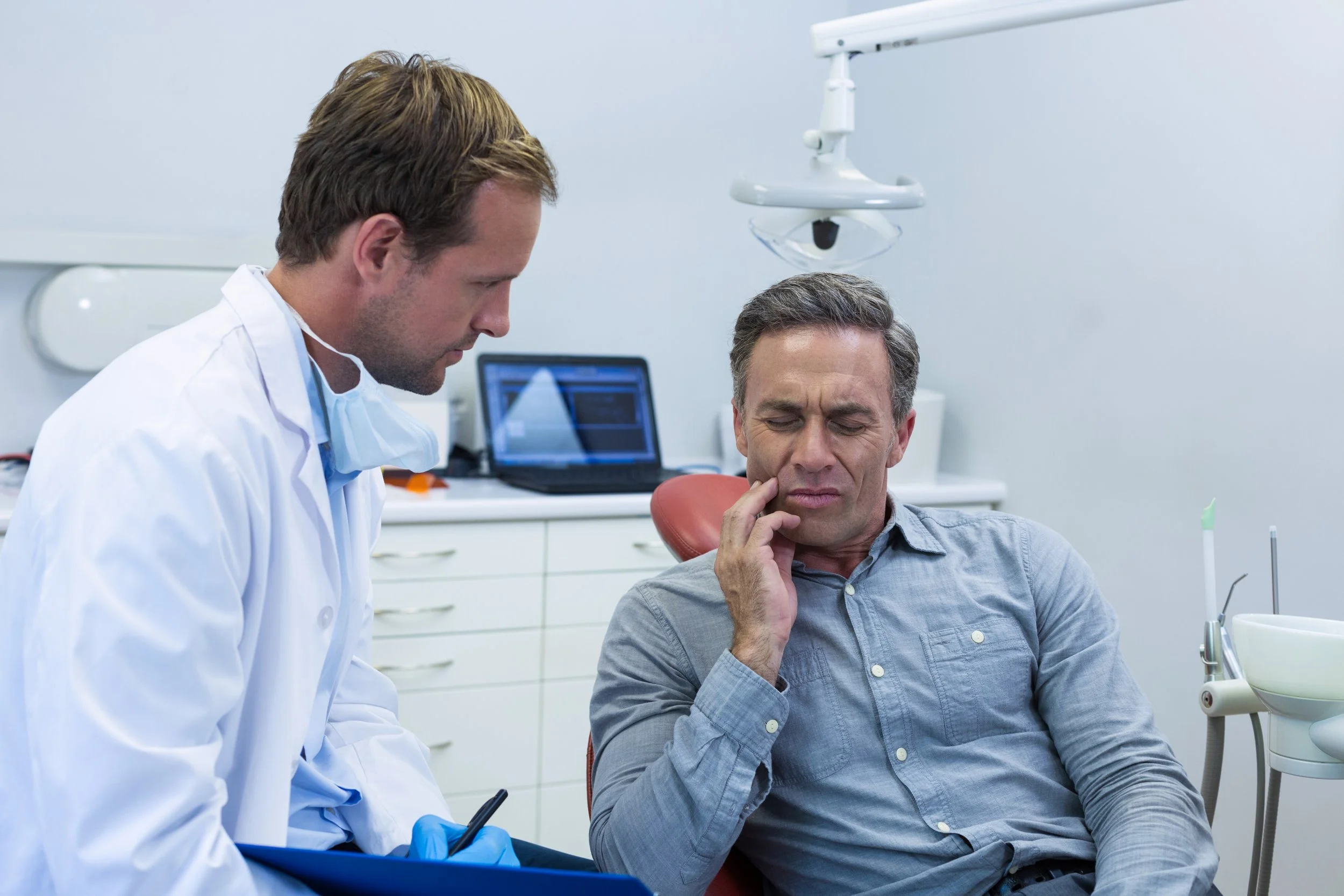
Several osteoporosis medications help treat osteoporosis and prevent broken bones. These medications may slow bone breakdown or help the body maintain bone strength.
However, medication for osteoporosis can lead to a risk of osteonecrosis of the jaw. Osteonecrosis of the jaw is a serious condition associated with osteoporosis medications. It is a rare but serious condition in which exposed bone in the jaw does not heal normally, sometimes after dental surgery, tooth extraction, or severe damage to oral tissues.
The risk is generally higher with cancer therapy, multiple myeloma, prostate cancer, higher doses, and frequent dosing than with typical osteoporosis treatment. Cases can also occur spontaneously. Patients should share all the medications, supplements, certain medications, and other medications they take before dental treatment. Disclosure of osteoporosis medications to dentists is important for treatment planning. Never start or stop treatment without a doctor or healthcare provider.
Dental Implants, Dentures, and Bone Density Considerations

Jawbone condition can affect dental implants and osteoporosis planning. Implants need enough jawbone density and volume to stabilize over time.
Decreased jawbone density can complicate dental procedures like implants. Significant bone loss may require additional evaluation, but osteoporosis does not automatically disqualify patients from dental implants.
Dentures also depend on jaw shape and height. Bone loss may cause looser dentures or more frequent adjustments. People planning tooth replacement should share osteoporosis history, medications, and x rays with the dentist and medical healthcare provider.
Nutrition for Healthy Bones and a Healthy Mouth

Good nutrition supports oral health and osteoporosis prevention. Calcium and Vitamin D intake is important for maintaining bone density.
Adults aged 18-50 need 1,000 mg of calcium daily. Women over 50 need 1,200 mg of calcium daily. Calcium rich foods include low fat dairy products, fortified plant milks, leafy greens, calcium-set tofu, and canned fish with bones.
Vitamin D intake should be 600 IU daily for adults. Vitamin d helps absorb calcium and may come from sunlight, fatty fish, fortified foods, or a supplement when advised.
A healthy diet can include lean protein, whole grains, fruits, vegetables, magnesium, vitamin K, and vitamin C. Getting enough calcium and limiting soda, sweets, and acidic drinks may improve bone health and protect teeth and gums. The national institute guidance on calcium and bone health commonly emphasizes diet first when possible.
Everyday Habits to Support Bone Health and Oral Health
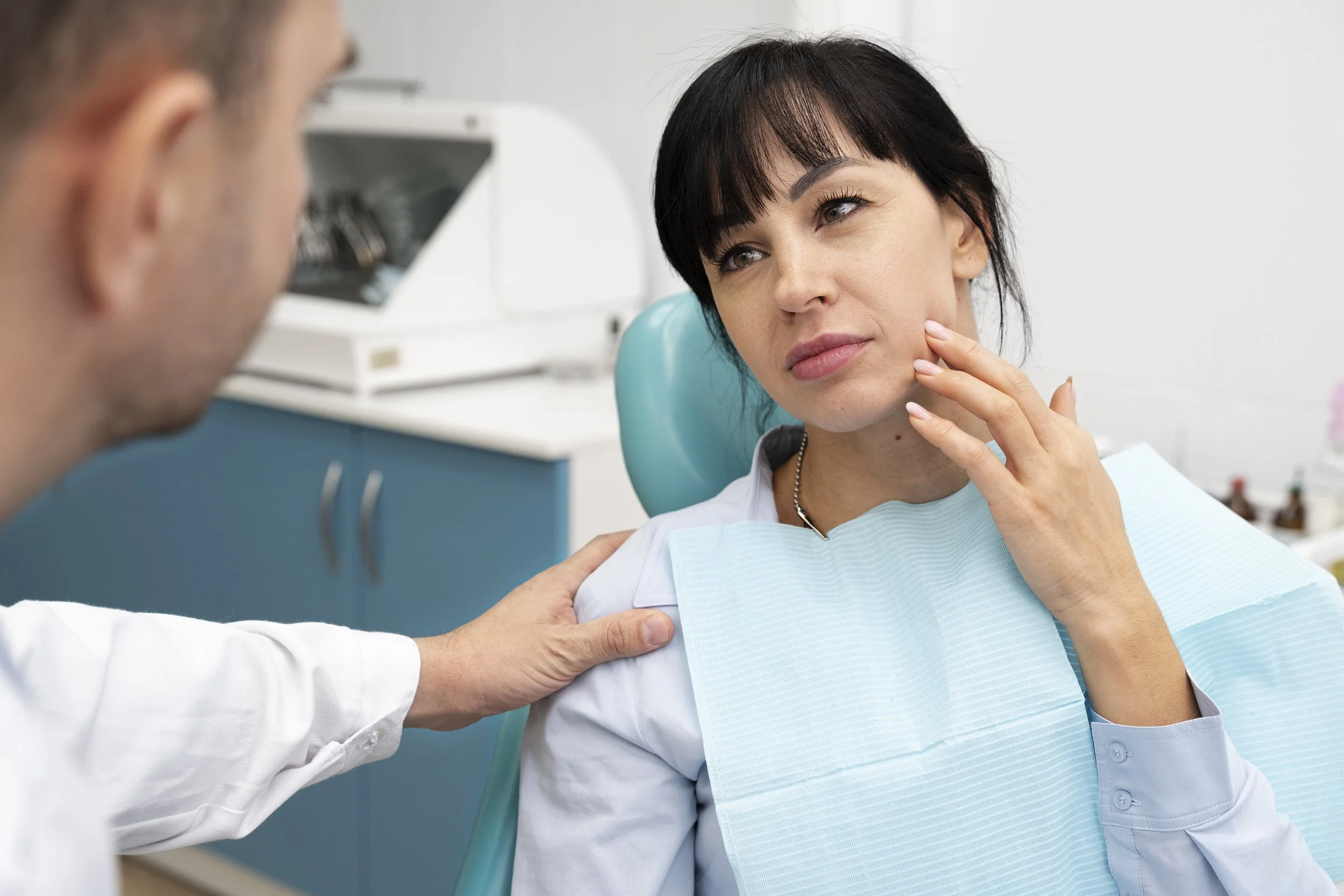
Daily habits help maintain healthy bone and mouth tissues.
Weight bearing exercise should be done 30-60 minutes daily when appropriate. Walking, stair climbing, resistance bands, and light strength training may support density, balance, and fall prevention.
Diligent oral hygiene is essential to prevent complications from osteoporosis. Brush twice daily with fluoride toothpaste, clean between teeth, and see a dentist regularly for monitoring.
Routine dental care can prevent gum disease and limit jawbone deterioration. Osteoporosis can accelerate the progression of periodontal disease, and osteoporosis and gum disease share a cyclical relationship because inflammation and bone loss can affect each other.
Avoiding tobacco, limiting alcohol, staying hydrated, managing dry mouth, and taking steps to prevent falls can lower the chance that fragile bones break.
Working With Healthcare Providers About Osteoporosis and Oral Health
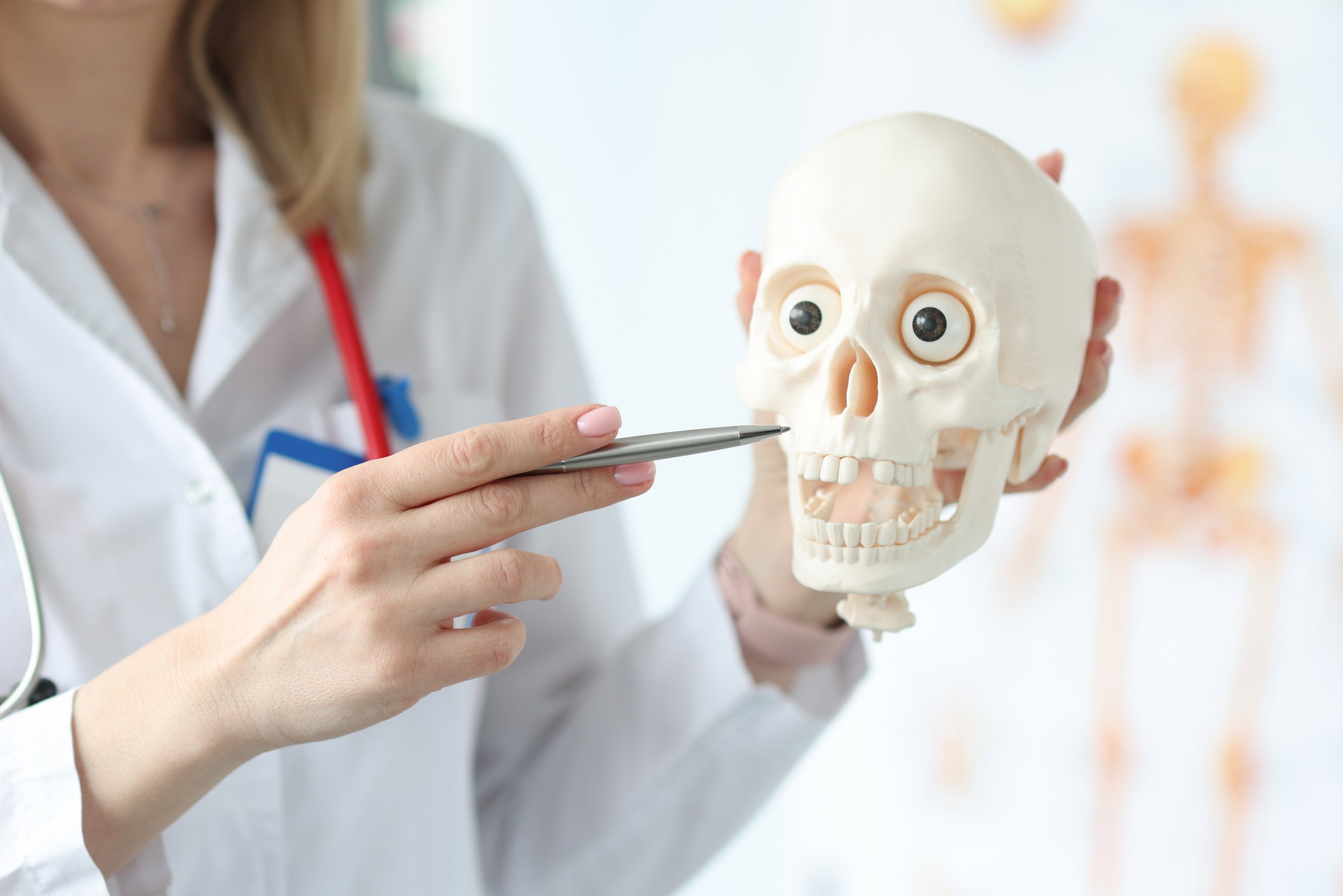
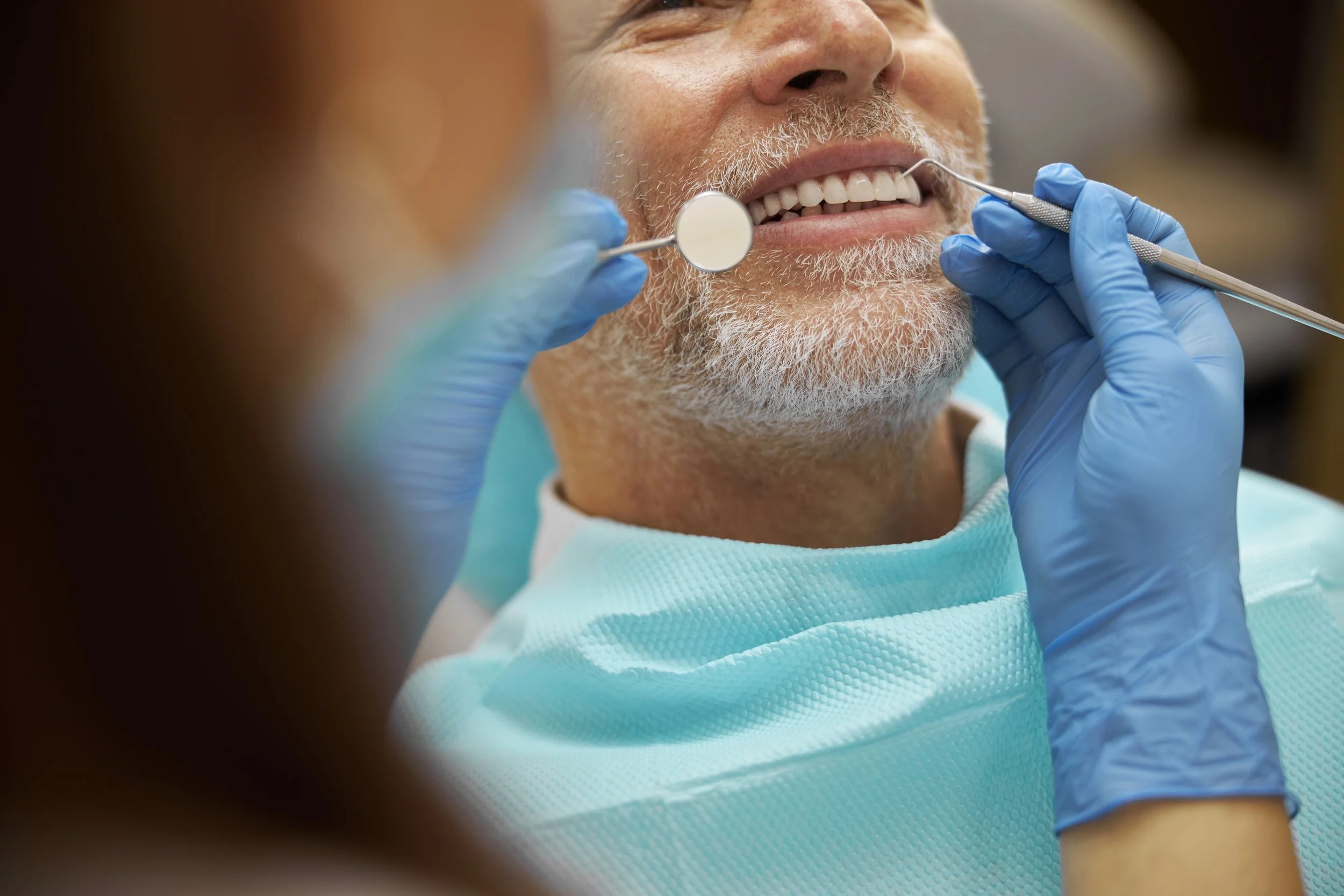
A team approach helps connect oral health and bone health. Tell oral health professionals about osteopenia, osteoporosis, fractures, bone density results, medications, and supplements.
Ask a healthcare provider whether evaluation is appropriate if you have a previous fracture, early menopause, long-term steroid use, family history, or other risk factors.
Before significant dental procedures, such as extractions or implant placement, discuss medication timing and developing osteonecrosis concerns with the prescribing doctor. Decisions about testing, dental treatment, and treatment for osteoporosis are individualized by age, health history, fracture risk, and overall health.
Frequently Asked Questions About Osteoporosis and Oral Health
Does osteoporosis cause tooth loss?
Osteoporosis may increase the likelihood of tooth loss because lower jawbone mass can reduce tooth support. However, gum disease and oral hygiene are also key factors. Not everyone with osteoporosis will lose a tooth.
Is jaw pain a sign of osteoporosis?
Jaw pain has many causes, including tooth infection, gum disease, injury, and jaw joint problems. Osteoporosis itself usually does not cause pain unless a fracture, osteonecrosis, or another complication occurs. New or persistent pain should be evaluated.
Can people with osteoporosis have dental implants?
Many patients with osteoporosis can be considered for implants. The decision depends on jawbone density, bone volume, gum health, medications, and general health. Osteoporosis and teeth replacement planning should be individualized.
How often should someone with osteoporosis have oral health checkups?
Routine visits are important to monitor gums, tooth stability, and jaw changes. Some people need more frequent care if they have dry mouth, gum disease, loose teeth, or complex medications. Specific timing should be discussed with a dentist and healthcare provider.
Do calcium and vitamin D help teeth too?
Yes. Calcium supports bones and tooth mineral structure, while vitamin D helps the body use calcium. These nutrients work best as part of a balanced diet and overall healthy lifestyle.
Conclusion: Supporting Strong Bones and a Healthy Mouth Over a Lifetime
Osteoporosis and oral health are closely linked through bone, especially the jawbone that supports the teeth. Lower density may affect tooth stability, dentures, dental procedures, and overall oral function, but it is only one part of the picture.
Maintaining bone health through nutrition, weight bearing exercise, tobacco avoidance, fall prevention, and routine oral care may also support long-term oral health. Understanding the relationship between osteoporosis, jawbone health, and oral health can help individuals make informed decisions that support overall well-being throughout life.