Bruxism (Teeth Grinding): Causes, Symptoms, Treatment, and Prevention
Key Takeaways
Bruxism is involuntary clenching or grinding of the teeth that can occur during sleep or while awake. Sleep bruxism and awake bruxism differ in their triggers, awareness levels, and management approaches. Common symptoms include tooth wear, jaw pain, tooth sensitivity, facial pain, and morning headaches.
Ongoing teeth grinding can affect oral health through enamel damage, chipped or cracked teeth, strain on jaw joints and facial muscles, and premature wear on dental restorations. Treatment depends on symptoms and causes, often combining mouth guards, behavior changes, stress management, and attention to sleep and lifestyle habits. While bruxism cannot always be completely prevented, early recognition, monitoring, and protective strategies can reduce damage and discomfort.




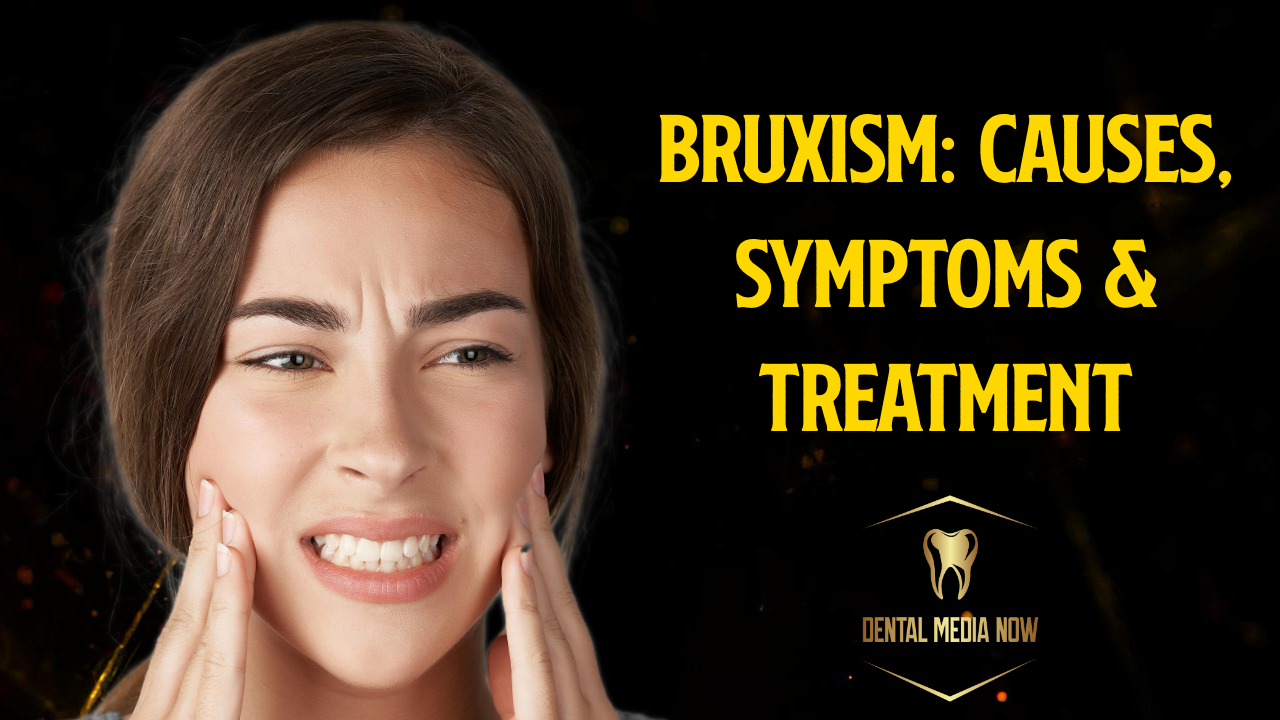






Bruxism is the medical term for involuntary or habitual grinding, clenching, or gnashing of the teeth. It can happen while you are asleep (sleep bruxism) or during your waking hours (awake bruxism), and many people grind their teeth without ever realizing it. Research suggests that up to 31% of adults grind their teeth at night, while daytime clenching may affect a similar proportion depending on how it is measured.
Occasional teeth grinding may not cause serious problems. However, frequent or forceful grinding can lead to worn tooth enamel, jaw pain, morning headaches, tooth sensitivity, and other oral health issues that compound over time. Bruxism is common across all ages, including children, and effective strategies exist to reduce symptoms, protect teeth, and improve comfort.
This article covers the causes and risk factors behind bruxism, how to recognize bruxism symptoms, the effects of teeth grinding on oral health, how the condition is identified, treatment options, prevention strategies, and what parents should know about childhood bruxism.
What Is Bruxism?
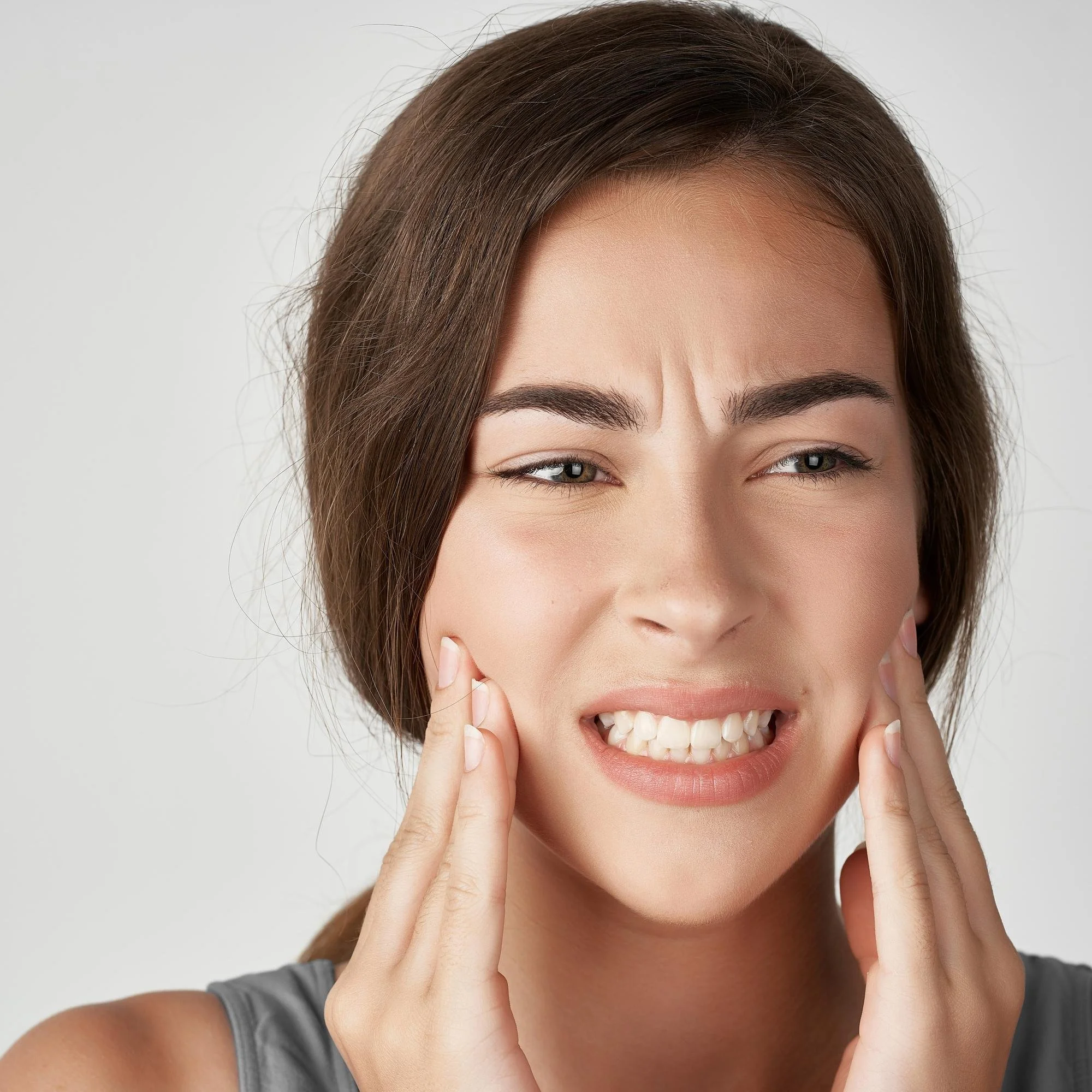
Bruxism is characterized by the unconscious or habitual grinding of teeth, driven by repeated jaw-muscle activity. In simple terms, grinding means moving the upper and lower teeth back and forth against each other with force, while clenching means pressing them tightly together with little or no movement.
People grind their teeth or clench both during the day and during sleep. Many only discover the habit because of symptoms like jaw pain and muscle tenderness, or because a sleep partner hears the grinding noise at night. Sleep bruxism is classified as a sleep-related movement disorder, while awake bruxism tends to be more closely linked to posture, concentration habits, and emotional state.
Sleep Bruxism
Sleep bruxism is clenching or grinding that happens during sleep, typically in short bursts linked to brief arousals - moments when the brain briefly shifts to a lighter stage of sleep - rather than continuous grinding throughout the night. Sleep bruxism occurs involuntarily during sleep and may be linked to sleep disorders such as obstructive sleep apnea.
Because people with sleep bruxism do not remember grinding, the condition is usually noticed when a bed partner hears repetitive sounds, or when a dentist identifies signs like tooth wear, chipped edges, or tight jaw muscles. Waking with jaw stiffness, morning jaw pain, or facial soreness without an obvious explanation are common clues.
Awake Bruxism
Awake bruxism occurs during the day, often triggered by stress or anxiety, intense concentration, or habitual jaw positioning. You might catch yourself clenching while driving, working at a computer, or exercising - often without realizing you have been doing it until your jaw feels tired or tight.
Daytime bruxism typically involves jaw clenching with limited side-to-side movement. Because it occurs during waking hours and the behavior is closer to conscious awareness, behavioral strategies and jaw relaxation techniques tend to be more feasible for awake bruxism than for sleep-related grinding.
Sleep Bruxism vs. Awake Bruxism
Sleep bruxism happens without direct control, while awake bruxism usually occurs subconsciously during periods of focus or emotional tension. People with awake bruxism can sometimes catch themselves mid-clench and adjust, but those with nighttime grinding rely on indirect signs - tooth wear, partner reports, or morning symptoms.
Contributing factors also differ. Sleep bruxism may be more closely tied to sleep arousal patterns and, in some people, sleep related disorders. Awake bruxism often connects to psychosocial factors, stress, and posture. Some people experience both types, which can intensify tooth damage and jaw symptoms, and may require a more comprehensive management plan.
What Causes Bruxism?

There is no single cause of bruxism. Common triggers for bruxism include stress, sleep disorders, and lifestyle habits, and the combination of factors varies from person to person. Teeth grinding causes may also differ between sleep bruxism and awake bruxism, which is why a thorough evaluation matters.
Stress and Anxiety
Psychological stress is a major trigger for both daytime and nighttime bruxism. Stress and anxiety are common causes of bruxism, and many people notice increased clenching during intense work deadlines, exams, or emotionally difficult periods. However, not everyone who is stressed will develop bruxism, and not all bruxism is primarily psychological.
Stress management techniques can reduce bruxism frequency in some individuals, but they are not a universal fix. Stress reduction techniques - from structured relaxation to counseling - can help manage bruxism, particularly when jaw clenching is strongly connected to emotional tension.
Sleep-Related Factors
Changes in normal sleep patterns and brief micro-arousals during the night are closely associated with episodes of sleep bruxism. Sleep bruxism is often associated with sleep-related disturbances like obstructive sleep apnea, snoring, or restless sleep. Sleep apnea is a frequent cause of nighttime teeth grinding, as episodes of oxygen desaturation followed by arousals can trigger muscle activity in the jaw.
Nighttime grinding is not a bad habit someone can simply decide to stop. It happens unconsciously during specific sleep stages, and in some people, treating a relevant sleep disorder may help reduce grinding - though outcomes vary.
Medications and Substances
Certain medications can trigger bruxism symptoms, particularly some antidepressants used to treat depression and anxiety. Research has found that SSRIs like paroxetine carry a notably elevated risk of sleep bruxism (odds ratio approximately 3.63 compared to non-users). Stimulant medications prescribed for attention deficit hyperactivity disorder have also been linked to increased tooth wear in some adolescents.
High caffeine consumption is a lifestyle factor that correlates with bruxism risk. Consuming alcohol close to bedtime and smoking tobacco may also increase jaw muscle activity or disrupt sleep quality. People should not stop or adjust prescribed medications on their own - always discuss concerns with a healthcare provider.
Lifestyle and Behavioral Factors
Certain lifestyle habits can promote jaw tension: long hours of intense concentration, frequent chewing gum or pens, prolonged forward head posture, and extended screen time without breaks. Some people grind or clench during tasks requiring focus - driving, gaming, or precise manual work - often as a learned habit.
Regular use of stimulants, irregular sleep schedules, and limited relaxation time may further strain the jaw. Recognizing and adjusting these behaviors is an important step in reducing awake bruxism.
Other Possible Risk Factors
Genetics can play a role in the predisposition to sleep bruxism. Family histories of teeth grinding show aggregation across generations. Bruxism often affects people with competitive personality traits - those who are highly driven, intense, or easily frustrated - though personality alone does not determine who will develop bruxism.
Younger age groups, particularly children and adolescents, tend to show higher rates. Certain neurological or developmental conditions may also be associated. Having a risk factor does not guarantee that someone will grind their teeth; many people with bruxism have no obvious risk factors at all.
Signs and Symptoms of Bruxism
Bruxism symptoms can affect the teeth, jaw muscles, face, head, and sleep, ranging from mild to severe. Some people grind loudly, while others have silent involuntary clenching that still causes tooth wear and jaw discomfort. Regular dental checkups can identify bruxism early, even when pain is absent.
Grinding or Clenching the Teeth
A sleep partner may hear repetitive scraping or crunching sounds at night. During the day, people may hold their teeth tightly together while concentrating. Many people grind or clench without realizing it because the behavior has become automatic. Repeated jaw tension, biting on the inside of the cheeks, or tongue indentations can all hint at frequent clenching or grinding.
Worn, Flattened, Chipped, or Cracked Teeth
Constant grinding wears down chewing surfaces, making teeth look flatter, shorter, or with sharper edges. Bruxism can cause worn tooth enamel, and over time, the inner layers of the tooth may become exposed. Dentists often spot these patterns during routine exams and may compare current findings with older records to track progression.
Jaw Pain and Muscle Tenderness
Jaw pain and soreness are symptoms of bruxism. Overworked jaw muscles can feel tight, tired, or sore - especially in the morning for people with sleep bruxism or late in the day for those with awake bruxism. Some individuals describe a feeling of jaw fatigue, as if they had been chewing something tough for hours.
Headaches
Morning headaches are a common symptom of bruxism, often presenting as dull, aching discomfort around the temples. These may resemble tension-type headaches and frequently occur alongside facial muscles tightness or neck stiffness. Persistent early-day headaches combined with jaw pain or tooth wear are a reason to consider teeth grinding as a contributing factor.
Tooth Sensitivity
Tooth sensitivity may occur due to bruxism. When enamel wears thin or small cracks develop, the more sensitive parts of the tooth become exposed, leading to discomfort with hot, cold, sweet, or acidic foods. Sensitivity can have multiple causes, so evaluation by a dentist helps determine whether bruxism is involved.
Ear and Facial Discomfort
Facial pain can indicate bruxism because jaw muscles and the jaw joint sit close to the ears. Pain from clenching or grinding can feel like earache or pressure around the ear without an actual infection. This discomfort can spread along the side of the face, into the cheeks, or toward the temples. Bruxism does not cause ear disease, and persistent ear symptoms should still be evaluated by an appropriate healthcare professional.
Sleep-Related Signs
Grinding teeth in sleep can disrupt both the sleeper and their partner, leading to complaints of poor quality sleep or loud nighttime noises. People may wake with jaw stiffness or a feeling that their teeth do not fit together the same way. Frequent awakenings or feeling unrefreshed may also occur, especially when sleep bruxism is combined with sleep disordered breathing or other issues.
How Bruxism Can Affect Oral Health
Occasional clenching is usually harmless, but ongoing bruxism can gradually affect teeth, jaw joints, muscles, and dental work. Frequent bruxism can lead to dental wear, facial pain, headaches, and TMJ disorders. The forces involved in grinding can be several times stronger than normal chewing, making early recognition and protection of the teeth important for long-term oral health.
Tooth Wear and Enamel Damage
Repeated grinding removes the outer tooth enamel, leading to flattened biting surfaces, shorter-looking teeth, and loss of natural grooves. Once enamel is lost, it does not regrow, leaving teeth more vulnerable to cavities, discoloration, and sensitivity.
Chipped and Cracked Teeth
Intense clenching or side-to-side grinding can cause small enamel chips, edge cracks, or deeper fractures. Damaged teeth may eventually become loose teeth in severe cases. Existing fillings or crowns are also vulnerable, sometimes loosening or breaking earlier than expected.
Jaw and Facial Muscle Problems
Constantly tensing the facial muscles used for chewing can lead to chronic muscle fatigue, tightness, and soreness. Over time, these problems can affect comfort during eating, speaking, or yawning, and may contribute to muscle tension that radiates into the neck.
Temporomandibular Joint (TMJ) Symptoms
The temporomandibular joint is the hinge connecting the lower jaw to the skull, located in front of each ear. Bruxism can place extra stress on the jaw joint, sometimes contributing to TMJ disorders - clicking, popping, limited jaw opening, or tmj problems. Not all TMJ disorders are caused by bruxism, and not everyone who grinds will develop these symptoms.
Damage to Dental Restorations
Crowns, bridges, veneers, fillings, and other dental restorations are designed for normal chewing forces. Heavy, repeated grinding can chip porcelain, wear down biting surfaces on restorations, or loosen dental work. Bruxism can also lead to chronic irritation of soft tissues in the mouth surrounding these restorations.
How Is Bruxism Identified?

Many people discover they grind their teeth because of persistent symptoms, a dentist's observation, or a partner hearing grinding at night. A bruxism diagnosis usually involves a combination of symptom review, dental examination, and - in some cases - evaluation of sleep-related concerns.
Reviewing Symptoms and Habits
A healthcare provider will ask about jaw pain, headaches, tooth pain, morning soreness, and changes in how the teeth feel. Questions typically cover stress levels, daytime clenching habits, caffeine or alcohol use, medications, and sleep quality. A sleep partner may be asked whether they hear grinding, snoring, or signs of disturbed sleep.
Examining the Teeth and Jaw
The dentist examines tooth surfaces for wear, chips, cracks, and flattened areas, checking how the upper and lower teeth meet. They may gently feel jaw muscles for tenderness, assess range of motion, and listen for joint noises. Patients experiencing bruxism should evaluate for chipped teeth, jaw pain, and disturbed sleep patterns alongside these clinical findings.
Evaluating Sleep-Related Concerns
When symptoms strongly suggest sleep bruxism - especially with snoring, gasping, or significant daytime sleepiness - further evaluation at a sleep center may be considered. Sleep studies can assess muscle activity, breathing, and sleep patterns. Not everyone with sleep bruxism requires a formal study; the decision depends on the presence of other sleep-related symptoms or suspected sleep disorders.
Treatment for Bruxism
How bruxism is treated depends on whether grinding occurs while awake or asleep, its severity, and contributing factors. Managing bruxism includes methods for reducing stress, using dental guards, and physical therapy. There is no single cure; a combination of strategies is often most effective.
Mouth Guards and Occlusal Splints
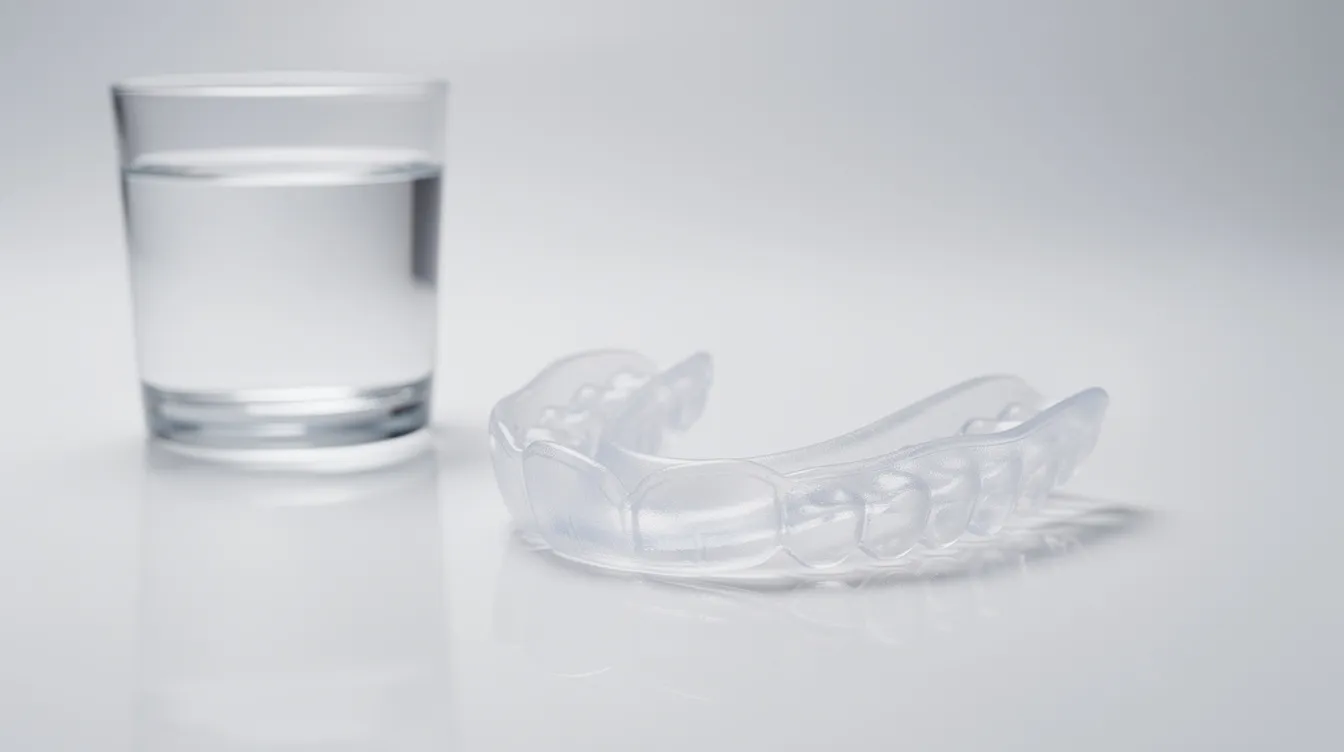
A mouth guard or occlusal splint is a removable appliance worn over the teeth - usually at night - to create a protective barrier. Mouth guards can prevent damage from teeth grinding, and mouth guards can absorb biting force during sleep, distributing pressure more evenly across the teeth.
Custom-made guards from a dentist fit more precisely than over-the-counter options. However, these appliances protect teeth from wear and fractures but do not necessarily stop grinding; the jaw muscles may continue to clench. A teeth grinding mouth guard is a protective tool, not a cure.
Stress Management and Relaxation
For people whose bruxism is linked to stress, relaxation techniques such as breathing exercises, progressive muscle relaxation, mindfulness, or enjoyable physical activity can help reduce the tendency to clench. Stress reduction techniques can help manage bruxism, but using them does not mean bruxism is purely psychological.
Behavioral Strategies for Awake Bruxism
Practical strategies include checking jaw position throughout the day, using phone reminders, or placing notes in common work areas. A relaxed jaw posture - lips gently closed, teeth slightly apart, tongue resting against the roof of the mouth - helps reduce strain. Biofeedback helps reduce muscle activity in the jaw and has shown promise in clinical trials, with significant reductions in bruxism episode frequency. Behavior changes can help manage bruxism symptoms effectively when practiced consistently.
Addressing Sleep and Lifestyle Factors
Good sleep hygiene may help manage sleep-related bruxism. This includes consistent bed and wake times, a calm sleep environment, and limiting screens before bed. Reducing caffeine late in the day and moderating alcohol - particularly close to bedtime - may improve quality sleep and potentially lessen grinding. When a sleep disorder such as sleep apnea is suspected, appropriate evaluation and management supports both overall health and better quality sleep.
Managing Pain and Muscle Tension
Conservative measures for easing discomfort include gentle stretching, applying warm or cool compresses, and avoiding hard foods, which can reduce pain during flares. Physical therapy techniques can help alleviate symptoms of bruxism by targeting overworked jaw muscles. Some people may be advised on short-term use of muscle relaxants for pain or muscle tension, but detailed instructions should come from a healthcare professional. Avoiding chewing gum and taking breaks from jaw-intensive activities also helps reduce pain.
Treating Dental Damage
Once bruxism has caused tooth damage - wear, chips, or fractures - separate dental treatment may be needed. Options include fillings, bonding, crowns, or other restorations. Dentists weigh the extent of damage, bite stability, and whether grinding is ongoing before recommending treatment. Protecting new dental restorations with a mouth guard is especially important if clenching or grinding continues.
When Additional Medical Evaluation May Be Needed
Severe bruxism, sudden-onset grinding, suspected medication side effects, neurological symptoms, or strong signs of a sleep disorder all warrant further evaluation. In severe cases, botulinum toxin injections may treat severe bruxism by reducing excessive muscle activity. Coordination between the dentist and other healthcare providers helps clarify causes and guide safe treatment adjustments. Consult a healthcare provider rather than self-diagnosing when symptoms are significant or worsening.
Can Bruxism Be Prevented?
Bruxism cannot always be completely prevented, especially when it occurs during sleep, but there are steps to lower risk factors, reduce triggers, and limit dental damage. Even when grinding cannot be fully stopped, reducing its intensity and protecting teeth makes a significant difference over time.
Recognize Daytime Clenching
Regularly check whether your teeth are touching when you are not chewing. If they are, you may be clenching. Associate jaw relaxation with routine activities - opening emails, stopping at red lights - to build awareness and stop grinding before it becomes a sustained habit.
Manage Stress
Building a toolkit of stress management strategies - regular physical activity, structured relaxation time, supportive conversations - can lower the likelihood of stress-related clenching. Stress management is helpful for general health, but it may not eliminate bruxism in all people, especially when other factors are involved.
Maintain Healthy Sleep Habits
Practical sleep hygiene strategies include consistent bed and wake times, a dark and quiet bedroom, and limiting screens before sleep. Improving sleep quality may reduce the frequency of nighttime arousals associated with sleep bruxism. Persistent insomnia, loud snoring, or breathing pauses during sleep are reasons to talk with a healthcare provider.
Protect Teeth From Damage
Early use of protective appliances, when recommended, can prevent severe tooth wear and cracks before they develop. Visit your dentist regularly and bring up any concerns about clenching or grinding. A mouth guard protects teeth but may not completely stop grinding - other strategies remain important.
Monitor Changes in Teeth and Jaw Comfort
Watch for signs of teeth grinding: increased tooth sensitivity, small chips, a flatter appearance of chewing surfaces, or new jaw soreness and morning headaches. Noting when symptoms occur - mornings versus evenings - helps providers distinguish between sleep bruxism and daytime bruxism. Early recognition allows more conservative interventions than waiting until severe damage has developed.
Bruxism in Children
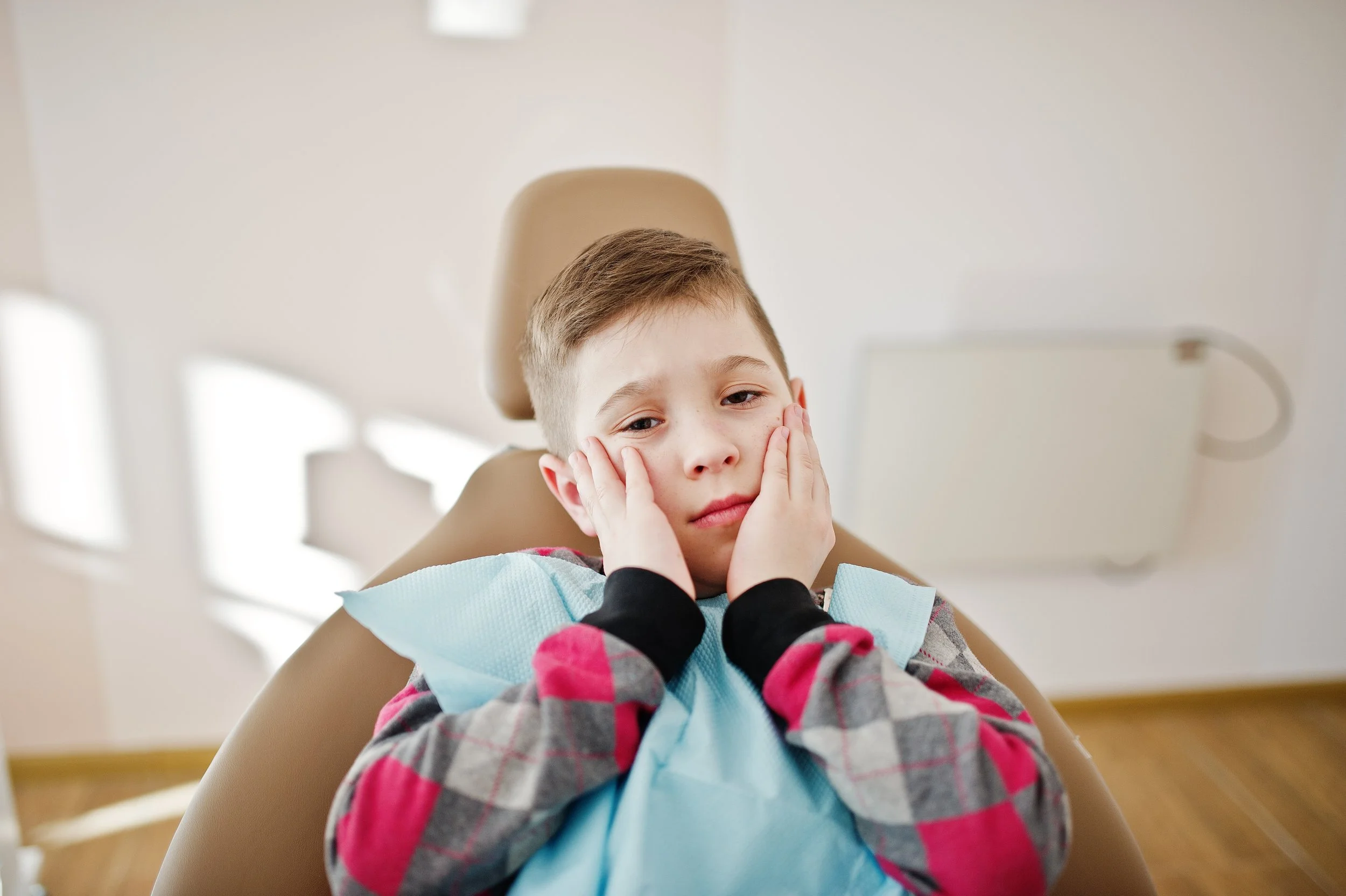
Children can grind their teeth too, particularly during sleep. Parents often notice sounds at night or see changes in the child's teeth or lower teeth surfaces. Childhood bruxism is relatively common and often temporary, but persistent symptoms or clear tooth wear deserve professional attention.
How Common Is Teeth Grinding in Children?
Many children grind their teeth at some point, especially during developmental stages when baby teeth emerge or permanent teeth come in. Recent studies report pediatric sleep bruxism prevalence ranging from about 9% to over 60%, depending on age and diagnostic criteria. Most childhood bruxism occurs during sleep and may not signal serious problems, but monitoring is still important.
Why Children May Grind Their Teeth
Contributing factors include changes in the bite as new teeth erupt - including misaligned teeth during transition periods - nighttime arousals during certain sleep stages, and, in some cases, emotional stress or worries. Recreational drugs and substances are not typically relevant in children, but certain medications or sleep disturbances can also be associated.
Does Childhood Bruxism Go Away?
Many children outgrow sleep-related grinding as their jaws develop, their bite stabilizes, and sleep patterns mature. While bruxism may decrease with age, ongoing symptoms or visible tooth wear should not be ignored. Follow-up with a dentist allows tracking changes and deciding if protective strategies are needed.
When Parents Should Be Concerned
Key warning signs include significant wear or flattening of teeth, persistent jaw or face pain, frequent morning headaches, or sleep disruptions. In these situations, parents should seek guidance rather than assuming the grinding will always resolve on its own. Noting patterns - such as grinding during stressful school periods - provides useful information for the child's healthcare provider.
When Should Teeth Grinding Be Taken Seriously?
Many people grind their teeth occasionally without serious consequences. But persistent or worsening signs can indicate that bruxism is affecting oral health and daily comfort. Ignoring symptoms can allow minor issues to progress to significant tooth damage, jaw problems, or chronic pain.
Persistent Jaw Pain
Jaw pain lasting for weeks or returning repeatedly - especially worse in the mornings or after stressful days - warrants evaluation.
Increasing Tooth Sensitivity
Growing sensitivity to hot, cold, or pressure, particularly when cavities have been ruled out, can reflect progressing enamel wear from grinding.
Visible Tooth Wear
Noticeable changes in tooth shape, flattening, shortening, or chips along the edges indicate grinding forces are altering tooth structure.
Chipped or Cracked Teeth
Repeated or unexplained chips and cracks signal that teeth are under excessive stress. Prompt repair and protective measures help prevent more extensive fractures.
Frequent Morning Headaches
Headaches most days upon waking, accompanied by jaw or facial soreness, may be associated with nighttime clenching or grinding.
Sleep Problems
Loud grinding noises, restless sleep, snoring, or repeated awakenings combined with bruxism symptoms should prompt discussion with a healthcare professional.
Symptoms That Are Getting Worse
Any pattern of increasing pain, more frequent headaches, more visible wear, or new cracks indicates that clenching or grinding may be intensifying. Early evaluation allows simpler treatment options.
Common Myths About Bruxism
Several myths about teeth grinding prevent people from recognizing the problem or seeking appropriate care.
"Teeth Grinding Only Happens During Sleep"
Many people grind or clench during the day while awake, often when focused or stressed. Awake bruxism contributes to tooth wear and jaw pain just as sleep bruxism does.
"Bruxism Is Always Caused by Stress"
While stress and anxiety are common contributors, bruxism can also involve sleep-related factors, certain medications, substances, genetic factors, and other health conditions. A full evaluation helps identify multiple contributing factors.
"A Night Guard Stops Teeth Grinding"
A night guard protects teeth from grinding forces and can reduce some strain, but it does not always stop the brain from sending signals that cause jaw muscles to clench. Many people continue to grind your teeth on the guard - which is expected - while the appliance prevents tooth damage.
"Teeth Grinding Is Harmless"
Occasional mild grinding may not cause major issues, but persistent or severe bruxism can lead to serious consequences including tooth wear, fractures, jaw pain, and headaches.
"Children Who Grind Their Teeth Will Always Have Bruxism as Adults"
Many children who grind their teeth eventually stop as they grow. Childhood bruxism does not automatically predict adult bruxism, although some individuals may have symptoms later for different reasons.
Frequently Asked Questions

What is bruxism?
Bruxism is involuntary or habitual clenching or grinding of the teeth that can occur during sleep or while awake. It is common and often happens without the person being aware.
What causes teeth grinding?
Teeth grinding causes usually involve a combination of stress, sleep-related arousals, certain medications or substances, and other individual risk factors. No single cause applies to everyone.
Why do people grind their teeth while sleeping?
People grind their teeth during sleep due to patterns of brain activity and brief awakenings. It occurs without conscious control, so people often notice only indirect signs like morning soreness.
How do I know if I grind my teeth at night?
Key clues include morning jaw pain or stiffness, worn or chipped teeth, frequent morning headaches, and a sleep partner hearing grinding sounds. Discuss these signs with a dentist.
Can stress cause teeth grinding?
Stress is a common contributor, especially for awake bruxism, and can increase muscle tension in the jaw. However, stress is not the only cause.
Can bruxism damage your teeth?
Frequent or severe bruxism can wear down enamel, chip or crack teeth, and stress dental restorations over time. Early protective measures help limit this damage.
Can teeth grinding cause jaw pain and headaches?
Overactive jaw muscles from grinding or clenching can contribute to jaw pain, facial soreness, and tension-type headaches. Other conditions can also cause these symptoms, so evaluation is important.
Does a mouth guard stop teeth grinding?
A mouth guard primarily protects teeth and joints from grinding forces but does not always stop grinding itself. Addressing contributing factors remains important.
Can children have bruxism?
Teeth grinding is relatively common in children, especially during sleep. Many outgrow it, but persistent pain, tooth wear, or sleep problems should be evaluated.
Can bruxism go away on its own?
Bruxism may lessen or resolve in some people, particularly children, or when triggers change. Because grinding can cause lasting tooth damage, do not wait on significant or worsening symptoms without seeking professional advice.
Conclusion
Bruxism is a common condition involving clenching or grinding of the teeth that can occur during sleep or while awake. Many people are unaware they grind until symptoms appear or a dentist spots the telltale signs. Severity varies widely - some experience only mild, occasional grinding, while others develop significant tooth wear, jaw pain, or headaches that affect daily life.
Recognizing persistent symptoms, understanding personal risk factors, and working with a healthcare provider on individualized strategies can protect teeth, reduce discomfort, and support long-term oral health. Whether the solution involves a protective appliance, lifestyle adjustments, stress management, or a combination of approaches, addressing bruxism early is consistently more effective than waiting for damage to accumulate.