A List of Common Oral Health Problems: Causes, Symptoms, and Prevention
Key Takeaways
Most common dental problems, such as tooth decay, gum disease, tooth sensitivity, dry mouth, and bad breath, develop gradually and are largely preventable
Good oral hygiene habits - brushing twice a day, cleaning between teeth daily, and managing plaque - form the foundation of healthy teeth and gums
Recognizing early signs like gum inflammation, bleeding gums, new sensitivity, persistent dental pain, or non-healing mouth ulcers helps prevent more serious complications
Oral health is closely linked with overall health, including conditions like diabetes, heart disease, and kidney disease, through shared risk factors and chronic inflammation
Healthy daily routines, a balanced diet low in added sugars, avoidance of tobacco, and consistent preventive care through regular dental visits are key to maintaining long-term dental health






















Dental problems are among the most common health conditions worldwide, affecting an estimated 3.5 billion people across all age groups. From tooth decay and gum disease to dry mouth and bad breath, these issues can develop gradually and often go unnoticed until they cause significant discomfort. The good news is that many common oral health problems are largely preventable with good oral hygiene and consistent preventive dental care.
When left untreated, oral health problems can interfere with eating, speaking, sleeping, and self-confidence. Infections and chronic gum inflammation in the mouth have also been linked with systemic conditions such as heart disease, diabetes, and kidney disease. This article outlines major dental problems, their causes, symptoms, and evidence-based prevention strategies in a clear, consumer-friendly way.
What Are Oral Health Problems?

Oral health problems include diseases and conditions affecting the teeth and gums, tongue, cheeks, lips, jaw, and salivary glands. Some are acute, such as a dental abscess or mouth ulcers, while others are chronic, like periodontal gum disease or progressive enamel wear. Over time, plaque buildup, bacterial activity, and inflammation drive many of these conditions forward.
Oral diseases can range from mild tooth sensitivity or chronic bad breath to serious dental infections and oral cancer. Recognizing early signs like gum inflammation, bleeding gums, persistent tooth pain, or non-healing sores improves outcomes and reduces the risk of complications.
Acute problems include abscesses, traumatic injuries, and viral or fungal infections
Chronic conditions include tooth decay, gum disease, enamel erosion, and dry mouth
Early detection through self-awareness and regular dental visits is key to effective management
Risk Factors for Common Oral Health Problems
Most dental problems develop through a combination of habits, health conditions, and environmental factors. Understanding these risk factors helps individuals take targeted action.
Poor oral hygiene and poor brushing habits allow plaque to accumulate, increasing risk for cavities and gum disease
A diet high in sugar and frequent snacking feed acid-producing bacteria on teeth
Tobacco use is one of the strongest modifiable risk factors for gum disease, tooth loss, and oral cancer
Heavy alcohol consumption compounds tobacco-related risks and damages soft tissue
Dry mouth from medications, medical treatments, or dehydration reduces saliva's protective effects
Systemic health conditions like diabetes, kidney disease, autoimmune disorders, and cancer treatments weaken oral defenses
Aging-related changes such as gum recession, medication-related dry mouth, and cumulative enamel wear raise the risk of tooth decay and tooth loss
Genetic factors and family history can influence susceptibility to gum disease, crooked teeth, and weak enamel
Certain medications, including antidepressants, blood pressure medicines, and allergy medications, can cause or worsen dry mouth and related dental problems
Hormonal changes during pregnancy or puberty may increase gum sensitivity and inflammation
Tooth Decay (Dental Caries and Cavities)
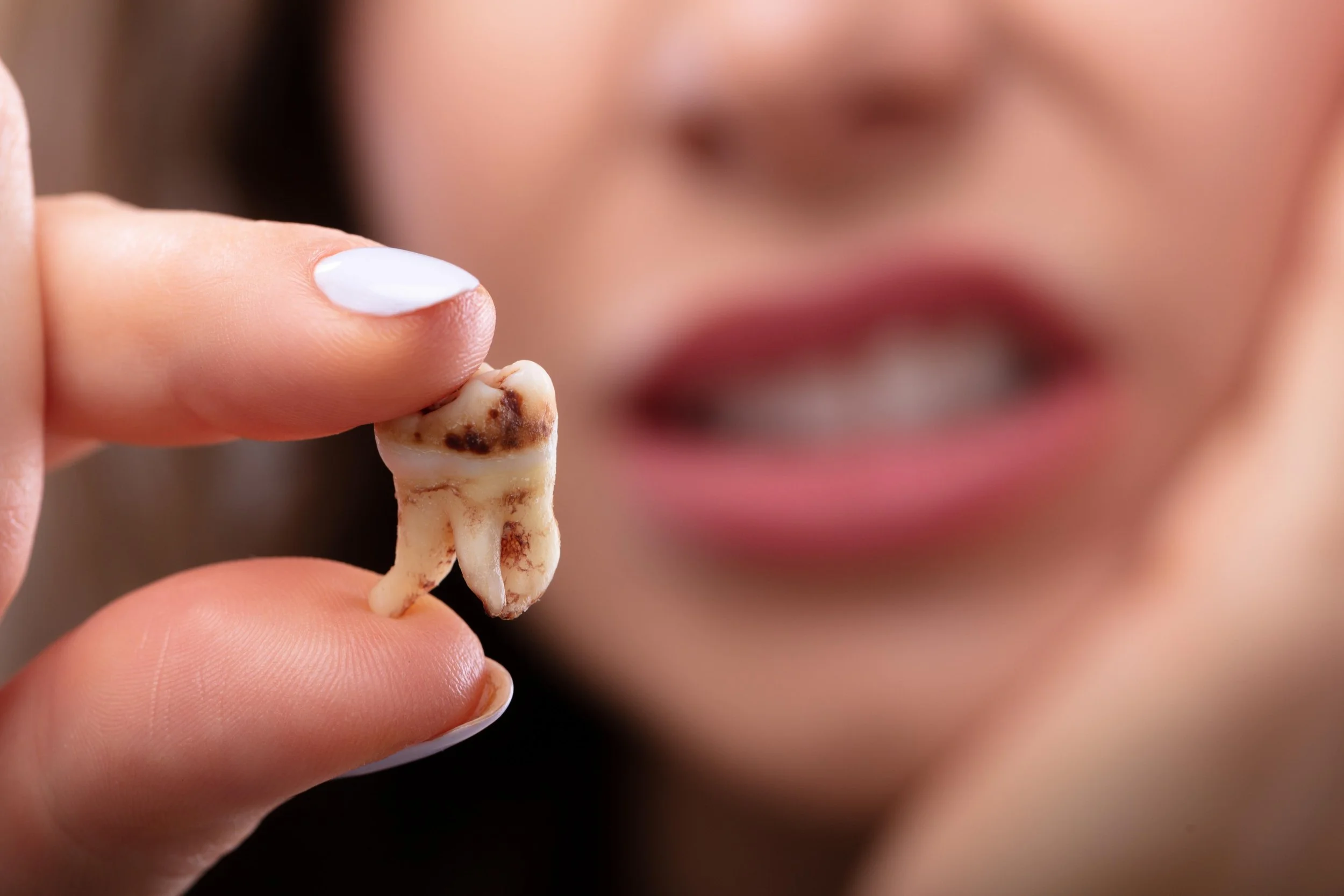
Tooth decay is one of the most common oral health problems worldwide. It affects both children and adults, with an estimated 2.5 billion people living with untreated decay in permanent teeth. Understanding how it develops is the first step toward prevention.
Tooth decay is caused by bacteria that feed on sugars and starches from food. These bacteria produce acids that lower the pH in the mouth, gradually dissolving tooth enamel. The earliest sign of tooth decay is a white spot on a tooth, indicating mineral loss before a cavity has formed. Fluoride can help stall or reverse early tooth decay at this stage by promoting remineralization.
Cavities form when decay penetrates the enamel and dentin layers, creating visible holes or dark spots. Tooth decay can lead to tooth sensitivity and pain, and if it reaches the pulp, infection or abscess may follow.
Common causes:
Frequent sugary snacks and acidic drinks
Poor brushing and flossing habits
Lack of fluoride exposure
Dry mouth reducing saliva's buffering capacity
Deep grooves and pits in teeth that trap bacteria
Typical symptoms:
Aching tooth or dental pain when biting
Sensitivity to hot, cold, or sweet foods
Visible holes, dark spots, or rough edges
Bad breath from trapped food and bacteria
Prevention strategies:
Brush your teeth twice daily with fluoride toothpaste
Clean between teeth daily with floss or interdental brushes
Limiting sugary and acidic foods helps protect tooth enamel
Seek early care for any new sensitivity or dental pain
Fluoride treatments can strengthen tooth enamel and prevent decay
Gum Disease (Gingivitis and Periodontal Disease)

Gum disease is an infection and inflammation of the gum tissue and structures that support teeth. It ranges from mild gingivitis to advanced gum disease called periodontitis. Plaque buildup causes gum disease, leading to red, tender, or bleeding gums when bacteria colonize at and below the gum line. Without intervention, gum inflammation can progress to bone loss, gum recession, and tooth loss.
Chronic inflammation from gum disease can increase the risk of heart disease and stroke. Research also links severe periodontal disease to diabetes complications, adverse pregnancy outcomes, and worsened kidney function. Avoiding tobacco and alcohol reduces the risk of gum disease, and regular dental checkups can help prevent gum disease by catching early changes before they progress.
Common risk factors:
Poor oral hygiene and inconsistent plaque removal
Smoking (62% of U.S. adults over 30 who smoke have periodontitis)
Uncontrolled diabetes
Stress and genetic predisposition
Hormonal changes such as those during pregnancy
Dry mouth from medications or medical conditions
Prevention and management basics:
Meticulous daily home care, including brushing and flossing
Professional dental cleaning to remove tartar that brushing cannot reach
Avoiding tobacco products
Managing underlying medical conditions
Addressing early warning signs promptly
Gingivitis: Early-Stage Gum Inflammation
Gingivitis is the mildest form of gum disease. It is caused by plaque accumulation along the gum line and affects about 50% of adults aged 30 and older. Gingivitis is also the mildest form of periodontal disease, serving as the entry point for more serious damage if ignored.
Gingivitis symptoms include swollen and bleeding gums, darkened or puffy gum tissue, and occasional bad breath. The condition is reversible when plaque and tartar are effectively removed and good oral hygiene is maintained.
Use a soft toothbrush and gentle technique at the gum line
Floss or use interdental cleaners daily to remove plaque between teeth
Maintain consistent plaque control to prevent recurrence
Gingivitis can progress to bone damage and tooth loss if plaque buildup continues unchecked over months or years
Periodontal Disease: Advanced Gum Infection
Periodontal disease is a chronic infection that damages the ligaments and supporting bone around teeth
Deepened gum pockets harbor bacteria and toxins, fueling ongoing gum inflammation and bone loss
Common features include persistent bad breath, gum recession, loose teeth, changes in bite, and sometimes gum abscesses
Periodontitis has four stages of increasing severity, from early tissue changes to advanced destruction
Periodontitis can lead to tooth loss if untreated, and severe gum disease can lead to bleeding gums and tooth loss
Periodontal disease has been linked to premature birth and low birth weight
Periodontitis can worsen chronic conditions like diabetes by increasing systemic inflammation
Treatment generally focuses on removing plaque and tartar below the gum line through procedures like scaling and root planing, controlling infection, and reinforcing daily home care
Long-term maintenance requires ongoing monitoring, good dental health habits, and lifestyle changes such as quitting tobacco
A gum specialist may be involved in managing advanced cases
Tooth Sensitivity and Enamel Wear
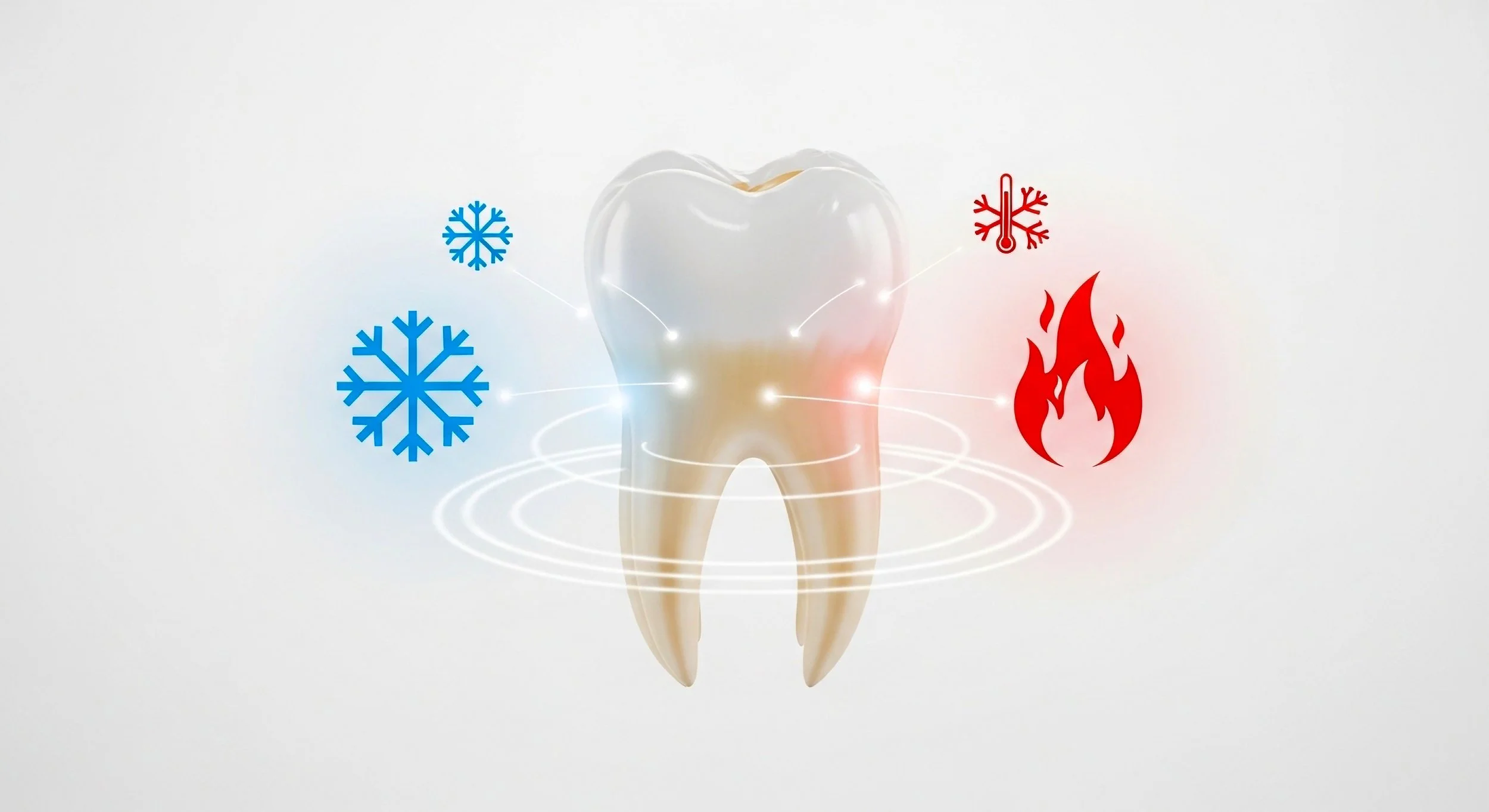
Tooth sensitivity causes short, sharp pain when eating or drinking hot, cold, or sweet items. Sensitive teeth can also react to cold air or acidic foods. It is one of the more common complaints among adults and can range from mildly annoying to significantly disruptive.
Main causes:
Worn tooth enamel from aggressive brushing or acidic foods and drinks
Teeth grinding (bruxism) that wears down surfaces
Gum recession exposing root surfaces
Cracked or chipped teeth
Recent dental work or whitening treatments
Early tooth decay
Common triggers:
Ice water, hot coffee, cold air
Sweet treats, sour or citrus foods
When to pay closer attention: Persistent or worsening sensitivity may signal a cracked tooth, large cavity, or inflamed tooth nerve that requires evaluation. Tooth sensitivity that does not improve with desensitizing oral hygiene products warrants a dental visit.
Management suggestions:
Use a gentler brushing technique and a soft-bristled brush
Try desensitizing toothpaste
Address grinding habits
Reduce intake of acidic beverages
Seek prompt evaluation for persistent symptoms
Bad Breath (Halitosis)

Bad breath is a common but often embarrassing symptom that can signal underlying dental problems. When it persists despite routine care, it deserves closer attention.
Bacteria on the tongue, between teeth, and below the gum line break down food particles, releasing sulfur compounds that cause odor
Oral causes include gum disease, tooth decay, trapped food, coated tongue, dry mouth, poorly cleaned dentures, and mouth infections
Non-oral contributors include smoking, certain foods like garlic and onions, sinus infections, and digestive or metabolic disorders
Dry mouth plays a significant role in chronic bad breath because insufficient saliva allows odor-causing bacteria to thrive
Prevention strategies:
Thorough brushing including the tongue
Flossing regularly to clean between teeth
Staying hydrated throughout the day
Managing dry mouth with sugar-free gum or lozenges
Avoid smoking and tobacco products
Persistent bad breath despite good oral hygiene may indicate gum disease or another medical issue needing evaluation
Dry Mouth (Xerostomia)
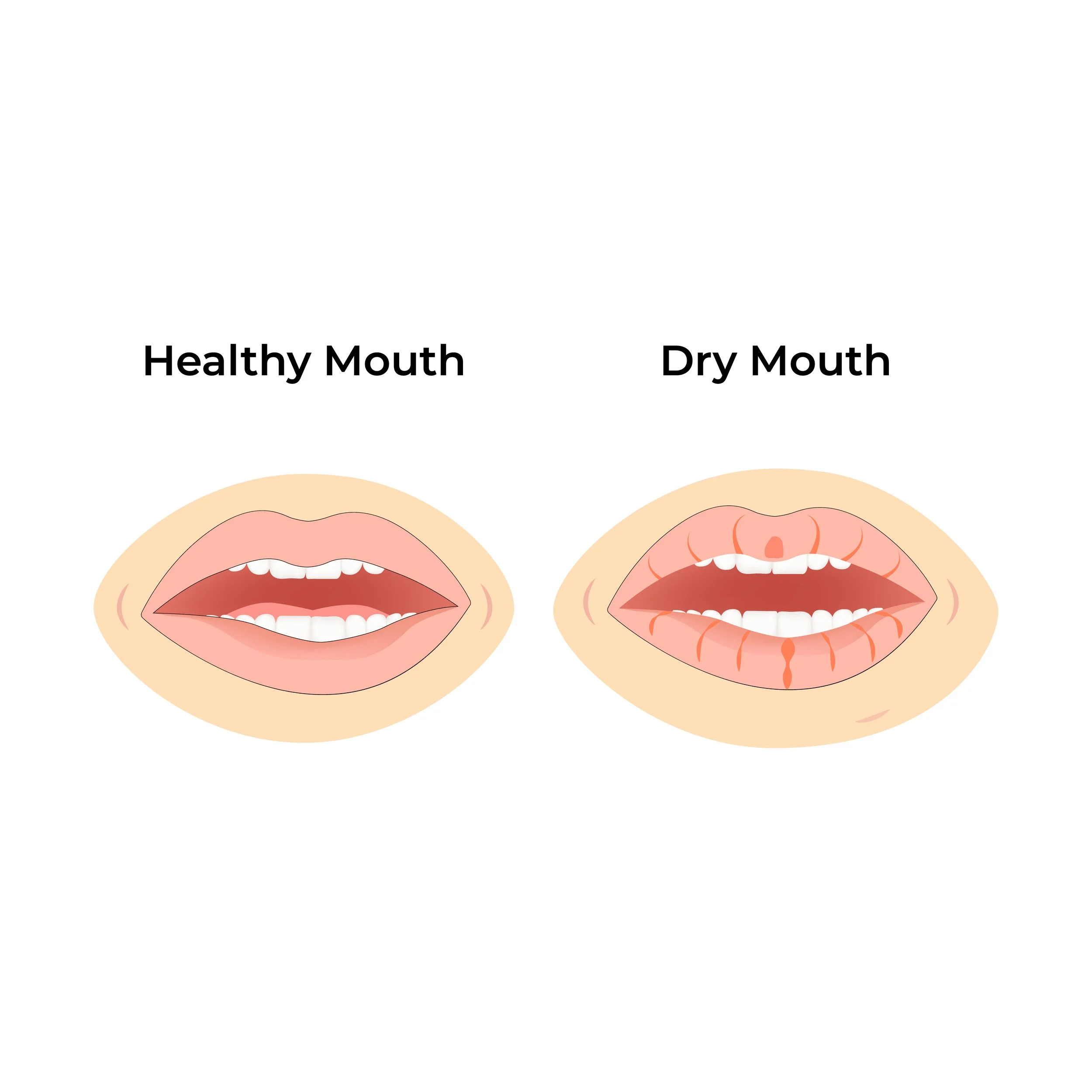
Dry mouth is a condition where saliva production is reduced, leaving the mouth feeling sticky, dry, or burning. It affects speech, chewing, and overall oral comfort. Estimates suggest that roughly 22% of the general population experiences xerostomia, with significantly higher rates among older adults and individuals undergoing certain medical treatments.
Saliva is essential for oral health. It neutralizes acids, clears food particles, delivers minerals that protect tooth enamel, and supports a healthy mouth environment. When saliva flow drops, the mouth becomes vulnerable. Dry mouth can increase the risk of tooth decay, particularly along the gum line and on root surfaces.
Common causes:
Medication side effects from antihistamines, antidepressants, blood pressure medicines, and diuretics
Radiation therapy to the head and neck
Dehydration and mouth breathing
Uncontrolled diabetes and Sjögren's syndrome
Natural changes with aging, often mediated through increased medication use
Symptoms:
Difficulty swallowing dry foods
Thick or stringy saliva
Bad breath and cracked lips
Mouth ulcers and burning sensations
Increased tooth decay and gum disease
Potential complications: higher risk of cavities, oral infections like oral thrush, and challenges wearing a partial denture or other oral appliances.
Management tips:
Frequent sips of water throughout the day
Sugar-free gum or lozenges to stimulate saliva
Avoid tobacco and alcohol, which further dry the mouth
Review medications with a healthcare provider when possible
Tooth Loss and Edentulism
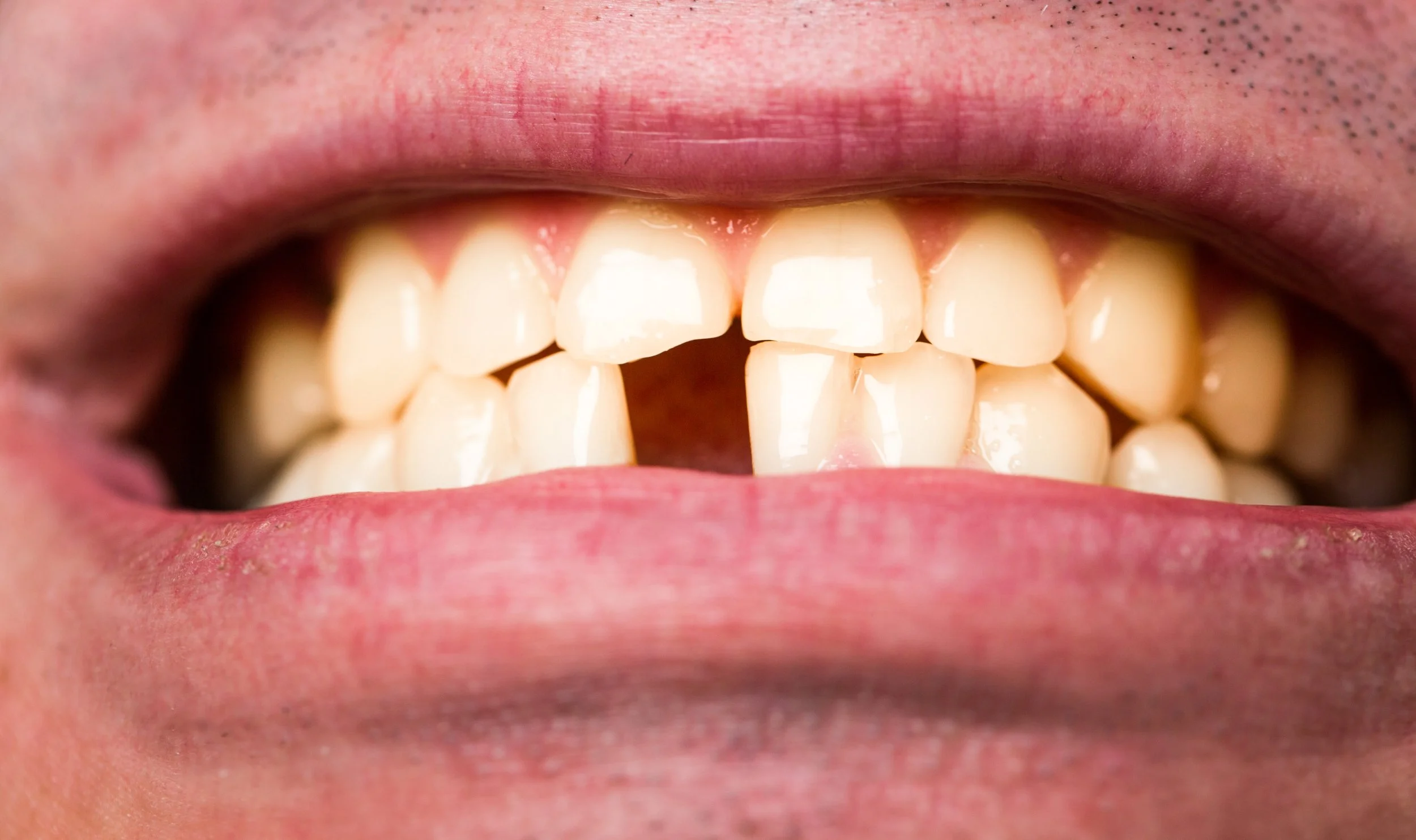
Tooth loss is often the end result of long-term oral health problems like severe tooth decay and advanced gum disease. It can be partial, involving some missing teeth, or complete (edentulism), and it affects biting, chewing, speech, and facial appearance.
Key causes include untreated cavities, periodontal disease, severe dental infections, trauma or accidents, and conditions that weaken bone and immune response
Impacted teeth can cause pain and lead to infection, sometimes contributing to tooth loss
Total tooth loss is more common in older adults but can occur earlier with high disease burden or limited access to care
Missing teeth can impact nutrition, self-confidence, and jaw joint health over time
Loose or sensitive teeth are often a late warning sign of advanced disease
Prevention: Early treatment of dental problems, consistent plaque control, protective gear for sports, and addressing oral infections promptly can help preserve natural teeth. A partial denture or other replacement may be considered when teeth are lost.
Cracked, Chipped, and Broken Teeth
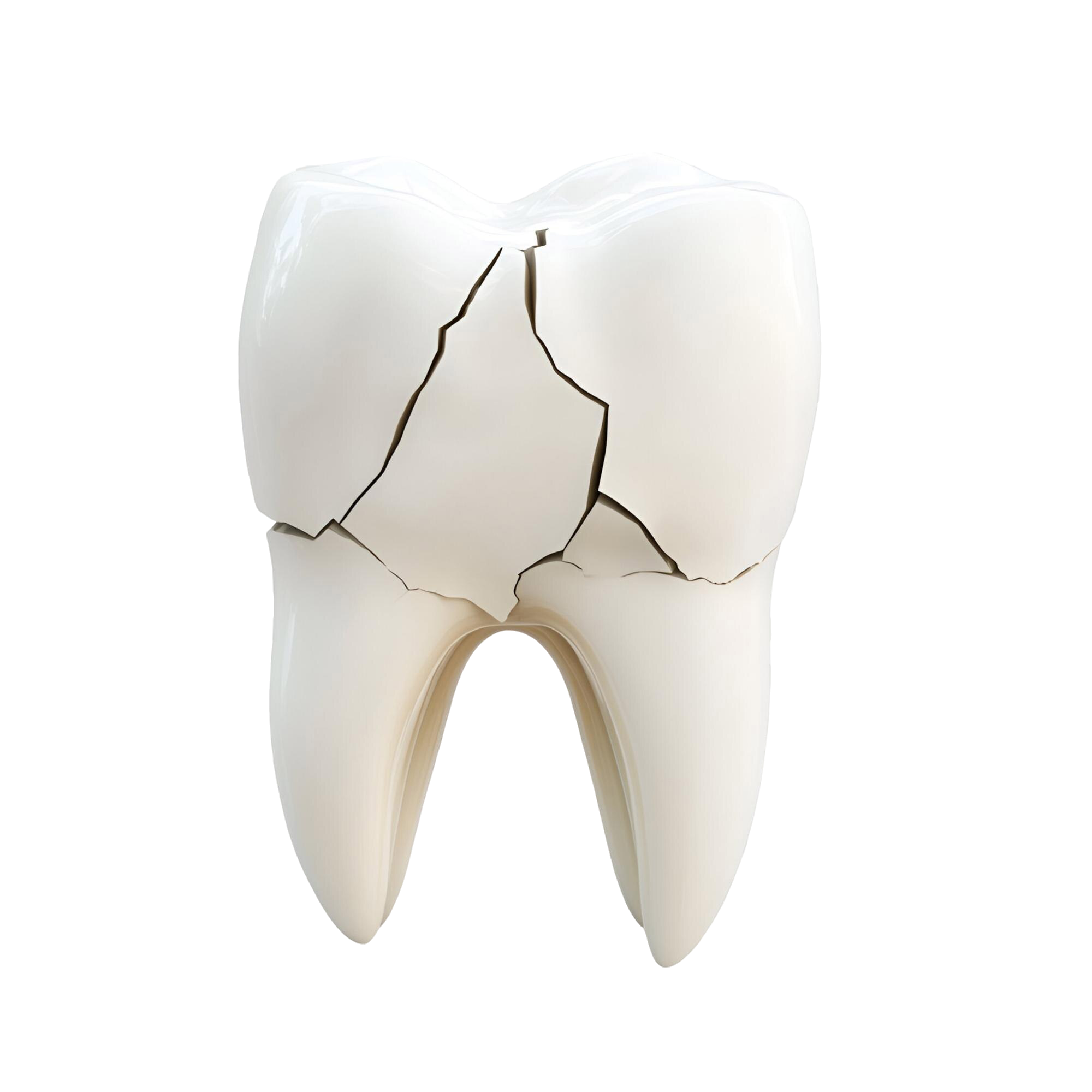
Teeth can crack, chip, or break due to biting hard objects, sports injuries, accidents, or chronic teeth grinding. Broken or cracked teeth can result from injuries, teeth grinding, or weak enamel. Large fillings that weaken remaining tooth structure also increase vulnerability.
Sudden tooth pain on biting or release
Sensitivity to hot or cold
Rough or sharp edges felt by the tongue
Visible fractures or missing pieces
Cracks can allow bacteria to enter the inner tooth, leading to pulp inflammation, dental pain, and potentially a dental abscess. In some cases, a root canal may be needed to address infection within the tooth.
Prevention tips:
Avoid chewing ice, hard candy, or non-food objects
Wear a well-fitting mouthguard for contact sports
Address grinding habits with stress management and protective appliances
Seek early evaluation for any tooth injury
Oral Infections and Mouth Ulcers
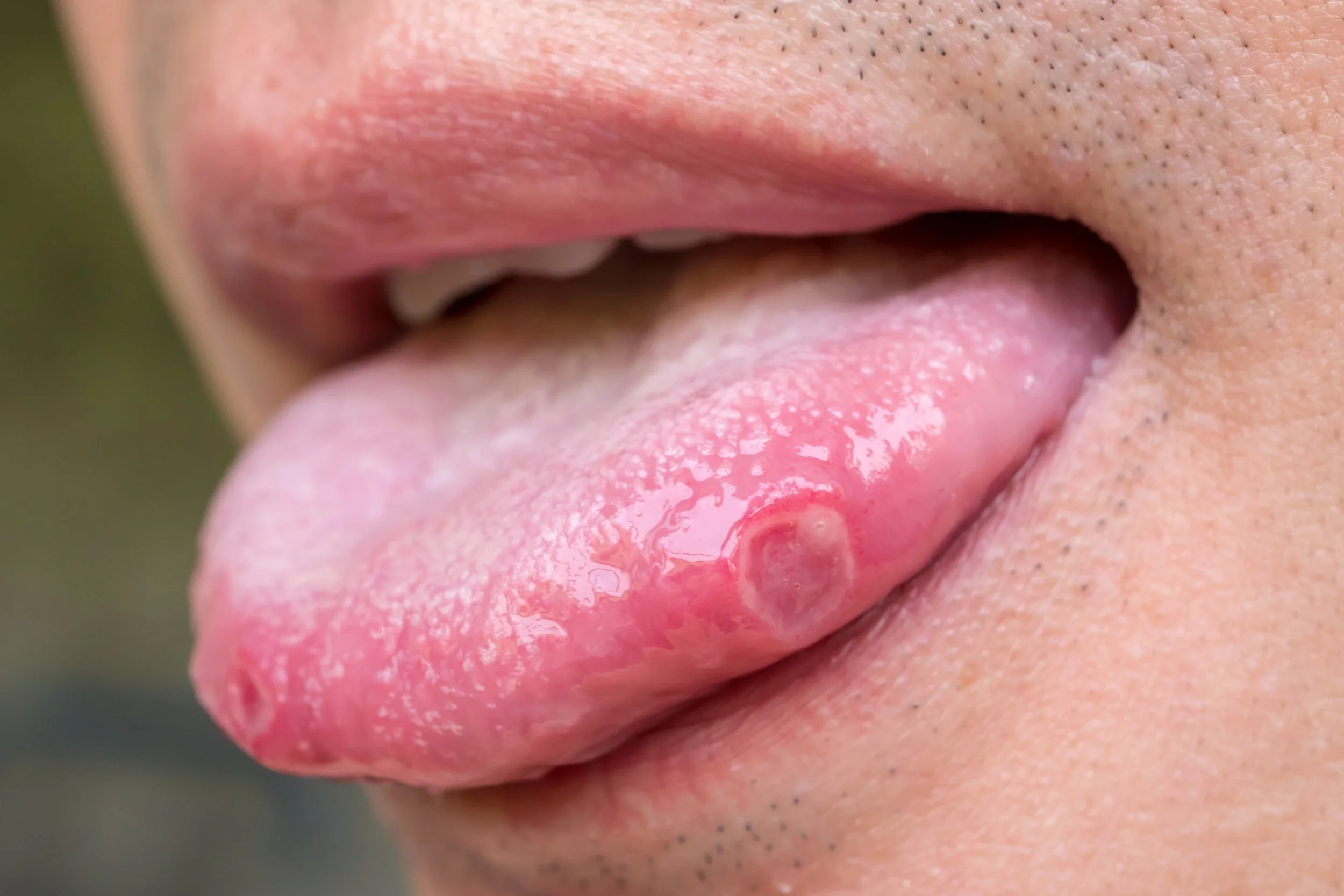
Oral infections include dental abscesses, gum abscesses, oral thrush, and viral sores. These arise when bacteria, fungi, or viruses overwhelm the mouth's defenses, often after untreated tooth decay, gum disease, or trauma. Oral infections can negatively impact overall health, and bacteria from the mouth can lead to respiratory infections like pneumonia in vulnerable individuals.
Common warning signs:
Localized swelling and throbbing dental pain
Pus or drainage
Fever and difficulty opening the mouth
Swollen lymph nodes
Dental Abscesses
A dental abscess is a pocket of pus caused by bacterial infection at the root of a tooth or in the surrounding gum tissue
Hallmark symptoms include severe, throbbing toothache, swelling of the gum or face, sensitivity to chewing, and sometimes fever or a bad taste from draining pus
Abscesses often result from untreated deep cavities, cracked teeth, or severe gum disease that allow bacteria to reach the tooth pulp or bone
Dental abscesses can spread infection to nearby tissues and, in rare cases, to other areas of the body if not managed promptly
Early recognition of pain, swelling, and systemic symptoms is important for preventing complications
Mouth Ulcers and Canker Sores
Common mouth ulcers are small, round lesions with a white or yellow center and a red border, typically appearing on the inner cheeks, lips, or tongue
Typical triggers include minor trauma from biting the cheek, friction from braces or dentures, stress, hormonal changes, and certain foods like citrus or spicy dishes
Most ulcers heal on their own within one to two weeks but can cause significant pain with eating, drinking, or speaking
Pay closer attention to ulcers lasting longer than two weeks, unusually large or numerous sores, or ulcers accompanied by fever or weight loss
General comfort measures include avoiding irritating foods, maintaining gentle but thorough oral hygiene, and staying well hydrated
Teeth Grinding (Bruxism) and Jaw Problems

Bruxism is habitual clenching or grinding of teeth, often occurring unconsciously during sleep or periods of stress. Over time, it can cause significant damage to teeth and the jaw joint.
Worn-down or flattened teeth and chipped enamel
Tooth sensitivity and jaw pain, especially on waking
Headaches and tight jaw muscles
Difficulty opening the mouth comfortably
Contributing factors include stress, anxiety, sleep disorders, certain medications, misaligned bite, and stimulant use
Management strategies:
Stress management techniques and good sleep habits
Avoiding chewing on hard objects like pens or ice
Protecting teeth at night with an appropriate oral appliance
A dental hygienist or dentist can help identify wear patterns during a routine dental visit
Oral Cancer and Precancerous Changes
Oral cancer includes cancers of the lips, tongue, cheeks, floor of the mouth, hard palate, and parts of the throat. Oral cancer can occur on the lips, tongue, and gums, and it accounts for roughly 389,846 new cases globally each year. Oral cancer is often linked to tobacco and alcohol use, with combined exposure creating a multiplicative increase in risk.
Additional risk factors include human papillomavirus (HPV) infection, long-term sun exposure to the lips, chewing areca nut, and older age. HPV-related oropharyngeal cancers are rising, particularly among younger non-smokers.
Early signs and symptoms:
Non-healing mouth ulcers lasting more than two weeks
Red or white patches on the oral mucosa
Lumps, thickened areas, or unexplained bleeding
Persistent sore throat and difficulty swallowing
Numbness or changes in voice
Many early lesions are painless, making regular self-checks and routine oral examinations important for detection. Regular dental visits help detect issues like oral cancer at treatable stages.
General prevention:
Avoid smoking and smokeless tobacco
Limit alcohol consumption
Use sun protection on lips
Practice good oral hygiene and maintain a healthy mouth
How Oral Health Affects Overall Health

The mouth is connected to the rest of the body through blood and lymph circulation. Bacteria from gum disease can enter the bloodstream and contribute to chronic inflammation, potentially affecting blood vessels and organs. Poor oral health can also affect nutrition, speech, sleep, and self-esteem, indirectly influencing physical and mental well-being.
Research continues to explore the links between gum disease and chronic conditions. While oral health problems do not necessarily cause these conditions, they may complicate management and overall health outcomes.
Oral Health and Diabetes
Diabetes can lead to periodontal disease by impairing immune response and blood flow to the gums
Gum disease can make it harder to control blood sugar levels in diabetes, creating a two-way relationship
Common oral findings in people with diabetes include more frequent gum inflammation, dry mouth, fungal infections like oral thrush, and slower healing of mouth ulcers
Controlling blood glucose, practicing good oral hygiene, and addressing early signs of gum disease support overall diabetes management
Oral Health, Heart Disease, and Stroke
Poor oral health increases heart disease and stroke risk based on current epidemiological evidence
Inflammatory molecules and oral bacteria may contribute to damage in blood vessel walls, promoting cardiovascular disease and plaque formation in arteries
Research is ongoing, and gum disease is considered a potential contributing factor rather than a proven direct cause
Individuals with cardiovascular risk factors should pay attention to gum health as part of their overall health routine
Oral Health, Kidney Disease, and Other Conditions
Kidney disease increases the likelihood of gum infections due to weakened immune defenses
Chronic oral inflammation can affect kidney function, adding to the overall inflammatory burden
Conditions linked to poor oral health include rheumatoid arthritis, Sjögren's syndrome causing severe dry mouth, and complications from cancer therapies that damage saliva production
Shared risk factors such as tobacco use, alcohol, and poor diet contribute to both oral diseases and systemic diseases
National institute research and dental and craniofacial research programs continue to study these connections, alongside work by the american dental association on disease control strategies
Preventing Common Dental Problems
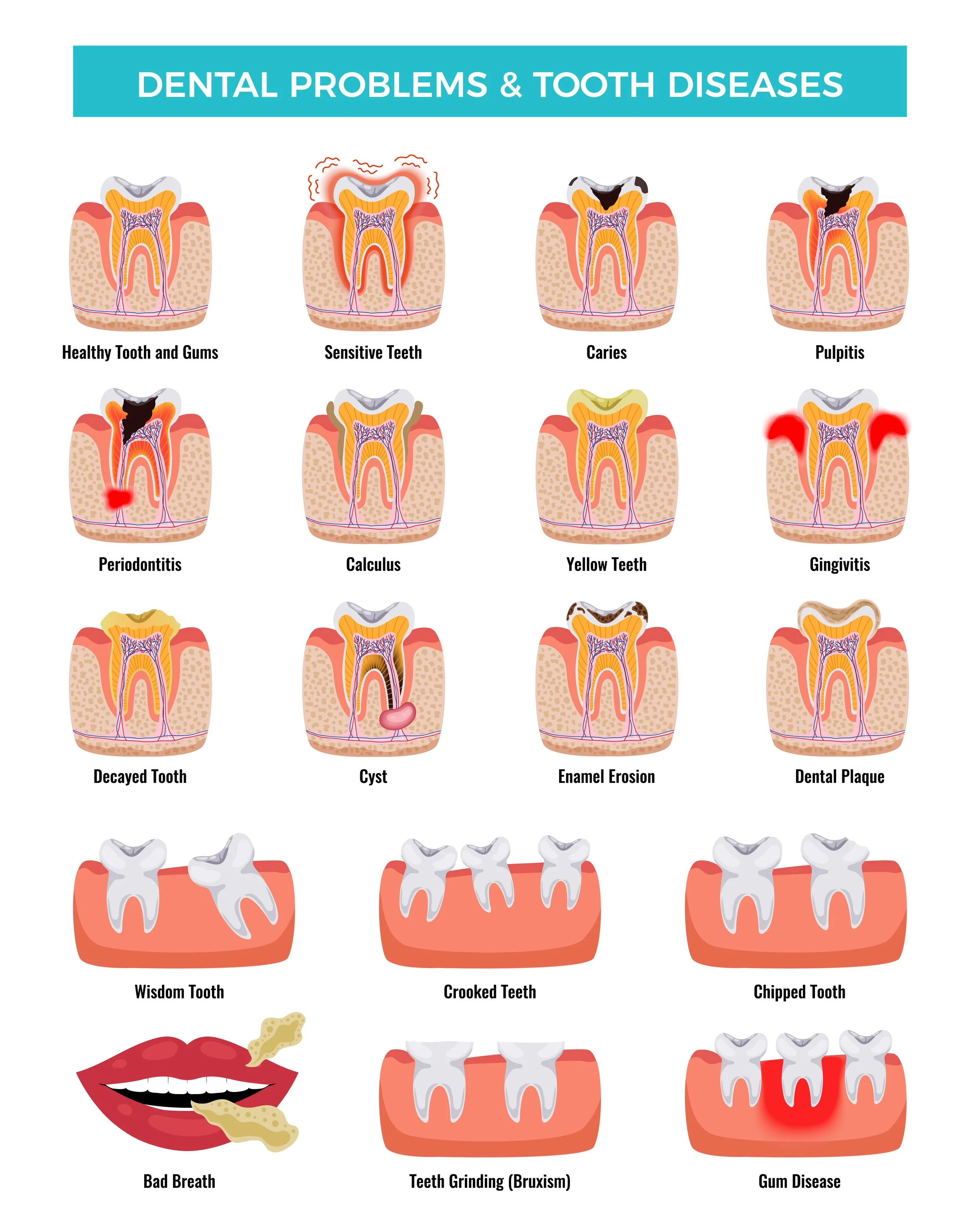
Prevention focuses on daily habits and early response to symptoms, which can greatly reduce the burden of most oral diseases. A combination of plaque control, smart dietary choices, and awareness of warning signs forms the foundation of good dental health.
Brushing twice daily can prevent cavities and gum disease - use fluoride toothpaste, brush for two minutes, and include the tongue
Flossing daily removes plaque between teeth where brushes cannot reach, and daily flossing can significantly reduce plaque buildup
Limit sugary snacks and drinks, avoid constant sipping on sweet beverages, and choose water as the main drink
Stay hydrated to support saliva production and reduce dry mouth risk
Avoid smoking and limit alcohol to reduce risk for gum disease, oral cancer, and tooth loss
Wear a mouthguard for contact sports to prevent cracked and broken teeth
Manage stress to reduce teeth grinding and jaw clenching
Visit a dentist regularly for professional dental cleaning, monitoring of gum disease, and screening for oral cancer
Pay attention to early warning signs such as new sensitivity, bleeding gums, persistent bad breath, or sores lasting longer than two weeks
Address symptoms early rather than waiting for pain, as many serious oral health conditions develop silently
Common Myths About Oral Health Problems
Misconceptions about dental problems can delay care and weaken prevention efforts. Here are some of the most common myths, corrected:
"Bleeding gums are normal." Gums bleed easily when inflamed, and this is usually a sign of gingivitis or gum disease, not healthy gums. It should prompt improved home care and evaluation.
"Tooth loss is a natural part of aging." With good dental health practices, many people keep most or all of their teeth for life. Tooth loss is typically a consequence of disease, not aging itself.
"If nothing hurts, everything is fine." Early tooth decay, gum disease, and oral cancer may cause little or no pain at first. Routine check-ups catch problems that symptoms alone cannot reveal.
"Bad breath is always from food." Gum disease, dry mouth, tongue coating, and oral infections are frequent causes of chronic bad breath that persist regardless of diet.
"Brushing harder cleans better." Overly aggressive poor brushing can wear down enamel and cause gum recession, increasing sensitivity rather than improving cleanliness.
Frequently Asked Questions

What is the most common oral health problem? Tooth decay (dental caries) is one of the most widespread dental problems globally, affecting children, adults, and older adults. It often begins as small enamel lesions that can progress to cavities if not addressed through fluoride use, diet changes, and good oral hygiene.
What causes cavities? Cavities develop when bacteria in plaque feed on sugars and starches, producing acids that dissolve enamel. Frequent snacking on sugary foods, inadequate brushing and flossing, low fluoride exposure, and dry mouth all raise cavity risk.
Why do gums bleed? Bleeding gums are a common sign of gum inflammation, usually due to plaque buildup and gingivitis. Hard brushing, hormonal changes, and certain medications can also contribute. Gums that bleed easily should not be ignored.
What causes dry mouth? Dry mouth is most often caused by medications, dehydration, medical conditions such as diabetes or Sjögren's syndrome, radiation to the head and neck, and natural changes with aging that increase medication use.
Can oral health affect overall health? Yes. Gum disease and chronic oral infections are associated with conditions like diabetes, heart disease, stroke, and respiratory infections. Healthy gums may support better general health by reducing the body's inflammatory burden.
How can oral health problems be prevented? Prevention includes brushing twice daily with fluoride toothpaste, flossing regularly, limiting added sugars, avoiding tobacco, managing dry mouth, and recognizing and responding early to symptoms such as pain, swollen gums, or gum inflammation. An oral surgeon or gum specialist may be consulted for advanced concerns detected during a routine dental visit.
Conclusion
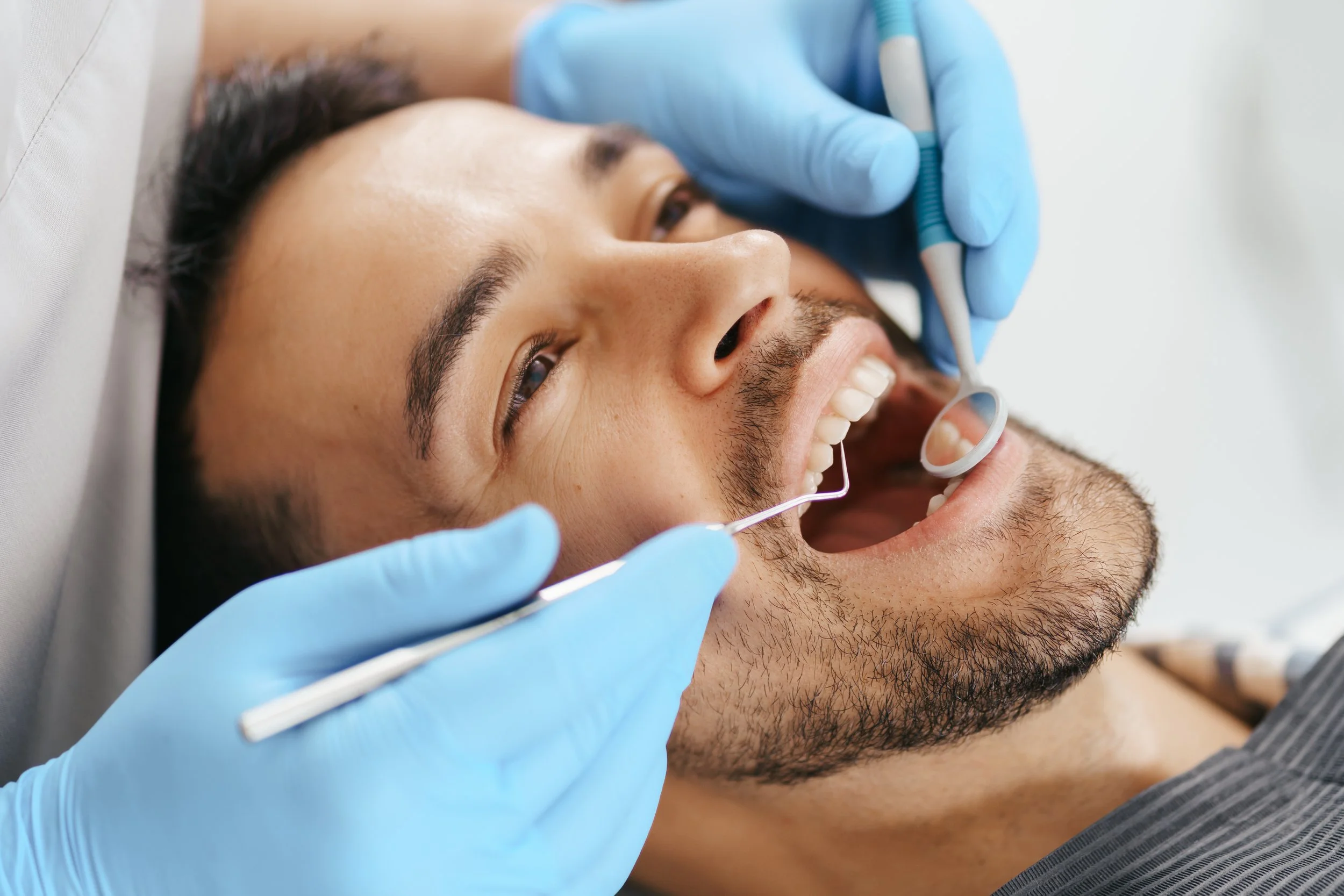
Oral health problems affect people across all ages and can range from mild issues like tooth sensitivity and bad breath to more serious conditions such as advanced gum disease and oral cancer. Understanding causes, symptoms, and prevention strategies empowers individuals to take practical steps toward better dental health and overall well-being.
Combining good daily oral hygiene, a balanced diet, risk factor management, and consistent preventive care through craniofacial research-informed practices offers one of the most effective approaches to maintaining a comfortable, healthy mouth and a healthy smile over the long term. Awareness remains one of the most powerful tools available to anyone seeking to protect their long-term oral health.