Teething in Babies and Toddlers: Symptoms, Timeline, and Relief
Key Takeaways
Teething is the process of primary teeth erupting through baby's gums, usually starting around 4 to 7 months and continuing until most children have 20 teeth by about age 3.
Common signs include tender gums, increased drooling, chewing, mild irritability, and short-term changes in eating or sleep.
True fever, persistent diarrhea, vomiting, or a child who seems seriously unwell are not typical teething symptoms and should be assessed as possible illness.
Safe relief includes gently rubbing baby's gums, offering chilled teething rings or washcloths, age-appropriate cool foods, and plenty of comfort and distraction.
Benzocaine or lidocaine gels, amber teething necklaces, alcohol, and unproven homeopathic teething tablets can be unsafe and are best avoided.
Medication is not needed for every teething child; if used, it should be age- and weight-appropriate and guided by a pediatrician.
Oral care begins before the first tooth with gentle gum cleaning and continues with early brushing and healthy feeding habits.








Teething is the natural process of baby teeth pushing through and breaking the surface of a baby's gums. It is one of the earliest milestones in a baby's development, and while it can feel stressful for parents, it is a completely normal part of growing up.
Most babies start teething between 4 and 7 months, with many getting their first tooth around 6 months. By about age 3, most children have all 20 primary teeth. Every child follows an individual timeline, so teeth may appear earlier or later than average without signaling a problem.
Teething can lead to sore or tender gums, excessive drooling, chewing, and a baby acting cranky, but serious illness like high fever, persistent diarrhea, or vomiting is not a typical part of the teething process. This guide covers when babies start teething, common signs of teething, how long teething lasts, safe teething relief, remedies to avoid, caring for emerging teeth, toddler teething, and when symptoms may point to something other than teething.
What Is Teething?
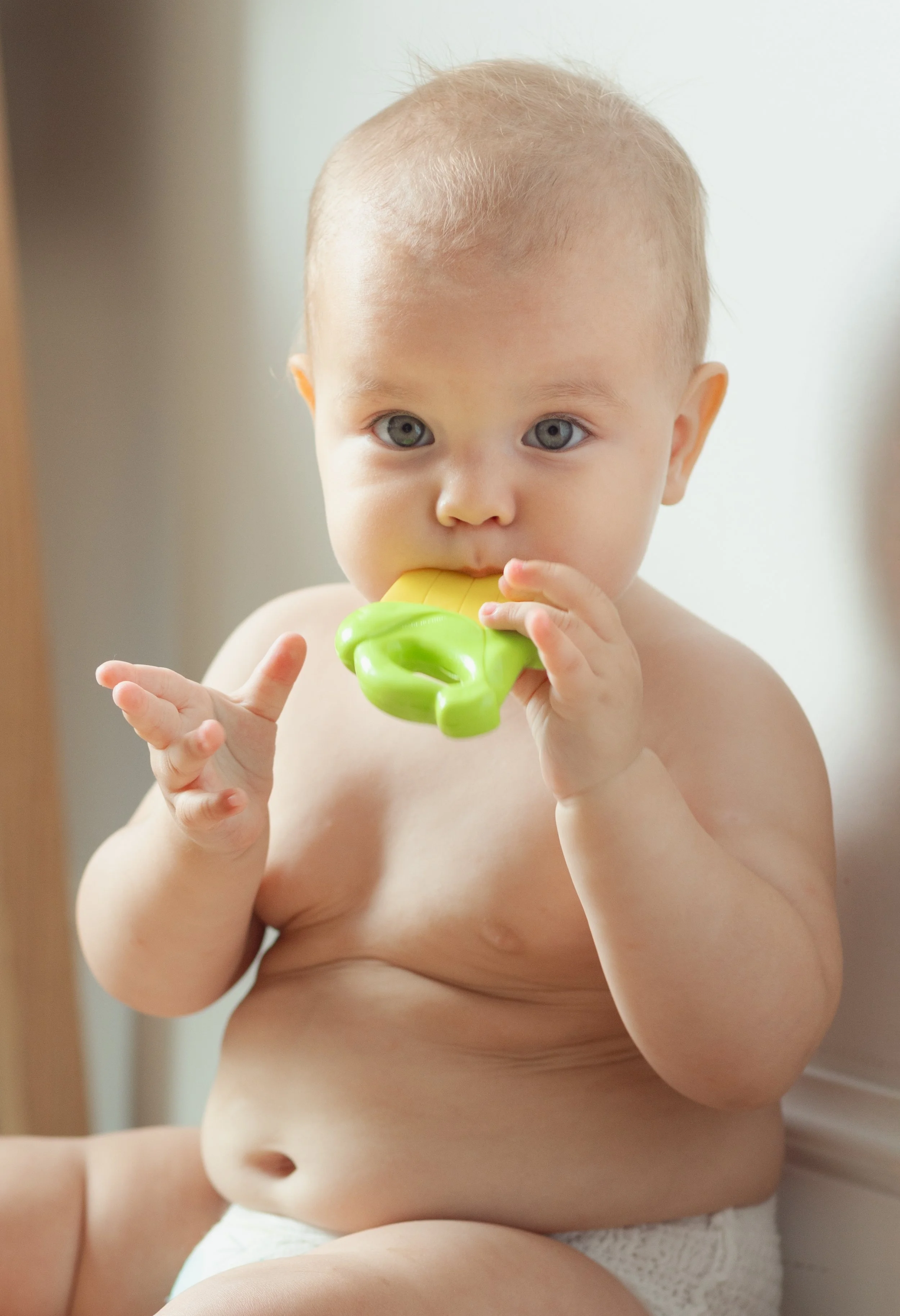
Teething is the tooth-eruption process in which primary teeth, commonly called baby teeth, form beneath the gums and gradually push through the gum tissue into the baby's mouth. These tiny teeth begin developing before birth, but they usually start to appear during late infancy and continue erupting into the toddler years. The word "teething" refers specifically to the period when teeth push through teething gums, not simply the fact that a child's teeth are present. By around 30 to 36 months, most children have their complete set of 20 primary teeth.
What Happens When a Baby Is Teething?
A developing tooth forms inside the jawbone, gradually moves upward, and creates a firm ridge or lump under the baby's gums before the white edge of the tooth breaks through. This movement can make the surrounding gums look red, puffy, or slightly swollen. Some babies feel very little discomfort, while others have short episodes of fussiness or rubbing their face when a tooth is close to erupting.
Why Baby Teeth Matter
Primary teeth help babies chew solid foods, guide tongue placement, and play a key role in early speech sounds. Baby teeth also act as space holders, keeping room in the jaw so permanent teeth can erupt in the right positions later. Although these teeth eventually fall out starting around age 6, they can still develop cavities and infections that affect eating, sleep, and overall health. Caring for a child's teeth starts before the first tooth and continues through the toddler years.
When Do Babies Start Teething?
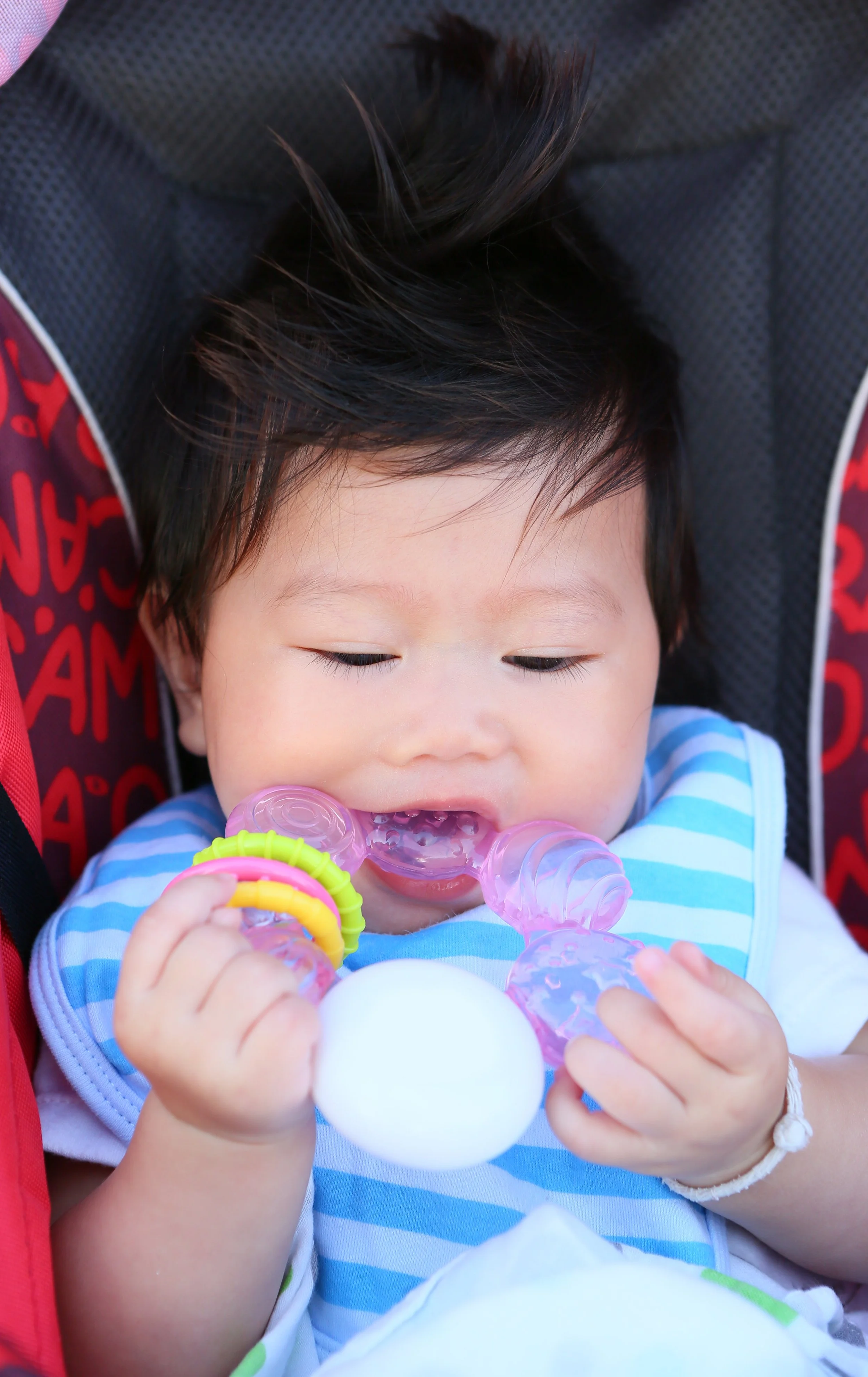
Many babies get their first tooth around 6 months, though drooling and chewing on hands often start at 3 to 4 months before any tooth is visible. By the first birthday, some babies may have several teeth while others may only just be getting their first tooth. Both patterns can be perfectly normal.
Early Teething
A baby's first tooth can occasionally erupt between 3 and 5 months. Early teething alone is usually not a cause for concern if baby is otherwise healthy and growing well. It does not predict future dental problems or when permanent teeth will arrive.
Later Teething
Some healthy babies do not get a visible first tooth until after 10 to 12 months. If there are no teeth by about 15 to 18 months, it is reasonable to mention this to a pediatric dentist or pediatrician so they can check development and family patterns.
Can Babies Be Born With Teeth?
Natal teeth, present at birth, and neonatal teeth, emerging in the first month, are uncommon, occurring in roughly 1 in 289 births. These early teeth often have shallow roots and may be loose or interfere with feeding, so they should be evaluated promptly by a healthcare provider.
Baby Teething Timeline
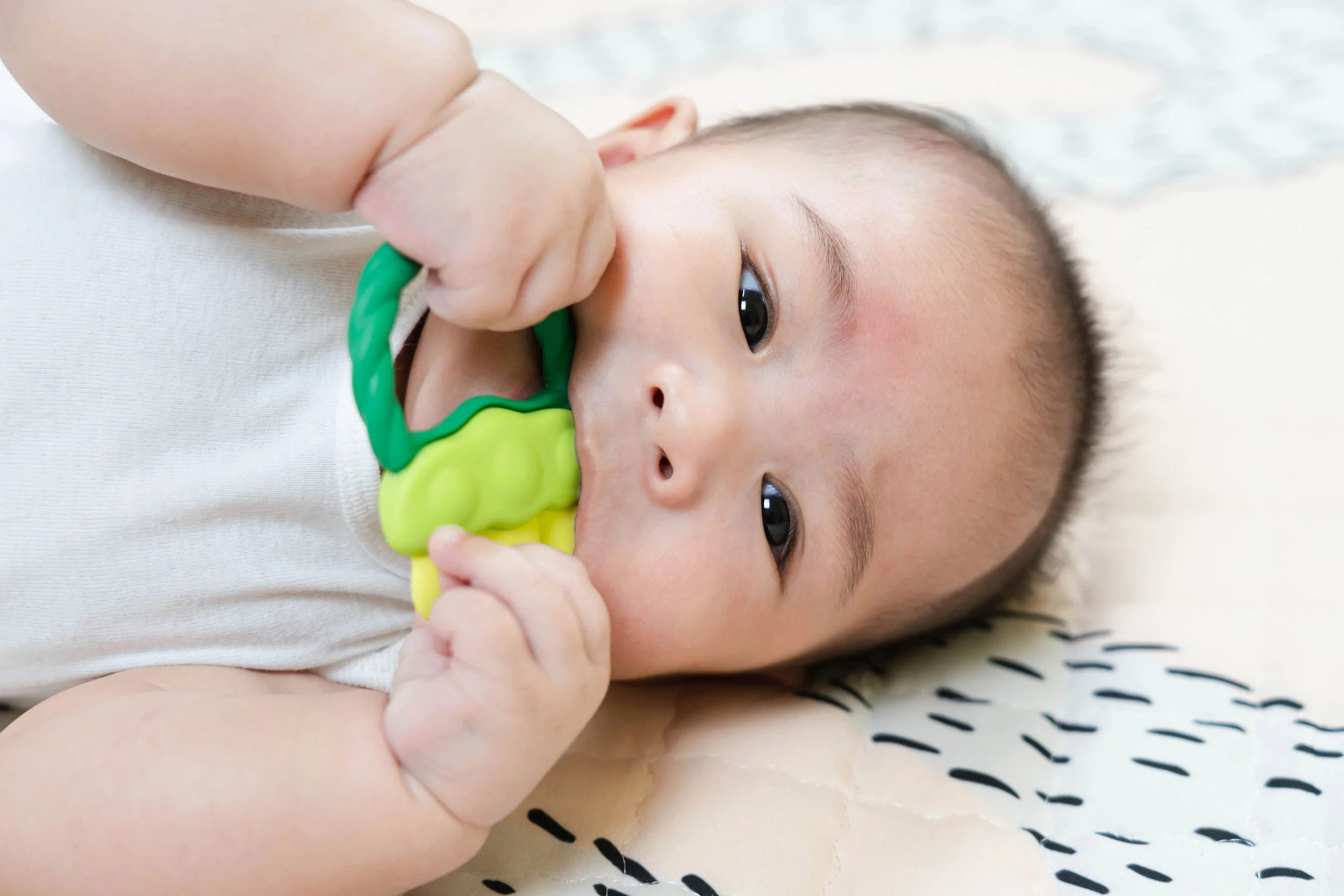
Baby teeth generally erupt in a predictable sequence, though the exact timing varies from child to child. Eruptions often come in waves: a few teeth may arrive close together, followed by quieter periods. By completion, children have 20 primary teeth: 8 incisors, 4 canines, and 8 molars.
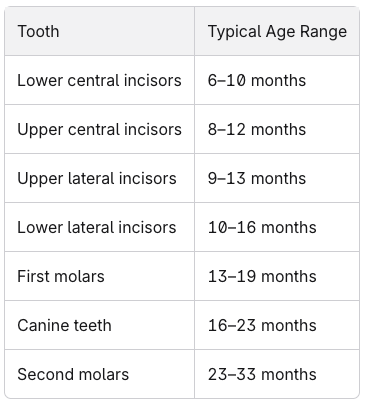
Source: MSD Manuals Eruption Timetable
Lower Central Incisors
The lower central incisors, the two bottom front teeth, are usually the first to emerge. Parents will often notice a firm ridge on the lower front gums before the tooth appears, typically between 6 and 10 months.
Upper Central Incisors
The upper central incisors, or top front teeth, commonly follow the lower ones, usually appearing between 8 and 12 months. Some babies get one top tooth first, with the second arriving shortly after.
Upper and Lower Lateral Incisors
The lateral incisors sit on either side of the front teeth. Upper teeth in this group tend to arrive around 9 to 13 months, while lower lateral incisors follow between 10 and 16 months. Baby's smile fills in from the center outward.
First Molars
The first primary molars are larger back teeth that erupt roughly between 13 and 19 months. Because these teeth create more pressure on baby's gums, some toddlers have more noticeable teething symptoms when first molars come in.
Canine Teeth
Canine teeth, the pointed teeth between the incisors and molars, typically erupt between 16 and 23 months. They can cause localized gum tenderness where they cut through.
Second Molars
The second primary molars, the very back teeth, usually appear between 23 and 33 months and complete the set of 20 baby teeth. Many parents notice renewed teething discomfort during this final wave.
When Do Children Have All 20 Baby Teeth?
Most children have all 20 primary teeth by around age 3, with some finishing slightly earlier and others slightly later. Mention any unusual eruption patterns or missing teeth to a pediatric dentist for personalized evaluation.
Common Signs and Symptoms of Teething
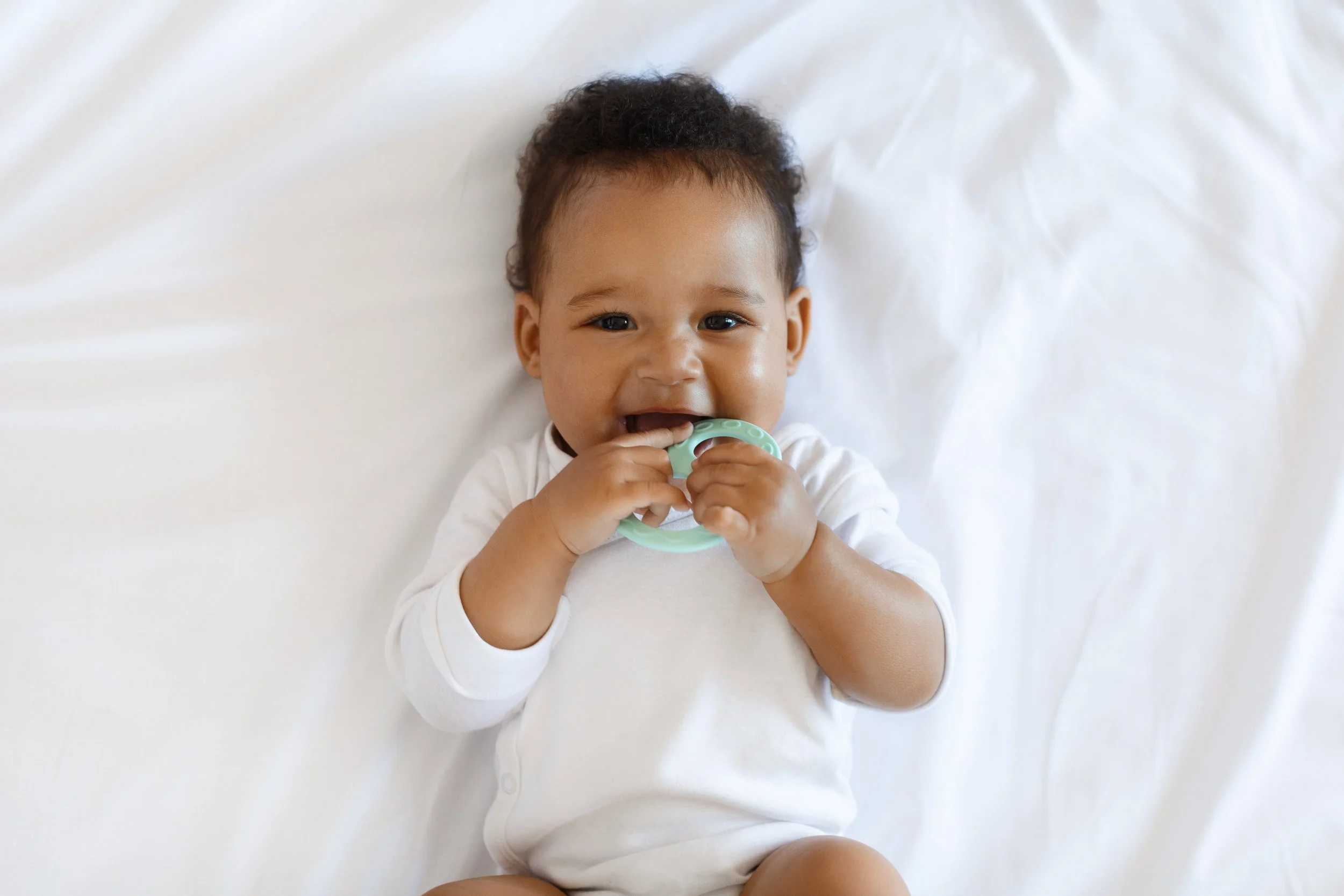
Some babies show many symptoms of teething while others simply wake up one day with a new tooth. Most teething-related signs are mild and centered on the mouth and behavior.
Sore or Tender Gums
Teething can cause swollen and tender gums in infants. The area where a tooth emerges may look red and puffy. Gently rubbing the spot with a clean finger can help parents confirm a firm bump underneath.
Increased Drooling
Increased drooling is a common teething symptom, especially between 3 and 12 months. Excessive drooling can lead to a mild rash around the mouth or chin. Gently wiping and applying a soft barrier cream can help protect baby's skin.
Chewing and Biting
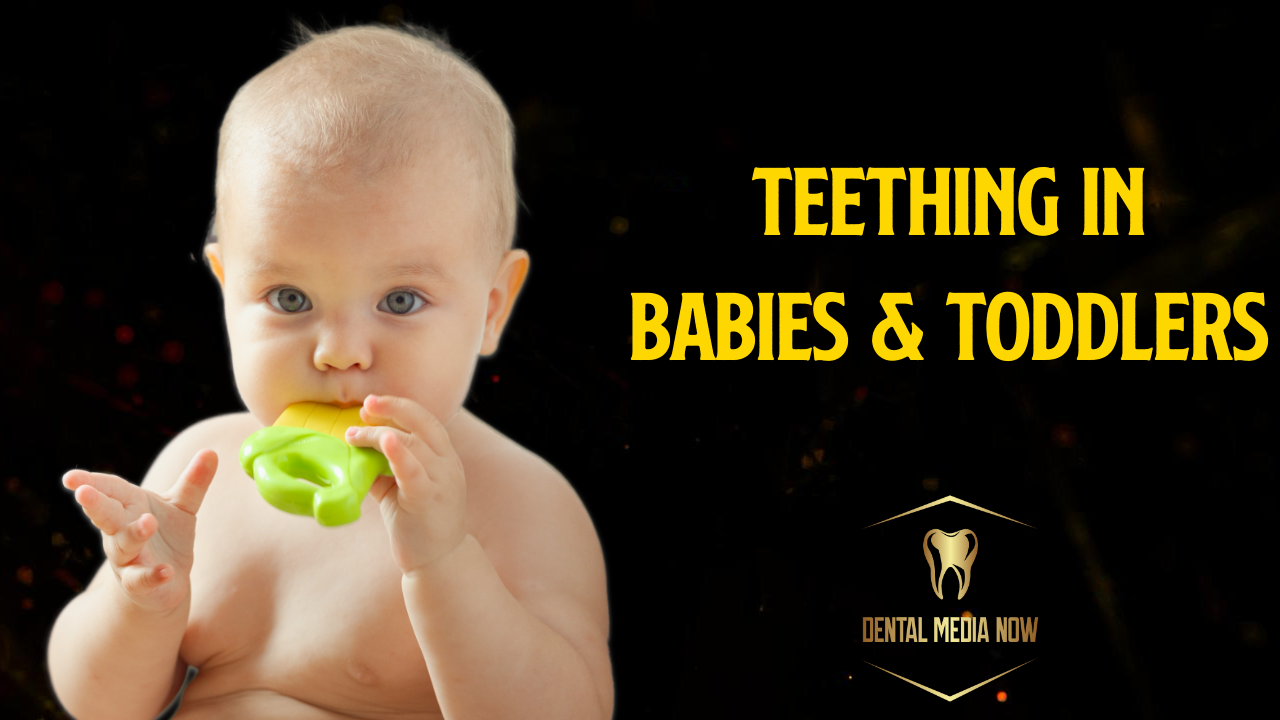
Infants often gnaw or bite on hard objects to relieve gum pressure. When a baby chews on fingers, teething toys, or clothing, counter-pressure on sore gums can temporarily ease the child's discomfort. Always supervise babies with teething toys to prevent choking.
Fussiness and Irritability
Fussiness or irritability can occur during teething, especially late in the day. These episodes are usually short-lived and tied to a tooth nearing the surface. Intense, constant crying suggests another cause.
Changes in Eating
Some babies have trouble eating or briefly refuse the bottle when gums are sore, while others nurse more for comfort. Prolonged refusal to drink or signs of dehydration are not typical teething symptoms and need medical attention.
Changes in Sleep
Teething can disrupt a baby's sleep patterns, particularly in the few days when a tooth is breaking through. However, persistent sleep problems lasting weeks without other signs of teething warrant a closer look at other possible causes.
Rubbing the Face or Gums
Babies may rub their cheeks, tug at their ears, or press fingers along baby's gums. Nerve pathways in the mouth and ear area are close together, so ear pulling during teething is not unusual. Persistent ear pulling with fever, however, may indicate an ear infection.
Does Teething Cause Fever, Diarrhea, or Illness?
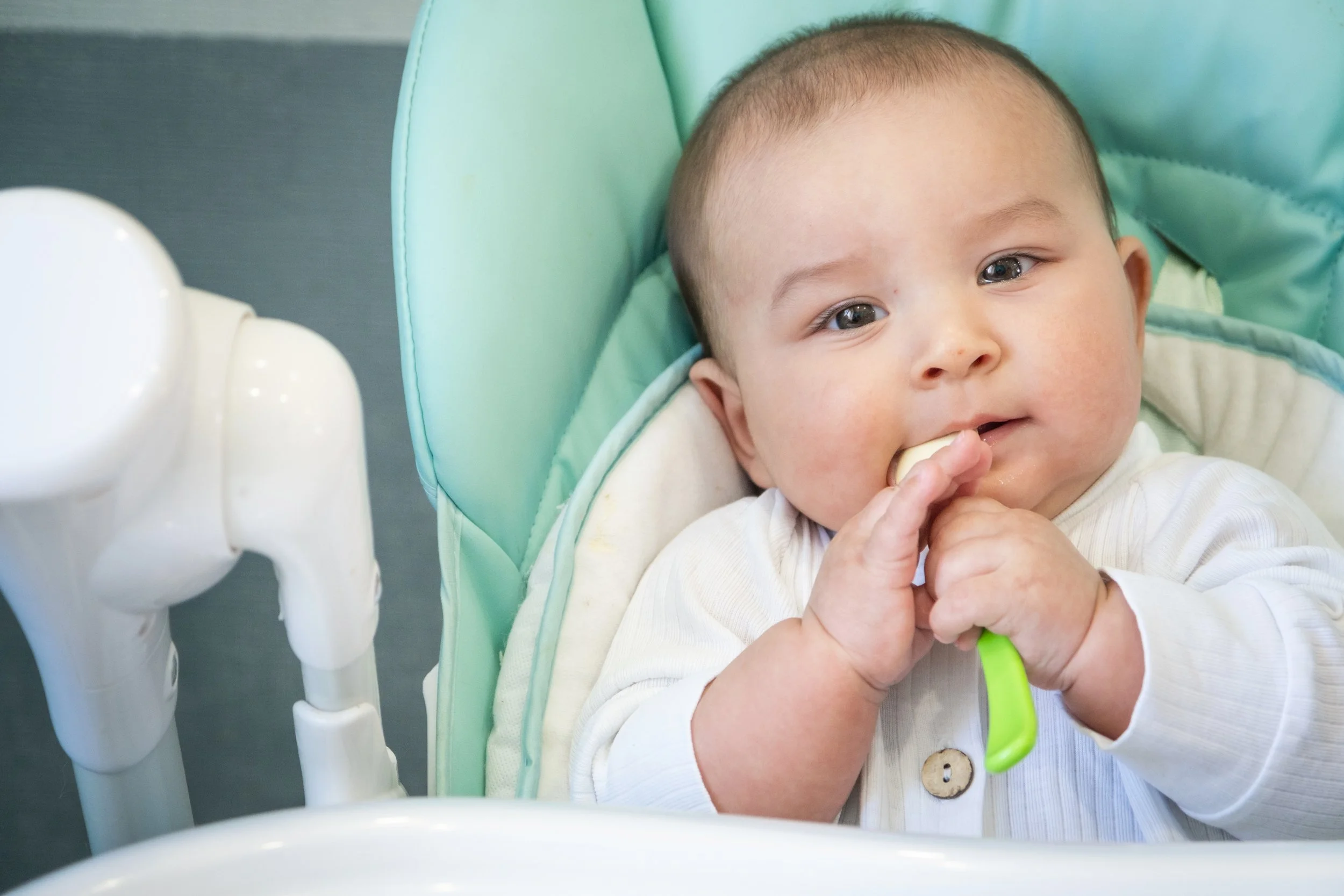
Teething does not cause high fever, diarrhea, or vomiting. The teething age of roughly 4 to 24 months overlaps with waning maternal immunity and increased exposure to germs as babies explore the world with their mouths. Illness often coincides with teething but is not caused by it.
Teething and Body Temperature
Teething can cause a slight rise in body temperature, and a slight fever around 100.4°F is sometimes reported. However, a true or persistent fever should be treated as a possible sign of infection. A 2017 meta-analysis found no reliable overall association between fever and tooth eruption across studies.
Teething and Diarrhea
Loose stools are sometimes reported during teething, but persistent diarrhea, especially with mucus, blood, or dehydration, is far more consistent with infection or another illness.
Teething and Vomiting
Vomiting is not considered a typical symptom of teething and should not be dismissed as part of the natural process. Seek medical guidance if a baby is vomiting alongside poor feeding or decreased wet diapers.
Teething and Coughing or Congestion
Extra saliva can occasionally cause a baby to gag or cough, but true chest congestion, wheezing, or persistent cough with fever points to a respiratory infection rather than emerging teeth.
Why Illness Can Be Mistaken for Teething
During the teething months, babies are encountering new viruses, attending daycare, and mouthing plastic objects and hands constantly. This makes colds, ear infections, and stomach bugs very common at precisely the same time teeth begin to appear, creating a false impression of cause and effect.
How Long Does Teething Last?
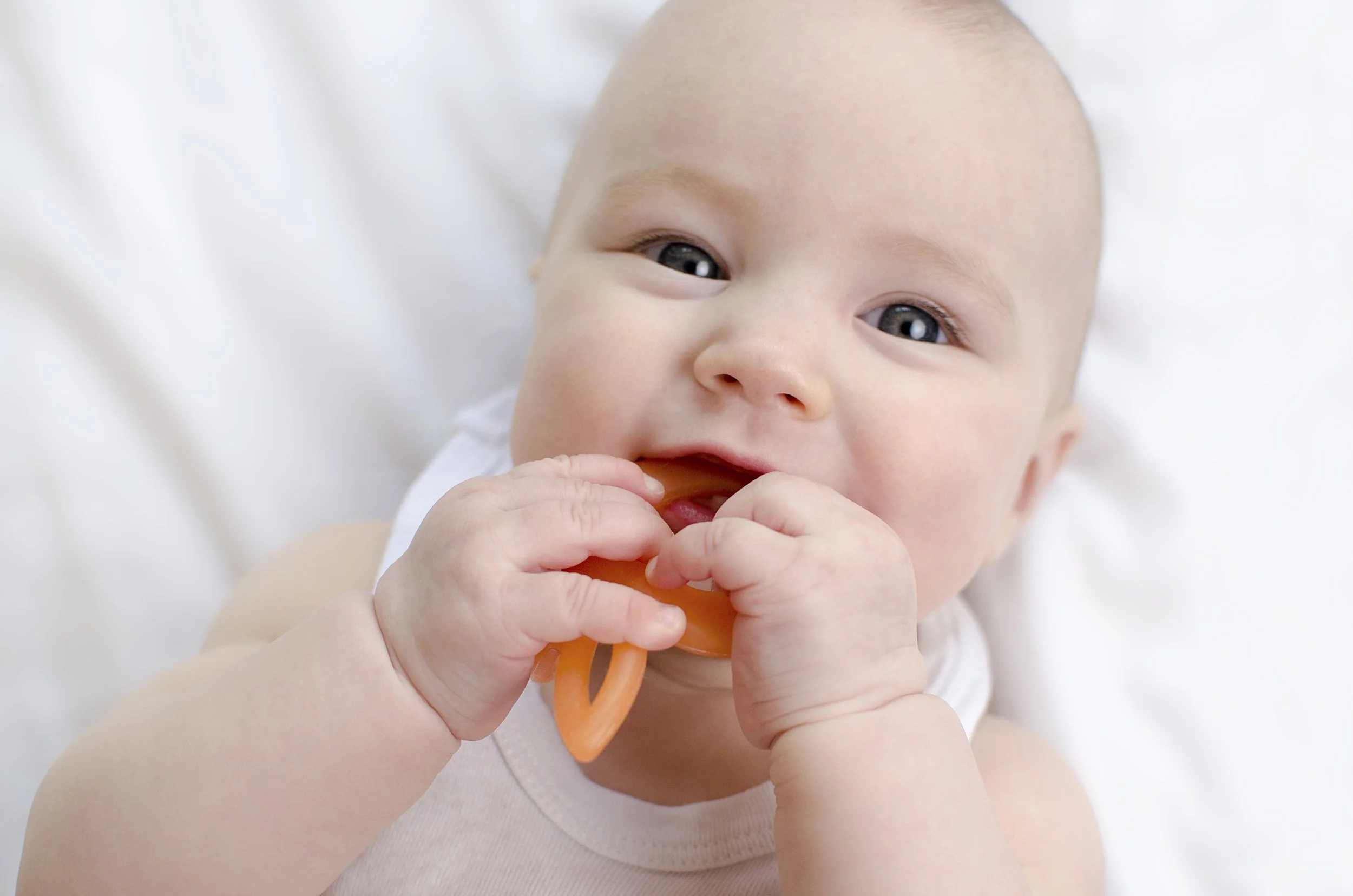
Teething typically continues until age 3, but it is not one continuous stretch of pain. Each tooth or pair of teeth causes symptoms for a limited period, with comfortable breaks in between.
How Long Symptoms May Last Around Each Tooth
Teething symptoms often begin 3 to 5 days before tooth emergence and may continue briefly after the tooth breaks the surface. Teething symptoms can last 3 to 8 days per tooth, though some babies show almost no signs at all.
Why Teething Seems to Come and Go
Several front teeth may erupt close together in infancy, followed by a quiet phase before molars and canines arrive during the toddler years. Parents may feel like teething restarts with each new wave, which is entirely normal.
Are Molars More Painful?
Some toddlers appear more uncomfortable when first or second molars emerge because these are larger teeth that create more gum pressure. Not every child experiences this, and simple comfort strategies like cool teethers and gum massage are usually enough.
Safe Ways to Soothe a Teething Baby

Most teething discomfort can be managed without medication. Stick with cool, not frozen, objects on baby's gums, supervise chewing, and avoid choking hazards.
Gently Massage the Gums
Wash your hands thoroughly, then rub your baby's gums with a clean finger using small circular motions. Gentle gum massage can provide comfort during teething. Rub your baby's gums for about two minutes to ease discomfort.
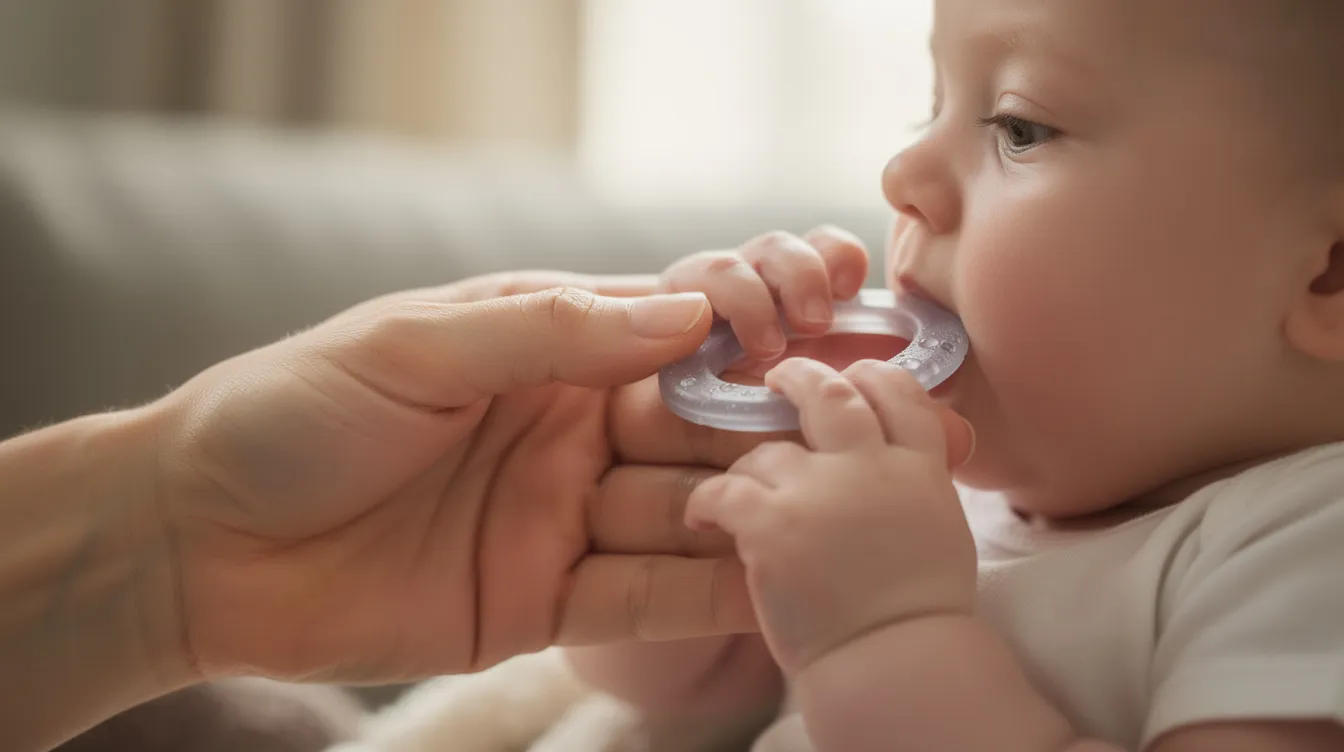
Offer a Chilled Teething Ring
Chilled teething rings can help soothe sore gums but should not be frozen solid. Use solid rubber teething rings cooled in the refrigerator. Avoid liquid filled teething rings, as they may burst and pose choking hazards. Always supervise use of any teething toys.
Use a Cool, Clean Washcloth
Chill teething rings or wet washcloths in the refrigerator, then let baby chew the damp washcloth while you closely supervise. A moist gauze pad can also work for younger infants.
Offer Age-Appropriate Foods
For babies already eating solids, offer chilled foods like pureed fruits, yogurt, or smooth applesauce. Older toddlers can try soft fruit like banana or melon cut into safe sizes. Use a cold spoon to soothe your baby's gums before a meal. Avoid hard raw vegetables or foods that break into choking hazards.
Provide Comfort and Distraction
Parents can offer additional comfort through cuddling and reassurance during teething. Holding, gentle play, short walks, or a warm bath before bedtime can help keep baby comfortable and distract from the child's discomfort.
Teething Remedies to Avoid

Not all teething products are baby safe, even those labeled "natural" or "herbal." Safety warnings discourage using benzocaine gels and amber teething necklaces, among other products.
Benzocaine Teething Products
Avoid teething gels with benzocaine for babies under 2 years. Benzocaine has been linked to methemoglobinemia, a rare but serious blood condition. The FDA advises against these numbing gels for infant teething.
Lidocaine for Teething
Topical lidocaine products should not be used on baby's gums for routine teething. Swallowed lidocaine can affect breathing, heart rhythm, and alertness. Safer non-drug methods should be tried first.
Teething Necklaces and Amber Jewelry
Amber teething necklaces have no reliable evidence supporting pain relief. Teething necklaces pose strangulation and choking hazards when worn around a baby's neck. All teething jewelry should be avoided regardless of marketing claims.
Frozen Teething Objects
Frozen teething items can cause frostbite on gums. Very hard frozen objects are uncomfortable and may injure sensitive tissue. Always choose chilled rather than frozen items. Avoid freezing teething toys entirely.
Alcohol or Unproven Home Remedies
Never rub alcohol on a baby's gums. Avoid applying herbs, essential oils, honey, or homeopathic remedies without clear pediatric guidance. These substances can be toxic, cause allergies, or introduce infection risk to baby's mouth.
Teething Gels and Tablets
Both conventional teething gels and homeopathic teething tablets can contain ingredients harmful to infants, including belladonna. A "natural" label does not guarantee safety. Discuss any teething products with a healthcare provider before use.
Pain Relief for Teething

Many babies manage well without medication. When non-drug methods are not enough, short-term pain relief may be considered under pediatric guidance.
When Pain Medicine May Be Considered
When a teething baby is very uncomfortable and comfort measures have not helped, acetaminophen can relieve teething pain in infants. Always confirm the right product and dose with a pediatrician before administering any medicine.
Why Age and Weight Matter
Safe dosing depends on a child's age, current weight, and health. Use the measuring device included with the medicine and consult a healthcare provider or pharmacist when uncertain.
Why Topical Numbing Products Require Caution
Gels applied to baby's gums wash away quickly with saliva and are often swallowed, making them less effective at the site but more likely to cause side effects. Non-drug teething relief remains the preferred first approach.
Teething at Night
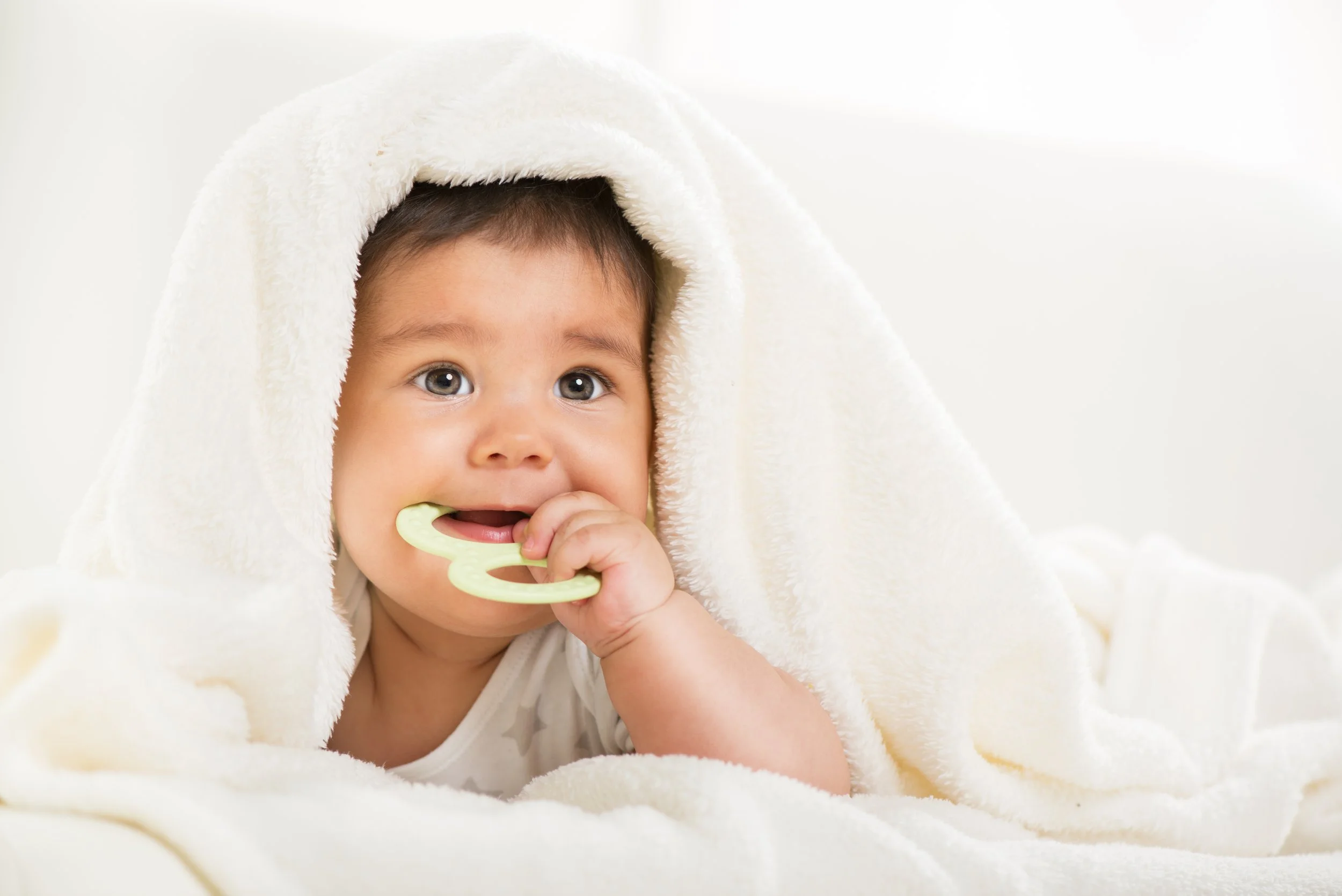
Discomfort from baby's gums may feel worse at night when there are fewer distractions and babies cycle through lighter sleep stages. However, persistent severe sleep disruption should not automatically be blamed on teething.
Creating a Comfortable Bedtime Routine
Maintain a consistent routine: bath, feeding, tooth brushing if baby's teeth are present, a short story or song, then quiet cuddling. Predictability helps an overtired, teething baby settle more easily.
Safe Teething Relief Before Sleep
Offer supervised gum massage or a chilled teething ring before putting baby down. Do not leave loose teethers, teething necklaces, or stuffed objects in a young infant's crib.
When Nighttime Symptoms May Have Another Cause
Persistent inconsolable crying, high fever, trouble breathing, or constant ear pulling with distress may indicate illness rather than teething. Contact a healthcare provider if nighttime symptoms are intense or last beyond a few days.
Caring for a Baby's First Teeth

Oral care begins even before baby's first tooth appears and becomes more important as emerging teeth meet new foods.
Oral Care Before the First Tooth
Gently wipe baby's gums once or twice a day with a clean, damp washcloth or moist gauze pad to remove milk residue and introduce routine mouth care.
Brushing the First Baby Tooth
Begin brushing as soon as the first tooth erupts using a small, soft bristled toothbrush and a smear of fluoride toothpaste about the size of a grain of rice, following current pediatric dental guidance. Brush twice daily. From age 3, increase to a pea sized amount.
Protecting Baby Teeth From Tooth Decay
Cavities can develop soon after teeth erupt. Avoid putting baby to bed with a bottle of milk or juice, limit sugary drinks, and offer water between meals. A pediatric dentist can apply fluoride varnish every 3 to 6 months based on risk.
Building Healthy Oral Habits During the Toddler Years
Help toddlers brush twice daily while an adult handles thorough cleaning until at least age 6 to 7. Begin flossing once two baby teeth touch, and schedule regular dental visits by baby's first birthday, as recommended by the American Dental Association.
Teething in Toddlers
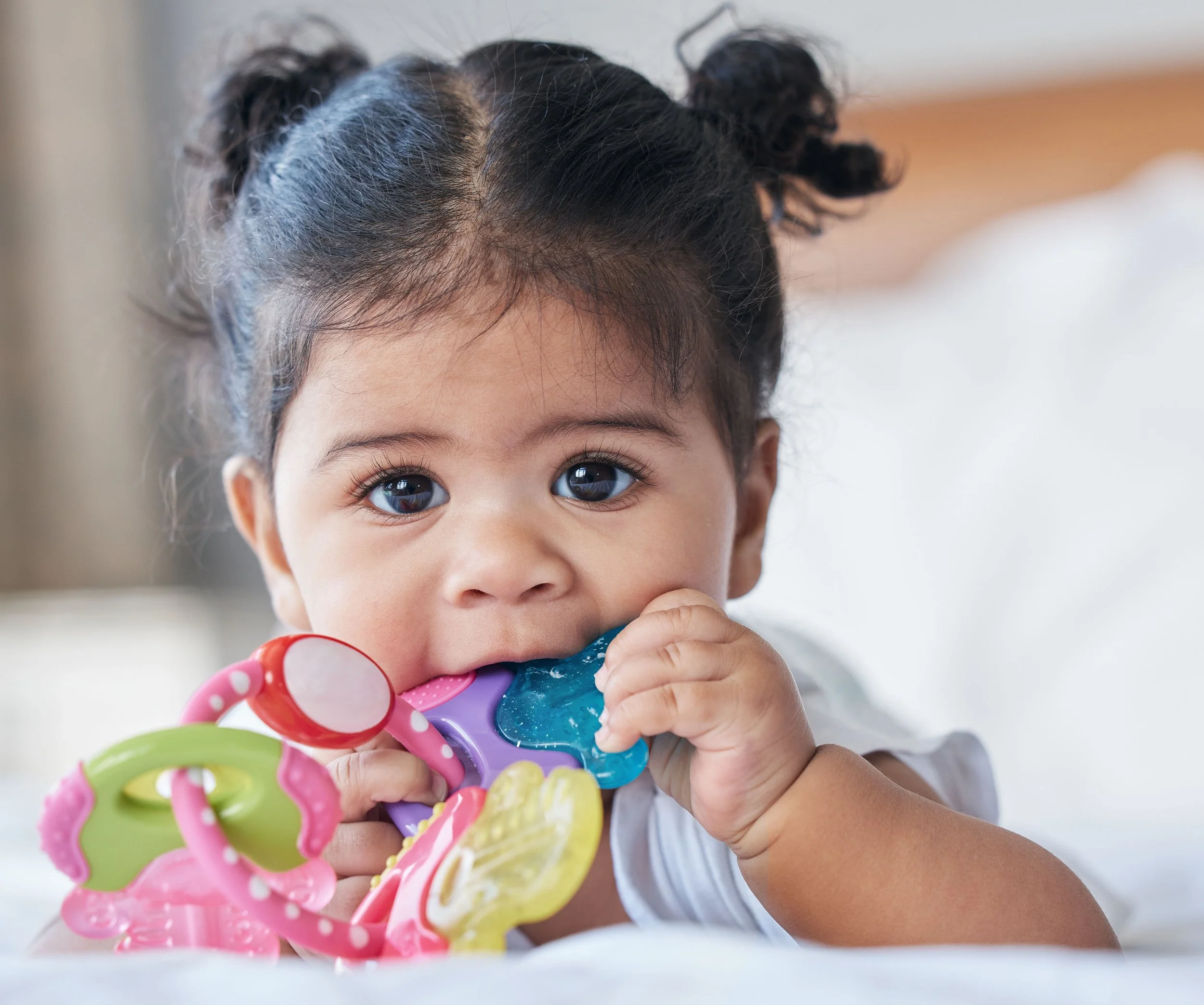
Teething does not end once the front teeth appear. Many toddlers continue getting canines and molars between roughly 1 and 3 years. Toddlers may express discomfort more clearly, pointing to their mouth or saying it hurts.
Toddler Molars
First molars arrive around age 1, and second molars often between 2 and 3 years. During these periods toddlers may chew more intensely and temporarily resist toothbrushing near sore areas in the back of baby's mouth.
Teething Symptoms in Toddlers
Typical signs include gum tenderness near new back teeth, increased chewing, mild irritability, and preference for softer or cooler foods. A toddler refusing crunchy crackers while molars are erupting is a common scenario.
When Teething Is Usually Complete
By about age 3, most children have all 20 healthy teeth. Once second molars are in, teething discomfort should be over until permanent upper teeth and lower teeth begin appearing around age 6.
When Teething Symptoms May Be Something Else

Teething should not become a blanket explanation for every new symptom. Look at the whole picture: feeding, energy, temperature, breathing, and baby's behavior.
Fever
A true fever of 100.4°F (38°C) or higher should not automatically be attributed to teething, especially if it lasts beyond a day or comes with other symptoms.
Persistent Diarrhea or Vomiting
Repeated watery stools or vomiting raise concern for infection and are not typical of simple tooth eruption. Seek evaluation if combined with decreased wet diapers or lethargy.
Significant Feeding Problems
Refusal to drink for several hours, very low intake over a full day, or signs of dehydration like dark urine or sunken eyes warrant prompt medical attention.
Unusual Sleepiness or Behavior Changes
A child who is unusually difficult to wake, extremely irritable for long stretches, or simply not acting like themselves may be showing signs of illness rather than teething.
Severe or Persistent Pain
Severe, prolonged crying that does not respond to comfort is not typical of uncomplicated teething and should prompt medical or dental evaluation.
Swelling or Signs of Infection
Pronounced facial swelling, pus or drainage from the gums, foul odor, or red streaks may indicate infection. Contact a dentist or healthcare provider promptly if these changes appear around baby's teeth.
Common Myths About Teething
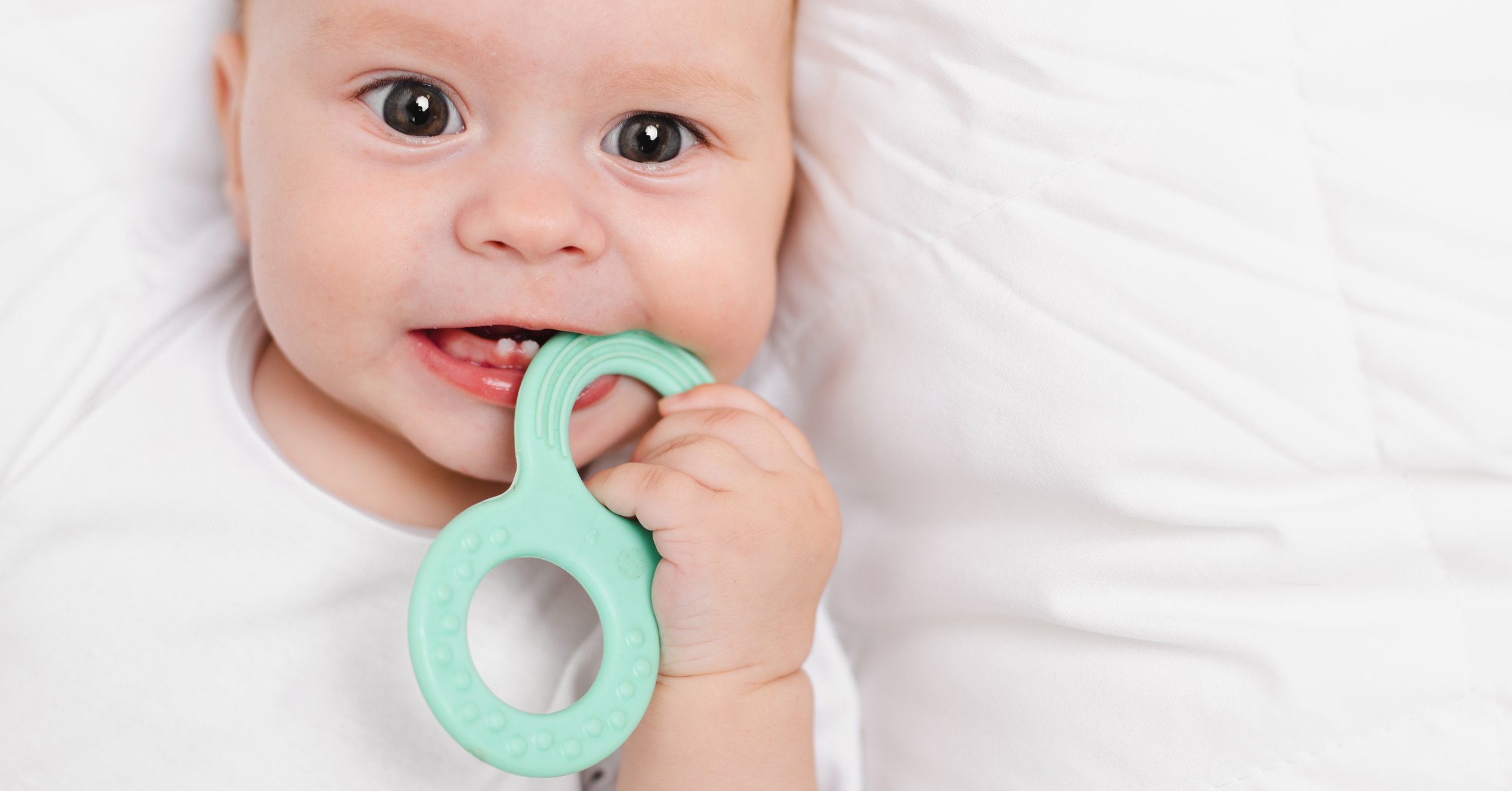
Misinformation about teething is widespread. Here are some of the most persistent myths and the reality behind them.
"Teething Always Causes a Fever"
A baby might feel slightly warm, but true fever is far more likely related to infection. Persistent or high fever warrants medical attention, not an assumption about teeth.
"Diarrhea Is a Normal Part of Teething"
Occasional looser stools happen for many reasons, but ongoing diarrhea should be evaluated. It is not a standard teething symptom.
"Frozen Teething Rings Work Better Than Chilled Ones"
Very hard frozen teethers can make baby's gums more uncomfortable and risk injury. Chilled options from the refrigerator are safer and still effective.
"Amber Teething Necklaces Relieve Teething Pain"
No reliable studies support this claim, and the choking and strangulation risks are real. Avoid all teething necklaces and bracelets.
"Baby Teeth Do Not Need Much Care Because They Fall Out"
Baby teeth are essential for chewing, speech development, and holding space for permanent teeth. Cavities in baby teeth cause real pain and can affect baby's development.
"Every Baby Has Severe Teething Pain"
Many babies and toddlers have very mild teething symptoms. Not every baby will be visibly uncomfortable, and that is completely normal.
Frequently Asked Questions
When do babies start teething?
Most babies start teething between 4 and 7 months, with many getting their first tooth around 6 months. Some healthy infants see their first tooth as early as 3 months, while others may not get one until after their first birthday. Check with a provider if there are no teeth by about 15 to 18 months.
What are the first signs of teething?
Early signs of teething include increased drooling, baby's gums looking swollen or red, chewing on fingers or toys, acting cranky for short periods, and rubbing the cheeks or ears. These common signs often appear a few days before a first tooth.
What order do baby teeth come in?
The usual sequence starts with lower central incisors, followed by upper central incisors, lateral incisors, first molars, canines, and second molars. Some variation in order is normal.
How long does teething last?
The overall teething process spans from around 6 months to about age 2.5 to 3. Symptoms are intermittent, flaring for a few days around each eruption.
Does teething cause fever?
Teething might cause a slight temperature increase, but significant fever of 100.4°F or higher is unlikely from teething alone and should be evaluated.
Can teething cause diarrhea?
Persistent diarrhea is not a typical teething symptom. Babies put more objects in their mouths during this period, which can expose them to germs that cause stomach bugs.
Why is my baby drooling so much while teething?
Increased saliva production is common as baby's mouth matures and teething stimulates even more drooling. Soft bibs and gentle patting can protect baby's skin.
How can I soothe a teething baby?
Rub your baby's gums with a clean finger, offer chilled teething rings or a cool washcloth, provide safe cool foods if age-appropriate, and give plenty of cuddles and quiet play.
What teething remedies should be avoided?
Avoid benzocaine or lidocaine numbing gels, alcohol on gums, amber teething necklaces, rock-hard frozen objects, and unregulated teething gels or tablets. Check labels and discuss new products with a provider.
Is teething worse at night?
Teething baby discomfort can feel more intense at night due to fatigue and fewer distractions. A soothing bedtime routine and safe teething relief before sleep can help.
When do toddlers stop teething?
Most toddlers finish teething when second molars erupt, typically between 2 and 3 years. Children then have a break until permanent teeth start arriving around age 6.
When should I be concerned about teething symptoms?
Seek advice for fever of 100.4°F or higher, persistent diarrhea or vomiting, refusal to drink, signs of dehydration, severe pain, extreme lethargy, or unusual swelling or pus around baby's gums. It is always appropriate to call a healthcare provider if you are unsure.
Conclusion

Teething is a normal part of baby's development in which primary teeth gradually move through baby's gums from late infancy through about age 3. The timing and intensity of symptoms vary widely between children, and most babies pass through it with only brief periods of discomfort.
Simple, safe comfort measures like gum massage, chilled teething rings, cool foods, and plenty of reassurance are usually all that is needed to relieve teething symptoms. At the same time, it is important not to overlook signs of real illness by blaming everything on teething. High fever, persistent diarrhea, vomiting, or a child who appears seriously unwell always deserve a closer look.
Caring for baby teeth from the moment the first tooth appears helps set the stage for healthy teeth throughout childhood. With patience, safe strategies, and attention to the bigger picture, parents can support their little ones through every stage of this natural process.