Pediatric Dental Issues: Common Dental Problems in Babies, Children, and Teens
Key Takeaways
Children's oral health needs change significantly from infancy through adolescence, from baby teeth eruption to a full set of permanent teeth..
Baby teeth play essential roles in chewing, speech, appearance, comfort, and guiding permanent teeth, so they require careful care despite being temporary.
Tooth decay is one of the most common childhood diseases and can begin soon after teeth erupt, but it is largely preventable with good habits.
Children can also experience gum problems, dental injuries, enamel defects, sensitivity, grinding, bite and alignment issues, and infections.
Warning signs include pain, sensitivity, discoloration, bleeding gums, swelling, difficulty chewing, changes in tooth eruption, and persistent bad breath.
Daily brushing with fluoride toothpaste, cleaning between teeth, healthy dietary patterns, fluoride exposure, dental sealants, and regular check ups all help prevent cavities and gum disease.
Dental injuries involving baby and permanent teeth are managed differently; knocked-out permanent teeth are time-sensitive emergencies, while baby teeth are not replanted.
Adolescence adds challenges like braces, sugary and acidic drinks, sports injuries, and vaping or tobacco, making consistent oral hygiene especially important.
Severe pain, significant swelling, signs of infection, or difficulty breathing or swallowing should prompt urgent medical or dental evaluation.








Pediatric oral health covers everything from a baby's first emerging tooth to a teenager's wisdom teeth. Tooth decay, also known as dental caries, is the most common chronic disease of childhood, but children can also develop gum problems, dental injuries, infections, enamel defects, sensitivity, teeth grinding, and bite issues. Understanding these conditions helps parents recognize problems early and take practical steps to protect their child's teeth.
This article walks through the most common dental problems in babies, children, and teens. You will find information on warning signs, causes, prevention strategies, and age-specific concerns. Along the way, key terms are explained in plain language: baby teeth (primary teeth) are the first set, adult teeth (permanent teeth) replace them, early childhood caries refers to rapid decay in young children's teeth, and oral health encompasses the overall condition of the teeth, gums, and mouth. Combined with regular dental check ups, the habits and knowledge covered here can help children maintain healthy smiles from infancy through adolescence.
What Is Pediatric Dentistry?

Pediatric dentistry is the branch of dentistry focused on the oral health and development of children from infancy through adolescence. It includes much more than treating cavities. A pediatric dentist monitors developing teeth, gums, jaw growth, bite alignment, and oral habits while guiding families through the transition from baby teeth to permanent teeth. Pediatric dental offices are designed to be child-friendly and reduce anxiety, and pediatric dentists are trained to manage behavior and anxiety specific to children during dental visits, including special accommodations for children with special health care needs.
Pediatric dentists complete two to three additional years of specialized training after dental school. This training covers growth and development, child behavior management, sedation techniques, and specialized treatments such as pediatric restorations and pulp therapy. Preventive care in pediatric dentistry emphasizes routine visits to monitor oral health and development, with the goal of detecting problems early and making dental experiences positive so children feel comfortable returning.
How Children's Dental Needs Change With Age
A child's first tooth usually appears around six to ten months of age, marking the start of oral health care. By roughly age three, most children have a full set of twenty baby teeth. The toddler and preschool years center on preventing early childhood tooth decay and establishing brushing routines. Between about ages six and twelve, children enter the mixed dentition phase, when baby teeth fall out and permanent teeth erupt. Protecting new permanent molars with fluoride and dental sealants becomes a priority, along with preventing sports injuries. During the teen years, most permanent teeth are in place and challenges shift toward diet, braces, gum health, and wisdom teeth. Dental caries risk, gum issues, injury patterns, and alignment concerns all evolve as a child grows, so prevention strategies need to evolve too.
Why Baby Teeth Matter
Despite eventually falling out, baby teeth play roles that directly affect a child's health and development. They allow children to chew a wide range of nutritious foods, support clear speech, and contribute to confidence in smiling and social interactions. Primary teeth also act as placeholders, maintaining space and guiding permanent teeth into proper positions. When tooth decay or infection in a baby tooth is left untreated, it can cause pain, difficulty eating, sleep disruption, and even damage to the developing permanent tooth underneath.
The Transition From Baby Teeth to Permanent Teeth
Mixed dentition is the period, usually between ages six and twelve, when children have both baby and permanent teeth. First permanent molars typically arrive around age six, followed by permanent front teeth in the early school years. Newly erupted permanent teeth have softer, less mature enamel that is more vulnerable to acid attacks, making fluoride toothpaste, dental sealants, and careful brushing especially important. Parents may notice gaps, crooked teeth, or permanent teeth appearing behind baby teeth during this stage, which often resolves but sometimes requires evaluation.
Common Dental Problems in Babies
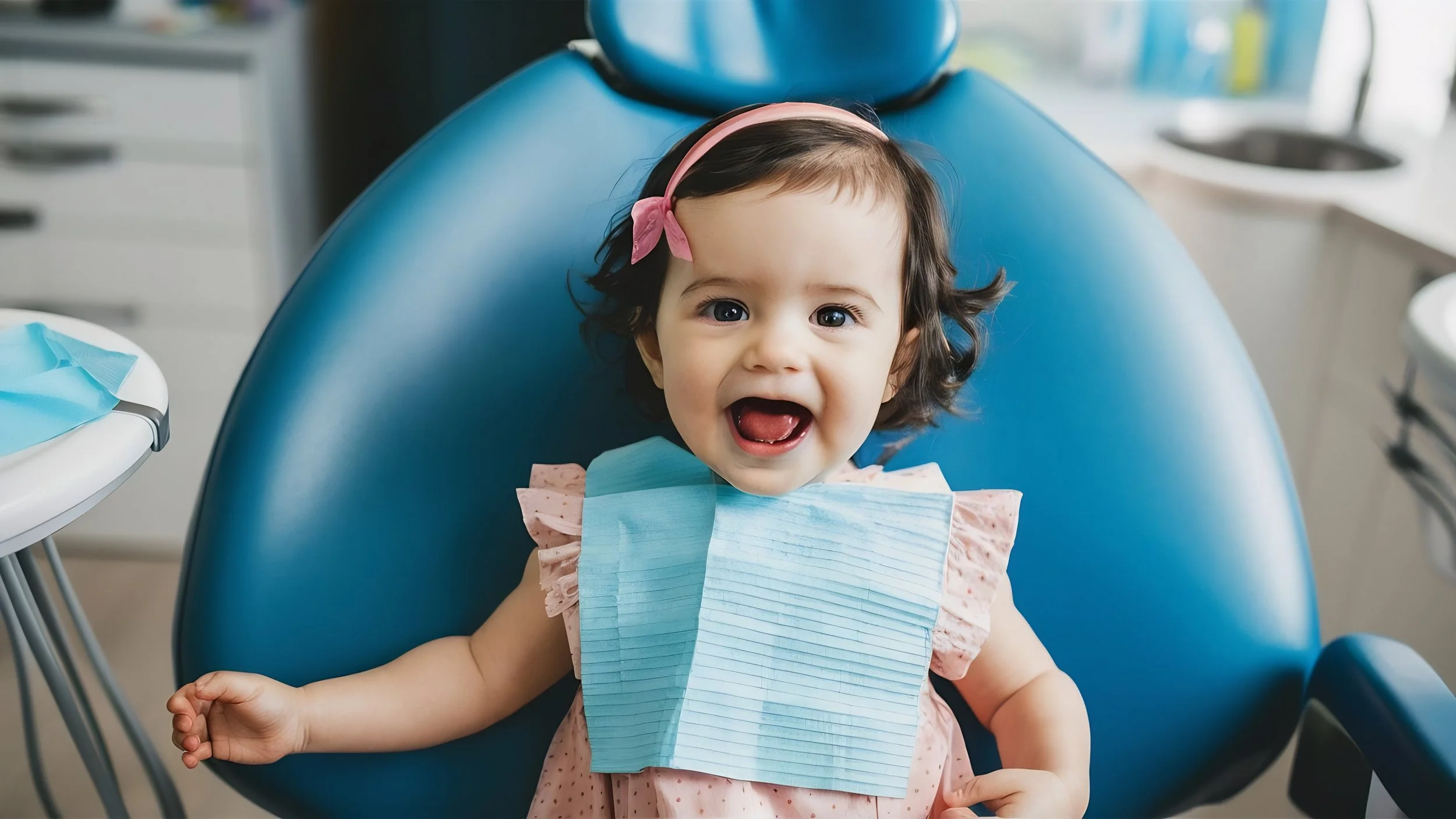
Oral health starts well before a baby has a complete set of teeth. Even in the first year of life, infants can experience teething discomfort, early childhood tooth decay, gum changes, and habits like thumb sucking or pacifier use. Starting early with simple routines such as wiping gums and brushing the first tooth helps prevent problems before they take hold.
Teething
Most babies cut their first tooth between six and ten months, and all twenty baby teeth usually erupt by about age three. Common signs include tender gums, drooling, chewing on objects, and crankiness. These symptoms are generally mild. However, high fever, vomiting, or persistent diarrhea should not be attributed to teething alone and may warrant medical care. Cool teething rings and gentle gum massage can provide comfort, while numbing gels containing strong anesthetics should be avoided for infants.
Early Tooth Decay in Babies and Toddlers
Early childhood caries is tooth decay that develops in baby teeth in children younger than about six years. It often begins soon after a tooth appears. Frequent exposure to sugary drinks, fruit juice, or sweetened milk in bottles or sippy cups, especially at bedtime, coats the teeth in sugars that bacteria use to produce acids. Parents should limit juice to four ounces per day for children aged one to three and avoid giving bottles of anything other than water at bedtime. Early signs include white spots along the gumline, followed by yellow, brown, or black areas, particularly on upper front teeth. Because enamel is thinner in primary teeth, cavities can develop quickly, sometimes within months. Left untreated, early childhood tooth decay can cause pain, difficulty eating, and infections.
Changes in the Gums and Mouth
During tooth eruption, babies may develop slightly swollen or bluish gum areas called eruption cysts, which typically resolve without treatment. However, gums that stay very red, puffy, or bleed easily, or sores that do not heal within one to two weeks, may have other causes. White patches, persistent ulcers, or significant swelling around a tooth can sometimes signal infection. Parents should contact a dentist or pediatrician if they are unsure whether a gum change is normal.
Oral Habits During Infancy
Thumb or finger sucking and pacifier use are normal soothing behaviors in babies and very young children. Most infants naturally reduce these habits as they approach ages two to four, and early use rarely causes dental problems. Whether an oral habit affects dental development depends primarily on how often, how long, and how strongly the child sucks, which is explored further in the oral habits section below.
Tooth Decay and Cavities in Children
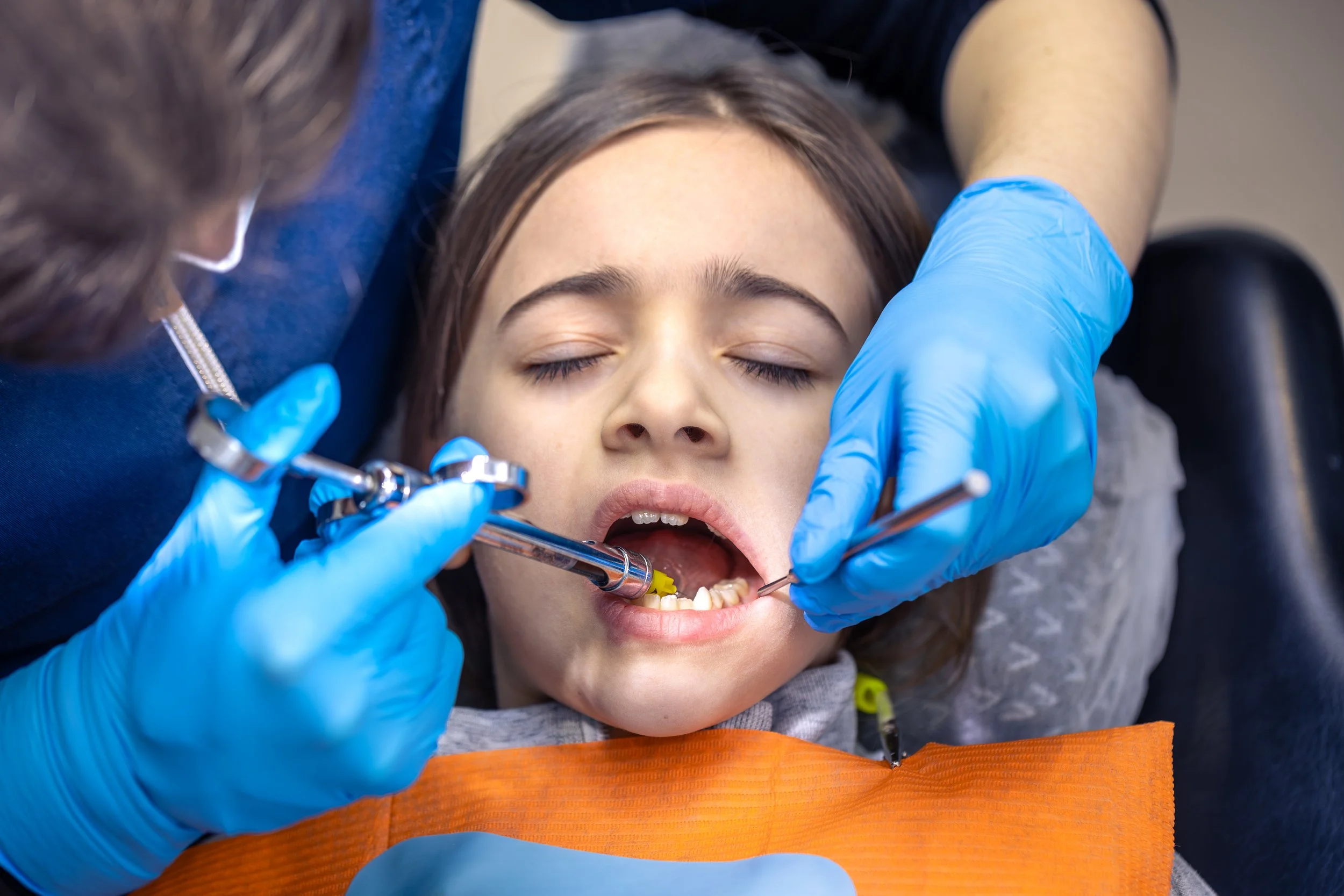
Tooth decay is caused by bacteria producing acids from sugars. Cavity-causing bacteria in dental plaque, a sticky substance that forms on teeth every day, metabolize sugars and other fermentable carbohydrates from foods and drinks and produce acids that gradually dissolve minerals from enamel. Young children's enamel is thinner and less resistant to these acid attacks than adult enamel, so dental decay can progress more quickly in a child's teeth.
According to the CDC, dental caries is the most common chronic childhood disease. Data from the Oral Health Surveillance Report show that dental caries prevalence in U.S. children ages two to five is declining, yet over half of children ages six to eight had caries in 2011-2016. Caries prevalence increased slightly from 1988–1994 to 1999–2004 before beginning to improve. Disparities in caries prevalence exist among racial and ethnic groups, and untreated caries is common in children from low-income families, with children living in high-poverty households experiencing roughly three times the rate of untreated decay compared to those in low-poverty households.
Early Childhood Caries
Early childhood caries typically affects the upper front baby teeth and back teeth in children under age six. Frequent sipping on sugary drinks or constant snacking, rather than just the total amount of sugar, greatly increases risk. When a child falls asleep with milk, formula, juice, or sweetened drinks coating the teeth, acids remain on the enamel for hours. Children should have their first dental visit by their first birthday or within six months of the first tooth's eruption, so early childhood caries can be identified and treated before it becomes severe.
What Causes Cavities in Children?
Dental plaque forms on a child's teeth daily. When it contacts sugars from juice boxes, sports drinks, sodas, candies, cookies, crackers, and sticky snacks, bacteria produce acids that erode enamel. Inadequate brushing and difficulty cleaning between tightly packed teeth allow plaque to remain longer, increasing tooth decay risk. Other risk factors include low fluoride exposure, dry mouth from certain medicines, weaker enamel, and a family history of frequent cavities.
Warning Signs of Tooth Decay
White spots or chalky areas near the gumline are among the earliest signs and may be easier to treat if found promptly. White spots on teeth indicate early enamel breakdown. As decay worsens, spots turn yellow, brown, or black, and visible pits or holes may form. Children may show sensitivity to hot, cold, or sweet foods, pain when chewing, or preference for chewing on one side. Early decay can have no obvious pain, so regular dental check ups are essential even when a child is not complaining. Early tooth decay may be managed with conservative methods when caught soon enough; more advanced cavities typically require fillings. Fillings are used to repair decayed teeth, and direct restorations require a single visit for fillings in most cases. Pediatric dentists also provide specialized treatments such as pulp therapy when decay reaches the nerve.
Preventing Cavities in Children
Core prevention includes brushing twice a day with fluoride toothpaste, cleaning between teeth once they touch, and scheduling dental checkups every six months. Limiting frequent sugar exposure matters more than eliminating sugar entirely. Water, especially fluoridated tap water, should be a child's primary everyday beverage. Fluoride and dental sealants on permanent molars are evidence-based strategies that can help prevent tooth decay. Tooth decay can lead to severe pain and infections when prevention falls short, so consistent habits make a meaningful difference.
Gum Problems in Children and Teens
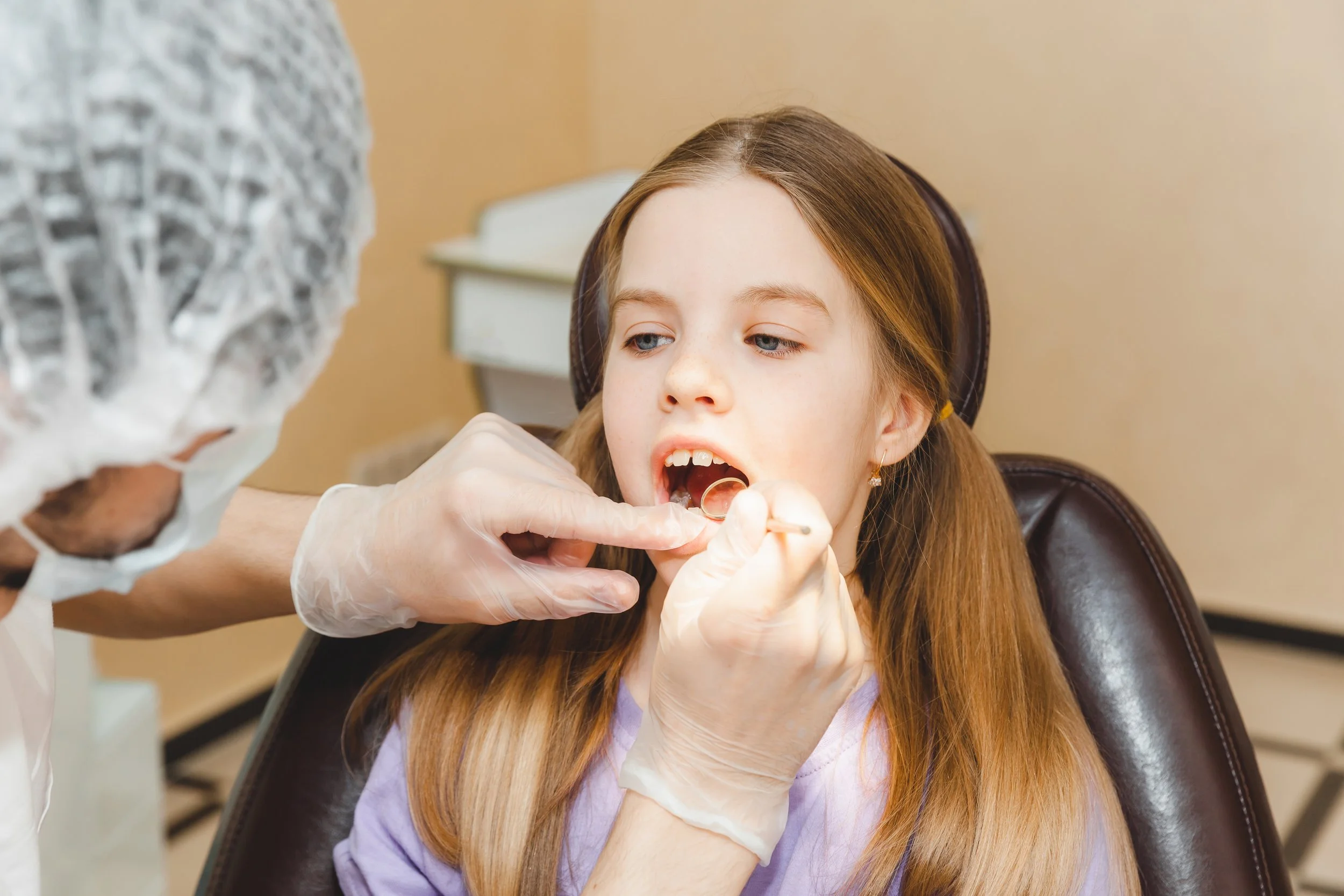
Gum inflammation is not limited to adults. Research indicates that half of children show signs of gingivitis by age four or five, with prevalence rising toward puberty. Poor oral hygiene, hormonal changes, and plaque accumulation all contribute. Understanding gum health early helps parents and children prevent problems from progressing.
Gingivitis
Gingivitis is inflammation of the gums, most often caused by plaque buildup along the gumline. Parents may notice gums that look red instead of pink, appear puffy, or bleed during brushing or flossing. Bleeding gums are not normal in children and typically mean the gums need better cleaning, not less. Consistent brushing, cleaning between teeth, and professional dental cleanings usually reverse gingivitis.
Gum Problems During Puberty
Hormonal changes during puberty can heighten the gums' inflammatory response to plaque, causing more redness, tenderness, and bleeding even with similar plaque levels as before. This can be especially noticeable around orthodontic appliances where plaque is harder to remove. Careful brushing along the gumline and daily interdental cleaning help control puberty-related gum inflammation.
Gum Recession
Gum recession, the loss of gum tissue exposing more of the tooth or root surface, is more common in adults but can occasionally appear in children or teens. Contributing factors include aggressive brushing with a hard-bristled brush, teeth that are out of position, and orthodontic or anatomical factors. Parents should ask their child's dentist about any noticeable recession, sensitivity, or exposed roots.
Preventing Gum Problems
Gentle brushing twice a day with a soft-bristled brush, cleaning between teeth, and not skipping hard-to-reach areas form the foundation of gum health. Parents should check younger children's brushing technique and help them angle the toothbrush at the gumline. Persistent gum bleeding, swelling, or bad breath lasting more than about a week despite good brushing should be evaluated by a dentist.
Dental Injuries in Children

Falls, playground mishaps, and sports make dental trauma common across all age groups. Injuries can involve chipping, cracking, loosening, or completely knocking out a tooth, and management differs for baby teeth versus permanent teeth. Prompt dental evaluation after a significant mouth injury can help save teeth and protect developing permanent teeth underneath.
Chipped or Broken Teeth
Falls from furniture or playground equipment in young children and sports or bicycle accidents in older kids are typical causes. Chips may involve only enamel or may expose deeper layers, sometimes causing sensitivity or pain. Parents should save any broken pieces, gently rinse the child's mouth, and contact a dentist promptly. Treatment can range from smoothing a small chip to placing a filling, bonding, or crown.
Loose or Displaced Teeth After an Injury
A blow to the mouth can make a tooth loose, push it sideways, or drive it deeper into the gum. Management depends on whether the injured tooth is a baby tooth or permanent tooth and on how far it has moved. Parents should not force a displaced tooth back into position at home and should seek a same-day dental evaluation.
Knocked-Out Permanent Teeth
A completely knocked-out permanent tooth is a time-sensitive emergency. Pick it up by the crown, briefly rinse without scrubbing, and if possible place it back in the socket. If that is not feasible, store it in a clean container of milk or the child's saliva. Contact a dentist or emergency service immediately, ideally within thirty to sixty minutes. This guidance applies only to permanent teeth.
Injuries to Baby Teeth
A knocked-out baby tooth should not be replanted because doing so can harm the developing permanent tooth underneath. Even though baby teeth are temporary, trauma can still affect comfort, chewing, and the health of the permanent tooth. Parents should call a dentist if a baby tooth is knocked out, turns dark after injury, or changes position.
Preventing Sports-Related Dental Injuries
Well-fitted mouthguards are recommended for contact and collision sports. Helmets and face shields add protection where appropriate. Encouraging safe play habits and discouraging chewing on hard objects like ice help reduce risk further.
Tooth Sensitivity in Children

Tooth sensitivity, sharp or lingering discomfort with cold air, cold drinks, or sweet foods, is a symptom rather than a diagnosis. Although many parents associate it with adults, children and teens experience it too.
Common Causes of Tooth Sensitivity
Likely causes include early tooth decay, enamel wear from acidic drinks, tiny cracks from trauma, exposed dentin near the gumline, and gum recession. Recent dental treatment such as fillings or orthodontic adjustments can also temporarily increase sensitivity. Identifying the exact cause requires a dentist's examination.
When Sensitivity May Indicate a Dental Problem
Brief, occasional sensitivity to cold that resolves quickly may not always signal a serious problem. More concerning patterns include pain focused on one tooth, sensitivity that lingers after the trigger is removed, pain when biting, or worsening symptoms. Parents should arrange a dental evaluation if sensitivity persists for more than a few days or interferes with eating.
Dental Infections and Abscesses in Children

When tooth decay or trauma allows bacteria to reach deeper structures of a tooth or surrounding tissues, a bacterial infection can develop. Infections can occur in both baby and permanent teeth and should not be ignored, even if the tooth is expected to fall out.
Signs of a Tooth Infection
Symptoms include a persistent or severe toothache, swollen gums near a tooth, sensitivity to biting, or a pimple-like bump on the gum that may drain pus. Additional warning signs include facial swelling, bad breath or a bad taste, and fever. Any facial swelling or a child appearing unwell with dental pain should be evaluated promptly.
Dental Abscesses
A dental abscess is a collection of pus caused by a bacterial infection inside a tooth or in the surrounding gum and bone. Abscesses can cause throbbing pain and swelling. Treatment typically involves addressing both the infection, sometimes with drainage and antibiotics, and the underlying cause such as deep decay.
Why Dental Infections Can Become Serious
While many dental infections remain localized, bacteria and swelling can sometimes spread to other areas of the face, jaw, or neck. Rapidly increasing swelling, fever, difficulty swallowing, trouble breathing, or a child who seems very ill requires urgent or emergency care. Parents should not rely on home remedies alone for suspected dental infections.
Enamel Defects and Tooth Development Problems
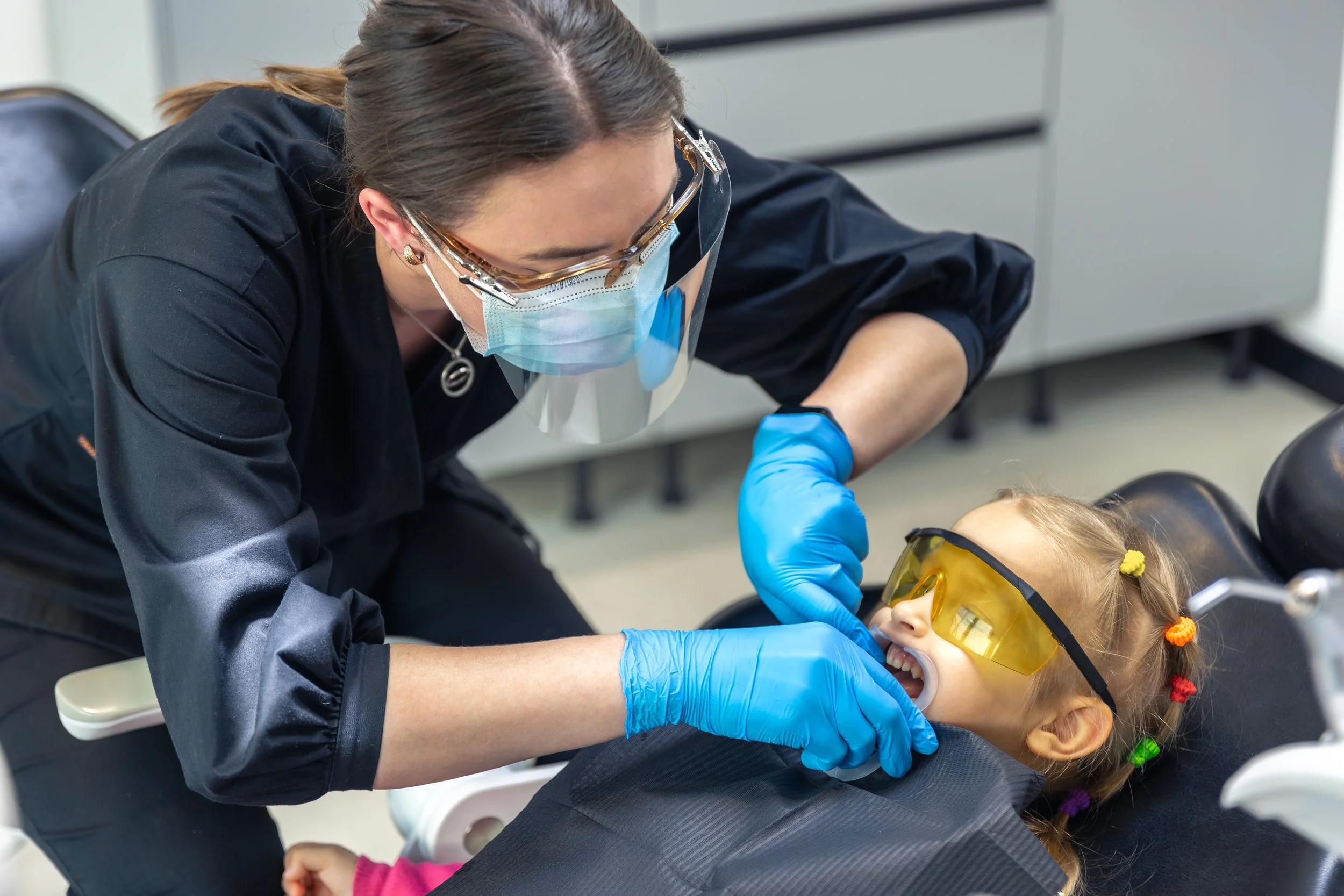
Some children's teeth develop with differences in enamel thickness, structure, or mineral content. These enamel defects are distinct from cavities but can make teeth more vulnerable to decay. Research estimates that molar-incisor hypomineralization affects roughly 22% of children in North America, making these conditions more common than many parents realize.
Enamel Hypoplasia
Enamel hypoplasia means the enamel did not fully form during tooth development, resulting in thinner enamel with pits, grooves, or missing areas. Affected teeth may be more sensitive and more prone to decay. Treatment ranges from fluoride and protective coatings to fillings or other restorations depending on severity.
Enamel Hypomineralization
With enamel hypomineralization, the enamel formed but is softer or less mineralized, making teeth weaker and more sensitive. Common appearances include creamy white, yellow, or brown patches, particularly on first permanent molars and front teeth. These teeth may chip more easily or develop cavities more quickly and often benefit from careful monitoring, fluoride, and sometimes sealants or restorations.
Tooth Discoloration
Discoloration in children's teeth can stem from staining, trauma, enamel defects, certain medicines, or tooth decay. A darker or gray tooth after injury may indicate nerve damage, while generalized yellow or brown patches may be developmental or decay-related. Parents should ask a dentist to evaluate any new or unexplained discoloration rather than diagnosing based on color alone.
Teeth Grinding in Children

Bruxism is repeated grinding or clenching of the teeth, often during sleep. Many children go through phases of grinding as teeth erupt and jaws grow, and this frequently lessens or stops with age. Stress, sleep patterns, and individual differences can all contribute, but stress is not always the cause.
Signs of Teeth Grinding
Parents may hear grinding sounds at night, notice flattened or worn biting surfaces, or see small chips on teeth. Some children report morning jaw discomfort, headaches, or sore muscles around the jaw. Mentioning these observations during dental check ups helps the dentist evaluate wear patterns.
Why Children May Grind Their Teeth
Possible contributors include developing bite relationships, sleep-related movements, and in some children, anxiety or emotional stress. Certain medical conditions, medicines, or breathing issues can play a role. The reasons often differ from child to child.
When Teeth Grinding May Need Attention
Mild grinding without pain or significant wear may simply be monitored. Situations that may need active management include significant tooth wear, broken teeth, frequent jaw pain, persistent headaches, or concerns about sleep quality. Options may include monitoring, behavioral strategies, protective night guards for older children, or referral to other health professionals.
Thumb Sucking, Pacifiers, and Other Oral Habits

Sucking is a normal part of early development and provides comfort for many babies and toddlers. Most children gradually stop thumb sucking or pacifier use between ages two and four on their own. Whether an oral habit affects dental development depends mainly on frequency, duration, intensity, and the age at which the habit continues.
Thumb and Finger Sucking
Thumb sucking is a common self-soothing behavior in infants and toddlers. If it continues most of the day or during sleep beyond age four to five, it may influence tooth position, such as protruding upper front teeth or an open bite. Gentle strategies like positive reinforcement and identifying triggers can help older children reduce the habit.
Pacifier Use
Short-term, age-appropriate pacifier use is generally compatible with healthy dental development. Parents should gradually limit use beginning around age two and aim to stop by about ages three to four. Avoid dipping pacifiers in sweet liquids and keep them clean.
Nail Biting and Chewing Habits
Biting nails, chewing pens or pencils, or crunching on ice can chip or wear teeth over time and may irritate gums or make braces more likely to become damaged. Parents can gently discourage hard-object chewing and offer safer alternatives.
When Oral Habits Can Affect Dental Development
Prolonged or intense habits can contribute to open bite, overjet, or changes in how the jaws fit together. The impact depends on the habit's frequency, duration, intensity, and the child's age. Not every child with a habit will develop noticeable bite problems, but consulting a dentist or orthodontist is wise if parents see changes.
Bite and Tooth Alignment Problems

Malocclusion means teeth or jaws do not fit together in the usual way when the mouth closes. As permanent teeth erupt during childhood, some crowding or spacing can appear. Not every alignment difference requires treatment, but monitoring by a dentist or orthodontist helps determine when intervention is beneficial. Early orthodontic evaluations are important in pediatric dentistry for monitoring bite and jaw alignment.
Crowding
Crowding occurs when there is not enough room for teeth to line up straight, causing overlap, twisting, or rotation. It often becomes more obvious as larger permanent teeth replace smaller baby teeth and can make cleaning between teeth harder.
Overbite
Overbite refers to the vertical overlap of the upper front teeth over the lower front teeth. A small overbite is normal, but excessive overbite can cause uneven wear or gum problems.
Overjet
Overjet describes how far forward the upper front teeth project in front of the lower front teeth, distinct from overbite. Pronounced overjet can increase the risk of injury to the front teeth during falls or sports.
Crossbite
A crossbite occurs when some upper teeth bite inside the lower teeth instead of outside. Crossbites may affect jaw growth or tooth wear and are sometimes easier to correct when a child is younger and jaws are still growing.
Open Bite
An open bite is a gap between the upper and lower teeth when the jaws close, so the teeth do not meet. Prolonged thumb sucking, pacifier use, or tongue-thrusting habits may contribute. Open bites can affect speech, chewing, and appearance.
Why Bite Problems May Change as Children Grow
Tooth eruption, loss of baby teeth, jaw growth, and changes in habits can all alter how teeth fit together. Dentists consider a child's age and growth potential before recommending treatment, monitoring, or waiting. Early evaluation does not always mean immediate braces.
Problems With Losing Baby Teeth
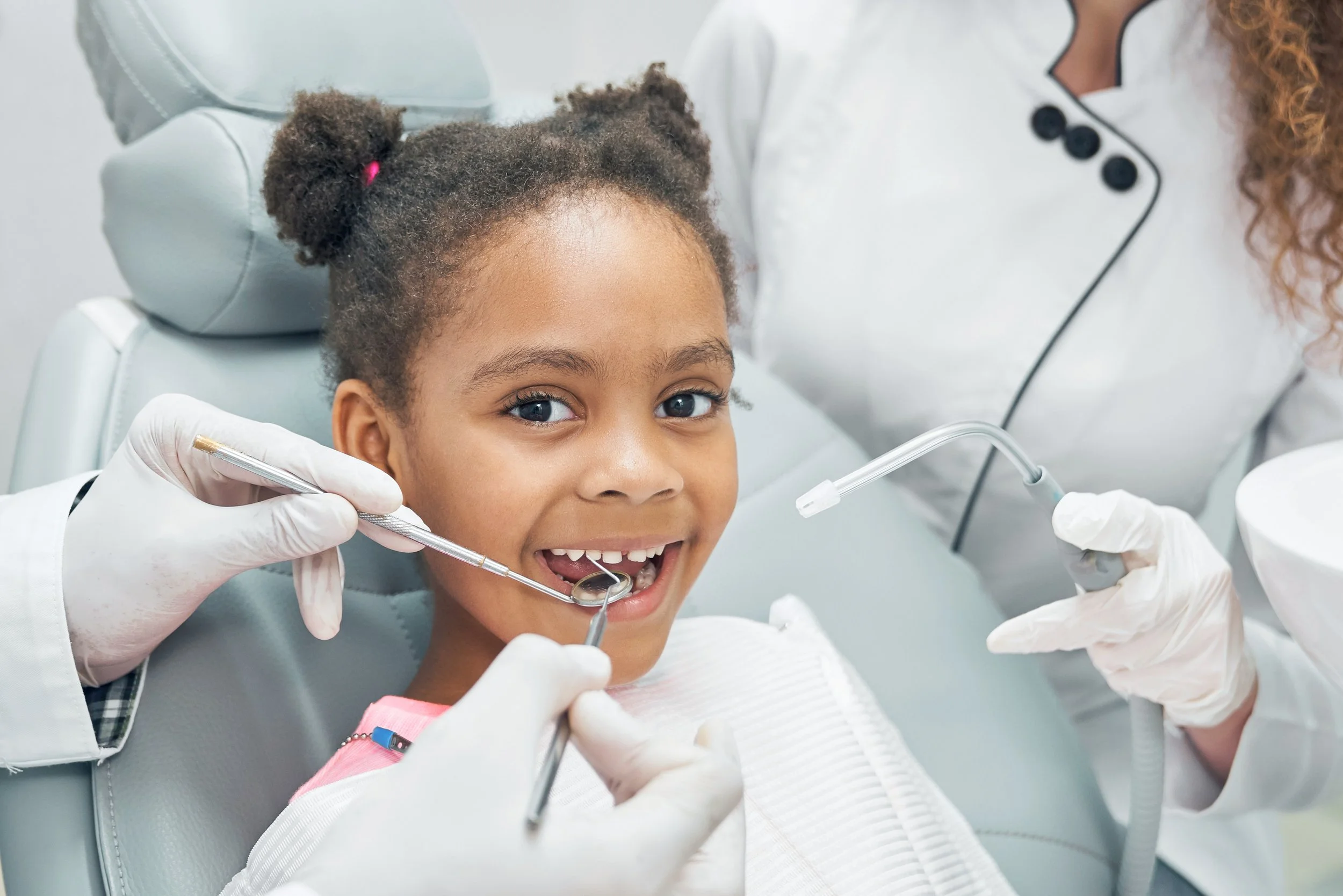
Baby teeth normally loosen and fall out between about ages six and twelve. Timing varies from child to child, and some variation is normal. Tooth decay, injury, or developmental differences can cause baby teeth to fall out too early, too late, or in unusual ways.
Loose Baby Teeth
Baby teeth loosen as roots gradually dissolve to make way for permanent teeth beneath. Parents should let loose teeth come out naturally or with gentle wiggling by the child. Persistent pain, bleeding, or a tooth that is loose from injury rather than natural shedding should be checked by a dentist.
Baby Teeth That Fall Out Early
Baby teeth lost significantly earlier than expected may be due to decay, trauma, or other conditions. Early loss can affect the space left for permanent teeth and lead to crowding. Dentists may recommend space maintainers to preserve tooth retention of space when primary teeth are lost too soon.
Baby Teeth That Do Not Fall Out
Retained primary teeth stay in place long after the usual shedding age, sometimes because no permanent tooth developed underneath or the permanent tooth is blocked. Parents should ask for evaluation and possible X-rays if a baby tooth stays much longer than expected.
Permanent Teeth Coming In Behind Baby Teeth
A permanent tooth sometimes appears behind a baby tooth, especially in the lower front. This often improves once the baby tooth loosens and falls out. If the baby tooth does not loosen within a reasonable time, a dentist can advise on next steps.
Dental Problems During the Teen Years

Adolescence brings a nearly complete set of permanent teeth along with increased independence over diet, hygiene, and lifestyle choices. Teens face higher risks for cavities, gum problems, sports injuries, and issues related to braces, wisdom teeth, and tobacco or vaping use. This life stage is key for building lifelong habits.
Increased Cavity Risk
Frequent snacking, late-night eating, and high intake of sugary or acidic drinks such as sodas, sports drinks, and energy drinks increase tooth decay risk in teens. Busy schedules and inconsistent brushing allow plaque and acids to remain on teeth longer. Practical steps include carrying a water bottle, limiting sugary drinks, and brushing before bed.
Gum Inflammation
Hormonal changes during puberty make gums more sensitive to plaque, leading to redness and bleeding. Consistent brushing and interdental cleaning are essential. Teens with braces may be especially prone to gum swelling.
Braces and Oral Hygiene
Brackets, wires, and bands create extra surfaces for plaque and food debris. Brushing around brackets after meals, cleaning under wires with special brushes, and using fluoridated toothpaste help prevent white spots, cavities, and gum problems during orthodontic treatment.
Wisdom Teeth
Wisdom teeth, or third molars, usually begin forming in the early teen years and may erupt in the late teens or early twenties. Some come in normally, while others may be impacted or partially erupted and difficult to clean. Dentists monitor wisdom tooth development with exams and X-rays; not every wisdom tooth requires removal.
Sports and Dental Trauma in Teens
Contact sports and recreational activities can lead to chipped, broken, or knocked-out teeth. Mouthguards, helmets, and other protective gear are essential. Protecting permanent teeth during these years helps avoid long-term restorative work.
Vaping, Tobacco, and Oral Health
Cigarettes, smokeless tobacco, and vaping products can irritate gums, reduce saliva flow, and expose oral tissues to chemicals. Possible effects include bad breath, stained teeth, increased gum disease risk, and slower healing. Open conversations between parents, teens, and healthcare providers support informed decisions.
How Diet Affects Children's Dental Health

What children eat and drink, and how often, strongly influences tooth decay and enamel erosion risk. No single food prevents cavities, but overall patterns of sugar and acid exposure are key.
Sugary Foods and Drinks
Bacteria in plaque use sugars from sweets, baked goods, and sugary drinks to produce acids that attack enamel for about twenty to thirty minutes after each exposure. Grazing on sugary snacks or sipping sweetened drinks throughout the day keeps teeth in an acid environment, causing cavities at higher rates. Reserving sweets for mealtimes and checking labels for added sugars helps reduce risk.
Acidic Drinks and Enamel
Acidic beverages like sodas, sports drinks, energy drinks, and some fruit drinks can soften and erode enamel even when sugar-free. Enamel erosion from acids differs from cavities caused by bacteria, but both damage teeth. Limiting acidic drinks, using a straw, and rinsing with water afterward help protect enamel.
Water and Hydration
Water is the best everyday drink for children because it hydrates, contains no sugars, and rinses food particles and acids from teeth. Saliva protects teeth by neutralizing acids and delivering minerals to enamel, and adequate hydration supports healthy saliva flow. Fluoridated water, where available, provides an additional layer of protection against tooth decay.
Foods That Support Healthy Teeth
A balanced diet with fruits, vegetables, whole grains, lean proteins, and calcium-rich foods supports tooth and bone development. Snack options like cheese, yogurt, nuts, and crunchy vegetables are less likely to promote cavities than sticky or sugary alternatives. These choices support healthy teeth as part of an overall pattern rather than preventing decay on their own.
Oral Hygiene From Infancy Through the Teen Years

Oral hygiene routines should begin before the first tooth appears and evolve as children grow and gain skills. Adults should guide and assist with brushing for many years, gradually shifting responsibility as technique improves.
Before the First Tooth
Gently wiping a baby's gums with a clean, damp cloth once or twice a day removes milk residue and accustoms the child to mouth care. This is also a good time to avoid putting babies to bed with bottles containing anything other than plain water.
Babies and Toddlers
Parents should start brushing as soon as the first tooth appears, using a small, soft-bristled toothbrush and a smear, or grain of rice-sized amount, of fluoride toothpaste for children younger than three. Brush children's teeth twice daily with fluoride toothpaste, especially before bed, and gently brush along the gumline. Adults should perform the brushing at this age, lifting the child's lip to see the upper front teeth and watching for early signs of decay.
Preschool and School-Age Children
For children ages three and older, use a pea-sized amount of fluoride toothpaste. Adults should help or closely supervise brushing until about age seven to eight, when most children develop adequate manual dexterity. Cleaning between teeth should begin as soon as any two teeth touch. Songs, timers, or reward charts can keep children engaged for a full two minutes.
Teenagers
Teens should take primary responsibility for brushing and flossing but still benefit from reminders. Specific challenges like braces, late nights, and snacking call for practical solutions such as keeping a travel brush accessible. Daily oral hygiene now helps prevent tooth decay, gum disease, and discoloration that may persist into adulthood.
Fluoride and Children's Teeth
Fluoride is a naturally occurring mineral that strengthens enamel and helps prevent tooth decay by making teeth more resistant to acid attacks. It works both during tooth formation and when applied topically to erupted teeth through toothpaste, water, or professional treatments. According to the American Dental Association, community water fluoridation reduces tooth decay by at least 25%.
Fluoride Toothpaste
Children under three should use a smear or rice-grain amount of fluoride toothpaste; children three and older should use a pea sized amount with supervision to minimize swallowing. Brushing twice daily with fluoride toothpaste is one of the most effective ways to help prevent cavities in children. Parents should store toothpaste out of young children's reach.
Fluoridated Water
Many communities adjust fluoride in drinking water to a level shown to safely reduce decay across the population. Fluoridated water helps protect teeth both during formation and by bathing erupted teeth in low levels of fluoride throughout the day. Parents unsure about their water's fluoride content can ask local health authorities or their dental provider.
Professional Fluoride Applications
Fluoride varnish is recommended every three to six months for children at elevated cavity risk. Professional fluoride varnish can reduce decay by about one-third in primary teeth. The child's dentist considers age, cavity history, and individual facts about risk when recommending how often these treatments are needed.
Dental Sealants and Cavity Prevention
Dental sealants are thin, protective coatings placed in the deep grooves of chewing surfaces, most often on the back teeth. They are especially helpful for newly erupted permanent molars, which have narrow pits and fissures that are hard to clean. Sealants are painless, quick to apply, and can last several years.
How Dental Sealants Work
Sealants flow into and cover tiny grooves on chewing surfaces, creating a smoother, easier-to-clean surface. By blocking food and plaque from collecting in these grooves, dental sealants can help prevent tooth decay. Dentists check sealants at regular visits and can repair or replace them if needed.
Which Teeth Commonly Receive Sealants?
First permanent molars, erupting around age six, and second permanent molars, around age twelve, are the most common candidates. Some dentists may also recommend sealants for other permanent teeth with deep grooves or for high-risk baby teeth. Decisions consider the child's caries risk, tooth anatomy, and cleaning ability.
Sealants Do Not Replace Brushing
Sealants protect only the chewing surfaces where they are applied, not the entire tooth or all teeth. Children with sealants still need twice-daily brushing with fluoride toothpaste, cleaning between teeth, healthy diet choices, and regular dental check ups. Sealants are one helpful tool among several strategies to prevent cavities.
Warning Signs of Dental Problems in Children
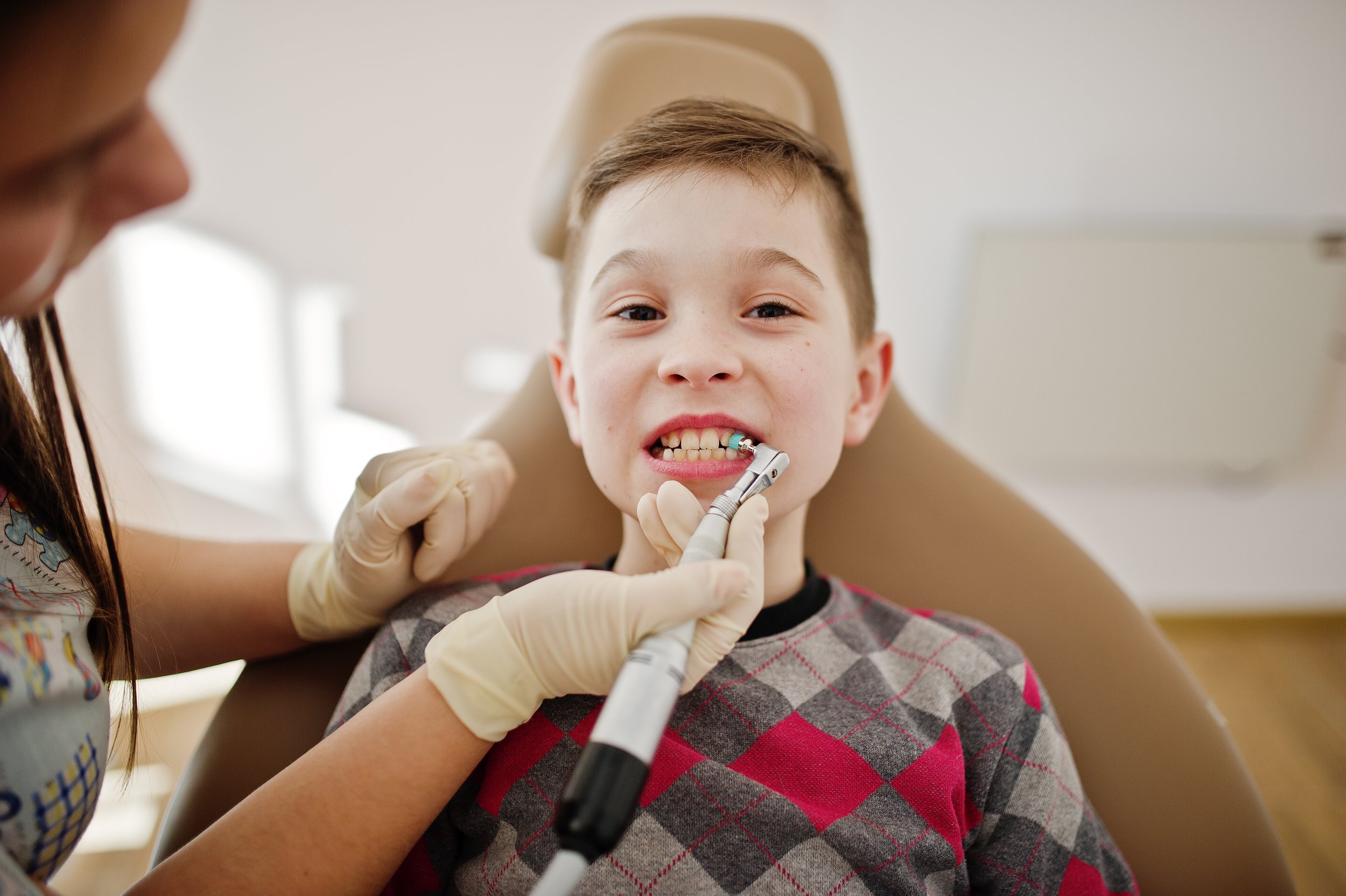
Children, especially younger ones, may not always recognize or clearly describe dental pain. Parents should watch for changes in behavior, eating, and appearance. The following signs can suggest a dental problem but do not diagnose a specific disease.
Tooth Pain
Any persistent discomfort in or around a tooth, from mild soreness to sharp, throbbing pain, deserves attention. Pain that keeps a child awake at night warrants prompt evaluation.
Sensitivity to Hot or Cold
Discomfort with hot or cold foods and drinks can signal enamel wear, early tooth decay, gum recession, or exposed dentin. Notice whether sensitivity is brief or lingers.
White, Brown, or Dark Spots on Teeth
New white chalky spots near the gums may be early signs of enamel demineralization. Brown or black areas could be cavities, stains, or enamel defects and should be checked.
Bleeding or Swollen Gums
Gums that bleed during brushing or look red, shiny, or puffy may indicate gingivitis. Bleeding gums should not be dismissed as normal.
Persistent Bad Breath
Bad breath that does not improve with brushing may signal plaque buildup, gum disease, tooth decay, or mouth breathing.
Facial or Gum Swelling
Swelling near a tooth or in the face or jaw can indicate infection, abscess, or injury. Facial swelling with pain or fever should be evaluated promptly.
Chipped, Cracked, or Loose Teeth
Visible chips, cracks, or suddenly loose teeth may result from trauma or underlying dental problems. A dental checkup should follow promptly.
Difficulty Chewing
Avoiding certain foods, chewing on one side only, or complaining of pain when biting can stem from decay, gum problems, loose teeth, or bite issues.
Changes in Tooth Eruption
Teeth delayed in erupting, coming in crooked, or overlapping unusually warrant assessment. Permanent teeth coming in behind baby teeth or in unusual locations should be evaluated.
Persistent Mouth Sores or Tissue Changes
Small mouth sores often heal within one to two weeks. Sores, patches, or tissue changes that persist longer, grow, or are very painful should be evaluated by a healthcare professional.
Pediatric Dental Emergencies
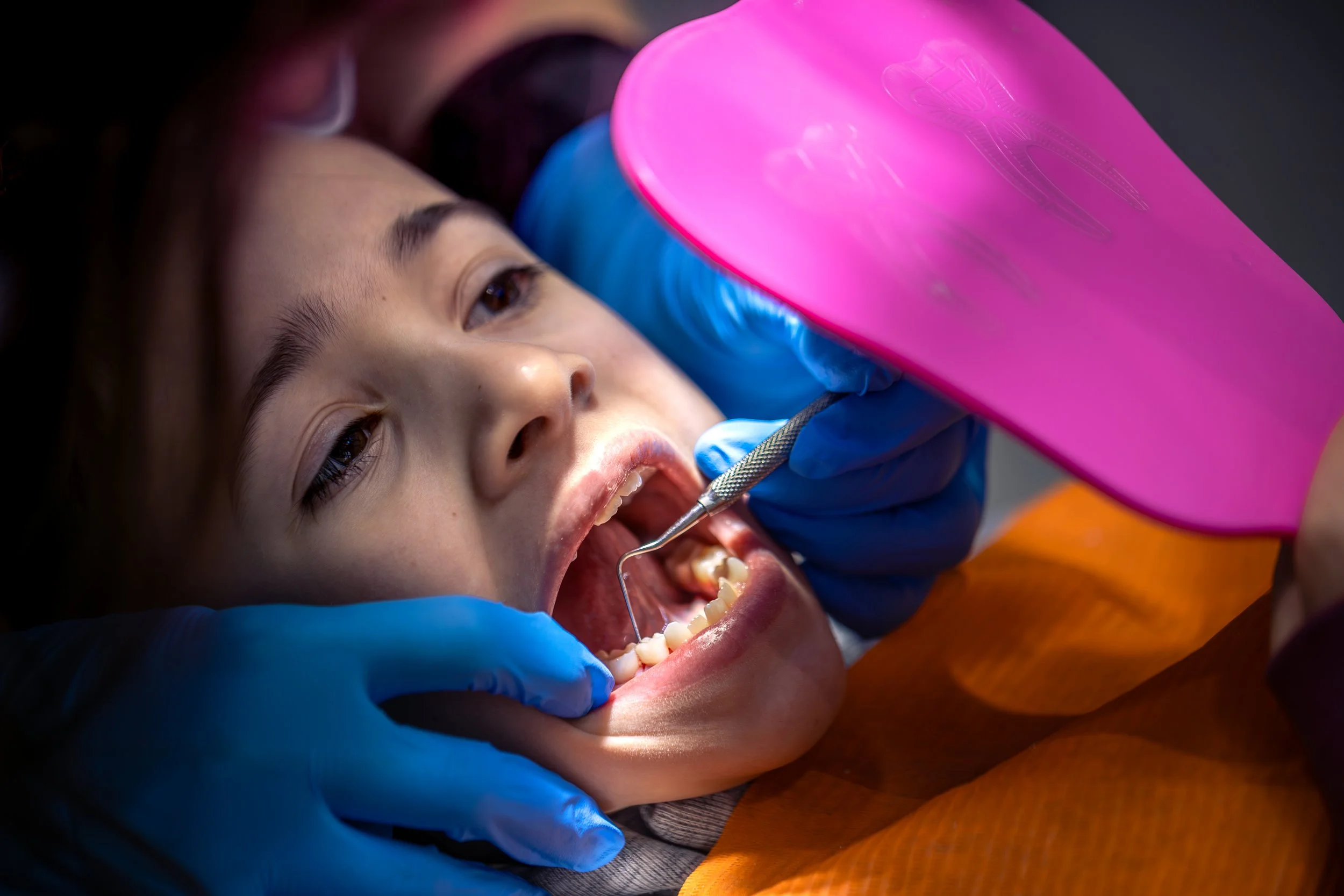
While many pediatric dental issues can wait for a routine appointment, some require same-day or emergency care. Knowing simple steps and when to seek help reduces complications and anxiety.
Knocked-Out Permanent Tooth
A completely knocked-out permanent tooth is a dental emergency. Handle it by the crown, gently rinse if needed, attempt to reinsert into the socket or store in milk or saliva, and seek urgent dental care within thirty to sixty minutes. This does not apply to baby teeth, which should not be replanted.
Severe Toothache
Severe, persistent tooth pain that interferes with sleep, eating, or school is a potential emergency. Causes may include deep decay, infection, or trauma. Contact a dentist as soon as possible.
Facial Swelling
Swelling of the cheek, jaw, or around the eye associated with a toothache can signal a spreading infection. Seek urgent care if swelling is significant, worsening, or accompanied by fever.
Broken or Displaced Tooth
Large fractures, visible pink tooth pulp, or teeth pushed out of normal position are urgent. Gently rinse the mouth, apply a cold compress, and contact a dentist immediately.
Uncontrolled Bleeding or Significant Mouth Injury
Deep cuts to gums, lips, or tongue that continue to bleed heavily after firm pressure for several minutes require emergency medical or dental care.
Difficulty Breathing or Swallowing
Difficulty breathing, trouble swallowing, unstoppable drooling, or inability to open the mouth can signal a serious problem, especially with swelling or infection. Call emergency services immediately rather than waiting for a routine appointment.
Preventing Common Pediatric Dental Problems

Not every oral condition is preventable, but everyday habits can greatly reduce the risk of cavities, gum problems, and some injuries.
Start Oral Hygiene Early
Oral care should begin before the first tooth and continue daily throughout childhood and adolescence as part of normal routines like bathing and bedtime.
Brush With Fluoride Toothpaste
Twice-daily brushing with age-appropriate amounts of fluoride toothpaste, using a soft-bristled toothbrush, is foundational. Adults should assist young children and supervise older ones.
Clean Between Teeth
Brushing alone cannot clean the sides of teeth where they touch. Flossing or interdental cleaning is needed once teeth contact each other. Floss picks or kid-friendly tools make this easier.
Reduce Frequent Sugar Exposure
Limiting how often children consume sugary foods and drinks matters more than total avoidance. Offering tooth-friendly snacks and encouraging water between meals helps prevent cavities.
Protect Teeth During Sports
Mouthguards and appropriate helmets or face protection should be part of the normal sports routine for any activity where falls or collisions are possible.
Address Persistent Oral Habits
Gently supporting children to phase out thumb sucking, pacifier use, or nail biting as they grow, especially before permanent front teeth erupt, helps protect alignment. Professional advice can help if self-help strategies are not working.
Pay Attention to Developing Teeth
Periodically looking inside a child's mouth for new teeth, crowding, color changes, or gum problems allows for early recognition of issues like early childhood caries, enamel defects, or emerging alignment problems.
Dental Health at Different Stages of Childhood

Priorities shift from stage to stage. Knowing what to focus on at each age helps parents stay ahead of potential problems.
Babies
Key concerns include teething discomfort, early brushing and gum cleaning, feeding habits that can cause early childhood tooth decay, and the recommended first dental visit by age one. Begin fluoride toothpaste with the first tooth and avoid giving bottles at bedtime with anything other than water.
Toddlers and Preschoolers
This stage includes the full set of twenty baby teeth and growing independence, making brushing cooperation a common challenge. Building routines, supervising brushing, limiting sugary snacks and fruit juice, and monitoring thumb sucking or pacifier use are priorities. Falls and dental injuries become more common as children grow more active.
School-Age Children
The mixed dentition years bring baby teeth falling out and permanent teeth, including first permanent molars, erupting between about ages six and twelve. Protecting new permanent molars with fluoride, careful brushing, and dental sealants is essential. Sports-related injury prevention and gradually transferring brushing responsibility from parent to child are also important.
Teenagers
Teen priorities include cavity prevention despite increased snacking, managing braces and retainers, and maintaining healthy gums during hormonal changes. Wisdom teeth monitoring, mouthguards for sports, and understanding the oral health effects of vaping and tobacco are all relevant. Encouraging teens to view oral health as part of overall health supports the transition to independent adult care.
Common Myths About Children's Dental Health
Myths about children's dental needs can lead to delayed care or preventable problems.
"Baby Teeth Do Not Matter Because They Fall Out"
Baby teeth support chewing, speech, appearance, comfort, and spacing for permanent teeth. Ignoring decay or infection can cause pain and may affect the permanent teeth underneath.
"Children Cannot Get Cavities Until They Are Older"
Tooth decay can begin soon after baby teeth erupt, sometimes before age two, particularly with frequent sugary drinks or poor oral hygiene.
"Bleeding Gums Are Normal in Children"
Gums should not consistently bleed. Repeated bleeding usually signals inflammation from plaque buildup and should prompt improved brushing, flossing, and possibly a dental visit.
"Children Will Tell You When They Have a Cavity"
Early cavities often cause no pain, and young children may be unable to describe mild discomfort. Routine dental exams catch problems that individual facts about a child's complaints might miss.
"All Thumb Sucking Damages the Teeth"
Thumb sucking is normal in infancy and early toddler years, and many children stop without dental effects. Problems are more likely when sucking is intense, frequent, and continues beyond age four to five.
"Baby Teeth and Permanent Teeth Should Be Treated the Same After an Injury"
Management differs significantly. Knocked-out permanent teeth may be replanted; knocked-out baby teeth are not. Professional guidance is needed after any dental injury.
"Once Children Can Hold a Toothbrush, They Can Brush Alone"
The manual dexterity and attention needed for thorough brushing usually develop closer to ages seven to eight. Parents should continue assisting or supervising even when children insist on doing it themselves.
Frequently Asked Questions

The following answers address questions parents frequently ask about pediatric dental issues.
What are the most common dental problems in children?
Tooth decay and cavities are the most common, followed by gum inflammation, dental injuries, and bite or alignment issues. Some children also experience enamel defects, teeth grinding, and early tooth loss due to decay or trauma.
What is pediatric dentistry?
Pediatric dentistry is the specialty focused on the oral health of babies, children, and teenagers, including those with special needs. Pediatric dentists provide preventive care, treat decay and injuries, and monitor growth, bite, and oral habits.
When can babies start getting cavities?
Cavities can develop as soon as the first tooth appears, sometimes before a child's first birthday. Frequent sugary drinks, prolonged bottle use, and lack of brushing raise the risk of early childhood tooth decay.
Why are baby teeth important if they eventually fall out?
They enable chewing, clear speech, comfortable smiling, and holding space for permanent teeth. Healthy baby teeth help children eat and sleep well and reduce the chance of pain or infection.
What are the early signs of cavities in children?
Early signs include white or chalky spots near the gumline, followed by yellow, brown, or dark areas. Sensitivity to sweets or cold and complaints of pain when chewing can also indicate developing cavities.
Why are my child's gums bleeding?
The most common cause is gingivitis from plaque buildup when brushing or cleaning between teeth is not thorough. Improve daily oral hygiene and contact a dentist if bleeding persists or gums look very swollen.
Is teeth grinding common in children?
Many children grind or clench their teeth at some point, especially during sleep or times of growth. Mild grinding often improves with age, but persistent grinding with pain or visible tooth wear should be evaluated.
When should thumb sucking stop?
Many children naturally stop between ages two and four. Working toward stopping by about age four to five is recommended, especially if permanent front teeth are emerging or the bite is changing.
What should I do if my child chips or knocks out a tooth?
Rinse the mouth gently, save any tooth fragments, and call a dentist promptly. A knocked-out permanent tooth is an emergency and should be handled carefully; a knocked-out baby tooth should not be replanted.
How can cavities in children be prevented?
Brush twice daily with fluoride toothpaste, clean between teeth, limit sugary snacks and drinks, drink water, and schedule regular dental check ups. Fluoride and dental sealants may also be recommended based on the child's risk.
When do children start losing baby teeth?
Most children lose their first baby tooth around age six and continue losing them gradually until about ages eleven to twelve. Some variation is normal, but very early or late loss should be discussed with a dentist.
What dental problems are common in teenagers?
Common teen issues include cavities from snacking and sweet drinks, gingivitis, difficulty cleaning around braces, sports-related injuries, and wisdom tooth concerns. Vaping or tobacco use can also affect gum health, staining, and overall oral health.
Conclusion
Pediatric oral health spans from a baby's first tooth through the teen years, with changing needs at every stage. Tooth decay remains a major concern, but gum health, dental injuries, enamel quality, alignment, oral habits, and infections all matter too. Caring for baby teeth, protecting developing permanent teeth, and monitoring bite development throughout childhood gives children the best chance at long-term oral health. Consistent routines around brushing, flossing, healthy eating, injury prevention, and regular dental check ups form the foundation. The habits children build during these years set the course for healthy smiles well into adulthood.