Common Dental Problems and Diseases: Types, Warning Signs, Causes, and Prevention
Key Takeaways
Dental disease includes conditions affecting teeth, gums, supporting bone, saliva, and soft tissues - not just cavities.
Tooth decay and gum disease are among the most common oral diseases worldwide and are largely preventable.
Dental problems can begin without pain; early warning signs include bleeding gums, sensitivity, swelling, bad breath, and visible tooth or tissue changes.
Causes and risk factors vary by condition but often involve plaque, diet, dry mouth, tobacco, and systemic health conditions.
Consistent oral hygiene with fluoride, healthy eating patterns, adequate saliva, and avoiding tobacco reduce many risks.
Early recognition and visiting your dentist regularly help limit progression and protect teeth.
Severe pain, facial swelling, fever, or persistent sores warrant prompt or urgent attention.













Dental diseases are conditions that can affect far more than just teeth. They involve gums, jawbone, salivary glands, tongue, cheeks, lips, and other structures inside the mouth. While tooth decay and gum disease are the most familiar examples, oral health problems also include tooth infections, enamel erosion, tooth sensitivity, dry mouth, bad breath, mouth ulcers, and oral cancer.
Many dental problems start with mild or no symptoms at all. Early tooth decay may appear only as a faint white spot. Early gum disease often causes slight bleeding but little discomfort. Left untreated, these conditions can progress silently until damage becomes irreversible, more painful, and more expensive to treat. That is why regular dental care and attention to warning signs matter - even when nothing hurts.
This article covers the main types of dental diseases, their warning signs, underlying causes including links with heart disease and diabetes, and practical prevention tips that can help protect your teeth and gums for life.
Tooth decay (dental caries and cavities)
Gum disease (gingivitis and periodontitis)
Dental abscesses and tooth infections
Enamel erosion and tooth wear
What Are Dental Diseases and Oral Health Problems?

Dental diseases and oral health problems refer to any condition that impairs the structure or function of parts of the mouth - teeth, gums, jawbone, tongue, cheeks, lips, palate, or salivary glands. Some are infections caused by bacteria, some are inflammatory, some result from wear and tear, and others are linked to medical conditions or medications.
It helps to distinguish between disease (like tooth decay or gum disease), injury (a broken tooth from a fall), and developmental conditions (crooked teeth present since childhood). Some conditions develop gradually over months or years, while others appear suddenly after trauma or infection.
Poor oral hygiene, high-sugar diets, tobacco use, alcohol, and dry mouth are common risk factors shared with systemic conditions like cardiovascular disease and diabetes. Oral health is part of overall health - gum disease, dental infections, and oral cancer can affect the rest of the body.
Problems Affecting the Teeth
Major tooth-related conditions include tooth decay (dental caries), cavities, enamel erosion, cracks and fractures, tooth wear from grinding, and tooth sensitivity. Understanding basic tooth structure helps: tooth enamel is the hard outer layer, dentin is the softer layer beneath it, and the pulp at the center contains nerves and blood vessels. When damage moves deeper through these layers, pain and infection become more likely.
Different conditions can produce similar symptoms. Pain, sensitivity, and discoloration may come from decay, erosion, or a crack - which is why only a dentist can reliably diagnose the source. Crooked teeth and misaligned teeth are not diseases themselves but can contribute to tooth wear, gum problems, and difficulty maintaining good oral hygiene.
Problems Affecting the Gums and Supporting Tissues
Gum disease, also called periodontal disease, is a group of conditions affecting gums and the supporting bone around teeth. Gingivitis is early gum inflammation that is reversible. Periodontitis is the advanced form - a severe form of gum disease called periodontitis - involving attachment loss and bone loss that cannot be fully reversed.
Gum recession occurs when the gum tissue pulls away from the crown, exposing more tooth or root surfaces and often causing sensitivity. Untreated gum disease is a leading cause of tooth loss worldwide and has been linked in research to heart disease, stroke, and diabetes complications.
Infections and Inflammatory Conditions
Dental abscesses are pockets of pus caused by bacterial infection, usually from advanced tooth decay, deep cracks, or severe gum disease. Inflammation (redness, swelling - the body's response) is different from infection (caused by bacteria or other germs), though they often occur together.
Infections can involve the tooth pulp, the gum tissue around the tooth, or deeper facial spaces. Serious dental infections can occasionally spread beyond the mouth if not treated. Common inflammatory mouth problems like mouth ulcers and canker sores are usually minor and not contagious.
Conditions Affecting the Rest of the Mouth
Oral health extends beyond the teeth and gums to include the tongue, cheeks, lips, palate, and soft tissue of the floor of the mouth. Common non-tooth conditions include dry mouth (xerostomia), oral lesions, and changes in tongue or tissue texture.
Oral cancer is a serious condition affecting the lips, tongue, cheeks, and throat. Alcohol and tobacco use increase the risk of oral cancer, as do HPV infection and chronic irritation. Oral cancer kills someone every hour of every day. Persistent white or red patches, lumps, or sores that do not heal within two to three weeks should be professionally evaluated.
Tooth Decay and Cavities
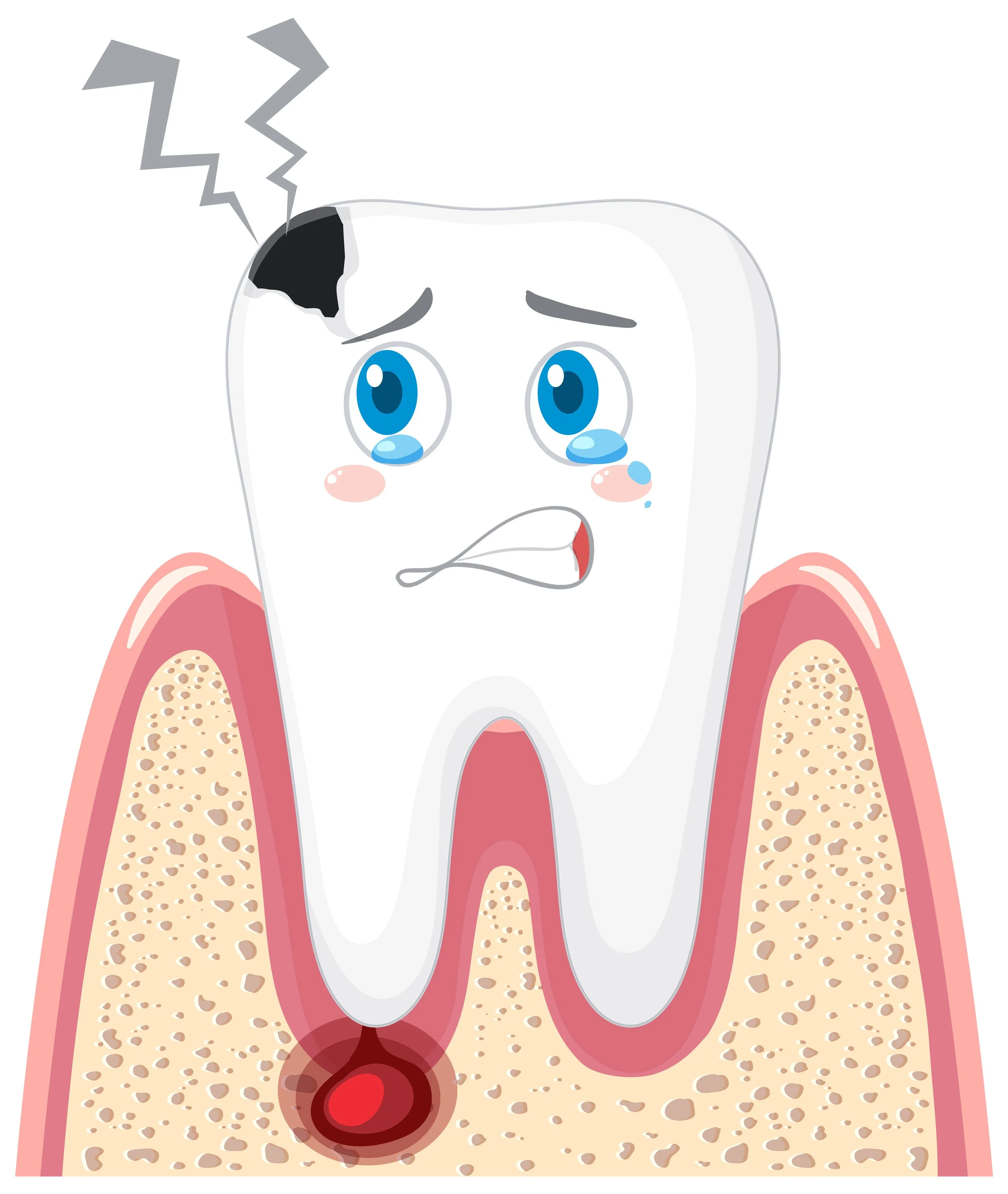
Tooth decay, also called dental caries, is a process where acids produced by dental plaque bacteria break down enamel and dentin, creating cavities over time. Sugar does not directly "rot" teeth. Instead, frequent exposure to sugar and starch (fermentable carbohydrates) feeds plaque bacteria that produce acid after every snack or drink. Plaque forms on teeth within 20 minutes after eating, which means frequent snacking creates repeated acid attacks throughout the day.
Cavities are permanent areas of damage that do not heal on their own and typically grow larger unless treated with fillings or other restorative care. Tooth decay affects both kids and adults worldwide and is one of the most common chronic diseases - nearly 90% of U.S. adults aged 20–64 have experienced decay in their permanent teeth.
What Causes Tooth Decay?
Dental plaque is a sticky biofilm containing communities of bacteria that forms on teeth, especially along the gum line and between teeth. Frequent consumption of sugary foods and drinks - including soda, juice, sports drinks, and starchy snacks - leads to repeated acid attacks on enamel. Inadequate oral hygiene (not brushing twice daily, not cleaning between teeth) and low fluoride exposure allow decay to progress. Dry mouth, some medications, and medical conditions like diabetes can increase cavity risk by reducing saliva's protective effects.
Warning Signs of Tooth Decay
Symptoms of tooth decay include pain and visible holes in the teeth, but early decay may cause no pain at all. Other signs include white chalky spots, brown or dark discoloration, and sensitivity to sweets or temperature. Waiting for a toothache often means decay is already advanced.
What Happens if Tooth Decay Progresses?
Decay progresses in stages: enamel breakdown, then deeper damage into dentin, and eventually involvement of the dental pulp. Once decay reaches the pulp, infection and abscess can develop, causing severe pain and swelling. Consequences of untreated advanced decay include root canal treatment, extraction, and tooth loss.
Preventing Tooth Decay
Brush your teeth twice a day with fluoride toothpaste, and clean between teeth daily with floss or interdental brushes. Limiting sugary foods and drinks helps prevent tooth decay - focus on reducing frequency, not just total amount. Drinking water and chewing sugar free gum support saliva production, especially for people with dry mouth. Regular checkups and professional dental care help detect early decay and apply preventive treatments like sealants.
Gum Disease
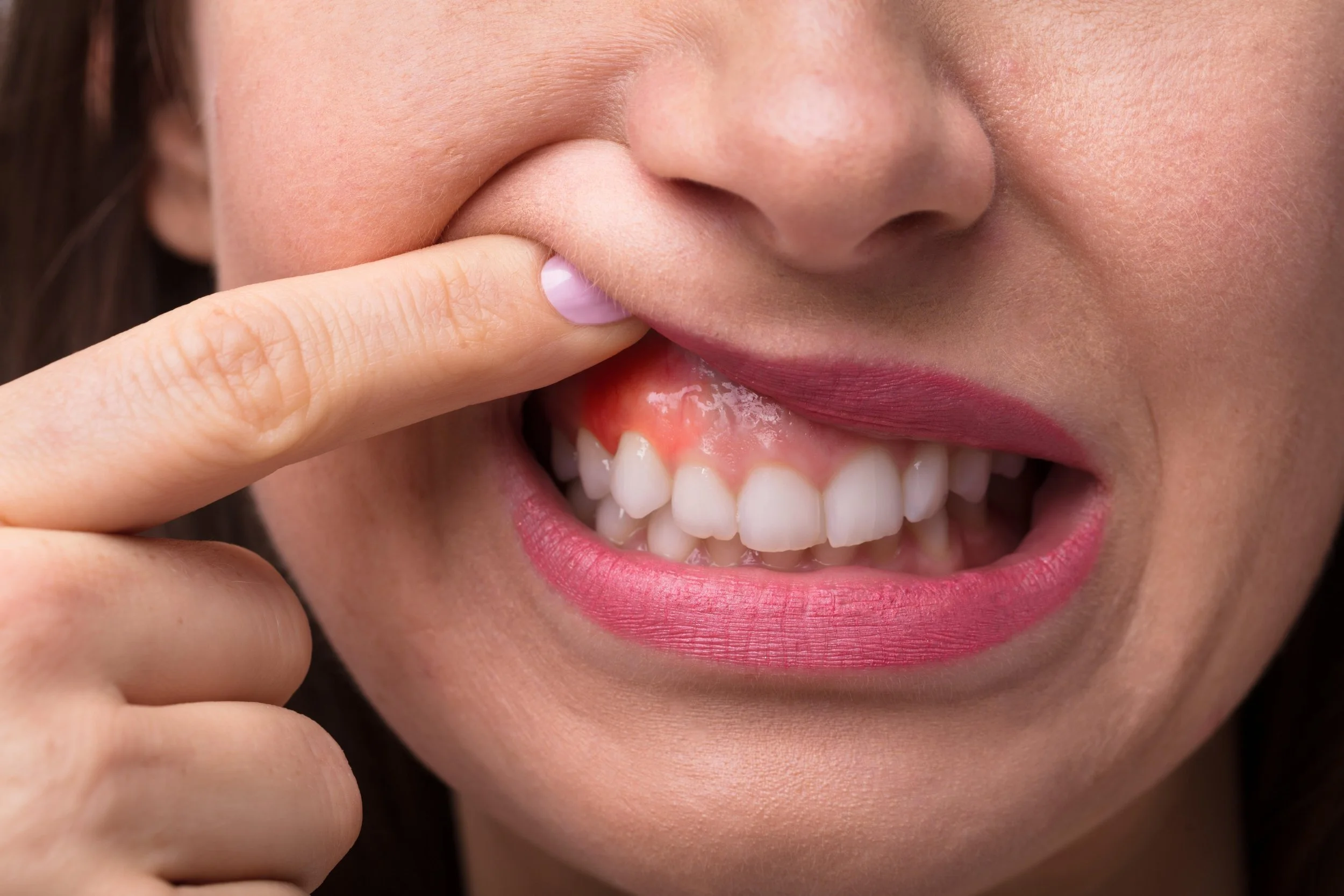
Periodontal disease ranges from mild gingivitis to advanced periodontitis affecting gums and supporting bone. Gum disease affects about 60% of adults aged 65 and older, often progressing slowly with little or no pain. Gum disease can fuel chronic inflammation affecting overall health, and research links periodontitis to worse blood sugar control in diabetes and increased risk of heart disease and stroke.
Gingivitis
Gingivitis is early gum inflammation usually caused by plaque buildup at the gum line, often due to inconsistent brushing and flossing. Common symptoms of gingivitis include swollen gums and bleeding during brushing. Gingivitis does not involve bone loss, and gingivitis can be reversed with regular dental cleaning and improved hygiene.
Periodontitis
When plaque and hardened tartar remain under the gums, chronic inflammation can damage the ligament and supporting bone around teeth. Gum pockets form, attachment is lost, and teeth may eventually become loose teeth. Periodontitis cannot be reversed but can be managed with treatment. Treatment options include scaling and root planing, which cleans deeper beneath gums for gum disease. In advanced cases, pocket reduction surgery removes deep plaque and tartar from gums, bone grafting replaces lost bone due to gum disease, and LANAP uses lasers to treat gum disease with less invasiveness. A gum specialist (periodontist) may coordinate these surgical procedures. From 2009 to 2014, 60% of adults 65 years or older had periodontitis. Smoking is linked to a 62% prevalence of periodontitis in adults.
Warning Signs of Gum Disease
Key warning signs include bleeding gums, swollen gums, persistent bad breath, receding gums, spaces forming between teeth, and loose or shifting teeth. Even without pain, persistent bleeding or changes in gum appearance should be evaluated. People with diabetes, smokers, and older adults face higher risk and should be especially alert.
Preventing Gum Disease
Consistent plaque removal is the foundation: twice-daily brushing along the gum line plus daily interdental cleaning. Avoiding tobacco in all forms is critical, as tobacco use greatly increases risk and makes treatment less effective. Regular gum evaluations during dental visits are important, especially for patients with risk factors like diabetes or a family history of severe gum disease. Regular cleanings by a dental professional help remove plaque and tartar that home care misses.
Tooth Sensitivity

Dentin hypersensitivity produces sharp or brief pain when teeth are exposed to cold, heat, sweet foods, or touch. It occurs when dentin - the softer tooth layer beneath enamel - becomes exposed. Sensitivity is a symptom, not a disease by itself, and can result from several underlying dental problems. Sensitive teeth can affect one tooth or many and may come and go.
Common Causes of Sensitive Teeth
Tooth sensitivity can be caused by worn enamel and exposed tooth roots, gum recession, tooth decay, cracked teeth, and recent dental treatments. Aggressive brushing, frequent acidic foods, or teeth grinding can damage enamel and expose sensitive areas. Whitening products and some dental procedures can temporarily increase sensitivity.
Warning Signs That Sensitivity May Be More Than Routine
Persistent or worsening pain, sensitivity limited to one tooth, or symptoms when biting down may suggest decay, cracks, or pulp problems. Seek evaluation if sensitivity lingers after the trigger is removed, disrupts sleep, or accompanies swelling.
Reducing and Preventing Tooth Sensitivity
Use a soft-bristled toothbrush with fluoride toothpaste formulated for sensitive teeth. Limit frequent acidic foods and drinks, and avoid brushing immediately after acid exposure. Addressing underlying causes - treating gum disease, repairing cavities, or using a night guard for grinding - is key to long-term relief.
Dental Abscesses and Tooth Infections

A dental abscess is a localized collection of pus caused by bacterial infection around the tooth root or in the gums. Dental abscesses are collections of infection often caused by severe tooth decay, deep cracks, or advanced gum disease. Dental infections are medical issues that require professional treatment and cannot be resolved by home remedies alone.
What Causes a Dental Abscess?
Common causes include long-standing untreated cavities reaching the pulp, cracked or broken teeth, failed previous dental work, and severe periodontal infections. Weakened immune systems from health conditions like diabetes or kidney disease can make infections more likely or severe.
Warning Signs of a Dental Infection
Symptoms include severe or throbbing toothache, swelling of gums or face, tenderness to touch or biting, sensitivity to hot or cold, and bad taste or drainage. Signs of possible spreading infection include fever, feeling unwell, swollen lymph nodes, or difficulty opening the mouth.
Why Dental Infections Should Not Be Ignored
Untreated dental infections can spread to nearby tissues, the jaw, or more distant areas. Rapid facial or jaw pain swelling, difficulty swallowing, trouble breathing, or high fever are reasons to seek urgent care. Early dental treatment usually resolves the infection before serious complications develop.
Enamel Erosion and Tooth Wear

Tooth structure can be lost through processes other than cavities. Enamel erosion is chemical dissolution by acids, while mechanical wear comes from grinding or abrasion. Over time, tooth wear can shorten teeth, change the bite, increase sensitivity, and affect appearance.
Enamel Erosion
Tooth erosion is caused by exposure to acids from foods or drinks - soft drinks, citrus juices, sports drinks - or from stomach acid due to reflux or eating disorders. Erosion often makes teeth look smoother, thinner, or more yellow as the underlying dentin shows through. People with chronic reflux or high-acid diets should discuss tooth protection with their dentist.
Tooth Wear From Grinding and Clenching
Bruxism - habitual teeth grinding or clenching, often during sleep - can flatten biting surfaces and cause fractures or jaw pain. Possible links include stress, sleep disorders, and certain medications. Signs include worn or chipped tooth edges, jaw muscle soreness, and headaches.
Warning Signs of Tooth Wear
Watch for teeth appearing shorter or flatter, increased sensitivity, yellowing as dentin is exposed, rough or sharp edges, and cracks. Changes in how teeth meet when biting can signal ongoing wear.
Preventing Excessive Tooth Wear
Reduce frequent acidic drinks, rinse with water after acid exposure, and avoid brushing immediately after consuming acidic foods or drinks. Use a soft toothbrush and gentle technique. People who grind or clench may benefit from a custom night guard or investigation of underlying sleep issues.
Cracked, Chipped, and Broken Teeth
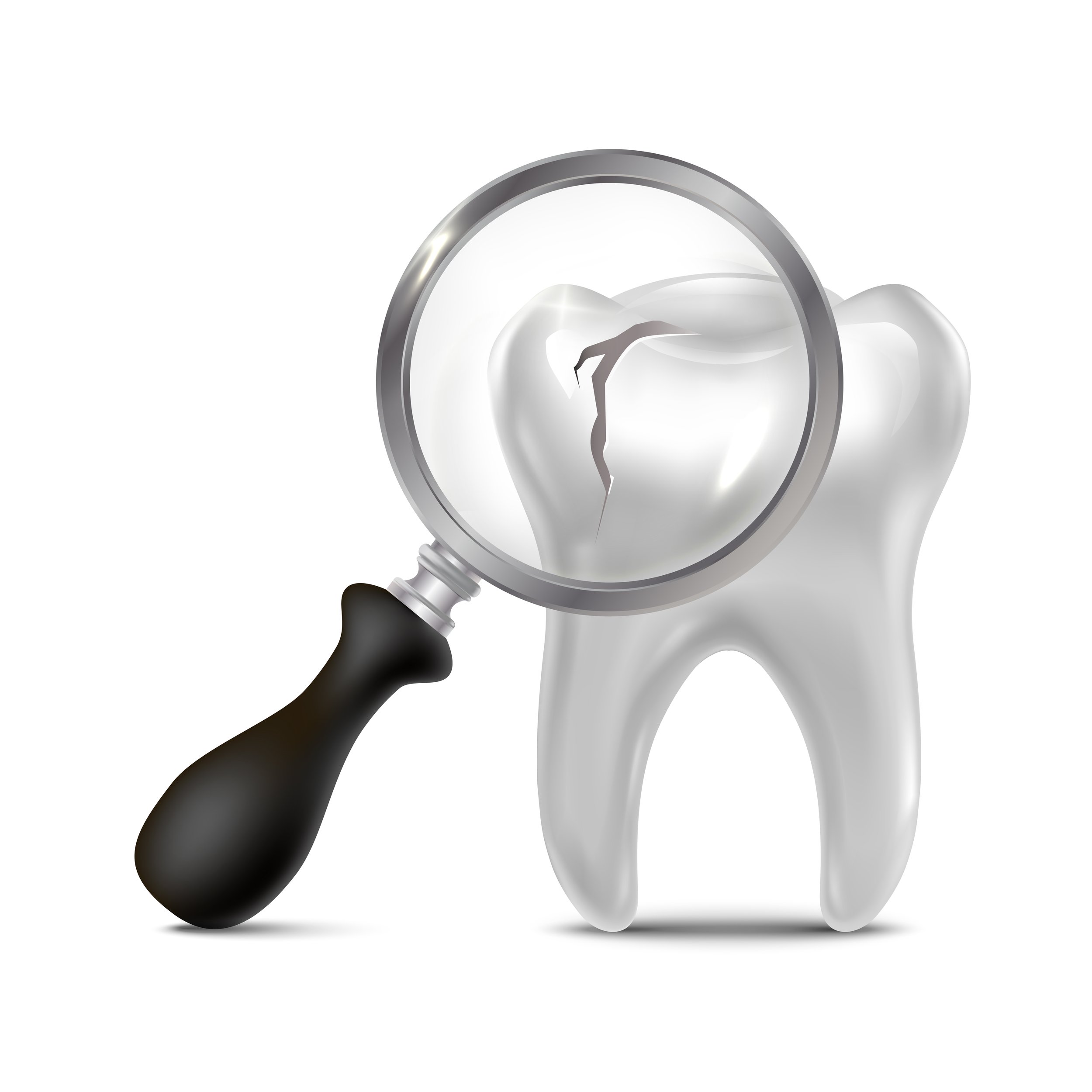
Teeth can crack, chip, or break due to trauma, biting hard objects, large existing restorations, grinding, or weakened enamel. Even hairline cracks can allow bacteria to enter and may cause pain with chewing. A chipped tooth or cracked tooth rarely heals on its own and often needs professional repair.
Common Causes of Tooth Damage
Common causes include sports injuries, falls, biting hard foods like ice or unpopped kernels, using teeth as tools, bruxism, and age-related weakening. Crooked teeth and misaligned teeth can concentrate excessive force on certain teeth, increasing fracture risk.
Signs of a Cracked or Broken Tooth
Pain when biting or releasing the bite, intermittent sharp pain, sensitivity to temperature or sweets, and feeling sharp or rough edges with the tongue are typical signs. Pain may come and go, making cracks hard to identify without a dental exam.
Why Cracks Can Be Difficult to Recognize
Some cracks are microscopic or hidden below the gum line and may not show clearly on x-rays. Seek evaluation for recurring unexplained pain when chewing, even if the tooth looks normal.
Gum Recession
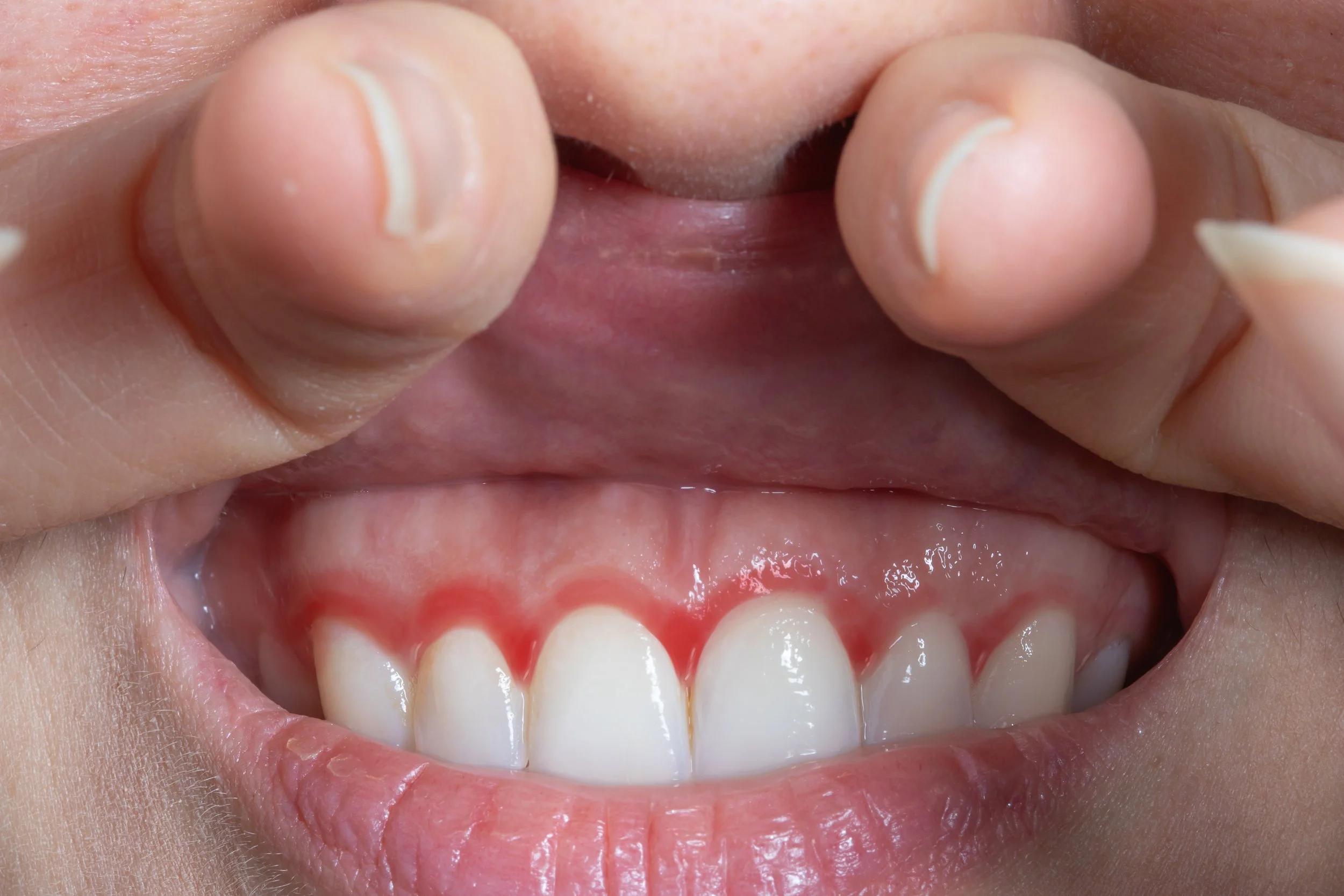
Gum recession is the gum margin moving away from the crown, exposing more of the tooth or root surfaces and creating "longer-looking" teeth. It is a finding, not a disease by itself, but can be caused or worsened by periodontal disease, brushing habits, or tooth position. Recession can lead to sensitivity, higher risk of root decay, and cosmetic concerns.
What Causes Receding Gums?
Key causes include chronic periodontal disease, aggressive toothbrushing, clenching or grinding, thin gum or bone anatomy, trauma, and poorly positioned teeth. Tobacco use and lip or tongue piercings can also contribute.
Signs of Gum Recession
Common signs include teeth appearing longer, visible root surfaces, notches at the gum line, increased sensitivity, and small gaps between teeth and gums. Slow progression can be easy to overlook.
Preventing Further Gum Recession
Brush gently with a soft-bristled brush, avoiding scrubbing side-to-side along the gum line. Manage gum inflammation with good oral hygiene and professional cleanings. In some cases, orthodontic care, treatment for grinding, or gum grafting may be needed.
Dry Mouth
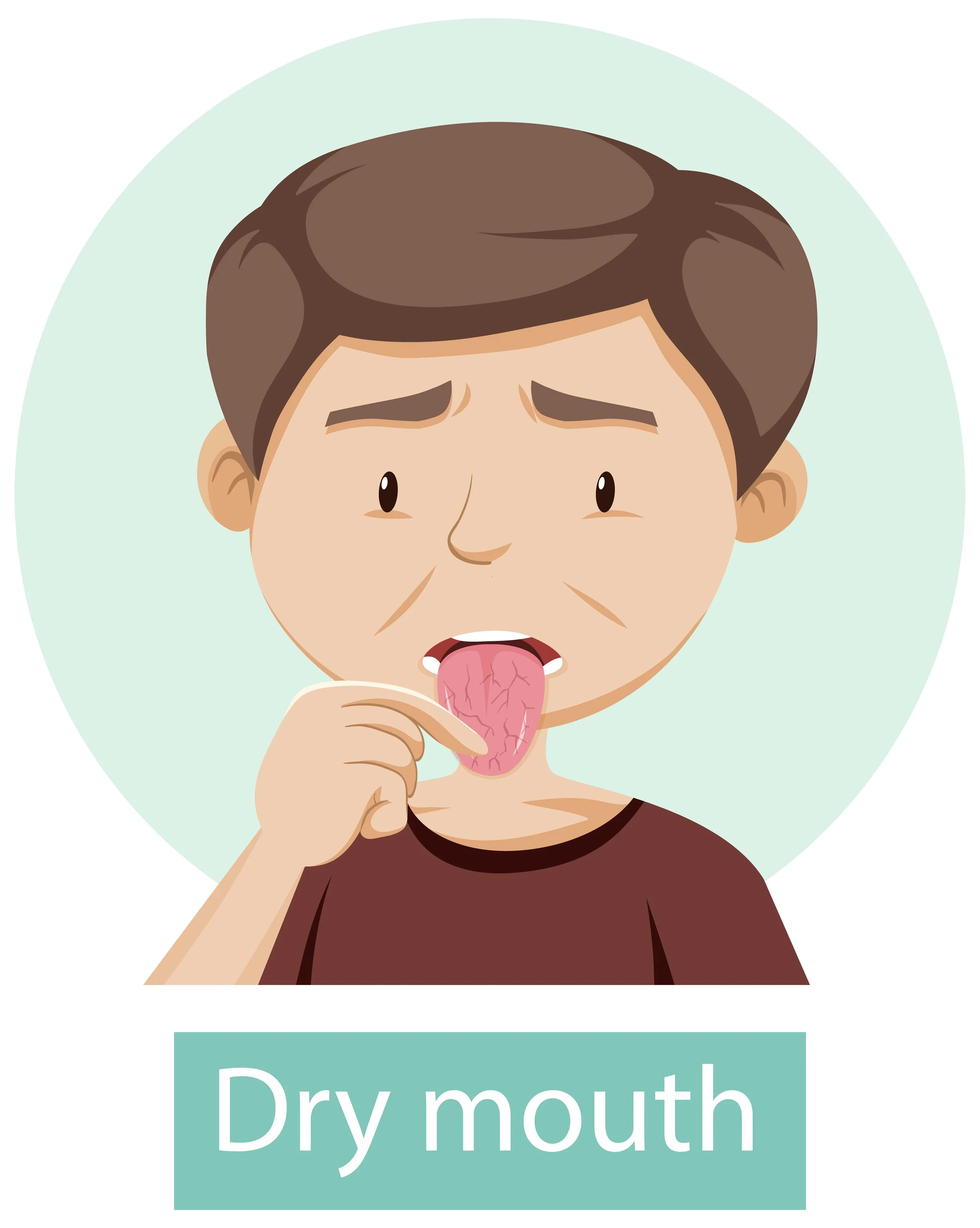
Dry mouth, or xerostomia, occurs when the mouth does not produce enough saliva. Saliva neutralizes acids, washes away food, delivers minerals like calcium and phosphate, and helps control bacteria and fungi. Persistent dry mouth increases the risk of tooth decay, gum disease, chronic bad breath, and oral infections such as oral thrush.
What Causes Dry Mouth?
Common causes include many prescription and over-the-counter medications - including those for depression, anxiety, blood pressure, and allergies - as well as dehydration and mouth breathing. Medical conditions such as Sjögren's syndrome, diabetes, kidney disease, and Parkinson's disease can reduce saliva flow, as can radiation therapy to the head and neck. Lifestyle factors like heavy alcohol use, tobacco, and recreational drug use worsen dryness.
How Dry Mouth Affects Dental Health
Reduced saliva allows acids and bacteria to remain on teeth longer, increasing cavity risk - particularly along the gum line and on root surfaces. Dry mouth also makes wearing dentures difficult, affects speaking and tasting, and increases risk of mouth ulcers and fungal infections.
Ways to Reduce Problems Associated With Dry Mouth
Sip water frequently, chew sugar free gum, use saliva substitutes, and humidify bedroom air if needed. Avoid tobacco, alcohol (including in mouthwashes), and caffeine. Discuss medication side effects and persistent dry mouth with healthcare providers and visit your dentist regularly.
Bad Breath
Bad breath, or halitosis, may be temporary after certain foods or persistent due to underlying oral or medical problems. Most chronic bad breath originates in the mouth, from bacteria on the tongue and around teeth and gums.
Common Causes of Bad Breath
Causes include poor hygiene, plaque buildup, gum disease, dry mouth, trapped food, and bacterial coating on the tongue. Smoking, high-sugar diets, sinus infections, digestive issues, and certain medical conditions also contribute.
When Bad Breath May Signal an Oral Health Problem
Persistent odor despite brushing and flossing may indicate gum disease, tooth decay, dry mouth, or oral infections. Seek evaluation if bad breath is ongoing and occurs with bleeding gums, loose teeth, or mouth sores.
Preventing Persistent Bad Breath
Brush your teeth and tongue twice daily, floss daily to clean between teeth, and drink plenty of water. An antibacterial mouthwash can help temporarily but does not replace plaque removal. Quitting smoking and addressing dry mouth improve long-term breath quality.
Oral Lesions and Changes in the Mouth

Many people occasionally develop mouth sores, ulcers, or patches. Most are harmless and heal on their own. However, persistent or unexplained changes deserve professional assessment because some may signal oral cancer or other diseases.
Mouth Sores
Canker sores (aphthous ulcers) are small, painful ulcers inside the mouth that are not contagious and typically heal within one to two weeks. Other causes include trauma from biting, sharp teeth or dentures, braces, and irritation from hot foods. Frequent or unusually large ulcers may be linked to nutritional deficiencies or autoimmune diseases.
White or Red Patches
White or red patches (leukoplakia, erythroplakia) have many possible causes - from irritation or fungal infection to potentially precancerous changes. Patches lasting longer than two to three weeks, especially in tobacco or heavy alcohol users, should be evaluated. Prevention measures for oral cancer include avoiding tobacco and limiting alcohol.
Lumps, Swelling, and Tissue Changes
Concerning changes include thickened areas, lumps, persistent swelling, or texture changes on the tongue, gums, or inner cheeks. Enlarged lymph nodes under the jaw should be reported to a clinician.
Warning Signs That Should Not Be Ignored
Red-flag signs include a sore that does not heal, persistent patches, unexplained lumps, repeated bleeding, numbness, and difficulty swallowing. Regular oral cancer screenings during dental visits are especially important for adults over 40 and those with major risk factors. According to data from the National Institute of Dental and Craniofacial Research, early detection dramatically improves oral cancer survival rates.
Common Warning Signs of Dental Disease

Different dental conditions share overlapping symptoms - pain, sensitivity, bleeding, bad breath, and visible changes. The pattern, duration, and combination of symptoms help clinicians identify the underlying problem, but home diagnosis is unreliable.
Tooth Pain
Persistent or recurring toothache, pain on biting, or spontaneous pain can result from cavities, cracks, dental abscesses, sinus problems, or jaw joint issues.
Bleeding or Swollen Gums
Bleeding when brushing and flossing often reflects gum inflammation but can be worsened by medications, pregnancy, or systemic conditions. Ongoing bleeding warrants a dental exam.
Tooth Sensitivity
Sensitivity to hot, cold, sweet, or touch can signal enamel wear, gum recession, cavities, or cracked teeth. Track when and where sensitivity occurs to share with your dentist.
Changes in the Appearance of Teeth
White spots, brown or black areas, visible holes, chips, cracks, rough edges, or teeth that look shorter indicate potential problems. Stained teeth can sometimes relate to medications or developmental conditions.
Loose Teeth
Loose permanent teeth in adults are not normal and may indicate periodontal disease or trauma. Shifting bite or growing gaps can reflect loosening support.
Persistent Bad Breath or Unusual Taste
Chronic bad breath or a persistent bad taste can point to gum disease, infections, dry mouth, or sinus issues. Evaluation is warranted if good dental health habits do not improve symptoms.
Swelling or Facial Changes
Gum swelling, facial puffiness, or lumps along the jaw may signal infection, cysts, or other conditions. Sudden painful swelling near a tooth should be examined quickly.
Changes in Oral Tissues
Persistent sores, lumps, patches, or texture changes on the lips, cheeks, tongue, and palate should be reported if they last more than two to three weeks.
What Causes Dental Problems?

Most oral diseases result from an interplay of bacteria, diet, hygiene habits, saliva, lifestyle, and general health - not a single cause. Risk varies based on genetics, anatomy, medical conditions, and environment.
Dental Plaque and Oral Bacteria
Plaque is a living biofilm of bacteria embedded in a sticky layer that forms on teeth and along the gum line daily. Some bacteria drive cavities, while others are associated with gum disease and inflammation.
Oral Hygiene Habits
Irregular brushing and flossing, skipping interdental cleaning, and not cleaning the tongue allow plaque and tartar to accumulate. Poor oral hygiene increases the risk of gum disease. Hard-to-clean areas around crooked teeth, back molars, and orthodontic appliances need extra attention.
Diet and Frequent Sugar Exposure
Frequent snacking on sugary or starchy foods leads to repeated acid attacks, raising cavity risk more than occasional sweets with meals. Separately, acidic foods and drinks erode enamel even without sugar, especially with long sipping habits.
Tobacco Use
Smoking and smokeless tobacco increase risk of gum disease, tooth loss, oral cancer, stained teeth, and delayed healing. Tobacco use increases the risk of oral cancer and gum disease significantly. Vaping also exposes oral tissues to chemicals, though long-term data are still emerging.
Dry Mouth and Reduced Saliva
Saliva neutralizes acids, washes away food debris, and supports mineral repair of enamel. Reduced saliva from medications, systemic diseases, or radiation greatly increases risk of cavities, gum disease, and oral infections.
Health Conditions and Medications
Diabetes can lead to periodontal disease and tooth loss. Other examples include kidney disease, Sjögren's syndrome, rheumatoid arthritis, lupus, and pregnancy. Many common drugs - antidepressants, antihistamines, blood pressure medications - can cause dry mouth. Having a medical condition does not make dental disease inevitable, but it can raise risk. The connection between poor oral health and general health has been studied by organizations such as the American Dental Association, highlighting the importance of coordinated medical education and dental care.
Genetics, Age, and Individual Risk
Genetics influence tooth shape, enamel quality, saliva composition, and immune responses. Age-related factors include long-term plaque exposure, gum recession, and root exposure - but tooth loss is not an inevitable part of aging.
How Dental Diseases Are Prevented

Dental diseases are largely preventable with good oral hygiene and regular dental checkups. Prevention focuses on daily plaque control, diet, saliva support, and early detection rather than waiting for pain.
Brush With Fluoride Toothpaste
Brush teeth twice a day with fluoride toothpaste, covering all surfaces including along the gum line and back teeth. Fluoride strengthens enamel, supports repair of early stages of decay, and reduces cavity risk. Use gentle, small circular motions with a soft-bristled brush for about two minutes. Brushing and flossing together form the foundation of good oral hygiene.
Clean Between the Teeth
Toothbrush bristles cannot reach between teeth where plaque and food collect. Floss daily to clean between teeth, or use interdental brushes or water flossers - especially helpful for people with braces or limited dexterity. Consistent interdental cleaning helps remove plaque that brushing alone misses.
Limit Frequent Sugar Exposure
Limiting sugary foods and drinks helps prevent tooth decay. Focus on reducing frequency, not just total amount. Choose water over soda or juice, and read labels for added sugars.
Protect Teeth From Acid
Reduce intake of highly acidic drinks, use a straw, and avoid swishing acidic beverages around the mouth. Wait about 30 minutes after acidic foods or drinks before brushing to avoid damaging softened enamel.
Maintain Healthy Saliva Flow
Stay well hydrated and manage underlying health conditions that affect saliva. Sugar free gum, lozenges, and saliva substitutes can help people with chronic dry mouth.
Avoid Tobacco
Quitting smoking and avoiding smokeless tobacco significantly reduces the risk of gum disease, oral cancer, and tooth loss. Prevention measures for oral cancer include avoiding tobacco and limiting alcohol. Oral and maxillofacial surgeons and other specialists emphasize that tobacco cessation is one of the most impactful steps for long-term oral health.
Recognize Early Warning Signs
Pay attention to early signs such as bleeding gums, sensitivity, persistent bad breath, swelling, and mouth sores that do not heal. Do not delay professional evaluation when noticing new or worsening changes, even if pain is mild or absent. Regular dental visits help detect and treat early dental issues before they progress.
Why Early Detection of Dental Problems Matters
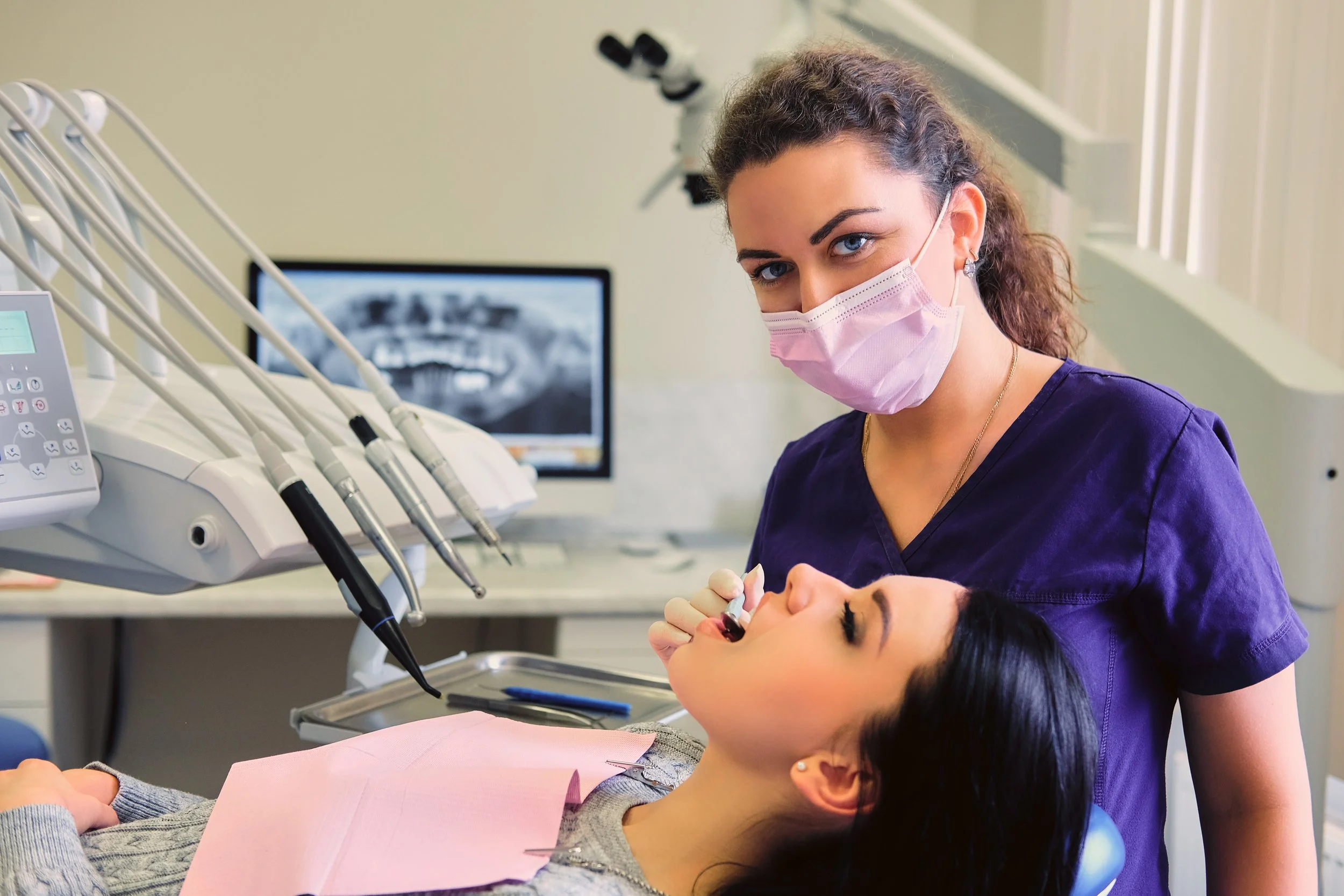
Many dental diseases are easier to manage before substantial damage occurs. Absence of pain does not necessarily mean absence of disease.
Dental Disease Can Develop Without Pain
Early cavities affecting only enamel, initial gingivitis, and certain oral tissue changes can remain painless for months. Routine professional exams and x-rays catch silent problems.
Early and Advanced Dental Disease Are Different
A small filling for early decay is far simpler than a root canal or extraction for advanced disease. Early gingivitis requires improved hygiene and professional cleanings, while advanced periodontitis may need complex surgical procedures. Timely care preserves natural teeth.
Preventing Complications
Early detection reduces risk of infections, abscesses, bone loss, loose teeth, and spread of disease. Identifying persistent oral tissue abnormalities early improves outcomes when serious conditions like oral cancer are present. Research from the National Institute of Dental and Craniofacial Research consistently supports the value of routine monitoring, given the global burden of oral diseases.
When Dental Symptoms Need Prompt Attention

Some symptoms warrant faster evaluation because they may indicate infection, trauma, or another significant condition. Getting checked early is a preventive step, not a sign that something catastrophic is inevitable.
Severe or Persistent Tooth Pain
Intense, throbbing, or long-lasting toothaches often indicate deep decay, infection, or cracks.
Facial or Jaw Swelling
Noticeable swelling of the face, jaw, or gums may signal an abscess or spreading infection.
Fever With Dental Symptoms
Fever, feeling unwell, or swollen lymph nodes combined with dental pain can indicate a more serious infection.
Difficulty Swallowing or Breathing
Any trouble swallowing, breathing, or opening the mouth fully alongside dental symptoms may be an emergency requiring immediate evaluation.
Dental Trauma
Broken, displaced, or knocked-out permanent teeth need urgent care - ideally within the first hour. Wisdom teeth injuries also warrant timely assessment.
A Permanent Tooth That Becomes Loose
Suddenly loose permanent teeth after injury or gradually loosening adult teeth both need professional assessment.
Persistent Oral Sores or Tissue Changes
Sores, lumps, or patches lasting more than two to three weeks should be evaluated promptly.
Symptoms That Rapidly Worsen
Contact a dental or medical provider if any symptom - pain, swelling, or bleeding - worsens quickly over hours or days. Understanding disease control principles helps recognize when early intervention matters most.
Common Myths About Dental Disease

Misunderstandings about dental disease can delay care and undermine prevention.
"If My Teeth Don't Hurt, They're Healthy"
Many conditions - early tooth decay, gingivitis, early periodontitis - can be present for months with no pain. Poor oral health often develops silently.
"Bleeding Gums Are Normal"
While occasional bleeding from vigorous brushing can happen, repeated bleeding is often a sign of gum inflammation and deserves attention.
"Sugar Directly Creates Cavities"
Plaque bacteria feed on sugar and produce acid. It is the repeated acid attacks that damage enamel and create cavities - not sugar itself.
"Brushing Harder Cleans Teeth Better"
Excessive force can wear down enamel, cause gum recession, and increase sensitivity without improving plaque removal. Good dental health comes from technique, not pressure.
"Losing Teeth Is a Normal Part of Aging"
With modern preventive care and healthy habits, many older adults keep most or all of their natural teeth. Untreated cavities and neglected gum disease - not aging alone - drive tooth loss.
"All Dental Problems Can Be Prevented by Brushing"
Brushing is essential, but flossing, diet, saliva, tobacco avoidance, regular checkups, and managing medical conditions all play major roles. Most oral diseases require a comprehensive approach to prevent oral diseases effectively.
Frequently Asked Questions

What are the most common dental problems?
Tooth decay, gum disease, tooth sensitivity, chipped or cracked teeth, dry mouth, bad breath, and mouth ulcers are among the most frequent dental health issues.
What are the most common dental diseases?
Common dental diseases include dental caries (cavities), gingivitis, periodontitis, dental abscesses, enamel erosion, and oral infections like oral thrush.
What are the early warning signs of dental disease?
Early signs include bleeding gums, mild sensitivity, white or dark spots on teeth, persistent bad breath, and small mouth sores that are slow to heal.
Can you have dental disease without tooth pain?
Yes. Many people have untreated cavities or gum disease with no pain at first, which is why regular checkups are important for good dental health.
What causes most dental problems?
Main causes include plaque buildup, high-sugar and acidic diets, inadequate oral hygiene, dry mouth, tobacco, and unmanaged health conditions.
What is the difference between tooth decay and gum disease?
Tooth decay is damage to tooth structure from acids produced by bacteria. Gum disease is inflammation and destruction of gums and supporting bone - two distinct processes with different treatments.
What causes teeth to become sensitive?
Sensitivity often occurs when dentin is exposed through gum recession, enamel erosion, cavities, or cracks, making teeth react to temperature, touch, and sweets.
What causes dental infections?
Infections typically arise when bacteria reach the tooth pulp or deep gum tissues through untreated decay, injury, or severe gum disease. Blood vessels and nerves within the pulp become compromised.
Can dental diseases be prevented?
While not all problems can be completely prevented, many are largely preventable through daily care, healthy habits, fluoride, and regular professional checkups. Scaling and root planing, for example, treats existing gum disease before it worsens.
What dental symptoms should not be ignored?
Severe or constant pain, swelling, fever, loose permanent teeth, difficulty swallowing or breathing, and sores lasting more than two to three weeks all warrant prompt evaluation.
Conclusion
Dental disease is a broad category of conditions affecting teeth, gums, supporting bone, and the rest of the mouth. Tooth decay, gum disease, infections, sensitivity, tooth wear, dry mouth, and oral tissue changes each have distinct causes and require different approaches - but they share one thing in common: most respond better to early intervention than to delayed treatment.
Understanding the types of dental problems, their warning signs, and major risk factors empowers you to protect your oral health over the long term. Everyday steps - brushing with fluoride toothpaste, cleaning between teeth, eating a balanced diet, supporting saliva flow, and avoiding tobacco - combined with professional dental care can keep many dental diseases under control.
Oral health is part of overall health. The connections between gum disease and conditions like diabetes, heart disease, and general well-being are well established. Taking care of your mouth is not separate from taking care of the rest of your body - it is the same effort.