Sugar and Tooth Decay in Children: How to Protect Healthy Teeth
Key Takeaways
Bacteria in dental plaque metabolize sugars from foods and drinks, producing acids that remove minerals from tooth enamel and can lead to dental caries over time.
Cavities develop through repeated cycles of demineralization, not from one sugary snack; frequency of sugar exposure is a common risk factor for decay.
Sugary drinks are a leading cause of repeated sugar and acid exposure, especially when children sip them over long periods.
Both naturally occurring and added sugars can be metabolized by oral bacteria, but foods should be considered in their full context of form, texture, nutrients, and frequency.
Baby teeth and permanent teeth both require protection from tooth decay, starting from the eruption of a child's first teeth.
Families do not need a completely sugar free diet; sensible patterns that limit unnecessary sugar exposure are the goal.
Brushing with fluoride toothpaste, cleaning between teeth, drinking water, supporting saliva flow, and attending regular dental visits work together to reduce dental caries.
Small, sustainable changes in daily routines, maintained over weeks and months, can lower the global burden of dental caries in children.










Sugar is one of the biggest contributors to tooth decay in children, but it does not damage teeth on its own. When children eat or drink sugary foods and beverages, bacteria in dental plaque use those sugars and produce acids that attack tooth enamel. Repeated acid exposure can gradually weaken the enamel and lead to cavities.
Tooth decay is extremely common, including in young children. An estimated 510 million children worldwide have cavities in their baby teeth. The risk is influenced not only by how much sugar a child consumes, but also by how often their teeth are exposed to it throughout the day.
Sugar can come from obvious sources such as candy, soda, and desserts, as well as foods parents may not immediately associate with tooth decay, including flavored yogurt, breakfast cereals, juices, and sauces. Fortunately, protecting a child’s teeth does not require eliminating sugar completely. Understanding where sugar comes from, limiting frequent exposure, and maintaining good oral hygiene can significantly reduce the risk of cavities.
This article explains how sugar affects children’s teeth, which foods and drinks are most likely to contribute to tooth decay, and practical steps parents can take to help keep their children’s teeth healthy.
How Does Sugar Cause Tooth Decay?

Sugar itself does not burn holes in teeth. Instead, certain oral bacteria metabolize sugars and other fermentable carbohydrates, and their metabolic byproduct is acid. That acid is what removes minerals from tooth enamel over time.
Dental caries is classified as a noncommunicable disease in children. It results from the interaction among free sugars in the diet, plaque bacteria, saliva, enamel composition, fluoride exposure, and time. Every time a child eats or drinks something containing fermentable carbohydrates, a chain reaction begins at the tooth surface. The subsections below walk through each step.
Dental Plaque and Oral Bacteria
Dental plaque is a soft, sticky biofilm that forms on teeth every day. It contains communities of microorganisms embedded in a matrix of proteins and polysaccharides. Plaque is not simply bits of food.
Some bacteria in plaque, including Streptococcus mutans, can metabolize sugars from foods and drinks. Plaque accumulates along the gumline, between teeth, and in the pits and grooves of back molars, particularly when brushing is inconsistent. When plaque remains undisturbed, cavity causing bacteria have more time to use sugars for energy and release acids that affect oral health.
What Happens After a Child Eats Sugar?
When a child eats or drinks something containing sugar, plaque bacteria begin breaking it down within minutes. High sugar intake leads to acid production that damages tooth enamel by lowering the pH around the tooth surface. This acid attack period typically lasts 20 to 30 minutes after each exposure, depending on the food, drink, and saliva flow.
If a child snacks on a cookie mid-morning, sips a sports drink during the afternoon, and eats dessert after dinner, those acid periods stack up. Each exposure restarts the clock, leaving less recovery time for enamel.
Demineralization and Remineralization
Demineralization is the loss of calcium and phosphate from tooth enamel when the surrounding environment becomes too acidic. Remineralization is the reverse: minerals from saliva and fluoride return to weakened enamel when pH recovers.
Saliva contains bicarbonate that buffers acids and carries calcium and phosphate ions back to the tooth surface. Fluoride, from toothpaste and fluoridated drinking water, forms compounds in enamel that are more resistant to acid. Children's mouths constantly cycle between these two processes. Diet and oral hygiene determine which side wins.
How a Cavity Develops
A cavity forms only after repeated episodes of mineral loss, when demineralization consistently outweighs remineralization over weeks or months. Early dental caries may appear as white or chalky spots on enamel where minerals have been lost but no hole has formed. At this stage, improved habits, fluoride, and professional care can sometimes halt or reverse the damage.
If the acidic environment continues, enamel breaks down physically and a cavity requiring restorative treatment develops. Cavities do not appear after one piece of candy. They are cumulative outcomes of patterns involving sugar exposure, plaque, and time.
Why the Frequency of Sugar Matters

Both how much sugar a child consumes and how often they consume it influence the risk of dental caries. Each sugar exposure creates a period of acid production and demineralization. Frequent sugar consumption increases the risk of dental caries because it shortens recovery windows for enamel. An occasional dessert after dinner is very different, for teeth, from constant sipping and grazing all day.
Frequent Snacking and Acid Exposure
Repeatedly eating sugary or starchy snacks (crackers, cookies, sweetened cereals, granola bars) restarts acid production each time. Grazing on small amounts every hour keeps the mouth in a more acidic state for much of the day. Research on children aged 3 found that those who consumed sugar four to five times per day had about six times the caries risk compared to children with fewer exposures.
Sipping Sugary Drinks Throughout the Day
Sipping soda, fruit drinks, sweetened teas, or sports drinks over long periods exposes teeth to sugar and acid again and again. Drinking a sweetened beverage during a defined meal limits exposure to one episode. A child who nurses a juice box over two hours creates a prolonged acid challenge. Even 100% fruit juice and flavored milk behave like sugary drinks when sipped slowly.
Why Time Between Eating Matters
Saliva gradually raises the pH in the mouth after eating and helps wash away sugars and food particles. Leaving time between snacks allows saliva to do its protective work and support remineralization. Children with reduced saliva flow from medications or medical conditions face higher risk and should follow a dentist's specific advice.
Amount Versus Frequency
Both total sugar consumption and frequency contribute to cavity risk. A systematic review of 37 studies covering approximately 59,000 children found that frequency of sugar consumption was more consistently tied to caries severity than total quantity. The WHO recommends limiting free sugars to 10% or less of total energy intake, with further reduction to below 5% suggested for better dental health. Reducing frequent exposure is especially important in combination with daily brushing with fluoride toothpaste.
Sugary Foods That Can Affect Children's Teeth

Sugar is present in many foods, from obvious desserts to everyday items marketed for children. Cavity risk depends on what a child eats, how long the food stays in the mouth, how often it is eaten, and the child's overall oral hygiene routine. This is not a forbidden list. Foods like whole fruits and dairy contain sugars naturally present in their structure but also bring nutritional benefits and should be considered in context.
Candy and Sweets
Hard candies, lollipops, chocolate bars, cookies, cakes, and ice cream all deliver free sugars that bacteria readily use. Slowly dissolving sweets bathe teeth in sugar longer than a quick bite of chocolate. Keeping these treats with meals or defined snack times, rather than constant nibbling, reduces total acid attacks throughout the day.
Sticky and Chewy Sweets
Gummies, caramels, taffy, and fruit chews cling to teeth and lodge in grooves. Sticky candies and sugary beverages cling to teeth, increasing the risk of decay because they prolong sugar exposure and are harder for saliva to clear. Offering these treats with meals and following with water helps rinse the mouth.
Sweetened Breakfast Foods
Frosted cereals, toaster pastries, sweetened oatmeal packets, and breakfast bars can contain high amounts of added sugars. When eaten daily alongside sugary drinks or snacks later on, they increase the total number of sugar exposures. Reading Nutrition Facts labels to compare sugar content between products helps families choose lower-sugar options.
Sweetened Snacks
Granola bars, snack bars, sweet crackers, and many packaged kids' snacks may appear healthy but contain added sugars. These processed foods often become frequent sources of sugar exposure in school lunches and after-school programs. Balancing them with cheese, nuts (where age-appropriate), vegetables, or plain yogurt supports better oral health.
Dried Fruit
Dried fruits like raisins, dates, and fruit leather contain concentrated natural sugars and a sticky texture that lodges in pits and grooves. Whole fresh fruit behaves differently in the mouth: it contains fiber, requires chewing, and stimulates saliva. Offering dried fruit in small portions with meals and choosing fresh whole fruits as the routine snack option is a practical approach.
Sugary Drinks and Children's Teeth

Beverages are a major source of dietary free sugars for many children and become especially problematic when sipped over long periods. Sugary drinks influence both overall sugar intake and the frequency and duration of tooth exposure. Some are also acidic, which can contribute to dental erosion, a process distinct from tooth decay. Tooth decay involves acids produced by bacteria metabolizing sugars. Dental erosion involves direct chemical wear from acids in foods and drinks. A sugary, acidic beverage can contribute to both.
Soda
Regular soft drinks contain high levels of added sugars that fuel acid production by bacteria, raising the risk of dental caries. Many sodas also contain phosphoric and citric acid, which can erode enamel directly, even in sugar free versions. Treating soda as an occasional choice rather than an everyday drink, and avoiding slow sipping, reduces exposure.
Fruit Drinks and Juice Drinks
Fruit drinks, fruit punch, lemonade drinks, and many kids' beverages may feature fruit imagery on the label but often contain added sugars and flavorings. Despite appearances, these sweetened beverages can behave like soda for teeth when consumed frequently. Checking labels for added sugars and limiting these drinks outside of meals helps lower risk.
100% Fruit Juice
100% fruit juice contains sugars naturally present in the fruit but delivers a concentrated dose and is often acidic. Frequent sipping of fruit juices, especially from bottles and sippy cups between meals, raises the risk of both dental caries and erosion. Whole fruit has fiber, takes longer to eat, and stimulates more chewing and saliva flow. Keeping juice portions modest and serving with meals is preferable.
Sports Drinks
Many sports drinks contain sugars and acids. For most routine childhood activities, they are unnecessary. Drinking one or two sugary beverages daily increases cavity risk by 31%, according to national survey data. Water is the better primary hydration choice for children.
Flavored Milk
Chocolate and strawberry milk provide calcium and protein but also contain added sugars. When consumed with meals and in moderate amounts, flavored milk can fit into a balanced diet. Sipping it repeatedly between meals or using it as a bedtime drink increases sugar exposure.
Sweetened Teas and Other Drinks
Bottled iced teas, sweetened herbal drinks, and flavored coffee beverages popular with teens can contain substantial added sugars and acids. Checking labels rather than assuming a drink is low in sugar because it appears "natural" helps families make informed choices.
Water as an Everyday Beverage
Plain water is the best default beverage for children to maintain dental health. It contains no sugar, does not feed harmful bacteria, and supports saliva production. In areas with fluoridated community water, drinking tap water also helps prevent tooth decay by strengthening enamel. Sending children to school with water-filled bottles instead of sugary drinks is one of the simplest protective steps.
Hidden and Less Obvious Sources of Sugar
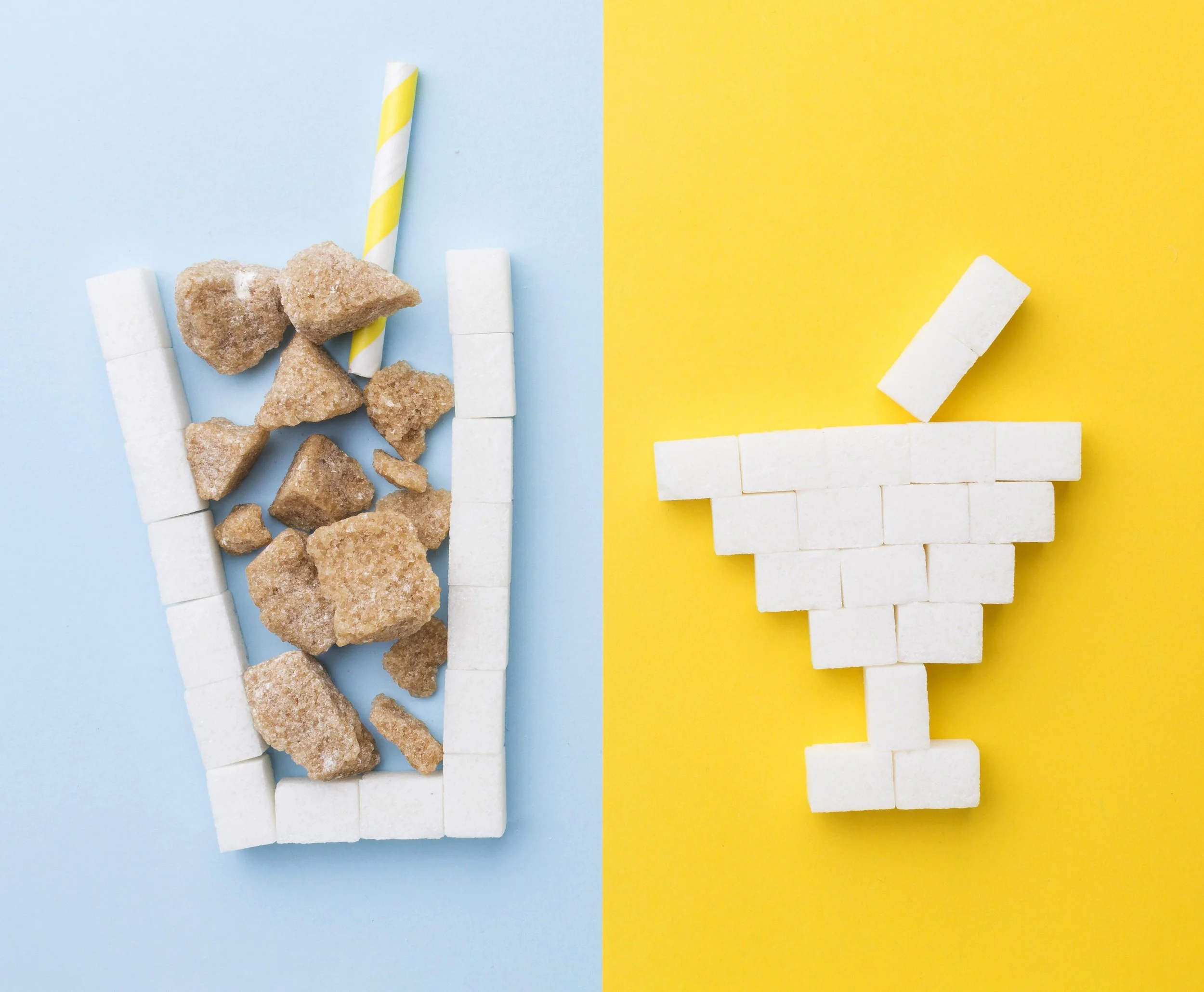
Many parents recognize candy and soda as sugary but may underestimate the sugars in flavored yogurt, sauces, packaged snacks, and so-called health drinks. Being aware of hidden sugar helps families reduce unnecessary sugar consumption without eliminating every favorite food. The goal is informed choices that lower the overall risk of dental caries.
Reading Food Labels
Nutrition Facts panels list total sugars and, in many countries, added sugars. Checking the first few ingredients reveals whether sugar or syrups are prominent components. Comparing two similar cereals by their sugars content helps parents choose lower-sugar options without needing a nutrition degree.
Different Names for Added Sugars
Added sugars appear under many ingredient names: cane sugar, high-fructose corn syrup, glucose, fructose, sucrose, maltose, honey, maple syrup, and rice syrup, among others. Multiple sugar names in one ingredient list can indicate higher overall sugar content. Recognizing a few common terms is enough to improve label awareness.
Foods Marketed as Healthy
Granola, muesli, snack bars, sweetened yogurt, smoothies, and certain breakfast cereals often carry health-focused marketing ("natural," "whole grain," "energy") yet contain substantial added sugars. A health-oriented label does not guarantee the product is low-risk for dental caries. Treating very sweet "health" snacks similarly to other sweets in terms of frequency is a practical guideline.
Sauces and Condiments
Ketchup, barbecue sauce, some salad dressings, and sweetened dips often contain added sugars. In typical serving sizes, these sauces contribute less to sugar exposure than constantly sipping a sugary drink, but they can add up. Being mindful of portions and choosing reduced-sugar versions where available helps manage total intake.
Natural Sugar vs. Added Sugar: Does It Matter for Teeth?
Bacteria in dental plaque can metabolize sugars whether they are naturally occurring or added during processing. For oral health, both types can play a role in dental caries development, but the context matters: food form, texture, how long it stays in the mouth, and frequency of consumption all influence risk. The goal is not to avoid nutrient-rich foods like fruit and milk but to understand how they differ from sweets and sugary beverages.
Naturally Occurring Sugars
Whole fruits, plain milk, and unsweetened yogurt contain natural sugars alongside vitamins, minerals, protein, and fiber. These foods are usually eaten as part of meals, require chewing, and stimulate saliva. Sugars naturally present in fruits do not contribute to caries in the same way as free sugars in processed foods and drinks. Whole fruit and milk are generally encouraged for children's general health.
Added Sugars
Added sugars are sugars and syrups incorporated during processing or preparation, including table sugar added at home. The WHO links high intake of free sugars with both dental caries and other noncommunicable diseases. Limiting free sugars to 10% or less of energy intake reduces dental caries risk, and restricting sugars intake further to below 5% of energy is recommended for better health. Reducing high-added-sugar items in everyday routines while allowing occasional treats is the practical target.
Whole Fruit vs. Fruit Juice
Whole fruit contains fiber, takes longer to eat, and typically results in fewer total sugar exposures per day. Fruit juice, even 100%, removes most fiber and concentrates sugar and acid into a form that can be consumed quickly or sipped for hours. For teeth, frequently sipping juice behaves more like a sugary drink than eating a piece of fruit. Whole fruits are the better routine choice; fruit juice concentrates sugar exposure.
Why the Whole Food Matters
How a food interacts with the mouth, its texture, stickiness, how long it stays on teeth, and how much it stimulates chewing and saliva, is as important as its sugars content. Solid foods eaten quickly and followed by water may pose less risk than sticky, slowly eaten sweets or frequently sipped drinks with similar grams of sugar. Focusing on patterns of more whole foods and fewer heavily sweetened snacks and drinks supports oral health across the life course.
Sugar and Baby Teeth

Primary teeth can develop dental caries soon after they erupt, and decay can progress quickly in young children. Protecting baby teeth from frequent sugar exposure and poor oral hygiene is a key part of early oral health.
Why Baby Teeth Need Protection
Healthy first teeth help children chew a variety of foods, develop speech, and maintain space for permanent teeth to erupt properly. Cavities in primary teeth may cause pain and affect children's ability to eat and learn. Decay can also lead to infections and difficulties sleeping. Baby teeth deserve the same care as permanent teeth.
Early Childhood Caries
Early childhood caries is tooth decay in the primary teeth of young children, often starting on upper front teeth. In the United States, roughly 23% of children aged 2 to 5 have dental caries in primary teeth, and 15.7% of children in the U.S. have untreated dental caries. Frequent exposure to sugary liquids or snacks, combined with inadequate plaque removal and limited fluoride, increases risk. Caregivers who notice spots or discoloration should seek dental advice without delay.
Bottles and Bedtime Sugar Exposure
Giving bottles or cups filled with milk, formula, juice, or sweetened drinks at bedtime increases cavity risk because saliva flow drops during sleep, prolonging contact with sugars. The bottle itself does not cause cavities; the concern is the frequent, long-lasting exposure to sugar-containing liquids. Using water for bedtime bottles when a child is developmentally ready is a gentle step forward. Children should visit a dentist by their first birthday for preventive dental care and individualized guidance.
Sippy Cups and Prolonged Sipping
Sippy cups are tools, not problems. The concern is what is inside and how often children sip. Constant sipping of juice, flavored milk, or sweetened drinks creates near-continuous sugar exposure. Offering water as the default drink in sippy cups and limiting sugar sweetened beverages to mealtimes protects teeth during this vulnerable period.
Sugar and Permanent Teeth

As children grow, permanent teeth begin erupting, often starting with the first permanent molars around ages 6 to 7. These new teeth need protection from sugar-related tooth decay, and children's increasing independence over food choices creates new patterns of sugar exposure.
Newly Erupted Permanent Molars
First permanent molars erupt behind the last baby molars and do not replace a baby tooth, so parents sometimes mistake them for primary teeth. The pits and fissures on their chewing surfaces trap plaque and food, making them prone to dental decay. These teeth need thorough brushing with fluoride toothpaste, even though they can be hard for children to reach.
Sugar Exposure During the School Years
Cafeteria meals, vending machines, lunchbox snacks, and birthday treats may include sugary foods and drinks. As children make more of their own choices, involving them in packing balanced lunches and discussing tooth-friendly snack ideas in a positive way builds habits that last. Consistent brushing and cleaning between teeth help balance occasional school treats.
Dental Sealants
Dental sealants are thin protective coatings applied to the chewing surfaces of cavity-prone permanent molars. They block food and bacteria from collecting in deep grooves, lowering the risk of tooth decay. Sealants work best as part of a preventive plan and do not replace daily brushing, fluoride, or healthy eating patterns. Parents can ask their child's dentist whether sealants are appropriate.
Sugar and Teen Dental Health

Adolescence brings greater independence, busier schedules, and changing habits that can affect sugar exposure and dental health. Teens may consume more soda, energy drinks, and convenience foods, and orthodontic treatment can complicate oral hygiene.
Soda, Energy Drinks, and Sports Drinks
Teenagers often turn to soda, energy drinks, and sports drinks for taste or energy. These beverages commonly contain high levels of free sugars and acids, contributing to both dental caries and dental erosion. Taxing sugar-sweetened beverages has been shown to lower sugar consumption at the population level, but individual choices also matter. Limiting these drinks to occasional use and choosing water most of the time reduces risk.
Frequent Snacking
On-the-go lifestyles and late-night studying encourage frequent snacking on chips, potato chips, candy, baked goods, and sweetened coffee or tea drinks. Each snack containing sugars or refined starches restarts acid attacks on teeth. Having tooth-friendlier snacks available at home, like nuts, cheese, whole fruit, and vegetables, reduces reliance on foods high in sugar.
Braces and Sugar Exposure
Brackets, wires, and other orthodontic appliances create additional areas where plaque and food collect. Sugar exposure around brackets can lead to white spot lesions (early demineralization) and cavities if plaque is not removed effectively. Careful brushing around braces, use of interdental brushes, and limiting sticky or hard candies protect enamel during treatment.
Increasing Independence With Oral Hygiene
Parents typically supervise brushing less as children become teenagers. Establishing a consistent brushing routine is important for dental health, even when teens are busy or tired. Brushing twice daily with fluoride toothpaste and cleaning between teeth remain essential. Setting consistent household routines, like brushing before bed, supports teens without constant monitoring.
How to Reduce Sugar Exposure Without Eliminating Every Treat

Children can still enjoy sweets and special treats. The goal is to manage frequency, timing, and portion sizes while maintaining good oral hygiene and fluoride use. Replacing sugary snacks with healthier options benefits children's dental health without requiring perfection.
Keep Sweets to Defined Eating Occasions
Serving sweets as part of or immediately after meals reduces the total number of sugar exposure episodes. Having dessert after dinner is less risky for teeth than snacking on candy multiple times throughout the afternoon.
Reduce Constant Snacking
Creating a loose structure of meals and planned snacks, rather than open access to sugary foods all day, helps teeth recover between eating occasions. Pairing any sweet snack with water supports saliva's protective role.
Avoid Prolonged Sipping of Sugary Drinks
Limiting the time children spend drinking sugary beverages reduces the duration of acid attacks. Serving sugary drinks with meals and finishing them within a limited period, rather than stretching a single soda over several hours, makes a measurable difference.
Make Water the Routine Beverage
Water should be the go-to drink between meals. Where available, fluoridated tap water offers additional protection. Limiting sugary snacks and drinks reduces the risk of cavities in children, and choosing water is the simplest substitution.
Look for Lower-Sugar Alternatives
Simple substitutions help: lower-sugar breakfast cereals, plain yogurt with fresh fruit, diluted juice on occasion. Sugar free gum containing xylitol may support oral health by stimulating saliva and discouraging certain harmful bacteria. Even modest reductions in added sugars lower the risk of dental caries over time.
Keep Treats in Perspective
No single food or holiday treat determines a child's oral health. Patterns over weeks and months matter. Celebrating small successes, like swapping one daily sugary drink for water, builds momentum without creating anxiety around food.
Brushing and Fluoride After Sugar Exposure
Diet and oral hygiene work together. Reducing sugar exposure lowers the challenge to teeth, and brushing with fluoride helps teeth resist and repair damage. Good brushing cannot completely cancel out frequent sugar exposure, but it reduces plaque and supports remineralization.
Brush Twice Daily With Fluoride Toothpaste
Children should brush in the morning and before bed with age-appropriate fluoride toothpaste. A grain-of-rice-sized smear for children younger than 3, and a pea-sized amount for those 3 and older, aligns with current pediatric dental recommendations. Parents should help or supervise brushing until at least age 7 to 8. Brushing teeth with fluoride toothpaste helps prevent dental caries across all age groups.
Why Fluoride Matters
Fluoride makes enamel more resistant to acid-related mineral loss and supports remineralization of early weakened areas. Common sources include toothpaste, professionally applied fluoride treatments, and fluoridated community water. When used as directed, fluoride is a safe and effective tool for cavity prevention.
Cleaning Between Teeth
Cavities often develop between teeth where toothbrush bristles cannot reach. Parents should begin cleaning between their child's teeth as soon as two teeth touch side by side. Flossing or using interdental aids in these hidden areas helps remove food particles and plaque that brushing alone misses.
Should Children Brush Immediately After Eating?
For most children, brushing twice daily is the central routine. After very acidic foods or drinks, enamel surfaces may be temporarily softened, and waiting a short time before brushing can be gentler on teeth. This distinction applies to acid exposure specifically, not sugar alone. Maintaining regular brushing and minimizing frequent sugary, acidic exposures matters more than perfect timing.
The Role of Saliva in Protecting Teeth

Saliva is part of the mouth's natural defense system, working alongside fluoride and good oral hygiene to protect against dental decay.
Neutralizing Acids
Saliva contains bicarbonate and other components that buffer acids produced by plaque bacteria. As saliva flow increases during chewing, it helps bring the mouth's pH back toward neutral. Conditions or medications that reduce saliva flow (dry mouth) increase the risk of dental caries.
Washing Away Food and Sugars
Saliva helps wash away food particles and dissolved sugars, reducing contact time with tooth surfaces. It cannot fully replace brushing and flossing, especially in hard-to-reach areas.
Supporting Remineralization
Saliva carries calcium, phosphate, and fluoride ions that help remineralize early enamel damage. Giving the mouth time between sugar exposures allows saliva to rebuild weakened areas.
Hydration and Saliva
Staying well-hydrated supports normal saliva production. Water is the best way to stay hydrated. Drinking large amounts of water alone does not prevent cavities, but it complements brushing and healthy eating.
Signs Sugar-Related Tooth Decay May Be Developing
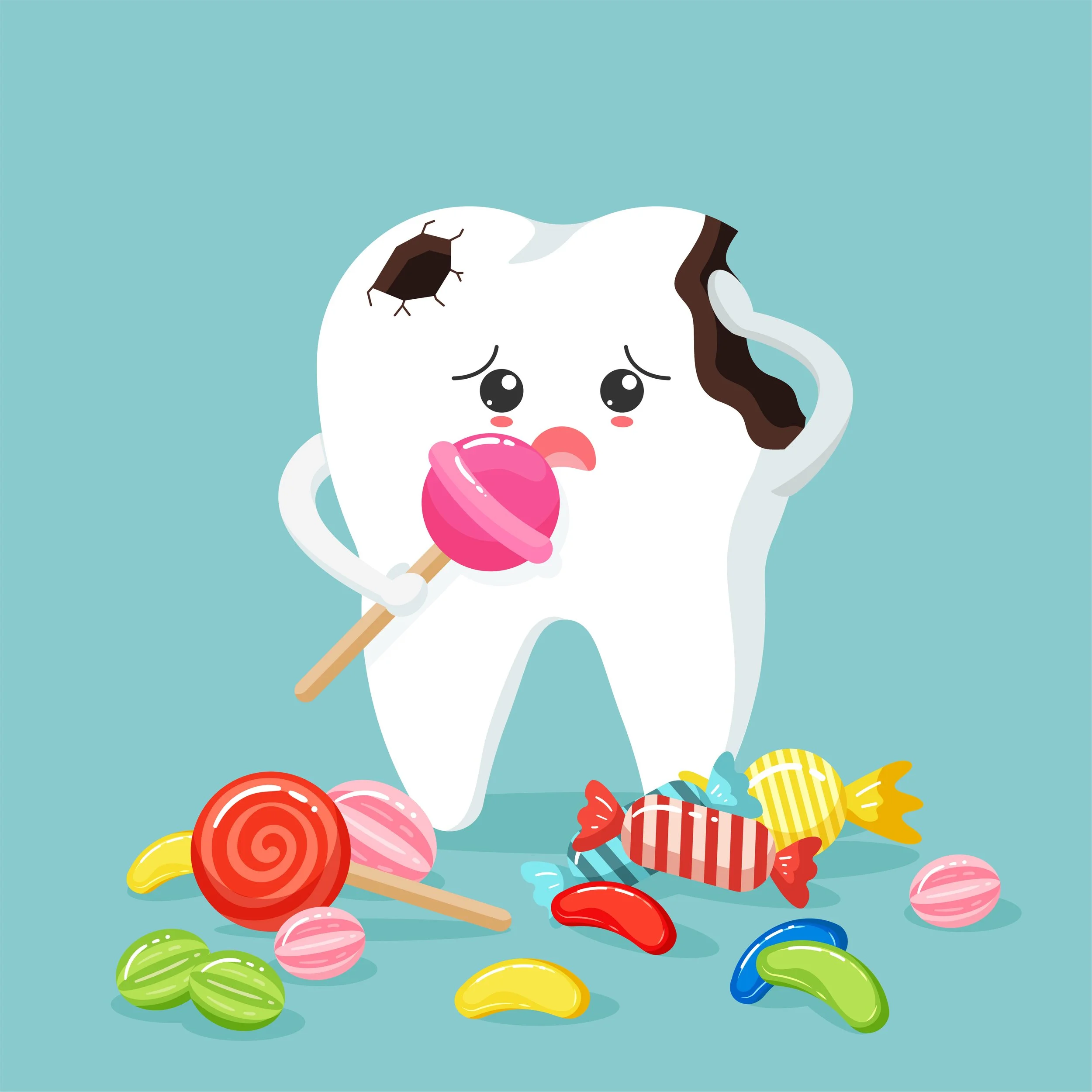
Early tooth decay can be painless, so parents should watch for changes but not attempt to diagnose cavities on their own. Regular dental checkups catch oral diseases early. Any concern warrants evaluation by a dental professional.
White or Chalky Areas
Early demineralization may appear as white, chalky areas on enamel, especially along the gumline. These early changes can sometimes be reversed with professional care, fluoride, and improved oral hygiene. White spots can have other causes, so professional assessment is important.
Brown or Dark Areas
More advanced decay may show as brown or dark areas on tooth surfaces. Stains and developmental defects can also cause discoloration. Any new or changing dark areas on children's teeth warrant a dental visit.
Visible Holes or Cavities
When dental cavities progress, visible pits or holes appear. By this stage, professional treatment is needed. Early treatment can prevent serious pain and infections, including tooth loss.
Tooth Sensitivity
Tooth sensitivity, discomfort when encountering cold foods, sweets, or hot items, can signal enamel loss related to tooth decay or erosion. Sensitivity has multiple possible causes, so a dentist should evaluate ongoing symptoms.
Tooth Pain
Pain when chewing or spontaneously at night can indicate deeper decay, possibly involving the tooth's nerve. Severe pain may signal infection and requires prompt care. Absence of pain does not guarantee teeth are cavity-free, as many lesions are painless early on.
Changes in Eating or Chewing
Young children may not say "my tooth hurts" but instead chew on one side, avoid certain foods, or refuse harder textures. A sudden preference for very soft foods may signal dental discomfort causing pain during meals. Schedule a dental visit if eating behavior changes persist.
Common Myths About Sugar and Children's Teeth

Misunderstandings about sugar and teeth can make prevention harder. Each myth below is followed by a clear correction.
"Only Candy Causes Cavities"
Many sugars containing foods and fermentable carbohydrates, including crackers, bread, cereals, and sweetened drinks, contribute to dental caries development. Candy is one important source, but overall patterns of eating and drinking matter more than any single food category.
"Natural Sugar Cannot Cause Tooth Decay"
Oral bacteria metabolize sugars regardless of origin. While whole foods with natural sugars provide nutrients and fiber, they can still contribute to acid production if consumed very frequently. "Natural" does not automatically mean harmless to teeth, but context and frequency are key.
"Sugar-Free Means a Food Cannot Affect Teeth"
Some sugar free products may contain fermentable carbohydrates or acids. "Sugar-free" on a label means no free sugars, but the product could still be acidic. Certain sugar-free products like xylitol gum may offer benefits, but they do not replace brushing and dietary advice.
"If Children Brush Their Teeth, They Can Eat Sugar All Day"
Brushing and fluoride are crucial, but they cannot offset very frequent sugar exposure. Every sugar exposure still creates an acid challenge, and brushing only twice a day cannot cover every episode. The best protection combines good oral hygiene with reduced frequency of sugary foods and drinks.
"Fruit Is Bad for Children's Teeth Because It Contains Sugar"
Whole fruits contain natural sugars alongside fiber, water, and nutrients. They should not be equated with candy or sugary beverages. Serving whole fruits as part of meals, without added sugars, is consistent with good oral health.
"Baby Teeth Do Not Need Protection From Sugar"
Baby teeth develop cavities soon after eruption, and untreated dental caries can cause pain, infection, and difficulty eating and speaking. Caring for baby teeth through limited sugar exposure, brushing with fluoride, and regular checkups sets the foundation for healthy permanent teeth.
"One Piece of Candy Causes a Cavity"
A single sugar exposure is unlikely to cause a cavity. Dental caries develops over time through repeated interactions among bacteria, diet, enamel, saliva, fluoride, and time. Occasional sweets are manageable when daily patterns support oral health.
Practical Ways to Protect Children's Teeth From Tooth Decay
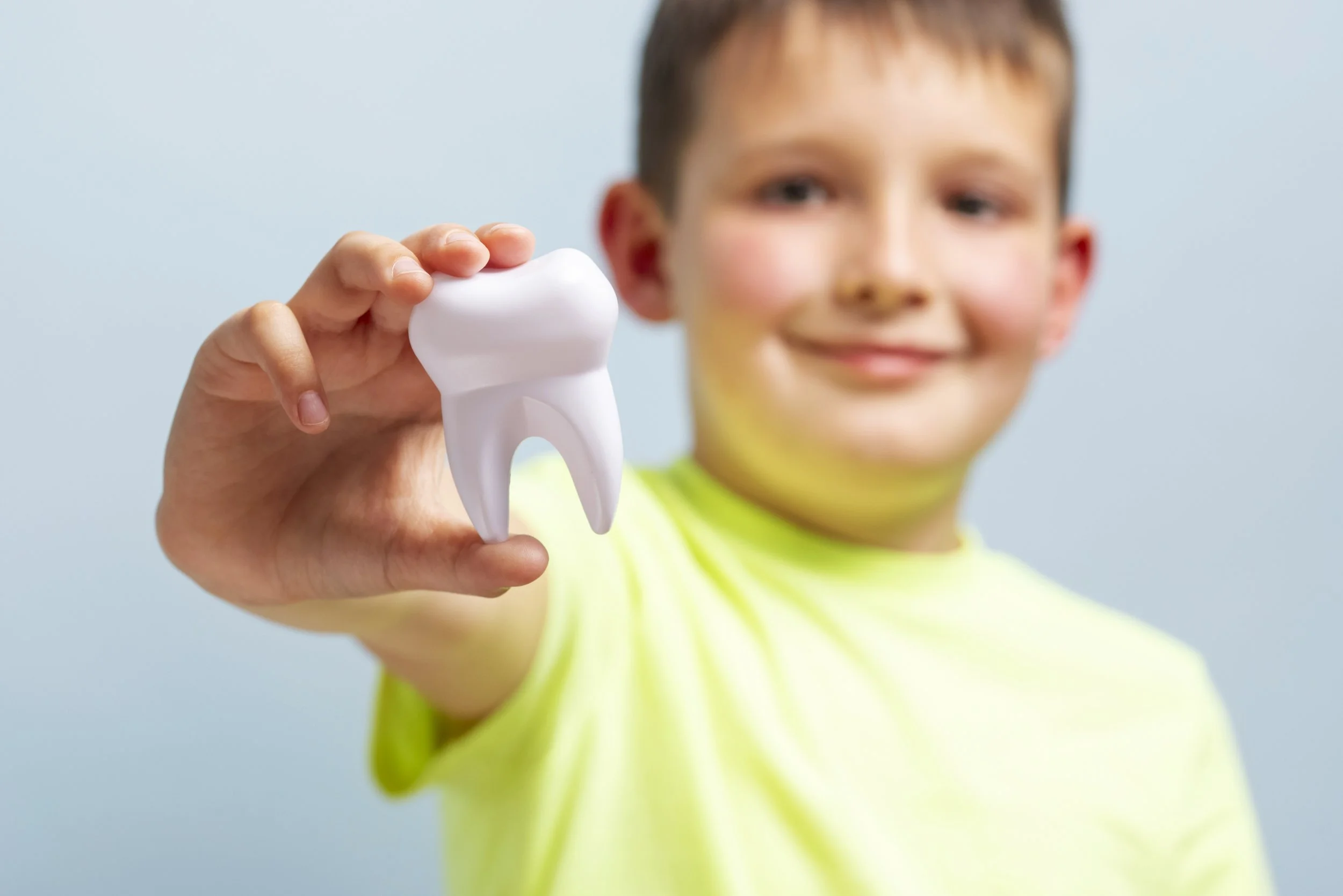
No single step prevents every cavity. The strongest protection comes from combining healthy eating patterns, limited sugar exposure, fluoride, effective plaque removal, and dental care.
Brush Twice Daily With Fluoride Toothpaste
Morning and bedtime brushing with age-appropriate fluoride toothpaste is the foundation. Parents should supervise younger children and make brushing a predictable part of family routines.
Clean Between Teeth When They Touch
Start flossing or using interdental cleaners as soon as teeth contact each other. Help younger children and gradually teach older children to do it themselves.
Limit Frequent Sugar Exposure
Reduce the number of separate sugary snacks and drinks throughout the day. Group sweets with meals and minimize unplanned between-meal candy.
Reduce Prolonged Sipping
Avoid all-day sipping of sugary beverages. Serve them in small portions during meals and replace between-meal sipping with water.
Choose Water Routinely
Plain water is the best everyday drink for children across all age groups. Where available, fluoridated tap water adds an extra layer of protection.
Keep Meals and Snacks Structured
A loose schedule for meals and snacks avoids constant grazing. Plan tooth-friendly options like fresh fruit, cheese, and vegetables alongside occasional sweets.
Pay Attention to Hidden Added Sugars
Check labels on cereals, yogurts, snack bars, and drinks. Gradually swap some high-sugar items for lower-sugar alternatives the family enjoys.
Protect Newly Erupted Permanent Teeth
Pay special attention to brushing new permanent molars. Discuss dental sealants with the dentist for cavity-prone back teeth.
Help Children Build Healthy Habits as They Grow
Involve children and teens in snack, drink, and brushing decisions so habits become self-driven. Model good habits as adults. Positive reinforcement works better than punishment.
Frequently Asked Questions

How does sugar cause cavities in children?
Plaque bacteria use sugars from foods and drinks, producing acids that lower pH around the teeth and remove minerals from enamel. Over time, repeated acid attacks can weaken enamel enough that a cavity forms. Sugar does not dissolve teeth directly; it fuels the bacteria that create an acidic environment. Good oral hygiene, fluoride, and fewer frequent sugar exposures interrupt this process.
How much sugar is too much for children's teeth?
No single number guarantees cavity-free teeth. The WHO recommends free sugars intake at or below 10% of total energy intake, with further benefits seen below 5%. Parents should focus on patterns (fewer sugary drinks, less constant snacking) rather than counting every gram.
Is eating sugar every day bad for children's teeth?
Many children eat some sugar daily. The issue is how often and in what form. Daily sugar within meals, combined with brushing and fluoride, is less risky than sugary snacks and drinks spread across the entire day.
Is the amount of sugar or frequency of sugar more important for cavities?
Both matter. A cohort of studies and a recent systematic review found that frequency of sugars consumed is often more consistently tied to caries severity. A high daily sugar intake is harmful even if eaten infrequently, and many small exposures also add up. Working on both moderate amounts and reduced frequency provides the best protection.
Is fruit sugar bad for children's teeth?
Sugar in whole fruit can be metabolized by bacteria, but whole fruits also provide fiber and nutrients and stimulate saliva through chewing. Whole fruit eaten as part of meals is generally compatible with good oral health. Be more cautious with dried fruits and fruit juices, which concentrate sugars.
Is fruit juice bad for children's teeth?
100% fruit juice contains natural sugars and is acidic, contributing to both dental caries and erosion when consumed frequently. Limit juice to small portions with meals and avoid all-day sipping. Choose whole fruit and water more often.
Are sugar-free foods safe for teeth?
Sugar-free products lack free sugars but may contain other carbohydrates or acids. Sugar free gum with xylitol may stimulate saliva and discourage certain bacteria. Even with sugar-free foods, regular brushing, flossing, and fluoride use remain essential.
What drinks are best for children's teeth?
Plain water is the best everyday drink. Milk without added sugars is also a tooth-friendly choice with meals. Limit soda, fruit drinks, juice, sports drinks, and sweetened teas, and avoid constant sipping.
Can baby teeth get cavities from sugar?
Baby teeth can develop cavities shortly after they erupt. Early childhood caries is common and can cause pain, infection, and difficulties eating. Start oral care with the first tooth using a tiny amount of fluoride toothpaste and limit sugary bottles and snacks.
Does brushing remove the effects of eating sugar?
Brushing removes plaque and reduces bacteria available to turn sugar into acids. It does not erase the impact of very frequent sugar exposure, since multiple acid attacks occur between brushings. Combining consistent brushing with limited sugar frequency provides the strongest protection.
Should children brush immediately after eating sweets?
Brushing twice daily is usually sufficient. After very acidic foods or drinks, waiting briefly before brushing can be gentler on temporarily softened enamel. A strong daily routine, especially brushing before bed, matters more than brushing after every snack.
How can parents reduce sugar without eliminating treats completely?
Start with small changes: swap one daily sugary drink for water, keep sweets with meals, and avoid constant grazing. Read labels to spot high-sugar products and gradually choose lower-sugar alternatives. Balance and long-term patterns matter more than strict bans, according to current dietary advice from health organizations including the World Health Assembly and the Scientific Advisory Committee on nutrition.
Conclusion
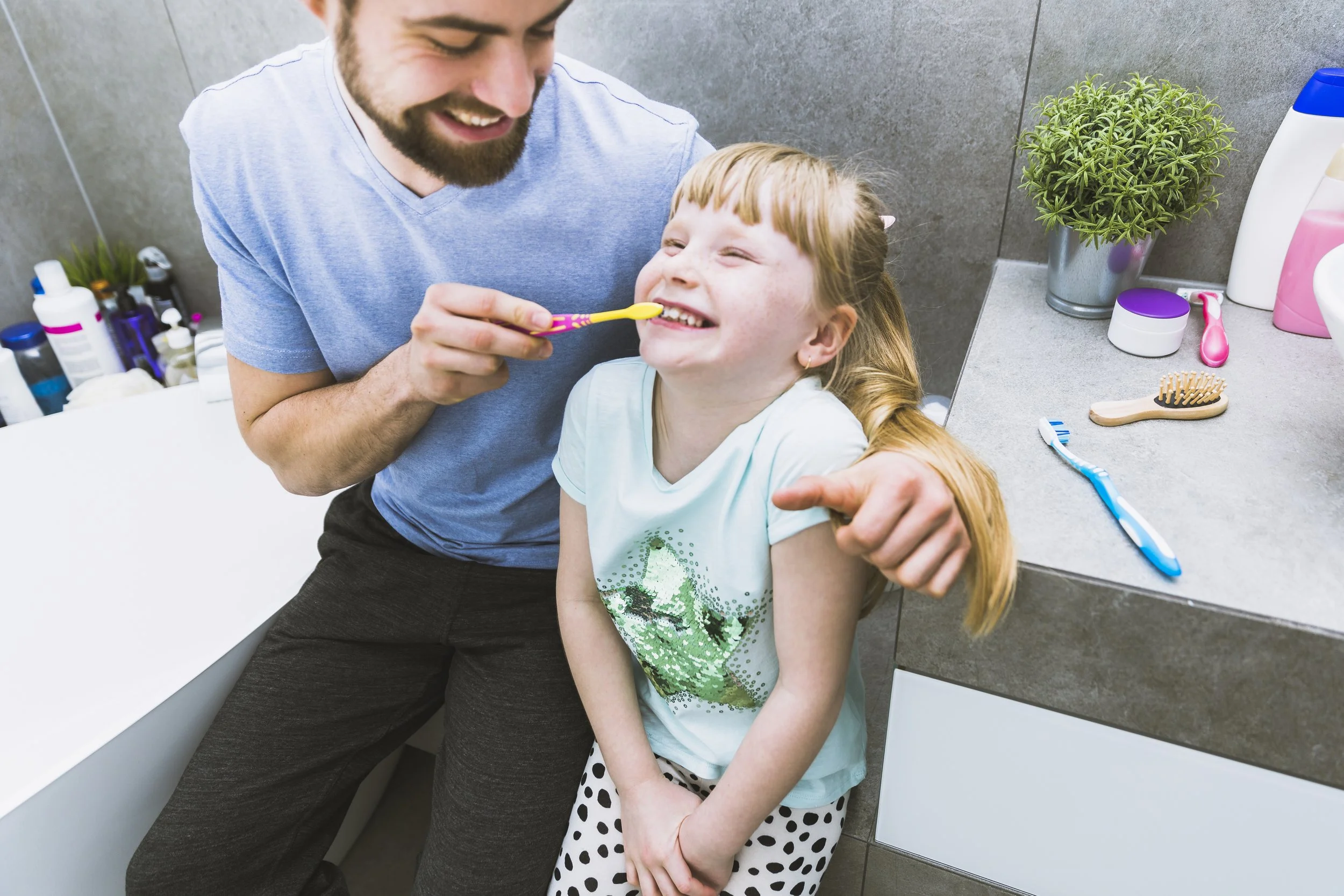
Sugar interacts with oral bacteria in dental plaque to produce acids that remove minerals from tooth enamel. Over time, repeated acid attacks can lead to dental caries in both baby teeth and permanent teeth. The risk depends on patterns of sugar exposure, the types of foods and drinks consumed, saliva, fluoride, and daily oral hygiene.
Families do not need to eliminate every sweet food. Reducing unnecessary and frequent sugar exposure, choosing water as the routine beverage, brushing twice daily with fluoride toothpaste, and cleaning between teeth form a practical, sustainable approach. A 2024 health report from the CDC confirmed that socioeconomic status influences access to dental care and fluoride resources, making community-level interventions and individual habit changes equally important.
Protecting children's teeth is less about creating a sugar free childhood and more about building habits that limit repeated acid exposure and support healthy enamel. Small, consistent changes, started at any point in a child's life course, add up to a meaningful reduction in cavity risk.