The Effects of Plaque and Tartar on Your Teeth and Gums
Key Takeaways
Plaque is a sticky film of bacteria that forms on teeth every day from bacteria, saliva, and food particles.
Tartar develops when plaque hardens - a process that can begin in as little as 24 to 72 hours - and becomes much more difficult to remove.
Plaque and tartar can contribute to tooth decay, gum inflammation, gingivitis, periodontal disease, and tooth loss if not managed.
Consistent oral hygiene habits - including brushing twice a day with fluoride toothpaste, cleaning between teeth daily, limiting sugary foods, and staying hydrated - help reduce plaque buildup and help to prevent tartar.
Tartar removal generally requires a professional dental cleaning, as hardened deposits cannot be brushed or flossed away at home.
Early detection of warning signs such as bleeding gums, bad breath, visible deposits, or gum changes supports timely care and better outcomes.
























Dental plaque and dental tartar are among the most common causes of tooth decay and gum disease. Plaque is a soft, sticky film of bacteria that coats teeth and gums throughout the day, while tartar - also called dental calculus - is hardened plaque that bonds firmly to tooth surfaces and can only be removed by a dental professional.
What many people do not realize is how quickly this process can happen. Plaque hardens into tartar within 24 to 72 hours if plaque is not removed through regular brushing and flossing. Once tartar forms, it creates a rough surface that traps even more plaque, setting the stage for a cycle of buildup that affects the entire mouth.
Over time, plaque buildup and hardened plaque can contribute to cavities, gingivitis, periodontal disease, tooth loss, bad breath, and cosmetic concerns like yellow or black tartar on teeth. Research suggests that 68% of adults have dental tartar, making this an extremely common oral health concern.
Plaque and tartar form on everyone's teeth over time, but consistent daily brushing, flossing, and regular dental cleaning visits help control them. This article covers what plaque and tartar are, how they form, how they affect teeth and gums, warning signs to watch for, prevention strategies, professional removal methods, common myths, and frequently asked questions.
What Are Plaque and Tartar?

Understanding the difference between plaque and tartar is the foundation for protecting your teeth and gums. Plaque is a soft, nearly colorless biofilm that constantly forms on teeth and along the gum line, while tartar is hardened, mineralized plaque that feels rough and is usually yellow, brown, or even black.
Plaque can be removed at home with brushing and flossing, but tartar bonds firmly to tooth enamel and root surfaces and generally requires professional instruments for safe tartar removal.
Understanding Dental Plaque
Dental plaque is a thin sticky film made of bacteria, saliva proteins, and food particles that coats tooth surfaces and can extend below the gum line. It is part of the oral microbiome and forms as a natural biological process in the oral cavity.
Plaque develops daily from food and saliva. It starts forming again within hours after brushing, so it is present every day even in people with excellent oral hygiene. Oral bacteria in plaque feed on sugars and starches, releasing acids that can weaken tooth enamel and contribute to tooth decay.
Early tooth plaque may be hard to see but often feels like a fuzzy or filmy layer on teeth, especially near the gum line and between teeth where food debris tends to collect.
Understanding Tartar (Dental Calculus)
Dental tartar, or dental calculus, is plaque that has absorbed minerals from saliva and hardened on the surfaces of teeth. This hardened dental plaque is largely composed of calcium phosphate crystals embedded in an organic matrix of dead bacteria and polysaccharides.
Mineralization can begin within 24 to 72 hours on areas where plaque is not regularly brushed and flossed away, gradually forming a crusty deposit. Tartar can form above the gum line (supragingival calculus) and below the gum line (subgingival calculus), with subgingival deposits especially linked to gum disease.
Typical tartar colors range from yellow or tan near the gum line to brown in heavy stain areas. Black tartar can appear when pigments and blood products accumulate, often along the inner lower front teeth or back molars. Because hardened plaque has a rough, porous surface, it traps more plaque and stains, making oral hygiene more difficult.
Plaque vs. Tartar
The key contrasts between plaque and tartar come down to texture, color, removability, and location. Plaque is soft and sticky, while tartar is hard and crusty. Plaque is usually colorless, while tartar absorbs pigments over time.
Plaque is reversible each day with brushing, flossing, and good oral hygiene, whereas tartar requires professional scaling once it has formed. Think of plaque as wet cement and tartar as fully hardened concrete.
Both plaque and tartar harbor bacteria, but tartar's rough surface creates a long-term reservoir for plaque, increasing the risk of gum inflammation and bone loss.
How Plaque Forms on Teeth
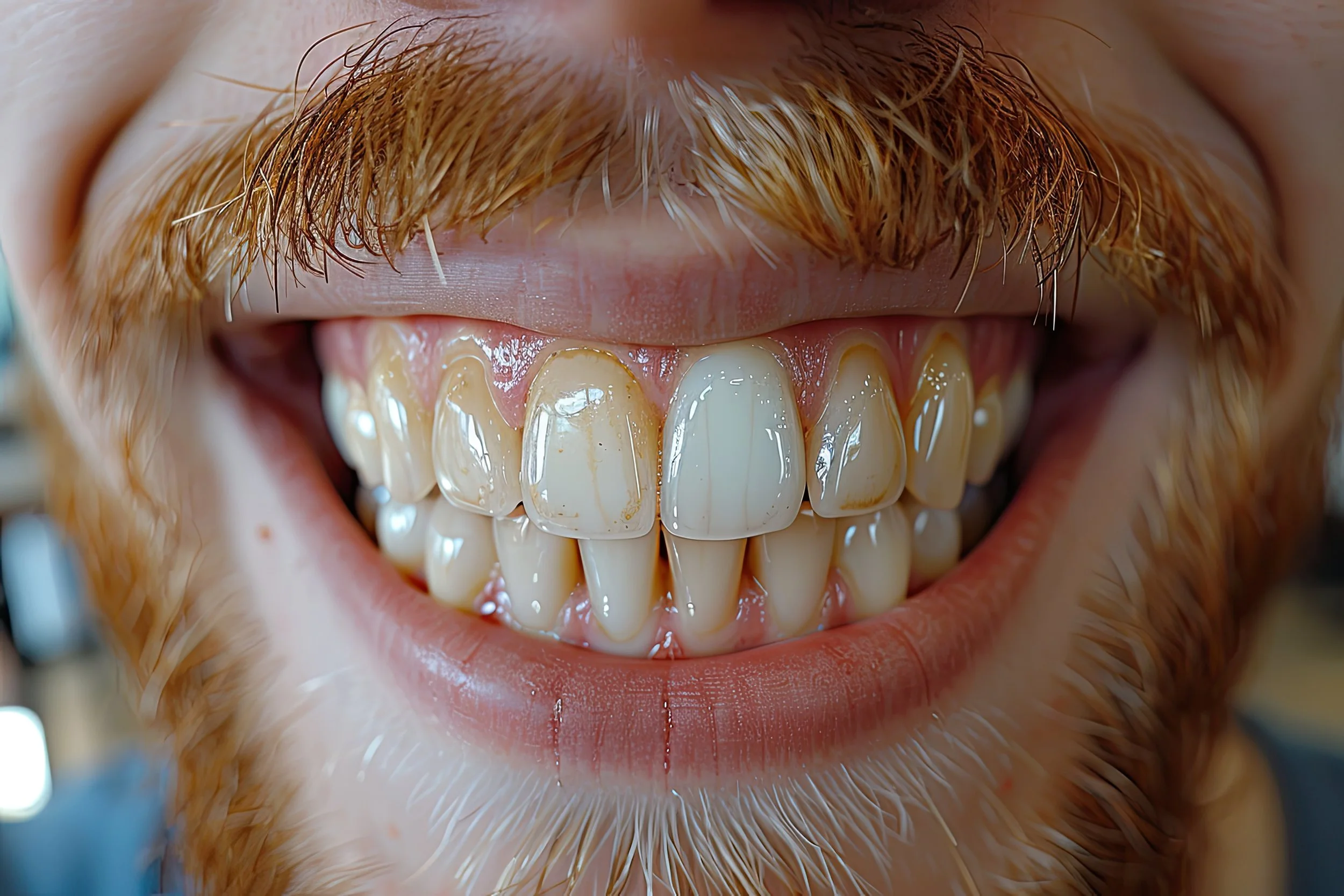
Plaque formation is a normal biological process that starts soon after teeth are cleaned. It happens in stages: a protein film forms on the tooth surface, bacteria attach, a biofilm grows, and accumulation occurs over time. Diet, saliva flow, dry mouth, and daily habits all affect how quickly plaque builds up and how harmful it becomes.
Oral Bacteria and Food Particles
Within minutes of cleaning, a thin protein coating from saliva called the pellicle forms on clean teeth. Oral bacteria attach to this pellicle, multiply, and mix with microscopic food debris and food particles to create early dental plaque.
Hundreds of bacterial species can live in the oral cavity, some relatively harmless and others more strongly linked to cavities and gum disease. Areas where food tends to linger - between teeth, along the gum line, and in deep grooves - see more plaque formation.
Sugar and Acid Production
When sugary foods, starchy foods like potato chips, or sweetened drinks are consumed, plaque bacteria break these carbohydrates down and release acids. Sugary and starchy foods contribute to plaque formation by fueling this acid production. These acids temporarily lower the pH in the mouth, dissolving small amounts of minerals from tooth enamel and starting the decay process.
Frequent snacking or sipping sweetened drinks extends the time teeth are exposed to small, repeated acid attacks on enamel. Saliva and fluoride toothpaste help remineralize enamel between these attacks, but heavy or frequent sugar intake can overwhelm these natural defenses.
Plaque Accumulation Over Time
Plaque thickens and matures if it is not removed completely each day. Within about 12 to 24 hours, visible plaque deposits can appear near the gum line, especially on lower front teeth and molars.
As plaque remains undisturbed for days, it can extend under the gums and shift toward anaerobic bacteria more strongly associated with gum disease. Long-standing plaque on certain sites begins to calcify, becoming the foundation for tartar if a person does not remove plaque regularly.
Daily Habits That Contribute to Plaque Buildup
Infrequent or rushed brushing, skipping flossing, and not cleaning along the gum line allow plaque to stay in place and thicken. A high-sugar or highly processed diet, frequent snacking, and sipping sweetened drinks over long periods also contribute. Even people who brush twice daily may still have plaque buildup in hard-to-reach spaces if they do not clean between teeth. Misaligned or crowded teeth create hard-to-reach areas for cleaning, compounding the problem.
Dry mouth from certain medications or conditions accelerates plaque and tartar buildup because reduced saliva means less natural buffering and cleansing. Smoking and tobacco use - including those who chew tobacco - alter saliva and bacterial balance, creating other factors that promote buildup.
How Tartar Develops

Tartar is the next stage after plaque when minerals in saliva harden the plaque layer. Tartar forms often along the lower front teeth and upper molars near major salivary gland openings, but it can eventually appear anywhere plaque persists. Once tartar forms, it makes plaque removal more difficult and increases the likelihood of oral health problems.
When Plaque Is Not Removed
Plaque left on tooth surfaces for more than a day or two begins to absorb calcium and phosphate from saliva. This process starts microscopically, with tiny mineral crystals forming inside and around the plaque biofilm. Areas that are consistently missed while brushing and flossing are especially prone to early tartar deposits.
Mineralization of Plaque
Mineralization is a gradual process where soft plaque turns into a hard, rock-like deposit tightly attached to enamel and root surfaces. The hardened material is largely composed of calcium phosphate crystals with embedded bacteria and organic matrix.
Tartar can build up in layers over time, creating thicker deposits if not removed periodically during professional dental cleaning. Supragingival tartar is often easier to see and feel, while subgingival tartar may be hidden below the gum line but has a greater impact on gum health.
Common Areas for Tartar Buildup
Frequent sites for tartar buildup include the tongue-side of lower front teeth, the cheek-side of upper back molars, and crowded or overlapped teeth where cleaning is difficult. Fillings, crowns, and other restorations with rough edges can also trap plaque and encourage tartar formation. Tartar can also form on root surfaces exposed by gum recession.
Why Tartar Cannot Be Removed by Brushing Alone
Once plaque has mineralized, it forms a hard crust that normal toothbrush bristles and floss cannot detach. Tartar breaking free requires professional instruments. Attempting to scrape tartar off at home with sharp objects can damage enamel and injure gums.
Tartar can only be removed by a dental professional using special instruments such as hand scalers and ultrasonic tips designed to break tartar's bond to tooth surfaces safely. Daily home care focuses on plaque removal and plaque prevention, while tartar removal is part of routine professional dental cleaning.
The Effects of Plaque on Your Teeth
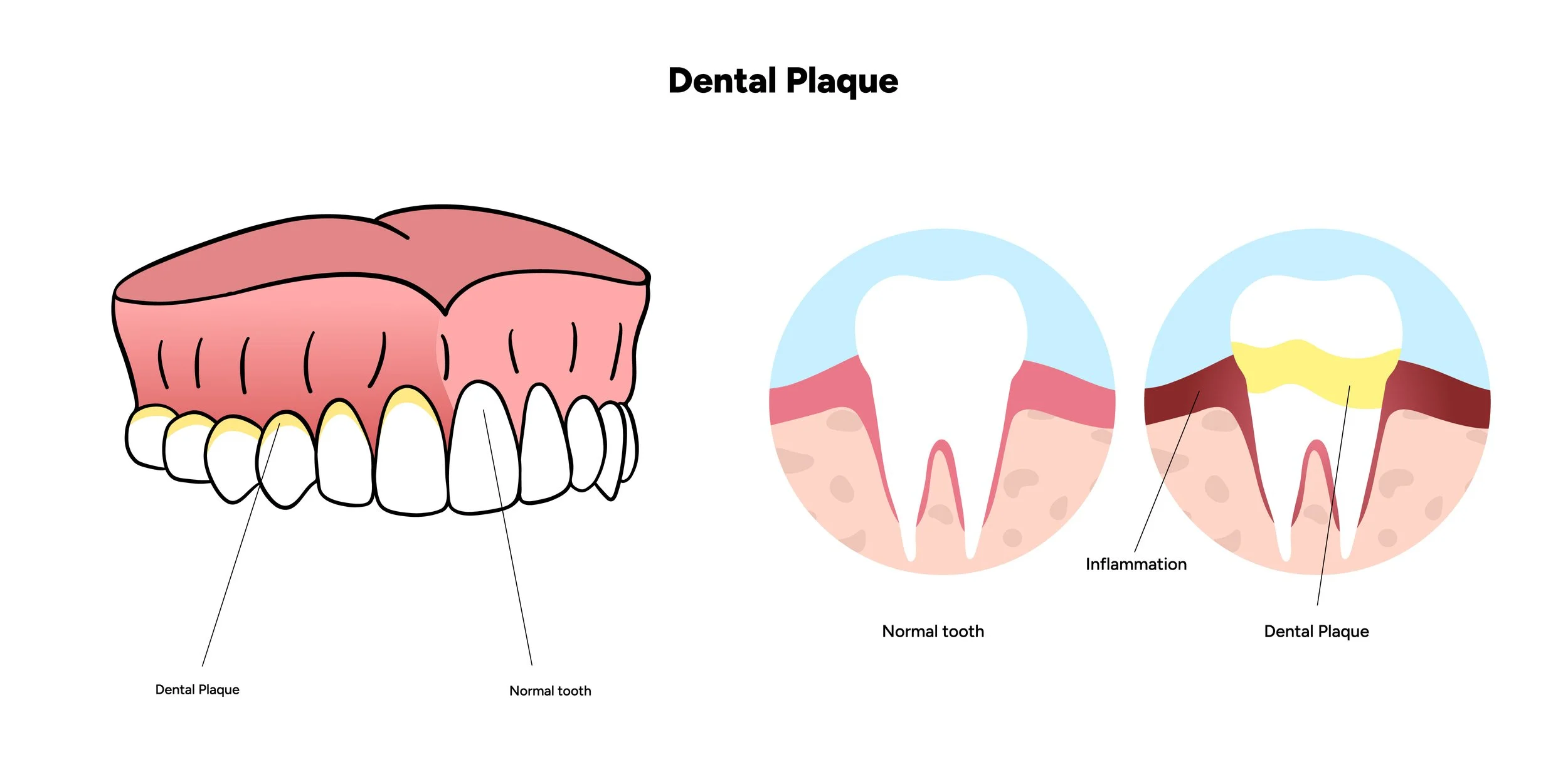
Plaque is the main driver of many common tooth problems. Its effects are gradual and often start silently, which is why consistent oral hygiene is important even when teeth do not hurt.
Tooth Decay and Cavities
Plaque bacteria produce acids that attack tooth enamel, creating decay. Early decay may appear as white or chalky areas, then turn brown as minerals are lost, and eventually form holes that trap food and bacteria. Plaque accumulation in deep grooves, between teeth, and near the gum line is especially linked to cavity formation. Untreated cavities can extend into deeper tooth layers, potentially leading to pain and infection.
Enamel Damage
Tooth enamel is the hard, protective outer layer that shields inner structures from temperature changes and mechanical wear. Repeated acid attacks from plaque gradually thin and soften enamel, making cavities and chips more likely. Once enamel is lost, the body cannot regrow it, so preventing plaque-related enamel erosion is an important long-term goal.
Tooth Sensitivity
As enamel thins or gum recession exposes root surfaces, heat, cold, or sweet foods can reach nerve-rich areas more easily. Common triggers include cold water, ice cream, or breathing cold air. Persistent sensitivity should be discussed with an oral health professional.
Bad Breath
Bad breath, or halitosis, is one of the most common consequences of plaque. Bacteria in plaque release sulfur-containing compounds and an unpleasant odor as they break down food particles and proteins. Tartar can also lead to bad breath due to bacteria harbored on its rough surface. Regular plaque removal through daily brushing, including the tongue, and flossing can help reduce breath odor over time.
Early Signs of Oral Health Problems
Typical early indicators that plaque is affecting teeth include a fuzzy feeling on teeth soon after brushing, visible film at the gum line, frequent food trapping, or new areas of discoloration. These early signs are often painless, reinforcing the importance of daily plaque control even when no obvious problems are present.
The Effects of Plaque on Your Gums
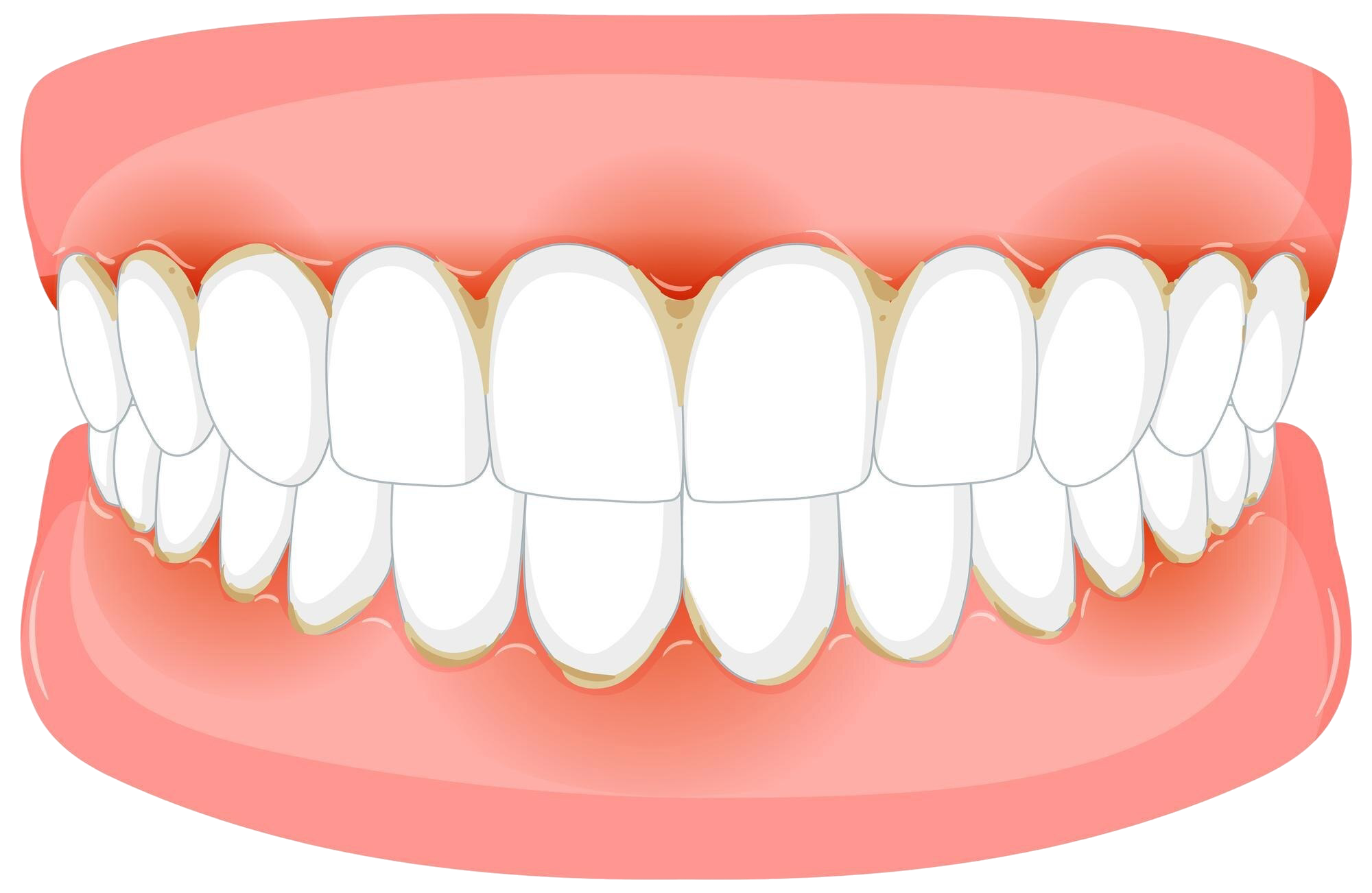
Plaque along and under the gum line is a primary trigger for gum irritation and gum disease. Plaque buildup irritates the gums, causing inflammation and bleeding. These changes can be reversible in early stages but may progress if plaque remains in place.
Gum Irritation
Plaque at the gum margin can cause the edges of the gums to look slightly redder or more irritated than usual. This irritation often occurs first in spots where plaque tends to accumulate, such as between teeth or around crowded areas.
Gum Inflammation
Inflammation is the body's natural response to irritants and bacteria, resulting in redness, puffiness, and increased blood flow to the gums. When plaque remains along the gum line, the immune system responds continuously, leading to chronically inflamed gum tissue.
Gingivitis
Gingivitis is the earliest stage of gum disease, characterized by gum redness, swelling, and bleeding gums without permanent bone loss around teeth. Gingivitis can result from untreated plaque and tartar. It is common and usually reversible with improved plaque control through daily brushing, flossing, and professional plaque removal.
If plaque and tartar are not addressed, gingivitis can progress to more advanced periodontal disease, as described in references like Carranza's Clinical Periodontology.
Bleeding Gums
Gums that bleed when brushing, flossing, or eating harder foods often signal inflammation related to plaque buildup. Occasional light bleeding when starting a new flossing routine can improve as gums become healthier. Persistent or spontaneous bleeding is not considered normal and should prompt attention.
Swollen and Tender Gums
Swollen gums appear puffier or more rounded than usual, sometimes covering more of the tooth surface. Tenderness when brushing or pressing on the gums indicates ongoing inflammation. Treating plaque buildup and tartar, combined with improved home care, can often reduce swelling over time.
The Effects of Tartar on Your Teeth

Tartar contributes to long-term problems on tooth surfaces by providing a rough base where more plaque can accumulate. Bacteria living on and around tartar continue to affect enamel and dentin.
Increased Plaque Retention
Tartar attracts more plaque, creating a cycle that causes gum disease and accelerates further tartar buildup. This self-reinforcing cycle can gradually worsen over months and years, which is why regular removal of tartar during professional dental cleaning matters.
Greater Risk of Cavities
Plaque tends to collect around the edges of tartar deposits, especially near the gum line and between teeth, creating areas that are difficult to clean. Tartar buildup can cause tooth decay and tooth loss when acid-producing bacteria in these sheltered areas promote decay at the margins of tartar.
Tooth Surface Changes
Tartar deposits can make teeth feel rough or uneven, especially along inner lower front teeth and back molars. Removing tartar restores the natural contours of tooth surfaces, making them easier to clean and maintain.
Staining and Discoloration
Tartar is more porous than teeth and easily absorbs stains from food and drinks. Coffee, tea, red wine, and tobacco products can turn tartar deposits yellow, brown, or black. While staining itself is largely cosmetic, it often signals long-standing dental tartar that may contribute to underlying gum problems.
The Effects of Tartar on Your Gums
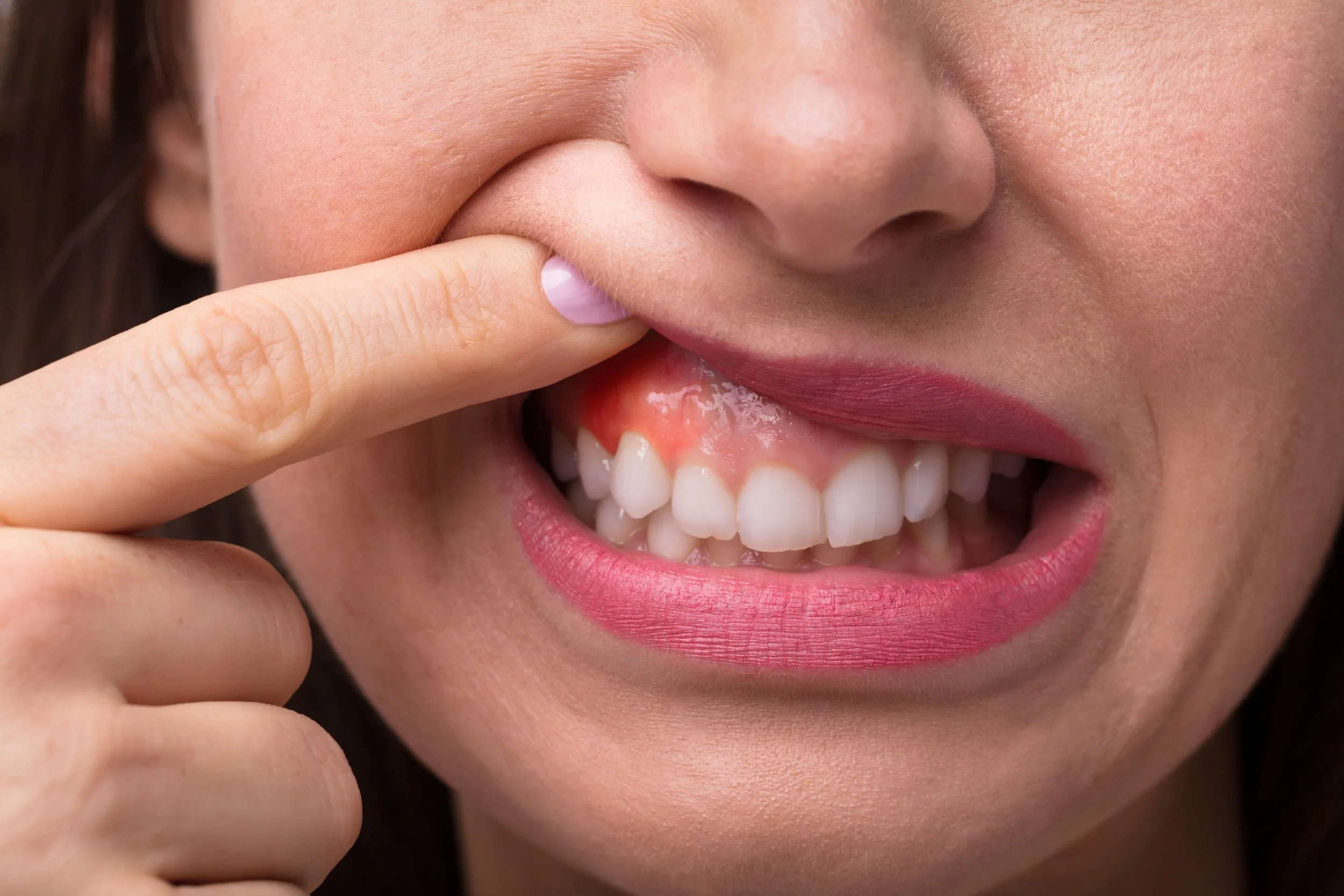
Tartar along and below the gum line is strongly associated with chronic gum inflammation and periodontal disease. Untreated tartar can lead to gum disease that progressively damages supporting tissues.
Chronic Inflammation
Tartar deposits keep plaque and bacteria in close contact with gums, leading to ongoing low-grade inflammation. This can cause gums to stay red, swollen, and tender despite intermittent improvements in daily cleaning.
Gum Recession
Gum recession is the gradual movement of the gum margin away from the crown of the tooth, exposing more root surface. Long-standing tartar and inflammation contribute to tissue breakdown. Recession can lead to root sensitivity, increased risk of root decay, and changes in the appearance of the smile.
Periodontal Disease
Periodontal disease, or periodontitis, is a more advanced stage where inflammation affects the supporting bone and ligaments around teeth. Tartar below the gum line provides a rough surface where disease-associated bacteria thrive, producing toxins that damage tissues.
Signs include deepened gum pockets, receding gums, loose teeth, and persistent bad taste. If left untreated, periodontitis leads to progressive bone loss. Gum disease treatment options can include root planing, periodontal therapy, laser periodontal therapy that uses laser energy to target infected tissue, and in some cases pocket reduction surgery. Data from the National Institute of Dental and Craniofacial Research indicates that more than 42% of U.S. adults aged 30 and older have some form of periodontal disease.
Increased Risk of Tooth Loss
As periodontal disease advances and supporting structures break down, teeth may become mobile or shift position. Severe bone loss can make it difficult for teeth to withstand normal chewing forces, increasing the chance of tooth loss over time.
Warning Signs of Plaque and Tartar Buildup

Recognizing early signs of buildup can encourage more consistent home care and timely professional evaluation.
Yellow or Brown Deposits Near the Gumline
Early tartar often appears as yellowish or tan bands at the base of teeth. As tartar thickens or absorbs stains, deposits may turn darker brown or black. These hard, fixed deposits cannot be removed with a toothbrush.
Bleeding During Brushing or Flossing
Gums that bleed easily when brushing or flossing are often a sign of plaque-related inflammation or gingivitis. Bleeding in specific areas may indicate localized tartar buildup in those spots.
Persistent Bad Breath
Ongoing bad breath, even after brushing, may be related to plaque and tartar harboring odor-producing bacteria. A sour or metallic taste can sometimes accompany these changes, signaling oral health issues that should be evaluated.
Red or Swollen Gums
Healthy gums usually appear firm and pink. Plaque-related inflammation can make them look red, darker, or puffy, especially between teeth. These changes often occur alongside other signs like bleeding or tenderness.
Tooth Sensitivity
Increasing sensitivity, especially near the gum line, can signal enamel wear, root exposure, or gum recession associated with plaque and tartar. Tracking when and where sensitivity occurs can be helpful.
Plaque, Tartar, and Gum Disease

Plaque and tartar are central to the development and progression of gum disease. The general pathway follows plaque accumulation to gingivitis to tartar buildup to advanced periodontal disease when not managed.
Understanding Gingivitis
Gingivitis is gum inflammation triggered primarily by plaque along the gum line. Tartar can make gingivitis more persistent by keeping plaque and bacteria in constant contact with the gums. Gingivitis does not involve permanent bone loss and is usually reversible with improved oral hygiene and professional removal of plaque and tartar deposits.
Progression to Periodontal Disease
Untreated gingivitis may progress to periodontitis as plaque and tartar extend deeper under the gums, forming pockets that are harder to clean. Disease-associated bacteria and inflammation can damage connective tissues and bone. Treatment typically focuses on thorough plaque removal and tartar removal from below the gum line, along with ongoing home care.
Long-Term Consequences
Advanced periodontal disease can lead to tooth mobility, tooth loss, and changes in bite function. Research has explored potential links between chronic gum inflammation and systemic diseases, including cardiovascular disease and poor glycemic control in diabetes. As noted by the Cleveland Clinic and other health authorities, good oral hygiene contributes to general well-being and may reduce the risk of other oral health issues and systemic complications.
Why Early Prevention Matters
Plaque is easier to control before it hardens, and gingivitis is simpler to reverse than more advanced periodontal disease. Daily plaque prevention and regular monitoring can limit tartar buildup and help keep gum tissues healthy. Intervening early often means less discomfort, fewer appointments, and more predictable outcomes.
Plaque, Tartar, and Overall Oral Health

Plaque and tartar affect not only individual teeth or gums but also overall oral comfort, function, and appearance. Managing these deposits supports comfortable chewing, clear speech, and healthy teeth and gums.
Effects on Daily Oral Function
Plaque and tartar can contribute to discomfort when biting or chewing, sensitivity to temperature, and difficulty cleaning certain areas. Rough tartar deposits can irritate cheeks and tongue or trap food, making eating less comfortable.
Impact on Long-Term Dental Health
Unmanaged plaque and tartar can lead to progressive oral health problems such as cavities, gum disease, bone loss, and tooth loss over the years. Preserving natural teeth often depends on protecting them from repeated plaque-related damage. Long-term oral health also influences the need for future restorative work.
The Importance of Healthy Gums
Gums and the underlying bone are the foundation supporting each tooth. Healthy gums are typically firm, pink, and non-tender, fitting snugly around teeth without bleeding when cleaned. Keeping gums healthy helps maintain tooth stability and contributes to a comfortable, functional bite.
How to Prevent Plaque and Tartar Buildup

Prevention relies on a combination of mechanical cleaning, dietary choices, hydration, and consistent routines. While plaque prevention happens at home, periodic professional dental cleaning plays an important supporting role. Brush and floss daily to prevent plaque buildup, and visit a dentist regularly to help prevent tartar from accumulating.
Brush Twice Daily
Daily brushing at least twice a day, especially in the morning and before bed, disrupts plaque that forms between meals and overnight. Brush for about two minutes each time, paying attention to the gum line, the backs of teeth, and chewing surfaces. A soft bristled toothbrush is generally preferred to avoid unnecessary wear on enamel and gums. An electric toothbrush can be more effective at reducing plaque than a manual one. Replace toothbrushes regularly when bristles become frayed. The American Dental Association recommends replacing them approximately every three to four months.
Clean Between Teeth Daily
Flossing or using other interdental cleaners helps remove plaque and food particles from areas a toothbrush cannot reach. Gently slide floss between teeth, curve it around each tooth, and move it up and down under the gum line. Cleaning between teeth once a day is typically recommended to help prevent plaque buildup.
Maintain Regular Dental Check-Ups
Regular dental check-ups are essential for maintaining oral health. Routine dental cleanings help remove tartar deposits and detect early signs of plaque-related problems. Regular dental cleanings are recommended every six months, though some individuals may need a more frequent cleaning schedule. Dental hygienists use special tools to remove tartar buildup during these visits as part of general dentistry care.
Limit Sugary Foods and Drinks
Sugary foods and drinks high in added sugars fuel acid-producing plaque bacteria. Limiting frequent snacking on sweets and sipping sweetened beverages over long periods reduces acid exposure. Choosing water or unsweetened drinks between meals and maintaining a healthy diet can help protect teeth regularly.
Stay Hydrated
Adequate fluid intake supports saliva production, which helps wash away food particles and neutralize acids from plaque. Dry mouth accelerates plaque and tartar buildup. Sipping water throughout the day, especially after eating, helps rinse the mouth and supports natural cleansing.
Use Fluoride Products
Using fluoride toothpaste strengthens teeth against decay by promoting remineralization of areas affected by plaque acids. Brushing with fluoride toothpaste twice daily is a simple way to add protection. Fluoride does not replace plaque removal but works together with good brushing and flossing habits.
Maintain Consistent Oral Hygiene Habits
Consistency over months and years is more important than occasional periods of intense effort. Building a daily routine that includes brushing, cleaning between teeth, and using mouthwash - which can help reduce tartar buildup - makes plaque prevention part of everyday life. To practice good oral hygiene, aim for small, repeatable steps like brushing at the same times each day.
How Plaque and Tartar Are Removed

Plaque removal is a daily home-care task, while tartar removal is typically performed during professional dental cleaning. Combining effective home care with periodic professional care offers the best approach.
Daily Home Care
Brushing twice daily and cleaning between teeth once a day are the main tools for removing soft plaque. Brush all surfaces of the teeth, including the tongue-side and chewing surfaces. These daily efforts limit plaque's ability to thicken, mature, and harden into tartar on teeth. To remove plaque regularly, clean teeth regularly using proper technique and reaching all surfaces.
Professional Dental Cleanings
During a professional cleaning, a dentist or dental hygienist examines the teeth and gums, then uses hand instruments and ultrasonic scalers - special instruments designed for the task - to remove tartar and attached plaque. Tartar removal above and below the gum line is called scaling, and smoothing tooth roots through root planing may be included for people with deeper gum pockets. After tartar is removed, teeth are usually polished. The schedule for professional dental cleaning can vary depending on individual risks.
Why Early Removal Matters
Removing plaque before it hardens and tartar before it accumulates heavily helps prevent more advanced issues like gum disease and tooth loss. Early tartar removal is often more comfortable and less time-consuming. Regular monitoring allows small changes in gum health to be detected promptly.
Maintaining Long-Term Results
The benefits of professional plaque and tartar removal can be extended through diligent daily brushing, flossing, and dietary awareness. Plaque will always reform, so long-term success depends on ongoing habits. Poor oral hygiene after a cleaning can quickly lead to new buildup and renewed risk.
Common Myths About Plaque and Tartar

Misconceptions about plaque and tartar can lead people to underestimate their impact or rely on ineffective strategies. Addressing a few common myths helps clarify what is really happening in the mouth.
"Plaque Is Harmless"
While early plaque may not cause noticeable symptoms, it plays a central role in cavities and gum disease if not removed regularly. Plaque's bacteria and their acidic byproducts directly affect enamel and gum tissues over time. Some antibacterial mouthwashes can help kill bacteria, but they do not replace mechanical plaque removal.
"Tartar Can Be Removed by Brushing Harder"
Brushing more forcefully does not break down tartar and can instead wear away enamel and irritate gums. Tartar is firmly mineralized and requires specialized tools for safe removal. Gentle, thorough brushing with proper technique is more effective for plaque removal than aggressive brushing.
"Only Adults Develop Tartar"
While tartar buildup tends to increase with age, it can also occur in adolescents and younger individuals. Factors like oral hygiene habits, diet, smoking and tobacco use, and individual saliva composition influence tartar formation at any age. Avoiding tobacco products, including those who chew tobacco, reduces the risk of tartar buildup.
"If My Teeth Don't Hurt, Plaque Isn't a Problem"
Many plaque-related issues - including early cavities and gingivitis - may not be painful at first. Waiting for pain can allow conditions to progress to stages that require more complex treatment. Regular plaque control and monitoring support health even when no symptoms are present.
Frequently Asked Questions

The following answers address common questions about plaque, tartar, and their effects on oral health.
What is the difference between plaque and tartar?
Plaque is a soft, sticky film of bacteria and food particles that forms daily on teeth and can be removed with regular brushing and flossing. Tartar, or dental calculus, is plaque that has hardened after absorbing minerals from saliva, forming a rough, crusty deposit firmly attached to teeth. Plaque is usually colorless, while tartar is often yellow, brown, or dark and typically requires professional tools to remove tartar safely. Both can affect oral health, but tartar provides a long-term surface where more plaque can accumulate.
Can tartar be removed at home?
Once plaque has hardened into tartar, it generally cannot be removed safely with normal brushing or flossing at home. Using sharp tools or scraping devices without proper training can damage enamel and injure gums. Home care focuses on plaque removal and tartar prevention, while tartar that has already formed is addressed during professional dental cleaning.
What causes plaque buildup?
Plaque buildup occurs when oral bacteria mix with food particles and saliva, especially after eating sugary or starchy foods. Inconsistent brushing and flossing, frequent snacking, dry mouth, and other factors such as tobacco use can increase plaque accumulation. Plaque forms on everyone's teeth each day, but how much builds up depends largely on daily oral hygiene and diet.
Does tartar cause gum disease?
Tartar itself is a hardened deposit, but it creates a rough surface that harbors plaque bacteria closely against the gums. This persistent plaque and bacterial activity can irritate and inflame gum tissue, contributing to gingivitis and, over time, periodontal disease. Removing tartar and controlling plaque are important steps in preventing and managing gum disease.
How can plaque and tartar be prevented?
Prevention strategies include brushing twice a day with fluoride toothpaste, cleaning between teeth daily, limiting sugary foods and drinks, staying hydrated, and maintaining regular dental check-ups for professional cleaning. Avoiding tobacco products and managing dry mouth can also help reduce plaque buildup and tartar formation. Consistent, everyday habits are the most effective way to prevent plaque and keep tartar under control.
What does tartar look like on teeth?
Tartar appears as hard, fixed deposits on teeth that may look yellow, tan, brown, or black, often starting near the gum line or between teeth. Above the gums, tartar commonly looks like a rough, colored band where the tooth meets the gum. Below the gums, it may be hidden but can darken the gum margin. Tartar usually feels rough or gritty to the tongue and does not come off with normal brushing.
Conclusion

Plaque and tartar are common oral health concerns that can affect both teeth and gums if they are not properly managed. Understanding how plaque forms, how tartar develops, and the role they play in tooth decay and gum disease can help individuals take proactive steps to protect their oral health.
Consistent oral hygiene habits - including brushing, cleaning between teeth, mindful eating, and periodic professional dental cleaning - remain central to controlling plaque and tartar over time. Proactive care and regular monitoring support a comfortable, functional mouth and contribute to long-term oral health.