Tooth Decay: Causes, Prevention, Treatment, and Early Warning Signs
Tooth decay is one of the most common chronic health conditions in the world, affecting children, adults, and older adults alike. It develops when bacteria in your mouth feed on sugars and produce acids that gradually damage tooth enamel, eventually forming holes known as cavities. The good news is that tooth decay is largely preventable. This article covers the tooth decay process from start to finish, including its causes, risk factors, early cavity symptoms, the stages of dental decay, tooth decay treatment options, and practical strategies anyone can use to prevent cavities and protect their oral health.
What Is Tooth Decay?

Tooth decay, also known as dental caries, is permanent damage to the hard surfaces of teeth caused by acids that oral bacteria produce. These acids dissolve minerals in the enamel, creating weak areas that can progress into cavities in teeth over time.
The damage typically starts on the outer enamel layer. If left untreated, it can spread inward through the dentin and eventually reach the pulp, where nerves and blood vessels reside. At that point, the consequences become far more serious, potentially including infection, a tooth abscess, or tooth loss.
The terms "tooth decay," "dental caries," and "cavities" are often used interchangeably. Organizations like the American Dental Association and the World Health Organization recognize tooth decay as one of the most common chronic diseases globally, particularly among school age children and older adults.
Understanding Tooth Decay
Teeth have a layered structure. The outermost layer, enamel, is more than 95 percent mineral by weight and is the hardest substance in the human body. Beneath it lies dentin, a softer tissue containing tiny tubules. At the core is the pulp, housing the tooth's nerve and blood supply.
Despite its hardness, enamel is vulnerable to repeated acid attacks. The tooth decay process is essentially a tug-of-war between demineralization, where acids dissolve minerals from the tooth's surface, and remineralization, a natural process where saliva and fluoride help deposit minerals back into weakened enamel. When demineralization outpaces remineralization, the enamel begins losing minerals faster than it can recover, and cavities form.
Dental plaque and oral bacteria drive this process. Every time you eat sweets, sip acidic drinks, or snack on starchy foods throughout the day, plaque bacteria produce a fresh wave of acid. Cavities can develop on chewing surfaces, between teeth, along the gumline, and on exposed root surfaces created by gum recession.
Why Tooth Decay Is So Common
Several everyday habits make tooth decay widespread:
Frequent snacking on sugary or starchy foods and drinks
Sipping sugary drinks or acidic drinks over long periods
Inconsistent brushing your teeth or skipping flossing
Not using fluoride toothpaste or fluoridated water
Modern diets high in processed carbohydrates, soft drinks, and sweetened beverages create ideal conditions for enamel erosion. Many people do not notice early stages of decay because tooth decay often has no symptoms in its early stages. This allows dental cavities to grow silently until they cause pain or infection.
Access to preventive dental care, fluoride, and oral health education varies widely. These differences contribute to unequal cavity rates across communities and age groups. While improvements in dental hygiene and fluoride use have helped more adults keep their permanent teeth for life, tooth decay remains extremely common.
How Tooth Decay Develops
Understanding exactly how the tooth decay process works can help you make specific changes to prevent cavities. It starts with bacteria, progresses through plaque formation, and ultimately results in enamel breakdown.
Throughout the day, teeth constantly cycle between losing and regaining minerals. After eating or drinking, acids attack enamel. Between meals, saliva and fluoride help repair early damage. When acid exposure happens too often, the balance tips toward destruction.
The Role of Oral Bacteria
The mouth naturally contains hundreds of species of bacteria. Some are harmless or even beneficial, but others are directly harmful to oral health. Cavity-causing species, particularly Streptococcus mutans, use sugars and refined carbohydrates from foods and drinks as fuel, producing lactic acid as a byproduct. Tooth decay occurs when bacteria produce acids that damage enamel repeatedly throughout the day.
These acids can attack teeth for 20 to 30 minutes or more after each exposure to sugary or starchy foods. Recent research from the National Institute of Dental and Craniofacial Research has identified additional bacterial species whose interactions with S. mutans amplify acid production and strengthen harmful biofilms, accelerating dental decay.
Controlling bacterial activity through dental hygiene habits like brushing and flossing, combined with dietary changes, is central to preventing tooth decay.
Plaque Formation
Plaque forms when bacteria combine with food particles and saliva in the mouth, creating a sticky, colorless biofilm that coats teeth and settles along the gumline. If dental plaque is not removed regularly through brushing and flossing, it thickens and can harden into tartar, which can only be removed through professional cleanings.
Common plaque-prone areas include:
Between teeth
Along the gumline
In the deep grooves of molars, especially back teeth in children
Plaque holds acids directly against the enamel surface, increasing the risk of both tooth decay and gum disease when left undisturbed.
Enamel Demineralization
Acids trapped in plaque pull calcium and phosphate out of enamel, weakening the tooth's surface. Early enamel damage often appears as white, chalky spots. A white spot on teeth indicates early tooth decay, a sign that minerals are being lost beneath a still-intact surface.
Saliva and fluoride from toothpaste or drinking water can help remineralize enamel between acid attacks, making teeth stronger and slowing decay. However, if acid attacks happen too frequently, enamel does not have enough time to repair. Once a cavity has formed as a permanent hole or break in enamel, remineralization alone cannot restore the lost structure, and cavity treatment such as a filling becomes necessary.
Common Causes of Tooth Decay

Tooth decay causes are usually a combination of behaviors, biological factors, and environmental influences. While bacteria in your mouth are necessary for decay to occur, lifestyle habits and health conditions strongly influence how quickly cavities develop.
Poor Oral Hygiene
Irregular brushing and not cleaning between teeth allow plaque and food debris to build up on tooth surfaces. Hurried or ineffective brushing can leave plaque on hard-to-reach areas like molar grooves. Skipping nighttime brushing is especially harmful because saliva flow decreases during sleep, making it easier for acids to damage enamel overnight.
Consistent oral hygiene habits can prevent tooth decay more effectively than almost any other single intervention.
Sugary Foods and Acidic Drinks
Frequent consumption of sugary foods provides constant fuel for cavity-causing bacteria. Sugary and starchy foods increase the risk of tooth decay significantly when consumed between meals. Acidic drinks such as soft drinks, energy drinks, and some fruit juices can erode enamel directly, even when they are sugar-free.
Sipping sugary drinks slowly over long periods creates repeated acid attacks that speed up the tooth decay process. Limiting how often you consume these foods and drinks and choosing water instead can help protect teeth.
Frequent Snacking
Every time a person eats or drinks something with sugar or starch, oral bacteria produce acids. Frequent snacking keeps the mouth's pH low for longer, giving enamel less time to recover. Even if the total amount of food is similar, numerous snack sessions raise cavity risk far more than three main meals.
Limit sugary and starchy foods to prevent cavities. Choose tooth-friendly snacks such as cheese, nuts, or crunchy vegetables when possible.
Dry Mouth
Dry mouth, or xerostomia, occurs when the salivary glands do not produce enough saliva. Dry mouth increases the risk of tooth decay by reducing saliva flow, which normally buffers acids, washes away food particles, and delivers minerals for enamel repair.
Common causes include certain medications, autoimmune conditions, radiation therapy to the head and neck, and dehydration. People with chronic dry mouth are at higher risk for rapid enamel erosion and extensive dental decay.
Inadequate Fluoride Exposure
Fluoride is a naturally occurring mineral that helps strengthen tooth enamel and makes it more resistant to acid attacks. Fluoride helps repair tooth enamel by replacing lost minerals, supporting remineralization, and even helping reverse very early stages of decay.
People who do not use fluoride toothpaste or who drink only bottled water without fluoride may miss out on these protective benefits. Public tap water often contains fluoride to prevent tooth decay, and ensuring you get enough fluoride is a key part of cavity prevention.
Certain Medical Conditions and Medications
Conditions like eating disorders, gastroesophageal reflux disease, and autoimmune conditions that affect saliva production can increase cavity risk. Repeated vomiting or chronic acid reflux bathes teeth in stomach acid, accelerating enamel erosion. Long-term use of medications that reduce saliva production or sugar-containing syrups can also contribute to tooth decay if oral hygiene is not adjusted accordingly.
Early Warning Signs of Tooth Decay

Tooth decay symptoms may be mild or completely absent at first, which is why regular oral health checks are essential. Recognizing subtle early warning signs allows tooth decay treatment while damage is still limited.
Tooth Sensitivity
Tooth sensitivity presents as sharp or lingering discomfort when teeth are exposed to hot, cold, sweet, or acidic stimuli. It can occur when enamel wears down or when decay reaches the dentin layer. Sensitivity persisting for more than a few days or recurring in the same area may signal developing decay.
White Spots on Teeth
A white spot on teeth indicates early signs of tooth decay. These chalky areas represent subsurface demineralization and may be rougher or drier than surrounding enamel. At this stage, decay may still be reversible with improved dental hygiene, fluoride exposure, and dietary changes. If the tooth decay process continues, these spots can progress to brown or dark cavities.
Visible Discoloration
Brown or black spots appear as cavities worsen, particularly in fissures of molars or between teeth. Cavities diagnosed during this stage typically require dental fillings to prevent further breakdown. Any new, persistent discoloration should be examined rather than dismissed as simple staining.
Tooth Pain
Pain indicates decay has reached deeper layers of the tooth. Tooth pain can range from mild discomfort when chewing to spontaneous, throbbing mouth pain that worsens at night. Cavities cause pain and sensitivity as they grow larger. Persistent or severe tooth pain is a sign to seek evaluation promptly to avoid infection or tooth loss.
Small Holes or Pits
Symptoms of advanced tooth decay include toothache and visible holes in the tooth's surface. These defects may feel rough or sharp to the tongue or floss. Once a physical hole is present, decay is no longer reversible through remineralization alone. Early cavity treatment at this stage involves removing decayed tooth tissue and placing a filling.
Why Early Detection Matters
Cavities diagnosed early are smaller, require less invasive treatment, and preserve more natural tooth structure. Early detection is especially important for a child's teeth, as untreated cavities can affect eating, speaking, sleep, and learning. Regular dental visits are crucial for catching early signs of decay, including areas that are not visible or symptomatic.
Stages of Tooth Decay
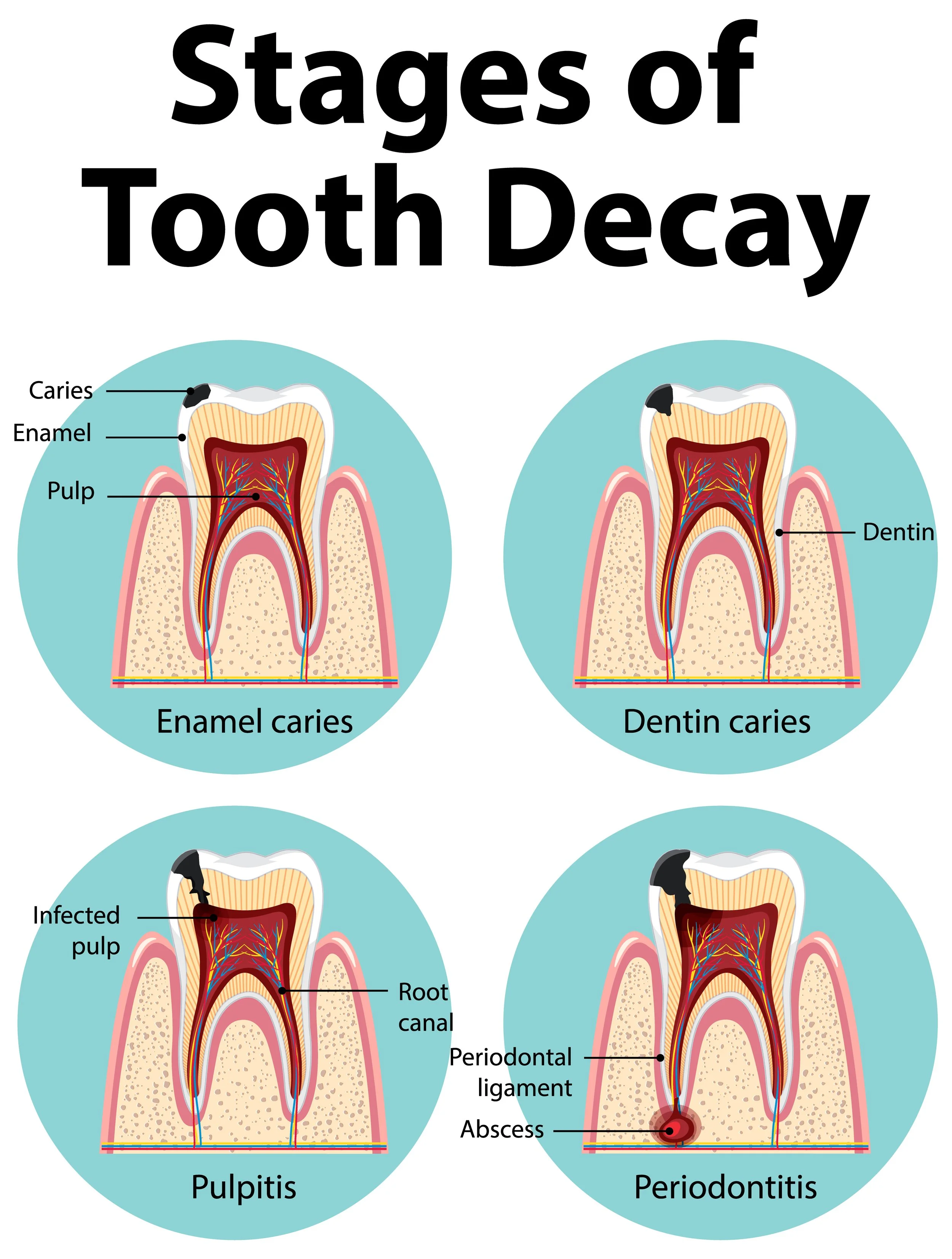
Tooth decay stages progress from subtle enamel changes to deep infection. Treatment options change significantly as decay moves deeper into the tooth.
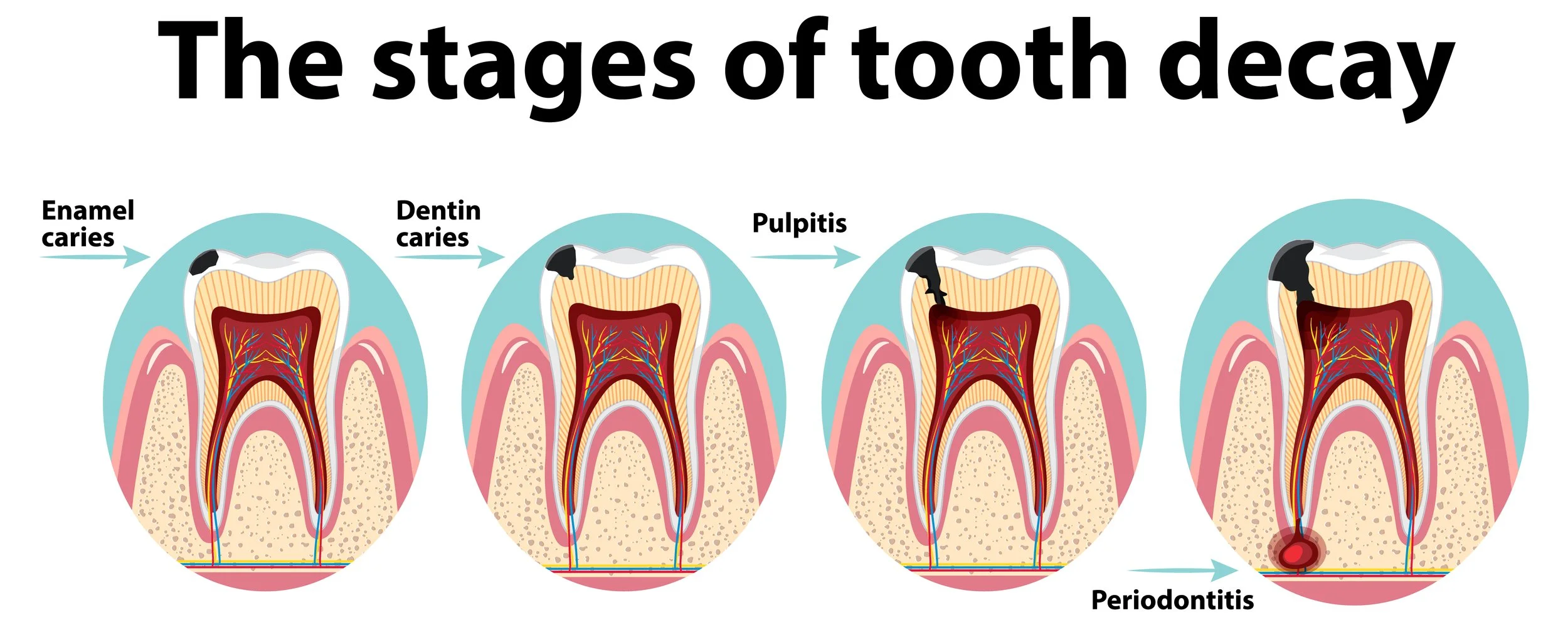
Stage 1: Initial Demineralization
Microscopic mineral loss begins in enamel without a visible hole. White spots may appear, but the tooth is typically painless. Improving dental hygiene, using fluoride products, and adjusting diet may help reverse the damage at this point. This is the best opportunity to prevent cavities from forming.
Stage 2: Enamel Decay
Continued acid exposure causes enamel to break down further, producing a small cavity. Early enamel cavities may have few symptoms and might only be visible through dental examination or X-rays. Treatment typically involves removing decayed enamel and placing a filling.
Stage 3: Dentin Decay
Once decay penetrates enamel and reaches the softer dentin layer, it spreads more quickly. Sensitivity to temperature or sweets usually emerges. Cavities in dentin are generally larger and require more extensive dental fillings or other restorations. Prompt treatment can still prevent damage from reaching the pulp.
Stage 4: Pulp Involvement
When tooth decay advances into the pulp, it causes inflammation known as pulpitis. Severe, often throbbing tooth pain may occur spontaneously. Root canal treatment is often needed to remove infected pulp and save the tooth, or in some cases, extraction becomes necessary.
Stage 5: Dental Abscess
A tooth abscess is a pocket of pus that forms at the tip of the tooth root or in surrounding gum tissue. Signs include intense pain, facial swelling, tenderness, fever, and a bad taste. Infection can spread beyond oral tissues in severe cases. Treatment includes draining the abscess, controlling infection, and performing a root canal or extracting the affected tooth.
How Decay Progresses Without Treatment
Untreated enamel demineralization can move from painless white spots to cavities, then into dentin, pulp, and surrounding tissues. Cavities can lead to tooth loss if untreated. Delaying care means more complex, costly treatment and greater risk of complications. Chronic, untreated decay can affect nutrition, sleep, and overall quality of life.
Who Is Most at Risk for Tooth Decay?
While anyone with teeth can develop cavities, certain groups face higher risk factors due to age, health conditions, habits, or environment.
Children and Teenagers
A child's teeth have thinner enamel and deep grooves that trap plaque. Children and teens often consume sugary snacks and acidic drinks with less consistent dental hygiene habits. Early childhood caries affects nearly 48 percent of preschool children globally. Baby bottle tooth decay can start when bottles or sippy cups with sugary liquids are used for prolonged periods. Dental sealants, fluoride, and early oral health education are particularly important for this age group.
Older Adults
Older adults may experience receding gums, exposing tooth root surfaces that lack enamel's protection. Many take medications that reduce saliva production, increasing the risk of rapid decay. Existing restorations like older fillings and crowns can develop decay at their edges over time.
People With Dry Mouth
Reduced saliva flow significantly raises cavity risk. Individuals with conditions such as Sjögren's syndrome or those receiving radiation therapy are especially vulnerable. Decay in people with dry mouth can progress quickly and affect many teeth at once, including along the gumline and exposed root surfaces.
Individuals With High-Sugar Diets
Diets rich in sugary snacks, desserts, and sweetened beverages provide constant fuel for oral bacteria. Hidden sugars in processed foods, flavored yogurts, and breakfast cereals also contribute. The frequency of sugar intake matters as much as the total amount consumed.
People With Limited Oral Hygiene Habits
Infrequent brushing, skipping flossing, and not using fluoride products create ideal conditions for plaque buildup. Individuals who face barriers to regular dental care, such as limited mobility or lack of health information, may be at higher risk. Good oral hygiene can help prevent cavities regardless of other risk factors.
How Tooth Decay Is Treated
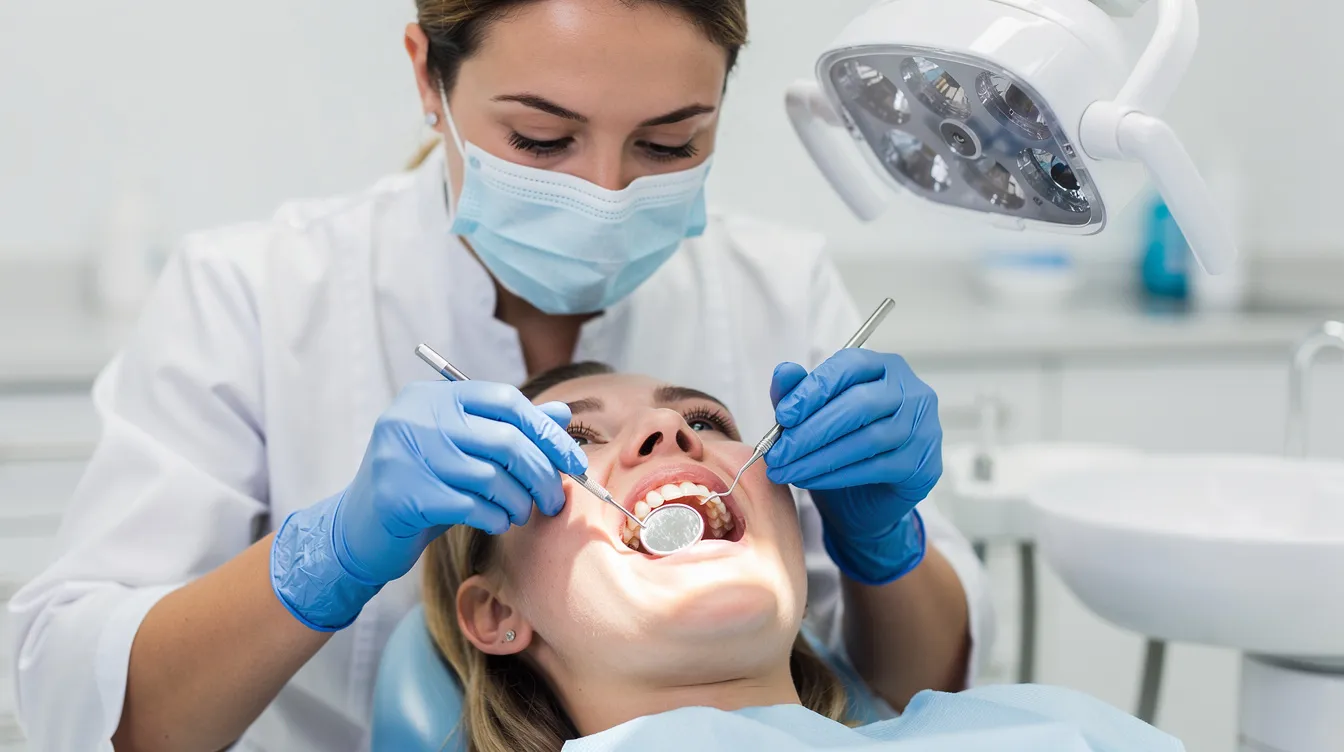
Tooth decay treatment depends on how advanced the cavity is, which part of the tooth is affected, and overall oral health. The goal is to remove decay, stop the tooth decay process, relieve symptoms, and restore function.
Fluoride Treatments
Professional fluoride treatments provide a higher concentration of fluoride than regular toothpaste. Fluoride treatments can reverse very early cavities by promoting remineralization of weakened enamel. They are commonly used for children, people with many early lesions, or individuals at high risk. Once a cavity has progressed into dentin, fluoride alone cannot repair the damage.
Dental Fillings
Fillings are needed for larger cavities where enamel has been permanently breached. After removing decayed tooth tissue, a dental professional fills the space to seal out bacteria and restore the tooth's shape. Dental fillings can last many years when cared for with good dental hygiene.
Dental Crowns
Crowns are full-coverage restorations that encase the visible portion of a tooth when a large amount of structure has been lost. They may be recommended when there is not enough healthy tooth left to support a standard filling, and they are often placed after root canal treatment or for teeth with large cavities.
Root Canal Treatment
Root canals may be required for cavities near the nerve. Root canal treatment involves removing infected pulp tissue, cleaning and disinfecting the root canals, and sealing them. After a root canal, the tooth typically needs a crown for protection. The goal is to save the natural tooth rather than remove it.
Tooth Extraction
Tooth extractions may be necessary for severely damaged teeth that cannot be restored with fillings, crowns, or root canal treatment. After extraction, replacement options may be discussed. Preserving natural teeth through early cavity prevention and treatment is generally preferred whenever possible.
Why Treatment Depends on Severity
Mild tooth decay may respond to fluoride and improved dental hygiene, while deeper cavities require fillings. Pulp involvement calls for root canal or extraction. Regular evaluations help match treatment to each person's needs, and early, conservative treatment preserves more natural tooth structure.
How to Prevent Tooth Decay
Preventing tooth decay is more effective and comfortable than treating established cavities. Cavity prevention relies on daily habits and smart choices about foods and drinks.
Brush Twice Daily
Brushing teeth twice a day is essential for preventing tooth decay. Use fluoride toothpaste and brush for about two minutes each time, covering all tooth surfaces. Brushing before sleep is critical because reduced nighttime saliva flow leaves teeth more vulnerable. Supervise young children's brushing until they can keep teeth clean effectively on their own.
Clean Between Teeth Daily
Flossing daily helps remove food particles and plaque between teeth that a toothbrush cannot reach. Without cleaning between teeth, plaque remains on roughly half of all tooth surfaces. Build a daily habit by pairing flossing with nighttime brushing.
Use Fluoride Products
Fluoride toothpaste is a simple, evidence-based way to strengthen enamel and reduce decay risk. Public tap water often contains fluoride to prevent tooth decay as well. Rinsing with an antimicrobial mouthwash aids in killing excess bacteria, adding another layer of protection. Follow usage instructions and supervise young children to ensure they use an appropriate amount.
Limit Sugary Foods and Drinks
Reduce both the amount and frequency of sugary snacks, desserts, and sugary drinks. It is better for teeth to consume sugary foods at set meal times rather than nibbling throughout the day. Choosing water over soda, sports drinks, or fruit juice can significantly lower cavity risk.
Drink More Water
Water helps rinse away food particles and dilute acids, supporting oral health between brushing sessions. Fluoridated water offers additional cavity protection over time. Staying well hydrated supports saliva production, which naturally helps protect teeth against decay. Chewing sugar-free gum with xylitol can stimulate saliva flow as an additional measure between meals.
Maintain Regular Dental Check-Ups
Visit your dentist every year for checkups, or more frequently based on individual risk. Regular professional dental care is important for dental health because professional cleanings remove hardened tartar that home brushing cannot. Both children and adults benefit from regular dental checkups and individualized prevention advice. Data from the Centers for Disease Control and Prevention consistently shows that communities with access to preventive care have lower rates of untreated decay.
Address Problems Early
Seek evaluation when you notice early tooth decay signs like sensitivity, white spots, or visible pits. Addressing small issues promptly may avoid more complex treatments like crowns, root canal therapy, or extractions. Prevention and early action are central to long-term dental health.
Diet and Tooth Decay

What people eat and drink, and how often, directly affects the tooth decay process. A diet that supports oral health reduces frequent acid attacks and provides nutrients that strengthen teeth.
Foods That May Increase Cavity Risk
Chewy candies, caramels, and sweetened dried fruits that stick to teeth
Starchy snacks like chips, crackers, and white bread that break down into sugars
Acidic drinks including sodas, energy drinks, and flavored waters
Sweetened coffee and tea sipped over long periods
Consume these with meals when possible, followed by water to help rinse the mouth.
Foods That Support Oral Health
Tooth-friendly choices include cheese, plain yogurt, nuts, seeds, and crunchy vegetables like carrots and celery. These foods stimulate saliva flow, provide minerals, and can mechanically clean plaque from tooth surfaces. Eat nutritious meals rich in calcium and phosphate to support strong teeth.
The Importance of Balanced Nutrition
A balanced diet provides the vitamins and minerals needed for healthy enamel, gums, and bone. Consistent, nutritious meals reduce reliance on sugary snacks and help maintain making teeth more resistant to acid attacks over time.
The Role of Hydration
Adequate fluid intake supports saliva production, crucial for neutralizing acids and remineralizing enamel. Water should be the primary beverage throughout the day. Drinking water after consuming acidic or sugary foods and drinks reduces the time acids remain in contact with teeth.
Tooth Decay in Children
Tooth decay is one of the most common chronic conditions in childhood, but it is largely preventable with early intervention and consistent habits.
Why Children Are More Vulnerable
Children's enamel is thinner, and newly erupted permanent teeth may be less mineralized. Many children frequently consume sugary snacks and juices between meals. Young children often lack the coordination for effective brushing, requiring adult supervision. Early childhood caries can begin soon after the first tooth erupts.
Baby Teeth and Cavities
Baby teeth are important for chewing, speech development, and guiding permanent teeth into proper position. Cavities in baby teeth can cause significant pain, infection, and difficulty eating, affecting growth and overall health. Even though baby teeth eventually fall out, they require the same level of cavity prevention as permanent teeth.
Sealants and Preventive Care
Dental sealants can protect the chewing surfaces of back teeth by creating a thin barrier over the deep grooves of molars. Sealants are especially helpful for school age children and can significantly reduce cavity risk during the most cavity-prone years. They work best when combined with daily brushing, flossing, fluoride use, and regular oral health check-ups.
Healthy Oral Habits for Children
Begin cleaning an infant's gums before teeth appear and start brushing as soon as the first tooth erupts. Build routines where children brush twice daily with supervised brushing until they can manage on their own. Limit sugary snacks and acidic drinks, especially before bedtime. Model good oral hygiene and make tooth care a positive, consistent part of each day.
Common Myths About Tooth Decay

Myths about cavities can lead people to underestimate their risk or delay care.
"Only Sugar Causes Cavities"
While sugar is a major contributor, any fermentable carbohydrate, including starches in crackers, chips, and bread, can feed cavity-causing bacteria. The frequency and duration of exposure matter more than any single food. Acidic drinks and poor oral hygiene also play major roles in enamel erosion.
"If a Tooth Doesn't Hurt, It Doesn't Have Decay"
Early and even moderate tooth decay often causes no pain. Cavities can grow quietly between teeth or under old fillings and only become painful when they reach the nerve. Relying on pain alone to detect decay leads to delayed treatment and more complex problems.
"Baby Teeth Don't Matter"
Baby teeth are crucial for chewing, speaking, and maintaining space for permanent teeth. Severe decay in baby teeth can harm developing permanent teeth underneath. They deserve the same preventive care and attention.
"Cavities Are Inevitable"
While genetics and other factors influence risk, daily behaviors have a strong protective effect. Many people maintain low cavity rates by following effective preventive routines. The number and severity of cavities can usually be greatly reduced through consistent effort. Having at least one cavity is common, but it is not inevitable with proper care.
Frequently Asked Questions

What causes tooth decay?
Tooth decay is caused by acids produced when oral bacteria in dental plaque break down sugars and starches from foods and drinks. Repeated acid exposure leads to enamel erosion and cavities, especially when combined with poor oral hygiene, frequent snacking, acidic drinks, dry mouth, and inadequate fluoride.
What are the first signs of tooth decay?
Early signs include white, chalky spots on enamel, mild tooth sensitivity to hot, cold, or sweet foods, and subtle discoloration in grooves or between teeth. Early tooth decay may not cause pain, making regular examinations important. Catching these early signs allows for less invasive measures.
Can tooth decay be reversed?
Very early stages of decay, before a physical cavity forms, may be partially reversed when enamel is remineralized by saliva and fluoride. Fluoride treatments can help reverse early cavities. Once a visible hole or break exists, the damage is permanent and requires restorative treatment such as a filling.
How can cavities be prevented?
Key strategies include brushing your teeth twice daily with fluoride toothpaste, cleaning between teeth once a day, limiting sugary and acidic foods and drinks, and drinking plenty of water. Regular dental visits, professional cleanings, fluoride treatments, and sealants for children further reduce risk.
Does tooth decay always cause pain?
Tooth decay often causes no pain in the early stages, and even moderate cavities can be painless. Pain usually appears when decay reaches the dentin or pulp. Lack of pain should not be taken as proof that teeth are free of cavities.
Who is most at risk for cavities?
Higher-risk groups include children and teenagers, older adults, people with dry mouth, individuals who frequently consume sugary or acidic drinks, and those with inconsistent oral hygiene habits. Certain medical conditions and medications can also increase cavity risk. Those who recognize themselves in these groups should visit a dental professional and be proactive with preventive measures.
Conclusion

Tooth decay is a common but largely preventable oral health condition that affects people of all ages. Understanding how cavities develop, recognizing the early warning signs, and practicing good oral hygiene can significantly reduce the risk of long-term dental problems. Combined with healthy dietary choices, consistent fluoride use, and routine preventive care, early action remains one of the most effective ways to protect teeth, preserve comfort, and support overall oral health throughout life.