TMJ and Muscle Pain: Jaw Pain, Orofacial Symptoms, and Botox Treatment
Key Takeaways
The temporomandibular joint (TMJ) is the jaw joint itself; temporomandibular disorders (TMDs) are the conditions affecting this system, including joint and muscle problems.
Jaw and facial pain often involve the jaw muscles (masseter, temporalis), not just the joint, and can spread to the temples, head, neck, or ear area.
Common symptoms include jaw tenderness, facial pain, headaches, jaw clicking, and limited movement - all of which can overlap with dental, sinus, or nerve problems.
Distinguishing joint-based pain from muscle-based pain through proper evaluation guides which effective treatments are most appropriate.
Conservative, reversible treatments - self care, physical therapy, oral appliances, relaxation techniques, and lifestyle adjustments - are usually the first step.
Botox is an option for selected cases of muscle-related orofacial pain and severe clenching, but it is not a universal cure and its use should follow careful diagnosis and discussion of benefits, risks, and alternatives.

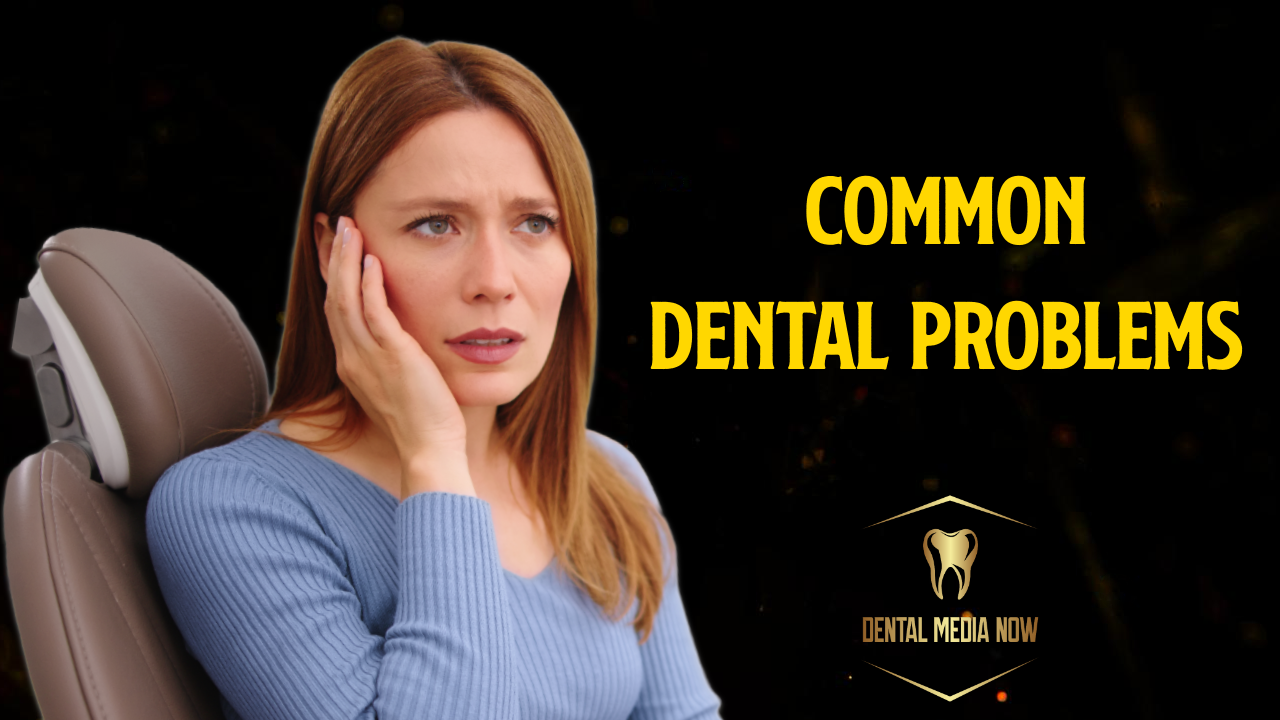


Orofacial pain is discomfort felt in the face, jaw, mouth, and surrounding areas. If you're dealing with aching along your jawline, tension in your temples, or a jaw that clicks every time you eat, you're far from alone. These symptoms fall under a broad category of conditions that can involve the jaw joints, chewing muscles, teeth, nerves, and even the sinuses.
The term TMJ stands for temporomandibular joint, the hinge joint on each side of your face that connects the lower jaw to the temporal bone of the skull. When people say they "have TMJ," they usually mean they have a temporomandibular disorder, or TMD, which describes conditions affecting these joints, the jaw muscles, and surrounding tissues. But jaw pain is not always caused by the joint itself. The muscles responsible for chewing, clenching, and jaw movement - including the masseter, temporalis, and pterygoid muscles - are very common sources of pain.
Because orofacial pain can mimic toothache, sinus problems, earache, or headache, professional evaluation matters when symptoms persist or worsen. Common causes of orofacial pain include dental problems and temporomandibular disorders, but the list extends to nerve conditions, salivary gland issues, and more.
This article walks through common signs and symptoms of TMD, causes, how doctors evaluate jaw and facial pain, conservative treatments such as physical therapy and oral appliances, and when Botox (botulinum toxin type A) injections might be considered. Botox is one possible treatment for selected muscle-related TMJ and jaw pain problems - not a cure or a routine first-line option.
If you have jaw or facial pain now, the next section explains what "TMJ disorders" actually mean.
Understanding TMJ Disorders and Orofacial Pain
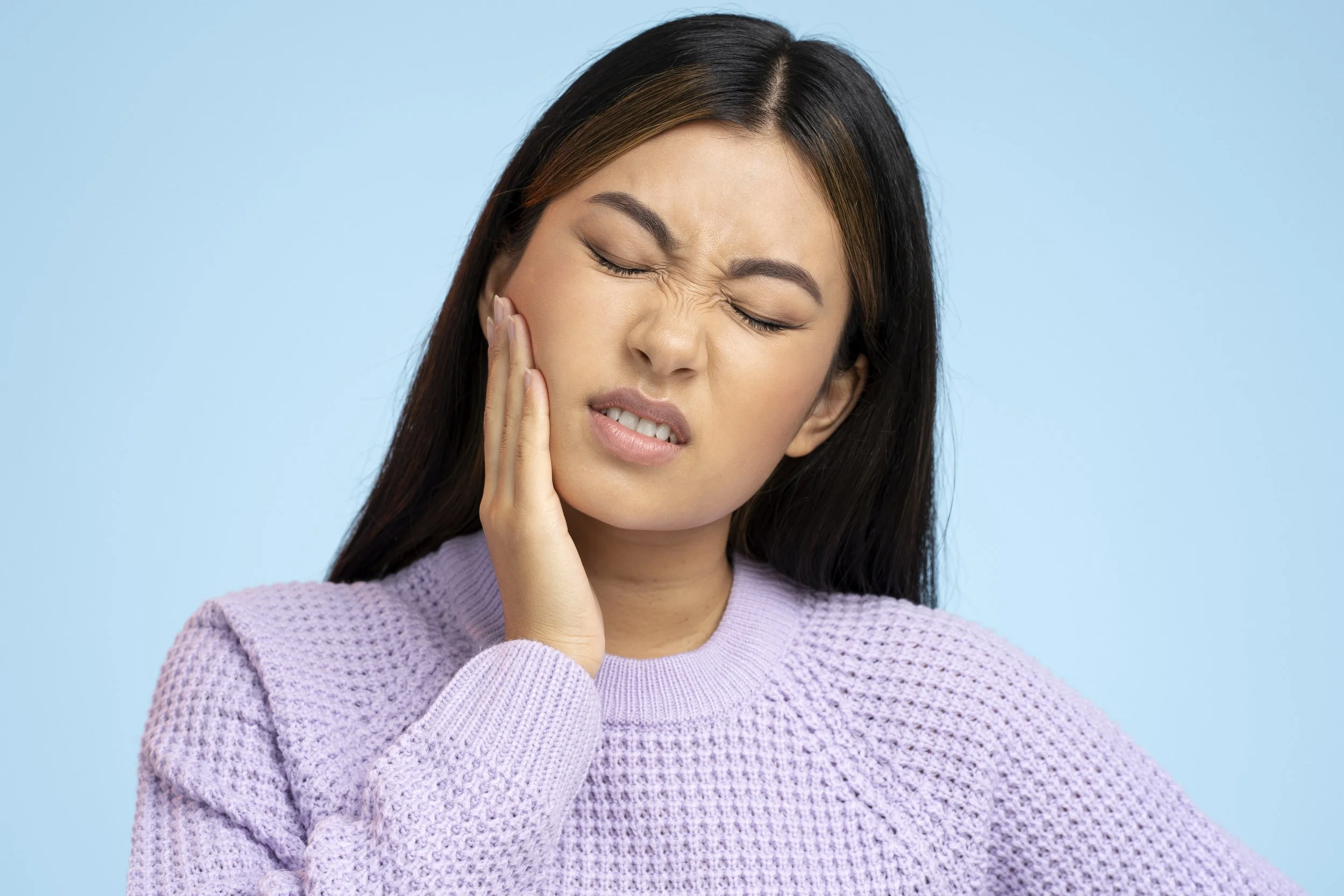
Orofacial pain involves the teeth, gums, jaw, temporomandibular joints, facial muscles, and sometimes the head and neck. Many structures sit close together in this region - joints, muscles, ligaments, nerves, teeth, sinuses - so temporomandibular disorders and other conditions affecting these areas can create similar facial pain symptoms. Management of orofacial pain often requires a multidisciplinary approach and precise diagnosis.
People often say they "have TMJ" when they mean a temporomandibular disorder. The distinction matters: TMJ is the joint, while TMD (or TMDs) refers to a family of more than 30 conditions. These conditions can range from short-term episodes after a stressful week of clenching to long-standing chronic facial pain that may coexist with migraines, fibromyalgia, or other pain conditions.
What Is the Temporomandibular Joint?
The temporomandibular joints are a pair of small but complex joints in front of each ear, connecting the lower jaw (mandible) to the temporal bone of the skull. Each joint combines hinge motion with sliding motion, cushioned by a small shock-absorbing disc that helps the jaw move smoothly.
These joints handle everyday functions - chewing, talking, yawning, laughing, swallowing. Think of biting into an apple or opening wide for a dental exam. Problems affecting the disc, cartilage, or bone (such as arthritis or disc displacement) can cause pain, clicking, or limited movement, but not every joint sound signals disease.
What Are Temporomandibular Disorders (TMD)?
Temporomandibular disorders are a group of conditions that affect the jaw joints, chewing muscles, and related tissues, often causing pain, stiffness, or difficulty moving the jaw. Some TMDs primarily involve the joint (for example, rheumatoid arthritis or disc problems), some involve mainly the muscles (myofascial pain), and others involve both.
Symptoms of TMD can include jaw discomfort and headaches, ear-area pressure, jaw clicking or popping, and trouble opening the mouth fully. TMD affects about 5% of adults in the U.S. and is twice as common in women than men. Many episodes are mild or temporary and may improve with simple self-care. A healthcare provider or dentist typically diagnoses TMD based on symptoms, physical examination, and sometimes imaging tests rather than one specific test.
What Is Muscle-Related Orofacial Pain?
Muscle-related orofacial pain comes mainly from the muscles used to chew and control jaw movement - particularly the masseter and temporalis muscles - and the connective tissues surrounding them. Myofascial pain, in simple terms, is pain and tenderness caused by tight, overworked, or sensitive muscles and the thin covering around them (fascia).
Musculoskeletal strain, including bruxism, leads to deep pain in the chewing muscles. Tense jaw muscles can refer pain to the temples, teeth, ears, or neck, making the source difficult to pinpoint. Common triggers include clenching teeth during the day, teeth grinding at night, gum chewing for long periods, and nail biting. Muscle-related pain is a frequent contributor to jaw and facial pain even when the temporomandibular joints themselves are structurally normal.
Muscles Involved in Jaw, Facial, and Head Pain
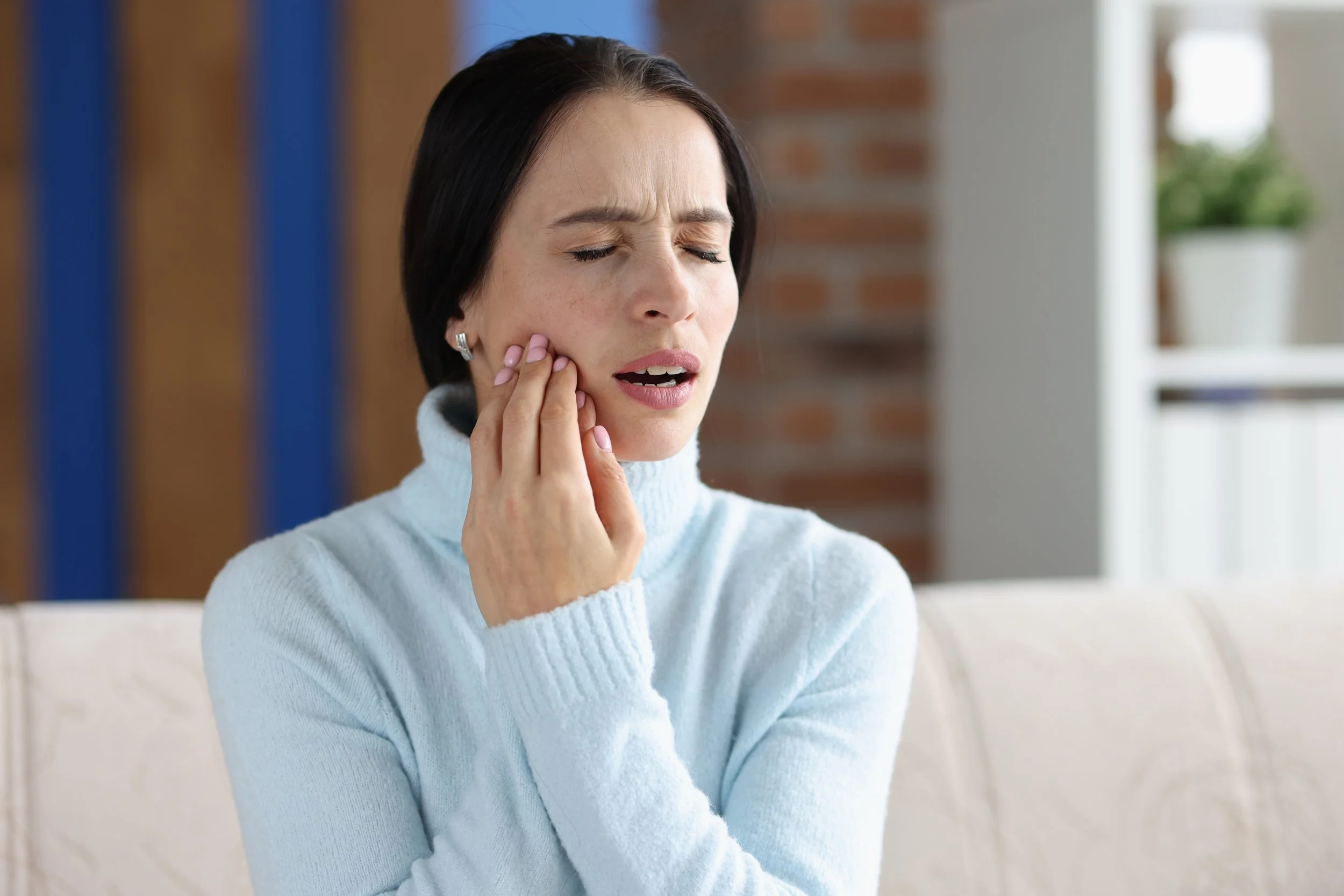
Several pairs of muscles work together to open, close, and stabilize the jaw. Pain from these muscles may be felt not only at the jawline but also in the cheeks, temples, and sometimes the side of the head or neck. When these muscles that control jaw movement become overactive or fatigued through habits like jaw clenching or clenching or grinding, people may notice jaw pain, facial pain, headaches, or a sense of jaw tiredness.
Masseter Muscles
The masseter muscles are thick, powerful muscles on each side of the jaw, running from the cheekbone to the lower jaw. You can feel them by placing your fingers on the side of your face and gently clenching. They are the main muscles used to close the jaw and chew tougher or hard foods, so they are heavily involved in jaw clenching and grinding.
Typical symptoms of masseter problems include aching along the jawline, soreness when pressed, fatigue when chewing, and in some people a feeling of a "tight" or "bulky" jaw if the muscles have enlarged from chronic overuse.
Temporalis Muscles
The temporalis muscles are fan-shaped muscles on each side of the head, stretching over the temples from above the ear toward the forehead and attaching to the jawbone. They help close the jaw and assist with chewing and biting.
Temporalis tension often contributes to temple pain or headache-like symptoms - a band of aching across the side of the head that worsens after clenching. People sometimes confuse temporalis muscle pain with migraine or sinus headaches.
Other Muscles of Mastication
The medial and lateral pterygoid muscles sit deeper inside the face, helping move the jaw from side to side, forward, and in controlled opening and closing motions. Problems with these muscles can contribute to deep ache inside the cheek, difficulties moving the jaw smoothly, or a feeling that the jaw deviates to one side. Because they are not visible or easy to feel, health care professionals identify their involvement through gentle palpation or by observing jaw movement patterns.
Head and Neck Muscle Involvement
Muscles in the neck and upper shoulders (such as the upper trapezius and sternocleidomastoid) often work in coordination with jaw muscles. Prolonged forward head posture - leaning over screens for hours - can increase tension in both neck and jaw muscles. Not all neck pain is caused by TMDs, but in some individuals, jaw clenching and neck tension occur together. A thorough evaluation of orofacial pain often includes checking head and neck muscles and assessing good posture.
Common Symptoms of TMJ and Muscle-Related Pain
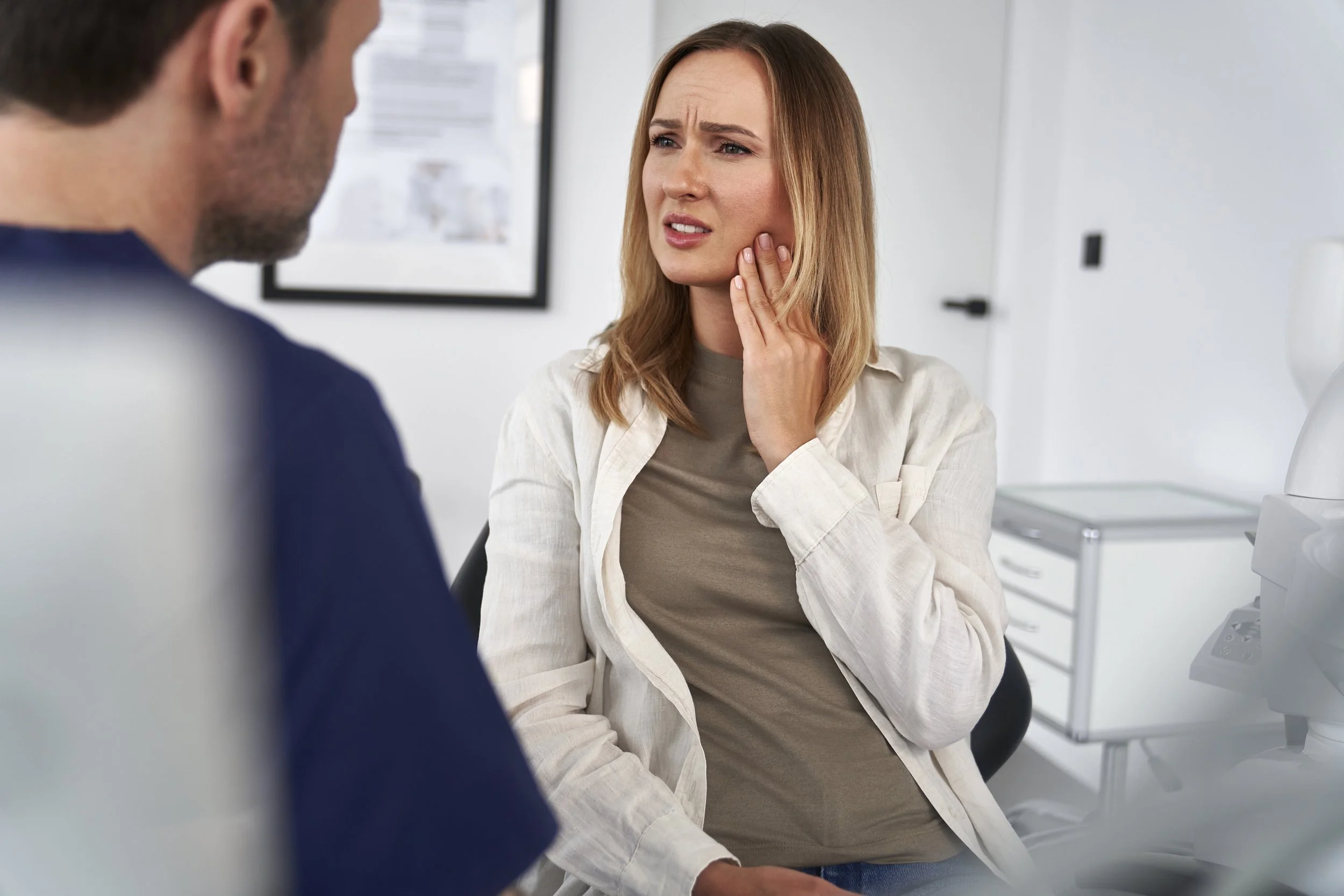
Symptoms vary widely depending on whether the major problem involves the temporomandibular joint, the chewing muscles, or both. Many common signs and symptoms are not dangerous but warrant attention if persistent, worsening, or interfering with eating, talking, or sleep.
Jaw Pain and Tenderness
Jaw pain can present as aching, sharp, or throbbing discomfort around the temporomandibular joint or along the jaw muscles. Tenderness may be felt when pressing along the jawline or over the masseter and temporalis muscles. Pain can be constant or come and go, often accompanied by tightness, fatigue, or stiffness after talking, chewing, or clenching for long periods.
Facial Pain
Aching, pressure, or soreness in the cheeks, temples, or along the sides of the face may relate to jaw function and muscle tension. Muscle-related facial pain can sometimes be misinterpreted as toothache or sinus pain because referred pain from the chewing muscles may radiate to nearby teeth or the cheek. Persistent or unexplained facial pain should be evaluated to rule out dental problems, sinus disease, nerve pain, or atypical facial pain.
Headaches and Temple Pain
Certain types of headaches can manifest as intense pain in the facial region. Overworked chewing muscles, especially the temporalis, may contribute to dull, pressure-like pain in the temples that worsens with clenching or after waking. TMDs can be one contributor to headaches, but they are not the cause of every headache. If you experience frequent headaches plus jaw or facial symptoms, mention both when speaking with your doctor.
Neck and Head Muscle Discomfort
Some individuals with TMD or jaw-clenching habits also experience neck pain, upper shoulder tension, or discomfort at the base of the skull. This may intensify after long periods of concentrating, screen time, or stressful situations. Severe, radiating, or neurologically associated neck symptoms (arm weakness, numbness) require prompt medical assessment.
Jaw Clicking, Popping, or Grinding Sounds
Clicking or popping sounds in the jaw are common symptoms. These occur when the disc or joint surfaces move in a slightly altered pattern. Painless clicking without locking or movement limitation is frequent and does not always indicate a serious disorder. Sounds become more concerning when accompanied by pain, limitation, or episodes of the jaw catching or locking in place.
Limited or Painful Jaw Movement
Limited mouth motion can indicate TMD. Difficulty opening the mouth wide - for example, not being able to fit two or three fingers stacked between the upper and lower teeth - or feeling that the jaw cannot move freely side to side are key signs. Temporary "locking" can occur when the jaw gets stuck open or closed. Sudden, severe limitations or inability to close the mouth properly should be treated as urgent.
Ear-Area Symptoms
The temporomandibular joint sits directly in front of the ear canal, so pain from the joint or nearby muscles may be felt as ear pain, pressure, or fullness without actual ear disease. Salivary gland and sinus issues can also create pressure and pain in the upper face and jaw. TMD does not cause ear infections, but both can coexist. Seek medical care for severe ear pain with fever, hearing loss, or drainage.
What Causes TMJ and Jaw Muscle Pain?
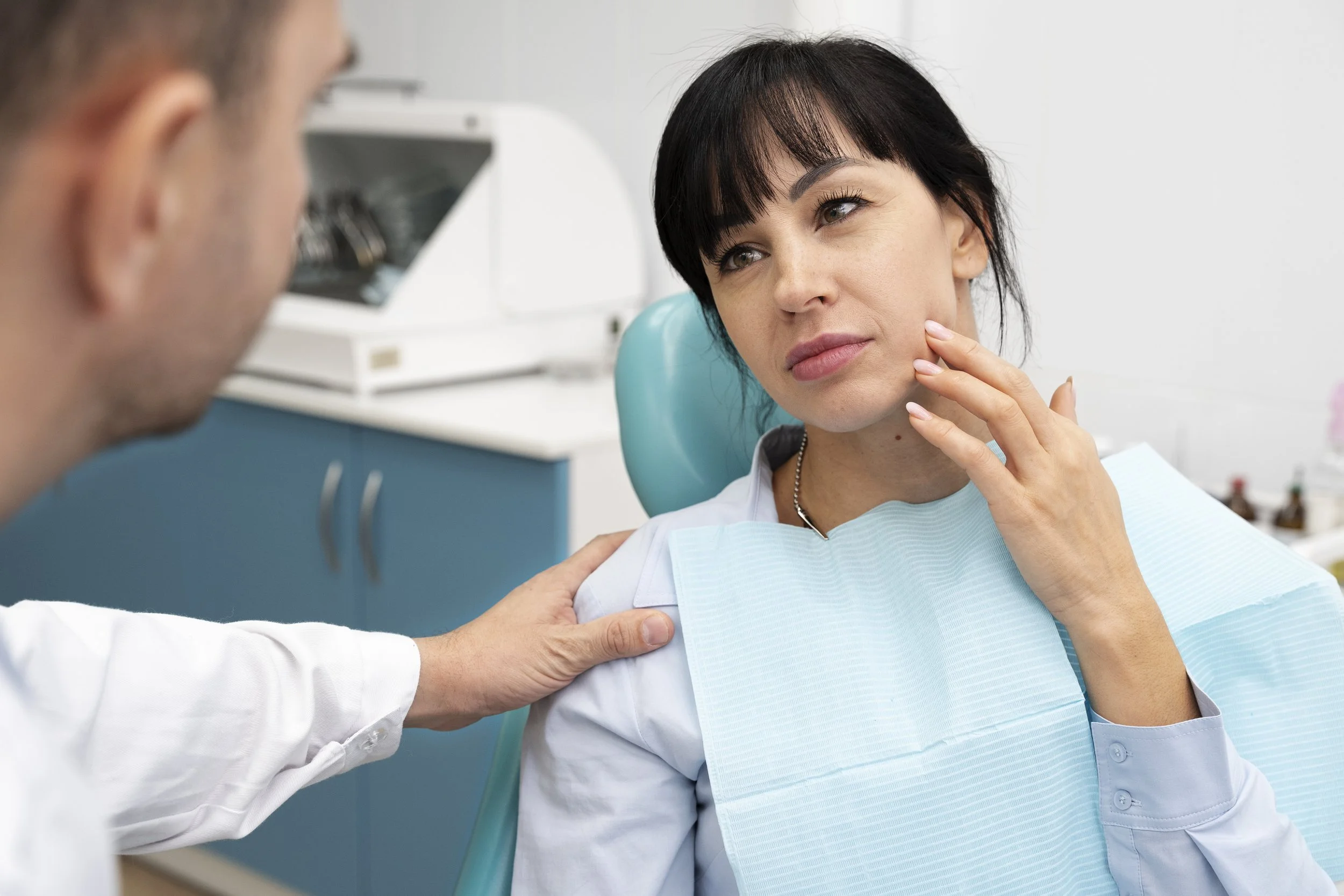
TMD and muscle-related orofacial pain usually arise from several interacting factors rather than a single exact cause. Differentiation of orofacial pain relies on pain quality, trigger mechanisms, and anatomical boundaries - which is why identifying patterns (morning pain, worse after stress, aggravated by chewing) helps both patients suffering and clinicians understand aggravating factors.
Jaw Clenching and Teeth Grinding
Bruxism is a common cause of TMD. Teeth grinding and jaw clenching - squeezing the upper and lower teeth together forcefully - may occur during the day (awake bruxism) or during sleep. Repeated, forceful clenching can overload the chewing muscles, leading to soreness, fatigue, and muscle-related jaw and facial pain. People with sleep bruxism may not realize they grind, but may notice morning jaw pain, headaches, or tooth wear.
Muscle Overuse and Tension
Common habits that overwork jaw muscles include frequent gum chewing, biting on pens or nails, chewing ice, or holding the jaw tightly closed for hours during concentration. Repeated overuse without adequate rest can create trigger points and contribute to myofascial orofacial pain. Noticing your own jaw habits throughout the day is a first step in reducing unnecessary muscle loading.
Stress and Emotional Tension
Stress can contribute to the development of TMD. For many people, stress increases unconscious jaw clenching, shoulder tension, or changes in posture. You might notice teeth pressed together while driving in traffic or working to meet a deadline. Managing stress is one part of a broader treatment plan - not a suggestion that symptoms are "only in your head."
Joint Problems
Joint-related causes include inflammation of the temporomandibular joint capsule, changes in the disc, and arthritic changes (osteoarthritis or other forms of arthritis) affecting joint surfaces. Joint problems may cause pain directly in front of the ear, especially with jaw movement, and may produce clicking, popping, or grating sensations. Joint and muscle problems often occur together.
Injury or Trauma
Injuries to the jaw joint can lead to TMD. Direct impacts - a fall to the chin, a sports collision, or a blow to the jaw - can damage the joint, surrounding soft tissues, or ligaments. Whiplash-type injuries may also strain jaw and neck muscles. A dislocated jaw or jaw injury after significant trauma, visible deformity, or inability to close the mouth requires urgent care.
Other Contributing Factors
Additional factors include sleep problems, certain medical conditions affecting joints or muscles, hormonal influences, and individual differences in pain processing. Some chronic pain conditions coexist with TMDs, including headaches, chronic widespread pain, or irritable bowel syndrome. Current research does not support blaming every TMD on a "bad bite," and permanent changes to the bite through irreversible procedures are rarely justified as a first step.
TMJ Pain vs. Muscle Pain

Understanding which structures are most involved - joints, muscles, or both - can guide treatment choices, including whether muscle-focused therapies like physical therapy or Botox make sense.
Signs Pain May Be Muscle-Related
Broad aching in the cheeks or temples, tenderness when the chewing muscles are pressed, and pain that builds after prolonged clenching or chewing suggest muscle-related pain. Muscle fatigue, improvement with rest, heat, or gentle stretches, and pain reproduced by pressing specific muscles point toward myofascial pain rather than joint disease.
Signs the Joint May Be Involved
Sharp or localized pain directly in front of the ear during opening, closing, or side-to-side movements suggests joint involvement. Jaw locking (stuck open or closed), sudden catching, or grinding sensations (crepitus) indicate changes in joint surfaces or disc. Joint pain may worsen more with wide opening (yawning) than with light chewing.
Why Symptoms Can Overlap
Muscles and joints work together every time the jaw moves, so an issue in one structure often strains the others. Referred pain - discomfort originating in the joint or a single muscle but felt in nearby areas - makes self-diagnosis unreliable. Orofacial pain requires careful clinical differentiation due to its complex nature and various causes. Differentiating orofacial pain from other types relies on factors like pain triggers and associated symptoms.
How TMJ and Orofacial Muscle Pain Are Evaluated
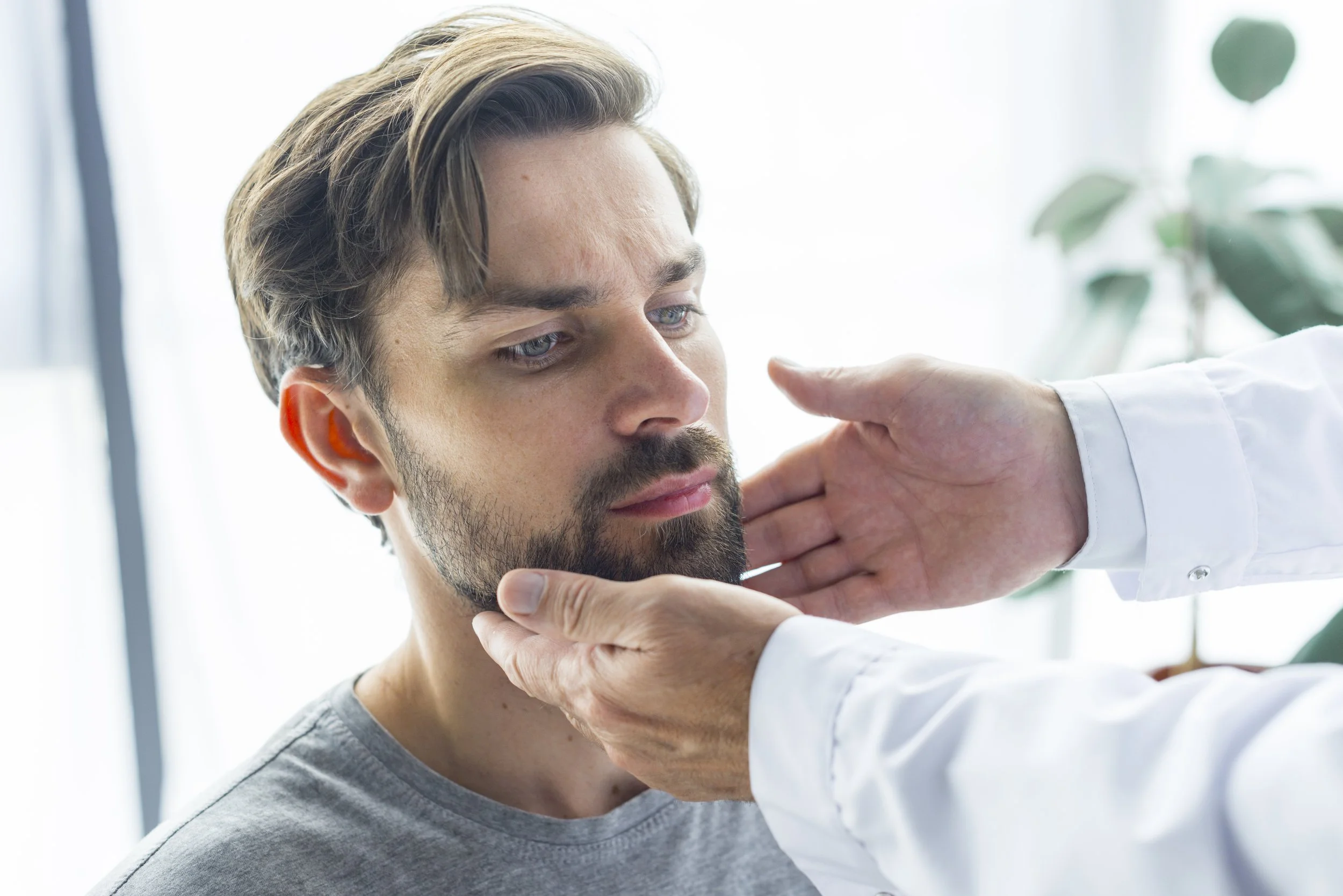
Jaw, facial, and head pain can stem from many sources, so careful evaluation matters before deciding on treatment. There is no single "TMJ test." Instead, clinicians use a combination of questions, hands-on examination, and occasionally imaging to understand what is most likely causing the pain.
Reviewing Symptoms and Health History
The clinician asks about onset, location, and duration of pain; what makes it better or worse; history of clenching or grinding; headaches; sleep problems; previous jaw injury; medications; and relevant medical conditions. Describing pain in everyday terms (ache, sharp, throbbing, tight) and noting patterns like morning versus evening symptoms helps guide diagnosis.
Examining Jaw Movement
The provider asks the patient to slowly open and close the mouth, move the jaw side to side, and sometimes move it forward to assess range of motion and limited jaw movement. Measurements of how wide the mouth opens document limitations. Discomfort during movements helps identify whether pain comes from muscles, the joint, or both.
Examining the Jaw and Facial Muscles
The clinician gently presses on key muscles - masseter, temporalis, pterygoid regions, and neck muscles - to check for tenderness, tightness, or trigger points that reproduce familiar pain. Muscle examination may include inside-the-mouth palpation of deeper muscles. Tenderness in specific muscles can support a diagnosis of myofascial or muscle-related orofacial pain and may influence whether muscle-directed treatments are considered.
Imaging and Additional Evaluation
Imaging tests such as panoramic dental X-rays, CT scans, or MRIs are not necessary for every person with TMD symptoms. Imaging may be considered for suspected fractures after trauma, significant joint locking, suspected disc displacement, or possible arthritis. Additional evaluations - referral to a TMJ specialist, ear, nose, and throat specialist, neurologist, or pain specialist - may be recommended if symptoms suggest non-TMJ conditions.
Ruling Out Other Causes of Orofacial Pain
Not all facial or jaw pain is TMD. Odontogenic conditions, such as tooth decay and dental abscesses, account for most orofacial pain cases. Neuropathic pain includes conditions like trigeminal neuralgia causing electric shock-like facial pain. Other potential causes include headache disorders, ear infections, salivary glands issues, and systemic diseases. Prompt medical evaluation is necessary for facial pain accompanied by alarming symptoms like weakness or vision changes.
Treatment for TMJ and Muscle-Related Jaw Pain
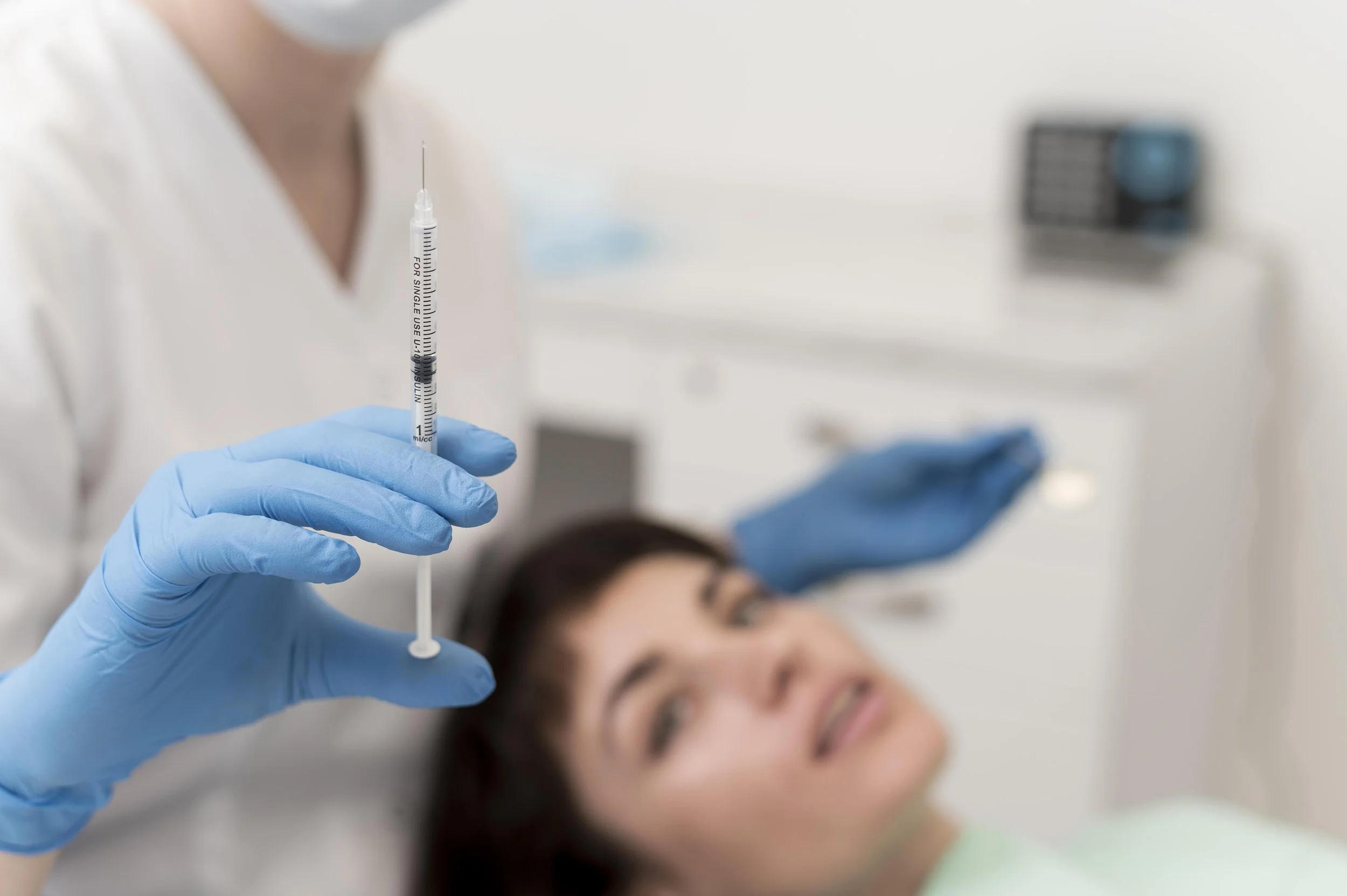
Most treatment plans start with conservative, reversible approaches focused on reducing strain, calming muscle overactivity, and supporting normal function. Effective treatment options include medications, physical therapy, and lifestyle adjustments. Surgery is usually a last resort - procedures that involve surgery or irreversible dental treatments are rarely first-line. Acupuncture has limited evidence for helping TMD symptoms.
Jaw Rest and Habit Modification
During painful periods, reduce habits that unnecessarily strain jaw muscles: limit gum chewing, avoid biting hard foods, and stop nail biting or chewing on pens. A healthy resting jaw position means lips gently closed, teeth slightly apart, tongue resting lightly on the roof of the mouth. Practice self care by setting reminders to check jaw tension throughout the day.
Managing Clenching and Bruxism
Increase awareness of daytime clenching by periodically checking whether your teeth are touching. For sleep bruxism, intraoral appliances may help with jaw clenching habits - an occlusal splint or night guard protects teeth and reduces some strain. These should be professionally made to ensure proper fit. If bruxism is associated with snoring or pauses in breathing, further sleep evaluation may be needed.
Physical and Muscle-Based Approaches
Physical therapy can improve function and relieve pain. Typical components include gentle jaw exercises, stretches, manual techniques to ease muscle tightness, posture education, and strategies for relaxing the chewing muscles. Applying heat with warm compresses or cold packs may help reduce muscle discomfort. Exercises should be performed as instructed - overdoing them can irritate symptoms.
Stress Management
Relaxation techniques such as deep breathing, progressive muscle relaxation, mindfulness, and regular physical activity can reduce the tendency to clench. Cognitive behavioral therapy can help manage TMD symptoms, especially if chronic pain is affecting mood or daily life. Stress management is supportive - not a stand-alone cure.
Oral Appliances
An oral appliance is a custom-made plastic device that fits over the teeth to protect them and sometimes reduce strain on the jaw system. Stabilization splints keep teeth slightly separated and spread out biting forces. Not everyone with TMD needs an appliance. Avoid unmonitored long-term use of over-the-counter appliances if they cause new pain or bite changes.
Medications
Medication options for orofacial pain management include nonsteroidal anti inflammatory drugs for pain and inflammation, muscle relaxants for short-term muscle tension, and anticonvulsants for neuropathic pain. A steroid injection may sometimes be considered for joint inflammation. Medication choice should be individualized with a healthcare provider, and medications work best combined with non-drug strategies rather than as the only form of treatment. Other treatments may be explored depending on the specific condition.
Botox for TMJ and Muscle-Related Orofacial Pain

Botulinum toxin type A - commonly known by the brand name Botox - is a medication that can temporarily reduce activity in targeted muscles. It is sometimes considered for selected cases of jaw muscle pain or severe clenching when conservative measures have not provided sufficient pain relief. Botox does not cure temporomandibular disorders, does not repair the temporomandibular joint itself, and is generally not a first-line treatment.
A 2024 meta-analysis of 15 randomized controlled trials (504 participants) found that bilateral Botox injections in the masseter and temporalis muscles reduced pain by approximately 1.9 points on a 0–10 scale at one month. However, a 2023 clinical practice guideline for chronic TMD pain issued a conditional recommendation against routine Botox use, meaning evidence is not yet strong enough to recommend it broadly. Research from the National Institute of Dental and Craniofacial Research continues to explore biomarkers that might predict who benefits most.
How Botox Affects Muscles
Botulinum toxin temporarily blocks the release of a chemical messenger (acetylcholine) at the connection between nerves and muscles, so the treated muscle cannot contract as strongly. This reduced activity develops gradually over several days to two weeks and typically lasts several months. Botox affects only the muscles where it is injected, not the entire body, and does not numb the area - people still feel touch and temperature.
Why Botox May Be Used for Jaw Muscle Pain
Botox may be considered when jaw muscles are persistently overactive or painful despite conservative measures. By reducing excessive contractions in the masseter or temporalis, it can sometimes lessen muscle-related jaw pain, headaches linked to jaw clenching, or constant jaw tightness. It targets muscle activity and does not directly treat conditions that are primarily joint-based, nerve-related, or caused by dental or sinus problems.
Common Muscles That May Be Targeted
The masseter muscles are one of the most common targets, particularly in people with clenching-related pain or muscle enlargement. The temporalis muscles are another frequent target when temple-region headaches appear linked to jaw clenching. The choice of muscles depends on the individual pain pattern and is determined by the treating clinician.
Botox for Bruxism and Jaw Clenching
In some patients suffering from severe clenching or grinding, Botox injections into key jaw muscles can reduce the force of clenching, which may help decrease muscle pain and headaches. Botox typically reduces how hard muscles can contract rather than eliminating the underlying tendency to grind. It may be used alongside - not instead of - oral appliances, stress management, and sleep assessments.
What to Expect From Botox Treatment
Treatment involves a series of small injections into specific jaw or temple muscles, typically performed in a medical office by a trained professional. The procedure is brief with temporary discomfort at injection sites. Effects develop gradually, reaching maximum benefit over a few weeks and lasting a few months before wearing off. Repeat treatment may be considered depending on response.
Potential Benefits
For appropriately selected patients, potential benefits include reduced jaw muscle pain or tenderness, decreased tightness or fatigue in the masseter or temporalis, and lower clenching force. Some people experience fewer muscle-related headaches. Benefits are variable - some notice significant improvement, others more modest changes, and some may not respond.
Limitations and Risks
Botox effects are temporary and must be repeated. Common, usually mild side effects include injection-site discomfort, bruising, or mild headache. Short-term chewing weakness can occur if nearby muscle fibers are affected. Subtle facial asymmetry or changes in smile are possible but typically resolve. Overall risks depend on injection technique, dose, injection location, and health history. Patients should discuss their full medical history - including neuromuscular conditions and medications - with their clinician.
Why Proper Diagnosis Matters Before Botox
Joint pain and muscle pain are not the same. Botox primarily addresses muscle overactivity, so it may not help if the main problem lies within the temporomandibular joint, teeth, nerves, or sinuses. Receiving Botox without understanding the pain source can lead to disappointment or delay necessary care. A thorough assessment - covering history, physical examination, and any needed imaging - helps determine whether following treatments should include muscle-directed options like Botox or whether other approaches should come first.
Can TMJ and Muscle Pain Be Prevented?
Not every temporomandibular disorder can be prevented, but many people can reduce flare-ups by limiting unnecessary strain on the jaw and addressing early warning signs with professional care when needed.
Become Aware of Jaw Clenching
Periodically check whether your teeth are touching during the day. If so, gently relax and let them separate slightly. Create reminders - phone alerts, sticky notes - to build the habit. Awareness alone can significantly reduce habitual clenching and associated muscle fatigue.
Avoid Excessive Jaw Strain
Limit repetitive chewing activities, especially during painful episodes. Avoid forcing the jaw into extreme positions, biting very large items, or intentionally "popping" the jaw. Stop repeatedly testing painful movements - constantly opening wide to see if it still hurts prevents healing. Choose soft foods during flare-ups instead.
Manage Stress and Muscle Tension
Adopt regular stress-reduction habits: walking, stretching, yoga, breathing exercises, and consistent sleep schedules. Even small, regular steps can contribute to fewer episodes of jaw clenching and orofacial pain over time.
Address Bruxism and Sleep Problems
If you suspect night-time grinding - waking with sore jaw muscles, headaches, or noticing tooth wear - mention this to your dentist. A professionally made night guard may be recommended. Sleep-related issues like snoring or restless sleep may warrant further evaluation.
Monitor Recurring Symptoms
Keep an eye on early warning signs: mild jaw tenderness, new headaches associated with chewing, or changes in jaw comfort. Maintain regular dental check-ups where tooth wear or bite changes can be monitored. Seek advice if symptoms recur more often or begin interfering with daily activities.
When Should Jaw or Orofacial Pain Be Taken Seriously?
While many episodes of jaw or facial pain improve with conservative care, some symptoms warrant prompt evaluation. Serious or unusual symptoms may indicate conditions beyond typical TMDs, called TMJ problems by patients but potentially involving infections, fractures, nerve problems, or other medical conditions.
Persistent or Worsening Jaw Pain
Pain lasting several weeks without improvement or getting steadily worse despite self care should be evaluated by a healthcare provider.
Difficulty Opening or Closing the Mouth
New or progressive difficulty opening the mouth wide enough to eat or speak comfortably needs professional assessment. Sudden inability to open or close properly should be treated as urgent.
Jaw Locking
Episodes where the jaw gets stuck open or closed - especially when painful or recurrent - require evaluation. Seek care without delay if you cannot restore normal movement.
Significant Facial Swelling
Noticeable swelling, warmth, or redness in the jaw, cheek, or neck area may indicate infection or trauma requiring urgent dental or medical attention. Swelling combined with fever is particularly concerning.
Persistent Numbness or Neurological Symptoms
Persistent numbness, tingling, or weakness in the face or jaw should prompt medical evaluation. These are not typical features of uncomplicated TMD and may signal nerve or systemic conditions.
Severe or Unusual Headaches
Sudden, severe, or "worst headache of life" patterns - especially with vision changes, confusion, or neurological deficits - require urgent or emergency assessment rather than self-treatment as TMJ-related.
Pain Following an Injury
Jaw or facial pain after a fall, sports impact, or motor vehicle collision may indicate fractures or internal joint damage. Misaligned teeth after injury, difficulty closing the mouth, or visible deformity are particularly concerning.
Symptoms That Interfere With Eating or Daily Activities
Symptoms making it hard to eat, speak, sleep, work, or participate in daily life should be taken seriously. Effective treatments exist - people do not need to "just live with" disabling orofacial pain.
Common Myths About TMJ and Muscle Pain
Misconceptions about TMJ, TMD, and jaw muscle pain can lead to fear, unnecessary treatments, or overlooking conservative care.
"TMJ Means Something Is Wrong With My Jaw Joint"
TMJ is simply an abbreviation for the temporomandibular joint - the normal jaw joint everyone has. Temporomandibular disorders (TMDs), sometimes also referred to as disorders TMDs, is the term for conditions affecting the system. Having a TMJ is normal; having a TMD is not the same thing.
"All Jaw Pain Comes From the TMJ"
Jaw pain can arise from chewing muscles, teeth, gums, sinuses, nerves, and the joints. Many people with jaw or facial pain have healthy joints but irritated or overworked muscles. Assuming all jaw pain is from the joint - sometimes called TMJ disorder - may lead to missed dental problems or other treatable conditions.
"Jaw Clicking Always Means Something Is Wrong"
Painless jaw clicking or popping is extremely common and often does not require treatment. It becomes more concerning when accompanied by pain, frequent locking, or restricted movement. Treatment decisions are based on symptoms and function, not sound alone.
"Stress Is the Only Cause of TMJ Pain"
Structural joint issues, muscle overuse, injuries, and other medical conditions all contribute to TMDs. Stress can significantly increase clenching and muscle tension, often worsening TMD pain, but it is rarely the sole explanation.
"Botox Cures TMJ Disorders"
Botox can help reduce overactive jaw muscle activity and related pain in selected cases, but it does not cure the underlying tendency to develop TMDs or repair joint damage. Effects are temporary. TMDs are complex and multifactorial, so a single treatment is rarely a complete solution.
"Everyone With TMJ Pain Needs Botox"
Most people with temporomandibular disorders improve with conservative treatments: habit modification, physical therapy, oral appliances, and stress management. Botox is one of many possible tools, generally reserved for specific situations when muscle-related pain persists after standard approaches. Discuss a range of options with your healthcare provider.
Frequently Asked Questions

Quick answers to common questions about TMJ disorders, jaw and facial muscle pain, and Botox treatment.
What is TMJ disorder?
A TMJ disorder (TMD) is a problem affecting the jaw joints, the muscles that move the jaw, or nearby tissues, causing pain, clicking, or movement difficulties. "TMJ" itself is the name of the temporomandibular joint TMJ - not the disorder.
What muscles can cause jaw and facial pain?
The masseter and temporalis muscles are the most common sources, along with the deeper pterygoid muscles and sometimes neck and shoulder muscles. When tense or overworked, these muscles can cause pain in the jawline, cheeks, temples, and side of the head.
Can TMJ disorders cause headaches?
TMDs and jaw muscle tension can contribute to headaches, especially in the temples. However, they are not responsible for every type of headache. Evaluation helps determine whether TMJ or muscle factors are involved.
Can TMJ problems cause neck pain?
Jaw and neck muscles often work together, so people with TMD may experience neck pain or upper shoulder tension. Neck pain has many possible causes and should be assessed if severe or persistent.
Can teeth grinding cause jaw muscle pain?
Yes. Frequent teeth grinding and jaw clenching can overload chewing muscles, leading to soreness, fatigue, and jaw or facial pain, particularly in the mornings. It can also wear teeth and stress the joints.
How can you tell if TMJ pain is muscular or joint-related?
Muscle-related pain typically feels like broad aching reproduced by pressing on the muscles. Joint-related pain is more localized in front of the ear and worsens with specific jaw movements. Only a healthcare provider can reliably distinguish these through examination.
How is muscle-related orofacial pain treated?
Treatment focuses on reducing muscle overuse through habit changes, jaw rest, physical therapy, stress management, and sometimes oral appliances or medications. How is TMD treated when conservative care is not enough? Options like Botox may then be discussed.
How does Botox work for jaw muscle pain?
Botox temporarily reduces nerve signals to targeted jaw muscles so they contract less strongly, which can decrease muscle tightness and relieve pain in some patients. Effects build over several days and last a few months.
Can Botox help with teeth grinding and jaw clenching?
Botox can reduce clenching force in certain individuals, potentially lessening associated pain. However, it does not always stop the underlying habit and is usually considered after other strategies have been tried.
How long do the effects of Botox for jaw muscles last?
Most people notice effects lasting around three to four months, though duration varies between individuals. Repeat injections may be scheduled if benefits are meaningful and side effects remain acceptable.
Does Botox cure TMJ disorders?
No. Botox helps manage muscle-related symptoms temporarily by reducing overactive muscle activity. Long-term management usually combines ongoing attention to habits, stress, sleep, and other contributing factors alongside any treatments directed by a healthcare provider or TMJ specialist.
Conclusion
The temporomandibular joints, chewing muscles, teeth, and surrounding tissues work together to allow talking, chewing, and other everyday movements. When something goes wrong in any of these parts, orofacial pain can result - and it is not always obvious which structure is responsible. Research supported by organizations like the National Institute of Dental and Craniofacial Research (part of the broader craniofacial research community and the TMJ Association) continues to improve understanding of these complex conditions.
Many people with temporomandibular disorders or muscle-related jaw pain improve with conservative, reversible treatments and self-care strategies. Botox is one possible option for selected cases of persistent, muscle-dominant jaw pain - it primarily targets muscle activity, provides temporary effects, and does not replace comprehensive care.
If you experience ongoing or concerning jaw, facial, or head symptoms, consulting a qualified healthcare provider or dentist is the most reliable path toward appropriate diagnosis and treatment. Understanding the nature of TMJ and muscle pain is a meaningful first step toward effective, individualized management of your symptoms.