Children's Oral Health: A Guide to Healthy Teeth and Gums
Key Takeaways
Children's oral health begins before the first tooth appears and continues to change as baby teeth erupt, permanent teeth arrive, and teens take over more of their own care.
Baby teeth are important for eating, speech, comfort, and holding space for adult teeth, so they need daily care and regular dental checkups.
Brushing should begin with the first tooth and be done twice a day using an age-appropriate amount of fluoride toothpaste under adult guidance.
Most young children need help or close supervision with both brushing and flossing to clean all tooth surfaces effectively.
Tooth decay develops over time through interactions among bacteria, sugars and starches, acids, tooth susceptibility, saliva, and how often teeth are exposed to these factors.
Healthy eating patterns, water as the main drink between meals, fluoride, and dental sealants all contribute to preventing cavities in children.
Healthy gums are an essential part of oral health; consistent plaque removal along the gumline and between teeth helps prevent bleeding and inflammation.
Oral-care responsibility should gradually shift from parents to children as coordination and understanding improve, focusing on sustainable habits rather than perfection.
Pain, swelling, visible changes in teeth or gums, significant trauma, or other unusual symptoms may signal a problem that needs dental attention, sometimes urgently.










Oral health is connected with overall health, and that relationship begins long before a child's first loose tooth. From the moment gums appear in infancy through the eruption of baby teeth, the mixed dentition years when primary and permanent teeth share space, and finally the teen years when adult teeth settle in, a child's mouth is constantly changing. Each stage brings different needs, different risks, and different opportunities for prevention.
Dental decay is the number one chronic childhood disease in the U.S., yet it is largely preventable. Good oral care supports children's physical, cognitive, emotional, and social development, making it one of the most impactful health habits a family can build. This guide walks parents through everything from choosing the right amount of fluoride toothpaste and learning when to start flossing, to understanding dental sealants, protecting gums, and recognizing warning signs at every age.
Why Children's Oral Health Matters

Healthy teeth and gums let children eat comfortably, speak clearly, and smile with confidence. A healthy smile contributes to a child's confidence and social interaction, while dental pain can lead to frequent school absences and lower academic performance. Children with good oral health are more likely to participate in social activities and engage fully in daily life.
Good dental hygiene influences a child's early development and long-term health. Habits formed in the first five to seven years often shape a lifelong attitude toward brushing, flossing, and dental checkups. Good oral hygiene habits established early can reduce oral disease throughout life, even though baby teeth eventually fall out.
Healthy Teeth Support Eating and Nutrition
Healthy teeth allow children to chew a wide variety of nutritious foods, from crisp vegetables to lean meats. When teeth are painful or damaged, children often gravitate toward softer, more processed options and may avoid trying new, nutrient-rich items. Protecting teeth from decay keeps the full menu of childhood nutrition accessible.
Teeth Play a Role in Speech Development
Teeth, tongue, and lips work together to form sounds like "s," "f," and "th." Primary teeth help children articulate sounds correctly, and missing or severely damaged front teeth may influence speech clarity during critical developmental windows. Protecting front teeth from early decay and injury supports clearer communication.
Baby Teeth Hold Space for Permanent Teeth
The 20 primary teeth act as placeholders in the jaw, maintaining space and guiding the eruption of up to 32 permanent teeth. When a baby tooth is lost too early from severe cavities or trauma, neighboring teeth can drift into the gap, reducing room for the permanent tooth below. This is one reason dentists sometimes recommend space-maintaining devices after premature tooth loss.
Oral Health Habits Begin Early
Promoting good oral health requires establishing early daily hygiene habits. Wiping gums, brushing from the first tooth, and supervised nightly brushing all build routines that feel normal and non-negotiable over time. When children regularly see adults brushing and flossing, they are more likely to adopt similar behaviors. It is never too late to improve routines.
Understanding Baby Teeth and Permanent Teeth

Children develop two sets of teeth, and both need care. The primary set includes 20 baby teeth, while the permanent set can include up to 32 adult teeth. Eruption timings are averages, not strict deadlines, and knowing which teeth are in your child's mouth helps you understand current brushing needs, cavity risk, and dental checkup timing.
When Baby Teeth Begin to Appear
The first baby tooth often appears around six months of age, commonly a lower front tooth, though a normal range extends from about four to twelve months. Teething may bring mild fussiness, drooling, and a desire to chew, but high fever or severe symptoms deserve medical advice. Oral care should begin before and as the first tooth appears.
The 20 Primary Teeth
Children usually develop 20 baby teeth: incisors, canines, and molars in each jaw, typically all present by around age three. These teeth support chewing, clear speech, facial appearance, and proper spacing for future permanent teeth. Even though they eventually fall out, some baby teeth remain until age eleven or twelve, making long-term care essential.
When Children Begin Losing Baby Teeth
Baby teeth usually start to loosen around age six, often beginning with the lower front teeth, though a range of five to seven is normal. The process is gradual, with replacements continuing into the early teens. If a baby tooth is lost much earlier than expected, parents should ask a dentist whether space maintenance is needed.
The Mixed Dentition Years
Mixed dentition, generally from about ages six through twelve, is when children have both primary and permanent teeth. Teeth erupt at different angles, some sit higher or lower, and new molars appear far back in the mouth where they are hard to see. Continued adult supervision of brushing and flossing during these years is important to prevent decay in newly erupted permanent teeth.
Newly Erupted Permanent Teeth
Permanent first molars often erupt behind baby molars around ages six to seven and may be mistaken for baby teeth, even though they must last a lifetime. These molars have deep pits and grooves that easily trap plaque and food, making them vulnerable to cavities soon after eruption. Regular brushing with fluoride toothpaste, appropriate fluoride exposure, and possibly dental sealants can help protect these teeth from early decay.
Oral Care Before the First Tooth
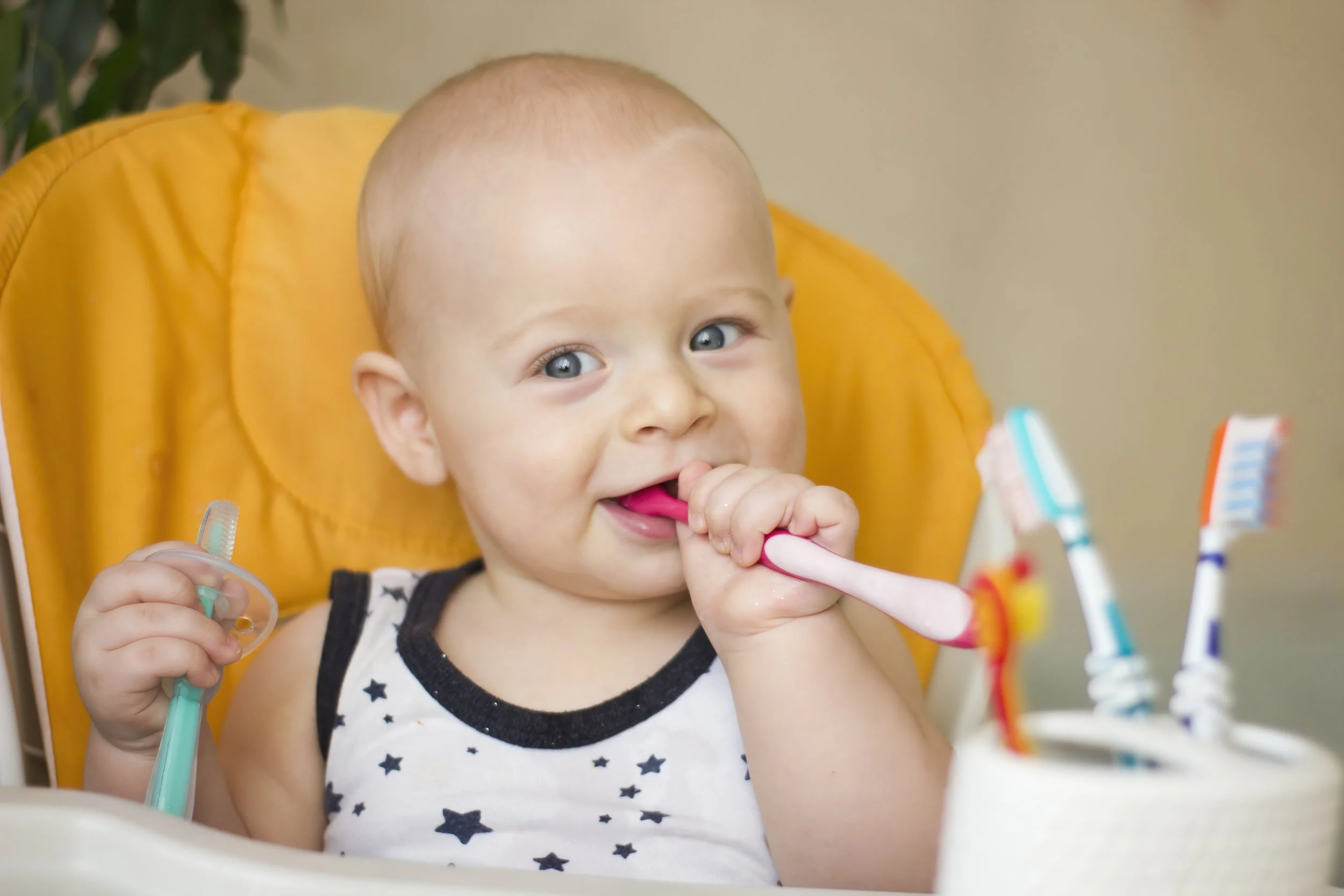
Oral care starts before teeth appear. Even breast milk and formula contain natural sugars that can leave residue on gums, so simple cleaning after feedings is helpful and begins the habit early.
Cleaning a Baby's Gums
Infants should have their gums cleaned with a soft cloth before teeth emerge. Using a clean, damp cloth or gauze wrapped around a finger to gently wipe gums once or twice a day, especially before bedtime, removes milk residue and helps babies become accustomed to mouth care. No toothpaste is needed at this stage.
Preparing for the First Tooth
Choose a soft-bristled, infant-sized toothbrush before the first tooth appears so you are ready to start brushing immediately. Brushing should begin with the first tooth and be done twice daily. Making brushing part of a calming bedtime routine early helps the habit feel normal as more teeth erupt.
Brushing Children's Teeth

Brushing removes soft plaque from tooth surfaces and, when using fluoridated toothpaste, places protective fluoride directly where decay can begin. Children need different levels of help depending on age and coordination. Daily brushing helps prevent cavities at every stage.
When to Start Brushing
Parents should start brushing as soon as the first baby tooth appears. Brush a child's teeth twice a day for two minutes, with extra focus on nighttime because saliva flow decreases during sleep, making teeth more vulnerable. Even a single tooth can develop a cavity, so early daily brushing is essential.
Choosing a Child's Toothbrush
Look for soft bristles, a small head that fits the child's mouth comfortably, and a handle that adults and eventually children can grip easily. Replace toothbrushes every three to four months or sooner if bristles splay. Fun colors or characters can motivate children, but technique and regularity matter more than the brand.
Fluoride Toothpaste for Young Children
Children under 3 should use a smear of fluoride toothpaste, about the size of a grain of rice. For ages three to six, use a pea-sized amount of fluoride toothpaste. These amounts follow current AAP clinical guidance on fluoride use. Teach children to spit out toothpaste when able; vigorous rinsing is unnecessary since brief fluoride contact benefits enamel.
Helping Toddlers and Preschoolers Brush
Young children generally lack the fine motor skills to clean all surfaces well. A "you brush, then I brush" approach lets the child participate while ensuring an adult completes thorough cleaning. Practical positions include having the child lie back in the adult's lap or standing behind the child in front of a mirror.
Brushing for School-Age Children
Encourage greater independence in early elementary years while still supervising. Children need help with brushing until about age eight, particularly around new permanent molars and along the gumline. Periodically watching your child brush and offering gentle technique feedback is more effective than assuming they are doing it correctly.
How Long Should Children Brush?
About two minutes per session covers all tooth surfaces in both jaws. A small sand timer, counting slowly together, or a song of similar length can help children reach that target. Parents should ensure children cover fronts, backs, and chewing surfaces of every tooth.
Flossing and Cleaning Between Children's Teeth
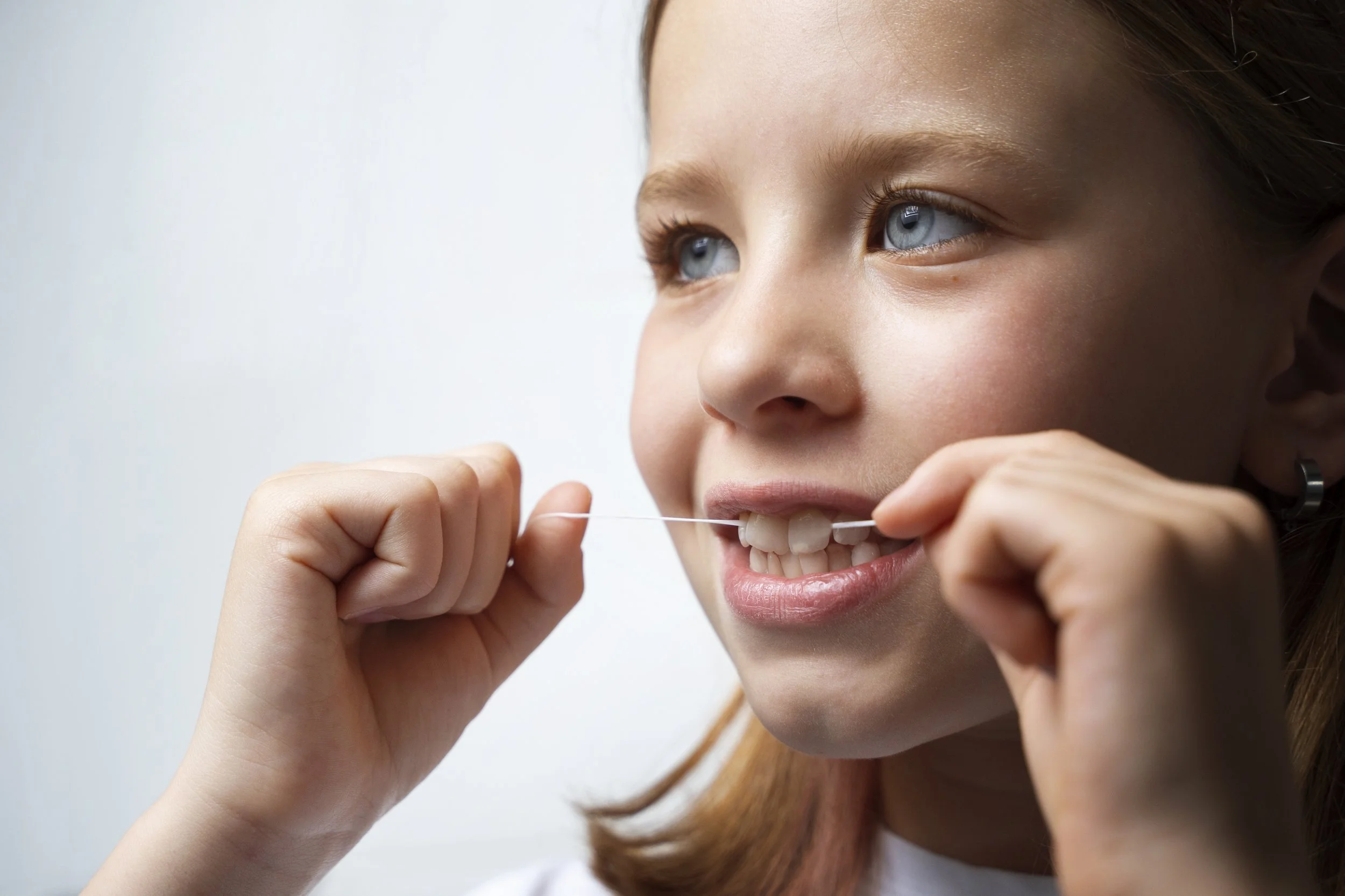
Toothbrush bristles cannot effectively clean tight spaces where two teeth touch. Plaque and food collect in these gaps, contributing to cavities and gum irritation. Parents typically need to perform or assist with flossing for younger children.
When Should Children Start Flossing?
Flossing should start when two teeth touch each other and there is no longer a gap between them, which may happen during the toddler or preschool years. Spacing patterns differ; some children need floss between back baby molars by ages three to four, while others have natural gaps that are easily cleaned with a brush for longer.
Helping Young Children Floss
Gently slide floss between teeth, curve it in a C-shape around each tooth, and move it up and down to clean side surfaces without snapping into gums. Keep sessions brief and calm. Some mild bleeding at first may reflect plaque-related gum irritation, but persistent or heavy bleeding should be discussed with a dental professional.
Floss Picks and Other Interdental Tools
Pre-threaded floss picks and child-friendly holders can simplify the process for both parents and older children. Interdental brushes may be recommended for children with braces or tight spaces. The goal is effective daily cleaning between teeth, not rigid devotion to one specific tool.
Building Independence
Children generally require assistance with flossing until about age ten. As coordination improves, they can take over more of the process with parents checking difficult areas. Praise effort and consistency rather than expecting perfect technique immediately.
Fluoride and Children's Dental Health
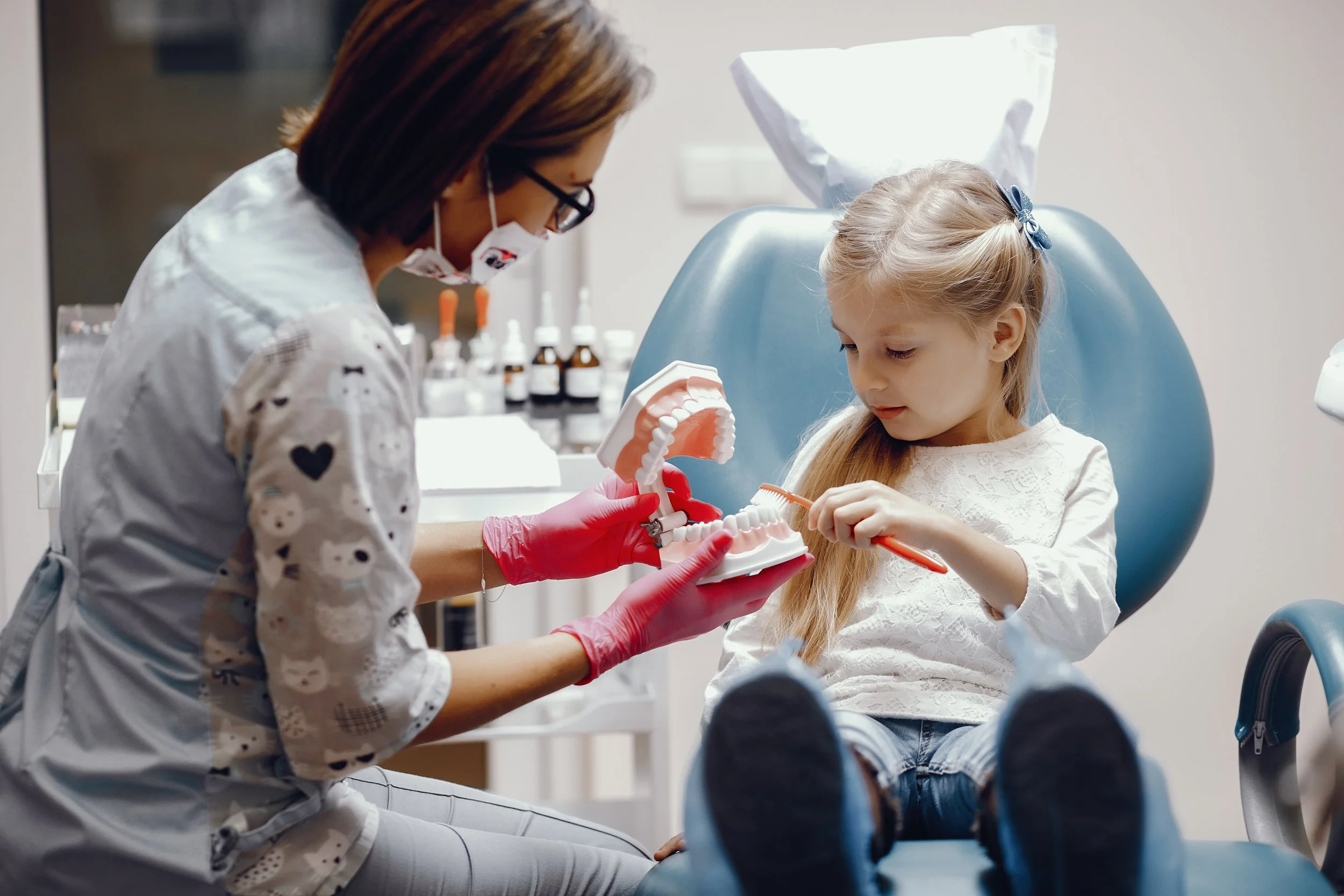
Fluoride is a naturally occurring mineral found in soil and water that strengthens tooth enamel and makes it more resistant to acid-related mineral loss. Fluoride helps prevent cavities by keeping enamel strong in both baby and permanent teeth. Children encounter fluoride through toothpaste, drinking water, and professional treatments.
Fluoride Toothpaste
Brushing twice daily with fluoride toothpaste is one of the simplest and most effective ways to prevent cavities. A smear for children under three and a pea-sized amount for ages three to six remains the standard. Store toothpaste out of reach and supervise use to prevent young children from swallowing large amounts.
Fluoridated Drinking Water
Many community water supplies are adjusted to an optimal fluoride level to help reduce tooth decay. Children who regularly drink appropriately fluoridated tap water receive low, frequent doses of fluoride that support enamel health. Parents unsure about the fluoride level in their water can ask their dentist, pediatrician, or local water provider.
Professional Fluoride Treatments
Topical treatments such as fluoride varnish, applied by dental professionals during checkups, offer extra protection for children at higher risk of decay. Fluoride varnishes can protect newly emerged teeth, and fluoride varnish should be applied every three to six months depending on cavity risk, oral hygiene, diet, and local water fluoride levels. Some families may also discuss a fluoride supplement with their child's dentist or doctor if water sources are not fluoridated.
Using Fluoride Safely
When used as directed, fluoride is considered safe and effective. The key is using the recommended amount of fluoride toothpaste for the child's age, teaching children to spit rather than swallow, and keeping fluoride-containing products out of reach of young kids.
Preventing Cavities in Children
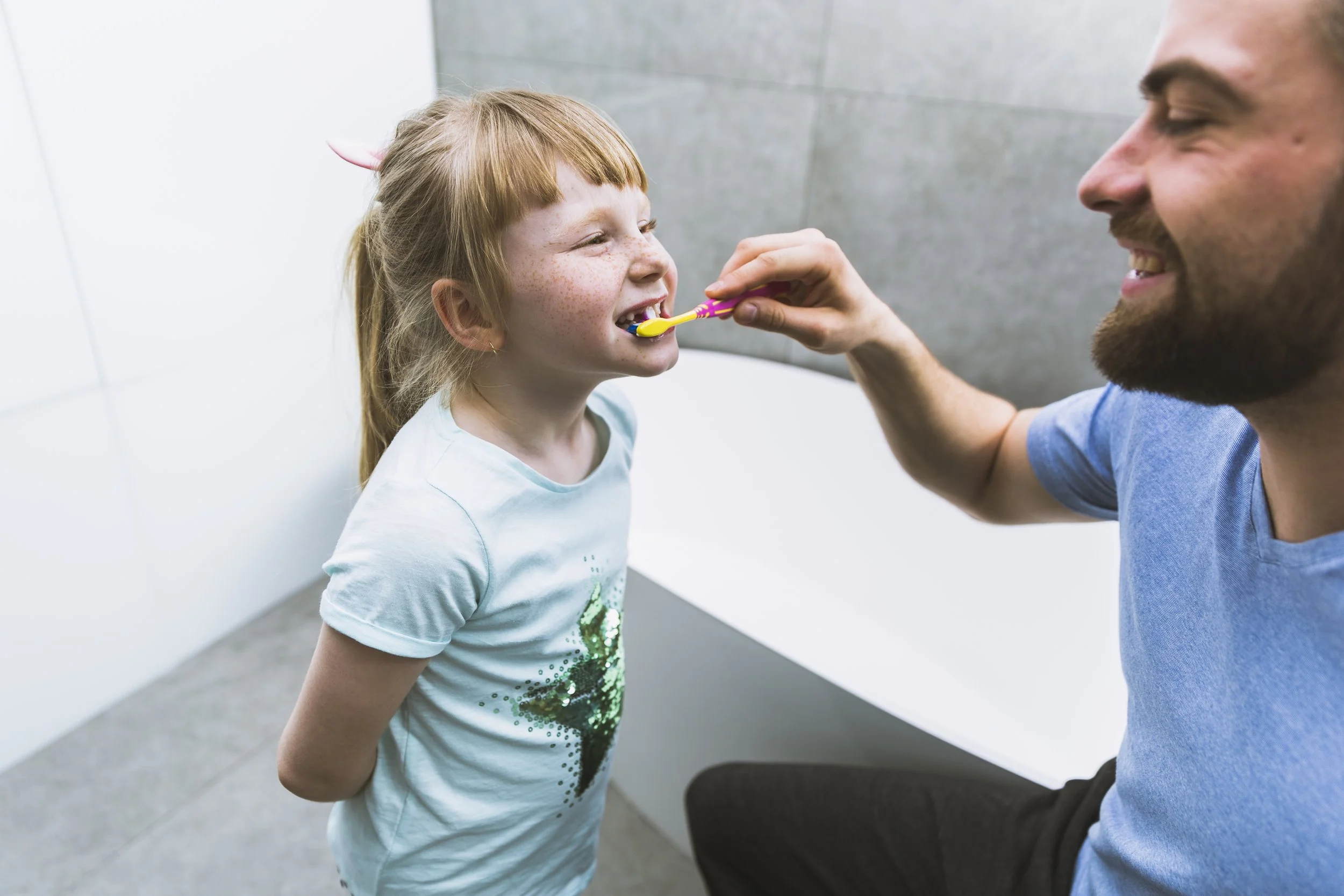
Tooth decay develops over time from a combination of factors: bacteria in plaque, sugars and other fermentable carbohydrates, acid production, tooth susceptibility, saliva, and how often and how long teeth are exposed. Untreated tooth decay can lead to pain and infection. With consistent prevention, many children can reach adolescence with few or no cavities.
Brush Twice a Day With Fluoride Toothpaste
Regular removal of plaque and delivery of fluoride to tooth surfaces morning and night interrupts the decay process. Parent involvement for younger children and supervision for older ones helps ensure no areas are skipped.
Clean Between Teeth
Cavities often form where bristles cannot reach. Flossing or other interdental cleaning, ideally daily, is just as important for baby molars as it is for permanent molars. Finding a consistent time, such as evening brushing, makes the habit stick.
Limit Frequent Sugar Exposure
Each time a child eats or drinks something with sugar, oral bacteria produce acids that can soften enamel for twenty to thirty minutes or more. Frequent snacking means teeth spend more total time in an acidic environment. Limit sugary snacks to reduce cavity risk, and cluster treats with mealtimes when possible.
Be Mindful of Sugary Drinks
Soda, sweetened juice drinks, energy drinks, sports drinks, and sweetened teas combine sugar and acid, promoting both decay and enamel wear. Prolonged sipping repeatedly bathes teeth in acid. Avoid fruit juice in sippy cups to prevent decay, and offer water as the default between meals.
Avoid Prolonged Bedtime Sugar Exposure
Bottles or sippy cups of milk, formula, or juice given at bedtime expose teeth to sugar for hours while saliva flow is naturally reduced. When possible, phase out bedtime bottles of anything other than water and brush after the last feeding. Feeding choices can be complex; discuss individual situations with a pediatric dentist or doctor if change feels difficult.
Support Healthy Saliva Flow
Saliva washes away food particles, neutralizes acids, and supports enamel repair. Encourage regular water intake throughout the day. Frequent intake of very acidic drinks, some medications, or constant mouth breathing may reduce saliva's protective effect.
Diet and Healthy Teeth

What and how often children eat and drink influences cavity risk and enamel health, but a balanced diet can include a wide variety of foods, including occasional treats. Encouraging a tooth-healthy diet includes limiting sugary foods and drinks while focusing on patterns rather than strict rules.
How Sugar Contributes to Tooth Decay
Oral bacteria use sugars and other fermentable carbohydrates from foods like juice, crackers, cereal, and sweets, producing acids that remove minerals from enamel. Repeated acid attacks without enough recovery time can gradually create weak spots that progress into dental caries. Both obvious sweets and less obvious sources like sticky dried fruit or frequent crackers contribute.
Frequent Snacking and Cavity Risk
Eating small amounts of carbohydrate-containing food many times a day keeps the mouth in a more acidic state compared with defined meal and snack times. Structured snacks, such as a mid-morning and mid-afternoon break, reduce total acid exposure. Combining carbohydrates with protein or fat as part of balanced meals supports both nutrition and oral health.
Acidic Foods and Drinks
Enamel erosion is wear caused by acids from sources outside plaque bacteria, such as citrus juices, soda, and sports drinks. Unlike dental decay, erosion involves chemical wear that thins and dulls enamel. Serve acidic drinks in moderation, preferably with meals, and discourage swishing or holding them in the mouth.
Foods That Support Dental Health
Balanced meals should include nutrient-dense foods rich in calcium and phosphorus to build strong tooth enamel, along with vegetables, fruits, whole grains, and lean proteins. Crunchy fruits and vegetables like apples and carrots stimulate chewing and saliva flow as part of meals. Milk, cheese, yogurt, or fortified alternatives support normal tooth and bone development.
Water as an Everyday Beverage
Water is the best everyday drink between meals for hydration, saliva support, and, in communities with fluoridated water, additional cavity protection. Send refillable water bottles to school and activities. Drinking water after something sugary may rinse away some residue, though it does not replace brushing.
Dental Sealants for Children
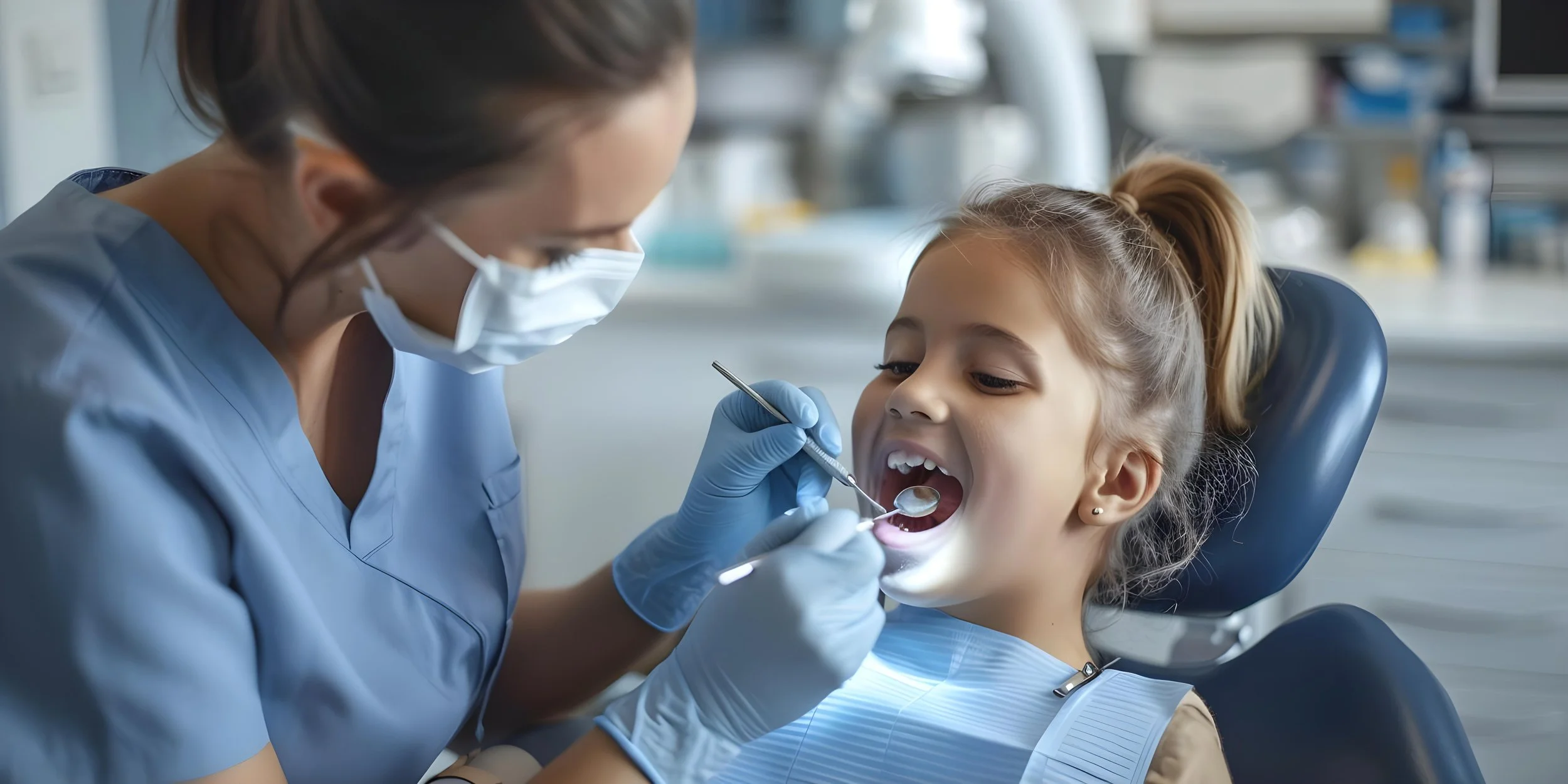
Dental sealants are thin protective coatings applied to the chewing surfaces of teeth, most often permanent molars, to help prevent cavities in deep grooves. Sealants are a preventive option often recommended soon after permanent molars erupt, especially for children with deep pits and fissures or a history of dental decay.
How Dental Sealants Work
Sealants flow into pits and fissures on chewing surfaces, then are hardened by a special light to create a smoother, protective barrier. By covering hard-to-clean grooves, sealants make surfaces easier to brush and less likely to trap plaque. Properly placed sealants can last several years but should be checked at each dental checkup.
Why Permanent Molars Are Vulnerable to Cavities
First and second permanent molars erupt at the back of the mouth around ages six to seven and eleven to thirteen, where they are hard to see and reach. Their deep, narrow grooves can be difficult even for bristles to clean. These characteristics create higher risk, and sealants help address this specific vulnerability.
Which Children May Benefit From Sealants?
Sealants can prevent a significant proportion of cavities in permanent molars. A Cochrane systematic review found resin-based sealants reduced caries in first permanent molars by approximately 88% over two years compared to no sealant. Dentists decide which teeth to seal based on tooth shape, eruption stage, and overall cavity risk. Parents should ask their child's dentist whether sealants are recommended as part of personalized preventive planning.
Sealants Do Not Replace Daily Oral Hygiene
Sealants protect specific chewing surfaces but do not cover all sides of the tooth or the spaces between teeth. Children still need twice-daily brushing with fluoride toothpaste, flossing, and a tooth-friendly diet. Regular dental checkups remain important to monitor both sealed and unsealed teeth.
Healthy Gums in Children
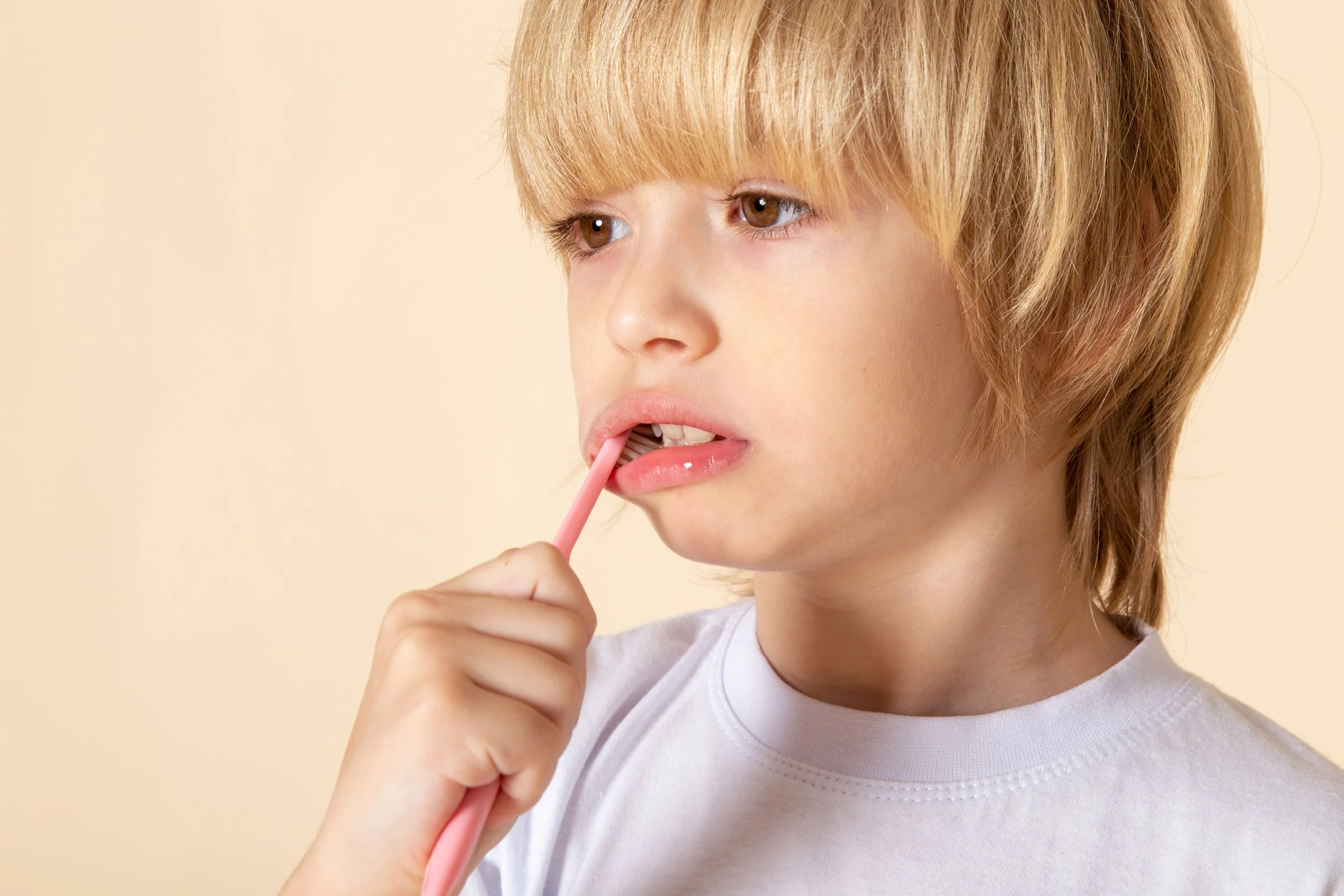
Oral health includes gums and other soft tissues, not just teeth. Dental plaque along the gumline is a major contributor to gingivitis, which can cause bleeding and swelling if not removed regularly. Gum health matters at every age.
What Healthy Gums Usually Look Like
Healthy gums are generally firm, pink (with variations depending on natural skin tone), and snug around the teeth without persistent swelling. Occasional slight bleeding after restarting flossing is common and should improve as plaque control becomes consistent. Professional dental assessments are more reliable than color-based self-diagnosis.
Bleeding Gums
Gums that bleed regularly with gentle brushing or flossing may be inflamed from plaque buildup. Continue gentle, thorough cleaning rather than stopping, and monitor whether bleeding improves over one to two weeks. Ongoing, heavy, or unexplained bleeding should be discussed with a dentist.
Gingivitis in Children
Gingivitis is inflammation of the gums, often caused by plaque that remains on teeth and the gumline too long. Common signs include red or darkened gums, swelling, tenderness, and bleeding. Gingivitis can occur in children and teens but is usually reversible with improved home care and, when needed, professional cleaning.
Gum Changes During Puberty
Hormonal changes during puberty can make gum tissues more reactive to plaque, leading to puffier gums or increased bleeding. Consistent brushing and interdental cleaning are especially important during adolescence, as are regular dental checkups. Parents should encourage teens to maintain good dental habits even with orthodontic appliances.
Protecting Children's Gums
Gently brush along the gumline in small circles, covering both front and back surfaces. Daily cleaning between teeth removes plaque that brushes cannot reach. Avoid aggressive brushing with hard bristles or excessive force, which can irritate or damage gums. Soft-bristled brushes are recommended for all ages.
Oral Habits That Can Affect Children's Teeth

Many oral habits are common and normal parts of development. Potential effects on teeth and jaws depend on frequency, duration, and intensity rather than brief or occasional behaviors. A balanced, nonjudgmental approach helps parents know when to seek guidance.
Thumb and Finger Sucking
Thumb sucking is a normal self-soothing behavior in babies and toddlers that usually decreases naturally between ages two and four. Intense or prolonged sucking beyond the preschool years can sometimes influence the position of front teeth. Positive reinforcement and identifying triggers work better than shaming; seek dental advice if the habit continues strongly past age four to five.
Pacifier Use
Pacifiers can be a helpful soothing tool for infants, and short-term use is not usually harmful to teeth. Prolonged or very frequent use past the toddler years may influence tooth and jaw development in some children. Gradual weaning is generally recommended, and parents can ask their dentist or pediatrician for personalized timing.
Teeth Grinding
Bruxism is repetitive grinding or clenching of teeth, often occurring during sleep. Occasional grinding is common in young children and may not cause lasting harm, but persistent grinding can lead to tooth wear, jaw discomfort, or headaches. Mention grinding sounds or jaw pain to a dentist so they can determine whether monitoring or a protective night guard is appropriate.
Nail Biting and Chewing Objects
Biting fingernails, chewing ice, or habitually biting pens and pencils can chip or crack teeth, irritate gums, or damage orthodontic appliances. If these habits are frequent, working with children on alternative stress-relief or fidget tools can help.
Mouth Breathing
Some children breathe through their mouth rather than their nose due to congestion or anatomy. Persistent mouth breathing can contribute to a drier mouth, reducing saliva's protective effect and increasing cavity risk. Parents who notice ongoing mouth breathing, snoring, or restless sleep should discuss this with a healthcare provider or dentist.
Protecting Children's Teeth From Injury
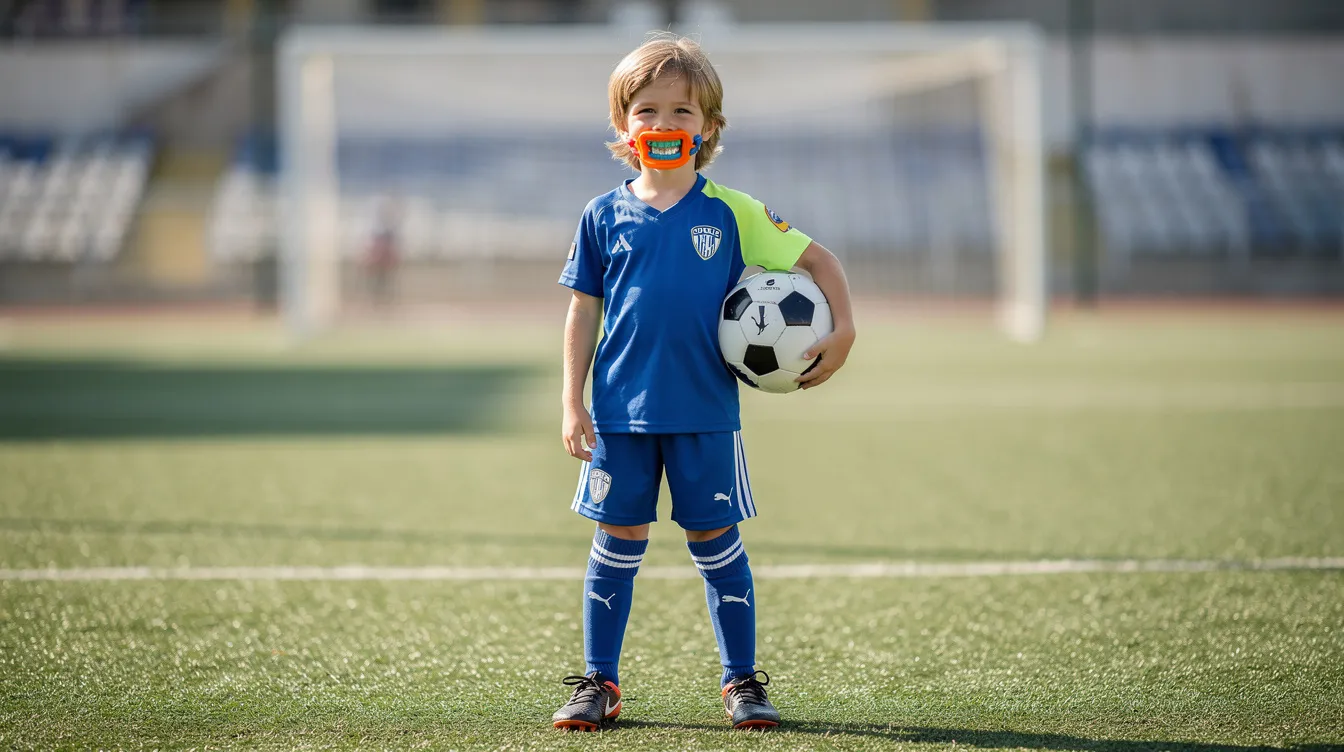
Active play, sports, and everyday falls can lead to dental injuries, but simple precautions lower the risk while allowing children to stay active.
Mouthguards for Sports
Mouthguards cushion blows to the face and reduce the risk of broken teeth and lip injuries during contact sports such as football, hockey, basketball, and martial arts. Types include stock, boil-and-bite, and custom-made options. Treat mouthguards as standard sports gear, especially once permanent teeth begin erupting.
Avoid Chewing Hard Objects
Ice cubes, hard candy, unpopped popcorn kernels, and nonfood items like pen caps can chip or crack teeth. Even strong permanent teeth can fracture under enough force on a small, hard object. Remind children not to use teeth as tools.
Safe Habits During Play
Use appropriate protective equipment, including helmets and face shields where recommended. Encourage children not to run with objects in their mouths. Focus on realistic safety measures rather than discouraging active play.
What to Know About Dental Injuries
Chipped, cracked, or knocked-out teeth should be assessed by a dental professional. Knocked-out permanent teeth often need immediate attention and special handling, while knocked-out baby teeth are usually not reimplanted. For detailed emergency guidance, consult a pediatric dental-issues resource or your dentist.
Children With Braces and Other Orthodontic Appliances
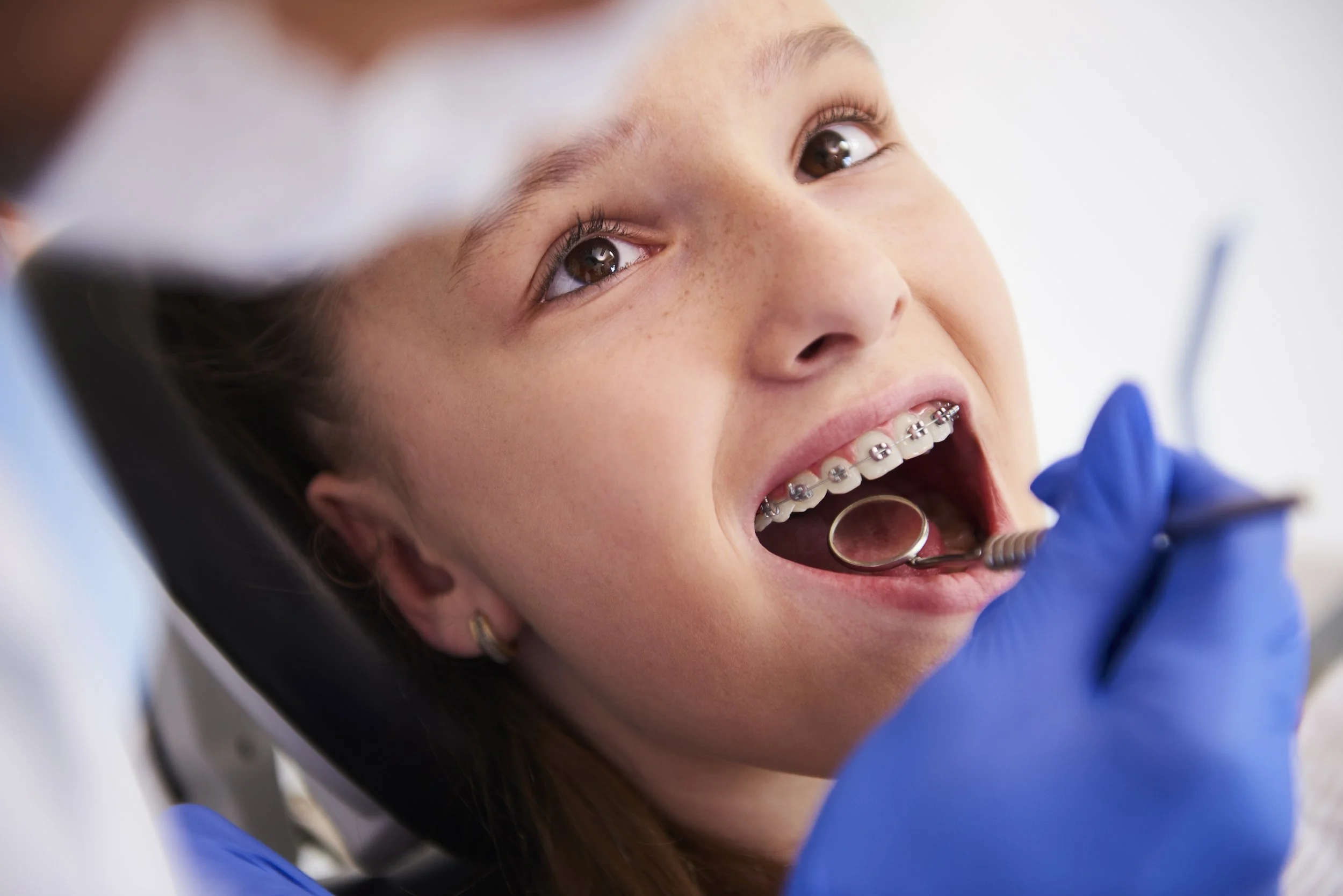
Brackets, wires, and other orthodontic appliances create additional surfaces where plaque and food collect, increasing the risk of decay, white spots, and gum problems. Adjusting routines and tools during orthodontic treatment protects both teeth and the investment in braces.
Brushing Around Brackets and Wires
Carefully brush above, below, and around each bracket, along the gumline, and on chewing surfaces. Soft-bristled or specialized orthodontic brushes help, and spending a bit more time than usual at each session makes a difference. Dental teams can demonstrate techniques on request.
Cleaning Between Teeth With Braces
Flossing remains important with braces even though wires make it harder. Floss threaders, pre-threaded orthodontic floss, and small interdental brushes help clean around brackets and under wires. Experiment to find what works best.
Preventing White Spots and Cavities
White-spot lesions are early areas of enamel demineralization that can appear around brackets when plaque is not removed. Visible dental decay can lead to social anxiety or self-consciousness in children, making diligent care during treatment especially worthwhile. Brush carefully with fluoride toothpaste, clean around all brackets, and limit sugary or acidic drinks.
Protecting Braces During Sports
Mouthguards designed for braces help protect teeth and reduce the chance of lips or cheeks being cut on brackets. Some mouthguards allow for tooth movement and appliance changes. Talk with your orthodontist or dentist about the most appropriate option.
Children's Oral Health at Different Ages

Oral health priorities shift as a child grows. This section summarizes what matters most at each developmental stage.
Babies
Wipe gums with a clean cloth before teeth appear. When the first tooth arrives, start brushing with a tiny smear of fluoride toothpaste. Avoid prolonged sugary liquids at bedtime. Children should see a dentist by their first birthday, or within six months of the first tooth, to establish a dental home. Establishing a dental home early prevents future dental emergencies. Regular dental visits should follow every three to six months thereafter.
Toddlers
Brush twice a day with a small, age-appropriate amount of fluoride toothpaste, with full adult assistance. Most or all 20 baby teeth often erupt by around age three, increasing surfaces that need cleaning. Begin flossing when teeth start to touch and be mindful of frequent snacking and sugary drinks.
Preschoolers
Continue twice-daily brushing with a pea-sized amount of fluoride toothpaste using a "you brush, then I brush" approach. Establish predictable morning and evening routines. Monitor oral habits such as thumb sucking and discuss concerns with a dental professional if habits appear strong and persistent past age four.
School-Age Children
Mixed dentition, eruption of permanent molars, supervised brushing and flossing, and consideration of dental sealants define this stage. Professional dental care is important for early detection of cavities. Regular dental checkups help maintain oral health and prevent decay while monitoring tooth eruption and bite development. Include sports mouthguards and gradually increase hygiene independence.
Preteens and Teenagers
Greater personal responsibility for twice-daily brushing, daily flossing, and healthier beverage choices becomes the focus. Common issues include braces, increased gum inflammation during puberty, and popularity of energy drinks and flavored coffees. Encourage open conversations about why oral health matters, including appearance, breath, and long-term health.
Helping Children Build Good Oral Health Habits
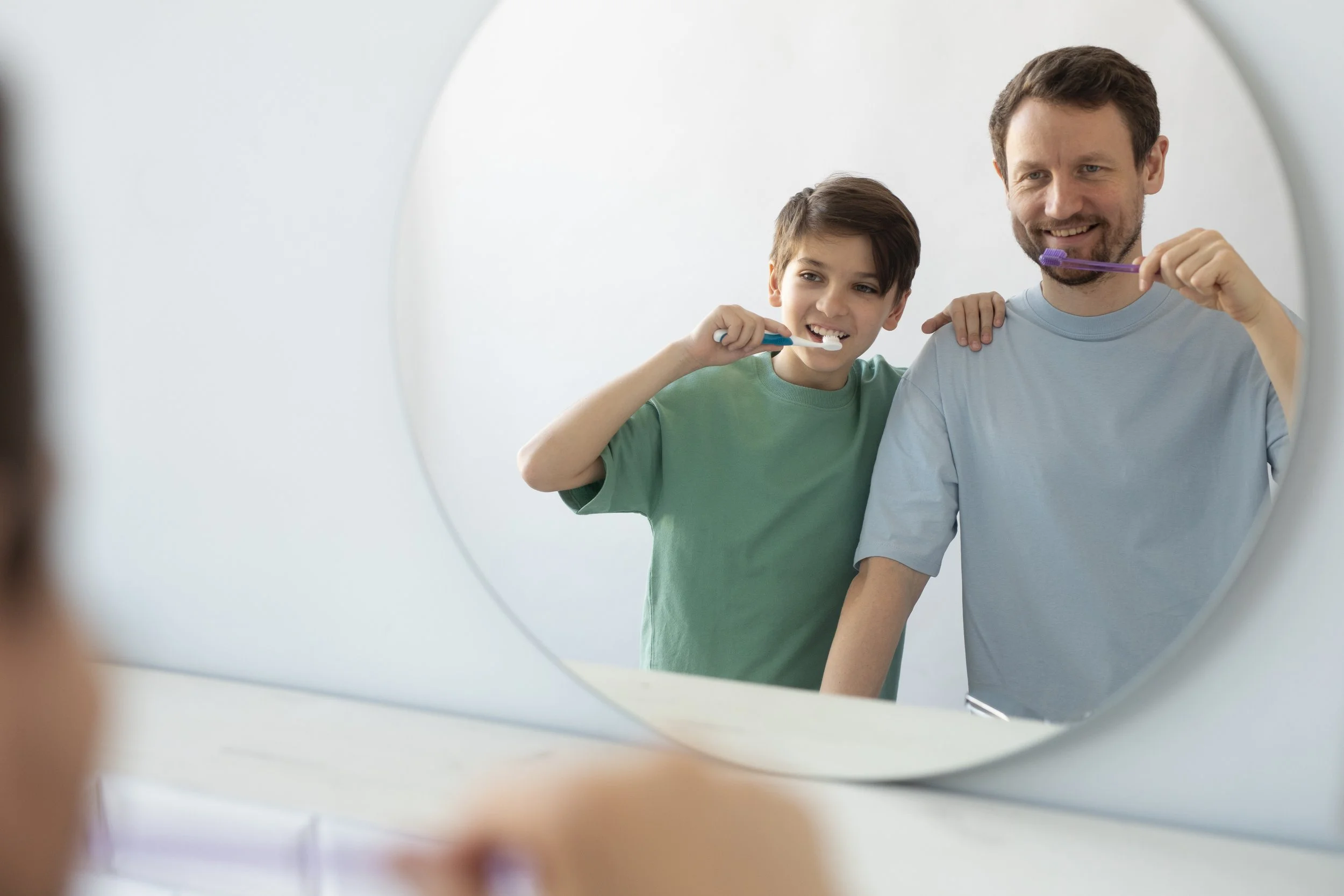
Consistent, realistic routines and supportive parenting matter more than expecting young children to manage oral health perfectly. Small, predictable actions repeated daily build strong habits for life.
Make Oral Care Part of the Daily Routine
Link brushing and flossing to existing routines, such as after breakfast and before bedtime stories. Treat oral care like washing hands or buckling seat belts. Keep toothbrushes, toothpaste, and floss accessible at children's height.
Brush Together
Family brushing time lets younger children watch adults model good technique. Brushing together allows parents to check habits and turn the routine into a shared, positive activity. Occasional check-up brushes remain helpful even when kids seem fairly independent.
Give Children Age-Appropriate Responsibility
Let toddlers hold the brush for part of the time while adults complete the actual cleaning. School-age children may handle brushing while parents supervise. Tweens and teens take primary responsibility with periodic reminders. Praise effort and improvement rather than criticizing missed spots.
Focus on Consistency Rather Than Perfection
Missing a brushing once in a while is normal. The goal is long-term consistency, not flawless daily performance. Return to routines calmly after disruptions like travel or illness, and avoid fear-based messages about cavities.
Teach Children Why Oral Health Matters
Use age-appropriate explanations about plaque, decay, and gums. Tie oral health to things children care about: eating favorite foods, having a strong smile, and avoiding sore teeth. Answer questions honestly and seek professional help if a child has persistent fear about dental care.
Warning Signs of Oral Health Problems in Children

Children may not always recognize or clearly describe dental symptoms. Parents should watch for changes in eating, behavior, and the appearance of teeth and gums. The signs below can have different causes, and noticing them should prompt a conversation with a dental professional.
Tooth Pain
Persistent discomfort, especially when chewing, biting, or lying down at night, may indicate decay, trauma, or other issues. Contact a dentist if a child frequently complains of toothaches or avoids chewing on one side.
Tooth Sensitivity
Sensitivity to hot, cold, sweet foods, or pressure may signal enamel wear, early decay, or other concerns. Occasional brief twinges may not be serious, but increasing or persistent sensitivity should be evaluated.
White, Brown, or Dark Spots on Teeth
Early enamel changes can appear as chalky white areas, while more advanced decay may show as brown or black spots. Not every spot is a cavity; some relate to developmental changes or staining. Bring new or changing spots to a dentist's attention.
Bleeding or Swollen Gums
Gums that bleed easily or appear swollen, red, or shiny may be reacting to plaque buildup. Observe whether bleeding improves with better brushing and flossing over two weeks. Seek guidance if bleeding is heavy, persistent, or associated with pain.
Persistent Bad Breath
Ongoing bad breath can be related to plaque, gum inflammation, dry mouth, or nasal issues. Ensure thorough brushing of the tongue as well as teeth. See a dentist or doctor if bad breath continues despite good hygiene.
Chipped, Cracked, or Loose Teeth
Injuries, biting hard objects, or grinding can chip teeth. Baby teeth naturally loosen starting around age six, but unexpected looseness should be checked. Contact a dentist after any noticeable fracture or unexplained mobility in permanent teeth.
Facial or Gum Swelling
Swelling in gums, cheek, or jaw may be related to infection, trauma, or other issues. Swelling with pain, fever, or difficulty opening the mouth deserves prompt attention. Do not ignore rapidly increasing swelling.
Difficulty Eating or Chewing
Children who suddenly avoid foods, chew only on one side, or cry during meals may be experiencing dental discomfort. Discuss such changes with dental and, if needed, medical providers.
Persistent Mouth Sores or Tissue Changes
Minor mouth ulcers usually heal within one to two weeks. Any sore, lump, or patch persisting beyond two weeks, recurring frequently, or causing significant pain should be evaluated by a professional.
When Children's Dental Symptoms Need Prompt Attention
Most oral health issues are not emergencies, but certain symptoms require faster contact with a dentist, urgent-care center, or emergency services.
Significant Facial Swelling
Sudden, noticeable swelling of the cheek, jaw, or around the eye may indicate serious infection or injury. Seek same-day evaluation, especially if swelling increases quickly or is accompanied by fever.
Fever With Dental Infection Symptoms
Tooth pain, gum swelling, or facial swelling combined with fever can signal a spreading dental infection. Contact a dentist or medical provider promptly. Dental infections should not be left untreated.
Severe or Rapidly Worsening Tooth Pain
Pain that keeps a child from sleeping or eating may indicate deep decay or infection. Contact a dentist as soon as possible. Long-term reliance on pain medicine alone without treating the underlying cause is not recommended.
A Knocked-Out Permanent Tooth
A completely knocked-out permanent tooth is a dental emergency. Keep the tooth moist and seek emergency dental help right away. Knocked-out baby teeth are generally not reimplanted, though the child should still be evaluated.
Significant Dental Trauma
Large fractures, displaced teeth, uncontrolled bleeding, or suspected jaw fractures require urgent dental or medical care. Prompt assessment improves outcomes and reduces long-term complications.
Uncontrolled Oral Bleeding
Bleeding that does not slow after sustained, gentle pressure with a clean cloth or gauze needs urgent attention. This is distinct from mild bleeding seen when brushing inflamed gums.
Difficulty Swallowing or Breathing
Any trouble breathing, swallowing, or maintaining an open airway is a medical emergency. Severe infections or swelling can occasionally affect the airway. Call emergency services immediately.
Common Myths About Children's Oral Health
Parents often hear conflicting advice about kids' oral health from friends, family, and social media. The following myths are addressed with evidence-based corrections.
"Baby Teeth Do Not Matter Because They Fall Out"
Baby teeth support chewing, speech, comfort, and space maintenance for permanent teeth. Untreated cavities cause pain, infection, and difficulty eating, and may affect developing permanent teeth beneath. Caring for baby teeth builds good dental habits that carry forward.
"Children Only Get Cavities From Candy"
Many foods and drinks, including chips, crackers, juice, and sweetened yogurt, provide fermentable carbohydrates that bacteria use to produce acids. How often teeth are exposed to sugars and starches can matter more than the specific food. Focus on overall patterns and daily hygiene.
"Children Can Brush Their Own Teeth as Soon as They Can Hold a Toothbrush"
Holding a brush is not the same as having the coordination to clean all surfaces thoroughly. Most children younger than about seven or eight need adult help or supervision. Cooperative brushing, where children practice while adults ensure effective cleaning, works best.
"Bleeding Gums Are Normal in Children"
Gums that bleed easily and regularly are not considered healthy. Persistent bleeding is typically linked to plaque-related inflammation and usually improves with better brushing and flossing. Consult a dentist if bleeding persists despite consistent hygiene.
"Flossing Is Only Necessary for Adults"
Plaque and food particles accumulate between children's teeth just as they do in adults. Cleaning between teeth helps prevent cavities and gum problems in kids. Starting when teeth begin to contact makes flossing a normal routine rather than a new task in adolescence.
"Fluoride Is Only Important for Permanent Teeth"
Fluoride helps protect both baby and permanent teeth by strengthening enamel. Baby teeth may remain in the mouth for more than a decade, so protecting them matters. Appropriate fluoride use across childhood supports overall oral health and helps prevent tooth decay at every stage.
"Dental Sealants Mean a Child Cannot Get Cavities"
Sealants protect mainly the chewing surfaces of specific teeth and do not cover all areas where cavities can form. Children with sealants still need thorough brushing, flossing, fluoride exposure, and a balanced diet. View sealants as one helpful layer of protection rather than a complete solution.
Frequently Asked Questions
Parents often have similar questions about brushing, fluoride, dental visits, and cavity prevention. The following FAQs provide concise answers consistent with current pediatric dentistry guidance.
When should I start brushing my baby's teeth?
Brushing should start as soon as the first tooth appears, usually around six months, using a soft infant toothbrush and a smear of fluoride toothpaste. Continue gently wiping gums before teeth emerge and make brushing part of the daily routine from the start.
How often should children brush their teeth?
Children should brush at least twice a day, in the morning and before bed, for about two minutes each time. Bedtime brushing is especially important because saliva flow decreases at night, leaving teeth more vulnerable to decay.
How much fluoride toothpaste should children use?
Most children under age three should use a tiny smear, about the size of a grain of rice. Children ages three to six typically use a pea-sized amount. Help place toothpaste on the brush and supervise so children do not swallow excess.
When should children start flossing?
Flossing should begin when two teeth touch and there is no longer a gap between them, which may happen in the toddler or preschool years. Parents will usually need to do the flossing at first and gradually involve children more as they gain coordination.
At what age can children brush their teeth by themselves?
There is no single age for every child. Many kids need help or supervision until at least age seven or eight. When a child can write neatly or tie shoes independently, they may be closer to having the skills to brush effectively, but parents should still check technique.
Why are baby teeth important?
Baby teeth help children chew, speak clearly, smile comfortably, and hold space for permanent teeth. Untreated decay in baby teeth can cause pain, infection, and may affect how permanent teeth develop or erupt.
How can cavities in children be prevented?
Core strategies include brushing twice daily with fluoride toothpaste, cleaning between teeth, limiting frequent sugary snacks and drinks, encouraging water, and maintaining regular dental checkups. Fluoride exposure and dental sealants provide additional layers of protection.
Are dental sealants good for children's teeth?
Sealants are a safe, effective way to protect the chewing surfaces of cavity-prone teeth, especially permanent molars. Ask your child's dentist whether sealants are recommended based on tooth anatomy and cavity risk.
Why are my child's gums bleeding?
The most common reason is plaque buildup and gingivitis, especially when brushing or flossing has been inconsistent. Improve daily brushing and gentle flossing along the gumline and seek dental advice if bleeding does not improve or is heavy.
What foods and drinks are most likely to affect children's teeth?
Sugary drinks such as soda, sports drinks, and sweetened juice, along with frequent snacks like candy, chips, and sticky sweets, increase cavity and erosion risk. Focus on water between meals, balanced meals, and limiting how often sweet or sticky foods are eaten.
How can I help my child develop good oral hygiene habits?
Start early, make brushing and flossing part of daily routines, brush together, give age-appropriate responsibility, and explain why oral health matters. Consistency, encouragement, and modeling are more effective than criticism or fear-based messages.
What are the warning signs of dental problems in children?
Common signs include tooth pain, sensitivity, visible spots or holes, bleeding or swollen gums, persistent bad breath, facial swelling, and difficulty eating. Have new or concerning changes evaluated by a dental professional, especially if they persist or worsen.
Conclusion
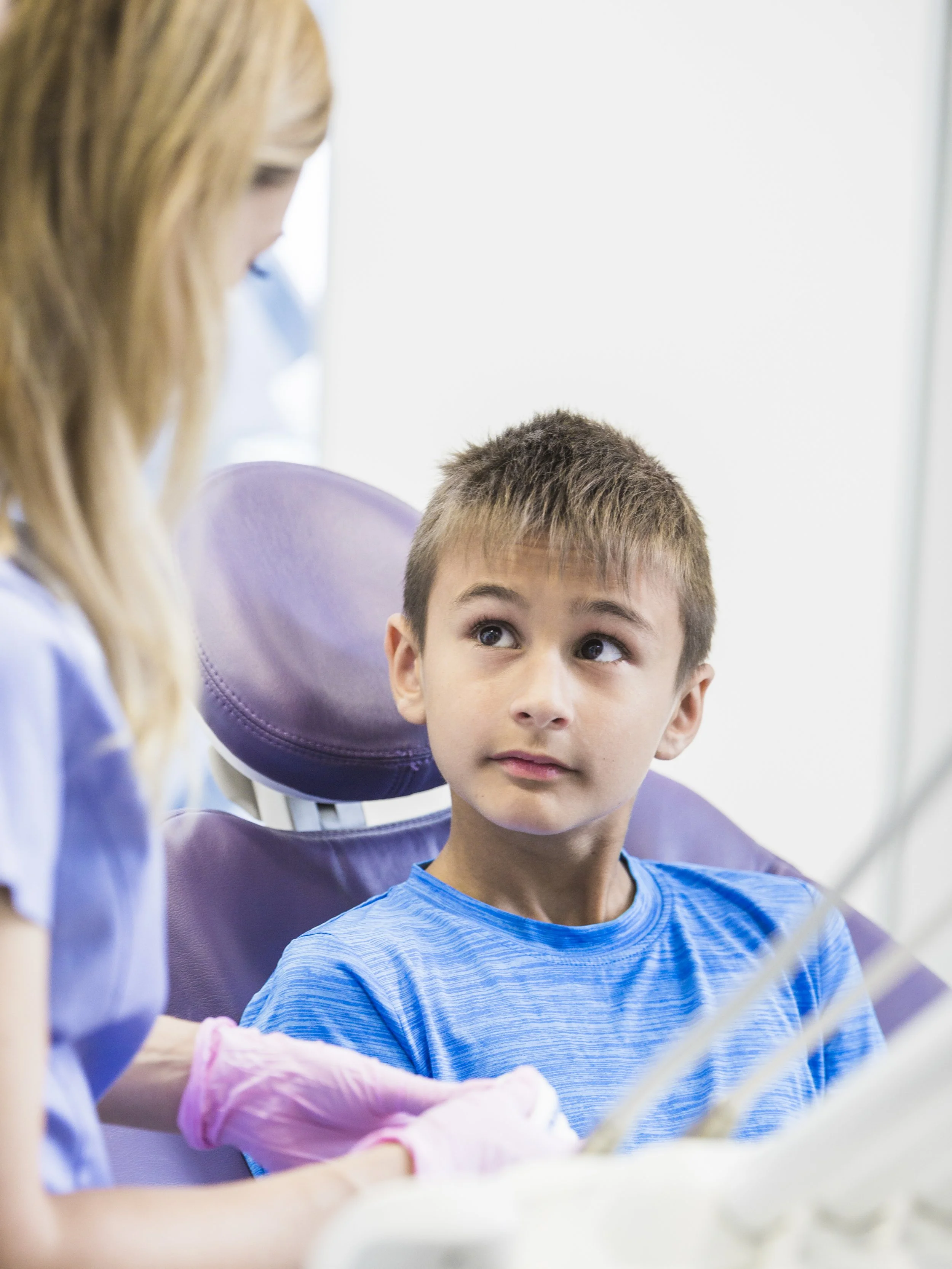
Children's oral health is an evolving process that begins before the first tooth appears and continues through the teenage years as permanent teeth erupt and habits solidify. Daily brushing with fluoride toothpaste, cleaning between teeth, smart use of fluoride from multiple sources, healthy eating and drinking patterns, and protecting teeth from injury form the foundation of prevention. Parents and caregivers play a leading role early on and gradually share responsibility with children as they develop the coordination and understanding to care for their own teeth and gums. Every brushing session, every glass of water, and every dental checkup adds up. Consistent, age-appropriate habits can help most children grow up with strong teeth, healthy mouths, and confidence in their smiles.