What Is TMJ Disorder? Understanding Jaw Pain and TMJ Symptoms
TMJ disorder affects the jaw joint and muscles, causing pain, stiffness, and headaches. Treatments include occlusal guards, jaw exercises, stress management, and sometimes, Botox. Early evaluation by a professional can help relieve symptoms and protect your oral health.
Have you ever experienced pain in your jaw that just won't go away? If you have, you're not alone. According to a study published in the Journal of Oral & Facial Pain and Headache, 29.5% of the global population suffers from jaw pain, often associated with a condition known as TMD disorder.
This term refers to a group of conditions affecting the temporomandibular joint (TMJ), which connects your jawbone to your skull. Understanding TMJ disorder and its symptoms can empower you to find the jaw pain relief you need.
What Is TMJ Pain?
The temporomandibular joint (TMJ) is essential for everyday functions like speaking, chewing, and yawning. TMJ disorder, or TMD, refers to dysfunction or irritation affecting either the joint itself or the associated muscles.
Issues with the TMJ can result in various complications, leading to jaw pain, orofacial pain, or myofascial pain that impacts overall well-being and daily activities.
Common Symptoms of TMJ Disorder

If you suspect that you might be experiencing TMJ disorder, it's important to be aware of the common symptoms associated with this condition. These can include:
Persistent jaw pain or discomfort
Popping or clicking sounds when you move your jaw
Stiffness or difficulty in jaw movement
Headaches or migraines
Pain in the neck and shoulders
These symptoms can vary among individuals, and not everyone will experience all of them. Additionally, other conditions may mimic TMJ symptoms, so it's essential to consult with a healthcare provider for an accurate diagnosis.
What Causes TMJ Pain?
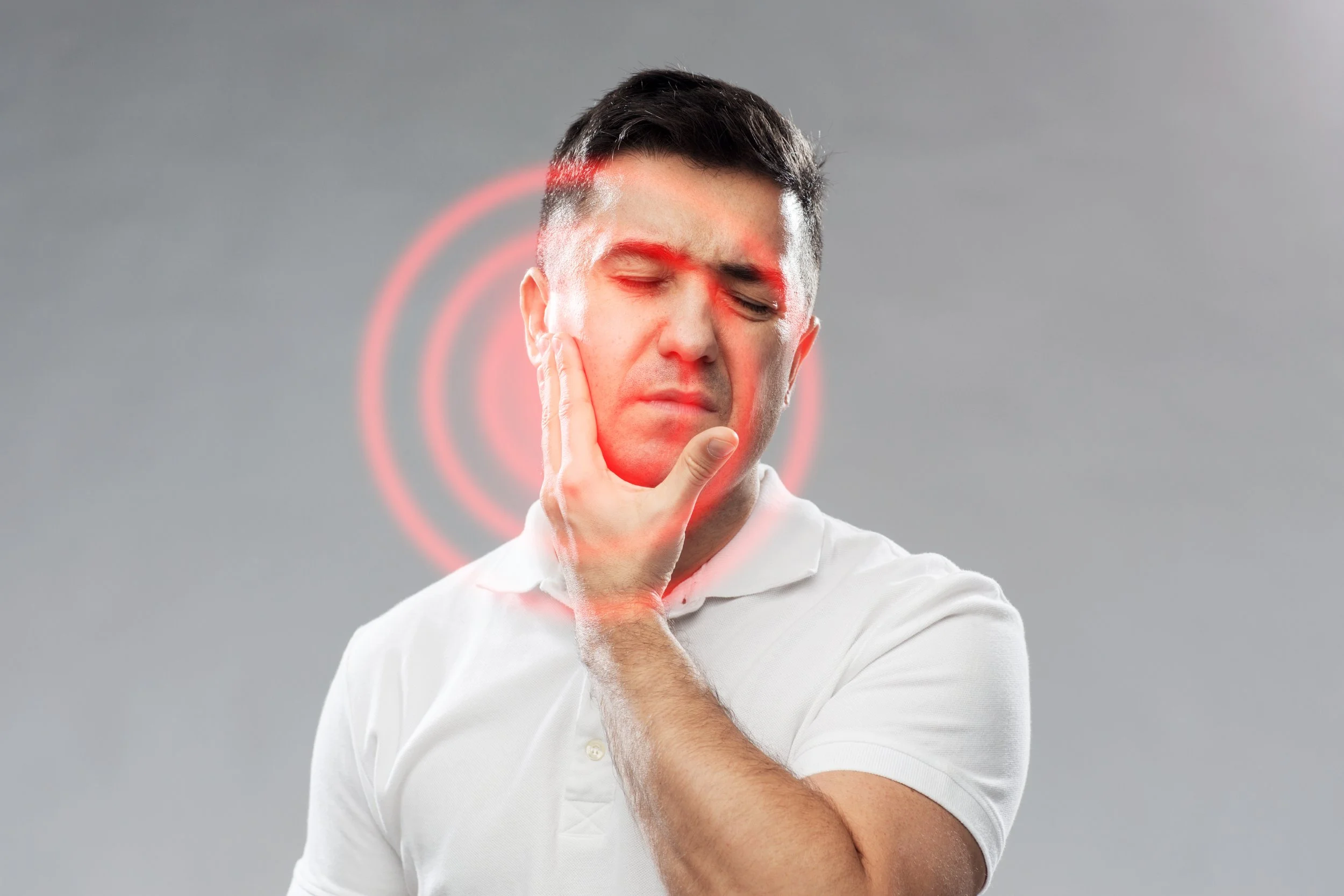
Several factors contribute to TMJ pain, such as:
Injury to the jaw or head
Arthritis affecting the jaw joint
Bruxism (teeth grinding)
Jaw alignment issues
Stress and anxiety leading to muscle tension
Injuries or trauma to the jaw often lead to immediate symptoms. Importantly, the interplay of multiple factors usually underlies most cases, complicating diagnosis and treatment.
How TMJ Pain Is Commonly Managed

Fortunately, there are several TMJ treatment options available that can help relieve the symptoms. Start with gentle approaches-most cases improve without surgery. Some recommended treatments include:
Wear occlusal guards or orthotics to reduce grinding and strain
Try jaw exercises and physical therapy to improve strength and movement
Manage stress and avoid jaw clenching to prevent flare-ups
Consider Botox to relax tight jaw muscles
Remember, TMJ affects everyone differently, so getting evaluated by a professional is important.
When to Seek Professional Help

Consult a healthcare professional if TMJ pain persists for more than a few weeks, if jaw locking occurs, or if symptoms worsen. Headaches or facial pain that disrupt daily activities signal the need for evaluation.
Proper diagnosis is vital to rule out other potential causes and to determine the best course of action.
Enhance Your Quality of Life
If you or someone you know is experiencing symptoms of TMJ disorder, it's essential to seek support. Taking an informed approach to oral health can help manage discomfort and improve daily living. Remember, becoming knowledgeable about TMJ disorder is the first step towards a pain-free life!
Take control of your oral health-visit our blog for more expert guidance to keep your teeth and jaw healthy.