Porcelain vs. Composite Veneers: Which Is Your Best Option?

When considering options for a dazzling smile, porcelain vs composite veneers will depend on your specific oral situation. For instance, porcelain veneers are admired for their natural tooth-like appearance, while composite ones are a less invasive option.
Many people seek ways to enhance their smiles and tap into newfound confidence. Understanding the differences between these two types of veneers can be crucial in making an informed decision.
What Do I Need to Know About Porcelain Veneers?

Porcelain veneers are thin shells made from dental porcelain. They are custom-made to fit over your existing teeth, providing a natural look and feel. Many people prefer porcelain because it closely mimics the appearance of natural teeth, thanks to its translucent quality.
Here are some key points about porcelain veneers:
Durability: They are incredibly strong and resistant to stains
Longevity: With proper care, porcelain veneers can last 10 to 15 years
Color: They can be customized to match the color of your natural teeth
Procedure: The process often requires two visits for fitting and placement
What are the Benefits of Composite Veneers?
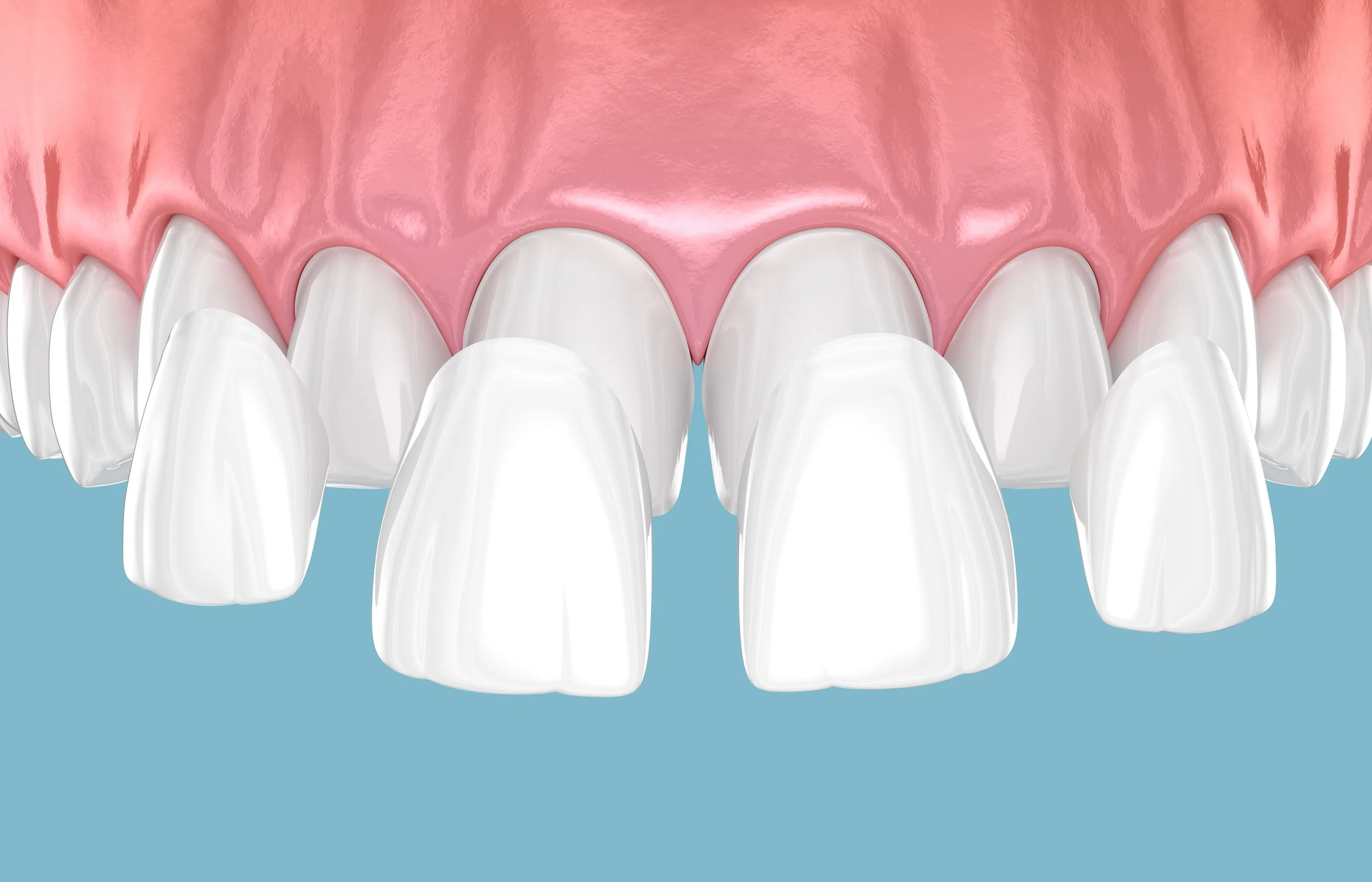
Direct composite veneers, on the other hand, are made from a tooth-colored resin bonded directly onto the tooth's surface. This option is less invasive and can often be completed in a single visit, making it a popular choice for those seeking quick results.
Consider these features of composite veneers:
Cost-Effective: They are typically less expensive than porcelain options
Immediate Results: The application can often be completed in one appointment
Repairable: If they chip, they can be easily fixed with composite material
Less Tooth Reduction: Generally, less enamel needs to be removed compared to indirect porcelain veneers
How Do I Choose the Best Veneers for Me?

The decision between porcelain and composite veneers often depends on individual needs and preferences. Here are some factors to consider:
Budget: If cost is a major factor, composite may be the better option
Longevity: For a long-lasting solution, porcelain is often preferred because it makes for durable veneers
Aesthetic Goals: If you're seeking a highly natural appearance, porcelain may help achieve that
Time Constraints: For those seeking a quick fix, composite veneers can provide immediate results
What Are the Potential Drawbacks?
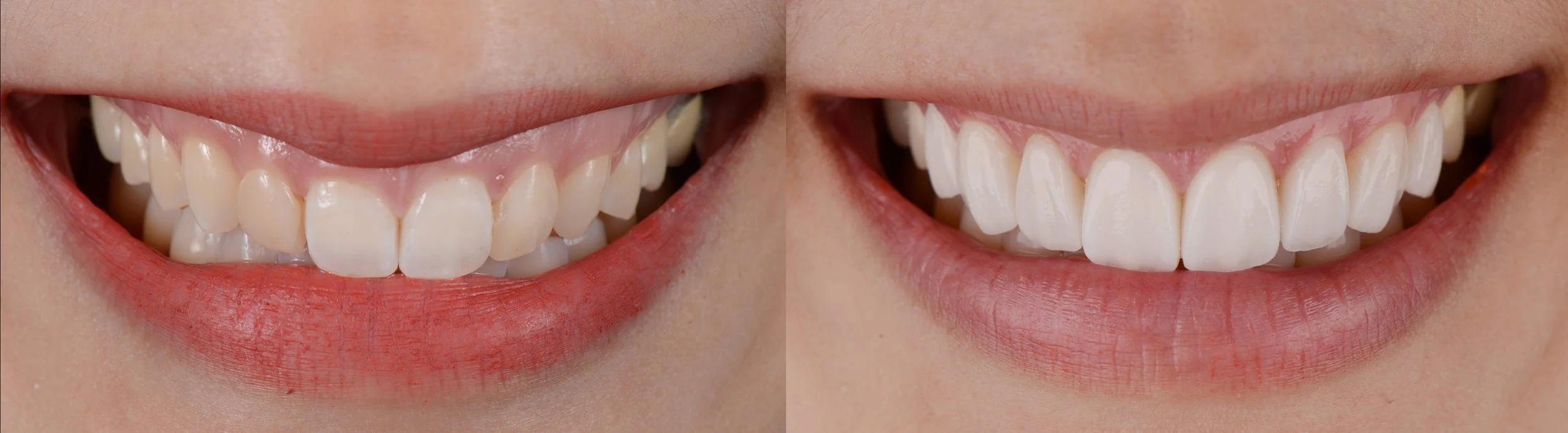
Like any dental procedure, the differences between veneers also come with potential drawbacks. With porcelain veneers, some individuals may experience sensitivity following placement due to enamel removal. On the other hand, composite veneers might require more frequent replacements, as they can degrade faster.
It's Time to Decide Whether Porcelain vs Composite Veneers Are Right For You
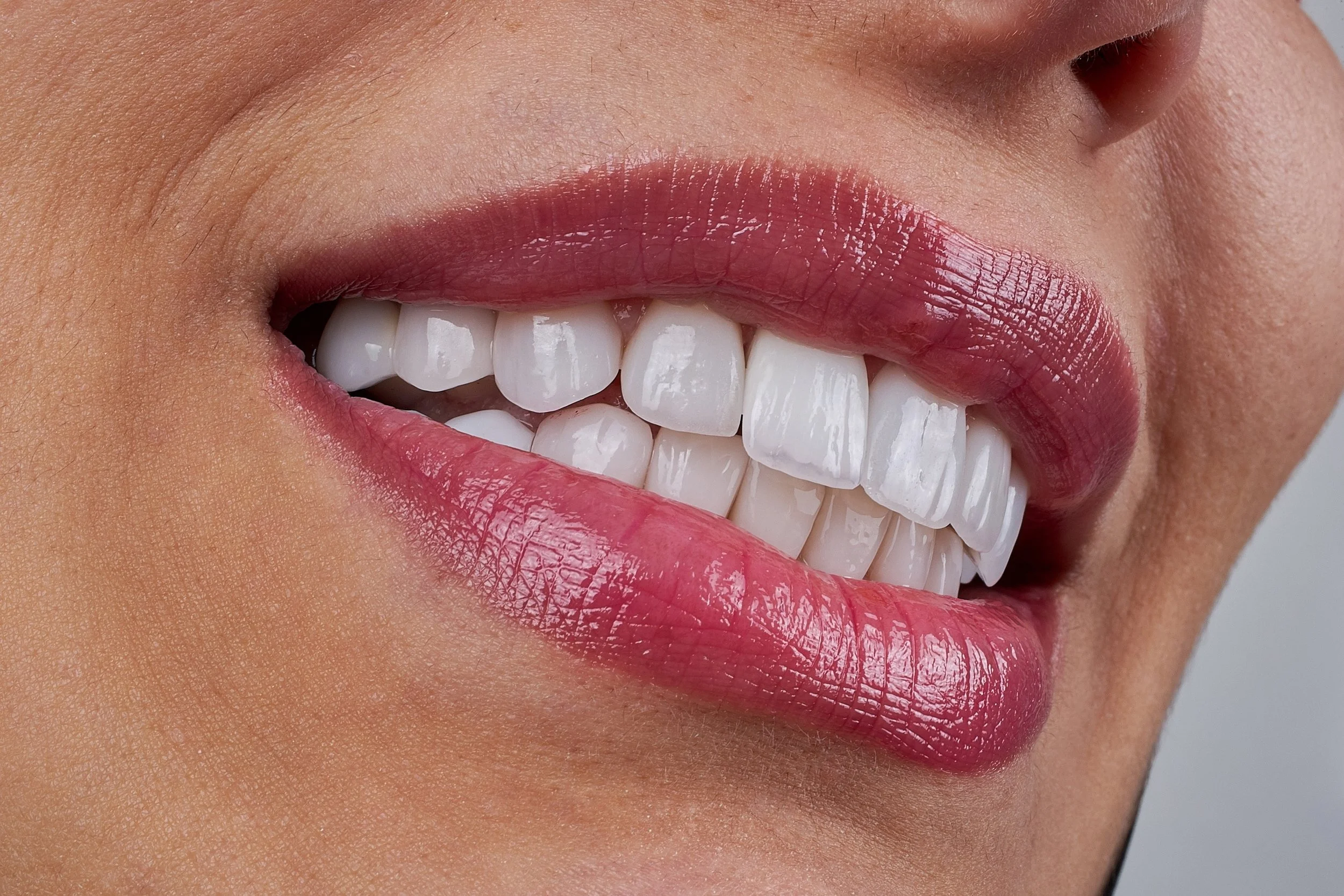
Your smile is important, and the decision to enhance it should be made carefully. Whether you lean towards porcelain vs composite veneers, consulting with your dentist can provide clarity based on your unique dental circumstances. Both options have their advantages and can transform your smile, creating confidence and joy in your life.
Dental Media Now makes it easy to get the vital information you need regarding your oral health and more. Be on the look out for our articles about cosmetic dentistry, preventative dentistry, and more! That way, you can avoid missing out on the latest and most helpful oral health news and tips.