Invisalign vs. Traditional Braces: What's Best for You?
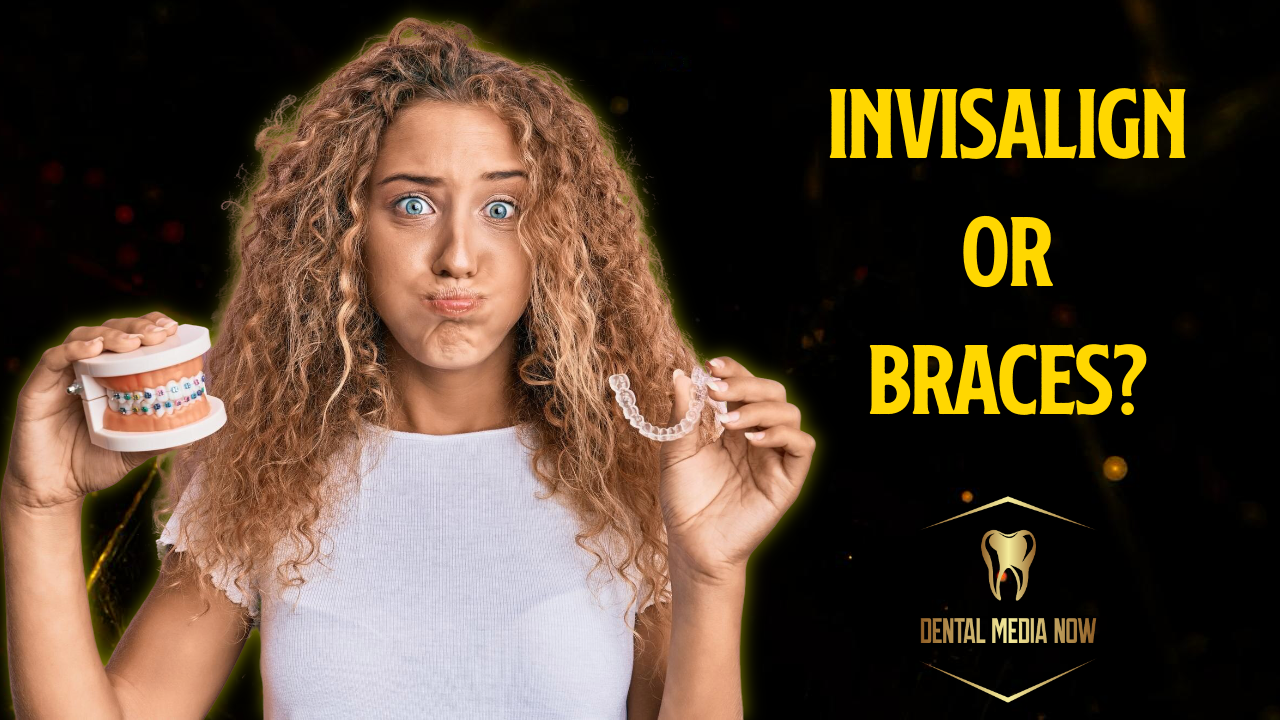
Invisalign and traditional braces are the best orthodontic treatments available for correcting misaligned teeth. Invisalign clear aligners are almost invisible and more comfortable than traditional braces, but they are more expensive and less effective in some cases.
Are you unhappy with your misaligned teeth? Do you wish your parents had done something about your crooked teeth when you were a child? It's not too late!
According to the American Orthodontic Association, adults now make up 33% of orthodontic patients. Don't let your age stop you from enjoying a healthier, more attractive smile.
Orthodontic care solutions, like Invisalign or traditional braces, offer simple, proven solutions for anyone who wants to improve their look and their oral health.
Invisalign Clear Aligner Therapy

Invisalign clear aligners are nearly invisible, allowing you to maintain your appearance while working on your smile. Unlike traditional metal braces, they're also removable, so you can take them out when eating or brushing your teeth.
Invisalign benefits include:
Reduced irritation to gums and cheeks, as they're made from smooth plastic.
The ability to eat and brush your teeth more easily by removing the aligners.
Less frequent checkups than with traditional braces.
Wearing clear aligners does require a degree of commitment and discipline, as you must wear them for at least 20-22 hours a day.
The Traditional Braces Experience

Traditional braces have been used for decades and are still a highly effective method for teeth straightening. They consist of brackets and wires fixed to your teeth, providing constant pressure to move them into alignment over time.
Traditional braces' pros include:
They can address more severe cases of misalignment, including complex bite issues that aligners might struggle with.
They can be less expensive than Invisalign, making them accessible for families on a budget.
They stay on your teeth until your orthodontist says otherwise.
That said, traditional braces come with some drawbacks. They can be uncomfortable, cause difficulty with oral hygiene, and often require more frequent dental visits to adjust the wires.
Which Option Is Best for You?

When deciding between teeth straightening options, you must consider your lifestyle, budget, and specific orthodontic needs. Important questions to consider include:
How severe is my misalignment?
Do I have a preference for aesthetics during treatment?
Can I commit to wearing aligners as directed if I choose Invisalign?
The ideal treatment varies greatly from person to person. A dentist who specializes in orthodontics can best evaluate your situation, assess your preventive care needs, and guide you in the right direction.
Smile with Confidence!

Ultimately, whether you choose Invisalign or traditional braces, the goal is to achieve a healthier and more confident smile. Both of these methods work well, so finding the best option usually comes down to your needs and preferences.
Investing in orthodontic treatment is a step towards a brighter future for you and an important investment in your oral health. Would you like more useful tips to help you achieve your perfect smile? Browse our pages for expert insights and oral health tips, and check back regularly for updates.