Key Takeaways
Dental disease and tooth loss are not inevitable parts of aging; many older adults maintain their natural teeth with consistent care.
Cavity risk continues throughout life, and exposed roots make root cavities a special concern in geriatric dentistry.
Dry mouth is common but is usually related to medications and health conditions rather than age alone.
Medications can affect saliva, gums, and oral tissues-keeping an up-to-date medicine list for the dental team is important.
Twice-daily brushing with fluoride toothpaste and regular interdental cleaning remain the foundation of good oral hygiene.
Oral care tools and techniques can be adapted for changes in dexterity, vision, or mobility to preserve independence.
Crowns, bridges, implants, and dentures all require ongoing cleaning and professional monitoring.
Persistent sores, bleeding, swelling, or unexplained oral changes should not be dismissed as "just getting older."
Effective oral care supports comfortable chewing, clear speech, social confidence, and overall health throughout later adulthood.



Aging does not have to mean losing teeth, living with oral pain, or accepting poor dental health as normal. With the right habits and tools, good oral health is achievable in your 60s, 70s, 80s, and beyond.
That said, later adulthood does bring changes that can affect your mouth. More medications, decades of dental work like fillings, crowns, bridges, and implants, possible dry mouth, gum recession, and shifts in dexterity or mobility all shape what senior dental care looks like in practice. Some older adults have a full set of natural teeth. Others wear partial or complete dentures. Many have a combination of restorations and replacement teeth.
Oral health and overall health are closely connected. Conditions common in older adults-diabetes mellitus, heart disease, cardiovascular disease, and chronic obstructive pulmonary disease-can interact with dental health in both directions. Maintaining good dental health in later life is essential for systemic health and nutrition.
This article walks through preventing dental caries and gum disease, managing dry mouth, caring for dentures and dental implants, knowing when to seek help, and adapting oral care as your needs change. Think of it as a practical roadmap for keeping your teeth and gums healthy at any age.
How Oral Health Can Change With Age
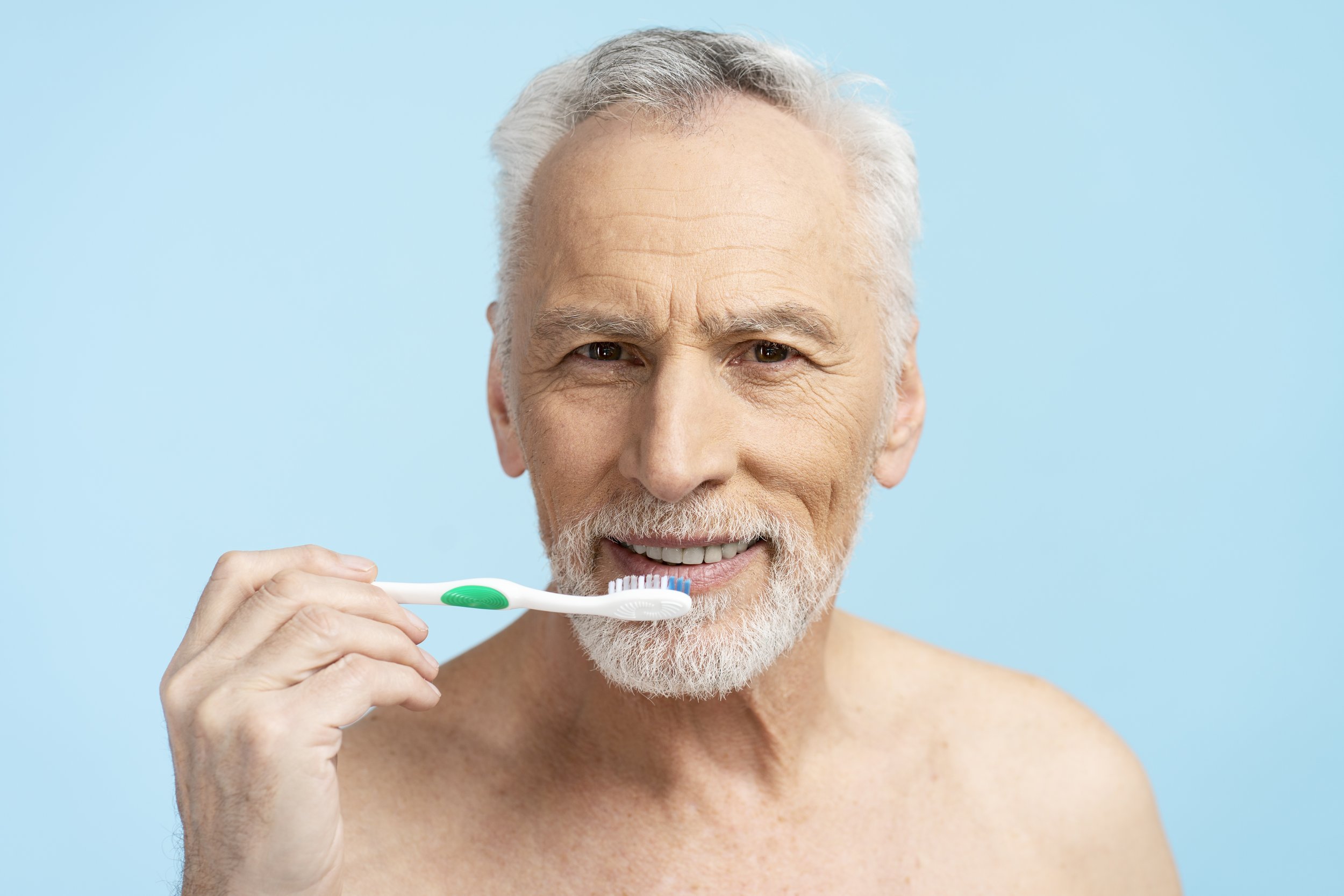
Age itself does not automatically cause dental disease. But cumulative life factors-medications, health conditions, years of dental treatment, and changes in daily function-can shift the balance of risk. Caring for the oral health of older adults requires understanding the impacts of aging and medications on the mouth.
It helps to separate age-related changes (like mild gum recession or more restorations) from preventable problems (like new cavities, untreated gum disease, or oral infections). Older adults today often keep most or all of their natural teeth, which makes prevention and maintenance more important than ever.
Teeth Do Not Have to Be Lost With Age
The idea that tooth loss is unavoidable is one of the most persistent myths in geriatric oral health. Data from the U.S. National Institute of Dental and Craniofacial Research show that about 85% of adults aged 65 and older still have at least one natural tooth, with an average of roughly 21 teeth remaining.
Globally, however, disparities are stark: 78% of elderly individuals experience edentulism worldwide, and 21.9% of Americans over 74 are edentulous. Low-income elderly have double the rate of edentulousness compared to higher-income groups. When tooth loss does occur, it is usually the result of advanced dental caries, periodontal disease, or trauma-not "old age" alone. Even if some teeth have already been lost, protecting the remaining ones can prevent further loss.
A Lifetime of Wear and Dental Treatment
Decades of chewing, exposure to acidic foods and drinks, and habits like clenching or grinding (bruxism) leave their mark. Older adults often have multiple fillings, crowns, bridges, and root canal-treated teeth accumulated over earlier years.
These restorations protect teeth, but they also create edges and margins where plaque can collect. Older teeth are not automatically weak, but they may need more careful monitoring for cracks, wear, or recurrent decay around existing dental work.
Changes in the Gums and Exposed Roots
Gum recession-gums pulling away from the tooth so more of the root becomes visible-is a key concern for seniors. Some recession may appear gradually, but it can also be linked to gum disease, previous inflammation, or aggressive brushing.
Exposed root surfaces matter because they lack the thick protective enamel found on tooth crowns. Root decay occurs when gums recede, exposing teeth roots to decay. Persistent sensitivity, gum bleeding, or rapidly progressing recession should be assessed professionally rather than dismissed as aging.
Changes in Saliva
Dry mouth (xerostomia) is a frequent complaint in older adults, especially those taking multiple medications. Reduced saliva is often related to medicines, medical treatments, or health conditions rather than age alone. Older adults are more susceptible to dry mouth due to common medications for blood pressure, depression, and allergies.
Saliva protects teeth by washing away food, buffering acids, and helping repair early mineral loss. When saliva drops, dental caries and oral infections can accelerate-a topic covered in depth later in this guide.
Dexterity, Vision, and Mobility
Arthritis, rheumatoid arthritis, reduced hand strength, tremor, vision changes, or limited mobility can make brushing and flossing harder. These changes call for adapting oral hygiene tools-larger handles, electric toothbrushes, simple interdental aids-not giving up on dental care.
Setting up the bathroom environment with good lighting, a chair by the sink, and organized supplies can make a real difference. Not all seniors have these limitations, but those who do can still maintain effective oral hygiene with the right adaptations.
Common Dental Problems in Older Adults
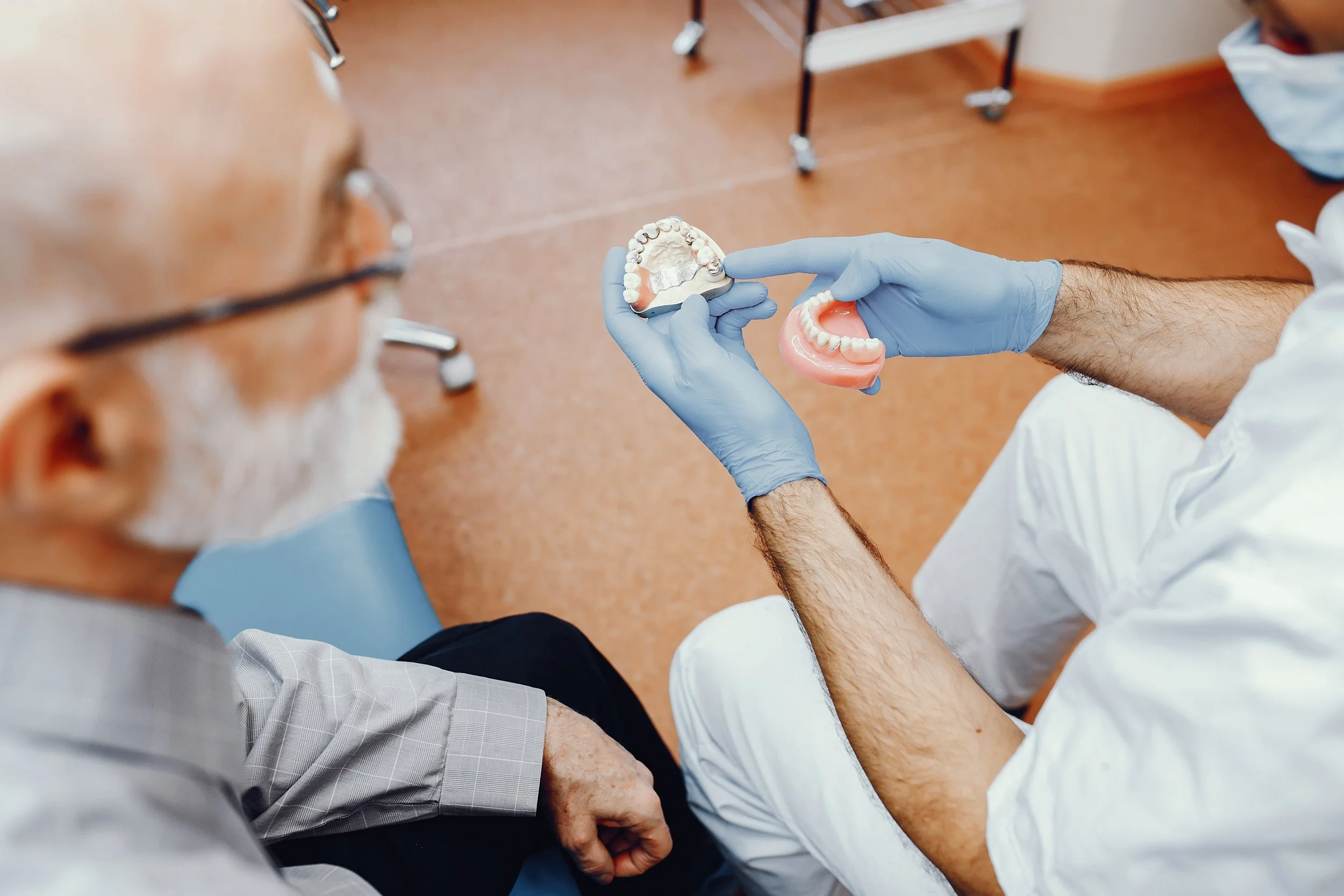
Older adults can experience the same dental problems as younger adults, but the pattern and severity often differ. Elderly patients often have a high prevalence of untreated caries, and only 29.2% of elders have dental health insurance. Medicare does not cover most dental care for seniors, and only 37% of elderly people have proper access to dental services.
Key issues that become especially important later in life include new or recurrent dental caries, root cavities, gum disease, dry mouth, tooth wear, missing teeth, and oral lesions. None of these are guaranteed-they are risks that can be reduced or managed with timely dental care.
Tooth Decay and Root Cavities
Cavities form when plaque bacteria metabolize sugars and other fermentable carbohydrates, producing acids that dissolve tooth minerals over time. Cavity risk is lifelong and may increase again in later years when roots are exposed, saliva is reduced, or oral hygiene becomes difficult.
Root caries-decay on the root surface near or below the gumline-is a particular concern. Research shows that approximately 23.7% of older adults develop new root caries annually. Caries affect 22% of elderly tooth crowns in England, and 20% of seniors aged 75 to 84 have active tooth decay. Frequent snacking, sipping sugary drinks, and dry mouth all accelerate decay in this age group.
Gum Disease and Gum Recession
Gingivitis is plaque-related inflammation of the gums, while periodontitis involves deeper structures-the ligament and bone holding teeth in place. Among U.S. adults aged 65 and older, about 68% have some level of periodontitis, and periodontal disease is the 11th most prevalent disease globally. Chronic plaque accumulation leads to a higher risk of gum disease in older adults.
Not all gum recession is caused by periodontal disease-mechanical trauma from harsh brushing can also contribute. Persistent bleeding with gentle brushing, swollen gums, or teeth that feel looser than before deserve evaluation. Regular professional cleaning helps catch gum disease and decay early.
Dry Mouth
Dry mouth is a frequent challenge for older adults, especially those taking prescriptions for hypertension, depression, or heart disease. Dryness can make chewing, swallowing, and speaking more difficult and may cause burning sensations or bad breath.
Dry mouth can increase the risk of rapid tooth decay and oral infections, including candidiasis in denture wearers. Persistent dryness should be discussed with a dentist, physician, or pharmacist.
Tooth Wear, Cracks, and Tooth Loss
Decades of chewing, clenching, grinding, and acid exposure can lead to worn or flattened teeth. Older fillings and crowns can crack or leak, creating new sites for decay or sensitivity. Tooth loss in older age usually results from advanced gum disease, severe decay, or fracture-not an expected milestone of aging.
Having worn, cracked, or painful teeth evaluated early is almost always easier and more comfortable than waiting.
Oral Lesions and Tissue Changes
Older adults may notice sores, patches, or lumps more often because tissues have been exposed to irritants over many years. Many oral lesions are benign, but persistent changes-especially sores, a white or red patch, or thickened areas lasting longer than about two weeks-should be checked professionally. Long-lasting unexplained changes in the oral cavity deserve evaluation.
Tooth Decay and Root Cavities in Seniors

Cavity prevention remains critical after age 60, especially when roots are exposed and saliva may be reduced. A common scenario: new decay appears at the gumline of a tooth with a decades-old filling, or multiple cavities develop within a year after a new medication dries the mouth.
Globally, dental caries prevalence among adults aged 60 and older ranges from 25% to nearly 100%, with root caries ranging from 8% to 74% depending on setting. Understanding how aging, dry mouth, diet, and dental hygiene connect is the key to preventing this.
Why Older Adults Can Still Get Cavities
Cavity-causing bacteria do not disappear with age. Risk can actually rise if brushing and interdental cleaning become harder or if medications reduce saliva, tipping the balance toward demineralization and new dental caries.
Increased snacking, sipping sweet drinks, or comfort foods means more frequent acid attacks on tooth surfaces. Complex dental work-crowns, bridges, partial dentures-can create hard-to-clean areas where plaque collects.
What Are Root Cavities?
Root cavities are decay affecting the part of the tooth normally covered by the gums rather than the enamel-covered crown. Roots become exposed when gums recede, making these areas accessible to plaque and acids.
Root cavities may appear as brown or soft spots near the gumline and may cause sensitivity to sweets or cold. Early root caries are often painless and discovered only during a dental exam, which underscores the value of regular dental visits, typically every six months.
Why Exposed Roots Are More Vulnerable
Roots are covered by cementum and dentin rather than a thick layer of protective enamel. These tissues dissolve more quickly in acidic environments, so cavities can progress faster on root surfaces.
The combination of exposed roots, plaque, and dry mouth is a particular concern in senior dental care. Gentle cleaning with a soft toothbrush and fluoride toothpaste-rather than scrubbing with abrasive products-is the right approach.
Cavities Around Existing Dental Work
Fillings and crowns themselves do not decay, but the natural tooth structure next to them can develop recurrent decay. Common sites include edges of older fillings, the margins of crowns near the gumline, and the connectors of bridges.
Plaque tends to accumulate at these junctions, especially when brushing technique or interdental cleaning is challenging. Regular X-rays and clinical exams help detect hidden decay around restorations before it causes pain or fracture.
Preventing Tooth Decay Later in Life
Core prevention strategies:
Brush twice daily with fluoride toothpaste
Remove plaque thoroughly from all accessible tooth surfaces
Clean between teeth daily using floss, interdental brushes, or a water flosser
Limit frequent sugary snacks and drinks, especially between meals or before bed
Support saliva by staying hydrated and, where appropriate, using sugar-free gum or lozenges
Seniors at higher risk may benefit from additional topical fluoride (varnishes or prescription-strength toothpaste) as advised by a dental professional
Gum Health and Periodontal Disease
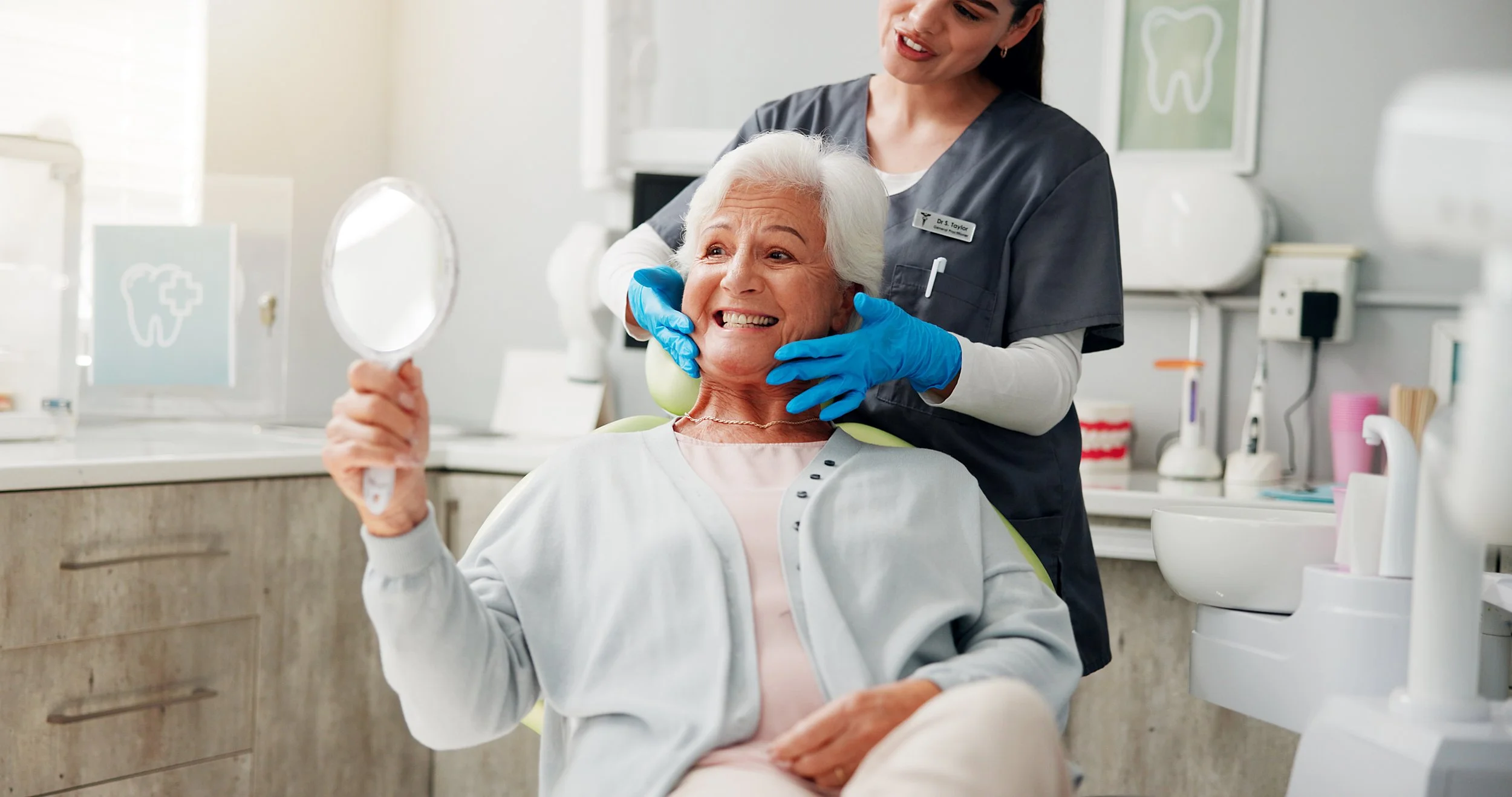
Healthy gums and supporting bone are essential for preserving natural teeth, stable chewing, and the longevity of crowns or bridges. Gum disease in seniors can be influenced by lifelong plaque exposure, smoking history, systemic conditions like diabetes, and dry mouth. Gum disease is linked to systemic issues like cardiovascular disease, making gum health a matter of overall health.
Gum health is maintainable at any age with regular cleanings, daily hygiene, and tailored treatment when needed.
Gingivitis
Gingivitis is inflammation of the gums primarily caused by plaque buildup at the gumline. Common signs include gums that bleed with gentle brushing or flossing, mild swelling, and tenderness.
Gingivitis is reversible with improved oral hygiene and professional cleanings. Consistent bleeding should be taken seriously and not written off as a routine part of getting older.
Periodontitis
Periodontitis involves deeper infection and inflammation affecting the ligament and bone that hold teeth in place. Over time, it can lead to gum recession, pockets around teeth, looseness, and eventual tooth loss if untreated.
Even advanced gum disease can often be managed or stabilized with appropriate therapy and home care. Diagnosis and treatment planning belong with a dentist or periodontist.
Why Gum Disease May Go Unnoticed
Early gum disease often causes little or no pain, so it can progress quietly over years. Subtle signs older adults should watch for:
Bleeding with brushing
Bad breath that does not go away
Longer-looking teeth (receding gums)
Spaces opening between teeth
A partial denture suddenly feeling different
Routine dental examinations matter even in the absence of obvious symptoms.
Protecting Gums as You Age
Practical gum care includes gentle brushing at the gumline, regular interdental cleaning, and careful cleaning around crowns, bridges, and implants. Avoiding tobacco in any form reduces both gum disease and oral cancer risks.
Discussing systemic risk factors with dental care providers is important-especially diabetes control and medications that influence bleeding or inflammation. Consistent, gentle care is more effective than occasional aggressive scrubbing.
Dry Mouth in Older Adults
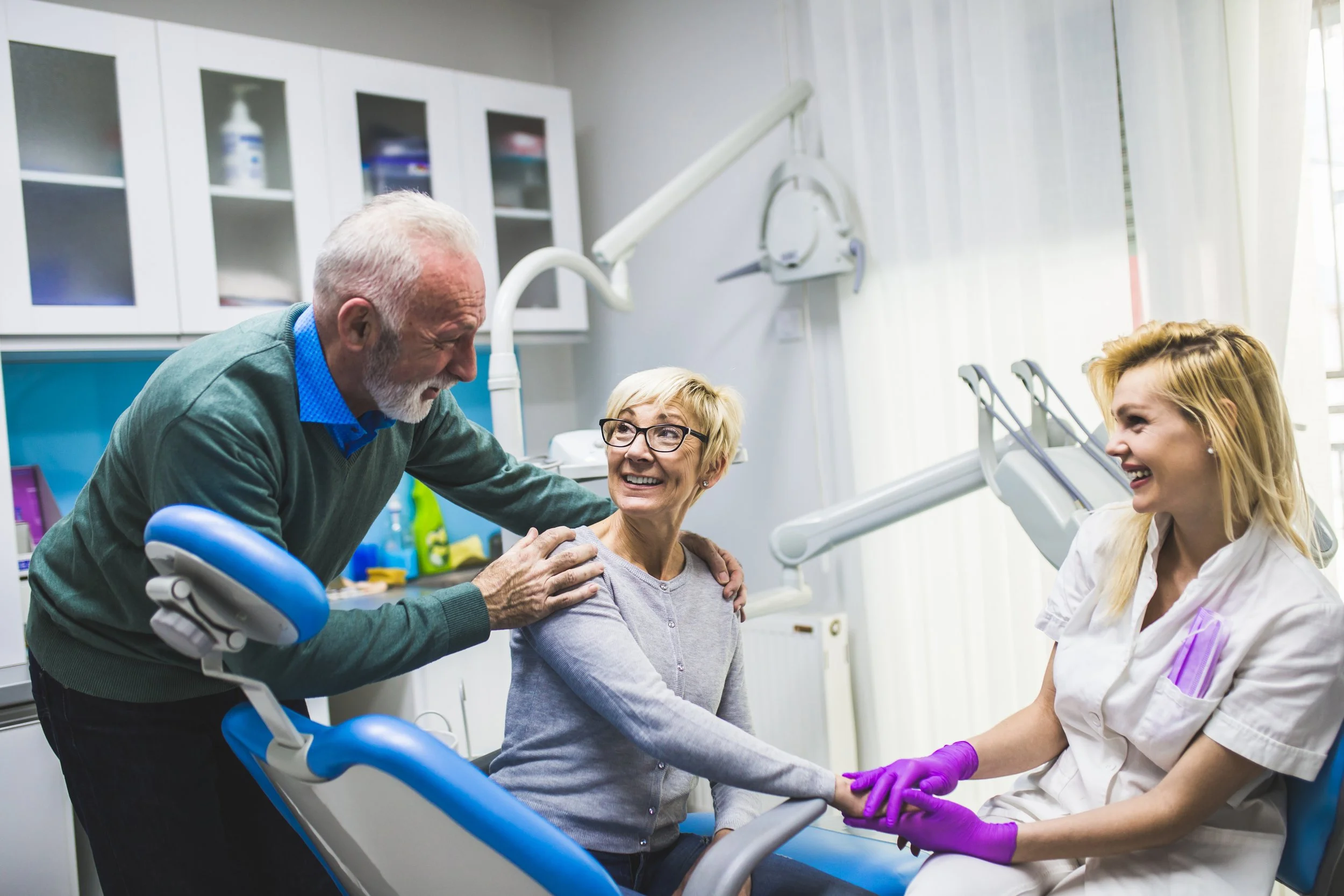
Dry mouth is a central concern in senior dental care because saliva plays so many protective roles. The feeling of dryness (xerostomia) may or may not correspond to objective reductions in salivary flow, but either way it deserves attention.
Oral infections can be aggravated by poor oral hygiene and reduced saliva flow. Left unmanaged, chronic dryness increases risks of dental caries, root caries, denture irritation, and fungal infections.
Is Dry Mouth a Normal Part of Aging?
Dry mouth should not be accepted as a routine or unavoidable part of getting older. It becomes more common in seniors because many age-related health conditions and treatments affect salivary gland function-a form of salivary gland dysfunction.
Persistent dryness is worth discussing with a dentist, physician, or pharmacist to review possible contributors and management options.
Medications and Other Causes
Common medication groups linked with dry mouth include blood pressure medications, antidepressants, antihistamines, diuretics, and some pain medicines. Research shows dry mouth prevalence increases dramatically with medication count: roughly 37% with one medication, 62% with two, and 78% with three.
Other contributors include dehydration, mouth breathing (especially at night), autoimmune conditions such as Sjögren's syndrome, and past head-and-neck radiation. Polypharmacy is common among older patients and can compound the effect. Readers should not stop or change medications on their own because of dry mouth.
Why Saliva Matters
Saliva neutralizes acids, washes away food, brings minerals back to tooth surfaces, and forms a protective coating over oral tissues. It also helps with tasting, chewing, swallowing, and speaking comfortably.
When saliva is reduced, teeth are exposed to acids for longer, and enamel and root surfaces demineralize more easily. This directly raises the risk of dental caries and oral infection in older adults with chronic dryness.
How Dry Mouth Affects Oral Health
Dry mouth can lead to tooth decay and infections, sometimes rapidly. Specific effects include:
Sudden onset of multiple cavities
Burning or sore tongue, cracked lips
Bad breath
Difficulty wearing dentures (saliva helps create suction)
Food sticking to teeth or appliances
Increased susceptibility to oral thrush, especially in denture wearers
Older adults should mention these signs at dental appointments so prevention plans can be adjusted.
Everyday Dry-Mouth Strategies
Managing dry mouth may involve sipping water regularly, especially between meals and during long conversations. Additional measures:
Sugar-free gum or lozenges to stimulate saliva when appropriate
Over-the-counter saliva substitutes or moisturizing gels
Limiting alcohol-containing mouth rinses, tobacco, and very dry, salty, or spicy foods
Avoiding frequent sugary beverages as a source of moisture
These strategies support oral comfort but may not fully resolve medically related dry mouth.
Medications and Senior Oral Health

Most older adults take at least one long-term prescription medicine, and many take several. Medications can influence saliva, gum tissue, oral tissues, and bleeding risk, making it important for dentists to know the full list. Good communication between medical and dental providers supports safer, more individualized oral health care.
Medication-Related Oral Effects
Common oral side effects include dry mouth, taste changes, gum overgrowth, oral sores, and changes in bleeding tendency. Not everyone will experience these effects, and severity varies. New or troubling oral symptoms should be shared with both the dentist and physician, especially after starting a new medicine.
Keeping Medication Information Current
Seniors and caregivers should keep an up-to-date list of all prescription medicines, over-the-counter drugs, vitamins, and herbal supplements. Bringing this list to every dental office visit and updating it when medications change is a simple but valuable habit.
Knowledge of blood thinners, bone-related medications, and immune system-modifying drugs can influence dental treatment planning and safety.
Medication Changes Require Appropriate Medical Guidance
Patients should not stop, reduce, or substitute any medication on their own because of dry mouth or other oral symptoms. Discussion with the prescribing physician is the right step if side effects are troublesome-adjustments may be possible in some cases.
Dentists can often offer strategies like saliva support or extra fluoride to protect oral health without changing medicines. The approach works best as teamwork between dental and medical providers.
Brushing Teeth Effectively as You Age
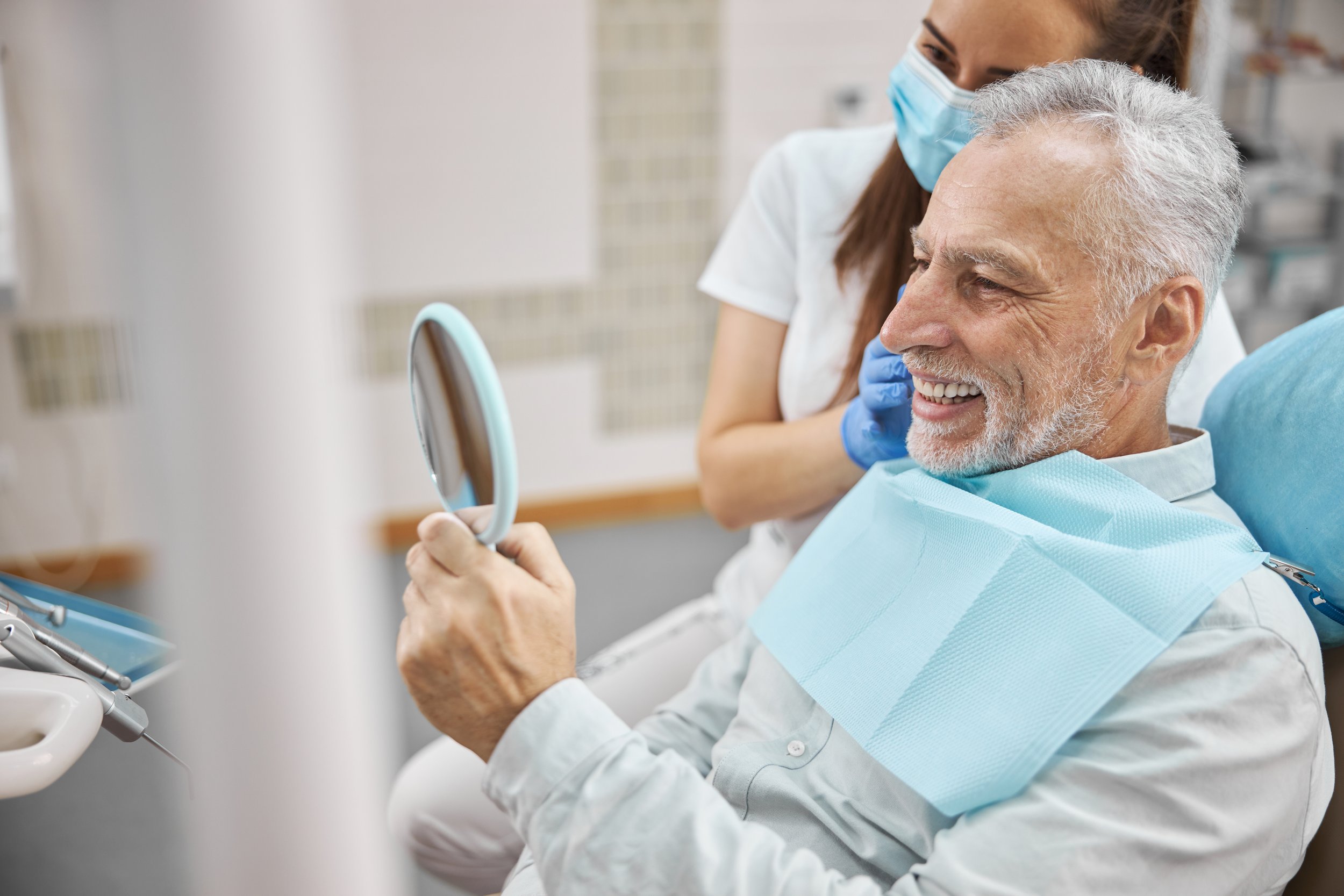
The goal of brushing at any age is thorough, gentle plaque removal with fluoride toothpaste. Seniors may need to adapt tools or techniques when managing exposed roots, bridges, or implants. Asking the dental team to demonstrate a technique tailored to your own mouth and abilities is always worthwhile.
Brush Twice Daily With Fluoride Toothpaste
Seniors should brush twice daily with fluoride toothpaste for optimal oral hygiene. Brush along the gumline and over exposed roots with small, gentle movements. Use a pea-sized amount, spit out excess foam, and avoid heavy rinsing to leave some fluoride on tooth surfaces.
Use a Soft-Bristled Toothbrush
Soft bristles clean effectively while being kinder to gums and exposed roots. Overly aggressive brushing or stiff bristles can contribute to gum recession and root abrasion. Replace the brush every three to four months or sooner if bristles splay.
Electric Toothbrushes
Electric toothbrushes can assist seniors with arthritis or limited grip strength. Built-in timers, larger handles, and pressure sensors can make thorough cleaning easier. They are helpful tools but not mandatory-the priority is an effective technique with any brush.
Adapting Brushing for Dexterity or Mobility Changes
Adaptive dental tools can help seniors with reduced dexterity maintain oral hygiene. Simple adaptations include wrapping the handle with a non-slip grip, using a thicker-handled brush, or sitting while brushing. A magnifying mirror or better lighting helps if vision is a challenge. Experiment until the routine feels both effective and comfortable.
Flossing and Cleaning Between Teeth
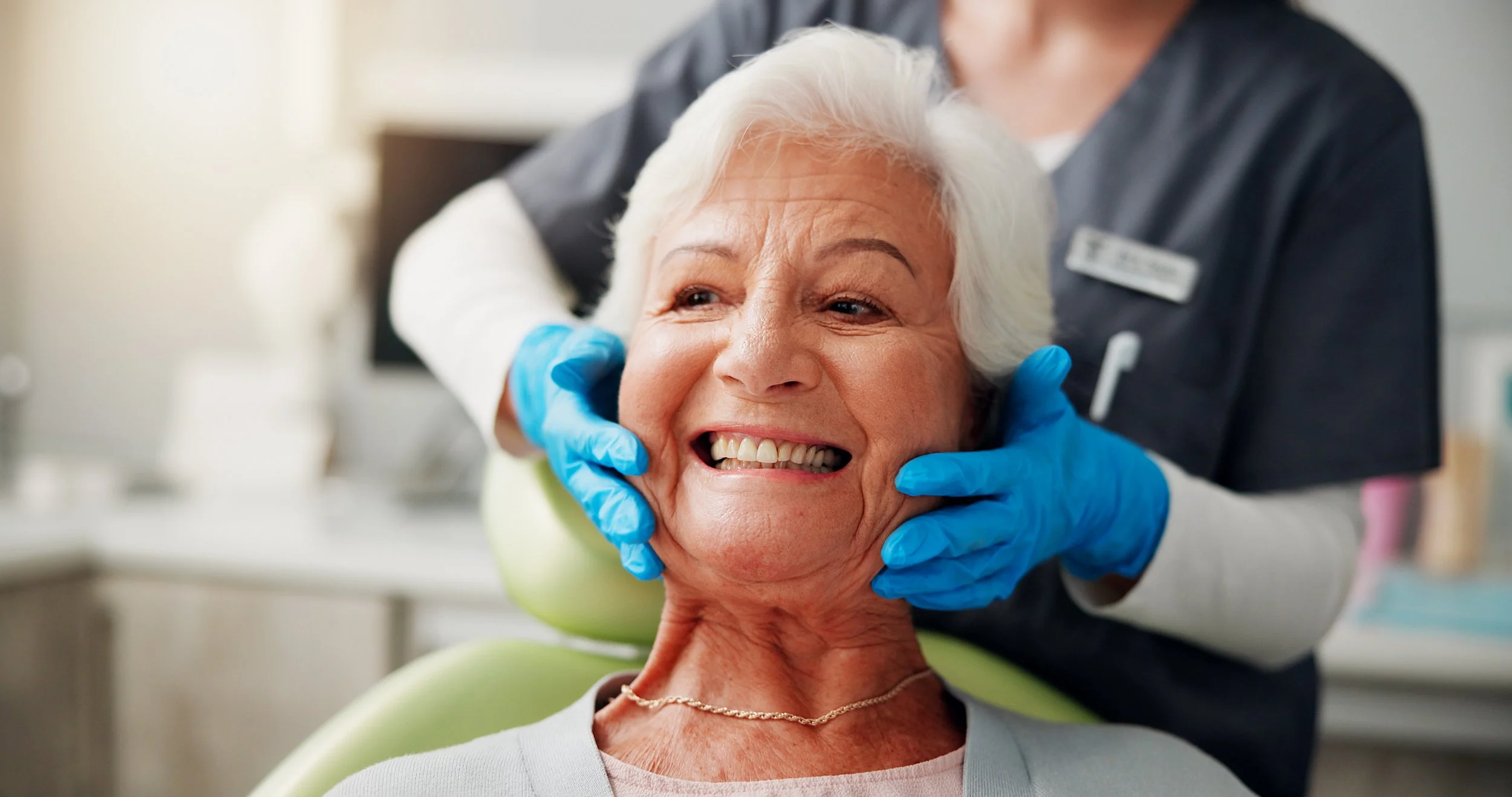
Daily cleaning between teeth is essential to prevent decay and gum disease. The focus should be on finding an interdental method that fits the person's mouth, dexterity, and preferences. Gaps from gum recession, bridges, and implants often require different tools than traditional floss alone.
Traditional Dental Floss
Gently slide floss between teeth, curve it in a C-shape around each tooth, and move it up and down under the gumline. Waxed floss may slide more easily around tight contacts. Floss is one useful option-not the only acceptable choice.
Interdental Brushes
Small interdental brushes work well where gums have receded or around bridges, implants, and wide spaces. A dentist or hygienist can help choose the right size. Angled necks and handles can make these easier to control than string floss.
Water Flossers
Water flossers use a pulsed stream of water to flush plaque and food from between teeth and around dental work. They can be particularly helpful for older adults who find traditional flossing difficult. They complement but do not replace toothbrushing.
Floss Holders and Other Adaptive Tools
Floss holders and pre-threaded floss picks reduce the need for intricate finger movements. Rubber tips and small picks can also help clean around bridges or at the gumline. Avoid sharp, improvised items that can damage gums.
Finding a Sustainable Method
The best interdental method is the one you can use thoroughly and comfortably most days of the week. Set a routine time-before bed works well-and ask the dental hygienist to review and customize techniques at each visit. Even small improvements, like using an interdental brush a few times per week, make a meaningful difference over time.
Fluoride and Cavity Prevention for Seniors
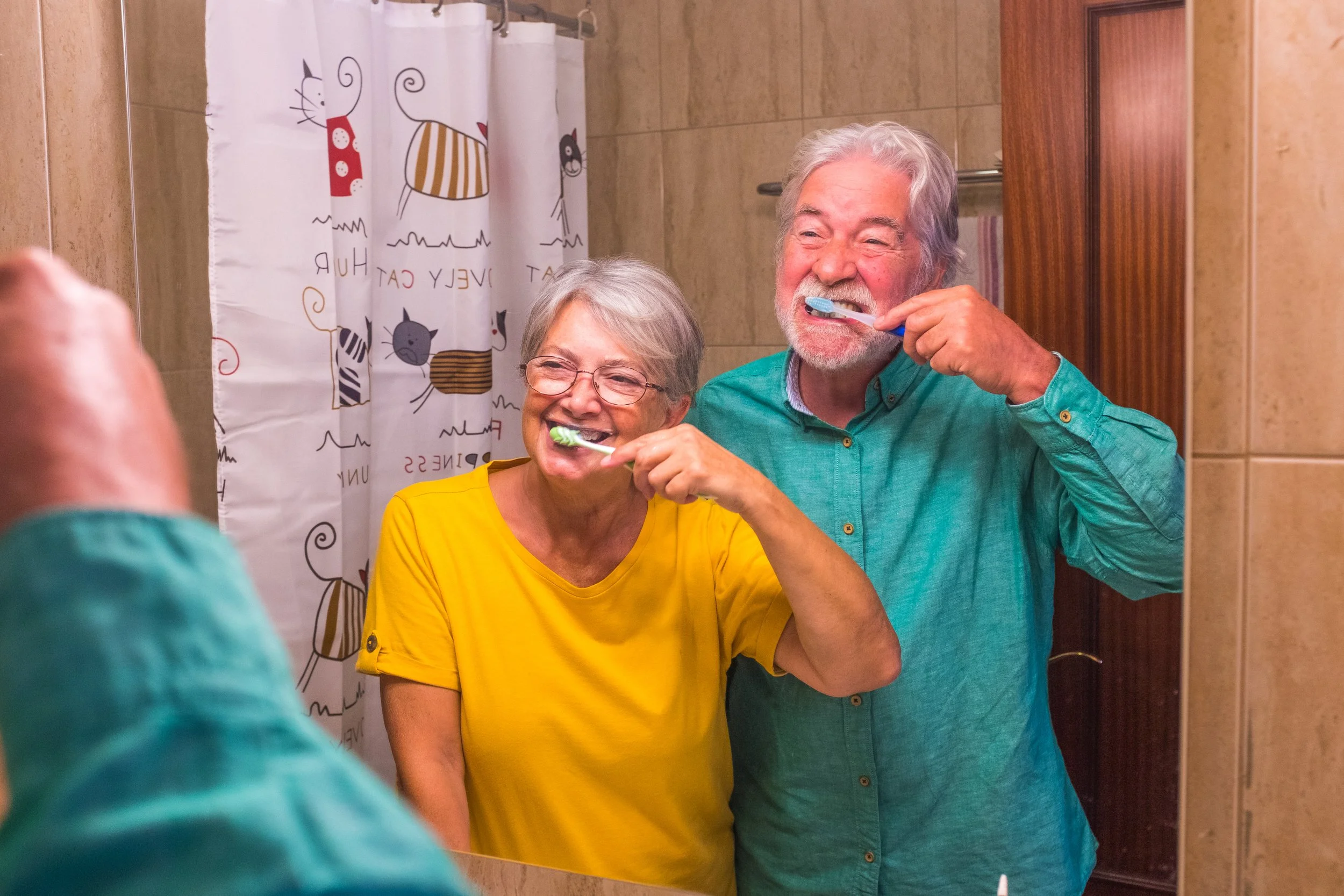
Fluoride continues to protect teeth throughout life by slowing mineral loss and helping repair early damage. It is especially valuable for seniors with exposed roots, dry mouth, or a history of frequent cavities. Fluoride and desensitizing toothpastes are recommended for older adults in these situations.
Fluoride Toothpaste
Brushing with fluoride toothpaste twice daily reduces cavity rates in both younger and older adults. Avoid rinsing vigorously with water after brushing so more fluoride remains on tooth surfaces. Those at very high risk for dental caries might be prescribed a high fluoride toothpaste by their dentist.
Fluoridated Water
Community water fluoridation is a long-studied public health measure that helps reduce cavities across all ages. Seniors who mainly drink bottled or filtered water can ask about the fluoride level in their main supply. Fluoridated water complements but does not replace brushing with fluoride toothpaste.
Higher Cavity Risk
Factors that may place an older adult at higher risk include multiple new cavities within a year, visible root exposure, dry mouth, or extensive dental work. Such individuals often benefit from more frequent checkups and customized prevention plans. Dentists may monitor them more closely with periodic X-rays to spot early decay.
Additional Fluoride Strategies
Options like professional fluoride varnish applications or high-fluoride gels are often recommended for seniors with dry mouth, root caries, or recent multiple fillings. Fluoride treatments may be beneficial for seniors at higher risk of root decay. Silver diamine fluoride is another option gaining attention in some settings for arresting active root caries. These treatments work best alongside thorough brushing, interdental cleaning, and dietary awareness.
Caring for Crowns, Bridges, and Existing Dental Work

Dental restorations help preserve teeth but still require daily cleaning and regular checkups. The materials-metal, porcelain, composite-do not decay, but the natural tooth around them can still develop cavities or gum problems.
Fillings and Crowns
Clean carefully around the edges of fillings and crowns, paying attention to the gumline. Roughness, chipping, or new sensitivity may indicate wear or recurrent decay. Regular professional evaluation catches issues before pain develops.
Dental Bridges
A bridge replaces missing teeth by anchoring to neighboring teeth or implants and requires cleaning underneath the false tooth. Tools like floss threaders or small interdental brushes are effective. Plaque can accumulate where the bridge touches the gum, leading to inflammation or decay on supporting teeth.
Root Canal-Treated Teeth
A root canal removes the nerve inside the tooth but does not make the outer tooth invulnerable to decay. Root-filled teeth often have crowns and must be brushed and cleaned between like any other tooth. Pain may be less obvious, so regular exams are important.
Aging Dental Restorations
Fillings, crowns, and bridges can wear, stain, or develop small fractures over decades. Not all changes require immediate replacement. Mention any sharp edges, food trapping, or discoloration to your dentist-maintaining good oral hygiene around existing work can extend its lifespan.
Dental Implants and Oral Hygiene
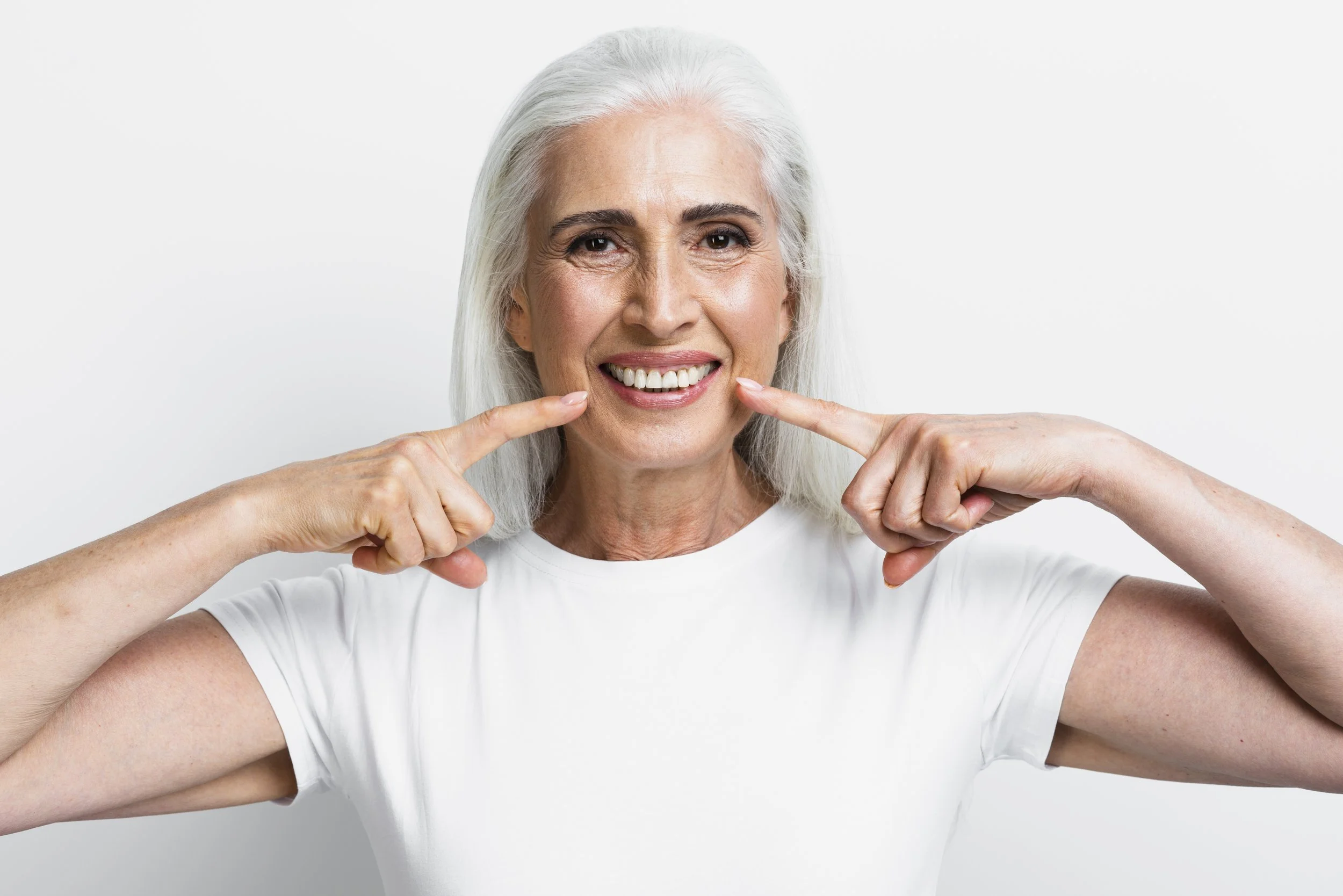
Dental implants are a common way to replace missing teeth in older adults. Implants cannot develop cavities, but they still need daily care to protect surrounding gum and bone.
The Tissues Around Implants Matter
Plaque can accumulate on implant surfaces and at the gumline, causing inflammation similar to gum disease around natural teeth. Conditions like mucositis and peri-implantitis-inflammation and bone loss around implants-are preventable with gentle daily cleaning and regular professional maintenance.
Cleaning Around Implants
Brush implant crowns like natural teeth, focusing on the gumline. Interdental brushes, implant-specific floss, or water flossers work well depending on the design. Avoid very hard brushes or metal picks that can scratch implant surfaces.
Implant-Supported Bridges and Dentures
Some seniors have bridges or full dentures supported by implants, which also need thorough cleaning around and underneath. Certain implant-retained dentures should be removed daily for cleaning. Regular professional checks monitor implant health and prosthesis fit over time.
Denture Care for Seniors

Even though dentures and partials are not natural teeth, they collect plaque and food and must be cleaned every day. Denture wearers still need to care for their gums, tongue, cheeks, and any remaining natural teeth. Proper denture care includes daily cleaning and removal at night to avoid fungal infections.
Cleaning Removable Dentures and the Mouth
A simple routine: remove dentures, rinse them, brush with a soft denture brush and non-abrasive cleaner, and rinse again. Brush remaining teeth with fluoride toothpaste and gently brush the gums, tongue, and palate. Soak overnight in a denture-cleaning solution if appropriate. Avoid hot water or harsh household cleaners.
Denture Fit Can Change
Jawbone and gums can change shape after tooth loss, causing dentures that once fit well to become loose. Common signs of poor fit include sore spots, rubbing, clicking, or needing more adhesive. Ill-fitting dentures can cause complications, including painful sores and difficulty chewing. Denture adhesives help with minor looseness but are not a solution for badly fitting dentures. Periodic checks with a dentist determine whether relining, adjusting, or replacing a denture is advisable.
Denture-Related Irritation and Dry Mouth
Dry mouth can make dentures feel unstable because saliva helps create suction and lubrication. Persistent redness, soreness, or burning under a denture may indicate irritation or fungal infection. Removing dentures for part of the day or night allows tissues to rest. Seek evaluation if irritation does not resolve within a few days.
Nutrition, Hydration, and Senior Dental Health

Dental health and nutrition are closely linked in older age. Chewing problems from missing teeth, pain, or denture issues can lead to softer, more processed diets that may be higher in sugars. Good dental care supports eating a varied, balanced diet. Older adults should focus on a tooth-healthy diet that supports oral health and well being.
Sugar, Snacking, and Tooth Decay
Bacteria in plaque use sugars and other fermentable carbohydrates to produce acids that cause demineralization. Limiting the frequency of sugary snacks and drinks throughout the day-rather than eliminating all treats-is the practical approach. Some seniors eat smaller, more frequent meals for medical reasons and may need personalized dietary guidance. Practical swaps like water instead of sweet beverages between meals help when possible.
Acidic Foods and Drinks
Dental erosion is chemical wear from acids and is distinct from bacterial tooth decay. Common acidic items include citrus fruits, fruit juices, carbonated drinks, and vinegar-based products. Rinsing with water after acidic foods and waiting before brushing helps avoid brushing softened enamel.
Hydration and Saliva
Drinking enough fluids helps support saliva production and comfort, especially in dry environments. Water alone may not resolve medically related xerostomia, but it remains important for general health and oral moisture. Very sugary or caffeinated drinks are not ideal for frequent sipping from a dental standpoint.
Changes in Chewing Ability
Missing teeth, painful teeth, ill-fitting dentures, or dry mouth can make chewing some foods difficult. This may lead to avoiding meats, raw vegetables, or crusty breads, potentially affecting protein and fiber intake. Addressing dental pain or denture fit problems is better than permanently abandoning entire food groups. Caregivers should watch for sudden dietary changes that may signal undiscussed oral discomfort.
Tooth Loss Is Not an Inevitable Part of Aging
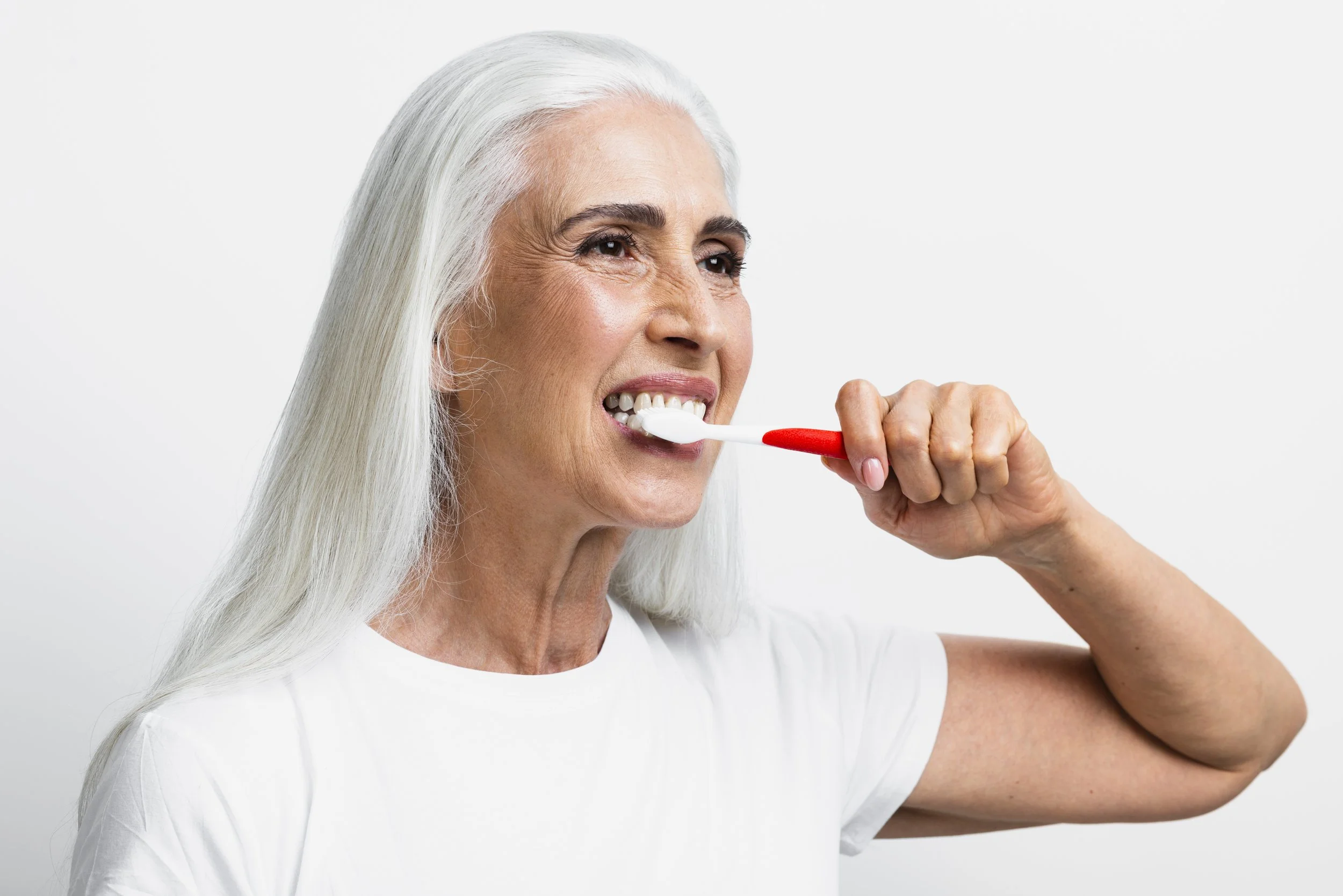
Tooth loss in older adults is common but not a built-in part of growing older. It is usually the end result of untreated chronic dental disease or trauma, which can often be prevented. Even if someone has already lost more than one tooth, protecting the remaining teeth is both possible and worthwhile.
Why Teeth May Be Lost
Main causes include advanced periodontal disease, extensive or recurrent dental caries, fractures, and injuries. Some medical treatments-certain cancer therapies, for example-may also lead to tooth loss. Timely treatment, even in later life, can often save teeth that might otherwise be lost.
Effects of Missing Teeth
Missing teeth can affect chewing efficiency, food choices, and in some cases speech clarity. Neighboring teeth may drift into spaces, affecting bite alignment and plaque retention. Changes in appearance can influence confidence and social participation. Replacement options help restore function and comfort even years after tooth loss.
Replacing Missing Teeth
Common options include removable partial or full dentures, fixed bridges, and dental implants, including implant-supported dentures. Not every option suits every person-decisions depend on oral and general health status, bone levels, dexterity, and financial factors. The goal is improving chewing, comfort, and quality of life.
Caring for Remaining Natural Teeth
Even if some teeth have been lost, the remaining ones can often be maintained for many years. Targeted brushing and interdental cleaning around teeth next to gaps-where plaque gathers more easily-is essential. Fluoride and regular checkups remain crucial. Brush and floss daily to remove dental plaque and prevent further loss.
Oral Cancer and Persistent Changes in the Mouth

Oral cancer risk increases with age, but it remains relatively rare compared to everyday dental conditions. Older adults have an increased risk of oral cancer, particularly those over 65, and oral cancer risk increases with age, especially in men. Regular screenings for oral cancer are important for older adults to detect issues early. Most sores, patches, or bumps turn out to be benign, but persistence is the key reason to have them checked.
Changes That Deserve Attention
Signs seniors and caregivers should monitor include:
Sores that do not heal within about two weeks
Red or white patches (a white or red patch that persists)
Unexplained lumps or areas that thicken or crust
Persistent numbness, trouble swallowing, or hoarseness without a clear reason
These signs do not automatically mean oral cavity cancer, but they should be evaluated by a professional at a dental office or medical practice.
Tobacco and Alcohol as Risk Factors
Long-term use of smoked or smokeless tobacco and heavy alcohol consumption are major risk factors for cancers of the oral cavity. Combined use increases risk more than either alone. Quitting or reducing tobacco and alcohol can lower risk even later in life.
Why Persistent Changes Matter
Catching potential oral health problems early allows simpler treatment and better outcomes. Many persistent lesions turn out to be non-cancerous, but evaluation is worthwhile. Relying on online images or self-diagnosis is unreliable. Regular dental visits include routine oral cancer screenings as part of the exam.
Oral Hygiene With Limited Dexterity or Mobility
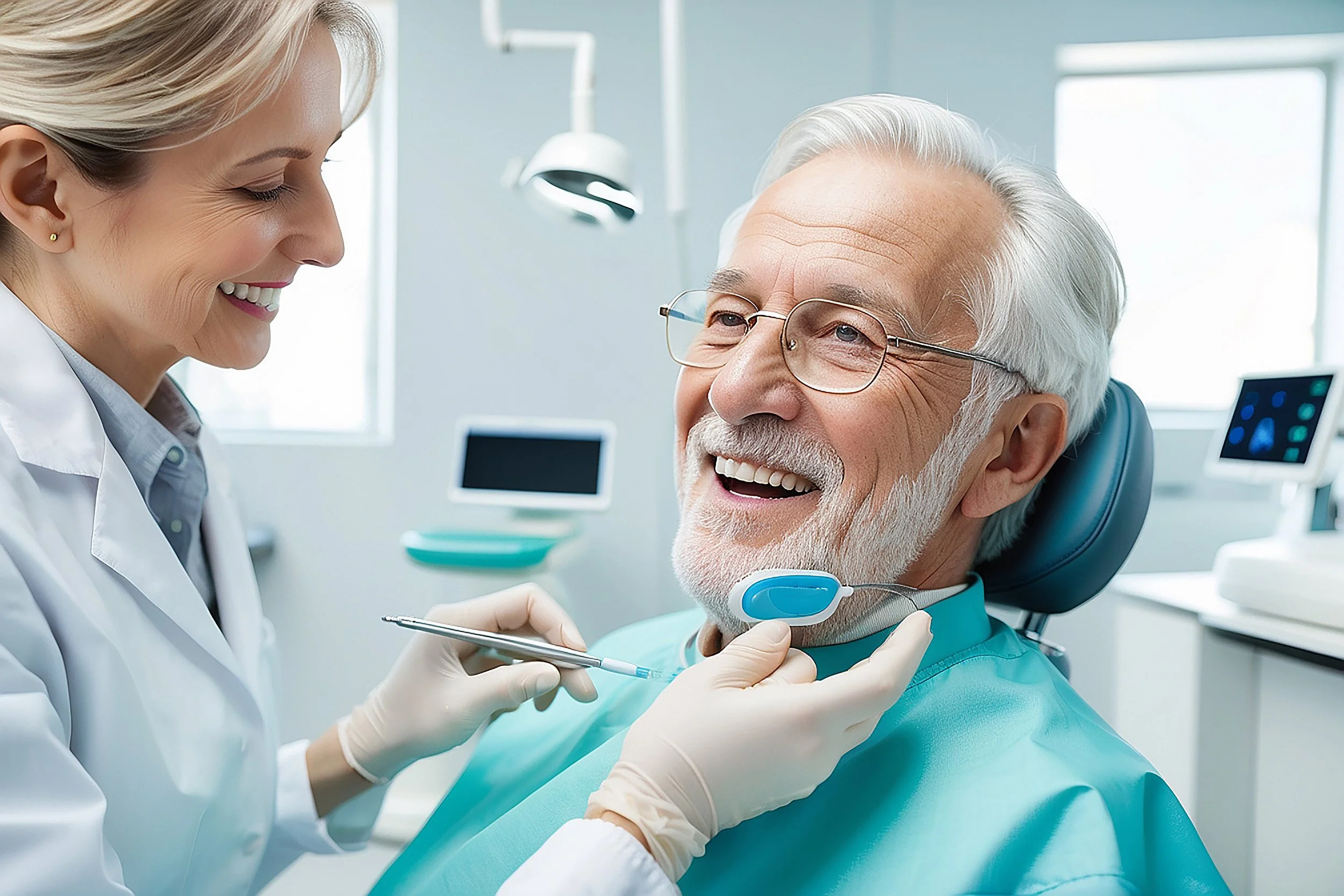
Some older adults live with arthritis, tremors, stroke effects, or mobility limitations that make standard brushing and flossing more difficult. Adaptations are tools to support autonomy-not signs of decline.
Adaptive Oral-Care Tools
Supportive devices include powered toothbrushes, toothbrushes with thicker handles, floss holders, interdental brushes, and water flossers. Each reduces the physical effort or fine-motor movements required. Small investments in the right tools can significantly improve dental hygiene quality.
Making the Routine More Accessible
Keep toothbrushes, toothpaste, and interdental aids within easy reach. Use good lighting, magnifying mirrors, or seated positions. Short, well-performed routines are better than long sessions that become physically exhausting. Setting reminders or using checklists helps those who benefit from structure.
When Assistance Is Needed
Some older adults may need help from a spouse, family member, or caregiver. Respectful, person-centered assistance preserves privacy and independence as much as safely possible. Caregivers should receive basic training from dental professionals on safe brushing techniques.
Oral Care With Memory or Cognitive Changes
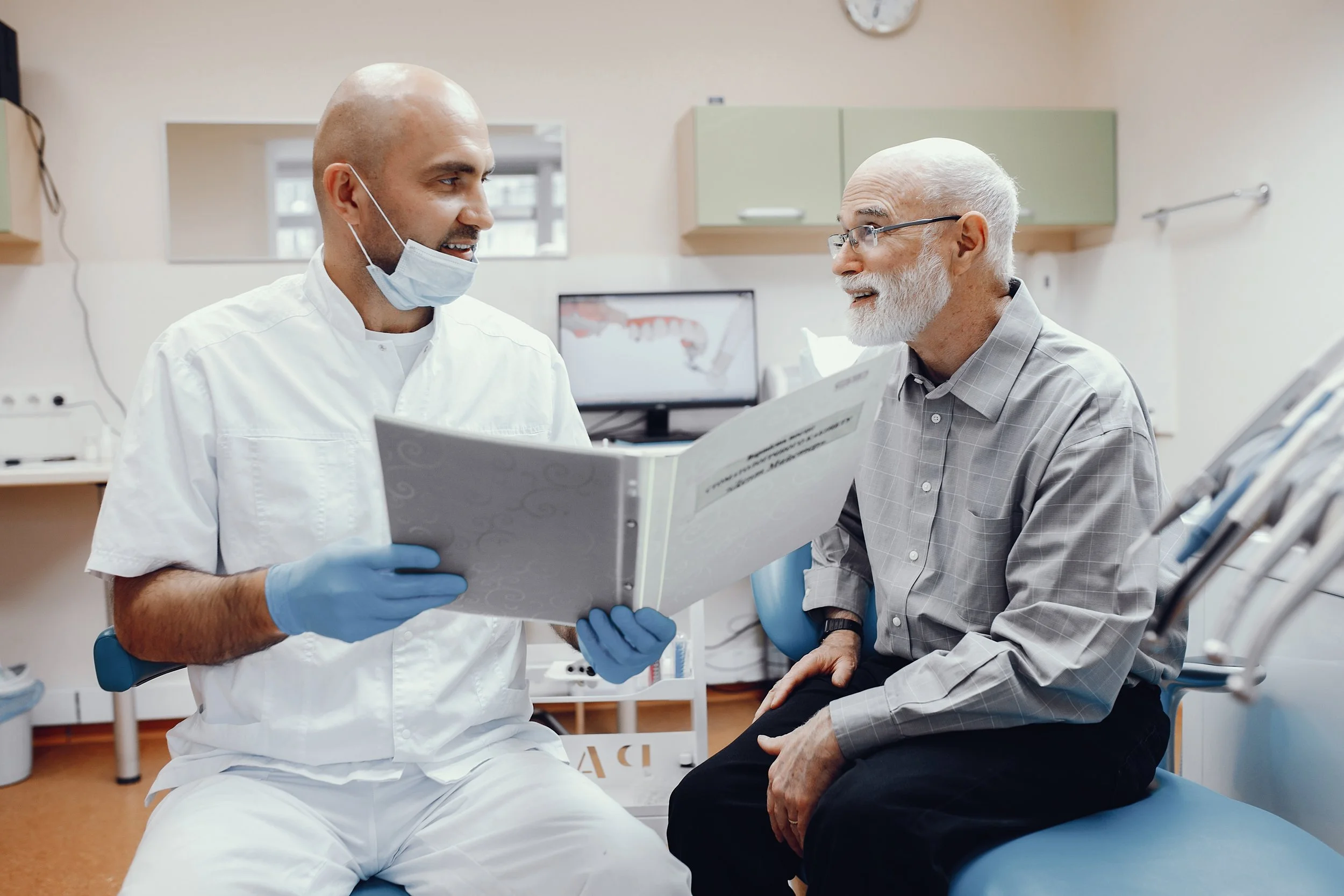
Cognitive impairment affects some, but not all, older adults. Conditions like Alzheimer's disease can make it harder to remember routines, recognize discomfort, or manage removable appliances. Cognitive impairments may require caregiver assistance for effective oral hygiene in seniors.
Keeping the Routine Familiar
Keep oral care at the same times each day, in the same setting. Use the same toothbrush and toothpaste. Visual cues-placing the brush in a visible spot or using simple step-by-step charts-help maintain consistency. Short, simple sequences are easier to follow than complex instructions.
Caregiver Support
Caregivers may need to provide prompts, supervise, or gradually assist with brushing and cleaning. A calm, respectful approach allows the person to do as much as they can safely manage. Watch for signs of pain or withdrawn behavior that could signal oral discomfort. Regular dental checkups are essential for older adults who cannot clearly describe symptoms.
Dentures and Removable Appliances
People with memory changes may misplace dentures or forget to clean them. Simple storage routines-labeled containers in a consistent location-help. Caregivers should clean dentures daily and check the mouth for sore spots or debris.
Common Senior Oral Hygiene Mistakes
Many well-meaning beliefs from earlier decades can quietly undermine oral health for seniors. Here are the most common.
Assuming Cavities Are Mainly a Childhood Problem
Cavity risk continues throughout life and may rise again due to dry mouth and exposed roots. Sudden new cavities after many years of low risk warrant a dental review and reinforced fluoride use.
Ignoring Dry Mouth
Chronic dryness is more than an annoyance-it can lead to rapid development of root caries and infections. Early discussion with the dental team often brings noticeable relief.
Giving Up Interdental Cleaning When Floss Becomes Difficult
Stopping flossing without replacing it with another method leaves plaque untouched. Interdental brushes, floss holders, or water flossers are equally valid alternatives.
Brushing Exposed Roots Too Aggressively
Scrubbing harder can damage root surfaces and create grooves and sensitivity. Soft bristles, gentle pressure, and low-abrasion toothpaste protect sensitive areas.
Assuming Crowns or Implants Cannot Have Problems
Crowns and implants sit in a living mouth with gums and bone that can develop disease. Plaque around crowns can cause decay in the underlying tooth, and plaque around implants can trigger inflammation. No restoration is maintenance-free.
Accepting Loose Dentures as Normal
Changing bone and tissue can alter fit. Constantly rubbing, unstable dentures cause sores and make eating difficult. Seek evaluation rather than relying indefinitely on extra adhesive.
Assuming Tooth Loss Is Unavoidable
Many seniors now keep most or all of their natural teeth. Even if someone has already lost several, further loss can often be prevented with a proactive mindset and timely treatment.
Dismissing Oral Changes as Aging
Some changes-slight color darkening, minor wear-may be age-related. But new bleeding, persistent sores, sudden bad breath, or bite changes often signal treatable dental problems. Noticing and acting on changes is a strength, not a worry.
A Simple Daily Oral Care Routine for Older Adults
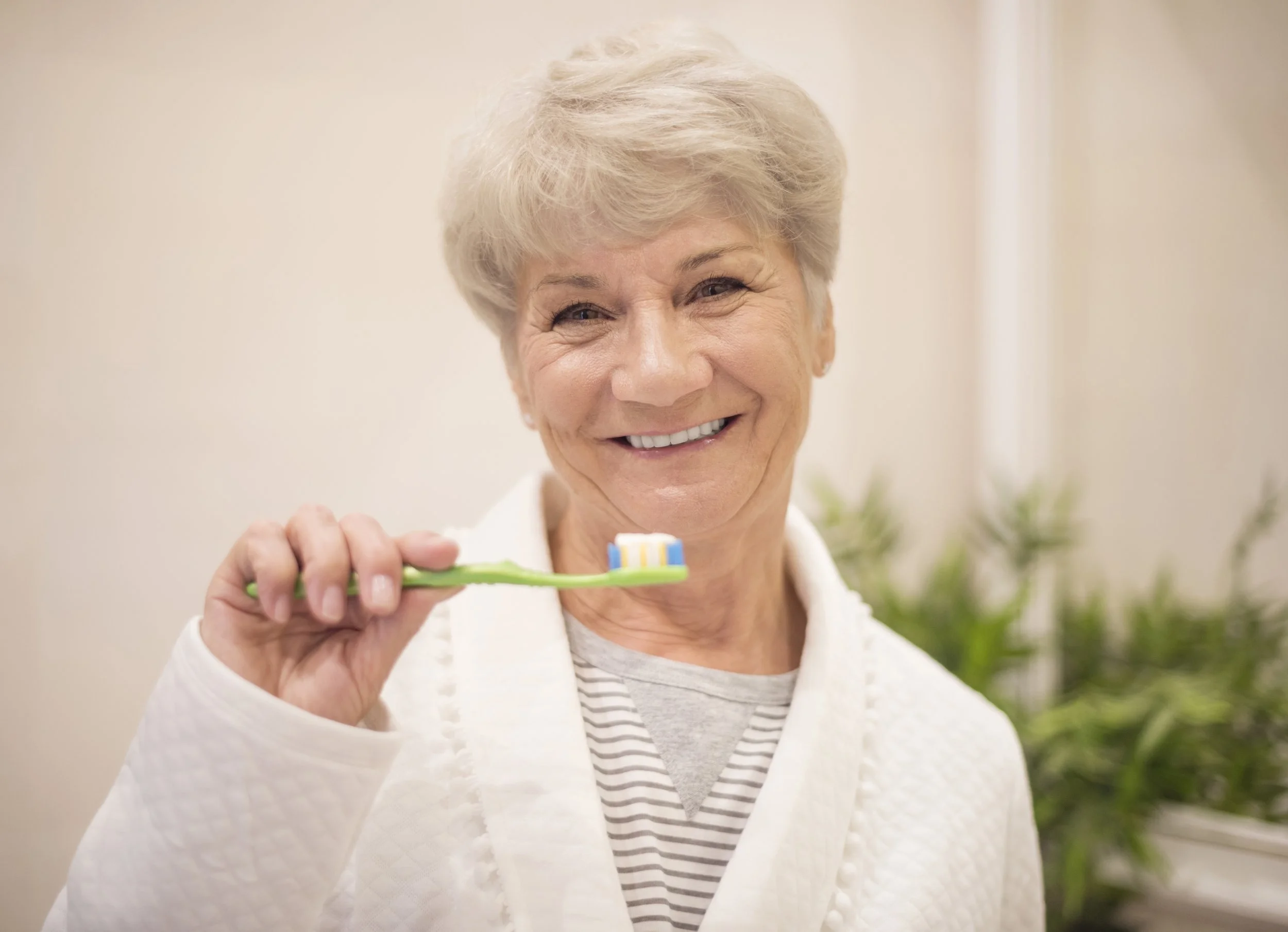
Bringing it all together into a realistic daily routine for maintaining oral health.
Morning
Brush teeth with fluoride toothpaste, including along the gumline and exposed roots
Clean removable dentures or partials before wearing them
Address dry-mouth comfort early (sip water, use saliva-support strategies)
Start hydration to support saliva throughout the day
During the Day
Sip water regularly; avoid constant sugary or acidic drinks between meals
Use sugar-free gum or lozenges to stimulate saliva after meals if appropriate
Rinse or briefly clean appliances if food becomes trapped
Note any new discomfort rather than waiting weeks to mention it
Before Bed
Clean between teeth using the method that works best (floss, interdental brush, or water flosser)
Brush thoroughly with fluoride toothpaste
Remove and clean removable dentures; store properly overnight
Keep the routine simple and repeatable
Signs That Senior Oral Health May Need Attention

Noticing changes early allows simpler, more comfortable treatment. These signs do not diagnose a particular disease but indicate that a dental evaluation would be helpful. 61% of homebound elderly last visited a dentist over three years ago-staying aware of changes matters even when visits are infrequent.
Changes to Watch For
Persistent tooth pain, worsening sensitivity, or pain when biting
Gums that bleed regularly with gentle brushing, or appear swollen or tender
Noticeable gum recession, loose teeth, or changes in how teeth meet
Chronic dry mouth, bad breath that does not improve with cleaning
Difficulty chewing or swallowing that leads to avoiding foods
Dentures that feel loose, cause sore spots, or are left out due to discomfort
Broken, chipped, or lost fillings, crowns, or other dental work
Mouth sores, patches, or lumps persisting beyond two weeks
Facial or gum swelling, especially with pain or fever
When an Oral Health Problem May Need Prompt Attention
Most dental problems are not emergencies, but certain symptoms should not wait for a routine appointment. Contact a dental or medical professional promptly-or seek emergency dental care-if any of the following appear.
Potentially Urgent Signs
Significant facial or oral swelling that appears suddenly or increases, especially if skin feels warm
Fever along with toothache, gum swelling, or facial swelling, suggesting spreading infection
Severe, unrelenting, or rapidly worsening dental pain interfering with sleep or daily activities
Difficulty swallowing, breathing, or opening the mouth due to oral or facial swelling
Significant trauma to teeth, jaw, or face from a fall, with broken teeth, bleeding, or suspected fractures
Uncontrolled oral bleeding that does not slow after gentle pressure
A knocked-out permanent tooth-immediate professional help gives the best chance of saving it
Frequently Asked Questions
How should seniors care for their teeth?
The basic routine includes brushing twice a day with fluoride toothpaste, cleaning between teeth daily, caring for gums, and seeing a dentist regularly. Adapt tools for comfort-a soft brush, electric brush, or interdental aids-and address dry mouth if present.
How often should older adults brush?
Brushing twice daily is recommended for most people, including seniors. Thorough cleaning before bed is especially important because saliva flow is lower overnight, leaving teeth more vulnerable to acid attack.
Do seniors still need fluoride toothpaste?
Fluoride remains valuable at every age, particularly when root surfaces are exposed or cavity risk is higher. Some seniors may benefit from higher-fluoride products prescribed by a dentist if they experience frequent dental caries. Organizations such as the American Dental Association continue to recommend fluoride toothpaste for adults of all ages.
Why do older adults get root cavities?
Gum recession exposes root surfaces that lack thick enamel and are more vulnerable to acid attack. Combined with plaque, frequent sugar intake, and reduced saliva from medications or health conditions, root caries become a significant risk for oral health in older age.
Is dry mouth a normal part of aging?
While many older adults experience dry mouth, it is usually due to medicines or medical issues rather than age alone. Ongoing dryness should be discussed with a dentist or doctor to explore safe management options. Research from the National Institute of Dental and Craniofacial Research confirms that salivary function does not decline sharply from age alone.
Why can medications cause dry mouth?
Certain medicines reduce how much saliva the glands produce or change its composition. Taking several medicines at once-common in senior healthcare services-can increase this effect. Drug classes including anticholinergics, antidepressants, and diuretics are among those most frequently associated with reduced salivary flow.
What are easier alternatives to traditional floss?
Interdental brushes, floss holders, pre-threaded floss picks, and water flossers are all common alternatives. A dental professional can recommend which option best suits the person's mouth and dexterity for maintaining oral health.
Are electric toothbrushes useful for older adults?
Many seniors find electric toothbrushes helpful because they provide consistent motion and easy-to-grip handles. They make good oral hygiene easier but are not a requirement for everyone. Studies compiled in systematic review literature suggest powered brushes can modestly improve plaque removal, especially for those with limited dexterity.
How should crowns and bridges be cleaned?
Crowns are brushed like natural teeth, with extra attention at the gumline where the crown meets the tooth. Bridges need cleaning under the false tooth using floss threaders, interdental brushes, or water flossers to keep gums healthy and prevent decay on supporting teeth.
How should dental implants be cleaned?
Gently brush around the implant crown and use appropriate interdental tools as recommended by the dental team. Regular professional checks help ensure the gums and bone around implants stay healthy. Dental implants for seniors require the same or greater attention to cleaning as natural teeth.
How should dentures be cleaned?
Remove dentures daily, brush with a denture brush and cleanser, rinse, and soak overnight if advised. Clean gums, tongue, and any remaining natural teeth as well. This routine helps maintain a healthy mouth and prevent oral infection.
Is tooth loss inevitable with age?
Tooth loss is not inevitable. It usually results from untreated decay, gum disease, or injuries. Prevention through daily care and timely treatment can preserve teeth at any age. Data confirm that tooth retention rates among elderly individuals continue to improve decade by decade.
Why can gums recede as people get older?
Gums may recede due to long-term plaque buildup, past gum disease, aggressive brushing, or tooth position-not simply age. Some mild recession can appear over decades, but rapid changes should be assessed by a dental professional as they may indicate active dental conditions.
What oral changes should older adults pay attention to?
Key changes include persistent pain, bleeding, sores, lumps, dry mouth, loose teeth, and changes in bite or denture fit. Seeking dental evaluation if any of these problems persist or worsen is one of the most important steps in maintaining oral health. As the World Health Organization has noted, oral health is integral to general health, and poor oral health in older populations deserves systematic attention from both dental medicine and broader health care systems.
Conclusion
Aging can change oral health risks and daily care needs, but poor dental health and tooth loss are not unavoidable outcomes. With consistent habits-fluoride brushing, interdental cleaning, saliva protection, gum care, and attentive maintenance of restorations and replacement teeth-a healthy mouth is achievable well into later adulthood.
The tools and techniques that worked at 40 may need adapting at 70 or 80. That is normal and manageable. Electric toothbrushes, interdental brushes, water flossers, and simple environmental changes can keep effective oral care within reach regardless of dexterity, mobility, or medication changes.
Investing a few minutes each day in senior dental care supports comfortable chewing, clear speech, social confidence, and overall health for years to come. Good oral health is not just a young person's goal-it belongs to every stage of life.