Key Takeaways
The teenage years are a critical time to protect permanent teeth and build independent oral hygiene habits that last into adulthood.
Cavities remain common during adolescence (57% of teens aged 12 to 19 have experienced dental caries) and can develop without early pain, making regular checkups essential. Regular dental checkups are recommended every six months.
Braces increase plaque-removal challenges but do not directly cause cavities when daily cleaning is thorough and consistent.
Wisdom teeth develop and erupt on varying timelines, typically between ages 17 and 21, and do not always require removal.
Gum inflammation and bleeding affect a large proportion of teens and should be addressed through improved hygiene rather than dismissed as normal.
Frequent sugary and acidic drinks, including sports and energy drinks, can raise both cavity risk and enamel erosion risk; water is the best routine beverage.
Sports mouthguards reduce dental injury risk; 75% of high school sports dental injuries occur in athletes not wearing one.
Vaping, tobacco use, oral piercings, and teeth grinding can each introduce additional oral health risks during adolescence.
Twice-daily brushing with fluoride toothpaste, daily interdental cleaning, and sensible food and beverage choices form the foundation of a sustainable daily routine.
Recognizing warning signs early, from persistent sensitivity to facial swelling, helps prevent small dental problems from becoming urgent emergencies.

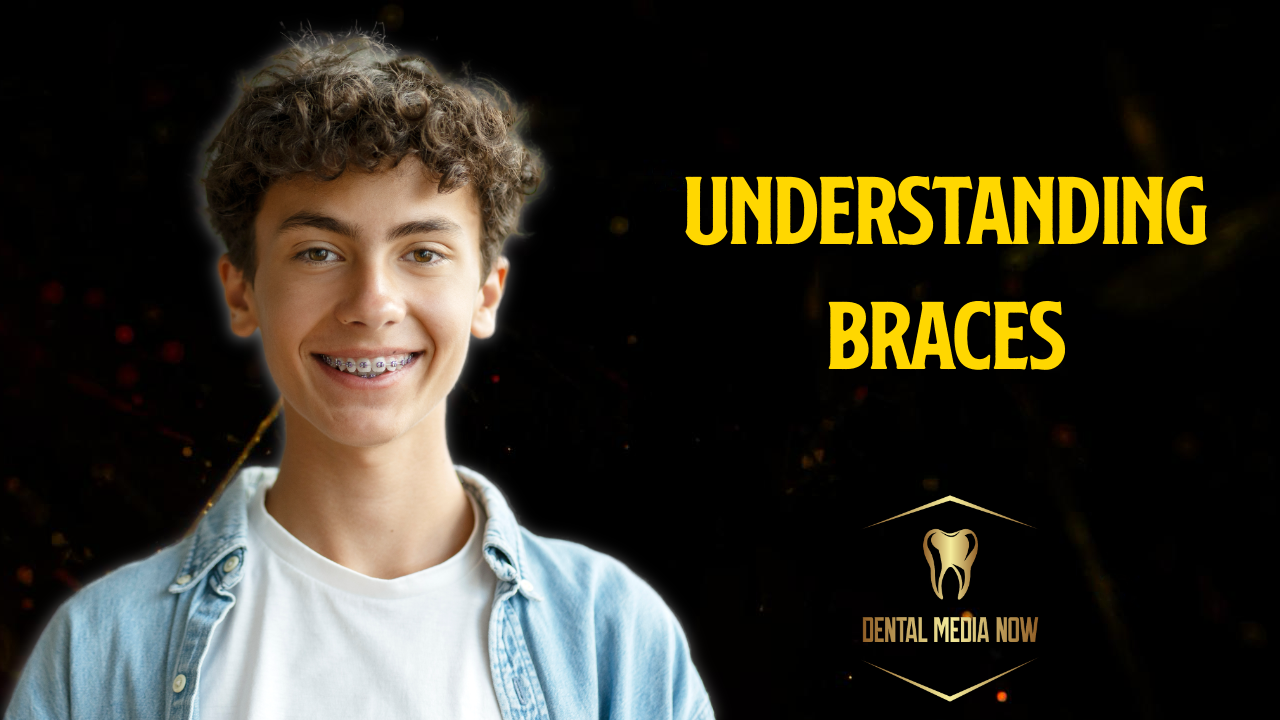



The years between about age 12 and 19 are a turning point for lifelong oral health. By around age 13, most teens have a full set of permanent teeth (minus wisdom teeth), and daily habits from this point forward will determine whether those teeth stay strong into the 30s, 40s, and well beyond. Dental care has likely been a parent-led activity up to now, but adolescence brings a shift: teens start choosing their own snacks, managing their own brushing and flossing, and making decisions that affect teeth in ways they may not realize.
This article covers the dental health challenges that matter most during the teenage years: cavities, gum inflammation, braces, wisdom teeth, sports injuries, sugary and acidic drinks, teeth grinding, vaping, and mouth piercings. Busy school schedules, after-school activities, changing diets, and less parental oversight can all make consistent dental care harder to maintain. The good news is that many common teen dental problems, including dental caries, early gum disease, and bad breath, are preventable with practical routines, fluoride toothpaste, and straightforward choices. Think of what follows as a clear, step-by-step guide to keeping teen teeth healthy into adulthood.
Why Dental Health Matters During the Teen Years

Adolescence sits between two eras of oral care. During childhood, parents typically schedule dental visits, supervise brushing, and control most food choices. By the late teenage years, most of those responsibilities belong to the teen. This transition matters because the permanent teeth now in place are the only set available for the rest of life, and habits formed during middle school and high school tend to persist. Choices made now affect teeth decades later.
Most Permanent Teeth Are Now in Place
By about age 12 to 13, most teens have 28 permanent teeth: incisors, canines, premolars, and first and second molars. Children younger than 12 typically still have mixed dentition, with baby teeth gradually being replaced. Third molars (wisdom teeth) usually develop later. Unlike a child's teeth, which were always going to fall out, these permanent teeth are meant to last. Every filling, crown, or instance of tooth loss that happens from here on is cumulative. Protecting tooth enamel from decay, erosion, and trauma during these years reduces the need for dental work in adulthood.
Teenagers Have More Control Over Their Daily Habits
A 14-year-old grabbing an energy drink before soccer practice or sipping soda during homework is making oral health decisions, whether they realize it or not. Teens increasingly control their own brushing and flossing frequency, whether they use fluoride toothpaste, how often they see health care providers, and whether they wear mouthguards for basketball or skateboarding. Decisions about tobacco use, vaping, and care of mouth piercings also fall into this expanding zone of independence. More control is not only about more risk; it is equally an opportunity to build good oral hygiene habits that carry forward.
Oral Health Can Affect Everyday Life
Tooth pain, sensitivity, or gum disease can interfere with eating comfortably, speaking clearly in class, concentrating during exams, and performing in sports. Visible issues like stained teeth, broken teeth, or swollen gums can affect confidence during school photos, job interviews, and social events. Severe or chronic oral problems can disrupt sleep and general comfort. Dental health is closely connected to social well being; taking care of teeth helps teens feel at ease in daily life and during milestones like prom or graduation. While overstating links between dental health and overall health is easy to do, the direct effects on comfort, eating, and confidence are reason enough to pay attention.
Common Dental Problems in Teenagers
Teens experience many of the same oral conditions as adults, but developmental changes and adolescent habits shift the pattern. The following subsections give concise, symptom-focused descriptions of the most frequent teen dental health issues. Later sections explore several of these in greater depth.
Cavities and Tooth Decay
Cavities (dental caries) develop when plaque bacteria metabolize sugars and fermentable carbohydrates, producing acids that weaken enamel. More than half of adolescents aged 12 to 19 have dental caries, according to data from the National Institute of Dental and Craniofacial Research. Common teen contributors include frequent snacking, sipping sugary or acidic drinks, and rushed or skipped brushing and flossing. Typical cavity locations in teens include the grooves of molars, surfaces around orthodontic brackets, and between back teeth.
Gingivitis and Bleeding Gums
Gingivitis is gum inflammation that often appears as redness, puffiness, and bleeding when brushing or flossing. Plaque buildup at the gumline is the primary driver. During puberty, hormone changes can make gum tissues react more strongly to the same amount of plaque. About 75% of teens experience gum bleeding at some point; persistent bleeding is not "just a normal teen thing" and usually signals that gums need more consistent daily cleaning.
Tooth Sensitivity
Sensitivity presents as short, sharp discomfort when drinking cold beverages, breathing cold air, eating sweet foods, or brushing a certain area. Possible causes include early cavities, enamel wear from acidic drinks, gum changes, recent whitening products, or orthodontic adjustments. Tooth sensitivity is a symptom rather than a diagnosis, and persistent or worsening sensitivity should be checked by a dentist.
Chipped and Broken Teeth
Common teen causes include sports without mouthguards, falls from bikes or skateboards, rough play, and biting hard items like ice or bottle caps. Tongue or lip jewelry can also strike teeth and cause chips or cracks over time. Even small fractures can lead to sensitivity or plaque accumulation if not assessed.
Bad Breath
Occasional morning breath is normal, but persistent bad breath (halitosis) may point to an issue. Oral causes include plaque and food debris, bacteria on the tongue, gum inflammation, and dry mouth from mouth-breathing or certain medications. Some persistent bad breath relates to non-oral causes and should not automatically be attributed to poor oral hygiene.
Teeth Grinding and Jaw Clenching
Bruxism is grinding or clenching that may happen during sleep or while awake, such as when concentrating or stressed. Common signs include worn or flattened tooth edges, chipped enamel, jaw muscle soreness, or morning headaches. Stress is one possible factor but not the only cause; sleep patterns and certain medications can also play a role.
Cavities and Tooth Decay in Teens
Even though baby teeth are gone, teens still have a high rate of dental decay. 57% of adolescents aged 12 to 19 have dental caries, and about 13% of adolescents have at least one untreated cavity. The rate climbs with age: cavities increase from 48% in ages 12 to 15 to 66% in ages 16 to 19. Tooth decay is a balance between acid attacks from plaque and protective factors like saliva, fluoride, and good hygiene.
How Cavities Develop
Dental plaque is a sticky biofilm hosting many kinds of microorganisms that forms continuously on teeth. When teens consume sugary foods, soft drinks, or refined starches like sweetened cereal bars, certain bacteria in the biofilm metabolize these fermentable carbohydrates and produce acids. Repeated acid exposure leads to enamel demineralization, with minerals dissolving from the tooth surface. If remineralization (aided by saliva, fluoride toothpaste, and fluoridated water) does not keep pace, a visible cavity eventually forms. The process is not instant; it involves repeated cycles of mineral loss outstripping repair.
Why Teens May Be at Higher Risk
Common teen patterns drive cavity risk: frequent snacking during homework, sipping energy drinks during games, late-night eating, and sometimes irregular brushing and flossing. Orthodontic appliances can trap plaque around brackets and wires, making thorough cleaning more difficult. About 62.9% of youth consume at least one sugary drink daily, adding frequent acid exposure to an already challenging environment. Adolescence itself does not automatically create higher risk; rather, it is the combination of diet, hygiene habits, access to dental care, and individual factors. Social determinants also play a role: 65% of adolescents living in poverty have untreated dental caries, and adolescents from lower-income families receive less dental care overall. Adolescents in unsafe neighborhoods report unmet dental needs at higher rates.
Early Signs of Tooth Decay
Early white, chalky, or matte areas on enamel, especially near the gumline or around brackets, indicate potential demineralization. Darker spots or visible pits may signal more advanced dental decay. Mild sensitivity to sweets or cold can be an early warning, but some early cavities cause no pain at all, making regular dental checkups essential. One in six adolescents has untreated dental caries (about 17%), partly because early-stage decay is so easy to overlook.
Preventing Cavities
Brushing twice a day for about two minutes with fluoride toothpaste, including the back molars and along the gumline, is the foundation. Daily cleaning between teeth using floss or suitable interdental tools is critical, especially where teeth touch or where there are braces. Reducing frequent sugar exposure helps: combining treats with meals, avoiding constant sipping of sugary or acidic drinks, and choosing water most of the time. Appropriate fluoride exposure (toothpaste, fluoridated water, and in some cases professional fluoride treatments) combined with dental sealants on molars provides extra protection on chewing surfaces. Regular dental checkups help detect cavities and alignment issues early, before small problems require larger repairs.
Braces and Teen Oral Health
Braces and clear aligners are common during middle and high school. Braces do not directly cause cavities. Instead, brackets, wires, and bands create additional small spaces where plaque and food particles can collect, making effective cleaning more challenging. A 2024 systematic review comparing clear aligners and fixed braces found that aligners were associated with less plaque accumulation and fewer white-spot lesions, but not every teen is a candidate for aligners. Regardless of appliance type, careful hygiene and smart food choices during orthodontic treatment can keep teeth and gums healthy.
Why Braces Make Cleaning More Challenging
Brackets, wires, and bands add extra surfaces where plaque can stick and make it harder for toothbrush bristles and floss to reach enamel. Without extra attention, plaque can build up rapidly around brackets, leading to white-spot lesions, cavities, or puffy gums. Areas commonly missed include the sides of upper molar brackets and the gumline behind lower front teeth. Research shows that white-spot lesions can appear as early as the fourth week after bracket placement when hygiene is poor.
Brushing With Braces
A simple routine works: brush above and below each bracket, along the gumline, and on chewing surfaces with a soft or orthodontic toothbrush and fluoride toothpaste. Pay attention to any areas that feel rough or "fuzzy," which indicates plaque buildup. An electric toothbrush can help some teens clean more effectively around brackets, but it is a helpful tool rather than a requirement. Morning and nighttime brushing are essential for oral health during adolescence, and this is especially true with braces.
Cleaning Between Teeth
Brushing alone cannot fully clean under wires and between teeth, especially where teeth contact each other. Using specialized tools is recommended for cleaning around braces: options include floss with floss threaders, orthodontic floss, and small interdental brushes. The best tools depend on the specific appliance, and orthodontists or dentists can demonstrate techniques that fit a teen's mouth and schedule. Daily flossing removes trapped food and plaque that toothbrush bristles miss.
White Spots Around Brackets
White-spot lesions are chalky or opaque patches on enamel that appear when plaque sits around brackets and minerals are lost from the tooth surface. While these areas often indicate enamel demineralization related to plaque, white marks can have multiple causes and should be evaluated by a dental professional. Consistent cleaning and fluoride can reduce the chance of these marks forming. Not all white spots after braces are permanent; early-stage lesions can sometimes remineralize with proper care.
Foods and Habits That Can Damage Braces
Very hard items (ice cubes, unpopped popcorn kernels, hard candies) and sticky foods (caramels, chewy sweets) can bend wires or break brackets. Habits like chewing on pens, fingernails, or opening packages with teeth risk damage to both appliances and enamel. Following the specific instructions provided by the orthodontist avoids emergency repairs and delays in treatment.
Sports With Braces
Playing sports such as basketball, soccer, hockey, martial arts, or skateboarding increases risk of a blow to the mouth. A mouthguard designed to fit over braces protects teeth, lips, cheeks, and the orthodontic hardware. Asking the dentist or orthodontist which type of mouthguard works best with the current appliance is a practical first step.
Wisdom Teeth During the Teen Years
Wisdom teeth (third molars) are the last set of permanent molars, located at the very back of the mouth. They develop in the jaw earlier but often start to erupt sometime in the late teen years or early adulthood. Not everyone has all four, and not every wisdom tooth causes problems.
When Wisdom Teeth Usually Appear
Roots typically begin forming in the mid-teens, with eruption commonly happening between about ages 17 and 21, though there is wide variation. Some people naturally have fewer than four wisdom teeth or none at all. Dental X-rays during routine exams help track whether third molars are present and how they are forming.
What Does It Mean for a Wisdom Tooth to Be Impacted?
An impacted wisdom tooth is one that cannot fully or properly come through the gums because of limited space, its angle, or surrounding bone and other teeth. Partially impacted teeth are partially visible, with gum tissue still covering part of the crown. Completely impacted teeth remain fully covered by bone or gum tissue. Impacted teeth may or may not cause symptoms, but they can be harder to keep clean and more likely to trap plaque.
Possible Signs of Wisdom Tooth Problems
Common symptoms include soreness or pressure at the very back of the jaw, swelling or tenderness in the gum behind the last molar, and difficulty cleaning the area. Bad taste, occasional swelling, or jaw discomfort can occur if food and bacteria collect around a partially erupted tooth. Similar symptoms can come from other causes, so evaluation by a dentist or oral surgeon is important rather than self-diagnosis.
Do All Wisdom Teeth Need to Be Removed?
Not every wisdom tooth automatically requires extraction. Many people keep one or more that are healthy and easy to clean. Dentists consider tooth position, available space, whether there is decay or gum disease around the tooth, and its effect on nearby teeth. Teens and parents should discuss pros and cons of removal timing with their dental team instead of assuming one universal rule applies. When a wisdom tooth appears to be healthy, well-positioned, and accessible for cleaning, monitoring may be all that is needed.
Monitoring Wisdom Teeth
Regular dental visits typically include monitoring wisdom teeth on dental X-rays and checking the gums around them during exams. Monitoring allows early identification of issues like cysts, decay, or early gum problems, even before pain appears. This approach avoids unnecessary procedures while catching developing problems in time.
Gingivitis and Gum Health in Teenagers
Gum health can shift during puberty, especially as hormones change and plaque control sometimes becomes less consistent. Early gum disease in teens is usually reversible with improved daily brushing and flossing, but it should not be ignored. If left untreated, gingivitis can progress to periodontal disease, which involves deeper tissue and bone changes that are more difficult to reverse.
What Is Gingivitis?
Gingivitis is inflammation of the gums without deeper bone loss, typically caused by plaque buildup along the gumline. Signs include gums that look darker red instead of pink, feel swollen or tender, and bleed when brushing or flossing. Gingivitis is usually painless, which can make it easy to overlook until bleeding becomes frequent. About 75% of teens experience gum bleeding, making it one of the most common teen dental health concerns.
Puberty and Gum Inflammation
Hormonal changes during puberty can heighten the way gum tissues react to plaque, sometimes making the same amount of plaque cause more redness or swelling. Hormones alone do not cause gingivitis; plaque is still the key factor, and good daily cleaning can keep gums healthier. Teens should not assume bleeding gums are "just puberty"; persistent bleeding is a signal that gums need more consistent care.
Braces and Gum Health
Brackets and bands can make plaque removal near the gums more challenging, especially around lower front teeth and upper molars. Plaque left in these areas may lead to puffy, overgrown-looking gums that make cleaning even harder. Careful brushing along the gumline and interdental cleaning are essential while wearing orthodontic appliances.
Protecting Healthy Gums
Brush gently but thoroughly along the gumline twice a day with fluoride toothpaste, angling bristles toward the gums. Clean between teeth daily to remove plaque that toothbrush bristles cannot reach. Avoid scrubbing gums aggressively, which can cause irritation or recession; a soft-bristled toothbrush or electric toothbrush works well when used with light pressure.
Sugary Drinks, Energy Drinks, and Teen Dental Health
Many teens regularly drink soda, flavored coffees, sports and energy drinks, and fruit juices during school, practices, and social events. These drinks can affect teeth through both sugar content (cavity risk) and acidity (enamel erosion). Tooth decay and dental erosion are different processes, though the same beverage can contribute to both.
Soda and Tooth Decay
Regular and some flavored sodas contain sugars that plaque bacteria can quickly convert into acids. Repeated exposure, such as sipping a 20-ounce soda over several hours, repeatedly lowers pH in the mouth and increases cavity risk. Diet sodas may reduce sugar-related cavity risk but often remain acidic and can still contribute to enamel wear. Sugary drinks can lead to cavities in adolescents, and limiting sugary drinks is one of the most direct ways to help maintain dental health.
Energy Drinks
Many energy drinks combine high sugar levels with acidity, creating a double challenge for enamel. Using these drinks for long study sessions, gaming, or workouts often means slow, repeated sipping rather than quick consumption, which extends the acid exposure. Adolescents consume an average of 17.5% of daily calories from added sugar, and energy drinks contribute to that total.
Sports Drinks
Sports drinks are formulated for fluid and electrolyte replacement but often include sugars and acids that can affect teeth. Most routine practices and gym sessions do not require sugary sports drinks for hydration; plain water is usually adequate. If sports drinks are used, limiting frequency and rinsing with water afterward can help reduce exposure.
Dental Erosion From Acidic Drinks
Dental erosion is chemical loss of tooth structure caused by acids not produced by oral bacteria, such as citric acid in sodas, fruit juices, and certain foods. Erosion differs from cavities, which involve bacterial acids and demineralization in localized spots. Dental erosion affects 40 to 55% of youth aged 13 to 19, and a global meta-analysis found that consuming carbonated beverages nearly doubled the risk (odds ratio of approximately 1.98). Intrinsic acid sources, such as gastric acid in conditions like bulimia nervosa, can also cause erosion. Signs include smooth, shiny enamel surfaces, cupping on chewing surfaces, or increased sensitivity. Acidic foods and drinks are a concern distinct from sugar, and both matter for teen dental health.
Why Sipping Matters
Every time teeth are exposed to sugar or acid, the oral cavity needs time to neutralize and recover. Nursing one drink over an entire morning or afternoon causes more total exposure than drinking it with a meal and then switching to water. Finishing sweet drinks more quickly, avoiding constant sipping, and using a straw to reduce contact with teeth are practical habits that make a big difference.
Water as an Everyday Beverage
Plain water is the easiest default drink: no sugar, no acid, and supportive of saliva flow and overall hydration. Community water fluoridation adds fluoride at levels shown to help prevent tooth decay, providing an added benefit where water supplies are appropriately fluoridated. Carrying a refillable water bottle to school, practices, and activities is a simple, realistic habit that supports healthy teeth throughout the day.
Diet and Snacking During Adolescence
Teens often eat on the go: before practice, between classes, while studying. Patterns matter as much as specific foods. The focus here is on how often and how long teeth are exposed to fermentable carbohydrates, not on judging certain foods as "good" or "bad."
Frequent Snacking and Cavity Risk
Each snack or drink containing fermentable carbohydrates triggers an acid attack in plaque. Short gaps between snacks (for example, grazing all afternoon) reduce time for saliva and fluoride to repair enamel. Grouping snacks closer to mealtimes rather than constant nibbling gives teeth more recovery time between exposures.
Sugary Snacks
Candy, cookies, pastries, sweetened granola bars, and sweetened yogurt are common teen snacks. Having these occasionally with meals is less risky than repeated separate exposures across the day. Brushing with fluoride toothpaste and rinsing with water afterward can help when sweets are consumed.
Sticky Foods
Foods that cling to teeth, such as chewy candies, dried fruits, or caramel-coated snacks, tend to stay on tooth surfaces longer. Longer contact time means longer acid production and increased cavity potential. Not all sticky foods are equally harmful; the key is managing contact time by rinsing or brushing after eating them.
Balanced Eating for Healthy Teeth
Nutrient-rich options like dairy products, nuts, beans, lean proteins, and whole fruits and vegetables support both general health and dental health. Choose tooth-friendly snacks like fruits, vegetables, and cheese to support enamel and gum tissue. Calcium-rich foods (milk, yogurt, cheese) are supportive for teeth and jaws. Crunchy vegetables and fruits can stimulate saliva and gently clean surfaces, but they do not replace brushing and flossing.
Keeping Treats in Perspective
Enjoying sweets sometimes is compatible with good dental health when combined with fluoride, brushing, and smart timing. The emphasis belongs on overall patterns: fewer sugary snacks between meals, more water, and consistent nightly brushing with fluoride toothpaste. The goal is realistic habit changes, not perfection.
Sports and Dental Injuries in Teens
Sports and recreation, from football and basketball to skateboarding and biking, increase exposure to dental trauma during adolescence. Dental injuries can happen quickly, but the right protection and prompt response reduce long-term damage.
Common Sports-Related Dental Injuries
Typical injuries include chipped enamel, cracked teeth, teeth pushed out of position, and completely knocked-out permanent teeth. Associated soft-tissue injuries like cuts to the lips, cheeks, or tongue are also common. Sometimes injuries look minor on the surface but still require professional evaluation.
Mouthguards
Mouthguards cushion blows and spread impact forces, reducing risk of broken teeth and cuts. The ADA notes that individuals who do not wear mouthguards are about 1.6 to 1.9 times more likely to suffer orofacial injury. Types include ready-made ("stock") guards, boil-and-bite guards, and custom guards made by a dentist. In one study of high school athletes, 75% of dental injuries occurred when the athlete was not wearing a mouthguard. Wearing a fitted mouthguard during sports prevents dental injuries and protects dental work such as braces, fillings, and restorations.
Braces and Mouthguards
Teenagers with braces have extra sharp edges that can injure lips and cheeks if hit. Special mouthguards designed to fit over orthodontic appliances help protect both soft tissues and the braces themselves. Consulting the dentist or orthodontist about appropriate types and fit is better than choosing based on appearance alone.
What to Do After a Dental Injury
Chips, loose teeth, or injuries that affect the bite or cause ongoing pain should be evaluated promptly. A knocked-out permanent tooth is time-sensitive; keeping it moist (for example, in milk or in the person's cheek, if safe) and seeking urgent dental care can improve chances of saving it. Knocked-out baby teeth are usually not replanted but should still be assessed.
Teeth Grinding and Jaw Clenching in Teens
Bruxism can occur in teens, often unnoticed because it happens during sleep. Some teens also clench when concentrating, gaming, or experiencing strong emotions.
Signs of Bruxism
Flattened tooth tips, fine chips at the edges, tooth sensitivity, or visible wear that seems advanced for a teen's age are common signs. Jaw pain or muscle tightness on waking, occasional difficulty opening the mouth fully, or headaches near the temples may also occur. Parents or roommates may hear grinding noises during sleep.
Why Teens May Grind or Clench Their Teeth
Reasons vary and can include sleep-related patterns, certain medications or substances, and emotional or psychological factors in some teens. Stress is not the only possible cause, and not all stressed teens grind their teeth. Honest conversation with health care providers helps if grinding or clenching is suspected. Alcohol use among teens is also linked to higher dental caries rates and may contribute to sleep disruption that affects bruxism patterns.
When Grinding May Need Attention
Persistent tooth wear, ongoing jaw pain, frequent headaches, or cracked fillings are reasons to see a dentist. Dentists may recommend strategies such as nightguards, behavior changes, or collaboration with medical professionals. This is an introductory overview; bruxism is a topic that warrants dedicated evaluation when symptoms are present.
Vaping, Tobacco, and Teen Oral Health
Some teens are exposed to or experiment with vaping, cigarettes, or other tobacco products. This section focuses on oral and dental effects in straightforward language, without scare tactics.
Vaping and the Mouth
E-cigarette aerosols can contribute to dry mouth and may irritate oral tissues. A 2026 systematic review of observational studies among adolescents and young adults associated e-cigarette use with increased caries risk, gum inflammation, lower saliva flow, and shifts in oral bacteria. The evidence is still classified as low certainty because most studies are cross-sectional. Vaping should not be considered harmless for teeth and gums, but not every user will develop the same problems.
Cigarettes and Other Tobacco Products
Smoking increases the risk of gum disease in adolescents, delays healing after dental procedures, and raises the risk of certain oral cancers. Teens who smoke are more likely to have stained teeth. Smokeless tobacco can cause localized gum recession and white patches where it is placed. About 6.7% of middle school students reported current tobacco use in 2020. Avoiding tobacco products reduces the risk of gum disease and oral cancer.
Nicotine and Oral Health
Nicotine can reduce blood flow to gum tissues and affect the way they respond to plaque and gum inflammation. Nicotine dependence can make it more difficult to stop using products that harm oral tissues. Teens can speak confidentially with health care providers if they want support to quit. Oral health is one of many reasons to consider the effects of nicotine exposure.
A related note on oral infections and cancer risk: oral sex can transmit human papillomavirus (HPV), and oral HPV infection increases the odds of HPV-associated cancers nearly 15-fold. HPV vaccination reduces the risk of oropharyngeal cancers, with efficacy of at least 90%. The HPV vaccine is recommended for adolescents aged 11 to 12 years, and in 2018, 68.1% of adolescents received one or more doses of the HPV vaccine. This is relevant context for teens making decisions about oral and overall health.
Oral Piercings and Dental Health
Tongue, lip, cheek, and other mouth piercings are personal style choices that also carry specific oral health risks. Jewelry inside the mouth contacts teeth and gums many times a day.
Chipped and Cracked Teeth
Repeatedly biting or accidentally hitting teeth with metal or hard plastic jewelry can produce chips and fractures over time. Sudden impacts, like being bumped during sports, can push jewelry against teeth and cause larger breaks. Even small chips may make teeth more sensitive or plaque-retentive.
Gum Injury and Recession
Jewelry rubbing against the gumline can cause irritation, small cuts, or gum recession, especially behind lower front teeth with tongue bars. Recession can eventually expose root surfaces, leading to sensitivity and increased cavity risk. Teens with piercings should watch for gum changes and mention them at dental checkups.
Swelling and Infection
Any new piercing creates an open wound that can swell and be vulnerable to infection, particularly in the bacteria-rich environment of the mouth. Increasing pain, persistent swelling, warmth, pus, or fever are reasons to seek prompt medical or dental attention. Keeping the piercing site clean helps reduce oral infections.
Protecting Teeth and Oral Tissues
Avoid biting or playing with jewelry. Remove it during contact sports when safe and appropriate. Keep both jewelry and piercing sites as clean as possible. Regular dental visits can help identify early signs of tooth or gum damage related to piercings. These practical tips are about reducing risk, not about endorsing or discouraging piercings.
Bad Breath in Teenagers
Bad breath is a common concern that can feel embarrassing but often has fixable causes. The focus here is on oral contributors and when to consider other possibilities.
Plaque and Tongue Bacteria
Bacteria breaking down food particles and proteins produce sulfur-containing compounds with strong odors. Plaque on teeth and coating on the tongue's surface are frequent sources. Consistent brushing, interdental cleaning, and tongue cleaning can reduce these bacterial deposits and keep the mouth clean.
Gum Inflammation
Untreated gingivitis and more advanced gum disease can contribute to persistent bad breath. Redness, swelling, and bleeding gums are additional clues. Professional evaluation is warranted if odor persists despite improved daily cleaning.
Dry Mouth
Saliva helps wash away food particles and neutralize acids; when saliva is reduced, odor-causing compounds linger. Common contributors in teens include certain medications, mouth breathing (especially with nasal allergies), and dehydration from intense activities. Drinking water regularly and discussing persistent dry mouth with health care providers helps. Mouth rinses formulated for dry mouth can also provide temporary relief.
Food and Beverage Causes
Garlic, onions, some spices, and strong coffee drinks usually cause temporary odor. Residue from sweet drinks and snacks can also feed odor-causing bacteria if not cleaned away. Brushing, flossing, and drinking water after strong-smelling foods help when possible.
When Bad Breath Persists
If bad breath continues despite good oral hygiene, hydration, and dental care, teens should mention it to a dentist or physician. Persistent halitosis can sometimes relate to tonsils, sinus issues, or other medical conditions. Self-diagnosis is not reliable; collaborative evaluation with professionals is the best approach.
Building a Teen Oral Hygiene Routine
Moving from individual problems to a practical daily routine, this section focuses on what teens can realistically do every day. Small, consistent steps have more impact than occasional "perfect" efforts. Proper dental hygiene routines during adolescence impact lifelong dental health, and the goal is to make good habits sustainable.
Brush Twice Daily
Brush morning and night for about two minutes each time with fluoride toothpaste, covering all tooth surfaces and along the gumline. Reach back molars, inside surfaces, and behind front teeth, not just the visible front surfaces. An electric toothbrush can be helpful for some teens but is not mandatory for good oral hygiene. Adolescents should brush twice daily with fluoride toothpaste as a baseline; everything else builds on this foundation.
Clean Between Teeth Daily
Toothbrush bristles cannot reach where teeth touch, where many teen cavities and gum problems start. Floss, pre-threaded flossers, or interdental brushes all work, depending on spaces and braces. Finding a time that fits (evening while relaxing, for example) makes interdental cleaning part of the daily routine instead of optional.
Clean the Tongue
Gently brushing or scraping the tongue from back to front removes odor-causing coating. Tongue cleaning helps with freshness and plaque control but does not replace brushing and flossing for cavity prevention. A gentle approach avoids gagging or irritation.
Make Water the Routine Beverage
Choose water as the default drink at school, during activities, and at home, reserving sugary or acidic drinks for less frequent occasions. Sipping fluoridated tap water during the day supports enamel remineralization. A reusable water bottle nearby serves as a reminder.
Protect Teeth During Sports
Wearing a properly fitted mouthguard during contact or high-speed sports is part of a complete teenage oral health plan. This habit protects dental work, including braces, fillings, and restorations, as well as natural teeth. Store mouthguards clean and dry between uses and replace them when worn or after major dental changes.
Avoid Using Teeth as Tools
Opening bottles, tearing plastic packaging, cracking nutshells, or chewing ice with teeth can chip or fracture enamel and damage restorations. Small tools or scissors do the job without risking a dental emergency. Teeth are designed for eating and speaking, not cutting or prying.
Protecting Teeth With Fluoride and Dental Sealants
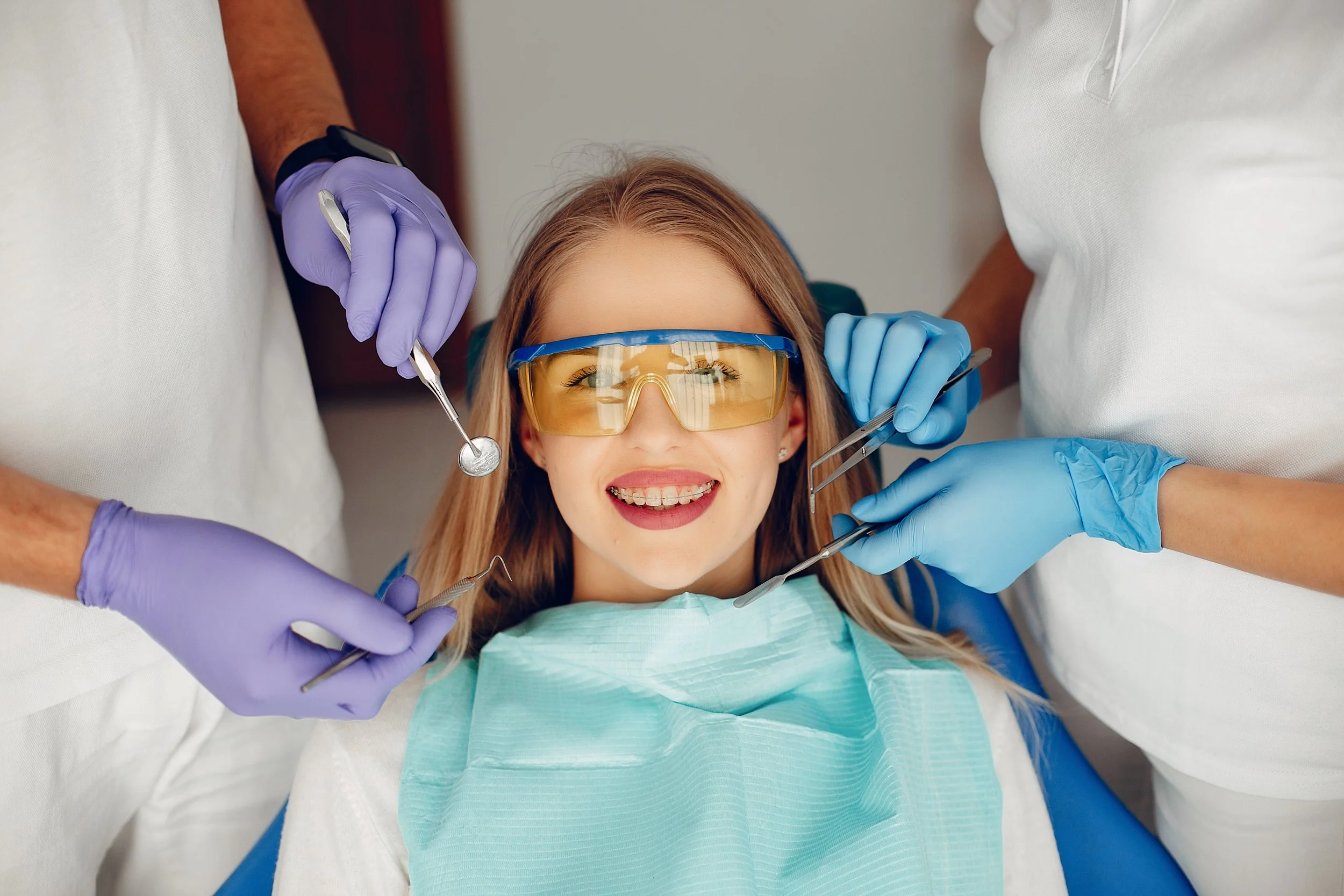
Fluoride and dental sealants work alongside daily brushing, flossing, and healthy diet patterns to provide additional protection. These measures are especially useful for molars and teens with higher cavity risk.
Fluoride Toothpaste
Fluoride is a mineral that strengthens tooth enamel and makes it more resistant to acid-related mineral loss. Twice-daily brushing with fluoride toothpaste helps promote remineralization after acids weaken the tooth surface. Teens should spit out excess foam after brushing rather than rinsing vigorously, to leave a thin fluoride layer on teeth. Fluoride toothpaste is one of the most accessible tools to fight cavities.
Fluoridated Water
In many communities, public water supplies contain fluoride at levels shown to help prevent tooth decay. Community water fluoridation supports enamel gradually over time and benefits all age groups, including teens and young adults. Families unsure whether their usual drinking water contains fluoride can check with their local water utility or the Centers for Disease Control and Prevention (disease control resources are available online).
Professional Fluoride Applications
Topical fluoride treatments, such as gels, foams, or fluoride varnish, are sometimes provided during dental visits for teens with elevated cavity risk. These treatments deliver concentrated fluoride directly to tooth surfaces. Not every teenager requires the same schedule; dentists tailor recommendations to individual decay history and risk. Professional cleanings combined with fluoride application can improve oral health outcomes for teens who are prone to cavities.
Dental Sealants
Dental sealants are thin, protective coatings applied to the pits and grooves of back teeth, especially first and second molars. Sealants help block plaque and food from collecting in deep grooves where toothbrush bristles may not fully reach. About 43% of U.S. adolescents aged 12 to 19 have dental sealants on their permanent teeth, according to CDC surveillance data. Sealants do not replace brushing, flossing, or fluoride; they are an additional layer of protection for cavity-prone chewing surfaces.
Warning Signs Teens Should Not Ignore
Some dental symptoms deserve attention even if they seem minor or come and go. These signs can have multiple causes and are signals to seek advice, not tools for self-diagnosis. Teens should speak up to parents or health care providers rather than waiting for pain to become severe.
Persistent Tooth Pain
Ongoing or frequently recurring tooth pain, especially when chewing or at night, is a reason to contact a dentist. Waiting can allow small problems, like early cavities, to become more serious oral infections.
Sensitivity That Continues or Worsens
Occasional mild sensitivity can be common, but sharp or increasing sensitivity to cold, heat, or sweets may require evaluation. Avoiding the sore side rather than having it checked allows problems to progress.
White, Brown, or Dark Changes on Teeth
New white, chalky, or discolored spots are possible early signs of enamel change or dental decay. Only a dental professional can determine the exact cause.
Bleeding or Swollen Gums
Gums that regularly bleed when brushing or flossing, or appear puffy and tender, often indicate gingivitis. Improving daily cleaning and seeking guidance if bleeding persists after two weeks of better hygiene is a sound approach.
Persistent Bad Breath
Breath that remains strong despite regular brushing and flossing may signal gum disease, dry mouth, or other concerns. Bringing this up during a dental exam allows for further assessment.
Chipped, Cracked, or Loose Teeth
Any noticeable changes after trauma, including teeth that feel different when biting or appear to have hairline cracks, are reasons for prompt evaluation. Early repair preserves more natural tooth structure.
Jaw Pain or Difficulty Opening the Mouth
Ongoing jaw discomfort, clicking with pain, or difficulty fully opening should be discussed with a dentist. Jaw issues can stem from bruxism, joint problems, or other causes.
Pain or Swelling Around Wisdom Teeth
Soreness, swollen gums, or repeated irritation at the back of the mouth where wisdom teeth are erupting are signs to check with a dentist. Food and plaque trapped around partially erupted third molars can lead to localized infection.
Persistent Mouth Sores or Tissue Changes
Sores or patches in the mouth that do not heal within about two weeks, or that change in size or color, warrant professional attention. Measured evaluation is important without jumping to conclusions.
Facial or Gum Swelling
Noticeable swelling of the face, cheek, or gums, especially with pain, may indicate infection. Contacting a dentist or medical provider promptly is the right step if swelling appears or worsens.
When a Teen Dental Problem May Be Urgent

Most dental issues can wait for a regular appointment. Some situations require faster action to prevent serious complications. This section offers general guidance, not a replacement for professional judgment.
Significant Facial Swelling
Large, rapidly developing swelling of the cheek, jaw, or around the eye, especially if firm or tender, is potentially urgent. Contact a dentist or medical provider immediately or follow local emergency guidance.
Fever With Dental Infection Symptoms
A fever combined with signs of dental infection (such as severe tooth pain, swelling, or pus) may indicate the infection is spreading. Prompt professional assessment is safer than home treatment alone.
Severe or Rapidly Worsening Pain
Intense pain that escalates quickly or keeps a teen from sleeping, eating, or concentrating can indicate advanced infection or trauma. Pain relievers alone are not a substitute for dental evaluation.
A Knocked-Out Permanent Tooth
A fully knocked-out permanent tooth is time-sensitive. Handle it by the crown (top), gently rinse if dirty, keep it moist (for example, in milk), and seek emergency dental care immediately. This advice applies to permanent teeth; the first tooth a child loses naturally is a different situation entirely. Dental care for a child's teeth follows different protocols, and a child's dentist can advise on those specifics.
Significant Mouth or Facial Trauma
Injuries from accidents, sports, or falls involving deep cuts, suspected broken jaws, or multiple damaged teeth are emergencies. Use local emergency services when there is concern about serious head or facial injury.
Uncontrolled Oral Bleeding
Bleeding from the mouth that does not slow after applying firm pressure for several minutes needs urgent attention. This can occur after injury or some dental procedures.
Difficulty Swallowing or Breathing
Trouble breathing or swallowing, especially with swelling, is a medical emergency. Call emergency services immediately rather than contacting a routine dental office.
Common Myths About Teen Dental Health

Misconceptions can lead to delayed care or risky habits. Each myth below is followed by a factual correction.
"Permanent Teeth Are Stronger, So Teens Do Not Get Cavities Easily"
Permanent teeth remain vulnerable to decay when exposed to frequent sugars, acids, and inadequate brushing and flossing. 57% of adolescents aged 12 to 19 have dental caries; many of these cavities are first diagnosed during the teen and young adult years. Newly erupted permanent teeth may actually have slightly less mature enamel, making them somewhat more susceptible to demineralization than fully mature adult enamel.
"Bleeding Gums Are Normal During Puberty"
Hormones can increase gum sensitivity to plaque, but regular bleeding is a sign of inflammation, not a harmless phase. About 75% of teens experience gum bleeding, and it responds to improved hygiene and regular dental visits in most cases.
"Braces Cause Cavities"
Braces themselves do not decay teeth; plaque buildup and repeated acid attacks do. Because braces make cleaning more complex, they can increase risk if oral hygiene is not adapted. With thorough cleaning and fluoride use, the incremental risk remains manageable.
"All Wisdom Teeth Have to Be Removed"
Some wisdom teeth grow in normally and remain healthy for life. Others may need removal due to position, disease, or symptoms. Decisions are made case by case with dental professionals, not by a blanket rule.
"Sports Drinks Are Always Better for Teeth Than Soda"
Many sports drinks contain both sugar and acids and can contribute to cavities and erosion when sipped frequently. For most everyday activities, water is the tooth-friendlier choice.
"If a Teen Brushes Well, Diet Does Not Matter"
Even excellent brushing cannot fully cancel out frequent sugar or acid exposure. Diet and oral hygiene work together to protect teeth. Brushing removes plaque, but frequency of carbohydrate exposure determines how much acid plaque produces between brushing sessions.
"Vaping Does Not Affect the Mouth"
Vaping can contribute to dry mouth, irritation, and possible changes in gum health and oral bacteria. It should not be considered harmless for oral tissues, even if it lacks tar and smoke.
"Only Athletes in Contact Sports Need to Think About Dental Injuries"
Dental trauma also occurs in skateboarding, biking, gymnastics, and casual games where falls and collisions are possible. A mouthguard is worth considering in any activity with a realistic risk of impact to the face. Older children and teens often expand into new sports and activities, and mouthguard use should expand with them.
Frequently Asked Questions
These answers address common questions from teens and parents about teen dental health.
What are the most common dental problems in teenagers?
Cavities, early gum disease (gingivitis), dental erosion, bad breath, orthodontic-related plaque buildup, and sports injuries are among the leading concerns. Frequency varies with habits, diet, and access to dental care.
Why do teenagers get cavities?
Teens often have frequent exposure to sugary and starchy foods, irregular brushing and flossing, and additional plaque traps from braces. These behaviors feed the plaque-bacteria-acid process that leads to enamel demineralization and dental caries. Cavity rates climb as teens age, rising from about 48% at ages 12 to 15 to 66% at ages 16 to 19.
How can teens prevent cavities?
Brush twice daily with fluoride toothpaste, clean between teeth daily, limit frequent sugary drinks and snacks, choose water often, and see a dentist regularly. Fluoride treatments and dental sealants on chewing surfaces add extra protection for teens with higher risk.
How should teenagers clean their teeth with braces?
Brush above and below brackets and along the gumline, using fluoride toothpaste and paying extra attention where food and plaque collect. Floss threaders, orthodontic floss, or interdental brushes help clean under wires and between teeth. Spending extra time at morning and nighttime sessions makes a measurable difference.
Are white spots around braces cavities?
White spots are often areas of early enamel demineralization related to plaque, but they are not always fully developed cavities. Having them evaluated is important because early changes can sometimes be managed with fluoride and improved cleaning before fillings are needed.
When do wisdom teeth usually come in?
Wisdom teeth typically start to appear between about ages 17 and 21, although timing varies widely. Some people never develop all four. Dental X-rays during the teen years help track their development and position.
Does every teenager need their wisdom teeth removed?
No. Removal is not automatic. Decisions depend on position, space, cleaning ability, and whether problems like pain, decay, or gum disease are present. Individual situations should be discussed with a dentist or oral surgeon.
Why do teenagers have bleeding gums?
The most common cause is plaque buildup along the gumline, sometimes intensified by puberty-related hormone changes. Consistent brushing and interdental cleaning often improve bleeding within a few weeks. Persistent symptoms should be checked at a dental visit.
Are energy drinks bad for teens' teeth?
Many energy drinks are both sugary and acidic, which raises cavity risk and contributes to enamel erosion, especially when sipped over extended periods. Using them sparingly, finishing them sooner rather than nursing them, and rinsing with water afterward helps reduce exposure.
Can vaping affect teeth and gums?
Vaping can dry the mouth, irritate tissues, and may influence gum health and oral bacteria. It should not be considered harmless to oral health. Teens who vape and notice mouth changes should mention this to their dentist or doctor.
Why do some teenagers grind their teeth?
Reasons can include sleep-related muscle activity, emotional factors, certain medications, and individual variation. Grinding is not always linked to stress alone and may require evaluation if it causes symptoms or visible wear.
What should a teen do if a permanent tooth is knocked out?
Locate the tooth, handle it by the crown (not the root), gently rinse if dirty, keep it moist (for example, in milk), and seek emergency dental care immediately. Acting quickly improves the chance of saving the tooth. This advice applies to permanent teeth, not baby teeth.
What is a good daily oral-hygiene routine for teenagers?
Brush morning and night with fluoride toothpaste for about two minutes, clean between teeth once a day, clean the tongue, drink water often, and use a mouthguard for sports when appropriate. Schedule regular dental visits to adjust the routine as needs change, such as when braces are placed or removed. This foundation supports healthy smiles through adolescence and beyond.
Conclusion

Adolescence is the period when teens take ownership of the oral health habits that will protect their permanent teeth for decades. Cavities, early gum disease, braces-related hygiene challenges, wisdom teeth, sugary and acidic drinks, sports injuries, vaping, and piercings all become relevant during these years, and each one is manageable with the right information and consistent action.
Consistent brushing with fluoride toothpaste, daily interdental cleaning, sensible drink and snack choices, wearing sports mouthguards, and keeping up with regular checkups together create strong protection. None of these steps requires perfection; they require consistency. The habits teens practice now, at home, at school, and in their activities, build a foundation for comfortable, functional teeth well into adulthood. Proper dental hygiene routines established during the teenage years can improve oral health outcomes for life.