Key Takeaways
Tooth pain is a symptom with many possible causes, including decay, cracks, infections, gum problems, sensitivity, trauma, and damaged restorations.
Temporary relief measures like gentle cleaning, a warm salt water rinse, avoiding chewing on the painful side, and a cold compress can make symptoms more manageable but do not treat the underlying cause.
Over-the-counter pain medicines should be used exactly as directed and may not be safe for everyone.
Never place aspirin directly on a tooth or gums, and avoid household chemicals, undiluted essential oils, or household glue.
Do not attempt DIY drilling, filing, cutting, or draining; these risk serious harm.
Tooth pain with significant swelling, fever, or rapidly worsening symptoms needs prompt professional attention.
Difficulty breathing, trouble swallowing, rapidly spreading swelling, or uncontrolled bleeding are medical emergencies.
Pain can improve even while a dental problem persists; relief does not guarantee healing.
Persistent, recurrent, or severe tooth pain deserves timely evaluation by a dental professional.
Daily oral health habits and protective measures reduce future risk but cannot replace professional dental care when problems arise.






Toothache Relief Before You See a Dentist

Tooth pain can hit without warning. It might be a sharp sting when you sip cold water, a dull ache that builds through the afternoon, or throbbing tooth pain that wakes you at 2 a.m. on a Saturday. Whatever form it takes, a toothache demands attention.
Toothache relief at home is only temporary. No rinse, compress, or over-the-counter pain reliever can fill a cavity, mend a cracked tooth, drain an abscess, or reattach a lost crown. These measures buy time and comfort while you arrange to see a dentist.
Tooth pain can result from cavities or tooth decay, a cracked or broken tooth, gum inflammation or gum disease, sensitive teeth, a dental abscess, trauma, teeth grinding, sinus pressure radiating to the teeth, or problems with existing fillings and crowns. This article covers safe steps for temporary pain relief, what to avoid, how different pain patterns differ, and warning signs that call for prompt or emergency care. Good oral health habits reduce future toothaches, but once pain starts, professional evaluation is still needed.
What You Can Do Right Now for Temporary Tooth Pain Relief

If you are in pain right now, start here. These steps aim to reduce discomfort and avoid making things worse until you can see a dentist. They are safe home remedies for most people, but they do not cure decay, infection, or fractures.
Rinse gently with warm salt water (about half a teaspoon of salt in eight ounces of warm water).
Clean the area carefully with a soft-bristled toothbrush and floss to remove trapped food.
Hold a cold compress or ice pack wrapped in a thin cloth against the outside of your cheek for 10 to 15 minutes.
Chew on the opposite side of your mouth.
Choose soft foods and avoid very hot, very cold, or sugary foods that trigger pain.
If appropriate for your health, take an over-the-counter pain reliever following the product label.
If pain is severe, accompanied by swelling, fever, trouble swallowing, or difficulty breathing, skip home care and seek urgent help.
What Causes Tooth Pain?
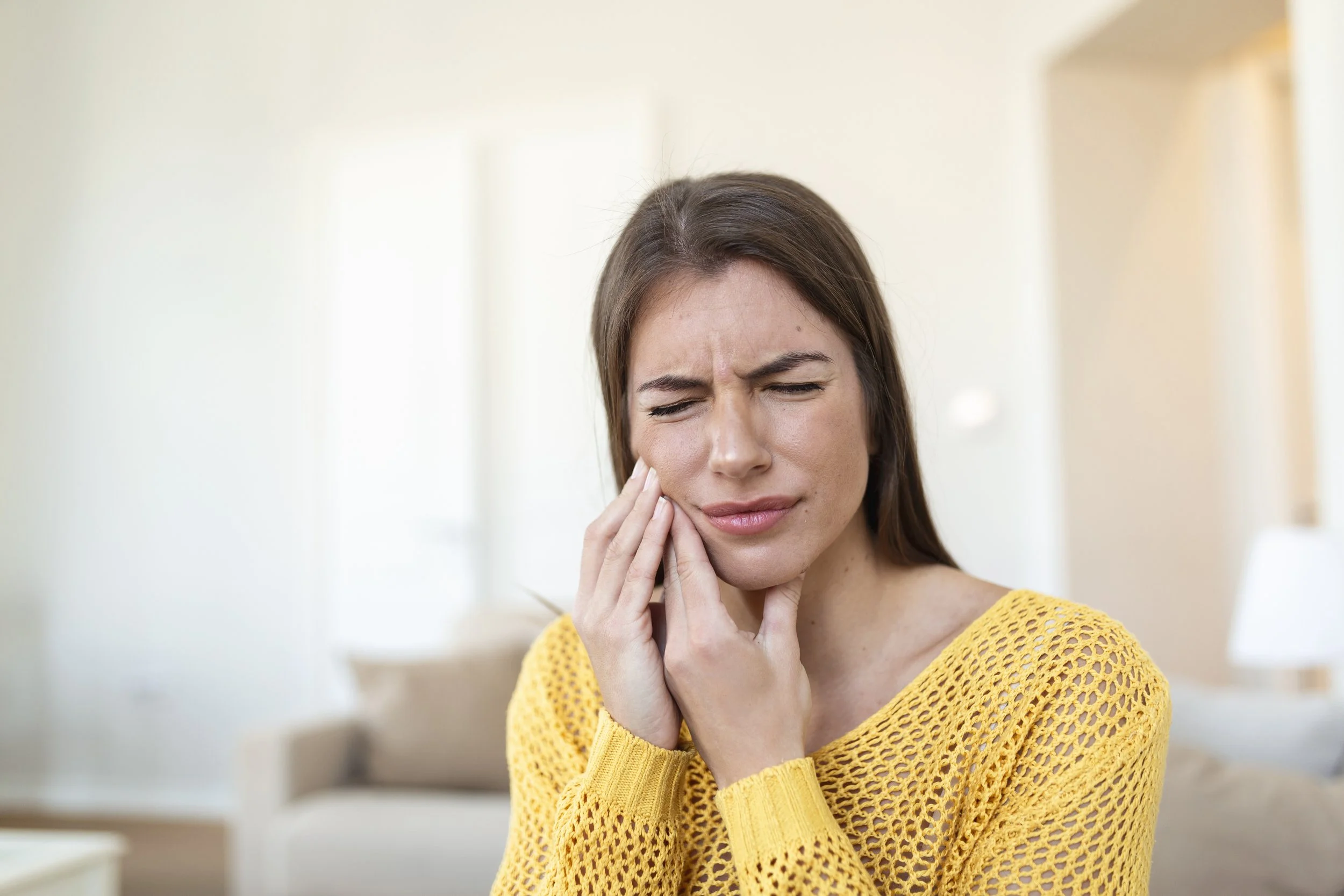
A toothache is a symptom, not a diagnosis. Different problems produce similar dental pain patterns, which is why self-diagnosis at home is unreliable.
A tooth has three main layers: hard enamel on the outside, softer dentin beneath it containing fluid-filled tubules, and the tooth pulp at the center, which holds nerves, blood vessels, and connective tissues. Pain arises when any of these tissues, or the surrounding gums, become irritated, inflamed, or infected.
Tooth Decay
Bacteria in plaque feed on sugars and starches, producing acids that dissolve enamel and dentin over time. A small cavity may cause mild sensitivity to sweets or cold. Deeper decay can reach the pulp and trigger severe tooth pain or spontaneous throbbing. Sometimes cavities cause no pain at all until they are advanced. Home remedies cannot remove decay; dental fillings treat small cavities or broken teeth, while dental crowns cover larger cavities or fractures. About 20% of U.S. adults have at least one untreated cavity, and untreated decay is one of the strongest predictors of oral pain episodes.
Tooth Sensitivity
Sensitive teeth produce brief pain triggered by cold, heat, sweet foods, or air, often from exposed dentin or receding gums. Common causes include gum recession, enamel erosion from acidic foods, and aggressive brushing. Unlike a lingering toothache, tooth sensitivity usually fades within seconds of removing the trigger. Desensitizing fluoride toothpaste and gentler brushing technique can help over time, but sudden worsening or spontaneous pain deserves evaluation.
Cracked or Broken Tooth
A cracked tooth may cause sharp pain when biting, sensitivity to temperature, or intermittent discomfort that comes and goes. Not every crack produces the same symptoms. Continuing to chew on a cracked tooth can deepen the fracture and increase the risk of tooth loss. Only a dentist can determine whether the tooth can be saved with a filling, crown, or other treatment.
Dental Abscess or Tooth Infection
A tooth abscess is a pocket of pus from bacterial infection, often following untreated decay or trauma. Signs include severe pain, swelling of the gum or face, tenderness, bad taste or drainage, and sometimes fever. Tooth abscesses can cause intense pain and swelling. Pain may temporarily decrease if nerve tissue is badly damaged, but the infection can persist. A hydrogen peroxide rinse or salt water cannot drain or cure an abscess; root canal therapy removes infected tooth pulp, and tooth extraction is necessary for badly damaged teeth. Swelling combined with fever, difficulty swallowing, or trouble breathing requires emergency medical attention.
Gum Problems
Inflamed or infected gum tissue can produce pain that mimics a toothache. Symptoms include red, swollen, or bleeding gums, tenderness, and bad breath. Gum disease can also cause significant tooth pain when recession exposes root surfaces. Salt water can soothe sensitive gums temporarily, but it does not treat advanced periodontal disease.
Dental Trauma
Falls, sports impacts, biting on hard objects, or accidents can chip, crack, loosen, or knock out teeth. Trauma can cause immediate tooth pain or delayed symptoms like discoloration. Knocked-out or displaced permanent teeth are time-sensitive emergencies.
Teeth Grinding or Clenching
Grinding (bruxism) or clenching puts repeated pressure on teeth and jaw muscles, causing generalized soreness, headaches, and sometimes chipped or worn teeth. Over time, this can lead to cracked teeth, sensitive teeth, and damaged restorations. A dentist may recommend a nightguard.
Problems With Existing Dental Work
Loose fillings, chipped crowns, or gaps around restorations expose tooth structure to temperature, pressure, and bacteria. A lost filling or crown can produce sudden sensitivity. Inlays or onlays are used for cavities too large for fillings but smaller than those needing crowns. Damaged dental work traps plaque and food, raising the risk of decay and infection.
What You Can Do for Temporary Tooth Pain Relief
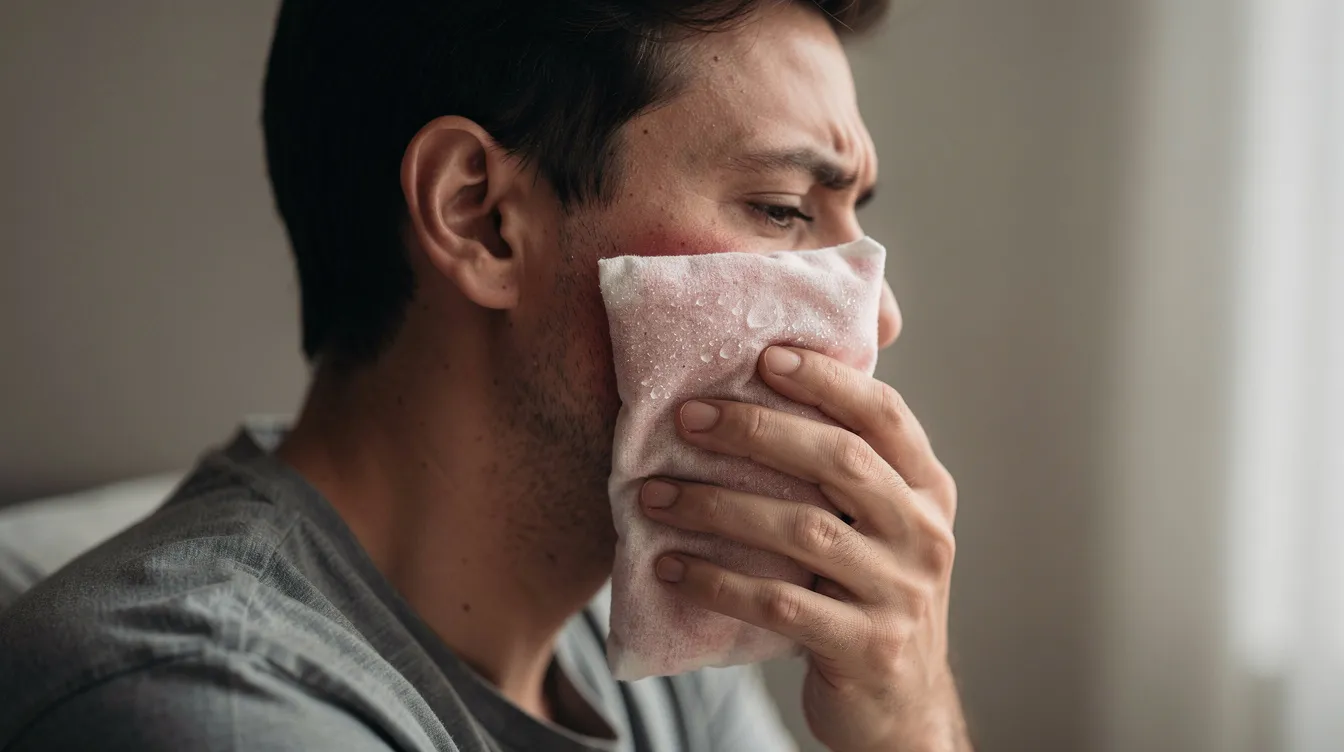
These measures can make a sore tooth more manageable. None of them replace professional dental treatment.
Rinse Gently With Warm Salt Water
Dissolve about half a teaspoon of table salt in a small glass of warm water. Swish gently around the sore area for 20 to 30 seconds and spit. Repeat a few times a day. A saltwater rinse can reduce inflammation and cleanse the mouth of food particles and bacteria. It will not cure an infection or fill a cavity. Avoid very concentrated solutions or aggressive rinsing.
Keep the Area Clean
Gentle brushing with a soft-bristled toothbrush and cautious flossing around the painful tooth can remove irritating debris. Use an antibacterial mouthwash to reduce bacteria if it does not sting. Avoid scrubbing aggressively or using high-alcohol rinses on irritated tissues.
Use a Cold Compress for Swelling or Trauma
A cold compress can numb the pain and minimize swelling. Wrap an ice pack or bag of frozen vegetables in a thin cloth and hold it against the outside of the cheek for 10 to 15 minutes, then take a break. Applying ice packs can reduce pain and inflammation from toothaches. Never place ice directly on the tooth or gums. If cold clearly worsens your tooth sensitivity, stop.
Avoid Chewing on the Painful Side
Biting on a painful or cracked tooth can deepen fractures, dislodge fillings, or worsen inflammation. Shift chewing to the opposite side. This is especially important for suspected cracks, lost fillings, or recent trauma.
Choose Softer Foods Temporarily
Soft foods like yogurt, scrambled eggs, oatmeal, mashed potatoes, and soft-cooked vegetables reduce chewing stress on the affected tooth. Avoid nuts, hard candies, crusty bread, and chewy sweets.
Avoid Foods and Drinks That Trigger Pain
Common triggers include ice-cold drinks, very hot beverages, sugary foods, acidic sodas, and citrus. Avoid very hot or cold foods to prevent triggering pain from exposed nerves. Different teeth react differently; notice what makes your pain worse and avoid those items until your appointment.
Keep Your Head Elevated at Night
Elevating your head while lying down can prevent increased throbbing pressure. Use an extra pillow or raise the head of your bed slightly. This may make the aching tooth more tolerable overnight but will not eliminate the underlying cause.
Over-the-Counter Pain Relief

Over-the-counter tooth pain relief medicines can reduce discomfort but do not repair cavities, treat infections, or fix broken teeth.
Common Over-the-Counter Pain Medicines
Over-the-counter pain medications can help manage discomfort. Ibuprofen is an NSAID recommended for dental pain as it targets inflammation and can help reduce inflammation. Acetaminophen is an effective alternative for managing pain but does not reduce inflammation. Topical gels containing benzocaine can provide rapid surface numbing; a controlled trial found that 20% benzocaine gel was more effective than 10% gel for acute toothache pain, though both outperformed placebo. Children younger than two should not receive benzocaine products due to the risk of a rare but serious condition called methemoglobinemia.
Follow the Product Label
Read the label for maximum daily amounts and timing. Do not take extra doses, combine similar medicines, or use adult products for children without guidance. Check ingredient lists to avoid doubling up on the same active ingredient across different products.
Consider Personal Health Conditions and Medications
Certain conditions affect which pain reliever is safest. Pregnancy, kidney disease, liver disease, stomach ulcers, bleeding disorders, and heart disease all matter. Some medications, including blood thinners, interact with common pain relievers. The FDA advises against NSAID use after 20 weeks of pregnancy due to fetal risks. When in doubt, consult a pharmacist, dentist, or doctor.
Pain Medicine Does Not Treat the Cause
Feeling better after taking a pain reliever does not mean the tooth is healthy. Pain medicine can mask symptoms while decay, infection, or a fracture continues to worsen. View it as a short-term tool, not a solution.
What Not to Put Directly on a Painful Tooth

Some popular toothache remedy tips can burn or damage oral tissues, worsen infection, or delay needed care.
Do Not Put Aspirin on the Tooth or Gums
Avoid putting aspirin directly against the gums to prevent chemical burns. Aspirin is acidic and can cause painful sores on oral tissue. If aspirin is appropriate for you, swallow it as directed.
Avoid Household Chemicals or Disinfectants
Do not use bleach, rubbing alcohol, or concentrated hydrogen peroxide on teeth or gums. A diluted hydrogen peroxide rinse can help kill bacteria and reduce plaque when used properly, but high-strength solutions or swallowing any amount can injure tissue. Stick to mild salt water for rinsing.
Avoid Unproven Essential Oils and Caustic Remedies
Natural remedies are not automatically safe. Clove oil contains eugenol, a natural anesthetic for tooth pain, but concentrated clove oil can irritate or burn tissues. If considering clove oil, use only a few drops diluted in a carrier oil, applied briefly with a cotton ball. Garlic can reduce pain due to its antibacterial properties according to traditional use, but placing raw garlic directly on gums risks irritation. Neither substance replaces professional dental treatment.
Do Not Use Household Glue
Superglue, craft glue, and epoxy are toxic in the mouth. They trap bacteria, damage tooth surfaces, and can make future professional treatment more difficult.
Do Not Try to Drill, File, or Open the Tooth Yourself
DIY dentistry, including drilling, filing, prying off crowns, or puncturing swollen gums, risks severe pain, infection spread, and permanent damage. Repeatedly biting hard to "test" the tooth can worsen cracks. Leave structural repair to trained professionals.
Toothache at Night: Why It Can Feel Worse

Many people notice toothache pain more at night. Fewer distractions, quiet surroundings, and lying flat all heighten awareness of throbbing or pulsing sensations. Nighttime pain alone does not prove an abscess or guarantee a root canal.
Elevating the Head
Propping up with an extra pillow reduces the sensation of pressure in the affected area for some people.
Avoiding Trigger Foods Before Bed
Skip very hot drinks, ice-cold beverages, and sugary snacks before sleep. Brush gently and rinse with warm salt water after your last meal.
Managing Pain Safely Overnight
Take a label-directed dose of an appropriate over-the-counter pain reliever with enough lead time for it to begin working before you try to sleep. Do not exceed recommended doses overnight.
When Nighttime Pain Needs More Urgent Attention
Severe tooth pain combined with facial swelling, fever, feeling very unwell, or difficulty breathing or swallowing at night warrants emergency care. Do not wait until morning.
Tooth Pain From Sensitivity vs. Toothache

Pain patterns can help you describe your symptoms to a dentist, but they are not a diagnosis.
Brief Sensitivity
Pain triggered by cold, sweet, or touch that stops within a few seconds is common with exposed dentin or gum recession. Desensitizing toothpaste can help. If it persists for more than a day or worsens, schedule an evaluation.
Lingering Sensitivity
Pain that continues for many seconds or minutes after the stimulus is removed may suggest deeper nerve irritation. This pattern warrants a dental appointment rather than reliance on home remedies.
Spontaneous or Throbbing Pain
Pain arising without a clear trigger, especially in waves, can be associated with significant inflammation or infection. Pain that wakes you from sleep or requires frequent medication is concerning. Seek timely dental care.
Pain When Biting
A sharp twinge on biting can come from cracked teeth, high fillings, loose crowns, or inflamed tissues. Avoid chewing on that side and describe the pattern to your dentist.
Tooth Pain From a Cracked or Broken Tooth

Avoid Chewing on the Tooth
Chewing on a cracked tooth risks splitting it further. Use the opposite side and choose soft foods.
Protect Sharp Edges
Broken teeth can cut the tongue, cheeks, or lips. Orthodontic wax placed gently over sharp edges can serve as a temporary cushion. Do not use tape, putty, or glue.
Save Any Broken Tooth Fragment
Rinse any broken piece with clean water and store it in a small container. Bring it to your appointment. Do not scrub or disinfect it with chemicals.
Watch for Deep Fracture Warning Signs
Intense pain, visible deep cracks into the gumline, heavy bleeding, or tooth mobility suggest a serious fracture requiring prompt attention.
Tooth Pain From a Lost Filling or Crown

Losing a filling or crown exposes inner tooth structure, often causing new sensitivity to cold air, liquids, and chewing.
Keep the Area Clean
Brush gently around the exposed tooth with a soft brush. Rinse with warm water and salt after meals.
Avoid Chewing on the Affected Side
Shift chewing to protect the unguarded tooth from further damage.
Do Not Use Household Glue
Place the loose crown or filling in a clean container and bring it to the dentist. Never use adhesives from a hardware store.
When the Problem Becomes More Urgent
Intense persistent pain, visible cracks, swelling, or signs of infection like pus or fever mean faster care is needed. Contact dental offices to describe your symptoms and ask about timing.
Tooth Pain and Swelling
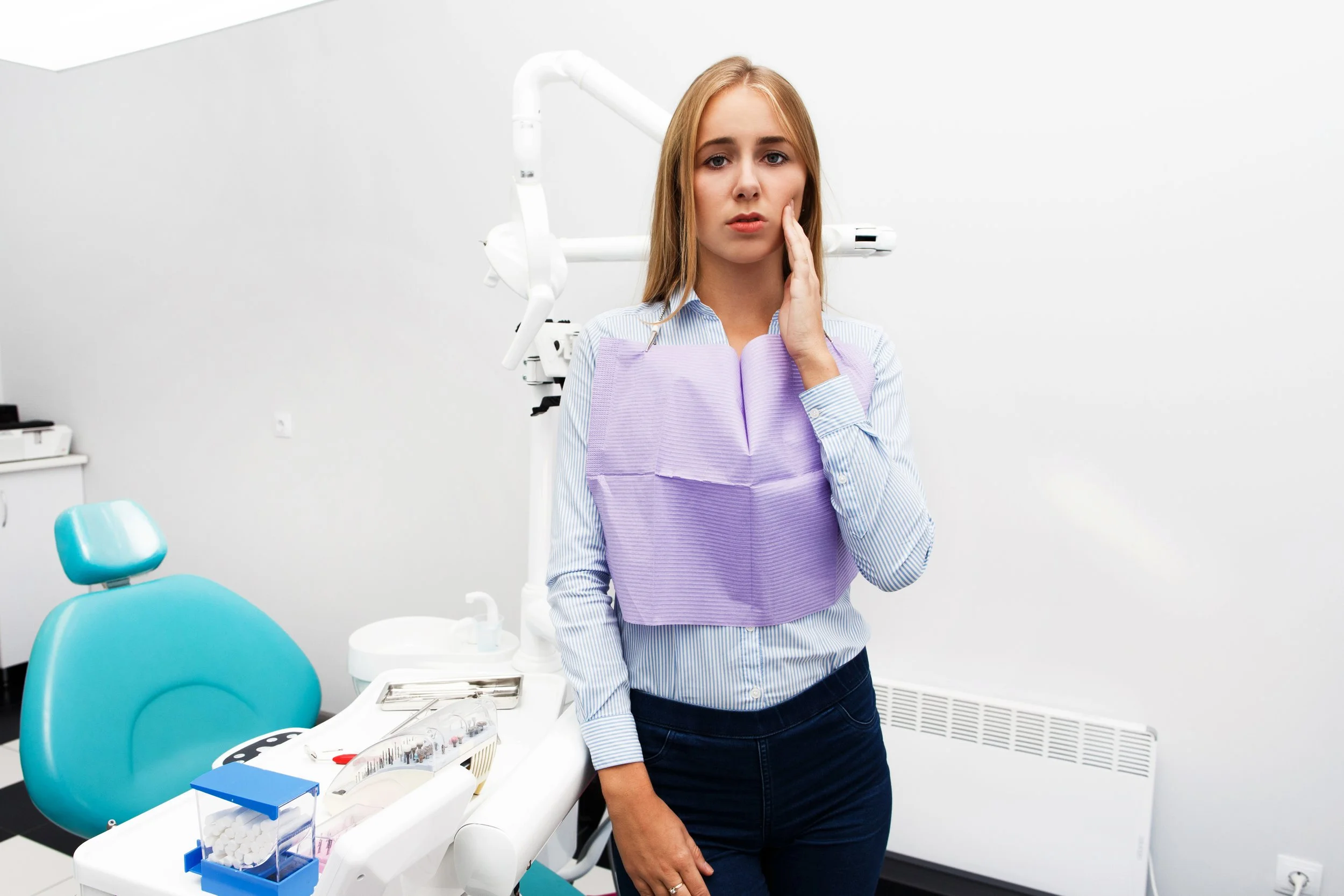
Toothache and swelling together is more concerning than isolated mild sensitivity.
Localized Gum Swelling
Small, tender bumps or puffy areas near a tooth may indicate localized infection. Salt water rinses can provide temporary relief but do not remove the source.
Facial or Jaw Swelling
Noticeable swelling of the cheek, jawline, or under the chin may indicate spreading infection. Seek prompt evaluation even if pain seems manageable.
Rapidly Increasing Swelling
Swelling that expands over hours rather than days is a red flag. Quickly expanding swelling around the jaw, neck, or floor of the mouth can become dangerous if it affects the airway. Seek emergency care.
Swelling With Fever or Feeling Unwell
Common signs to seek dental care include swelling, fever, or persistent pain. Fever combined with dental symptoms may signal spreading infection. Contact a provider the same day. Do not use leftover antibiotics.
Swelling With Difficulty Breathing or Swallowing
This is a dental emergency and a medical emergency. Swelling near the tongue, throat, or floor of the mouth can obstruct the airway. Call emergency services or go to an emergency department immediately. Trouble swallowing in this context is never something to manage at home.
When Tooth Pain May Be a Dental Emergency

Not every toothache is an emergency, but certain patterns require urgent action.
Severe or Rapidly Worsening Pain
Intense pain that does not improve with recommended OTC medicines, or that suddenly escalates, warrants same-day dental contact. Pain preventing eating, drinking, or sleeping is a sign not to delay. It is important to seek professional dental care for pain lasting more than a few days.
Significant Facial or Neck Swelling
Swelling spreading toward the eye, neck, or throat needs same-day evaluation and possibly emergency medical care.
Fever With Dental Symptoms
Fever with toothache, swelling, or pus can indicate spreading infection. Contact a dental or medical provider the same day.
Difficulty Breathing or Swallowing
Any trouble breathing or swallowing with dental pain or swelling is a medical emergency. Go to an emergency department or call emergency services immediately. Do not attempt to drain or cut into swollen areas.
Uncontrolled Bleeding
Heavy bleeding that does not slow with gentle pressure after trauma or a procedure needs urgent care. Bleeding disorders and blood-thinning medications increase risk.
Major Dental or Facial Trauma
Car accidents, falls, or blows causing visible damage, jaw misalignment, or loss of consciousness require emergency medical evaluation before or alongside dental treatment.
Knocked-Out or Displaced Permanent Tooth
A knocked-out permanent tooth is time-sensitive. Pick it up by the crown, rinse gently, keep it moist in milk or inside the cheek if safe, and seek emergency dental care within an hour. Baby teeth are handled differently and generally are not reimplanted. Wisdom teeth and other displaced teeth also need urgent attention.
When Tooth Pain Can Usually Wait Briefly

Some toothache situations are uncomfortable but not instant emergencies.
Mild Sensitivity Without Other Warning Signs
Brief tooth sensitivity to cold or sweets without swelling, fever, or spontaneous pain often allows time to schedule a regular checkup. Use desensitizing toothpaste and avoid known triggers until then.
Minor Discomfort From Food Trapped Between Teeth
Gentle flossing or interdental cleaners usually resolve pressure from trapped food. If it happens repeatedly in the same sore area, mention it to your dentist.
Mild Pain From a Small Chip
A small chip without exposed pulp, heavy bleeding, or severe pain often allows a short wait. Protect the area, avoid hard foods, and schedule repair.
Mild Discomfort From a Lost Restoration
Minor sensitivity after a small filling falls out is usually not a dental emergency, but the tooth is now more vulnerable. Keep it clean, avoid hard foods on that side, and schedule a visit. "Not an emergency" does not mean "ignore indefinitely."
Why Temporary Relief Is Not the Same as Treatment
Pain Can Improve While the Problem Remains
Inflammation and nerve response can shift over time. An abscess may drain slightly, reducing pressure and pain without removing the infection source. Follow through with evaluation even if pain subsides.
Pain Medicine Can Mask Symptoms
Effective toothache pain relief can make people delay treatment longer than is safe. Once medication wears off, pain often returns. Use it as a bridge to care, not a reason to cancel appointments.
Some Dental Problems Become Less Painful as They Progress
In some cases, damaged nerves stop sending pain signals while disease continues. Chronic infections or deep decay may cause less acute pain than earlier stages. Routine checkups catch what pain alone cannot.
The Goal of Temporary Relief
The purpose of temporary toothache relief is to reduce discomfort, protect the tooth and surrounding tissues, and help you function until professional dental treatment is available. The goal is not to "tough it out" but to stay safe and plan appropriate comprehensive dental care.
Common Toothache Home-Remedy Myths

"Aspirin on the Tooth Works Faster"
Placing aspirin on gums causes chemical burns and tissue damage. Aspirin's proper use is oral; swallowed, it enters the bloodstream. There is no clinical evidence that topical aspirin provides faster or better toothache relief.
"Clove Oil Is Always Safe"
Clove oil has anti inflammatory properties and numbing effects from eugenol, but concentrated application can irritate or burn tissues, especially in children. Discuss proper dilution with a dental professional before use. It cannot repair cavities or cure infections.
"If Pain Medicine Works, the Tooth Is Fine"
Effective pain relief does not prove the problem is minor. Even severe infections can temporarily feel better with medication. Do not judge tooth health solely by the response to a pain reliever.
"Antibiotics Are the Main Treatment for Toothache"
Antibiotics cannot remove decay, repair fractures, or restore damaged tooth structure. Many toothaches do not require antibiotics at all. When prescribed, they supplement definitive dental procedures, not replace them. Never self-prescribe or use leftover antibiotics.
"If the Pain Stops, the Problem Is Gone"
Dental symptoms fluctuate. Pain may decrease because of changes in nerve response, temporary drainage, or reduced inflammation. Keep scheduled dental appointments even if the painful tooth currently feels fine.
"Salt Water Can Cure a Tooth Infection"
A warm salt water rinse can soothe tissues and support oral hygiene, but it does not reach or eliminate the source of a tooth infection deep inside a tooth or bone. Professional treatment is vital for any suspected infection.
How to Reduce the Risk of Future Tooth Pain
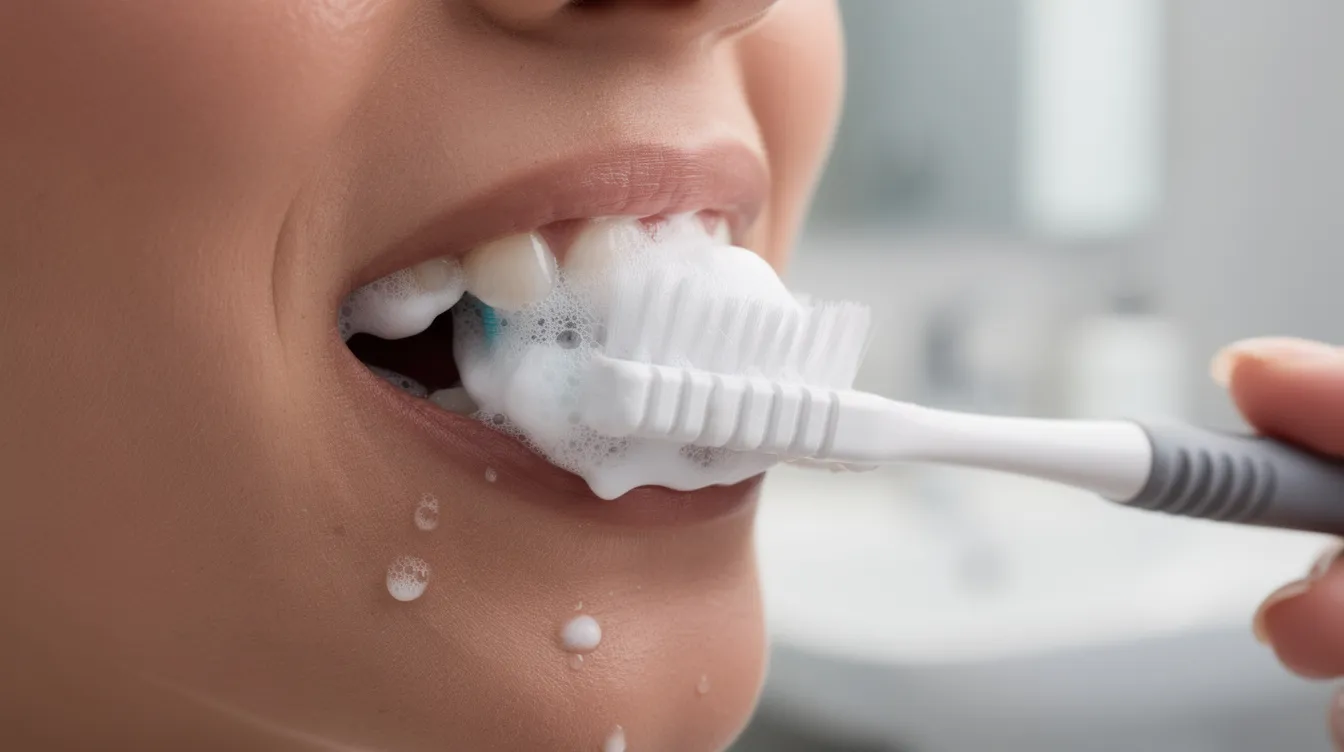
Prevention does not guarantee freedom from all dental problems, but consistent habits reduce risk and help prevent future toothaches.
Brush Twice Daily With Fluoride Toothpaste
Brush teeth at least twice daily with fluoride toothpaste using a soft-bristled toothbrush for about two minutes. Gentle technique protects against gum recession and enamel abrasion. The American Dental Association recommends replacing your toothbrush every three to four months.
Clean Between Teeth
Floss daily to remove food particles and plaque from spaces a toothbrush cannot reach. Interdental brushes and water flossers are alternatives for those who find traditional floss difficult.
Limit Frequent Sugary and Acidic Exposures
Limit sugary foods and drinks to prevent tooth decay. Frequency matters more than total amount; sipping soda all afternoon is harder on enamel than drinking one glass with a meal. Rinse with water after acidic drinks.
Protect Teeth From Trauma
Wear a properly fitted mouthguard during contact sports. Custom guards from a dentist protect better than generic versions. Helmets add another layer of safety.
Avoid Using Teeth as Tools
Opening packages, cracking nutshells, and biting pens can chip or fracture teeth. Keep scissors handy.
Address Grinding or Clenching
If you wake with jaw soreness or headaches, discuss possible bruxism with your dentist. Nightguards and stress-management techniques protect teeth from ongoing wear.
Pay Attention to Early Symptoms
Persistent sensitivity, minor cracks, occasional biting pain, or changes around fillings should not be ignored. Visit the dentist regularly for cleanings and check-ups; small problems caught early are simpler to fix. Waiting for severe pain often leads to more complex professional treatment and treatment options.
Frequently Asked Questions

What is the fastest way to relieve tooth pain temporarily?
Combine gentle cleaning, a warm salt water rinse, and label-directed over-the-counter pain medicine. An external cold compress helps with swelling. These steps can relieve tooth pain temporarily, but arranging a dental visit remains essential.
How can I relieve a toothache before seeing a dentist?
Keep the area clean, rinse with salt water, chew on the opposite side, choose soft foods, and use appropriate OTC medicine. An ice pack on the cheek can help if swelling is present. Avoid DIY procedures and unproven remedies.
Does salt water help a toothache?
A warm salt water rinse can soothe irritated gums and wash away debris. In one study of 120 patients, warm saline rinses reduced post-extraction complications from 25% to 2.5%. Salt water provides comfort but does not cure cavities or deep infections.
Can a cold compress help tooth pain?
Yes. A cold compress applied externally can constrict blood vessels, reduce swelling, and numb the affected area. Wrap ice in cloth and apply for 10 to 15 minutes with breaks. Stop if cold worsens sensitivity.
Should I use heat or cold for tooth pain?
Cold is generally safer for unexplained toothache, especially with swelling or trauma. Heat applied to a suspected infection may sometimes worsen swelling. Ask a dentist or doctor before using heat on the face for dental pain.
Why does my toothache feel worse at night?
Fewer distractions, lying flat, and nighttime clenching all heighten awareness of the sore tooth. Elevating the head and avoiding trigger foods before bed can help. Frequent sleep-disrupting pain should prompt a dental visit.
Can I take over-the-counter pain medicine for a toothache?
Many adults use nonprescription pain relievers for short-term toothache pain relief following product labels. Check for allergies, health conditions, and drug interactions first. Children require age-appropriate medications.
Can I put aspirin directly on a painful tooth?
No. Aspirin placed on gums causes chemical burns and tissue damage. If aspirin is appropriate for you, swallow it as directed.
Is clove oil safe for tooth pain?
Clove oil has numbing properties but can irritate tissues in concentrated form. Use only a few drops diluted in a carrier oil, and consult a dental professional first. It is not a substitute for professional dental care.
What foods should I avoid when I have a toothache?
Avoid hard, crunchy, sticky, very hot, ice-cold, and highly sweet or acidic foods if they trigger pain. These adjustments are temporary comfort measures while waiting for care. Persistent pain with eating needs evaluation.
Why does my tooth hurt when I bite?
Pain on biting can stem from cracked teeth, high fillings, loose crowns, or inflamed tissues. Avoid chewing on that side and describe the pattern to your dentist. Repeatedly testing the tooth with firm biting can worsen the damage.
What does throbbing tooth pain mean?
Throbbing is a pulsing sensation that can be associated with inflammation or infection around the tooth. Accompanied by swelling or fever, it warrants prompt care. It provides clues but is not a diagnosis by itself.
Can a tooth infection stop hurting on its own?
Pain may lessen if nerve tissue becomes damaged, but the infection itself can remain. This gives a false sense of improvement while the root cause worsens. Complete recommended dental treatment for suspected infections.
When is tooth pain considered an emergency?
Emergency signs include difficulty breathing or swallowing, rapidly spreading swelling, high fever with dental symptoms, uncontrolled bleeding, major trauma, or a knocked-out permanent tooth. When in doubt, seek help.
When does toothache swelling become dangerous?
Swelling is especially dangerous when it is rapidly increasing, spreading toward the eye, neck, or throat, or accompanied by fever or difficulty breathing. Seek emergency medical care rather than managing at home.
What should I do if tooth pain suddenly gets much worse?
Stop any activity aggravating the tooth. Use safe, label-directed pain relief if not already at maximum. Contact a dentist or urgent dental service immediately. Watch for swelling, fever, or breathing difficulty, and seek emergency care if any appear.
Conclusion

Tooth pain can come from many different causes, and temporary toothache relief, while genuinely helpful, does not repair what is wrong. The safest short-term approach combines gentle oral hygiene, a warm salt water rinse, avoiding pressure on the painful tooth, an external cold compress when appropriate, and cautious use of over-the-counter pain relief.
Do not place aspirin on teeth or gums, do not use household chemicals or glue, and avoid DIY drilling, filing, or attempts to drain an abscess at home. Watch for the warning signs that should never be ignored: increasing swelling, fever with dental symptoms, severe or rapidly worsening pain, uncontrolled bleeding, major trauma, and any difficulty breathing or swallowing.
Controlling pain temporarily and treating the cause are two separate goals. Temporary relief helps you manage until you can see a dentist. Long-term comfort and oral health depend on finding and fixing the underlying problem with professional dental care.