Key Takeaways
Gum disease is not an inevitable result of aging; it is driven mainly by plaque, tartar, and modifiable risk factors accumulated over time.
Gingivitis and periodontitis are different: gingivitis affects the gums and is usually reversible; periodontitis involves loss of attachment and bone and requires professional management.
Persistent bleeding, swelling, gum recession, bad breath, or loose teeth should not be dismissed as "just getting older" and merit dental evaluation.
Consistent plaque control with fluoride toothpaste and regular cleaning between teeth is central to maintaining gum health in older adults.
Gum recession can expose root surfaces, leading to sensitivity and a higher risk of root decay, especially in the presence of dry mouth.
Tobacco use, diabetes, dry mouth, certain medications, oral-hygiene challenges, and individual health conditions can all influence periodontal health in seniors.
Oral-care tools and techniques can be adapted to changing dexterity or mobility with powered brushes, interdental brushes, floss holders, and water flossers.
Crowns, bridges, dental implants, and dentures require ongoing care of surrounding gums and tissues to prevent inflammation and discomfort.
Maintaining gum health helps support natural teeth, comfortable chewing, clear speech, and overall well being throughout older adulthood.





Aging and gum health are closely connected, but gum disease and tooth loss are not automatic parts of getting older. Gum health in older adults depends on a combination of daily habits, overall health, and access to dental care built up over many years. Many people maintain healthy gums as you age with consistent routines and attention to changes.
Gum disease (including gingivitis and periodontitis), gum recession, dry mouth, and shifts in daily dental care can become more common in later adulthood. These changes are influenced by habits, medical conditions, medications, and dental care history rather than age alone. Certain medications started in the 50s through 70s, long-term tobacco use, diabetes, existing crowns and fillings, and changing dexterity or vision can all affect how well someone can care for their teeth and gums.
Persistent bleeding gums, swelling, tenderness, gum recession, bad breath, or loose teeth should never be dismissed as "just aging." These changes deserve attention from a dental professional. This article walks through how aging can affect gums, what healthy gums look and feel like, the difference between gingivitis and periodontitis, common signs of gum problems in seniors, major risk factors, and practical steps for maintaining a healthy smile for life.
Gum disease is preventable at any age with consistent oral hygiene.
Tooth loss is not inevitable; many people retain natural teeth well into their 80s and beyond.
Regular dental visits and effective daily plaque removal support gum health in older adults.
How Can Aging Affect Gum Health?
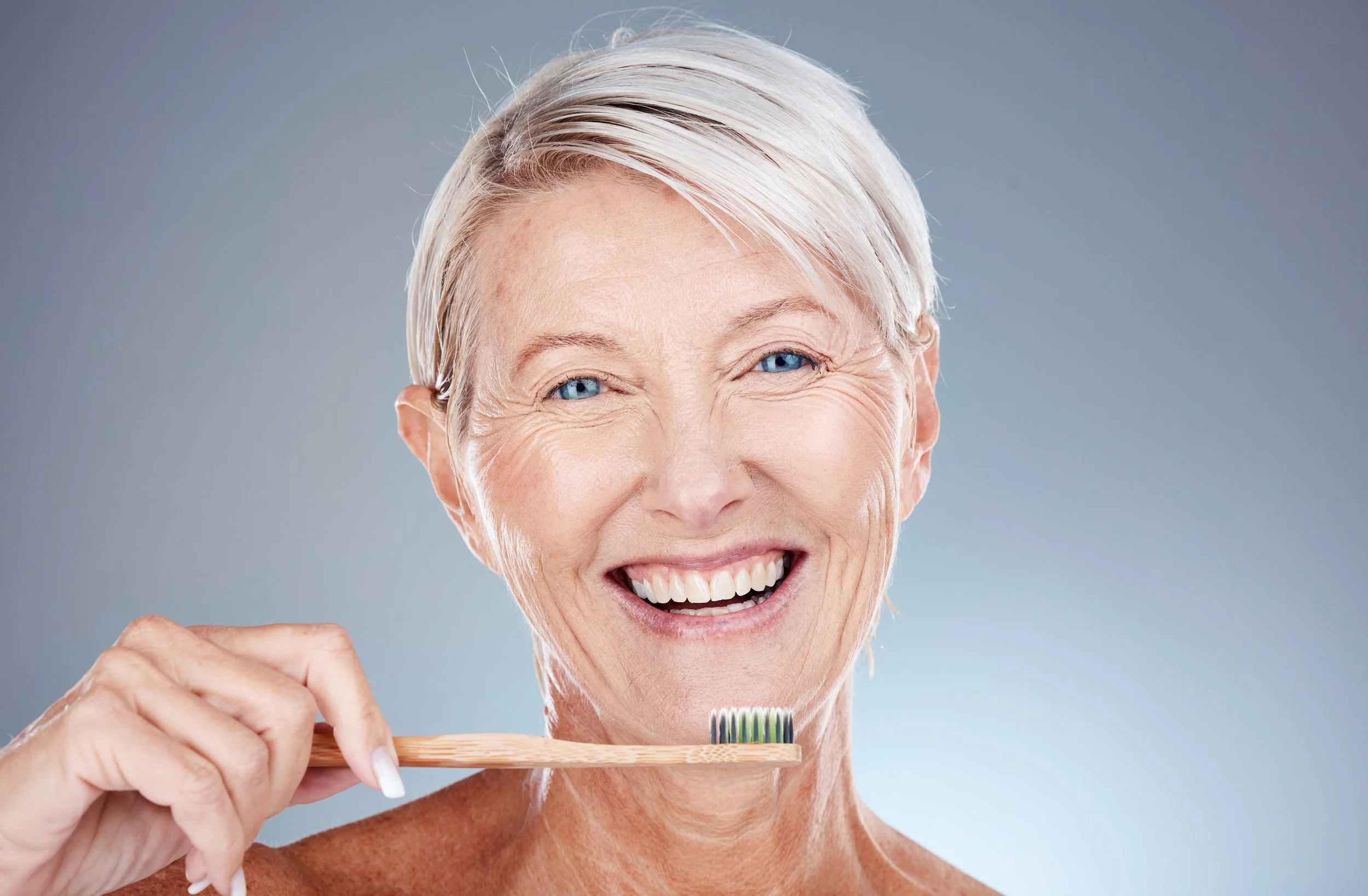
Chronological age itself does not directly cause gum disease or gum recession. Instead, aging changes the context: more years of plaque exposure, accumulating medical conditions, new medications, and restorative dental work can create a higher risk for some people. Aging increases gum problems due to cumulative plaque exposure, medications, chronic conditions, and difficulty maintaining oral hygiene over many decades.
National surveys between 2009 and 2014 found that roughly 60% of adults 65 and over had some level of periodontitis. In fact, 68% of adults over the age of 65 have gum disease in some form. These numbers reflect cumulative exposure and changing health conditions rather than an automatic effect of turning 65.
Gum health in older adults is shaped by lifelong healthy habits such as brushing, interdental cleaning, avoiding tobacco, eating well, having access to dental care, and managing health problems like diabetes. Understanding these influences helps explain why gum disease is common among seniors without being inevitable.
Gum Disease Is Not an Inevitable Part of Aging
Many people reach their 70s, 80s, and beyond with a full set of natural teeth and stable gums. This typically results from maintaining regular dental care, effective plaque control, and addressing health issues promptly. Gum disease in older adults is common, but it is not guaranteed. Plaque and tartar on teeth, not birthdays, are the immediate triggers for gum inflammation.
Consider two patterns: a person who brushes consistently, cleans between teeth daily, avoids tobacco, and visits the dentist regularly versus someone with irregular care and decades of smoking. Both may be the same age, but their gum health can differ dramatically.
Gum disease is preventable and treatable at any age.
Addressing gum inflammation is worthwhile even in advanced age.
Plaque control, not age, is the deciding factor.
A Lifetime of Oral-Health Exposure
Years of plaque accumulation, occasional lapses in hygiene, long-term smoking, irregular dental visits, and aging dental work can slowly affect gums and bone over decades. Existing fillings, crowns, and bridges placed in midlife can create plaque-retentive areas that demand more careful cleaning in the 60s and 70s.
Health conditions diagnosed in midlife, such as type 2 diabetes, and lifestyle changes including caregiving stress, diet shifts, or reduced exercise may also indirectly influence gum and bone support. Factors that add up over a lifetime include:
Plaque buildup along the gumline
Tobacco use over years or decades
Uncontrolled diabetes mellitus
Dry mouth from certain medications
Irregular dental visits and missed professional cleanings
Changes in Oral Hygiene Ability
Some older adults notice that brushing and cleaning between teeth becomes harder because of arthritis in the hands, reduced grip strength, tremors, or reduced vision. Physical challenges such as arthritis can make daily brushing and flossing difficult for older adults. That said, many seniors remain fully independent in their oral care routine.
Crowded teeth, rotated teeth, bridges, and exposed root surfaces create niches where plaque collects, so routines that worked at 40 may need updating at 70. Practical changes like switching to a powered toothbrush, using a floss holder or interdental brushes, or sitting at a well-lit sink can help maintain thorough plaque removal along the gumline.
Medications and Health Conditions
As people reach their 60s and 70s, many begin or continue medications for high blood pressure, heart rhythm issues, depression, anxiety, or other conditions. Some of these can reduce saliva or change how gums respond to plaque. Older adults are more likely to take multiple medications that can reduce saliva flow, and dry mouth is often caused by medications for conditions like high blood pressure and depression.
Chronic conditions like diabetes increase gum disease risk. Autoimmune diseases and some blood disorders can also influence how gums respond to plaque and how tissues heal. Reduced saliva production is a recognized risk factor for gum health in older adults.
Patients should never stop or change prescribed medications on their own. Instead, informing both physicians and dental professionals about all health conditions and medicines allows oral care to be tailored safely.
Tell your dentist about all medications, including over-the-counter products.
Share major health diagnoses and any history of bleeding problems.
Ask about dry mouth management strategies if you notice reduced saliva.
What Do Healthy Gums Look and Feel Like?
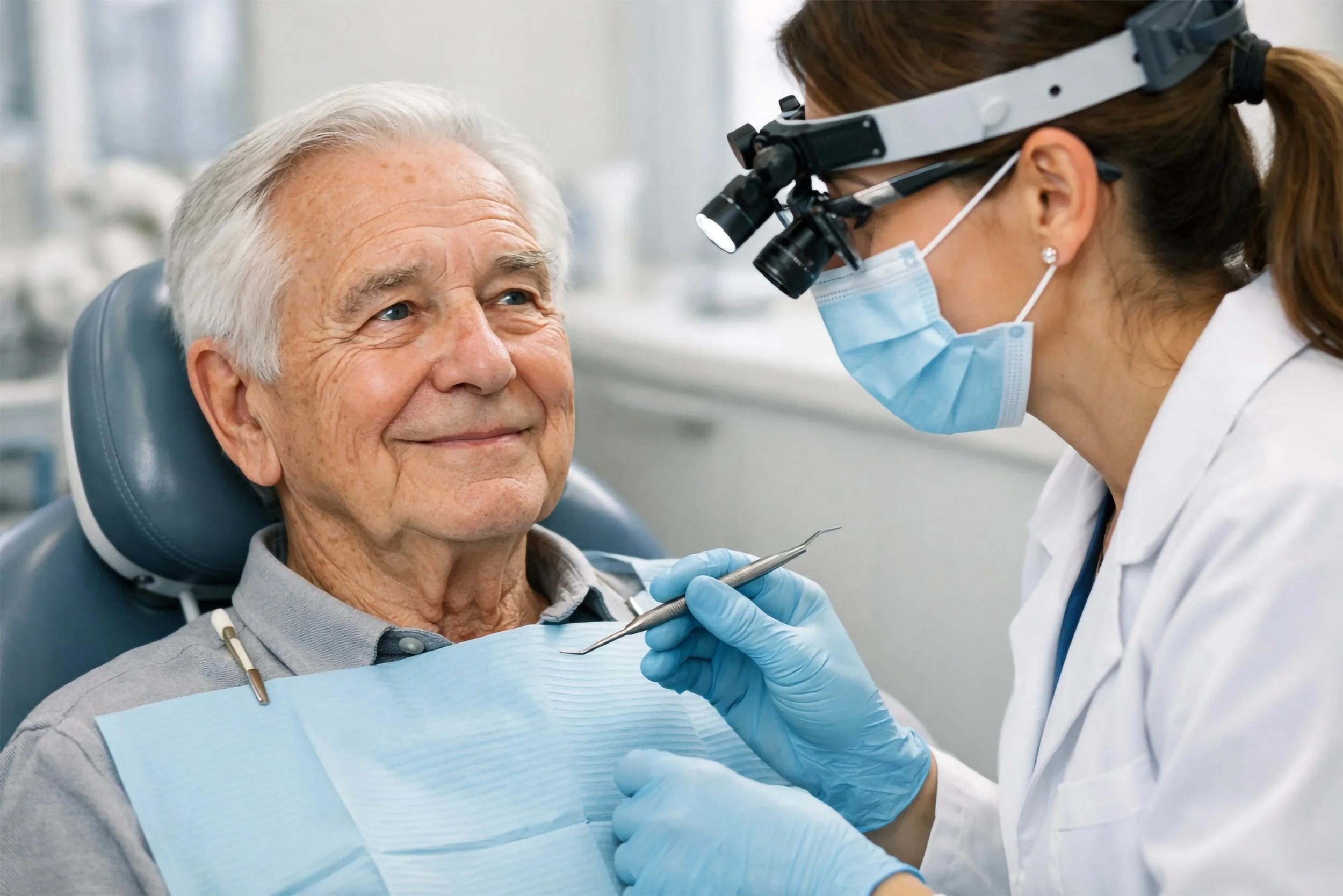
Healthy gums in older adults may look slightly different than in younger people. Teeth may appear a bit longer due to mild recession, and gum tissue may have changed contour around dental work. Despite these variations, healthy gums share key features: comfort, firmness, and no routine bleeding with gentle cleaning.
Healthy gums are not defined by a single color. Natural gum pigmentation ranges from light pink to deep brown or mottled combinations, especially in people with darker skin tones. Understanding what normal looks and feels like for you makes it easier to spot changes such as persistent bleeding, new swelling, or shifting teeth that may need evaluation.
Natural Gum Color Varies
Healthy gums may be light pink, coral, or various shades of brown or black due to natural melanin pigmentation. This variation is normal and not itself a sign of gum disease. Think of it like freckles or skin tone variation: long-standing natural coloring is simply part of your individual anatomy.
Sudden new dark, red, or bluish areas, especially if swollen or painful, deserve more attention than pigmentation that has been present for many years.
Firm and Comfortable Gum Tissue
Healthy gum tissue is generally firm, not puffy or shiny, and comfortable when touched with a toothbrush or during normal chewing. Occasional minor soreness from a new toothbrush or a seed stuck under the gum is common, but persistent tenderness, puffiness, or gums that look "rolled" or overgrown should be checked.
Healthy gums usually hug the teeth closely.
They do not feel itchy, burning, or sore most days.
They maintain a consistent texture without unusual swelling.
Bleeding Gums
Gums should not bleed routinely with gentle brushing or interdental cleaning at any age. Occasional bleeding after a long gap in flossing can happen but should improve quickly with consistent care. Persistent bleeding gums in seniors often signals gingivitis or another form of gum inflammation, though bleeding alone does not diagnose the specific type or severity of periodontal disease.
If you notice ongoing bleeding, mention it at your next dental visit. Brushing harder or avoiding the bleeding area typically makes problems worse.
Healthy Support Around Teeth
Teeth are supported by gums, the periodontal ligament (tiny fibers connecting tooth to bone), and the surrounding jawbone. Together, these structures hold teeth firmly for chewing and speaking. In healthy situations, these supporting tissues maintain relatively stable tooth positions over time, even in older adults.
Comfortable chewing without pain
Stable teeth that do not shift or wiggle
No ongoing pus or drainage around teeth
Understanding Gingivitis and Periodontitis

Gingivitis affects mainly the gums and is usually reversible with good dental care. Periodontitis affects deeper supporting tissues and involves bone loss that cannot grow back on its own. Both fall under the umbrella of gum disease, but they are not the same condition.
Gingivitis in older adults can be triggered by plaque, dry mouth, or poor cleansing around dental work. Periodontitis is often a long-term process that can be managed but not fully reversed once significant bone loss has occurred. Understanding the difference helps older adults ask informed questions and follow treatment recommendations more effectively.
What Is Gingivitis?
Gingivitis is the mildest form of gum disease. It involves inflammation of the gum tissue mainly caused by plaque, a soft, sticky biofilm made of microorganisms and their byproducts that collects along the gumline. Common signs include reddened or darkened gums compared to usual, swelling, tenderness, and bleeding when brushing.
Gingivitis does not involve the attachment and bone loss that characterize periodontitis, and in most cases it can be improved or reversed with thorough daily dental care and professional cleanings.
Caused primarily by plaque accumulation at the gumline
Signs: redness, swelling, tenderness, bleeding
Reversible with consistent good oral hygiene and professional care
Does not include bone loss
What Is Periodontitis?
Periodontitis is a chronic inflammatory disease where plaque-related inflammation extends deeper and leads to loss of attachment fibers and jawbone supporting the teeth. Periodontitis affects about 60% of adults 65 years or older. Periodontitis leads to irreversible bone loss around teeth, meaning once support is lost, it does not regenerate on its own.
As bone is lost, periodontal pockets form between the tooth and gum, making plaque control harder and allowing disease to continue without professional treatment.
Involves bone loss around teeth
Creates deepening pockets that trap plaque
Requires professional treatment and ongoing maintenance
Can progress quietly without strong pain
Gingivitis Does Not Always Become Periodontitis
While untreated gingivitis can increase the chance of developing periodontitis, not every person with gingivitis will automatically develop advanced gum disease. Gingivitis can progress to periodontitis if untreated, but individual response to plaque, genetics, smoking, diabetes, and oral hygiene habits all influence whether and how quickly this happens.
Gingivitis is a warning sign and an opportunity to intervene early.
Resolving inflammation early is easier, less costly, and more comfortable than treating established periodontitis.
Periodontitis May Not Cause Severe Pain
Many people expect serious dental disease to be very painful, but periodontitis often causes mild or no pain until it becomes advanced. Waiting for pain is not a reliable way to judge gum health.
Subtle warning signs in older adults include:
Gums that bleed easily during gentle cleaning
Persistent bad breath that does not improve with brushing
Receding gums or teeth that look longer
Gradual changes in how teeth fit together when biting
Regular dental check-ups help identify early signs of gum disease, especially for adults over 60.
Common Signs of Gum Problems in Older Adults
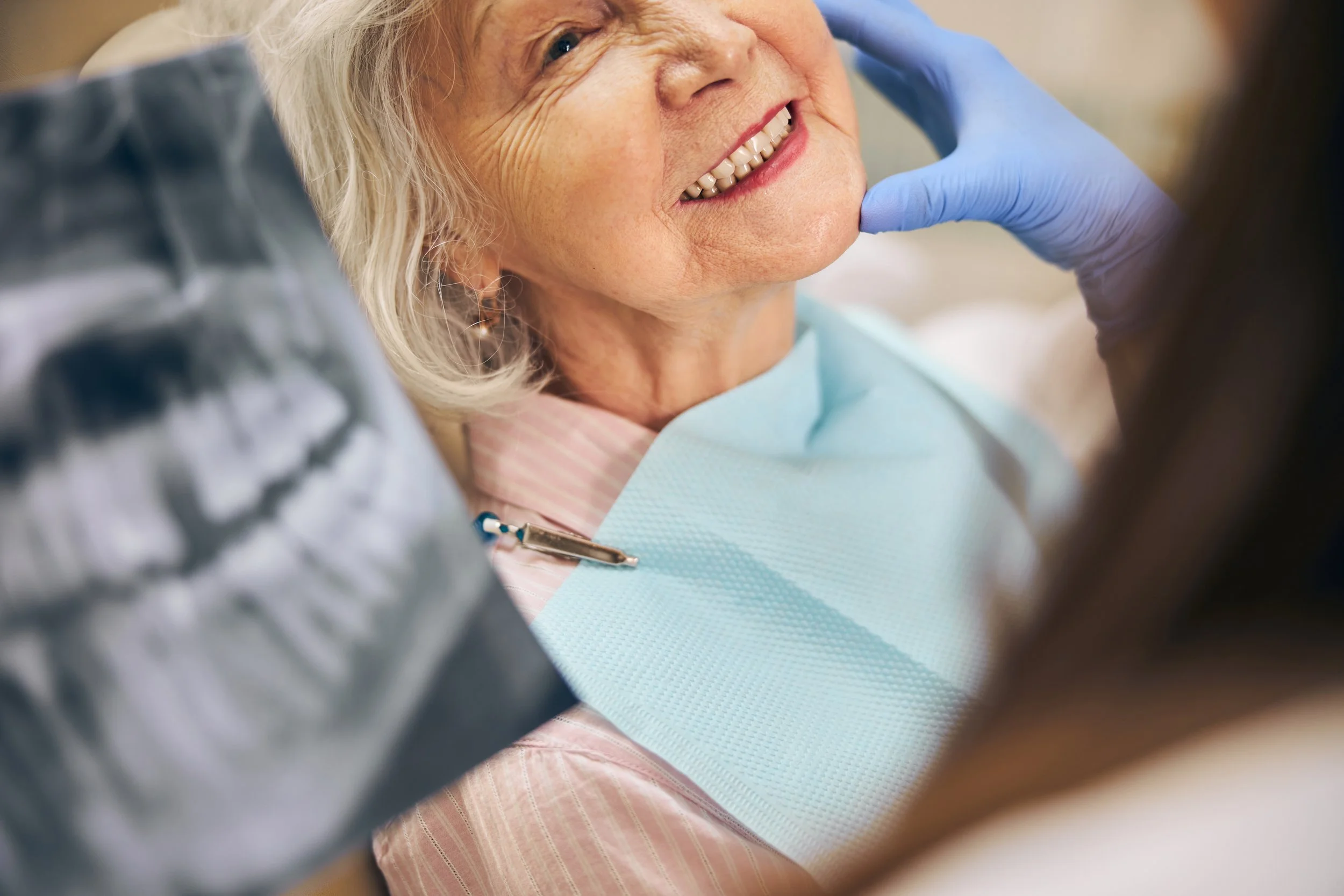
Adults in their 50s, 60s, 70s, and beyond may notice changes at home that could signal gum inflammation, gum recession, or shifts in tooth support. These signs are not diagnoses, but they are reasons to bring questions to a dental professional rather than assuming they are normal parts of aging gums.
Pay attention to patterns. Bleeding that persists more than one to two weeks despite gentle brushing, or sensitivity that keeps returning, deserves attention. Note any changes before your next dental visit.
Bleeding Gums
Bleeding seen in the sink, on a toothbrush, or on interdental tools when cleaning gently and regularly can be related to plaque-induced gingivitis, periodontitis, dry mouth, medications affecting clotting, or brushing too aggressively. Do not ignore bleeding as "age-related."
Swollen or Tender Gums
Gums that look puffy, shiny, or ache when pressed may indicate inflammation or localized oral infection. Swelling near a single tooth, especially with pain or a pimple-like bump, may indicate an abscess that should be assessed promptly.
Gum Recession
Gum recession in seniors means the gum margin has moved so that more tooth or root surface is exposed. While common, it is not simply "because of age" and can be influenced by brushing habits, periodontal disease, tooth position, and tissue thickness. Gum recession is one of the most widespread age-related changes in older adults.
Tooth Sensitivity
Sensitivity to cold water, cold air, sweet foods, or touch near the gumline is a frequent complaint with exposed root surfaces. It can have multiple causes, including recession, tooth wear, dental caries near the gumline, or cracked teeth.
Persistent Bad Breath
Ongoing bad breath or a bad taste that does not improve with brushing can be associated with plaque buildup, deep gum pockets, dry mouth, or sinus conditions. Do not rely solely on mints or mouthwash if others notice persistent odor.
Changes in Tooth Position or Bite
Teeth that flare outward, develop new spaces, or feel different when biting may signal shifting support due to periodontitis or tooth wear. Older adults should also pay attention if dentures or partials suddenly feel looser.
Loose Teeth
Healthy adult teeth, even in people in their 70s or 80s, should not feel noticeably loose. Tooth mobility can be caused by advanced periodontitis, trauma from grinding, gum infections, or other factors and should be assessed promptly.
Why Gum Disease Risk Can Increase With Age
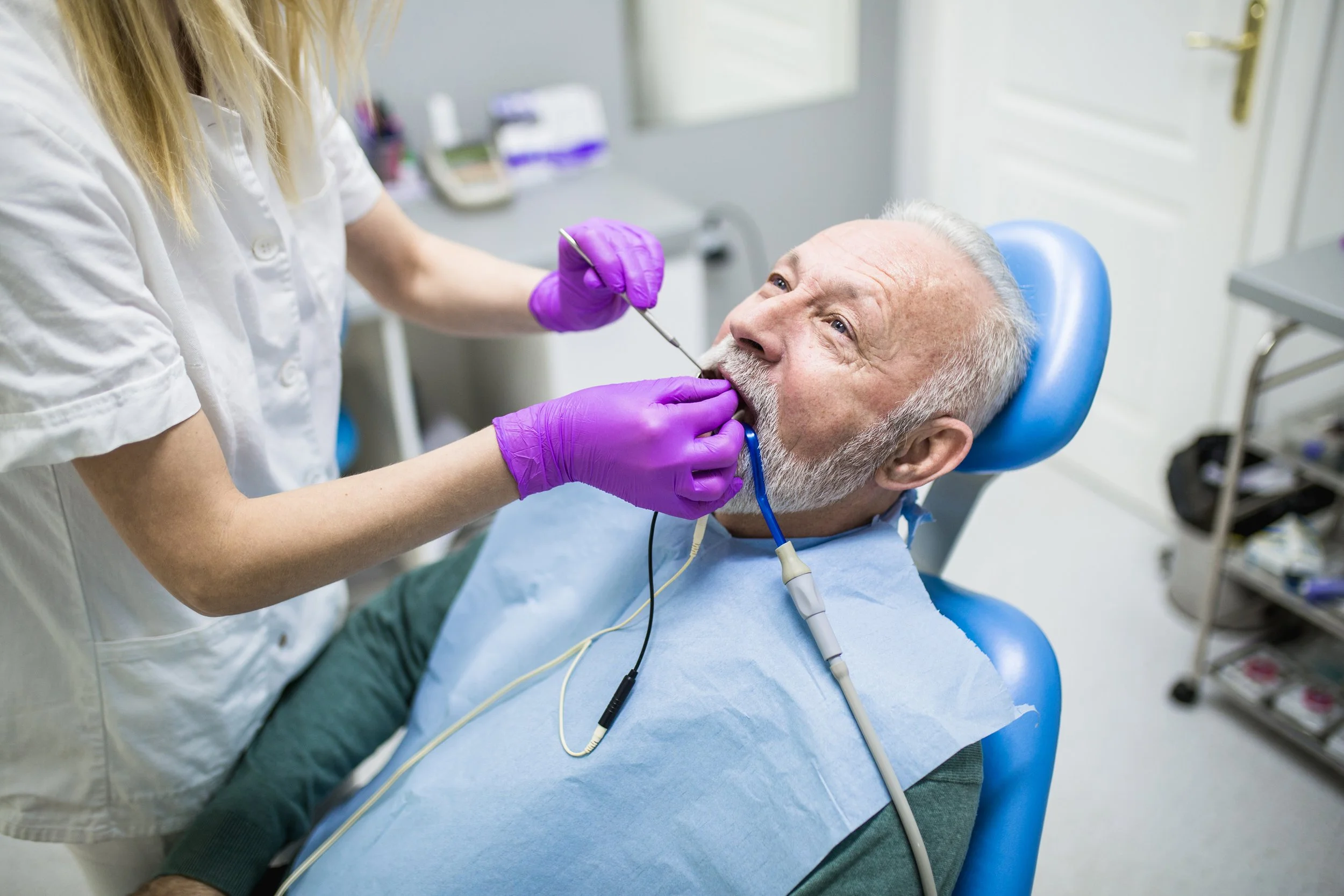
Higher rates of gum disease in older adults reflect accumulated exposures and changing health factors, not aging itself causing disease. About 50% of adults over 30 already have some form of gum disease, and prevalence continues to rise through later decades as risk factors compound.
Key contributors that may become more common over time include plaque accumulation, tartar buildup, tobacco history, long-standing diabetes, complex dental restorations, dry mouth, and challenges with oral hygiene. Understanding these risk factors helps seniors focus on prevention and early intervention.
Dental Plaque
Plaque is a soft, sticky biofilm containing communities of microorganisms that naturally form on tooth surfaces within hours after cleaning. When plaque accumulates near the gumline, the immune system responds, and in some people this triggers inflammation of the gums and deeper tissues. Poor oral hygiene leads to plaque buildup and gum disease over time. Brushing and flossing daily removes plaque that causes gum disease.
Tartar or Dental Calculus
If plaque remains undisturbed, minerals from saliva can cause it to harden into tartar on tooth surfaces, especially along the lower front teeth and upper molars. Tartar creates a rough surface that traps more plaque, making gum inflammation more likely to persist. Professional cleanings remove hardened tartar that cannot be brushed away at home.
Oral Hygiene Challenges
In older adults, arthritis, tremors, limited shoulder movement, vision changes, or fatigue can make thorough plaque removal more challenging, especially along back teeth and around dental work. Crowded teeth, old fillings with rough edges, and bridges provide hiding places for plaque and food particles. Adapting tools and techniques rather than doing less helps protect senior gum health.
Tobacco Exposure
Tobacco use is a major modifiable risk factor for periodontitis. Smoking significantly increases the risk of severe gum disease and impairs blood flow to the gums. Current or past smoking is strongly associated with more rapid bone loss and slower healing after treatment. Tobacco can also reduce or mask gum bleeding, making gums appear less inflamed even when deeper disease is present.
Quitting or reducing tobacco use at any age can benefit oral and overall health.
Diabetes
Chronic conditions such as type 2 diabetes and cardiovascular disease have an inflammatory relationship with gum health. Poorly controlled blood sugar can increase susceptibility to gum infections, and severe periodontal inflammation can make blood sugar harder to manage. Gum disease is linked to heart disease and diabetes complications. Periodontitis can worsen chronic conditions like diabetes through this two-way relationship.
Older adults with diabetes should tell both their medical and dental teams and prioritize consistent plaque control and regular dental visits.
Other Individual Factors
Genetics, immune system differences, hormonal changes, and certain medications can influence how gums respond to plaque. Because risk profiles vary, personalized advice from a dentist or periodontist can be especially useful for older adults with multiple health conditions.
Immune disorders and cancer therapies
Osteoporosis medications
Family history of early tooth loss
Medications that cause gum overgrowth or dry mouth
Gum Recession and Aging
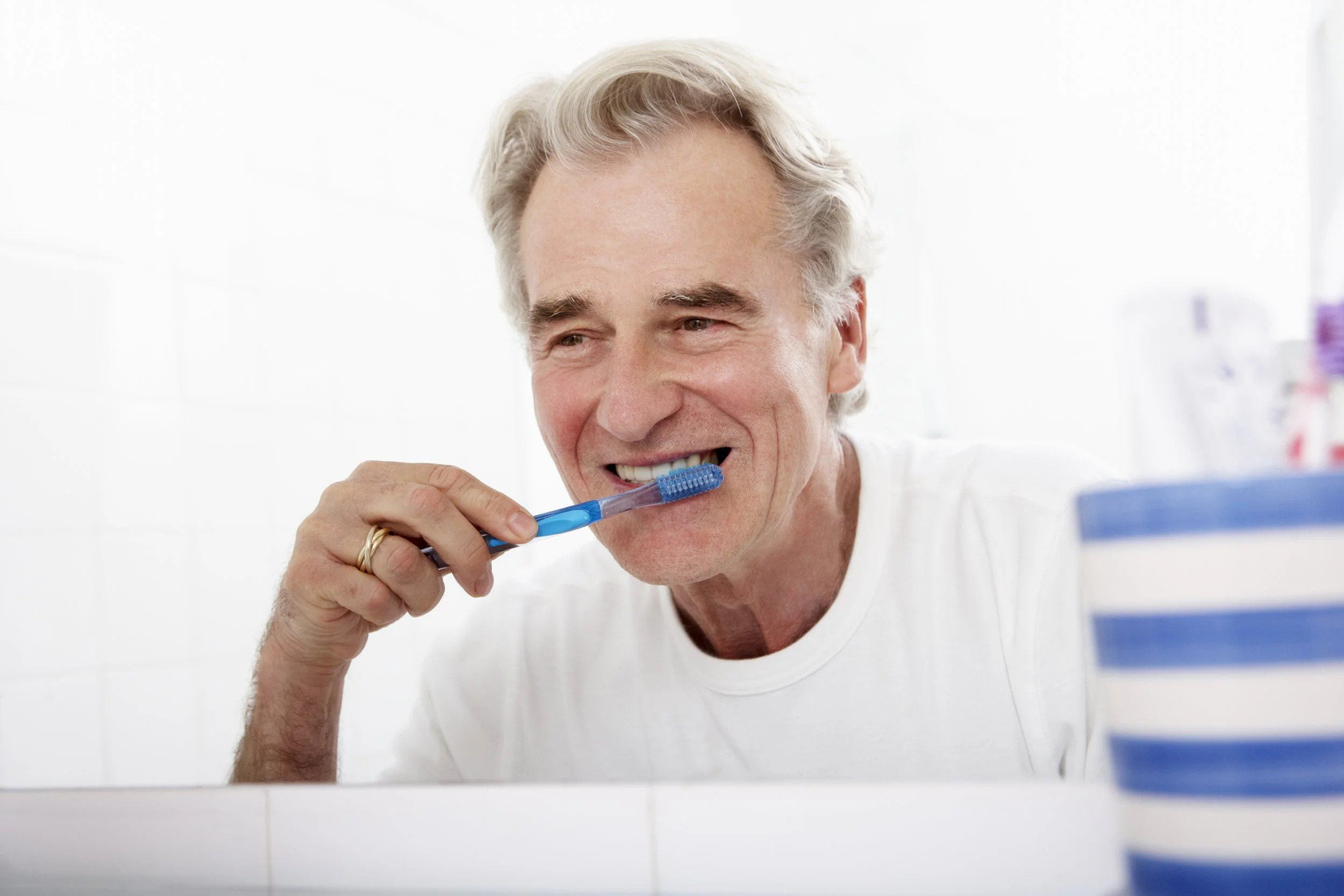
Gum recession is a common concern among older adults. Teeth may look longer and root surfaces become exposed, sometimes causing sensitivity and cosmetic worries. Recession in seniors is influenced by many factors and is not simply a guaranteed result of aging gums.
What Is Gum Recession?
Gum recession is the movement of the gum margin away from the crown of the tooth, exposing more of the tooth's surface or the root that is normally covered by gum tissue. This can happen around one tooth or many and may progress slowly over years.
Why Recession May Become More Noticeable With Age
Mild gum recession can start earlier in life and gradually progress, becoming clearly noticeable only in the 50s, 60s, or later. Long-term brushing patterns, clenching or grinding, tooth position, and thin gum tissues all contribute to recession that accumulates over time.
Causes and Contributing Factors
Main contributors include periodontal disease, teeth that are rotated or out of the arch, naturally thin or delicate gums, aggressive or horizontal brushing with a hard toothbrush, and habits like using toothpicks too forcefully. Multiple factors often interact, so a dentist may evaluate root coverage options or behavior changes rather than assuming age is the sole cause.
Exposed Roots and Sensitivity
Root surfaces do not have the same thick enamel covering as the crowns of teeth. When exposed by recession, they may be more sensitive to cold, sweet, or touch. Options such as desensitizing toothpaste, protective restorations, or gum procedures may be discussed with a dentist if sensitivity interferes with daily life.
Gum Recession and Root Cavities
Exposed root surfaces are more vulnerable to root decay because they lack thick enamel and sit close to plaque at the gumline. Root caries can develop quickly in older adults with receding gums, frequent snacking, or difficulty cleaning. Consistent plaque control and fluoride toothpaste help protect these vulnerable areas.
Plaque, Tartar, and Aging Gums
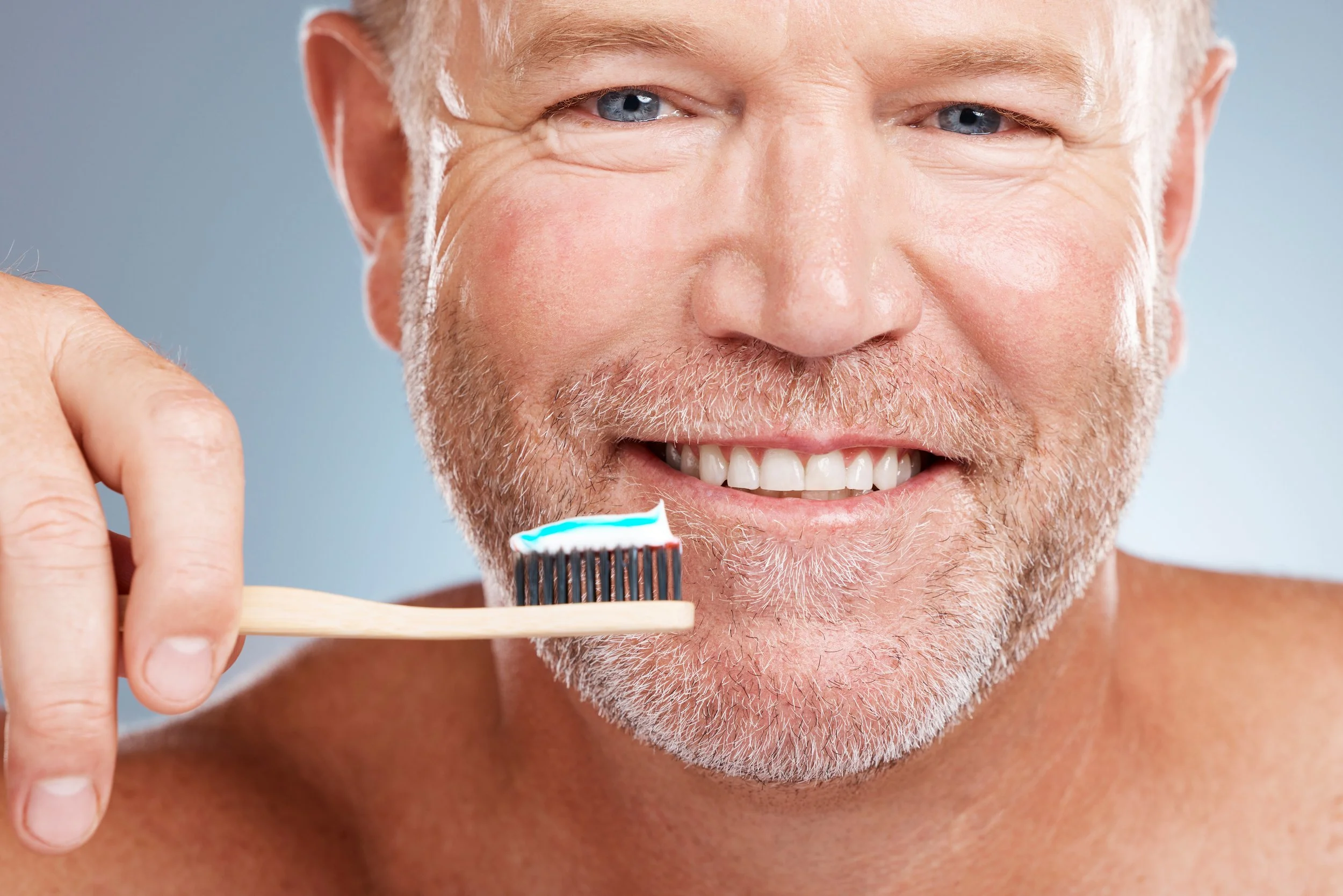
Plaque and tartar remain the central drivers of gum inflammation at any age, with special implications for aging gums because of dry mouth, more restorations, and potential cleaning challenges. Regular, gentle disruption of plaque along the gumline and between teeth helps keep gums less prone to swelling or bleeding, even in seniors with other risk factors.
How Plaque Affects Gums
After meals and snacks, plaque biofilm thickens along the gumline. If not removed, microorganisms and their byproducts irritate gum tissue and can trigger redness, swelling, and bleeding. This process is similar in younger and older adults, but the impact may be greater when diabetes, tobacco use, or dry mouth are present.
Plaque Between Teeth
Toothbrush bristles generally cannot thoroughly clean tight spaces between teeth, where plaque biofilm can remain undisturbed and contribute to both tooth decay and gum inflammation. In older adults with crowded teeth or bridges, plaque between teeth may be especially persistent.
How Tartar Forms
Minerals in saliva gradually harden unremoved plaque into tartar along the gumline, often within days to weeks. People differ in how quickly tartar forms; some older adults notice heavy buildup despite careful brushing, highlighting the importance of professional cleanings.
Why Tartar Matters
Tartar acts like a rough scaffold trapping additional plaque, making gums more likely to remain inflamed. It requires professional tools to remove safely. Routine cleanings are not cosmetic extras but part of maintaining periodontal health and aging.
Medications, Dry Mouth, and Gum Health
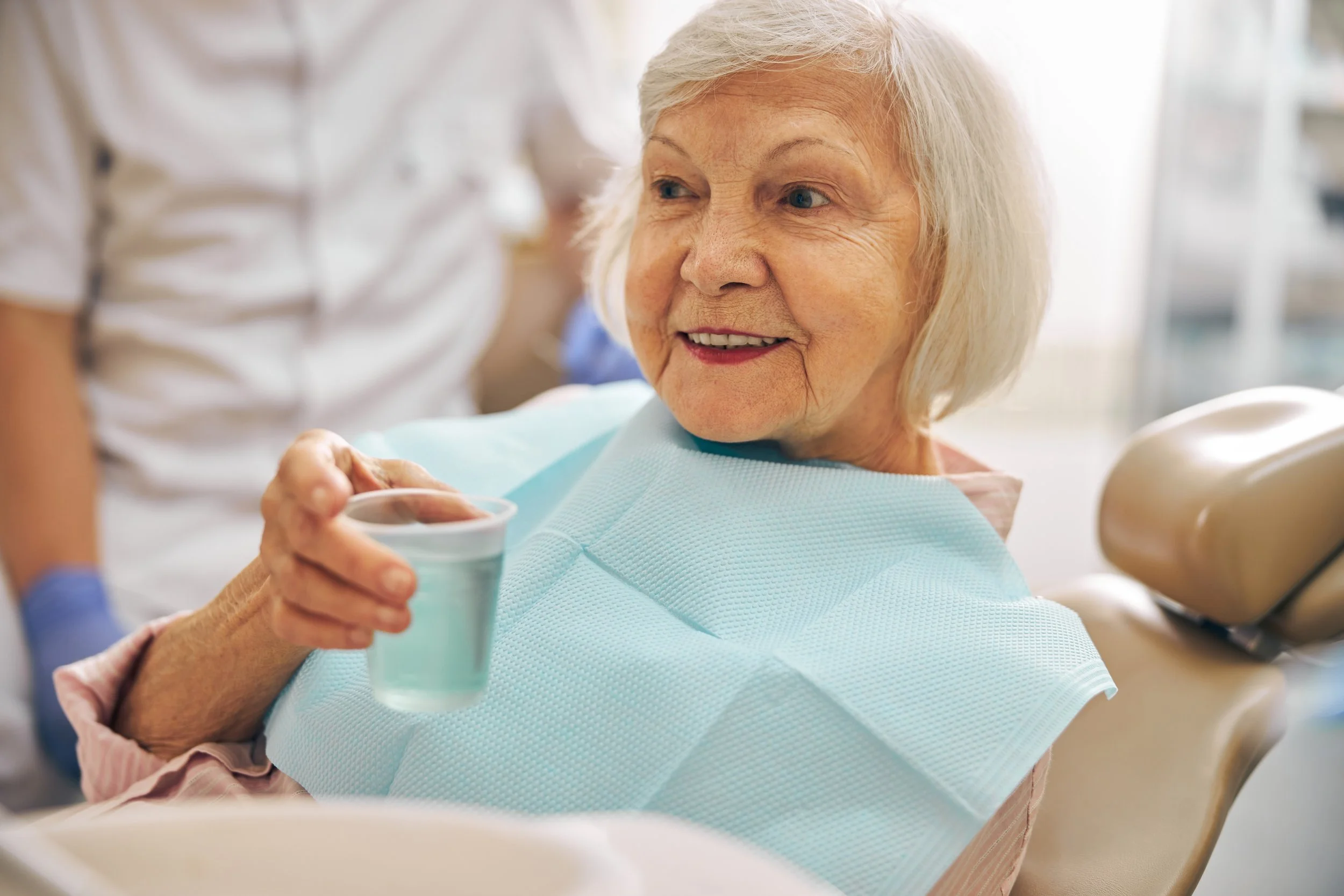
Dry mouth is a frequent complaint among older adults, often related to medications and health conditions rather than aging alone. Medications can cause dry mouth, increasing gum disease risk by making plaque more concentrated and gums more easily irritated.
Medications and Oral Tissues
Many common medications in older adults, such as blood pressure medicines, antidepressants, antihistamines, and some pain medicines, can reduce saliva flow or change how gums react to plaque. A few medicines can contribute to gum overgrowth or increased bleeding tendency.
Patients should never adjust medication doses on their own. Instead, inform both prescribers and dental professionals about side effects.
Dry Mouth
Dry mouth symptoms include a sticky or dry feeling, difficulty swallowing dry foods, trouble wearing dentures comfortably, cracked lips, and increased thirst. Dry mouth is common but is not an automatic result of aging. Mention persistent dry mouth to your dental team so strategies can be discussed.
Saliva and Oral Health
Saliva plays essential roles in lubricating the mouth, washing away food debris, buffering acids after eating, and supporting enamel repair. Reduced saliva allows food particles and plaque to adhere longer to teeth and gums, intensifying local inflammation.
Gum Hygiene With Dry Mouth
Continue brushing twice daily with fluoride toothpaste and cleaning between teeth, using very soft bristles and gentle pressure. People with dry mouth may benefit from sipping water frequently, using sugar-free lozenges to stimulate saliva, and avoiding tobacco and high-alcohol mouthrinses that worsen dryness.
Brushing for Healthy Gums as You Age
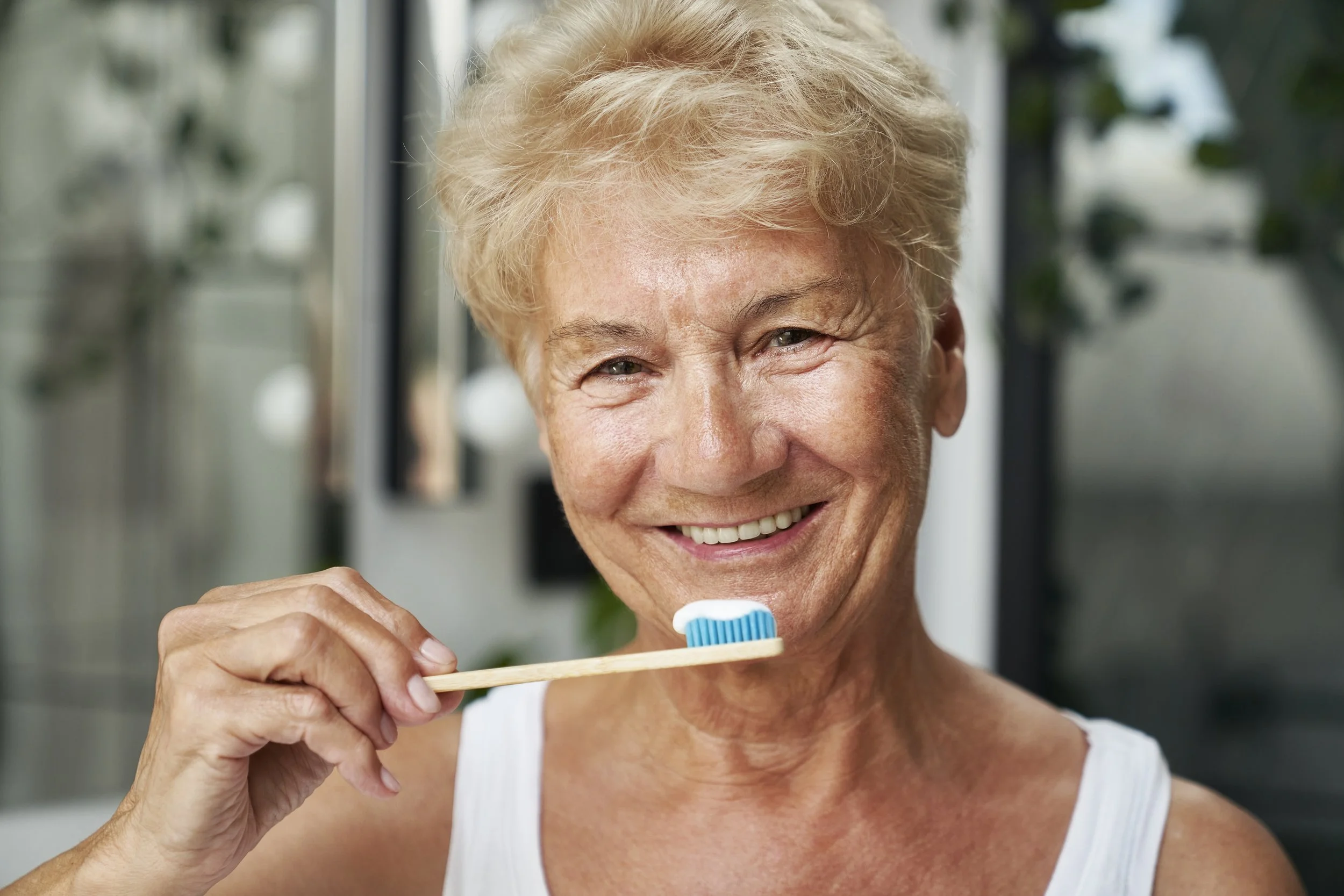
Gentle, consistent plaque removal is more important than vigorous scrubbing. Even with gum recession, exposed roots, or dental work, brushing along the gumline twice daily remains the foundation of senior dental care.
Brush Twice Daily
Brush morning and night for at least two minutes each time, using fluoride toothpaste. Focus especially on the junction where teeth and gums meet, including inner surfaces near the tongue and palate.
Use a Soft-Bristled Toothbrush
Soft or extra-soft bristles clean effectively while minimizing trauma to aging gums and exposed root surfaces. Harder bristles can contribute to gum recession and wear grooves in tooth surfaces.
Clean Along the Gumline
Angle bristles gently toward the gumline and sweep plaque away in short strokes rather than scrubbing back and forth. This gumline-focused cleaning supports healthier gums and should remain comfortable.
Avoid Aggressive Brushing
Pressing harder does not clean better. Over many years, aggressive brushing can damage gums and tooth surfaces. Use a light pencil grip and consider brushes with pressure sensors if available.
Powered Toothbrushes
Powered toothbrushes can be helpful for some older adults, especially those with limited hand or arm movement. They are not required for good gum health but can simplify thorough cleaning and may include timers that support healthy habits.
Cleaning Between Teeth

Brushing alone, even when done well, usually cannot remove all plaque between teeth, where gum disease in older adults often persists. The best method is the one you can use comfortably and consistently.
Dental Floss
Traditional floss can slide under the gumline to disrupt plaque between teeth. Use gentle back-and-forth motion, hugging each tooth side, and avoid snapping floss onto gums.
Interdental Brushes
These small brushes fit between teeth and under bridges. Different sizes may be needed in different spaces. Using the largest size that fits comfortably improves plaque removal.
Water Flossers
Water flossers flush plaque and food debris from between teeth and along the gumline. Many seniors find them comfortable and effective, especially around bridges and dental implants.
Floss Holders and Adaptive Tools
Floss holders and picks make it easier to reach back teeth when fingers cannot manipulate string floss well. Ask your dental team for demonstrations to choose options that fit your mouth and abilities.
Maintaining Gum Health With Limited Dexterity or Mobility
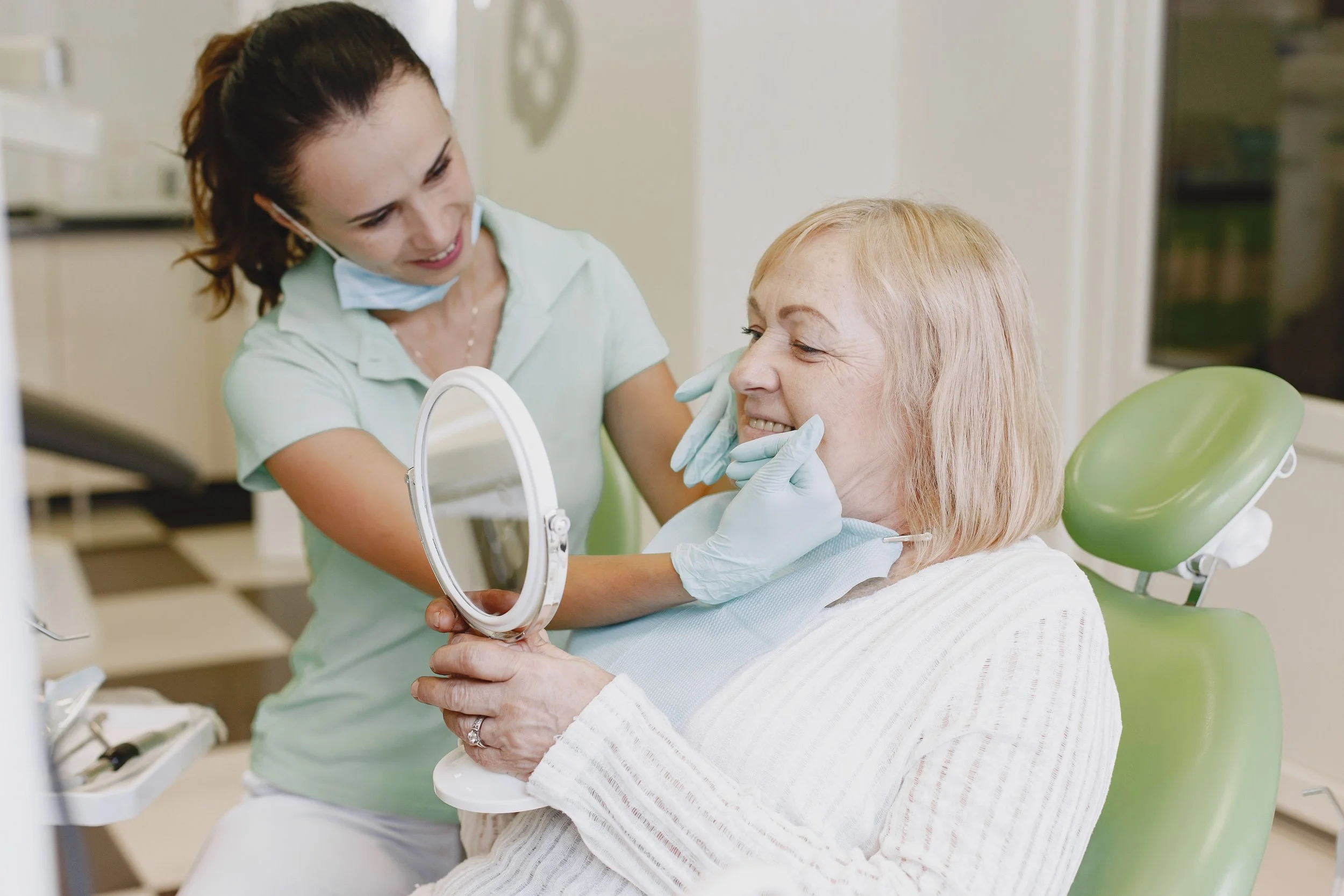
Some older adults experience physical changes like arthritis or reduced balance that can make traditional brushing and flossing more challenging. The core message: if standard tools become difficult, adapt the tools and environment rather than abandoning daily oral hygiene. Independence, dignity, and comfort remain priorities.
Larger or Easier-to-Grip Handles
Toothbrushes with thicker handles, rubber grips, or foam tubing can make brushing easier for those with arthritis or reduced grip strength.
Powered Toothbrushes
Powered brushes require mostly guiding rather than scrubbing, making them especially useful when manual control is harder. Built-in timers and pressure sensors support thorough cleaning.
Easier Interdental-Cleaning Tools
Interdental brushes, floss holders, and water flossers serve as alternatives when traditional flossing is difficult due to dexterity or shoulder limitations.
Better Lighting, Mirrors, and Accessible Storage
Improving bathroom lighting, using magnifying mirrors, and storing oral care tools at easy-to-reach height reduces strain and improves visibility. Some older adults prefer sitting while brushing for stability and comfort.
Assistance When Needed
Some people may eventually need help from a partner, family member, or caregiver to maintain oral hygiene. Discussing preferences and involving dental professionals in training caregivers to use gentle techniques helps maintain privacy and dignity.
Gum Health Around Crowns, Bridges, and Dental Implants
Many older adults have crowns, bridges, or dental implants placed earlier in life. Even though these restorations do not decay the same way natural tooth crowns do, surrounding gums and bone remain vulnerable to plaque-related inflammation.
Crowns
A crown covers the visible part of a tooth, but plaque can collect at the edge where the crown meets the gum. Poorly cleaned margins can lead to gum inflammation, decay under the crown edge, or unpleasant odor.
Bridges
Bridges replace missing teeth by anchoring to neighboring teeth. Plaque can accumulate under and around bridge components, so special floss threaders, interdental brushes, or water flossers may be needed.
Dental Implants
Implants themselves do not get cavities, but the gums and bone around them can develop plaque-related inflammation, sometimes called mucositis or peri-implantitis. Research shows peri-implantitis prevalence of roughly 18.8% at implant level in patients without regular preventive maintenance. Gentle but thorough cleaning around implant bases is essential.
Implant-Supported Restorations
Full-arch or multi-implant bridges may require customized cleaning routines such as specific interdental brushes, water flossers, or super-floss under the prosthesis. Ask your dental team for individualized instructions and periodic reviews.
Gum Health With Partial or Complete Dentures

Many older adults use removable partial or complete dentures. Gum and oral-tissue health remain important even when some or all natural teeth are missing teeth.
Partial Dentures and Remaining Teeth
People with partial dentures still need to brush natural teeth, clean along the gumline, and use interdental tools. Metal clasps and attachments can trap plaque, so special attention to those areas during brushing is critical.
Complete Dentures and Oral Tissues
Complete denture wearers no longer clean natural teeth, but they must clean dentures and gently brush or wipe gums, tongue, and palate daily to remove plaque and food film. Leaving dentures in continuously, especially overnight, can contribute to sore spots and fungal infections.
Denture Irritation
Red, sore areas under the base, burning sensations, and a white or red patch that does not wipe off easily are signs of irritation or possible oral infection. Persistent soreness warrants evaluation for adjustments or treatment.
Denture Fit and Oral Changes
Gums and underlying bone can slowly change shape over years after tooth loss, causing dentures to become loose. Periodic dental evaluations assess fit, comfort, and tissue health, and screen for any sores that could be early signs of other problems including oral cancer.
Nutrition and Gum Health
Adequate nutrition supports normal tissue health and healing but does not replace plaque control or professional care.
Balanced Nutrition
A balanced diet rich in vitamin C and adequate protein, vitamins, and minerals supports gum and bone health. Older adults with chewing difficulties or ill-fitting dentures may need help identifying softer, nutrient-dense foods. Poor nutrition can impair tissue repair and immune function.
Sugar and Plaque
Frequent intake of sugary or starchy foods fuels microorganisms in plaque, increasing acid production and the risk of dental caries, especially on exposed root surfaces. While sugar is more directly linked to tooth decay than to periodontal disease, high sugar intake combined with poor oral hygiene worsens overall oral health.
Hydration
Adequate fluid intake supports saliva production and oral comfort, helping with plaque clearance and gum comfort. Water is beneficial, but it does not replace brushing and interdental cleaning.
Avoid Oversimplified Nutrition Claims
No single food, vitamin, herbal product, probiotic, or special diet can prevent or cure periodontal disease. Nutrition is one piece of a broader approach that includes daily self care, tobacco avoidance, and well-managed health conditions.
Tobacco and Gum Health in Older Adults

Tobacco use, past or present, can strongly influence periodontal health and treatment outcomes. Quitting at any age can improve oral and overall health.
Smoking and Periodontal Disease
Smokers are more likely to develop periodontal disease, suffer deeper bone loss, and experience challenges with healing after gum treatment or implant placement. Long-term smokers may have accumulated damage by older adulthood, but reducing or quitting still offers positive effects.
Tobacco Can Alter Warning Signs
Smoking can constrict blood vessels in the gums, sometimes reducing visible redness and bleeding even when significant disease is present underneath. Smokers should not use lack of bleeding as reassurance and should maintain regular periodontal evaluations regardless of symptoms.
Smokeless Tobacco
Smokeless tobacco products can cause localized gum recession, white patches, and other changes at placement sites. Users should share their habits openly with dental professionals so these areas can be examined carefully.
Can Gum Disease Cause Tooth Loss?
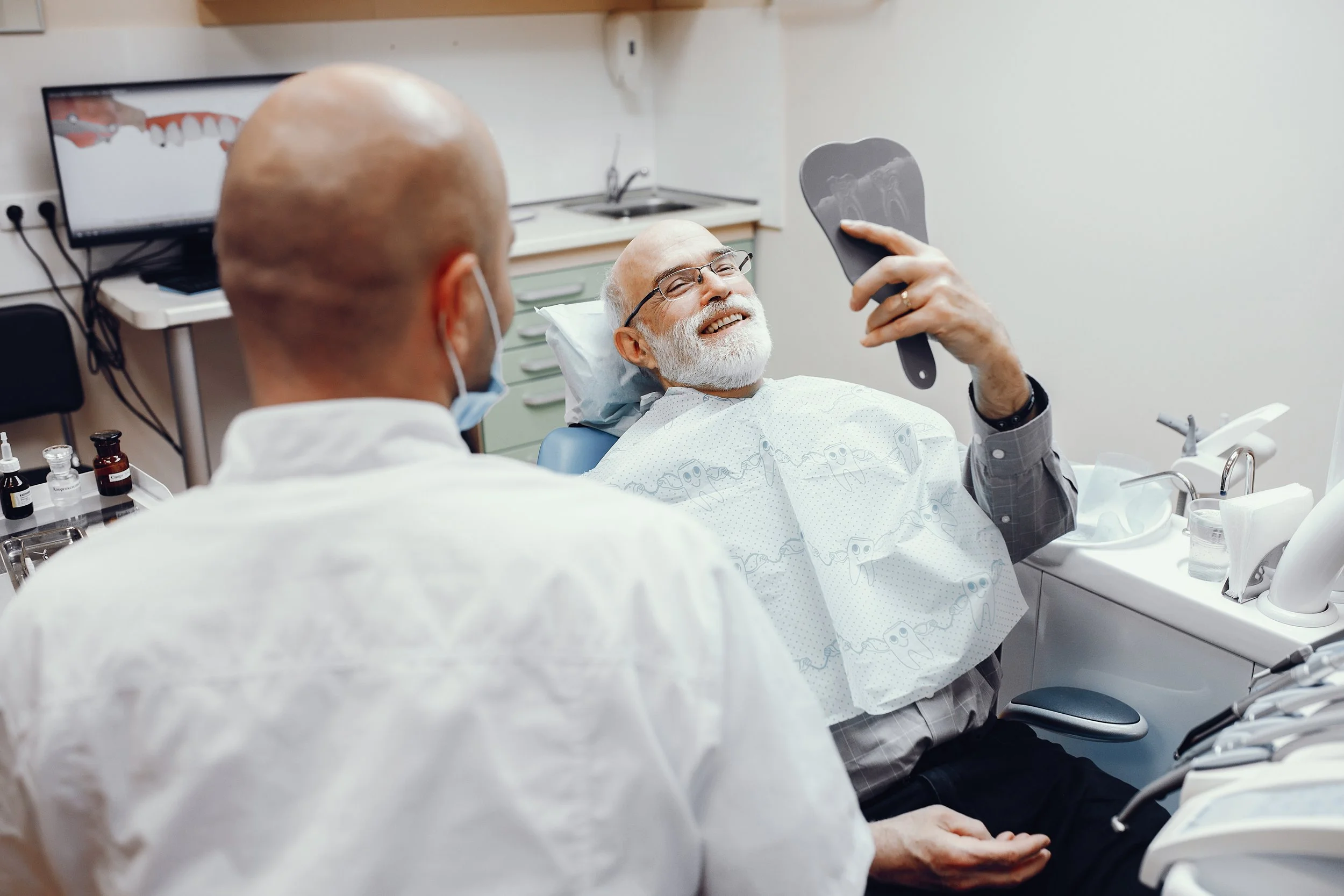
Advanced periodontitis can damage support structures so severely that teeth become loose or are lost. However, tooth loss is not an inevitable consequence of aging.
Loss of Periodontal Support
Chronic inflammation from periodontitis gradually damages attachment fibers and bone, reducing stability over time. Once significant support is lost, even normal chewing forces may feel uncomfortable. This process involves bone loss that accumulates gradually.
Why Teeth May Become Mobile
Mobility can result from bone loss due to periodontitis, trauma from grinding or clenching, or bite forces concentrated on a few teeth. Dental professionals can assess the pattern and design a treatment plan that may include periodontal therapy, bite adjustments, or splinting.
Tooth Loss Is Not Inevitable
According to the American Dental Association, only about 5% of adults over 65 are completely without natural teeth. Many older adults maintain their teeth by managing gum disease, protecting against cavities, and maintaining regular dental care. Proactive care at any age reduces the risk of gum disease dramatically.
Signs Your Gum Health May Need Attention
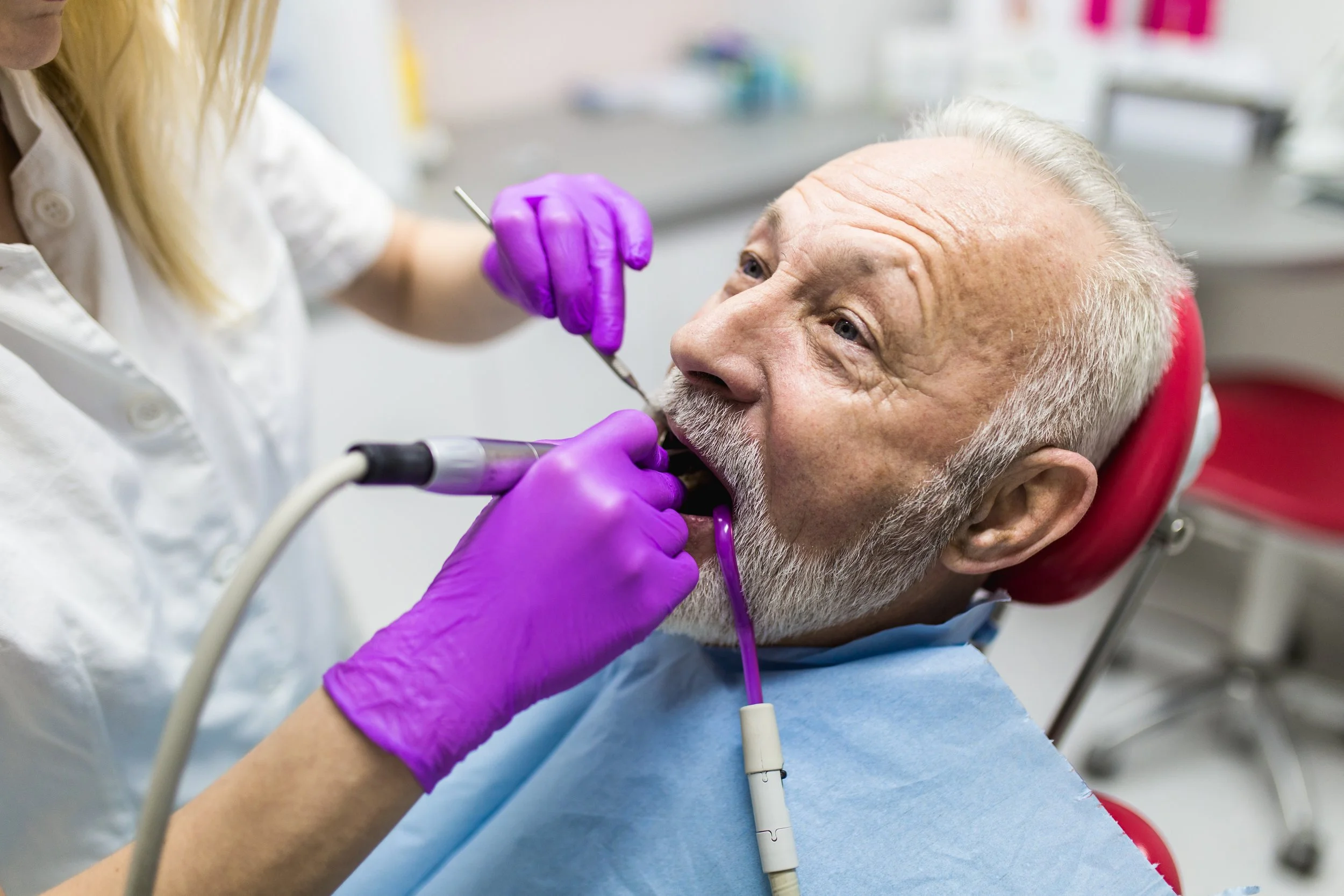
These signs can have several causes, and a dentist or hygienist can determine which are minor and which need more attention. Do not ignore them or assume they are normal parts of aging.
Persistent bleeding during gentle brushing or cleaning
Swelling or tenderness that does not resolve
Increasing gum recession
Ongoing bad breath or bad taste
New or increasing sensitivity
Tooth movement or bite changes
Loose teeth
Pain when chewing
Persistent pus or drainage around teeth
When Gum Symptoms May Need Prompt Attention

While most gingivitis and mild recession are not emergencies, certain symptoms around the gums and face can signal potentially serious conditions that need timely care.
Significant facial or gum swelling
Fever with oral pain or infection symptoms
Severe or rapidly worsening pain
Difficulty swallowing or breathing
Uncontrolled oral bleeding
Seek urgent medical or dental evaluation in these situations rather than waiting for a routine visit.
How to Keep Your Gums Healthy as You Age

Gum health in seniors depends on consistent plaque removal, gentle techniques, adaptation to changing dexterity, and attention to whole-body health conditions that interact with gums.
Remove Plaque Consistently
Brush twice daily and clean between teeth once daily. Building these into a daily routine, for example after breakfast and before bed, anchors the habit. Timers or checklists can help reinforce consistency.
Use Gentle Techniques
Soft bristles, light pressure, and non-scrubbing motions at the gumline protect aging gums and exposed roots. Discomfort or persistent bleeding with gentle cleaning deserves professional evaluation.
Adapt Oral-Care Tools When Needed
Explore powered toothbrushes, interdental brushes, floss holders, or water flossers if traditional tools no longer feel easy to use. Adapting tools is a sign of self care and problem-solving, not weakness.
Protect Overall Oral Health
Manage dry mouth symptoms, limit tobacco exposure, moderate sugary snacks, stay hydrated, and clean carefully around crowns, bridges, implants, and dentures. Coordinating care between medical and dental providers helps manage chronic conditions that influence gums. Maintaining a healthy mouth supports well being across all aspects of daily life.
Pay Attention to Changes
Notice and record changes such as new bleeding sites, areas of recession, shifting teeth, or increased sensitivity. These should not automatically be blamed on aging. Early evaluation often prevents more complex oral health problems.
Common Myths About Aging and Gum Health
"Gum Disease Is a Normal Part of Aging"
Gum disease is common but preventable. It is caused mainly by plaque and other risk factors, not aging itself. Many older adults maintain healthy gums through lifelong oral hygiene and regular dental visits.
"Bleeding Gums Are Normal in Older Adults"
Bleeding is a sign of inflammation and is not a normal, harmless effect of getting older. Persistent bleeding indicates that gums need attention, not avoidance.
"Gums Naturally Recede Because You Get Older"
Gum recession is more common in older adults but usually reflects cumulative effects of brushing habits, tooth position, gum thickness, and gum disease. Careful cleaning and avoiding aggressive brushing can help limit further recession.
"If Your Gums Do Not Hurt, They Must Be Healthy"
Periodontitis may progress quietly without significant pain, especially in early and moderate stages. Regular dental checkups from dental professionals remain important even when everything feels comfortable.
"Brushing Harder Keeps Gums Cleaner"
Hard brushing can injure gums and tooth surfaces, potentially leading to recession. Gentle, thorough brushing with soft bristles is safer and more effective for long-term periodontal health and aging well.
"Floss Is the Only Way to Clean Between Teeth"
Floss works well for many people, but interdental brushes, water flossers, and other tools can be equally or more effective, especially in older adults with larger spaces or bridges. Choose methods you can use comfortably every day.
"Loose Teeth Are Just Part of Aging"
Healthy adult teeth should remain firm throughout life. Mobility usually indicates problems such as periodontitis, trauma, or heavy bite forces and warrants prompt evaluation.
"Losing Teeth Is Inevitable With Age"
Many people reach their 70s, 80s, and beyond with most or all of their natural teeth. Proactive gum care, preventing poor oral health, and addressing issues early significantly reduce the risk of tooth loss.
Frequently Asked Questions

Does aging cause gum disease?
Aging itself does not directly cause gum disease. Instead, plaque, tartar, tobacco use, dry mouth, health conditions, and long-term habits influence the risk of gum disease in seniors. Age increases exposure to these risk factors, but good oral hygiene and dental care can keep gums healthy at any age.
What happens to your gums as you get older?
Common changes include mild recession, more restorations that need careful cleaning, possible dry mouth from medications, and sometimes slower healing. Healthy gums can still be firm, comfortable, and free of routine bleeding in older age when oral health is maintained.
Is gum recession normal with age?
Gum recession is more common in older adults but is not guaranteed. It reflects cumulative factors like brushing style, gum thickness, tooth position, and periodontal disease rather than age alone. Careful, gentle cleaning can help limit further progression.
Why do older adults get receding gums?
Main contributors include periodontal disease, aggressive brushing over many years, tooth position, naturally thin gums, and mechanical trauma. Multiple factors often interact over time, making evaluation from a dental team helpful.
Are bleeding gums normal in seniors?
Routine bleeding is not normal at any age. Persistent bleeding gums usually signal gum inflammation and should prompt a dental evaluation rather than being accepted as age-related. Consistent gentle brushing typically helps, but professional evaluation may be needed.
What is the difference between gingivitis and periodontitis?
Gingivitis involves reversible gum inflammation without bone loss, while periodontitis involves deeper tissue and bone destruction around teeth. Gingivitis is the mildest form and can often be reversed, but periodontitis requires professional treatment and ongoing maintenance to manage.
Can gum disease cause loose teeth?
Advanced periodontitis can reduce the bone and attachment that hold teeth firmly, contributing to mobility. Other causes include grinding, trauma, and bite problems. A dentist can determine the source and discuss stabilizing options.
Can gum disease cause tooth loss?
Severe, untreated periodontal disease is a leading cause of tooth loss in older adults. However, tooth loss can often be prevented with early diagnosis, consistent plaque control, and professional treatment. The National Institute of Dental and Craniofacial Research provides ongoing disease control data showing improvements in tooth retention among older populations.
How can older adults keep their gums healthy?
Core steps include gentle twice-daily brushing with fluoride toothpaste, daily interdental cleaning, avoiding tobacco use, managing dry mouth and health conditions, and visiting a dentist regularly for checkups and professional cleanings. These habits support healthy gums support around natural teeth.
What is the best way to clean between teeth as you age?
The best method is the one you can use effectively every day, whether that is floss, interdental brushes, water flossers, or adaptive tools. A dental professional can help choose the right fit based on your mouth, dental work, and dexterity. Consistency matters more than the specific tool.
Are electric toothbrushes useful for older adults?
Powered brushes can be very helpful, especially for those with limited hand movement, as they do much of the brushing motion automatically. They are not mandatory if manual brushing is effective and comfortable. Your dental team can recommend the best option.
Does dry mouth affect gum health?
Dry mouth, often linked to medications and health conditions, can make plaque more irritating and gums less comfortable. It increases the importance of gentle, thorough cleaning and staying hydrated. While not a direct cause of periodontal disease, it is a meaningful risk factor in older adults.
Can medications affect gums?
Some medicines reduce saliva, change bleeding tendencies, or cause gum overgrowth. Patients should inform dental professionals about all medications, including over-the-counter products, but should never change dosages without consulting their prescribing physician. This is a key part of coordinating care between Health and Human Services providers.
Can gums around dental implants develop problems?
Tissues around implants can become inflamed from plaque, a condition known as mucositis or peri-implantitis. Implants need careful daily cleaning and regular professional monitoring, just as natural teeth do. A systematic review of implant outcomes confirms that maintenance frequency significantly affects peri-implant health.
Do denture wearers still need to care for their gums?
Denture wearers still need to clean dentures and gently brush or wipe gums, tongue, and palate daily. Oral tissues can develop irritation, fungal infections, or sore spots if hygiene is neglected. Good oral hygiene and periodic dental evaluations protect tissue health and comfort.
Can you keep your natural teeth as you age?
Many people keep most or all of their natural teeth well into older adulthood by preventing and managing gum disease, protecting teeth from decay, and maintaining regular dental visits. As described in Carranza's Clinical Periodontology and supported by public health data, consistent prevention is the strongest predictor of lifelong tooth retention. Heart disease, Alzheimer's disease, cardiovascular disease, diabetes complications, and other chronic conditions are all areas of ongoing research connecting overall health to oral outcomes. The key is maintaining a proactive oral care routine. Adults who visit the dentist regularly, avoid tobacco, manage blood pressure, and do not drink alcohol excessively tend to keep their natural teeth longer and enjoy a healthy smile throughout life.
Conclusion
Aging can change risk factors and oral care needs, but gum disease, loose teeth, and tooth loss are not inevitable parts of getting older. Consistent plaque control through twice-daily brushing and interdental cleaning, gentle techniques, adaptation of tools when needed, and attention to dry mouth, tobacco use, and health conditions can support healthy gums throughout later adulthood.
Regular dental visits remain essential for monitoring gingivitis, periodontitis, gum recession, and the health of tissues around crowns, bridges, implants, and dentures. A deep cleaning when needed, along with routine professional cleanings, helps manage what daily self care cannot address alone. Restorative dentistry and preventive strategies continue to advance, offering more options for maintaining comfort and function.
Maintaining gum health supports comfortable chewing, clear speech, confidence in your smile, and overall quality of life. Whether you are in your 50s planning ahead or in your 80s adapting your routine, the steps you take today can protect your gums and natural teeth for years to come.