Key Takeaways
Dentures and dental implants are both established ways to replace missing teeth and restore appearance and function.
Conventional dentures are removable and rest on gums and underlying bone, while many implant supported restorations are fixed to implants anchored in the jaw.
Implants can also support removable dentures, so the choice is not always strictly dentures vs implants.
Dentures do not require implant surgery and can be made relatively quickly, but their fit and stability may change as bone and gum tissues remodel.
Dental implants offer bone-supported stability and can support single teeth, bridges, or full arch restorations, but they involve surgery, healing, and careful planning.
Neither option is maintenance-free-both need daily cleaning and regular dental visits.
Implant materials and denture teeth do not get cavities, but surrounding gums and remaining natural teeth can develop plaque-related problems without proper care.
Age alone does not determine whether someone can receive dental implants; overall health, bone conditions, and personal priorities matter more.
The most appropriate option depends on the number of missing teeth, oral and general health, bone support, maintenance ability, and individual goals for comfort, stability, and appearance.




Many adults live with missing teeth, and modern tooth replacement options can restore both function and appearance. This article compares dentures vs implants-including implant supported dentures-to help you understand the key differences and decide which approach may fit your situation. Dentures are removable appliances that replace missing teeth, while dental implants are artificial tooth roots placed in the jawbone to support crowns, bridges, or dentures. There is no universally "best" option. The right choice depends on your oral health, remaining natural teeth, jawbone condition, overall health, maintenance habits, and personal preferences. Some treatments combine both approaches, and this guide covers that hybrid path as well. This article is written in patient-friendly language as an educational resource-not a substitute for an in-person dental evaluation.
Understanding Your Options for Replacing Missing Teeth

Dentists replace missing teeth in several ways today: conventional dentures, partial dentures, dental implants with crowns or bridges, and implant supported dentures. Tooth replacement is not one-size-fits-all. Treatment depends on whether you are missing one tooth, multiple missing teeth, or an entire arch. At a high level, "removable dentures" rest on gums and are taken out daily, while "implant supported" and "fixed bridge" options stay in the mouth and gain support from the jawbone or neighboring teeth.
What Are Dentures?
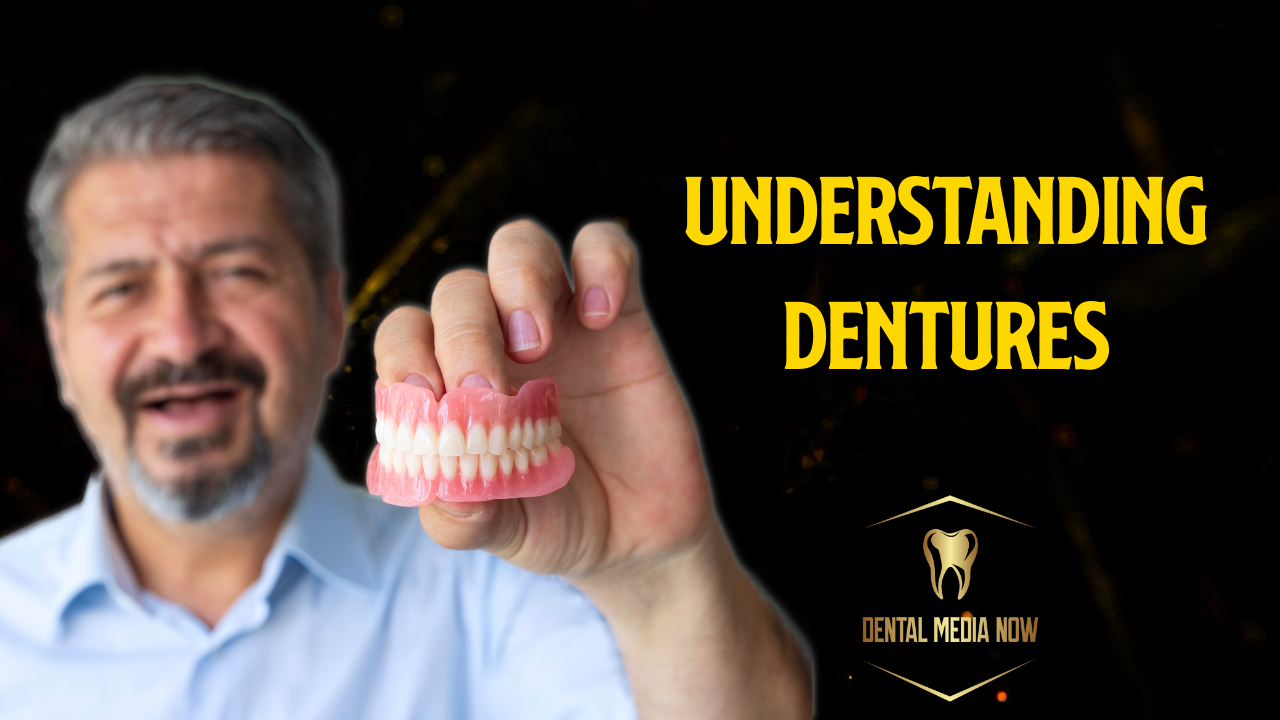
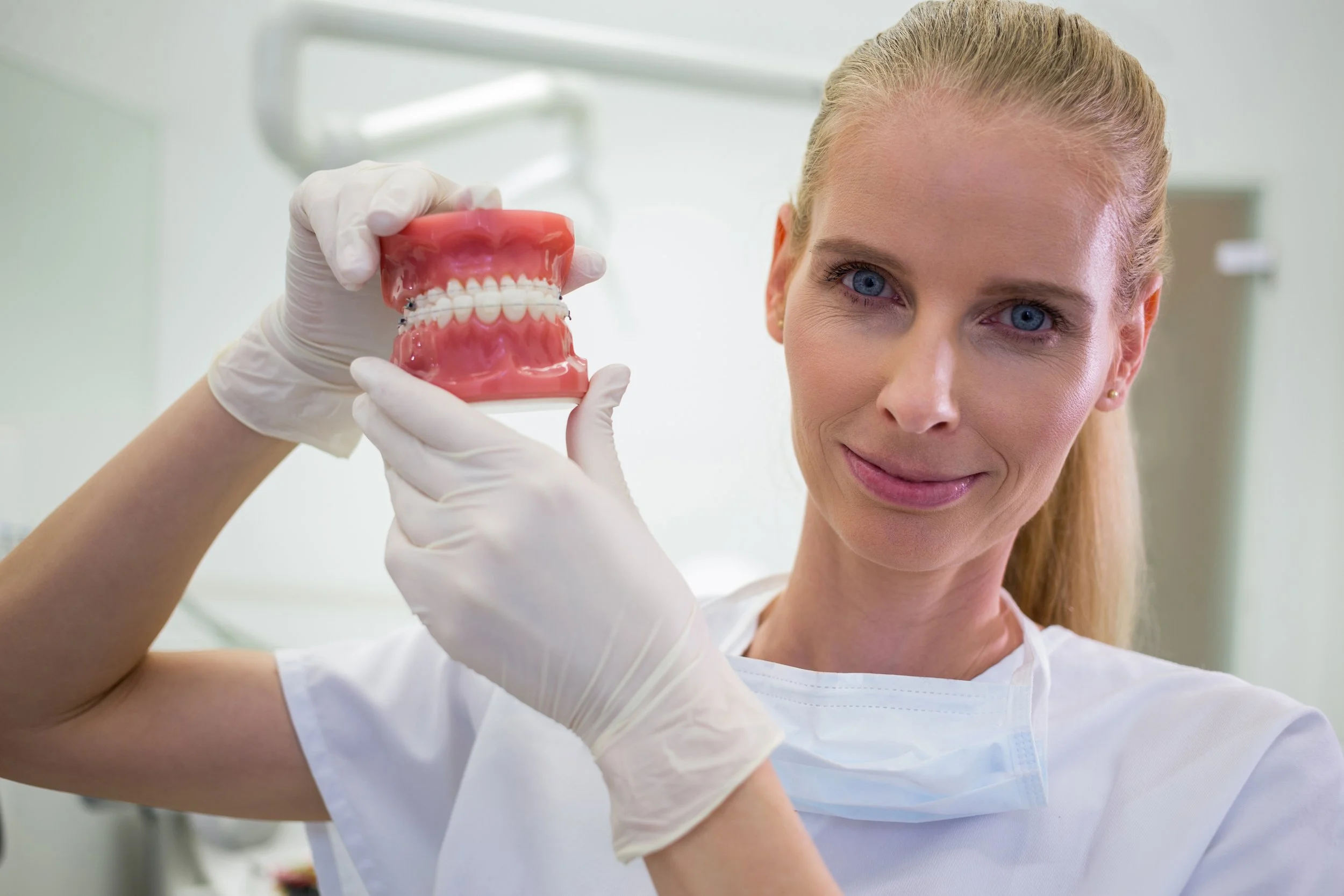
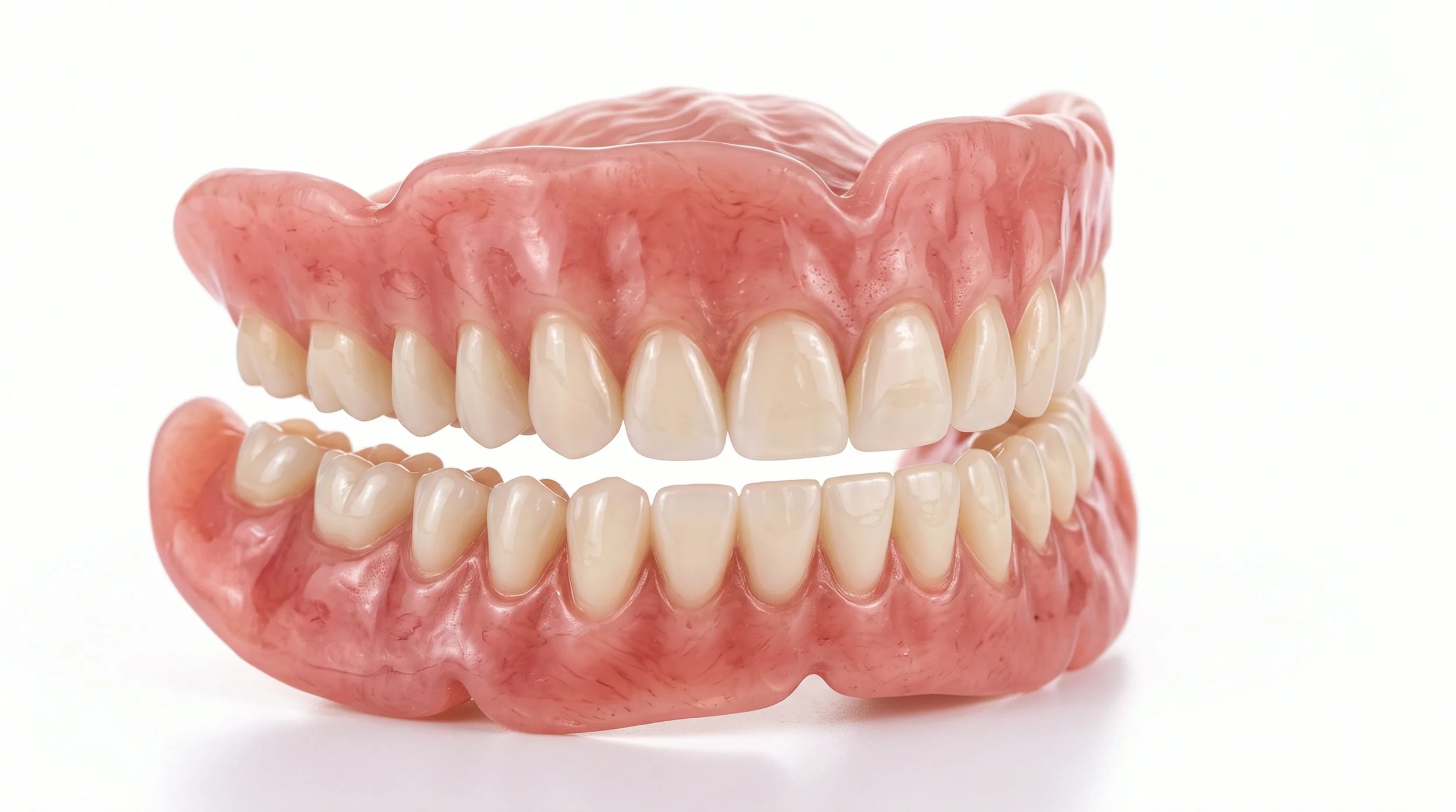
Dentures are removable prosthetic appliances that replace missing teeth and some surrounding gum tissue, typically made of acrylic with artificial teeth. They can be designed to replace all teeth in one jaw (full dentures or complete dentures) or only several missing teeth (partial dentures). Conventional dentures rest on gums and underlying bone-not on individual tooth roots-and are taken out each day for cleaning. Modern dentures can be made to look natural and restore everyday oral function, though they do not feel exactly like natural teeth.
What Are Dental Implants?
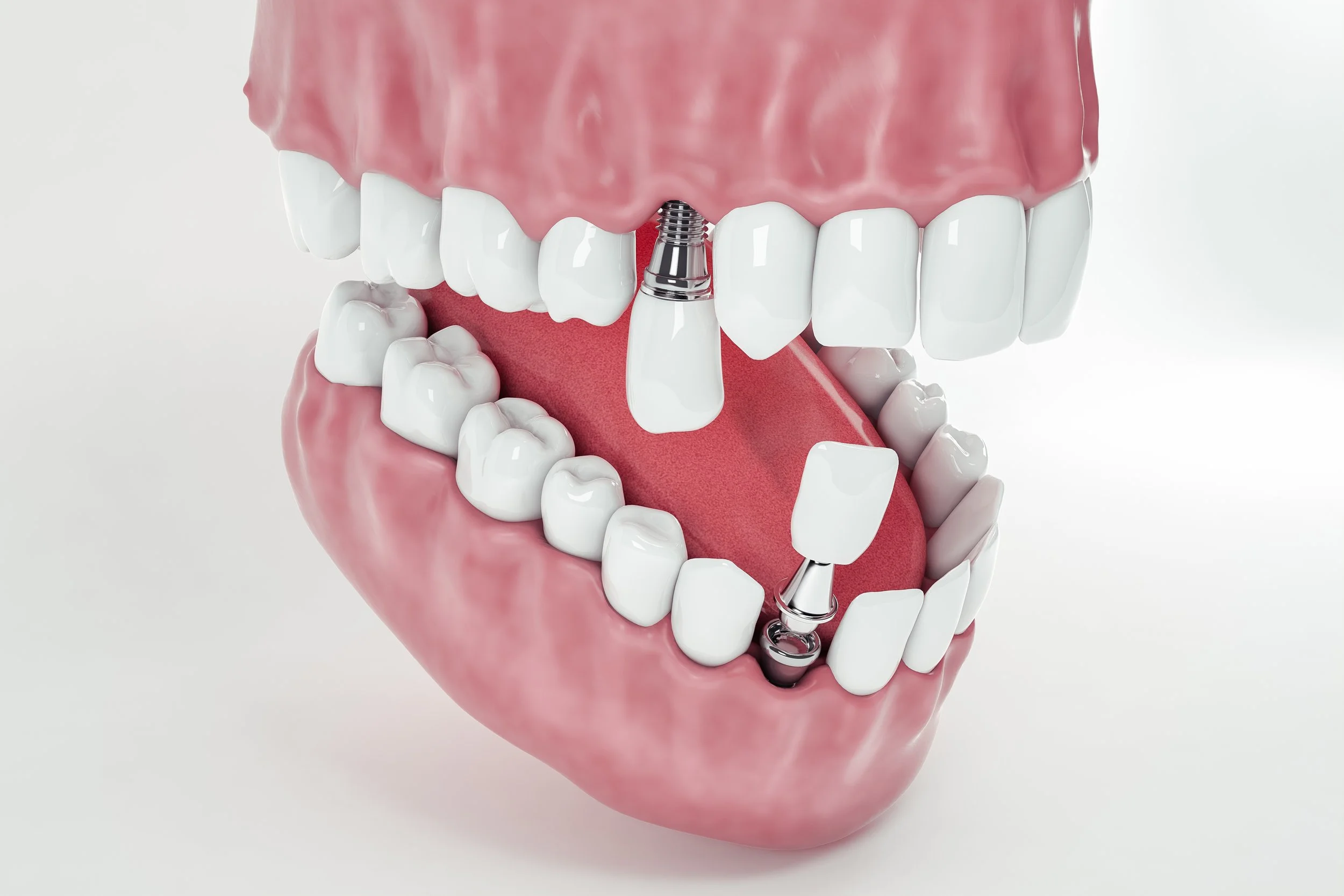
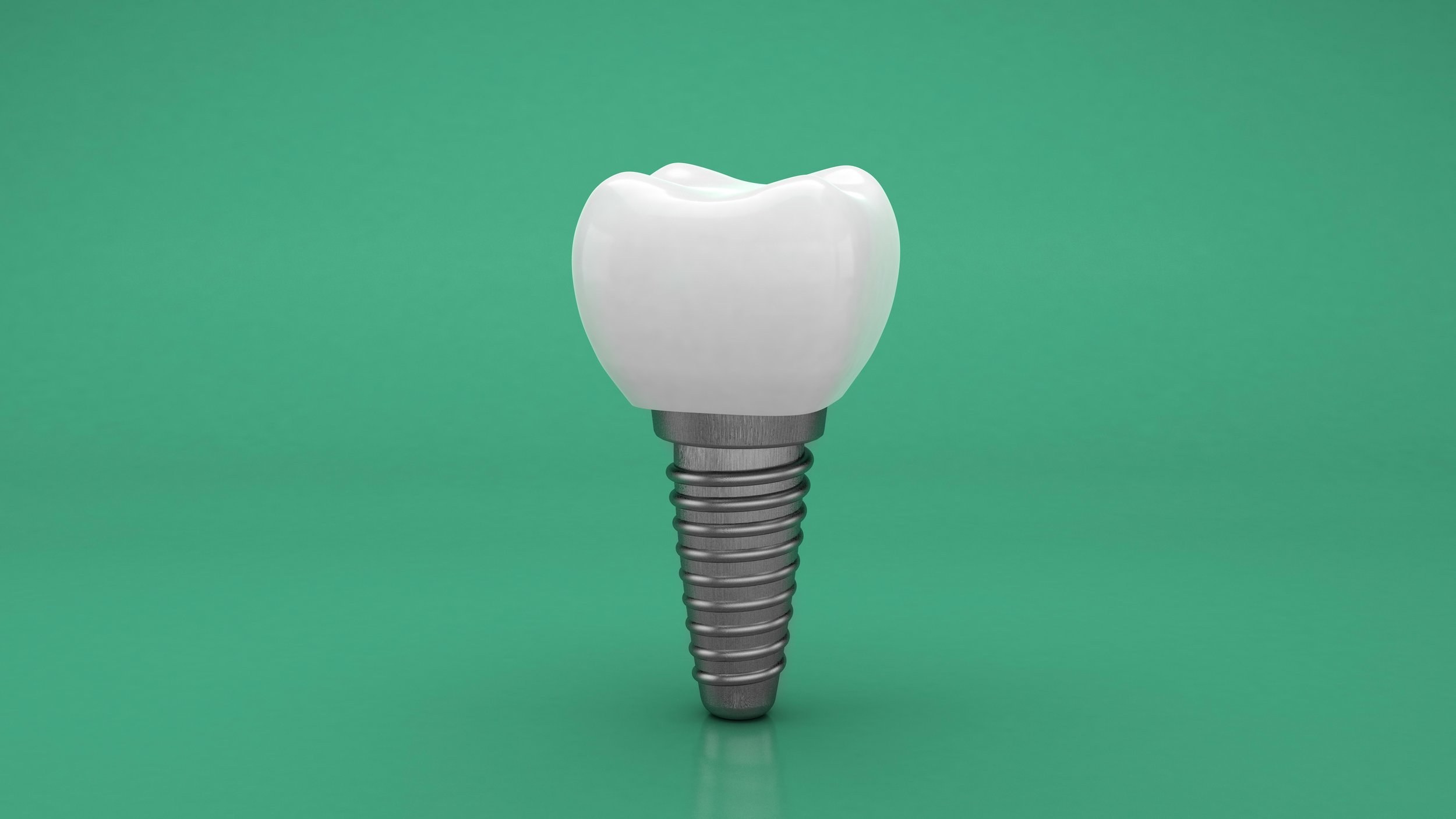
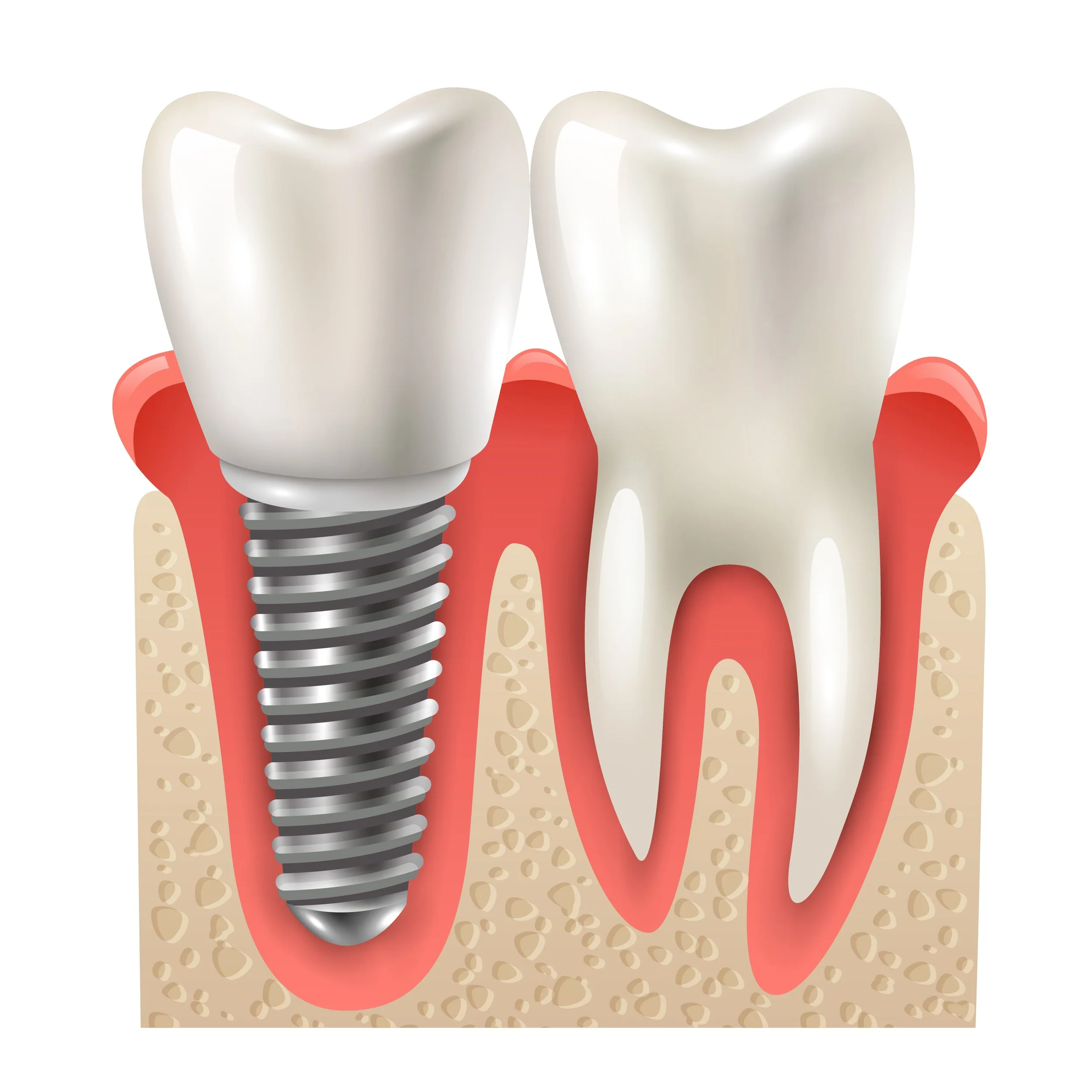
A dental implant is a small post, often titanium, placed into the jawbone where a tooth root used to be. It acts as a foundation for replacement teeth. The implant itself is not the visible tooth but the root-like support; a separate restoration-a crown, fixed bridge, or implant denture-attaches to it. Common implant restorations include a single implant crown to replace one missing tooth, an implant supported bridge for several teeth, and implant supported dentures for a full arch. Through osseointegration, bone gradually forms a stable connection with the implant surface, allowing it to support chewing forces.
Dentures and Implants Are Not Always Either-Or
Many people assume they must choose between full dentures and a mouth full of individual implants, but modern treatment often combines them. Implant supported dentures and implant retained dentures clip or screw onto several implant posts for added stability while replacing a full arch of teeth. Some are removable by the patient; others (fixed full-arch restorations) are only removed by the dentist. This hybrid category can be a more cost effective way to gain implant stability for many missing teeth without placing an implant under every tooth.
How Dentures Work
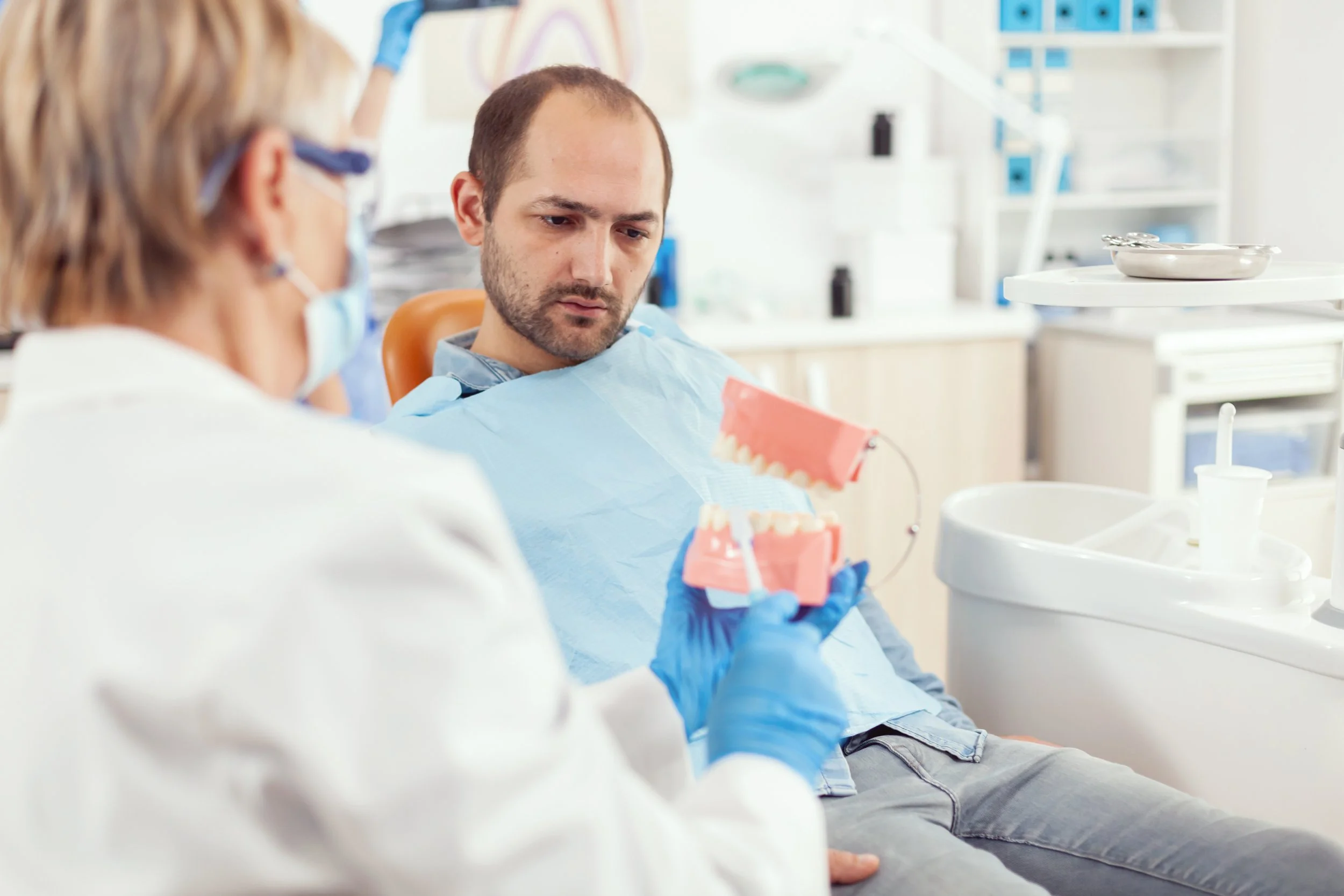
Understanding how dentures stay in place and function helps set realistic expectations about comfort, chewing, and maintenance. Dentures replace multiple missing teeth at once using one appliance, relying on gum tissues, saliva, and facial muscles for support and stability. The process involves impressions, try-ins, and adjustments to achieve a comfortable fit, especially in the first several weeks.
Complete Dentures
Complete dentures replace all teeth in the upper jaw, lower jaw, or both. Upper full dentures typically cover the palate and often feel more stable because they create a seal with saliva and palate anatomy. Lower complete dentures sit on a smaller ridge and share space with the tongue, so fit and muscle control matter more. Complete dentures are custom made from impressions and bite records so the teeth are positioned for chewing, speaking, and a natural-looking complete smile.
Partial Dentures
Partial dentures are removable appliances that replace some missing teeth while natural teeth remain. A partial denture usually has a gum-colored base and artificial teeth that attach around existing teeth using small clasps or connectors for retention. Partial dentures help keep remaining teeth from drifting into empty spaces and can be an option when multiple teeth are missing but not the entire arch. They must be designed so remaining natural teeth can tolerate the forces placed on them and still be kept clean to support long term oral health.
How Dentures Stay in Place
A removable denture relies on several factors for retention: the fit against the gums, the shape of the jawbone and palate, a thin film of saliva between the denture and tissues, and the way cheeks, lips, and tongue work during function. Upper and lower dentures behave differently-upper dentures often feel more secure, while lower dentures may move more because of limited surface area and tongue movement. Adhesives can sometimes help with minor movement or confidence but should not compensate for a very poor fit; ongoing adjustments may be needed.
Getting Used to Dentures
Most people need an adjustment period of days to weeks to get comfortable speaking, chewing, and inserting or removing new dentures. Common early experiences include increased saliva, mild sore spots, and difficulty with certain words. Practicing reading aloud and chewing smaller bites on both sides can speed adaptation. Dentists expect to make follow-up adjustments, and persistent sore spots should be evaluated rather than tolerated indefinitely.
How Dental Implants Work
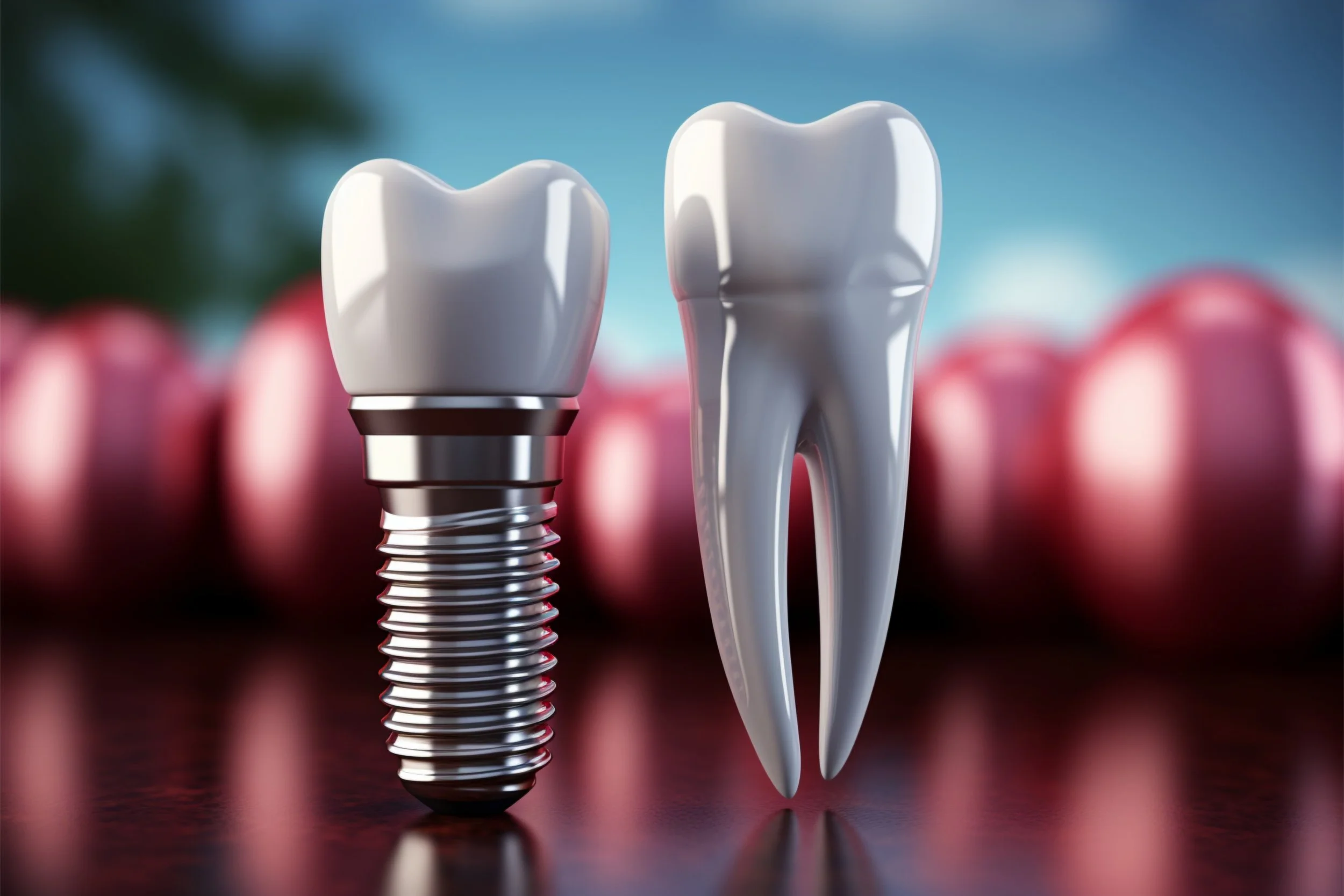
Dental implants provide support from within the jawbone, more closely mimicking the function of natural tooth roots. Treatment usually occurs in stages: planning, implant placement, healing, then attaching the final restoration.
The Dental Implant
The implant fixture is a small, biocompatible post placed into the jawbone. Dental implants are surgically placed into the jawbone where a tooth root once was. After placement, bone cells gradually grow against the implant surface, forming a stable connection-osseointegration-that allows the implant to withstand normal biting forces. The number and position of implants varies depending on whether they support a single crown, a fixed bridge, or a full arch prosthesis.
The Abutment
An abutment is the connector piece that attaches to a healed implant and supports the visible restoration above the gum line. In many treatments, it is placed after integration, though some designs use a healing abutment from the start. Its shape differs depending on whether it supports a single artificial tooth, a bridge, or a full arch restoration.
The Dental Restoration
The dental restoration is the visible part that looks and functions like teeth: a crown for one tooth, a fixed bridge for several, or a prosthesis that replaces an entire arch. In implant supported dentures, several implants share the load of many replacement teeth, which is why this approach can be cost effective compared to one implant per tooth. Materials and design affect appearance and maintenance, but both dentures and implant restorations can be crafted to look natural.
Healing and Integration
Dental implants require a healing period for osseointegration after surgery. Timelines vary-often several months, sometimes shorter-depending on bone quality, health, and the treatment plan. Temporary teeth or a removable denture may be used during healing so patients are not left without visible teeth. Follow-up visits are necessary to monitor healing and eventually place the final restoration.
Dentures vs. Dental Implants: Key Differences
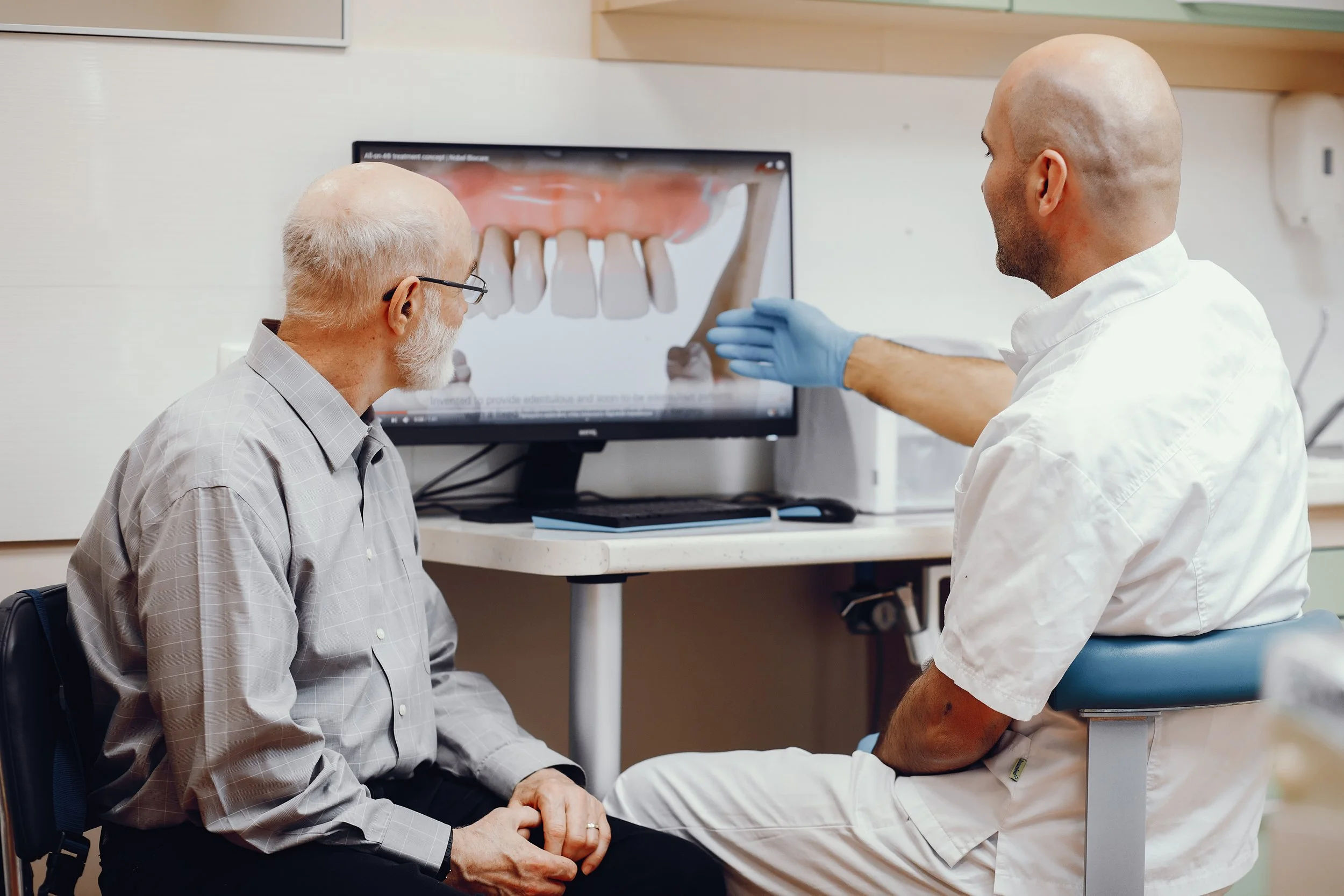
The following subtopics summarize the key differences many patients consider when comparing dentures or implants in everyday life.
Removable vs. Fixed Tooth Replacement
Conventional complete and partial dentures are fully removable. Many implant supported restorations-single crowns, fixed bridges, some full arch prostheses-stay in the mouth and are not removed by the patient. Some implant supported dentures are still removable (they snap on and off implants), offering a hybrid between fixed stability and removable design. This difference connects directly to lifestyle preferences.
Support and Stability
Conventional dentures are supported by gums and underlying bone; partial dentures may also use remaining teeth for retention. Dental implants integrate with the jawbone through osseointegration, often resulting in more stable anchorage. Stability with either option depends on fit, anatomy, and design-some well-made dentures can be quite stable, while lower dentures can sometimes lift during talking or chewing.
Chewing and Function
Well-fitting dentures can restore useful chewing ability, but dentures typically restore only about 20% to 30% of natural chewing efficiency. Implant supported teeth often allow more confident biting and chewing because they are anchored to bone, though they remain prosthetic. How easily a person eats depends on the number of teeth replaced, jaw relationships, muscle control, and adaptation.
Appearance
Both high-quality dentures and implant supported restorations can be designed to provide a natural-looking smile, matching tooth size, shape, and color to the individual's face. Appearance depends on careful planning of tooth position and gum contours-not just the choice between dentures or implants. Implants themselves are hidden in bone; what people see is the crown or denture attached to them.
Treatment Process
Conventional denture treatment usually involves non-surgical steps-examinations, impressions, bite records, try-ins, and adjustments. Dentures can be fabricated and fitted relatively quickly after tooth loss. Dental implant treatment includes a surgical procedure to place implants, followed by a healing period and then fabrication of final restorations. Overall treatment time for implants can be longer because of healing and integration.
Daily Maintenance
Dentures must be removed, brushed, and usually soaked daily, and the gums, tongue, and remaining teeth need cleaning. Implant supported restorations are brushed and cleaned in the mouth, with special attention to flossing or cleaning between and under prosthetic parts. Neither option is maintenance-free; both require daily hygiene and regular dental checkups.
Benefits of Dentures
Dentures remain a widely used, valid treatment for replacing missing teeth-not simply a "second choice" for people who cannot get implants. They address many patterns of tooth loss without surgery and can be adapted over time.
Replacing Multiple or All Missing Teeth
One set of complete dentures can replace all teeth in an arch, restoring appearance and basic function with a single prosthesis. Partial dentures can replace several missing teeth spread across the arch without requiring a separate restoration for each gap.
No Implant Surgery Required
Conventional dentures do not require implant surgery, which may appeal to people who wish to avoid a surgical procedure or who have health conditions making surgery more complicated. Other dental work may still be needed, but denture fabrication itself is primarily non-surgical, which can shorten treatment time.
Removable Design
Some people appreciate being able to remove their dentures for cleaning, rest, and nighttime comfort. A removable design also allows the dentist to adjust, reline, or repair the denture outside the mouth when needed.
Adaptability
Dentures can be modified as oral conditions change-for example, adding teeth to a partial denture if more teeth are lost, or relining a denture if the ridge shape changes. This adaptability is useful when long term oral health needs are evolving.
An Option When Implants Are Not Appropriate
Some individuals may not be suitable for dental implants at a given time due to bone quantity, certain health conditions, medications, or preference to avoid surgery. In such cases, dentures still provide a functional and esthetic replacement. Circumstances can change, and dentures may be used first with implants considered later.
Limitations of Dentures
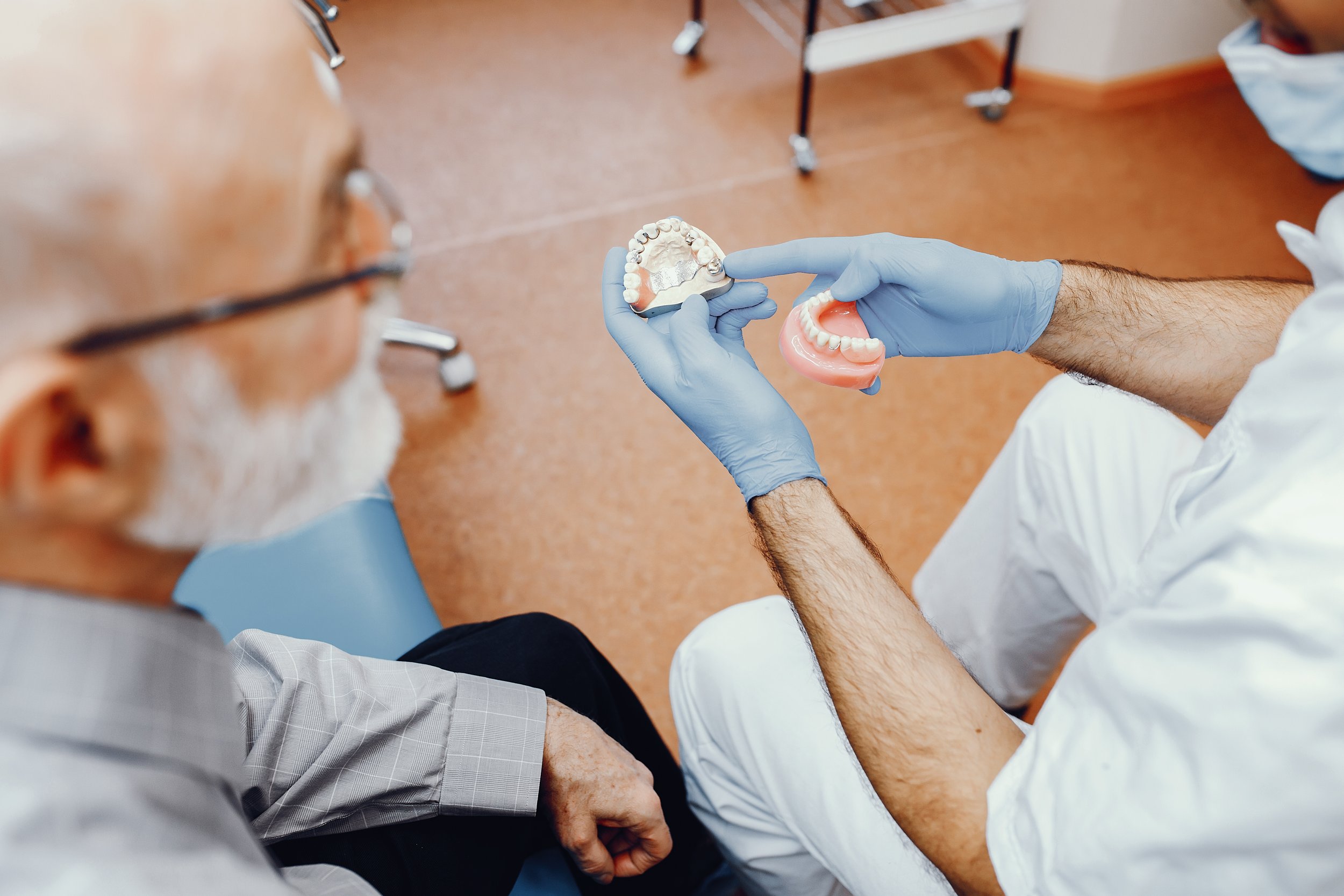
While dentures help many patients, they have potential limitations worth understanding. Not everyone experiences all of these challenges.
Movement and Stability
Because dentures rest on soft tissues, they can shift or loosen during chewing, speaking, or laughing-especially the lower denture. Dentures can shift or slip while speaking or eating, though proper fit and periodic adjustments improve stability. Traditional dentures can shift while eating or speaking, and implant supported dentures are often considered when persistent looseness affects confidence.
Adjustment Period
Learning to speak and chew with a new denture takes time. The bulk of the appliance or coverage of the palate may feel unfamiliar. Minor sore spots and difficulty with certain words are often temporary and improve with professional adjustments.
Changes in Fit Over Time
After tooth loss, the jawbone and gums gradually remodel, changing shape over months and years. Dentures require regular adjustments, relining, and replacement every 5 to 10 years due to wear and tissue changes. This is a normal biological process, not a sign of failure.
Sore Areas and Irritation
Areas of rubbing or pressure can lead to sore spots or gum irritation. Ongoing pain should not be accepted as normal-it signals the need for adjustment. Poor hygiene or wearing dentures 24 hours a day can also irritate surrounding tissues.
Food and Chewing Considerations
Some denture wearers find very hard, tough, or sticky foods more challenging. Practical strategies include cutting food into smaller pieces, chewing slowly, and using both sides of the mouth to stabilize the denture.
Benefits of Dental Implants
Implants are a well-established option often valued for their stability and the way they support chewing and appearance.
Stability
Because implants are anchored in bone, many people feel their implant supported teeth are more secure, increasing confidence when speaking, laughing, or eating. Stability still depends on design, number of implants, and oral conditions.
Fixed Tooth Replacement Options
Implants can support single crowns, fixed bridges, or full arch prostheses that stay in the mouth. Many patients appreciate not having to remove teeth at night, and fixed options can feel closer to natural teeth. Fixed implant restorations still require cleaning and periodic professional maintenance.
Replacing One, Several, or Many Teeth
Implants offer flexibility: replace a single missing tooth with one implant crown, use a fixed bridge for multiple teeth, or anchor full arch implant supported dentures with four to six implants. This range of more options helps tailor treatment to different patterns of tooth loss.
Avoiding Support From Neighboring Teeth in Some Cases
A single implant can often replace one missing tooth without needing to crown or reshape adjacent natural teeth, as would be needed with a traditional fixed bridge. Preserving natural tooth structure can benefit long term oral health. There are still situations where a tooth-supported bridge may be appropriate.
Bone Loading
When dental implants integrate and are used for chewing, they transfer functional forces to the surrounding bone. Dental implants help preserve bone density and prevent facial sagging associated with tooth loss. Dental implants help maintain jawbone structure over time, though they do not completely eliminate all age-related bone remodeling.
Limitations and Considerations of Dental Implants

Implants involve surgery, healing, planning, and ongoing care. Understanding these factors helps set realistic expectations.
Surgery
Placing implants is a surgical procedure performed under local anesthesia, involving work with bone and gums. Surgery carries typical medical considerations such as healing, post-operative discomfort, and follow-up visits.
Treatment Time
Achieving a stable implant often requires several months from placement to final restoration. Temporary teeth may be attached sooner in some cases, but long term success depends on careful healing management.
Bone Requirements
Dental implants require sufficient jawbone density or may necessitate bone grafting. If bone structure is thin or has resorbed after long-standing tooth loss, additional planning is needed. Limited bone does not automatically rule out implants but may require different approaches.
Health and Healing Factors
General health, medications, smoking, and certain conditions can influence healing and outcomes. Individuals with certain medical conditions may not be suitable for dental implants without careful coordination between the dentist and physicians.
Implant Complications
While many implants function well for years, complications can occur: failure to integrate, inflammation around implants (peri-implantitis), or mechanical issues with restorations. Regular follow-up and good home care reduce risks, and early attention to problems often improves outcomes.
Ongoing Maintenance
Implants require daily brushing, interdental cleaning, regular professional cleanings, and periodic evaluation. Components like screws, attachments, or prosthetic teeth may need tightening, repair, or replacement-implants are long term investments requiring proper care.
Dentures vs. Implants for Chewing and Speaking
Both dentures and dental implants can significantly improve oral function compared with having many missing teeth, but the experience can feel different.
Chewing With Dentures
Well-fitted dentures allow people to enjoy a wide variety of foods, though tougher items may need to be cut smaller. Distributing food on both sides and avoiding biting directly with front denture teeth can minimize rocking. Research confirms that conventional dentures restore significantly less chewing efficiency than natural teeth or implant supported options.
Chewing With Implant-Supported Teeth
Implant supported crowns, bridges, and dentures are often more stable during chewing because they are anchored to bone. A meta-analysis of 441 patients found that implant overdentures produced major improvements in oral health quality-of-life scores compared to conventional dentures. Careful design and regular monitoring remain key for long term function.
Speaking With Dentures or Implants
Any change in tooth position, tongue space, or palate coverage can temporarily affect speech. Certain sounds may take practice at first; reading aloud can speed adaptation. Once adapted, many people speak comfortably with either option, but persistent difficulties should prompt a visit to the dentist.
Dentures vs. Implants and Jawbone Changes

Tooth loss affects not only the visible smile but also the underlying bone, which can change shape over time.
What Happens to Bone After Tooth Loss?
When a natural tooth is lost, the bone that supported its root no longer receives the same stimulation from chewing. The body naturally remodels this area, often decreasing bone height and width-especially during the first few years after tooth loss. This is normal biology, not a disease, but it can change jaw shape and denture fit.
Conventional Dentures and Bone
Conventional dentures rest on gums and bone but do not replace tooth roots within the jaw. Dentures do not prevent natural bone loss after tooth loss. Ongoing bone remodeling under a denture gradually alters fit, leading to looseness and the eventual need for relines or replacement.
Dental Implants and Bone
When implants integrate and transmit chewing forces to the jaw, they help the surrounding bone maintain its volume. Dental implants help maintain jawbone structure over time, though implants preserve bone only where they are placed-areas without roots or implants can still remodel.
Implant-Supported Dentures: Combining Both Options
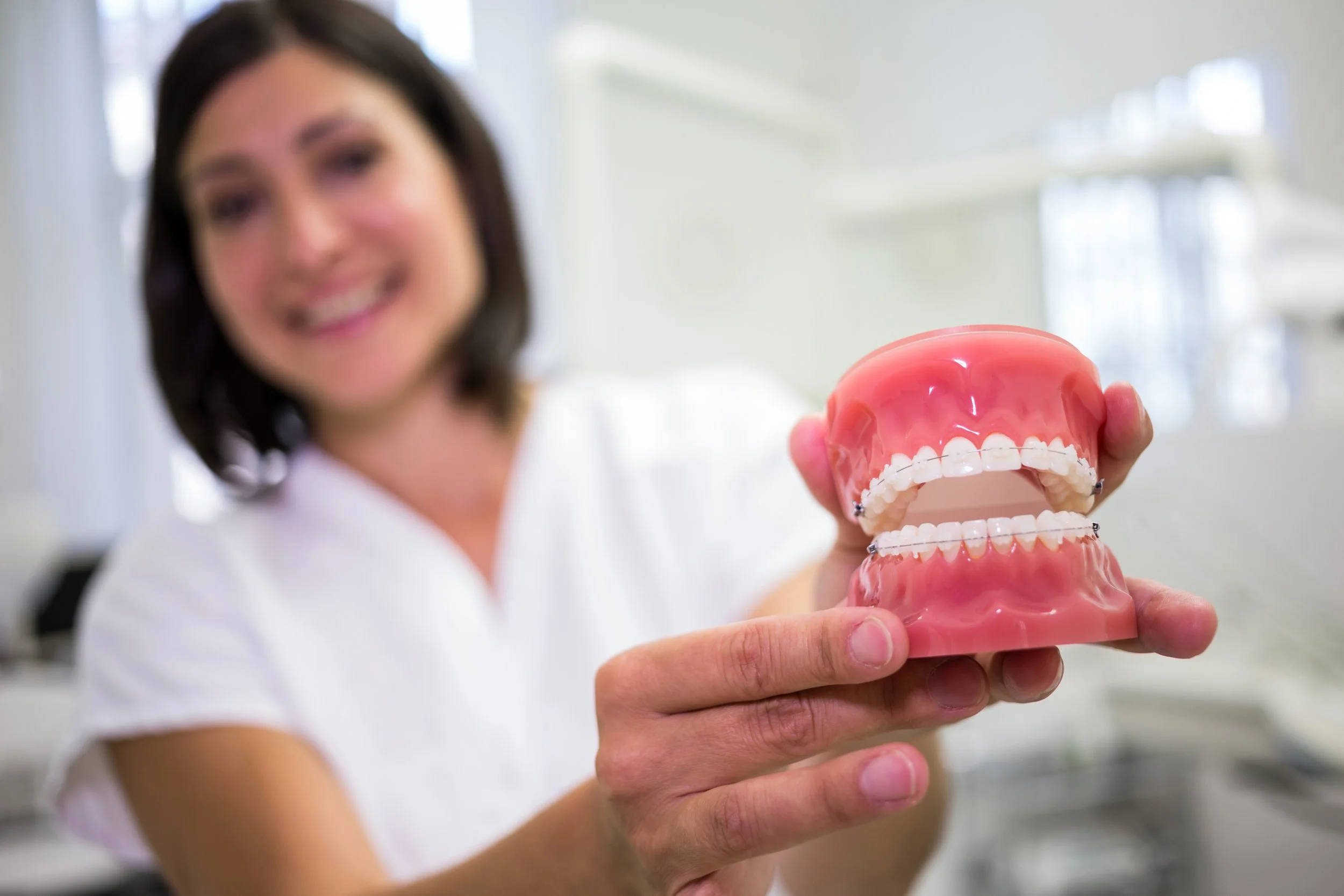
For people weighing conventional dentures against a full set of individual implants, implant supported dentures offer a middle path. These restorations use several implants per arch to support or retain a denture-like prosthesis, improving stability while replacing many teeth at once.
What Are Implant-Supported Dentures?
An implant supported denture is a full arch prosthesis that connects to multiple dental implants for greater support than a tissue-supported removable denture. Fewer implants are needed than one per tooth because multiple replacement teeth share each implant's support. This approach is often used for patients with full arch tooth loss who want more stability.
Removable Implant-Retained Dentures
Removable implant-retained dentures-sometimes called overdentures-clip onto attachments connected to implants but can still be removed for cleaning. They typically provide more retention and stability than conventional dentures, particularly on the lower jaw. Attachments may wear over time and require periodic replacement.
Fixed Full-Arch Implant Restorations
Some full arch restorations are secured to implants with screws and are not removed by the patient for daily cleaning. The dentist can remove them periodically for maintenance. Designs and the number of implants used vary; the Cleveland Clinic notes the denture portion typically needs replacement every 15–20 years, while implants may last longer.
Potential Advantages
Implant-supported dentures provide more stability than traditional dentures. Implant-supported dentures offer more stability than traditional dentures, leading to easier chewing and greater confidence for many patients. By using a limited number of implants, this approach can be more affordable per tooth replaced than individual implant crowns.
Maintenance Still Matters
Implant supported dentures require regular cleaning of the denture, the implant attachments, and the surrounding gums. Small parts like clips or attachment housings need periodic replacement. Routine dental visits are essential to check implant health and overall oral health.
Cleaning and Maintaining Dentures
Good hygiene protects both the appliance and oral tissues.
Daily Denture Cleaning
Remove dentures at least once daily, brush with a non-abrasive denture brush and mild cleanser, then rinse thoroughly. Avoid regular toothpaste, bleach, or hot water, which can be abrasive or distort the material. Dentures require removal for nightly cleaning and soaking. Handle them carefully over a soft surface to avoid breakage.
Cleaning the Mouth
Even with full dentures, gums, tongue, palate, and any remaining teeth should be cleaned daily. Gently brushing gums and tongue with a soft toothbrush reduces bacterial buildup and supports oral health.
Caring for Partial Dentures
Clean partial dentures daily, paying attention to clasps where plaque accumulates. Natural teeth supporting the partial denture carry extra forces and must remain healthy for the partial to function. Remove partial dentures at night to allow tissues to rest.
Denture Storage
Store dentures in water or a denture-soaking solution when not worn to prevent drying and warping. Keep them out of reach of children and pets. Rinse thoroughly before placing back in the mouth.
Cleaning and Maintaining Dental Implants
While implants cannot get cavities, the surrounding gums and bone can develop plaque-related problems without effective cleaning.
Brushing Around Implants
Brush implant supported teeth at least twice daily with a soft-bristled toothbrush, focusing on the gumline. Electric or manual brushes both work when used consistently. Report persistent redness, swelling, or bleeding to your dental team.
Interdental Cleaning
Clean between implant-supported teeth using floss, interdental brushes, or water flossers depending on the restoration design. Have a hygienist demonstrate the best method for your specific restoration.
Cleaning Beneath Implant Bridges or Full-Arch Restorations
Fixed implant bridges often have spaces underneath where food and plaque collect. Threader floss, interdental brushes, or water flossers can reach these areas. Daily cleaning under bridges is essential to keep gums healthy.
Implants Cannot Get Cavities, but Tissues Can Develop Problems
Implant materials do not decay like natural tooth enamel. However, plaque buildup can inflame the gums and bone around implants, threatening stability. Thorough daily cleaning and regular professional care protect the surrounding tissues that support implants.
How Long Do Dentures and Dental Implants Last?
Longevity depends on oral hygiene, bite forces, materials, anatomy, habits, and regular professional care.
Denture Lifespan
Dentures often serve well for several years. According to a CADTH systematic review, complete dentures average about 10 years of survival, with mandibular dentures averaging roughly 8.6 years and maxillary dentures about 10.3 years. Adjustments, relines, or repairs are common, and eventual replacement is typically needed as materials wear and tissues change.
Dental Implant Longevity
Once successfully integrated, implants can last decades or even a lifetime with proper care. Research shows single-tooth implant crowns achieve approximately 95–96% survival at five years. Implants are not guaranteed to last forever, and some may require intervention over time.
Implant Restorations May Need Maintenance or Replacement
The restoration on an implant-crown, bridge, or denture-experiences wear from chewing and may need maintenance even if the implant fixture remains stable. Common issues include chipped porcelain, worn prosthetic teeth, or loosened screws. Planning for the long term means considering both the implant and the restorations it supports.
Factors That Affect Longevity
Key factors influencing both dentures and implants include:
Daily oral hygiene quality
Tobacco use
Clenching or grinding (bruxism)
Overall health and medications
Restoration design and fit
Regular professional maintenance
Individual anatomy and lifestyle
Dentures vs. Dental Implants for Older Adults
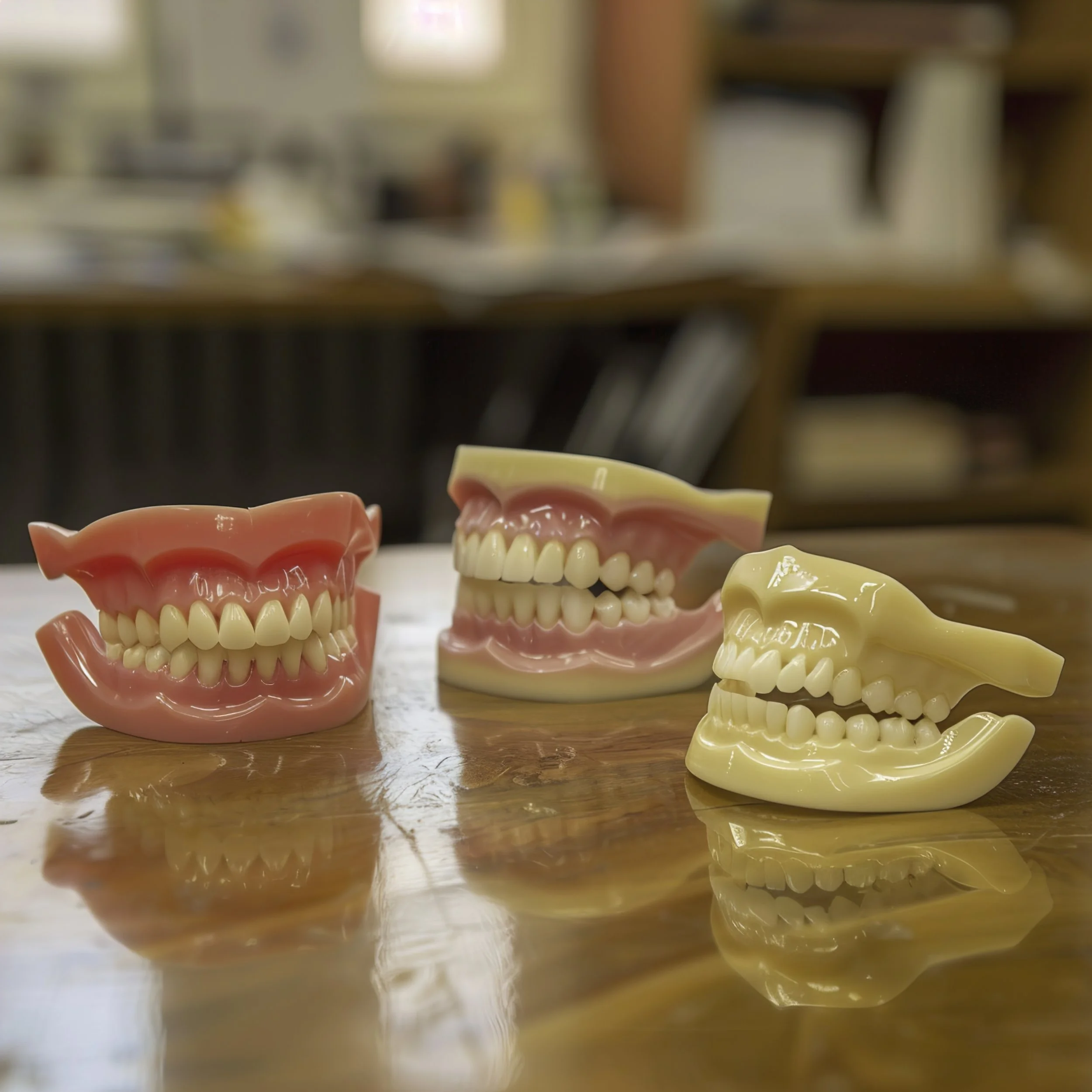
Many people considering dentures vs implants are older adults, but age alone does not determine which option is appropriate. Decisions focus on health, bone conditions, dexterity, and personal goals.
Is There an Age Limit for Dental Implants?
There is no fixed upper age limit for dental implants. Candidacy is determined more by overall health, healing capacity, bone density, and personal priorities than by chronological age. As the American Dental Association emphasizes, individualized assessment matters most.
General Health and Medical Considerations
Conditions such as diabetes, heart disease, or osteoporosis, and medications like blood thinners, may influence implant planning. Thorough evaluation and communication with physicians help determine whether implant surgery is appropriate.
Dexterity and Daily Maintenance
Being able to clean and manage the chosen restoration matters. Adaptive tools-electric brushes, floss holders, water flossers-can assist people with limited hand strength. Involving caregivers when appropriate helps ensure daily maintenance remains realistic.
Dry Mouth
Many older adults experience dry mouth from medications, which can affect denture comfort and increase cavity risk in remaining natural teeth. Saliva helps dentures stay in place; less saliva can make a removable denture feel less stable. Managing dry mouth is important regardless of treatment choice.
Existing Bone and Oral Anatomy
Long-standing tooth loss can lead to significant bone loss in older adults, influencing implant planning and denture fit. Limited bone does not automatically rule out implants but may require different designs or preliminary procedures. Thorough imaging helps plan safe treatment.
Personal Priorities
Some older adults prioritize avoiding surgery, while others value the stability implants provide for eating and speaking. Sharing what matters most-removability, treatment time, ease of cleaning-helps shape the treatment plan. There is no single correct choice; the best approach aligns with the person's health, lifestyle, and goals.
Who May Prefer Dentures?
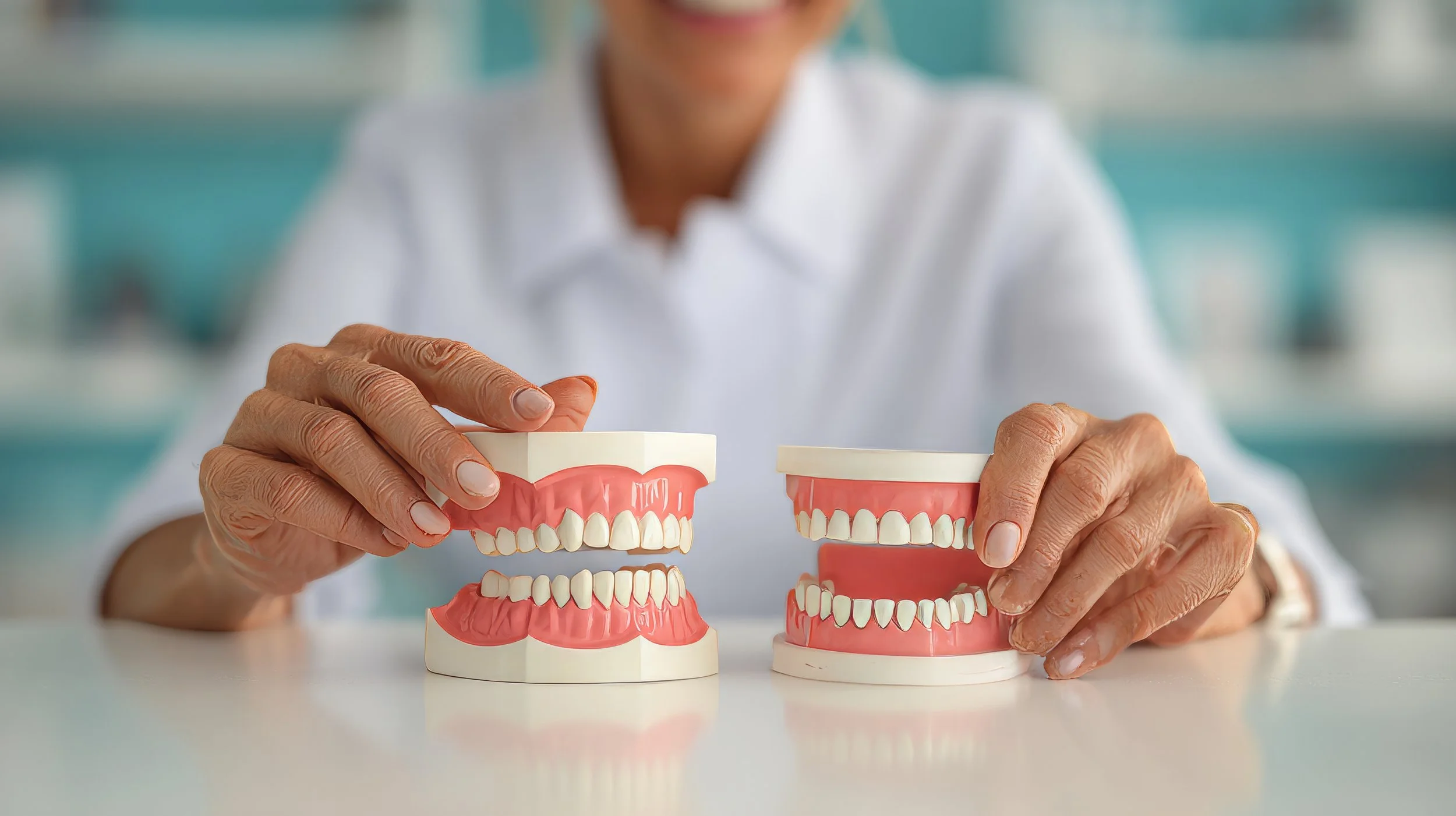
People may lean toward dentures when they prefer a removable option, wish to avoid implant surgery, have extensive tooth loss in an entire arch, have health factors that complicate surgery, or want a treatment that does not depend on bone integration. Ability and willingness to maintain removable appliances also plays a role. These are factors to weigh, not rigid rules.
Who May Consider Dental Implants?
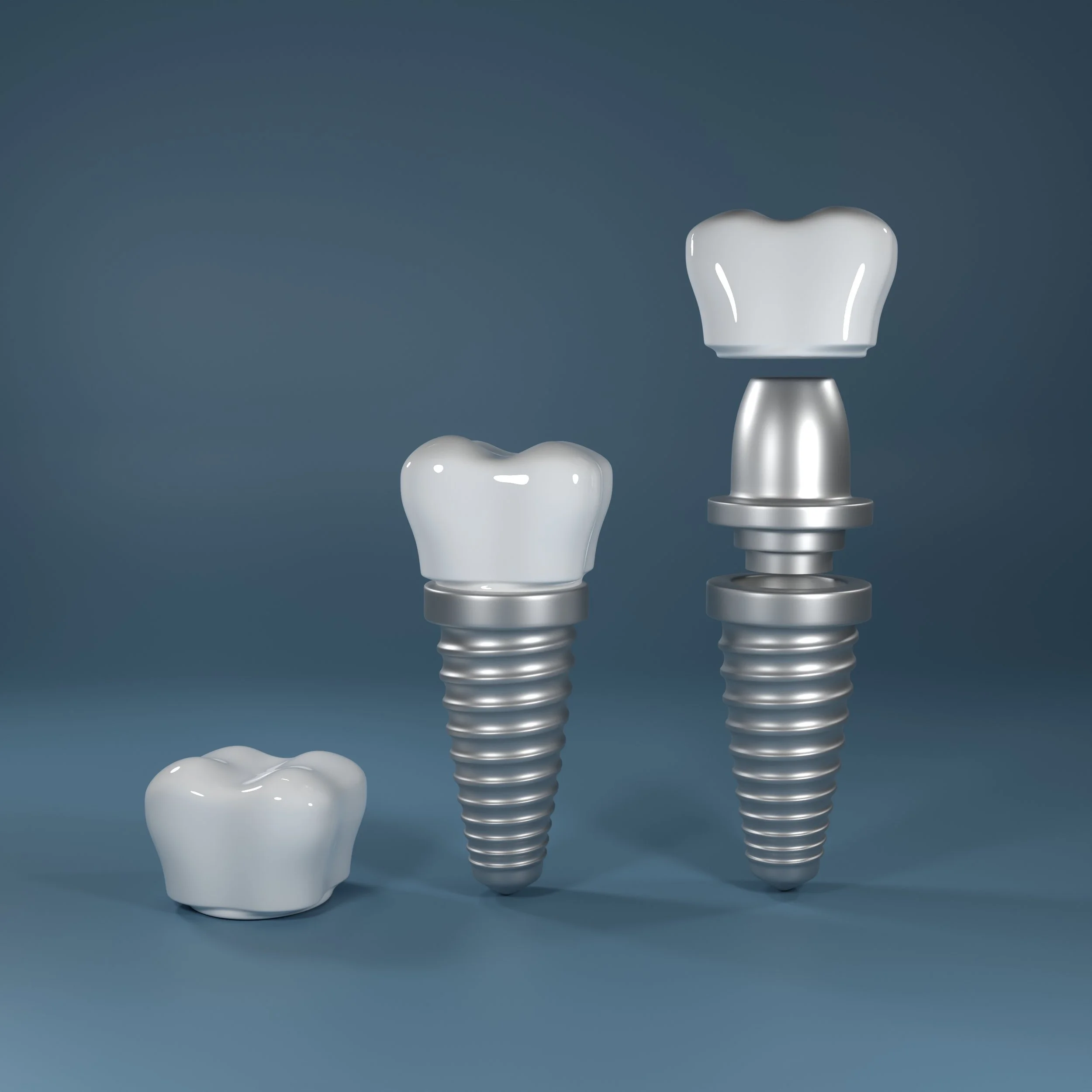
Implant supported treatment may appeal to those who desire greater stability, are interested in fixed tooth replacement, have appropriate bone and oral conditions, and are willing to undergo surgery and healing. The ability to maintain implant restorations long term is also important. Suitability requires individualized assessment-these points are a starting place for conversation with a dentist.
Questions to Consider When Comparing Dentures and Implants
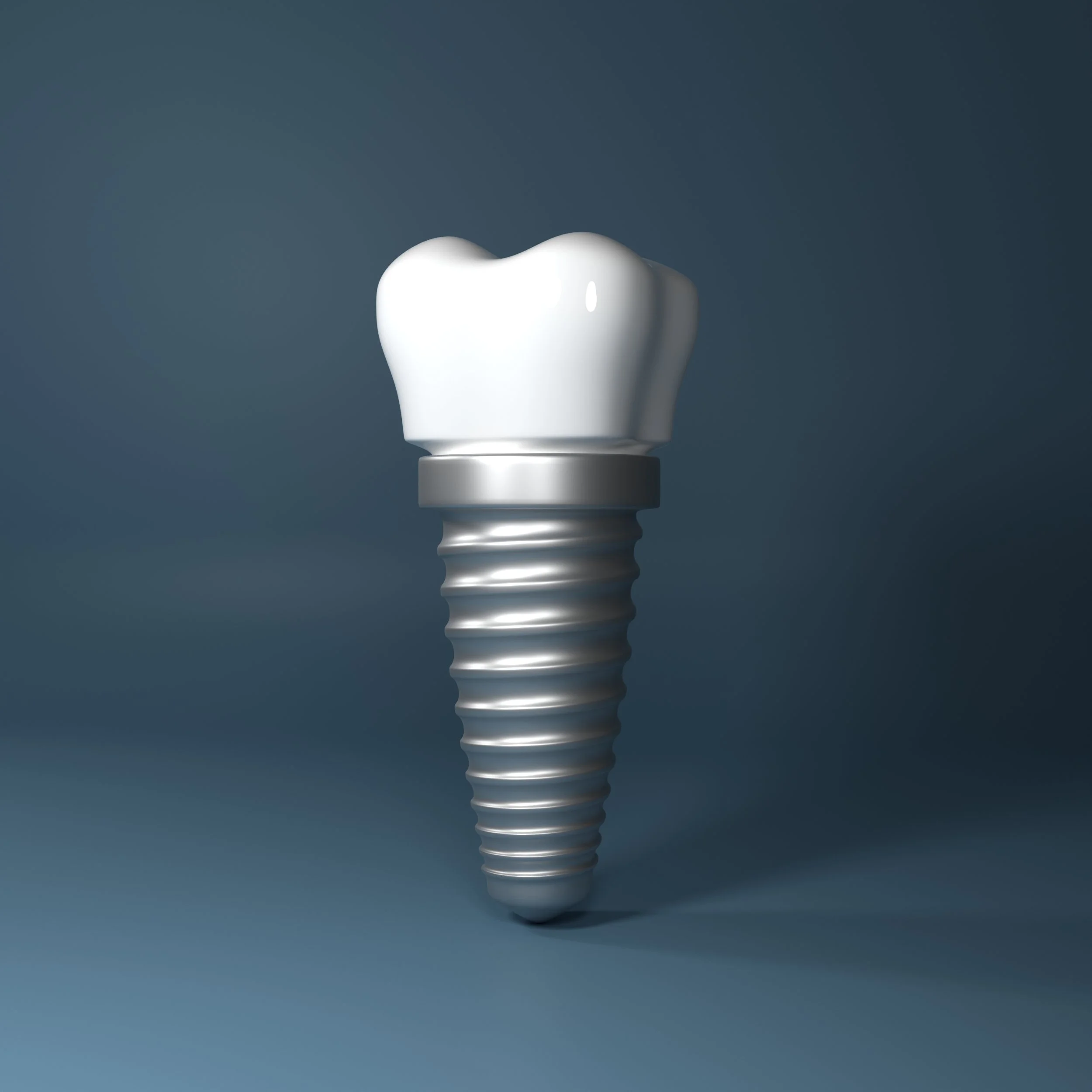
Thinking through these questions can clarify personal preferences and help your dental team suggest appropriate tooth replacement options.
How Many Teeth Are Missing?
A single missing tooth is often addressed with an implant crown or fixed bridge. Complete tooth loss may involve full dentures or full arch implant solutions. The scope of tooth loss strongly influences which approach makes sense.
Do You Prefer a Removable or Fixed Restoration?
Consider whether you are comfortable taking teeth out for cleaning or would rather have restorations surgically anchored in place. This preference affects whether conventional dentures, removable overdentures, or fixed implant bridges may be considered.
How Important Is Stability to You?
Reflect on how much movement you are willing to accept. Concerns about social confidence, eating certain foods, or past experiences with loose dentures can shape this priority.
Are You Comfortable With Surgery and Healing?
Choosing implants involves accepting a surgical phase and healing period. Conventional dentures avoid implant surgery but may require several factors to be managed over time as fit changes.
What Maintenance Can You Perform Consistently?
Think honestly about daily routines: removing and cleaning dentures, brushing and flossing around implants, and keeping regular appointments. The option that matches your maintenance ability offers the best long term solution.
What Is the Condition of the Remaining Teeth, Gums, and Bone?
Discuss with your dentist whether remaining teeth are strong enough to support partial dentures or bridges, or whether implants or full dentures may be advisable. Gum health and bone support influence which combinations are practical.
What Are Your Long-Term Priorities?
Look beyond the immediate replacement. Consider expected changes in health, mobility, or needs. Comfort, chewing ability, appearance, adaptability, and the desire to minimize future procedures are all legitimate factors in restoring a functional, confident smile.
Common Myths About Dentures and Dental Implants
"Dental Implants Are Always Better Than Dentures"
Neither option is universally better. Health, bone, personal preferences, and maintenance ability all affect which may be more appropriate.
"Dentures Always Look Artificial"
Well-designed dentures can look very natural. Appearance depends on materials, craftsmanship, and how well the denture matches facial features.
"Dental Implants Are Exactly Like Natural Teeth"
Implant supported teeth can feel secure and function well, but they remain prosthetic with different biology and maintenance needs. Implants lack the same ligament as natural teeth.
"Implants Never Need Maintenance"
Implants require daily cleaning and regular professional care. Components may need tightening, repair, or replacement. Neglecting hygiene can lead to inflammation and potential implant loss.
"Dentures Mean You No Longer Need Oral Hygiene"
Dentures must be cleaned daily. Gums, tongue, and any remaining natural teeth still need thorough cleaning to maintain oral health and prevent infections.
"Older Adults Are Too Old for Dental Implants"
Age alone is not the deciding factor. Many older adults successfully receive implants when health and oral conditions support it. An individualized evaluation should determine candidacy.
"Implants Completely Stop Jawbone Loss"
Implants can help maintain bone locally but do not halt all bone and facial changes. They are one tool for supporting long term oral structures, not a permanent solution for all bone remodeling.
"Once You Get Dentures, They Fit the Same Forever"
Changes in bone and soft tissue over time alter denture fit. Relines or new dentures may eventually be needed. Regular checkups help monitor fit and comfort.
Frequently Asked Questions
Are dental implants better than dentures?
Neither is universally better. Implants often provide more stability and bone support, while dentures may be preferable for those avoiding surgery, those with certain health or bone limitations, or those seeking an affordable, non-surgical path to replacing missing teeth.
What is the main difference between dentures and dental implants?
Dentures are removable appliances resting on gums, while dental implants are posts placed in the jawbone that support fixed or removable restorations. The fundamental difference is where support comes from-soft tissue versus bone.
Are dentures or implants more comfortable?
Many people find implant supported teeth more stable and comfortable over time. However, comfort depends on fit, design, anatomy, and personal preference. Well-fitting dentures can also provide a comfortable fit for many patients.
Can dental implants replace all of your teeth?
Yes. Multiple implants can support full arch restorations or implant supported dentures that replace all teeth in an arch without placing one implant per tooth.
Can dentures attach to dental implants?
Yes. Implant retained or implant supported dentures snap or screw onto implants for extra stability while still replacing many teeth at once.
Are implant-supported dentures removable?
Some are removable by the patient (snap-on overdentures), while fixed full-arch restorations are removed only by the dentist for maintenance.
Do dental implants help preserve jawbone?
Implants can help maintain bone in the area where they are placed by transmitting chewing forces, but they do not stop all bone changes throughout the jaws.
Can dentures cause bone loss?
Dentures do not directly cause bone loss, but they do not replace tooth roots, so normal bone remodeling after tooth loss continues under a denture.
How long do dentures last?
Dentures often work well for several years, but wear and changes in gums and bone usually mean adjustments, relines, or eventual replacement will be needed.
How long do dental implants last?
Many implants function for many years or decades with good care, but no specific timeframe can be guaranteed for every individual.
Do dental implants get cavities?
Implants and artificial teeth do not decay. However, surrounding gums and bone can develop plaque-related problems without proper cleaning.
Are dental implants harder to clean than dentures?
Implants are cleaned in the mouth like natural teeth, which some find easier. Dentures must be removed and brushed. Difficulty depends on the restoration design and the person's dexterity.
Can older adults get dental implants?
Many older adults successfully receive implants when overall health, bone conditions, and goals support treatment.
Is there an age limit for dental implants?
There is no strict upper age limit. Candidacy is evaluated individually based on health and healing capacity, not age alone.
What happens if there is not enough bone for implants?
Options may include different implant designs, bone grafting to improve bone structure, or choosing denture-based treatment. A dental evaluation with imaging is needed to determine what is feasible.
Which option is easier to maintain?
Dentures require removing and cleaning the appliance plus cleaning gums. Implants require brushing and interdental cleaning around fixed restorations. "Easier" depends on what feels more manageable for the individual.
How do you decide between dentures and implants?
The decision should be made with a dentist after assessing oral health, bone and gum conditions, overall health, treatment time, maintenance ability, and personal preferences for stability and removability.
Conclusion
Both dentures and dental implants are proven ways to replace missing teeth, and each restores appearance and function in different ways. Conventional dentures remain a valid, adaptable option-especially when surgery is not desired or appropriate-while implants and implant supported dentures offer bone-anchored stability for many people. Implant supported dentures and full arch restorations combine elements of both approaches, providing a spectrum of choices rather than a strict either-or decision.
The "right" tooth replacement option depends on your oral health, general health, anatomy, long term oral health goals, maintenance preferences, and personal priorities. A conversation with your dental professional-reviewing your bone conditions, remaining teeth, health history, and what matters most to you-is the most reliable way to find the approach that fits your life and helps you feel confident in your smile.