
Dry mouth is one of the most common oral health concerns among older adults, affecting roughly one in three people over age 60. Yet persistent dry mouth is not simply an inevitable consequence of getting older. When it does develop, it can raise the risk for tooth decay, root cavities, gum irritation, and denture discomfort, and it can interfere with everyday activities like speaking, eating, and swallowing.
Saliva does far more than keep the mouth wet. It helps protect teeth and gums by neutralizing acids, supporting remineralization, washing away food particles and dissolved sugars, and making chewing, swallowing, and speaking easier. When saliva production drops or the mouth feels persistently dry, those protective functions weaken. Common causes of dry mouth in older adults include medications, health conditions, problems with salivary glands, dehydration, mouth breathing, and certain medical treatments such as radiation therapy.
This guide covers what dry mouth is, the most frequent causes, dry mouth symptoms to recognize, how reduced saliva affects teeth and dentures, practical dry mouth treatment and relief options, when to contact a health care provider, and key myths worth correcting. Whether you are an older adult managing dryness yourself or a caregiver helping a loved one, understanding this condition is the first step toward protecting oral health and everyday comfort.
What Is Dry Mouth?

Dry mouth, sometimes called xerostomia, is the persistent feeling that the mouth is too dry, sticky, or not producing enough saliva. Some people experience the sensation of dryness even when saliva flow tests are near normal, while others have objectively low saliva-a condition known as hyposalivation-with or without strong symptoms.
Your mouth contains several major salivary glands (the parotid, submandibular, and sublingual glands) along with hundreds of minor glands throughout the cheeks, lips, and palate. Together, they normally produce saliva throughout the day and, to a lesser extent, at night. Dry mouth can be occasional-triggered by stress, a long conversation, or a hot day-or chronic, lasting months or even years. Chronic dry mouth deserves attention because of its impact on dental health and quality of life.
Xerostomia vs. Reduced Saliva Production
Xerostomia refers to the subjective symptom-how the mouth feels-while hyposalivation refers to measured low saliva flow, meaning how much saliva the glands actually produce. A person might constantly feel parched even when tests show near-normal output, or salivary glands damaged by radiation may truly produce much less saliva than needed.
Both conditions often occur together in older adults, but they do not always match in severity. This is one reason professional evaluation can be helpful when dryness becomes persistent or bothersome.
Occasional vs. Persistent Dry Mouth
Temporary dryness after a salty meal, a long speech, nervousness, or sleeping with the mouth open is common and usually resolves with rest and fluids. Persistent dry mouth-occurring daily or most days for weeks or months-is a different matter, especially when it is accompanied by a burning sensation, difficulty swallowing, frequent thirst, or new cavities.
Do you wake up every night needing water? Pay attention to how long symptoms last and how often they occur, because this information is valuable when talking with a dentist or health care provider.
Is Dry Mouth a Normal Part of Aging?
Aging by itself does not automatically cause severe dry mouth. Dryness becomes more common with age because medication use, chronic conditions, and medical treatments become more frequent. Long-term medicines for high blood pressure or mood disorders, uncontrolled diabetes, arthritis treatments, and cancer therapies involving the head and neck can all influence saliva.
It is perfectly reasonable for an older person to ask, "Is this just age?" The answer is that persistent symptoms of dry mouth should not be dismissed as simply getting older. Good management can protect teeth and improve comfort at any age, even when some causes-like necessary medications-cannot be fully removed.
Why Saliva Is Important for Oral Health

Saliva is one of the mouth's main natural defenses, not just background moisture. When saliva is reduced, both comfort and disease risk can change. Saliva plays critical roles in lubricating and moisturizing tissues, neutralizing acids, helping tooth remineralization, clearing food and sugars, supporting taste, and enabling comfortable chewing and swallowing.
Keeping the Mouth Moist
Saliva constantly bathes the inner cheeks, tongue, gums, and teeth, preventing the tight, sticky, or burning feeling many older adults notice when saliva is low. Moisture allows the tongue and cheeks to move smoothly, making speech clearer and chewing more comfortable. When the mouth is very dry, dentures, partials, or even the inside of the cheeks can rub and feel sore-imagine needing to sip water just to swallow a dry cracker.
Neutralizing Acids
When we eat or drink sugars and certain carbohydrates, bacteria in dental plaque produce acids that can weaken tooth surfaces over time. Saliva acts as a natural buffer, helping neutralize these acids and gradually returning the mouth to a safer environment. When saliva is reduced, acids linger longer, increasing the risk for tooth decay.
Supporting Remineralization
Early tooth decay involves minerals dissolving from the tooth surface. Saliva contains calcium and phosphate that help repair some of this early damage. Fluoride from toothpaste and fluoridated water works together with saliva to strengthen weakened areas and slow or prevent cavities. When saliva flow is low, this protective remineralization process becomes less efficient, especially on root surfaces or around old fillings.
Clearing Food and Sugars
Saliva helps dissolve and move small food particles and sugars away from tooth surfaces between meals. It is not a substitute for brushing or flossing, but it reduces how long teeth are exposed to carbohydrates. With dry mouth, sticky foods, crackers, and sweets may cling to teeth for hours, accelerating tooth decay if oral hygiene or fluoride use is not adjusted.
Supporting Taste, Chewing, and Swallowing
Saliva helps break down food and carry flavor molecules to taste buds, so low saliva can make foods seem bland or unusual. It also softens food into a mass that is easier to move and swallow. Reduced saliva can contribute to coughing when swallowing dry foods, or needing liquids to wash down every bite-changes that can affect meal enjoyment and nutrition.
Common Causes of Dry Mouth in Older Adults

Chronic dry mouth usually has more than one cause-often a combination of medications, health conditions, and lifestyle or environmental factors. Simply drinking more water does not correct every type of dry mouth, especially when salivary glands are affected by medications or medical treatments. According to a recent systematic review, the pooled prevalence of xerostomia among adults aged 60 and older is approximately 32%, underscoring how widespread this problem is.
Medications
Medications are among the most common causes of dry mouth in older adults, particularly when several medicines are used at once. Certain medications can reduce saliva production or change how salivary glands respond to normal signals. Broad categories often linked with dryness include some medicines for high blood pressure, allergies, depression or anxiety, overactive bladder, pain relievers, and certain sleep aids. Not everyone taking these medicines develops dry mouth symptoms, and prescription medications should never be stopped or changed without guidance from a health care provider.
Dehydration
Dehydration from inadequate fluid intake, illness with fever, diarrhea, or vomiting, and some diuretics can contribute to a drier mouth. Older adults may sometimes feel less thirsty, take diuretics, or limit drinking plenty of fluids to avoid nighttime bathroom trips, worsening the problem. While rehydration often improves mild dryness, persistent xerostomia despite adequate fluid intake suggests other causes.
Health Conditions
Certain medical conditions can affect saliva production or how the mouth feels. Medical conditions like Sjögren's syndrome and diabetes can impair salivary gland function. Other conditions linked to dry mouth include Parkinson's disease, Alzheimer's disease, depression, anxiety, and autoimmune diseases. Chronic health conditions can lead to dry mouth over time, but mention of these conditions is for general understanding, not self-diagnosis. Any concerns should be discussed with a health care provider who can review your medical history.
Cancer Treatment and Radiation
Radiation therapy directed at the head and neck can damage salivary glands, sometimes causing long-lasting or permanent low saliva production. Cancer treatments, including certain chemotherapy or targeted medicines used to treat cancer, may also temporarily or permanently affect the lining of the mouth. People who have had radiation near the salivary glands often need additional dental protection, fluoride, and artificial saliva substitute products to lower the risk for tooth decay.
Mouth Breathing
Mouth breathing, especially during sleep, can cause tissues to dry out and leave a rough, sticky feeling upon waking. Snoring, nasal congestion, or some sleep disorders can contribute. Even people with normal saliva production may feel very dry after a night of open-mouth breathing, and this can be worse if saliva is already reduced. Sleeping with the mouth open is a frequently overlooked contributor to nighttime dryness.
Tobacco, Alcohol, and Other Exposures
Tobacco and alcohol use can worsen dry mouth symptoms. Tobacco use, including chewing tobacco and smoked products, can irritate oral tissues and worsen a dry feeling. Frequent use of alcohol, including some alcohol-containing mouth rinses, and high caffeine intake may also contribute. Lifestyle factors like these can compound dryness from other causes, so reducing or avoiding them when possible can improve comfort.
Medications and Dry Mouth
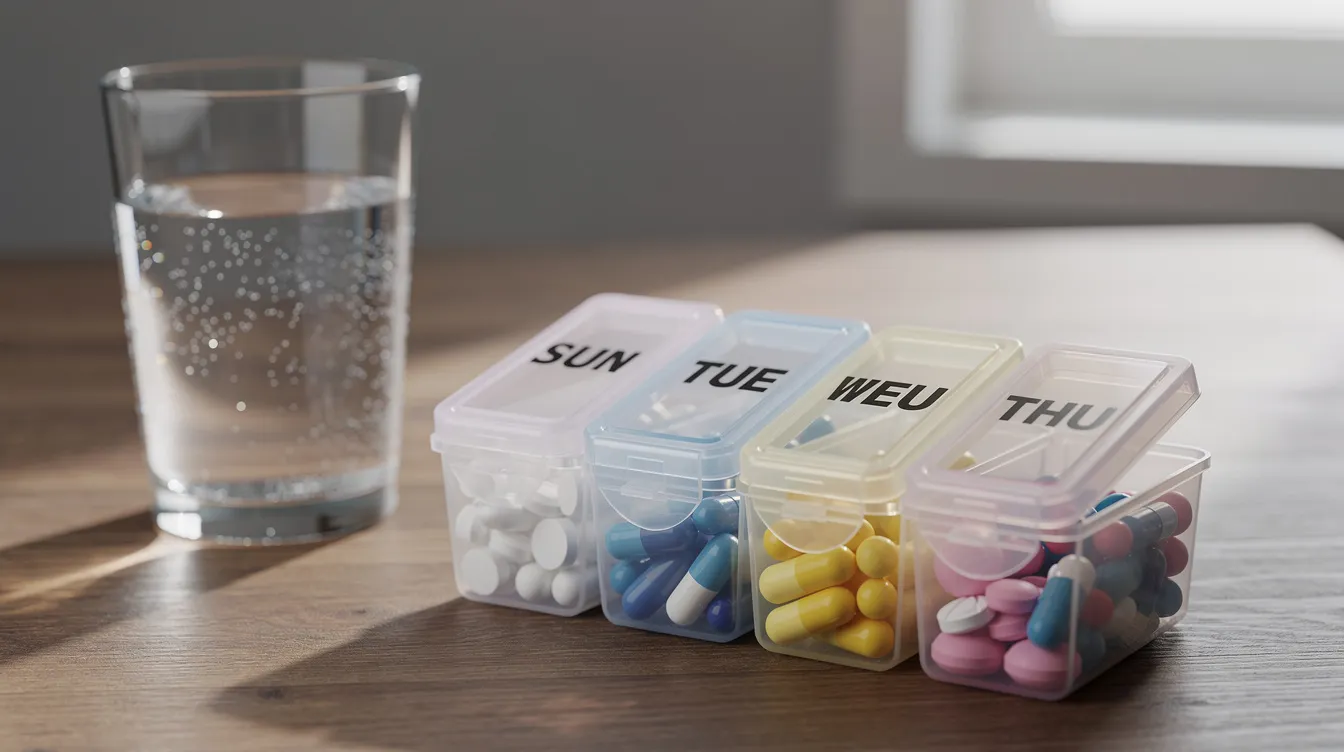
Because many older adults take multiple long-term medications, drug-related dry mouth deserves substantial attention. The goal here is to explain why medicines may play a role-not to tell readers which drugs to stop or change.
Why Medications Can Reduce Oral Moisture
Some medications act on the nervous system or specific receptors that also influence how much saliva the glands produce. For example, medicines that dry nasal passages or reduce bladder spasms often reduce saliva as a side effect, leaving the mouth feeling parched. Some medications also make saliva thicker or foamy, which can feel like "not enough saliva" even when total volume is only mildly reduced.
Types of Medications Associated With Dry Mouth
Medications such as antihistamines and blood pressure medicines are common causes of dry mouth. Other broad categories include some antidepressants, anti-anxiety medications, medicines for overactive bladder, some muscle relaxants, and certain pain relievers. Even common over-the-counter allergy or cold tablets may temporarily dry the mouth. A meta-analysis of medication effects in older adults found that urological medications carried roughly a sixfold increase in dry-mouth odds, while antidepressants nearly quintupled risk-though not everyone who takes these drugs develops xerostomia.
Taking Multiple Medications
Many older adults take several daily medicines for conditions like high blood pressure, heart disease, arthritis, and mood disorders. Even mild dry-mouth effects from each medicine can add up, making overall dryness more noticeable. Keeping an up-to-date medication list-including over-the-counter products and supplements-and bringing it to dental and medical visits helps professionals review potential overlaps. The total number of medications does not automatically determine severity, but it may increase the chance that someone experiences symptoms.
Do Not Stop Medication Because of Dry Mouth
Readers should not stop, reduce, or switch any prescription medication on their own because of dry mouth. Sudden changes may worsen underlying health problems and may be dangerous. Instead, discuss options with a prescribing health care provider: dose adjustments, timing changes, or alternative medications may sometimes be considered. Dentists can also help manage oral side effects with fluoride, saliva substitutes, and personalized hygiene plans.
Symptoms of Dry Mouth

Common symptoms of dry mouth include a dry sticky feeling and difficulty swallowing, but the list goes further. Some older adults may not immediately connect oral discomfort, a burning feeling, or new cavities with saliva changes.
Sticky or Dry Feeling in the Mouth
A persistent dry feeling, cotton-mouth sensation, or thick coating on the tongue-even after drinking water-is one of the hallmark complaints. Some people feel they cannot get their tongue or inner cheeks to glide smoothly and have trouble moving food around while chewing.
Thick or Stringy Saliva
Instead of feeling thin and slippery, saliva may become saliva thicker, ropey, or foamy, making speaking or swallowing less comfortable. This change often accompanies other xerostomia symptoms and can increase the need to sip water frequently.
Frequent Thirst
Many people with dry mouth carry water or keep a glass by the bed. Thirst and xerostomia are related but not identical; some people feel intense dryness without general thirst, and vice versa. Sudden or extreme thirst can also relate to systemic conditions such as uncontrolled diabetes, which requires medical attention.
Dry or Cracked Lips
Persistent mouth breathing and low saliva can contribute to dry, peeling, or cracked lips, especially at the corners of the mouth. Licking the lips repeatedly may briefly moisten them but often leads to more irritation. Protective lip balm and adequate hydration can help, but persistent cracking may warrant evaluation to rule out infection.
Burning or Uncomfortable Mouth
Dry mouth may cause a burning feeling in the mouth. Some older adults describe burning, stinging, or general soreness of the tongue and inner cheeks, especially when eating acidic or spicy foods. Dry mouth is one possible contributor, but vitamin deficiencies, infections, or nerve-related conditions may also play a role, so ongoing burning deserves evaluation.
Changes in Taste
People with dry mouth may experience changes in taste-food may seem weaker, metallic, or difficult to distinguish. Saliva helps dissolve flavor molecules; when saliva is low, taste perception can become dull or distorted. Medications, smoking, and some health conditions can also affect taste.
Difficulty Speaking, Chewing, or Swallowing
Dry mouth can cause difficulty speaking or swallowing. A dry tongue and cheeks can make speaking for long periods tiring, sometimes causing clicking dentures or slurred words. Chewing dry foods like crackers or toast requires frequent sips of water. Any sudden, severe swallowing difficulty should be addressed promptly.
Bad Breath
Reduced saliva allows food debris and odor-producing compounds from bacteria to linger longer, which can contribute to bad breath. Bad breath has many causes-including gum disease, sinus problems, and diet-so dry mouth is only one possible factor.
How Dry Mouth Affects Teeth

Reduced saliva removes some of the mouth's natural protection, so tooth decay can become more frequent, more severe, or appear in new locations such as root surfaces. Chronic dry mouth increases the risk of cavities and gum disease, particularly when combined with frequent sugar intake or challenges with oral hygiene.
Dry Mouth and Cavities
Dental plaque is a thin biofilm of bacteria that forms on teeth. When we eat or drink sugars, some bacteria produce acids that weaken tooth surfaces. Reduced saliva means less buffering, slower clearance of sugars, and less mineral available for repair, leading to a higher risk for tooth decay over time. Cavities can appear on chewing surfaces, between teeth, near the gumline, and around the edges of dental work.
Root Cavities
Root caries-root cavities-are decay that occurs on the root surface of a tooth, usually where gums have receded and exposed root structure. Root surfaces lack the same thick enamel covering as tooth crowns and can be more vulnerable to acids. Older adults are more likely to have some gum recession, and when this is combined with dry mouth, root cavities can become a significant problem. Institutional research found that clinical oral dryness nearly doubled root caries odds (OR ~1.93). Early detection and fluoride use are particularly important.
Cavities Around Crowns and Fillings
Dental crowns, fillings, and bridge materials themselves do not decay, but the natural tooth structure next to them can still develop cavities. Dry mouth can increase plaque build-up along the margins where crowns or fillings meet the tooth. Recurrent decay around old restorations is a common reason older adults need repairs, and saliva reduction can speed this process.
Why Cavities May Develop More Quickly When Saliva Is Reduced
A consistently dry environment allows acids to remain in contact with tooth surfaces longer and makes it harder for remineralization to keep pace with mineral loss. Many older adults with dry mouth notice that once a first new cavity appears after years of stability, additional cavities follow more quickly unless preventive steps-fluoride, diet adjustments, and meticulous oral hygiene-are intensified.
Dry Mouth and Gum Health
Dry mouth alone does not directly cause gum disease, but it can create conditions that make plaque management more challenging and oral tissues more easily irritated. Gum disease is multifactorial, involving plaque accumulation, the body's immune response, smoking, diabetes, genetics, and other contributors.
Plaque Accumulation
Sticky plaque can be harder to remove when saliva is reduced because the mouth does not feel as self-cleansing between brushings. Older adults with arthritis, limited hand strength, or crowded teeth may find plaque removal more difficult, compounded by dry mouth. Consistent brushing and cleaning between teeth and gums is essential.
Gum Irritation and Discomfort
Dry, delicate gum tissues may become tender, shiny, or more easily irritated by food edges, toothbrush bristles, or dentures. Mild bleeding or redness can occur from irritation alone, but persistent bleeding, swelling, or bad breath should be evaluated. A soft-bristled brush can clean effectively without adding trauma to already dry tissues.
Gingivitis and Periodontitis
Gingivitis is gum inflammation limited to soft tissues, while periodontitis is a more advanced condition affecting bone and supporting ligaments around teeth. These diseases are driven by plaque and the body's response to it. Dry mouth does not directly cause periodontitis but can make it harder to maintain the level of plaque control that helps prevent or manage it.
Dry Mouth and Dentures
Many older adults wear full or partial dentures and often notice dry mouth symptoms most when using these appliances. Dry mouth can make wearing dentures uncomfortable because saliva helps them move comfortably and, in some cases, helps them stay in place through surface tension.
Saliva and Denture Comfort
A thin film of saliva normally sits between the denture base and tissues, acting like a cushion and lubricant. When saliva is reduced, dentures may feel loose, rough, or more noticeable, and may click or rub during speaking and eating. Some people find relief from denture-related discomfort when they use saliva substitutes or moisturizing gels.
Denture Friction and Sore Areas
Dry tissues are more easily irritated by constant rubbing, which can result in sore spots, mouth sores, or thickened areas under the denture. Ill-fitting dentures can worsen this problem and should be evaluated by a dental professional, particularly if sores persist.
Denture Retention
Saliva contributes to the physical forces that help upper dentures, in particular, stay in place. When saliva is very limited or thick, dentures may not seal as well, leading to more movement during speaking or eating. Structural fit and jawbone changes also affect stability, so improving saliva alone may not solve poor denture fit.
Keeping Dentures and Oral Tissues Clean
Even with complete dentures, cleaning them daily and gently brushing gums, tongue, and palate is important. Dry mouth can increase plaque and fungal build-up on dentures, raising the risk of infections like denture stomatitis. Dentures should generally be removed at night and cleaned according to professional guidance.
Dry Mouth and Dental Implants, Crowns, and Bridges

Many older adults have mixed dentitions-some natural teeth, crowns, bridges, partial dentures, or dental implants. Dry mouth affects care for all of these. While some materials cannot develop cavities themselves, the tissues around them can still be affected by plaque and reduced saliva.
Crowns and Bridges
Crowns and bridges protect damaged teeth but leave a junction where the restoration meets natural tooth structure. Dry mouth increases the importance of cleaning around these margins and underneath bridge connectors. Sensitivity or dark lines at the gumline around old crowns may signal decay, especially in people with dry mouth.
Dental Implants
Dental implants themselves do not get cavities, but the gums and bone around them can become inflamed or infected if plaque is not well controlled. Dry mouth may make plaque feel stickier and harder to remove from implant-supported crowns and bridges. Regular professional checks are particularly important when reduced saliva flow is present.
Cleaning Around Dental Work
Brushing and using some form of interdental cleaning-floss, interdental brushes, or other aids-around crowns, bridges, and implants is important. Dry mouth may mean plaque forms more quickly, so consistent routines and possibly additional fluoride may be recommended by the dentist. Ask your dental team to demonstrate the method that best suits your situation.
Dry Mouth at Night

Many older adults notice dry mouth most strongly at night or first thing in the morning. Saliva flow naturally drops during sleep for everyone, but in people with xerostomia, the reduction can be especially pronounced. Research suggests nighttime xerostomia prevalence reaches approximately 45% in older populations, compared to roughly 32% during the day.
Reduced Saliva During Sleep
The body produces less saliva at night as part of normal daily rhythms, which is one reason brushing before bed is so important. For someone who already has low daytime saliva, nighttime dryness can feel especially severe and may help explain why cavities sometimes appear on surfaces that are not cleaned well before sleep.
Mouth Breathing and Snoring
Sleeping with the mouth open, snoring, or breathing mostly through the mouth during the night leaves tissues exposed to air. Mouth breathing can occur with or without conditions like nasal blockage. Readers who consistently wake with a parched mouth and sore throat should mention it to their health care provider.
Waking Up With a Dry Mouth
Waking repeatedly to drink water, keeping a glass by the bed, or feeling that the tongue sticks to the roof of the mouth are common experiences. While occasional episodes may relate to spicy or salty foods, alcohol use, or a hot bedroom, persistent morning dryness suggests an underlying issue worth discussing with a professional.
Protecting Teeth Overnight
Brush thoroughly with fluoride toothpaste before bed, especially if you have dry mouth. Avoid using sugary drinks or candies to ease nighttime dryness, as sugar exposure is prolonged and can greatly increase the risk for tooth decay. Some people at higher cavity risk may use additional nighttime fluoride products or custom trays, but these should be recommended by a dental professional.
Eating and Drinking With Dry Mouth

Dry mouth often leads people to change their eating and drinking habits-sometimes in ways that help and sometimes in ways that unintentionally raise cavity risk. Chewing foods can stimulate saliva production, but what you choose to chew matters for your teeth.
Water and Hydration
Staying hydrated can help manage dry mouth symptoms. Drink water regularly throughout the day-frequent small sips rather than large amounts all at once-to provide ongoing moisture. Water is usually the safest drink for teeth, as it has no sugar and, where present, fluoride in drinking water can help fight tooth decay. However, water may not fully correct dry mouth caused by medications, salivary gland damage, or certain health conditions.
Frequent Sugary Drinks
Older adults with dry mouth may be tempted to keep sipping soda, sweet tea, juice, or sports drinks all day. Repeated sugar exposure when saliva is low gives cavity-causing bacteria constant fuel to produce acids, raising the risk for tooth decay dramatically. Limit sugary beverages to mealtimes, if used at all, and prefer water or sugar-free options for frequent sipping.
Acidic Beverages
Dental erosion is the direct softening and wear of tooth surfaces caused by acids in drinks such as citrus juices, sodas (including diet sodas), and some flavored waters. Erosion is different from cavities, which involve bacterial acids, but both can damage teeth, especially with dry mouth. Acidic foods and beverages are best consumed in moderation, and rinsing with water afterward can help.
Foods That Are Easier to Eat With Dry Mouth
Choose moist foods-stews, sauces, gravies, yogurt, soft fruits-and add broths or sauces to drier items like rice or bread. Alternating bites of food with small sips of water or milk can make chewing and swallowing easier when saliva is low. Avoid very salty foods in excess, as they can worsen the sensation of dryness. Flexibility and comfort matter more than rigid rules.
Sugar-Free Gum and Lozenges
Chewing sugar free gum or sucking on sugar-free candy or lozenges can stimulate saliva production when glands still have some functional capacity. Products with xylitol may offer additional benefits against tooth decay. Sugarless gum and sugarless hard candy are generally preferable choices for frequent use. These strategies may not be effective for everyone-particularly those with severely damaged glands-and overuse can sometimes affect digestion.
Ways to Relieve Dry Mouth

No single dry mouth treatment works for everyone, and success depends on the underlying cause and the health of the salivary glands. Strategies fall into two main categories: symptom relief (making the mouth feel more comfortable) and addressing contributing factors where possible.
Sip Water Regularly
Frequent small sips of water throughout the day can keep the mouth moist and improve comfort. Drinking water regularly and using a humidifier can help alleviate dry mouth, particularly at night. Keep water near the bed for nighttime comfort but avoid adding sugar or flavorings.
Stimulate Saliva When Possible
Chew sugar free gum or use sugar-free lozenges to stimulate saliva flow, especially after meals or when dryness is most bothersome. Pay attention to jaw comfort if you have joint issues. If salivary glands are severely damaged, stimulation may have limited effect, and other approaches may be more helpful. In some severe cases, prescription medications may stimulate salivary glands-a topic to discuss with a health care provider.
Oral Moisturizing Products
Saliva substitutes and moisturizing mouthwashes can provide temporary relief for dry mouth. Products such as artificial saliva gels, sprays, rinses, and mouth-coating liquids are designed to keep the mouth moist longer than plain water. Over-the-counter products can help keep your mouth moist, though they generally do not heal salivary glands. They may need to be used several times a day or at bedtime.
Use a Humidifier
A cool-mist humidifier in the bedroom may help reduce overnight drying of oral tissues. It does not treat the underlying cause of salivary-gland problems but can make nighttime symptoms more tolerable. Follow manufacturer instructions for cleaning to prevent mold or bacterial growth.
Address Mouth Breathing When Relevant
If you often sleep with an open mouth or snore heavily, mention these symptoms to a health care provider or dentist. In some cases, evaluation for nasal congestion, allergies, or sleep-related breathing issues might be appropriate treatment. Any treatment of underlying breathing problems should be guided by qualified professionals.
Avoid Factors That Worsen Dryness
Limit or avoid tobacco, frequent alcohol use, and heavy caffeine intake if these seem to worsen dryness. Some alcohol-containing mouthwashes may feel drying for certain people with xerostomia, and milder formulations may be better tolerated. Pay attention to which habits aggravate symptoms.
Oral Hygiene When You Have Dry Mouth

When saliva protection is reduced, daily plaque control and fluoride use become especially important to prevent tooth decay and gum problems. Good oral hygiene practices are essential for people with dry mouth. Simple, consistent routines are often more effective than complicated regimens.
Brush Twice Daily With Fluoride Toothpaste
Brush at least twice a day, especially before bed, with a soft-bristled toothbrush and fluoride-containing toothpaste. Fluoride helps make tooth surfaces more resistant to acid attacks-critical when the mouth cannot produce enough saliva. Some people with sensitive mouths may prefer toothpastes formulated for dry mouth; a dentist can make specific recommendations.
Clean Between Teeth
Plaque and food gather between teeth where a toothbrush cannot reach. Cleaning these spaces daily is essential, especially with dry mouth. Common tools include dental floss, interdental brushes, and water flossers. Ask your dental team to demonstrate the method that best suits your dental anatomy.
Pay Attention to Exposed Roots
Gum recession can expose root surfaces that are more vulnerable to tooth decay, particularly in people with xerostomia. Use gentle brushing along the gumline with small, circular motions rather than aggressive scrubbing. Dentists may recommend additional fluoride-such as gels or varnishes-on root surfaces for higher-risk individuals.
Clean Around Dental Restorations
Careful cleaning around crowns, bridges, partial dentures, and implants is essential, as these areas can harbor plaque when saliva is limited. Pay special attention to where the tooth meets a crown and under any bridgework. Regular dental visits are important for dry mouth management, as professional cleanings can address hard-to-reach plaque and tartar.
Avoid Using Sugary Products for Moisture
Using sugary candies, cough drops, or mints throughout the day to stimulate saliva greatly increases cavity risk when saliva flow is low. Choose sugar-free alternatives instead. Plain water and sugar-free saliva stimulants are preferable for frequent use to help keep the mouth healthy.
Fluoride and Cavity Prevention With Dry Mouth
Fluoride is a key tool in protecting teeth when saliva-related defenses are reduced. It supports remineralization and helps teeth resist acid attacks-making it especially valuable for anyone with chronic dry mouth.
Fluoride Toothpaste
Use fluoride toothpaste every time you brush, especially before bed when saliva is naturally low. Adults with dry mouth are usually advised not to rinse vigorously with water afterward, so a small amount of fluoride remains on the teeth. Some people at higher risk may be prescribed toothpaste with a higher fluoride concentration.
Fluoridated Water
Many public water supplies contain fluoride at levels shown to help prevent tooth decay safely, as noted by the National Institute of Dental and Craniofacial Research. Drinking fluoridated water throughout the day provides a low, steady level of fluoride exposure that benefits tooth enamel and root surfaces.
Higher Cavity Risk
Older adults with chronic dry mouth, exposed roots, frequent past cavities, or recent head and neck radiation may be considered at higher risk for tooth decay. Higher risk does not mean cavities are inevitable, but it does mean preventive measures become more important. Ask your dentist how they would describe your personal cavity risk and which protective steps make sense.
Additional Fluoride Strategies
Additional topical fluoride options-such as fluoride rinses, gels, foams, or varnish applications in the dental office-are often recommended for people with frequent cavities or significant dry mouth. Exact products, strengths, and schedules should be determined by a dental professional and not self-prescribed.
What Not to Do for Dry Mouth
Some common habits may temporarily relieve dry mouth symptoms but increase the risk of tooth decay or other oral health problems when saliva is limited.
Do Not Constantly Sip Sugary Drinks
Sipping sugary beverages throughout the day gives bacteria a nearly continuous supply of sugar. Reserve sweet drinks for mealtimes and choose water or sugar-free options for frequent sipping. Diet sodas, while sugar-free, are usually acidic and can still contribute to erosion.
Do Not Rely on Candy Containing Sugar
Traditional candies, mints, and cough drops with sugar can be particularly harmful in a persistently dry mouth because saliva is not available to dilute the sugar or neutralize resulting acids. Sugar free candy and lozenges are better alternatives.
Do Not Stop Medication On Your Own
Stopping, skipping, or altering prescribed medicines without professional guidance can be dangerous and may worsen serious health conditions. If you suspect a medication is contributing to dry mouth, talk with your prescribing health care provider. A dentist can write a brief summary of oral findings for the medical provider if helpful. Some providers may suggest blood tests or other evaluations to check for underlying causes.
Do Not Assume More Water Will Fix Every Case
While staying hydrated is important, persistent dry mouth caused by medications, salivary-gland damage, or autoimmune conditions may not disappear simply by drinking more water. If you are drinking adequate fluids but still constantly feel dry, look for other causes rather than increasing intake indefinitely. The American Dental Association and the Oral Cancer Foundation both emphasize that persistent changes in oral tissues or dryness warrant professional evaluation.
Do Not Ignore New Cavities or Oral Changes
New or rapidly developing cavities, changes in gum health, or persistent sores can signal that the mouth's protective balance has changed. Earlier attention allows for more conservative care. Visit your dentist regularly and promptly evaluate new symptoms, especially with known dry mouth.
When Dry Mouth May Need Further Evaluation

While occasional dryness is normal, chronic or worsening symptoms-especially when affecting eating, speaking, or dental health-should prompt a closer look. Consulting a healthcare professional is important if dry mouth persists or worsens. Evaluation is about understanding the cause and protecting health, not about blaming age.
Persistent or Worsening Dryness
Dryness lasting several weeks or months, getting progressively worse, or not improving with basic hydration and self-care merits attention. A health care provider can review medications, check for systemic conditions, and refer to specialists when needed. Keep notes about when dryness is most noticeable.
Difficulty Eating, Speaking, or Swallowing
When dryness significantly interferes with basic functions-difficulty chewing, difficulty speaking, or swallowing safely-it deserves prompt attention. Consequences may include weight loss, social withdrawal, or fear of choking, all of which can reduce quality of life.
Frequent or New Cavities
A sudden increase in cavities after many years without dental problems can signal a change in how much saliva the mouth produces, a shift in diet, or a change in general health. Regular dental examinations and X-rays help catch decay early.
Persistent Burning, Pain, or Oral Irritation
Chronic burning, tingling, or soreness of the tongue, gums, or lining of the mouth may be related to dry mouth, but conditions like fungal infections, nutritional deficiencies, or neurologic issues can produce similar sensations. In the field of oral medicine, these overlapping symptoms are well recognized. Do not self-treat long-term burning with over-the-counter products alone.
Persistent Oral Sores or Tissue Changes
Sores, white or red patches, lumps, or other tissue changes lasting longer than about two weeks should be checked by a dental or medical professional. Many such changes are benign but should not be automatically blamed on dryness or aging. Prompt evaluation can help detect serious problems early.
When Symptoms May Need Prompt Attention
Most xerostomia is not an emergency, but a few warning signs should prompt same-day or urgent care.
Difficulty Breathing or Swallowing
Any sudden or severe trouble breathing or swallowing, especially with swelling or a sense of throat closing, requires immediate medical attention.
Significant Facial or Oral Swelling
Rapid swelling of the face, tongue, or floor of the mouth can indicate infection or allergic reaction and should be evaluated urgently.
Fever With Signs of Oral or Dental Infection
Fever along with severe tooth pain, facial swelling, or pus from the gums can signal a serious infection needing prompt treatment.
Severe or Rapidly Worsening Dental Pain
Intense, spreading, or sudden tooth pain is not typical of simple dry mouth and should be checked quickly by a dentist or urgent care provider.
Inability to Maintain Adequate Hydration
Situations where vomiting, diarrhea, or difficulty drinking due to pain or swallowing problems makes it impossible to stay hydrated may require urgent evaluation.
Common Myths About Dry Mouth in Older Adults

Myths can cause people to ignore symptoms or rely on ineffective remedies. Clearing up common misunderstandings helps older adults and caregivers make better decisions.
"Dry Mouth Is Just a Normal Part of Aging"
While dry mouth is more common later in life, it usually results from medications, health conditions, or treatments-not age alone. Persistent symptoms deserve evaluation rather than being written off as inevitable.
"Drinking More Water Always Fixes Dry Mouth"
Adequate hydration is important, but chronic xerostomia caused by salivary gland problems or medications often needs additional strategies. If you are drinking plenty of water yet still feel persistently dry, seek evaluation. Stay hydrated, but recognize water's limits.
"Dry Mouth Only Causes Discomfort"
Dry mouth can raise the risk for tooth decay (including root cavities), affect gum health, make dentures uncomfortable, and interfere with speaking, chewing, swallowing, and taste. Managing dryness protects both comfort and long-term good oral health.
"If You Have Dentures, Dry Mouth Cannot Harm Your Oral Health"
Even full denture wearers have gums, tongue, and other tissues that can become sore or infected when dry. Many older adults with dentures still have some natural teeth or dental implants, which remain vulnerable when saliva is reduced.
"Mouthwash Is the Best Treatment for Dry Mouth"
Mouth rinses vary widely. Some are designed to moisturize, while others contain alcohol or ingredients that feel drying. Mouthwash can be part of a plan to relieve dry mouth symptoms but is not a stand-alone cure and should not replace brushing, interdental cleaning, fluoride, or evaluation.
"Cavities Are Not a Concern for Older Adults"
Tooth decay can occur at any age, and older adults with dry mouth and exposed roots may actually be at higher risk. New or recurrent cavities can signal that saliva protection has changed.
"You Should Stop a Medication If It Makes Your Mouth Dry"
Medications should never be stopped or changed without consulting the prescribing health care provider. Collaboration between medical and dental professionals helps balance overall health needs with oral comfort and protection. Reducing saliva-related oral health problems requires a team approach, not unilateral medication changes.
Frequently Asked Questions

Many older adults and caregivers have recurring questions about dry mouth. These concise answers stand alone but are consistent with the guidance throughout this article.
What causes dry mouth in older adults?
Causes often include medications, health conditions affecting salivary glands, dehydration, mouth breathing, and side effects of medical treatments such as head and neck radiation. Many older adults have more than one contributing factor at the same time.
Is dry mouth a normal part of aging?
No. Dry mouth is not an automatic result of aging, although it becomes more common with age because of increased medication use and health problems. Persistent dryness that affects daily life deserves evaluation.
What is xerostomia?
Xerostomia is the medical term for the subjective feeling that the mouth is too dry, sticky, or not producing enough saliva. It describes the symptom of dry mouth whether or not saliva production is actually reduced.
What is the difference between xerostomia and low saliva production?
Xerostomia refers to how the mouth feels, while low saliva production (hyposalivation) refers to measured saliva flow below normal levels. Some people have one without the other, and both may require professional assessment when bothersome.
Which types of medications can cause dry mouth?
Broad groups include some antidepressants, anti-anxiety drugs, antihistamines, certain blood pressure medicines, drugs for bladder urgency, and some pain medications. Not everyone who takes these develops xerostomia. Do not stop or change medications without consulting your health care provider.
Why is my mouth so dry at night?
Saliva naturally decreases during sleep. Mouth breathing, snoring, dry bedroom air, certain medications taken at night, and dehydration can all worsen nighttime dryness. Persistent severe dryness at night should be discussed with a professional.
Can dry mouth cause cavities?
Dry mouth can increase the risk of cavities because saliva is less able to neutralize acids, clear food and sugars, and support remineralization. Good oral hygiene, fluoride, and diet choices can still help protect teeth.
Can dry mouth cause root cavities?
Yes. Dry mouth can contribute to root cavities, especially when gum recession has exposed root surfaces that are more vulnerable than enamel-covered crowns. Fluoride and careful cleaning along the gumline are important.
Does dry mouth affect dentures?
Reduced saliva can make dentures feel loose, rough, or uncomfortable and can increase sore spots and friction. Denture wearers with dry mouth should pay extra attention to cleaning dentures and oral tissues and may benefit from moisturizing products or denture adjustments.
Can dry mouth cause bad breath?
Dry mouth can contribute to bad breath by allowing food particles and odor-causing substances to remain longer. Bad breath has multiple possible causes, so evaluation is useful if it persists.
What can help relieve dry mouth?
Practical strategies include sipping water, using sugar-free gum or lozenges to stimulate saliva, trying saliva substitutes or moisturizing gels, using a humidifier, and avoiding tobacco and frequent alcohol or caffeine. Effectiveness varies, and persistent symptoms should be reviewed professionally.
Does drinking water cure dry mouth?
Water is essential for hydration and provides temporary relief, but it does not always cure dry mouth caused by medication side effects or salivary gland damage. Do not rely solely on water if symptoms are ongoing.
Is sugar-free gum helpful for dry mouth?
Sugar-free gum can be helpful because chewing can stimulate saliva production when glands are still functional. Those with jaw problems or very limited salivary function may need other approaches.
Why is fluoride important when you have dry mouth?
Fluoride helps strengthen tooth surfaces and supports remineralization, making teeth more resistant to the acids that cause cavities. This is especially important when saliva's natural protective effects are reduced.
When should persistent dry mouth be taken seriously?
Dry mouth should be taken seriously when it lasts for weeks or months, interferes with eating or speaking, is accompanied by new cavities, a burning sensation or soreness, or persistent oral changes, or when it is associated with other health symptoms. Schedule a visit with a dentist or health care provider to investigate.
Key Takeaways

Dry mouth is common among older adults but is not simply due to aging-medications, health conditions, dehydration, and medical treatments are usually the primary contributors. Xerostomia is the sensation of dryness and may or may not match measured saliva flow. Saliva plays vital roles in buffering acids, clearing food and sugars, supporting remineralization, and lubricating the mouth for comfortable speaking, chewing, and swallowing. Reduced saliva can increase the risk of tooth decay-particularly root cavities-and can affect dentures, implants, and gum comfort. Water, sugar-free saliva stimulation, moisturizing products, artificial saliva, and fluoride-based strategies can help manage symptoms and protect teeth, depending on the cause. Effective oral hygiene becomes more important, not less, when the mouth cannot produce enough saliva to keep the mouth wet naturally. Medications should not be stopped or altered solely because of dry mouth without professional advice. Persistent or worsening dryness, new cavities, or functional problems like difficulty eating or speaking should be discussed with a health care provider or dentist rather than dismissed as "just age." Spicy foods, salty foods, and other irritants may worsen symptoms and should be noted when they do.
Conclusion
Dry mouth is common in older adults but should not be dismissed as a normal or trivial part of aging. Medications, health conditions, dehydration, mouth breathing, and medical treatments can all play roles in reduced saliva or xerostomia, and understanding the cause matters for choosing the right approach to appropriate treatment.
Saliva is essential for protecting teeth from tooth decay, supporting remineralization, maintaining gum and denture comfort, and enabling normal speaking, chewing, and swallowing. When saliva is reduced, the mouth loses a critical line of defense-but practical relief strategies can make a meaningful difference. Water, sugar-free saliva stimulants, saliva substitutes, humidification, fluoride, and careful oral hygiene all have roles to play in keeping the healthy mouth you deserve.
Working with your dental and medical teams to understand the causes of dry mouth, protect oral health, and maintain comfort can improve quality of life throughout older adulthood. Proactive management of chronic dry mouth can help preserve teeth, protect oral tissues, and support enjoyable eating and social interaction for many years to come.