Key Takeaways
A broken or cracked tooth can range from a minor chip to a deep structural fracture-not all breaks are emergencies, but all deserve evaluation.
Immediate steps: rinse gently, protect the area, save broken fragments, avoid chewing on the affected tooth, and seek dental advice as soon as possible.
Severe pain, spreading swelling, fever, uncontrolled bleeding, breathing or swallowing difficulty, or a loose or knocked out tooth can signal a serious injury requiring an emergency appointment.
Cracked tooth symptoms can be intermittent-especially pain when biting or releasing-and may be hard to localize.
Treatment options range from smoothing and bonding to fillings, crowns, root canal treatment, or extraction, depending on the cracked tooth diagnosed severity.
Structural tooth cracks generally do not heal by themselves, even if discomfort temporarily improves.
Not every broken or chipped tooth needs extensive treatment; some can be managed conservatively.
Avoid DIY repairs, household glues, home filing, or placing aspirin directly on oral tissues.
Good oral hygiene, avoiding hard nonfood chewing, wearing mouthguards during sports, and managing grinding can lower the risk of future cracked teeth.
When a tooth breaks, timely evaluation preserves more options for conservative, effective repair.

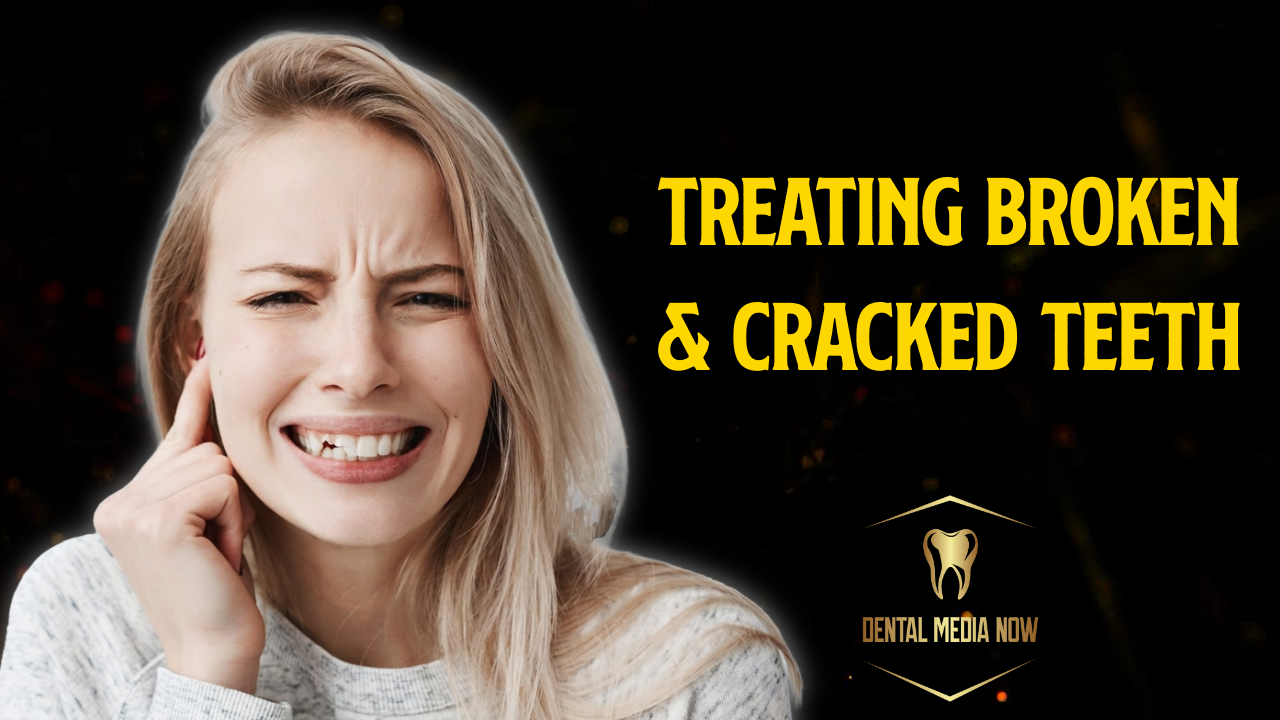



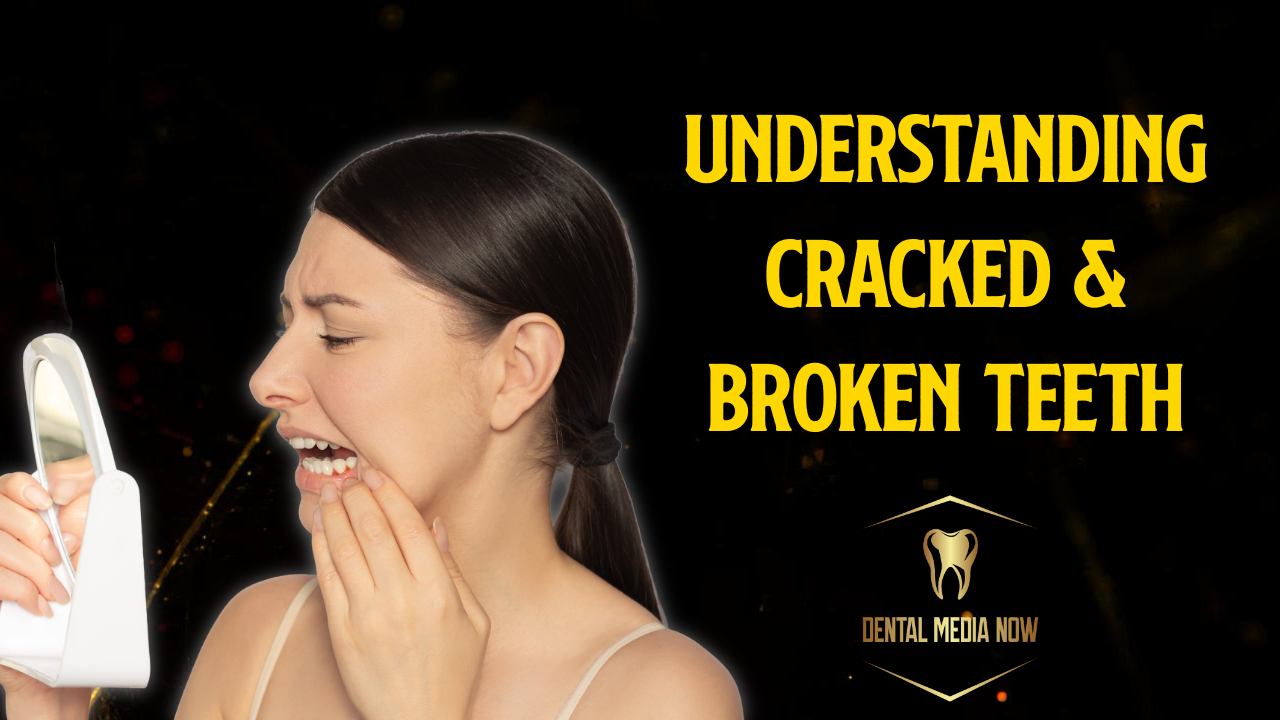
Breaking or chipping a tooth is a frequent issue that can happen to anyone-biting into something unexpectedly hard, taking a fall, or even crunching on ice during a meal. A broken or cracked tooth can range from a minor chip to severe damage involving the inner layers of the tooth, and not every fracture announces itself with immediate pain. Some breaks are obvious the moment they happen, while others only show up as a subtle ache when chewing days later.
If you have just broken a tooth, start here:
Rinse your mouth gently with clean water.
Protect the damaged tooth-avoid chewing on that side.
Save any broken pieces in milk or saliva.
Contact a dentist as soon as possible.
A few quick definitions will help as you read further. A chip means a small piece of enamel has broken away. A crack is a line running through part of the tooth without fully separating it. A fracture involves a larger portion breaking off, sometimes reaching deeper layers. A split tooth is one that has separated into distinct segments.
Cracked teeth and broken or chipped tooth injuries can sometimes be painless at first, yet they still benefit from professional assessment. This guide covers immediate first steps, when a broken tooth becomes a dental emergency, cracked tooth symptoms and diagnosis, treatment options, what not to do, and how to reduce future risk.
What Does It Mean to Break a Tooth?

"Broken tooth" is an umbrella term covering everything from a tiny chip in the enamel to a deep fracture that reaches the pulp. Severity depends on how much of the tooth is affected and which layers are involved.
Tooth enamel is the hardest substance in the human body, forming the outer shell. Beneath it lies dentin, a sensitive supportive layer. At the center is the pulp, soft tissue containing nerves and blood vessels. The root anchors the tooth below the gum line into the surrounding bone. The deeper a break goes-through dentin, into pulp, or below the gum line-the more complex the situation becomes.
Some breaks are visible (a missing corner, a jagged edge), while others are internal cracks that show up only as sharp pain when biting or during bite tests at the dentist's office. Breaks can involve the natural tooth, an existing restoration like a dental filling or crown, or both. Cracked tooth syndrome is a specific pattern where a crack causes symptoms such as pain on biting and sensitivity, yet the fracture can be extremely difficult to see. Cracked tooth syndrome has an incidence rate of 34–74%, making it one of the more common diagnostic challenges in dentistry.
Chipped Tooth
A chipped tooth means a small piece of enamel or tooth edge has broken away, often from biting something hard or minor trauma. Small chips may cause no pain at all-just a rough spot the tongue keeps finding. Larger chips can expose yellow dentin and trigger temperature sensitivity.
Chipped tooth treatment often involves smoothing, dental bonding, or a small dental filling, particularly on front teeth where appearance matters. Even a painless chip deserves a check-up because it can collect plaque or progress into a deeper fracture over time.
Cracked Tooth
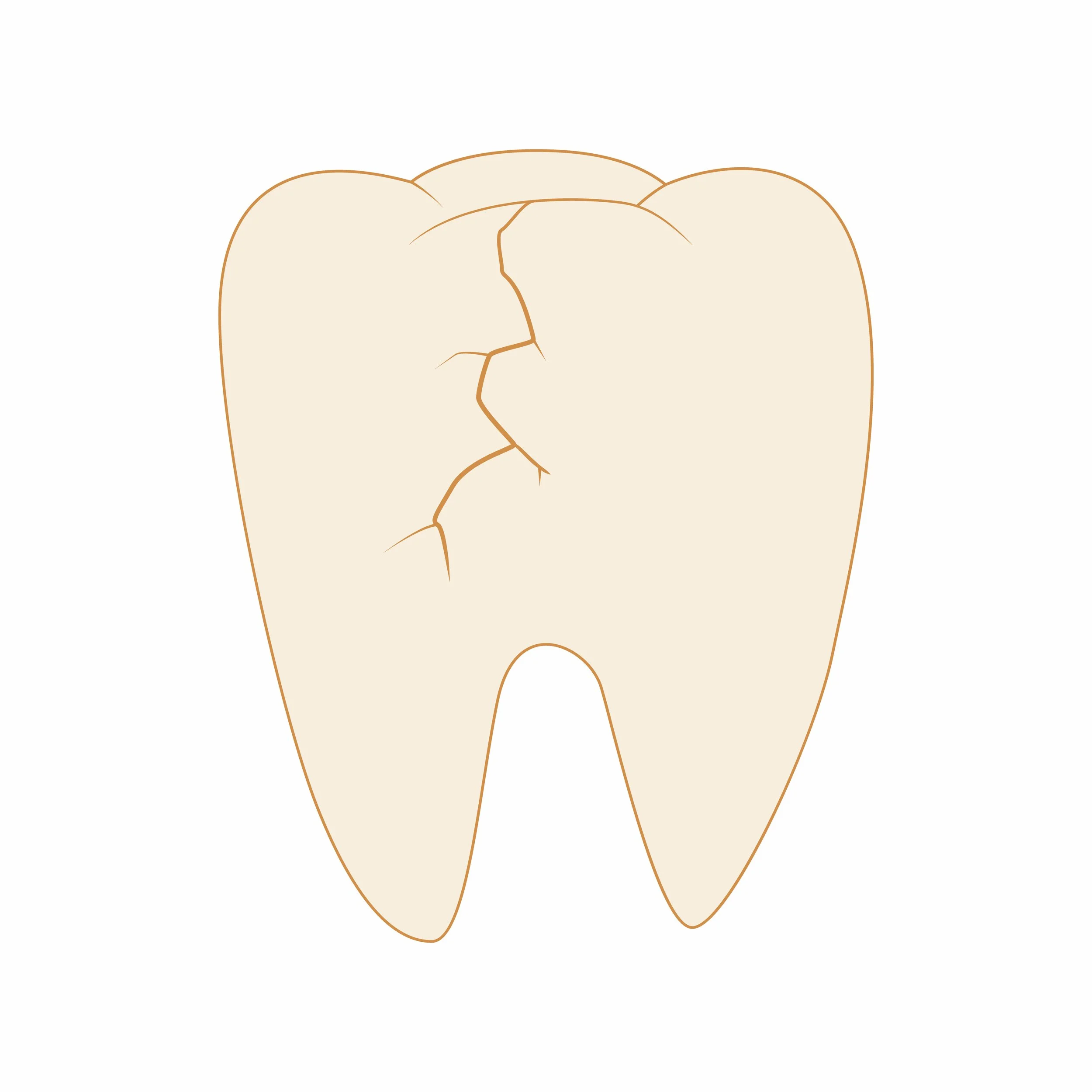
A cracked tooth has a line or fracture running through part of it without completely separating the tooth into pieces. The crack may travel from the chewing surface toward the root, and some cracks are invisible without special lighting, magnification, or bite tests.
Common cracked tooth symptoms include sharp pain when chewing, pain when releasing a bite, and sensitivity to hot, cold, or sweet foods that comes and goes. Chronic discomfort lasting months may suggest cracked tooth syndrome-a condition where these intermittent symptoms persist even though X-rays may look normal. Professional evaluation is essential to distinguish a crack from other causes of tooth pain.
Fractured Tooth
A fractured tooth involves a larger portion of the tooth breaking away, often involving both enamel and dentin, and sometimes reaching the pulp. This might look like a missing corner, a broken cusp, or a significant gap in the chewing surface.
Deeper fractures that involve the pulp often cause continuous or severe pain and may lead to infection if left untreated. Treatment might include a dental filling, onlay, or dental crown depending on how much structure remains, and root canal treatment if the pulp is damaged.
Split Tooth
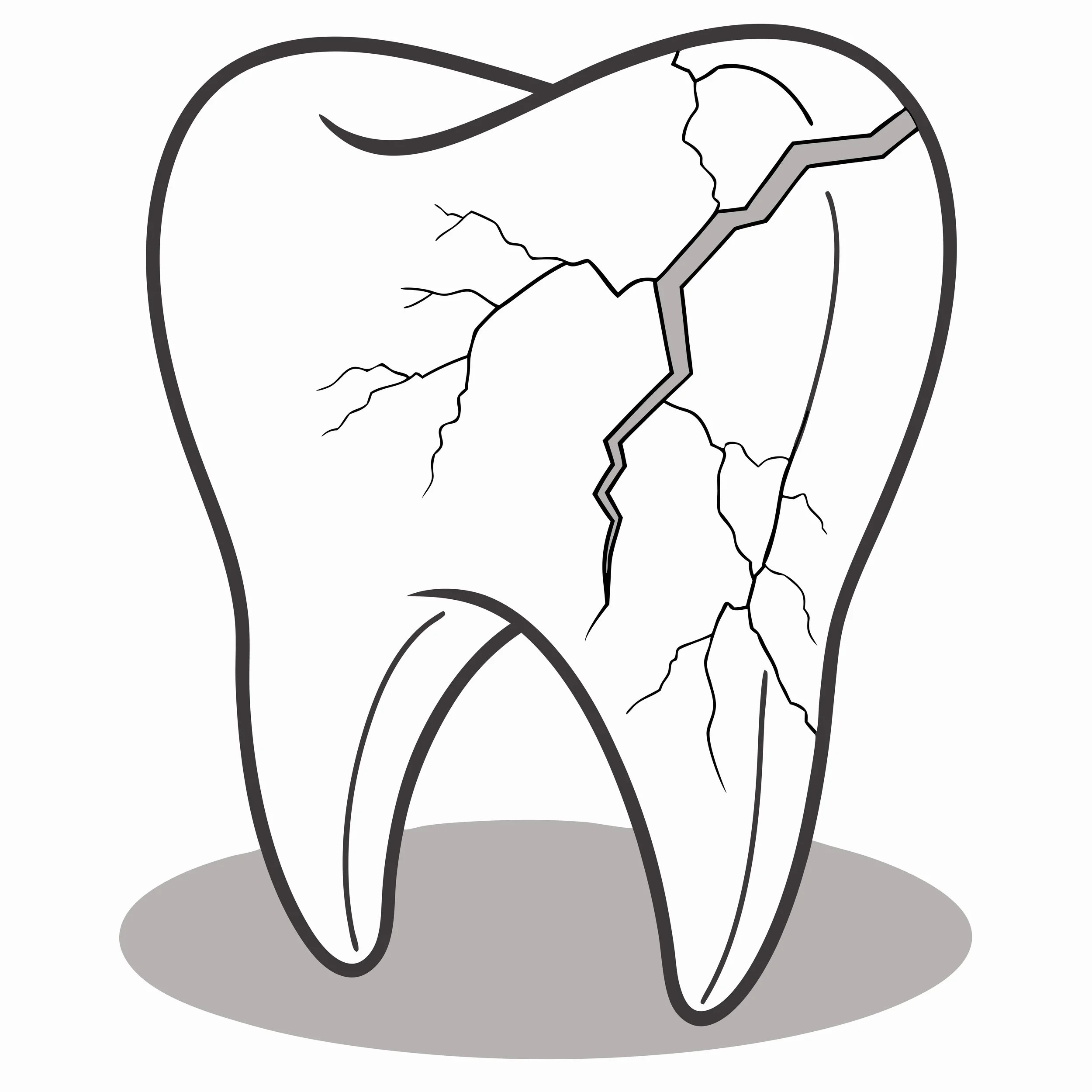
A split tooth is a severe progression where a crack divides the tooth into two or more distinct segments, often extending below the gum line and into the root. A split tooth is completely divided into two fragments in the most advanced cases.
Treatment options are more limited-often, the tooth or part of it cannot be predictably saved and extraction may be necessary. Early cracked tooth diagnosis can sometimes prevent a crack from reaching this stage.
Broken Filling or Crown vs. Broken Tooth
Sometimes a dental filling, crown, or other restoration breaks or comes loose while much of the natural tooth remains intact underneath. Both a broken restoration and a broken natural tooth can leave dentin or pulp exposed, causing sensitivity or pain.
Common scenarios include:
A fractured cusp around a large filling
A porcelain crown chipping during chewing
An old filling popping out unexpectedly
Repairing or replacing the restoration may be needed, and the dentist will also check the underlying tooth for hidden cracks.
What to Do Immediately If You Break a Tooth
If you have just experienced a broken or chipped tooth-or suspect a cracked tooth from sudden pain while biting-focus on four immediate goals: keep the area clean, protect the tooth from further damage, control discomfort, and seek professional advice as soon as reasonably possible.
These steps are safe for most people but do not replace a full dental evaluation, especially if symptoms are severe.
Rinse Your Mouth Gently
Rinsing with warm water can help clean a broken tooth area and remove blood, food, or small fragments. Use lukewarm water and swish gently-avoid vigorous rinsing if there is significant bleeding or trauma. A gentle salt water rinse can also help keep the area clean. Avoid very hot or very cold water if the tooth is sensitive.
Save Any Broken Pieces
If part of the tooth breaks off, carefully pick it up, rinse it briefly with clean water, and store it in a small container. Keeping any broken pieces of tooth in milk can aid in reattachment, though reattachment is not always possible. Do not scrub the fragment or wrap it in dry tissue. Bring it to your dental appointment.
Control Bleeding
A broken tooth itself may not bleed much, but nearby gums, lips, or tongue can be cut during the injury. Place a clean piece of gauze over the bleeding area and apply gentle, steady pressure for several minutes. If bleeding inside the tooth is visible as a small red dot, seek prompt dental care. If bleeding does not slow after 10–15 minutes of gentle pressure, seek urgent attention.
Reduce Swelling
Apply a cold compress or wrapped ice pack to the outside of the cheek for 10–15 minutes on, then off. Ice or frozen items should never be placed directly on the gums, lips, or broken tooth. Rapidly worsening or spreading facial swelling can be a dental emergency that requires prompt professional care.
Protect the Tooth From Further Damage
Avoid chewing on the side with the broken tooth. Do not test it repeatedly by biting down-this can turn a crack into a deeper fracture. Dental wax can be used to cover sharp edges until seeing a dentist, and covering sharp edges protects the tongue and cheek from cuts.
Stick to soft foods (yogurt, mashed potatoes, scrambled eggs, smoothies) and avoid hard, sticky, or temperature-extreme foods.
Manage Discomfort Safely
Over-the-counter pain relievers like ibuprofen can help with discomfort for many people, but follow package directions and consider your own medical conditions. Do not place aspirin directly on the tooth, gums, or cheek-it can burn or irritate soft tissues. Cool water rinses and a cold compress on the outside of the face are non-drug comfort measures.
If pain is severe, keeps worsening, or interferes with sleep and daily activities, seek professional help promptly.
When a Broken Tooth May Be a Dental Emergency
Not every chipped tooth is an emergency, but certain signs mean the situation should not wait. Signs that require urgent care include severe pain and uncontrolled bleeding, significant swelling, or risk to general health.
Severe or Rapidly Worsening Pain
Severe, throbbing pain that does not lessen with over-the-counter pain medicine or keeps waking you at night can signal deeper involvement of the pulp or developing infection. Do not ignore strong pain just because the tooth looks only slightly chipped from the outside.
Significant Facial or Gum Swelling
Swelling around the affected tooth, puffiness in the cheek or jaw area, or swelling that spreads, feels warm, or becomes firm can indicate infection or serious injury. Combined with pain or fever, this should be treated as a dental emergency.
Fever With Dental Symptoms
A fever together with toothache, swelling, or drainage from around a broken tooth can suggest a spreading infection. Dental infections occasionally affect overall health and require prompt medical or dental evaluation. Do not self-treat a feverish dental infection with home remedies alone.
Uncontrolled Bleeding
Minor gum bleeding usually improves with gentle pressure. Bleeding that continues heavily beyond 10–15 minutes, or resumes strongly whenever pressure is removed, needs urgent evaluation.
Difficulty Breathing or Swallowing
Trouble breathing, swallowing, or opening the mouth fully after a dental injury are serious warning signs. Seek immediate emergency care if these develop-do not wait for a routine dental visit.
A Tooth That Is Loose, Displaced, or Knocked Out
A knocked out tooth is different from a broken tooth but can occur alongside fractures during trauma. Sudden looseness or displacement of permanent teeth is time-sensitive and usually requires an emergency appointment. Baby teeth that are knocked out are not replanted.
A Large Fracture With Exposed Inner Tooth Structure
When a large portion of tooth structure is missing and a pink or red area (the pulp) is visible, or the remaining tooth feels extremely sensitive to air and cold food, deep fractures are at higher risk for infection. Seek urgent dental care rather than waiting days.
Common Symptoms of a Broken or Cracked Tooth
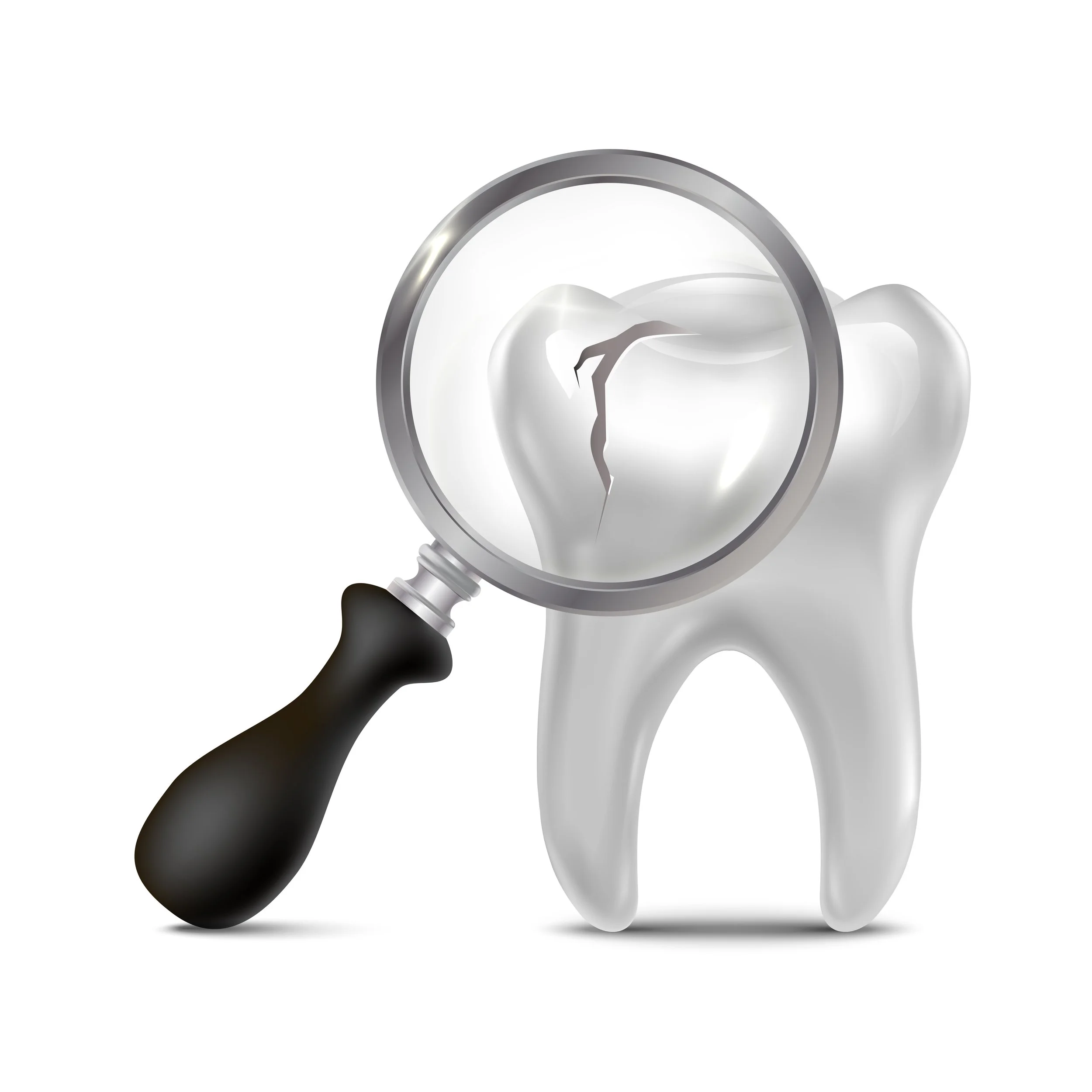
Symptoms vary widely-some fractures cause obvious pain, while others are surprisingly subtle. The presence or absence of symptoms cannot replace an examination, and similar symptoms can occur with cavities, gum disease, or sinus issues.
Sharp Pain When Biting
Pain when biting is a common symptom of cracked teeth. A sudden, sharp pain when biting down on food that feels like it comes from one specific tooth can suggest a crack opening slightly under force. Do not repeatedly bite on hard objects to "find" the painful spot.
Pain When Releasing a Bite
Rebound pain occurs when pressure is released after biting-a classic pattern seen in some cracked teeth. This symptom alone is not a sure diagnosis but is a helpful clue. Mention this pattern clearly to your dentist as part of your dental history.
Sensitivity to Hot, Cold, or Sweet Foods
Sensitivity to hot or cold foods may indicate a cracked tooth. Exposed dentin from a chip, crack, or fractured cusp can cause quick, sharp reactions to hot drinks, cold water, or sweet foods. Sensitivity may be brief or linger for several seconds.
Intermittent Tooth Pain
Cracked tooth pain can come and go, sometimes disappearing for weeks before returning with chewing or temperature changes. This intermittent pattern makes it harder for patients to pinpoint which tooth hurts and for dentists to observe the crack without specific tests. Do not dismiss pain simply because it has temporarily stopped.
Rough or Sharp Tooth Edge
A jagged edge that the tongue keeps touching is a common sign after part of a tooth chips or breaks. Sharp edges can irritate or cut the tongue, cheek, or lip. Avoid filing or grinding the tooth at home.
Visible Crack or Missing Tooth Structure
Some people can see a crack line, missing corner, or dark gap in the mirror, while others notice nothing despite symptoms. Surface craze lines may look like cracks but are typically shallow. Show any suspect areas to your dentist, who can distinguish between harmless lines and significant visible fractures.
Swelling or Tenderness
Swelling around the affected tooth can signal a crack. Mild swelling or soreness in the gum surrounding a broken tooth, especially when pressing on the area, may indicate inflammation from injury, decay, or infection. Progressive swelling or a pimple-like bump on the gums needs prompt attention.
Why Teeth Break or Crack
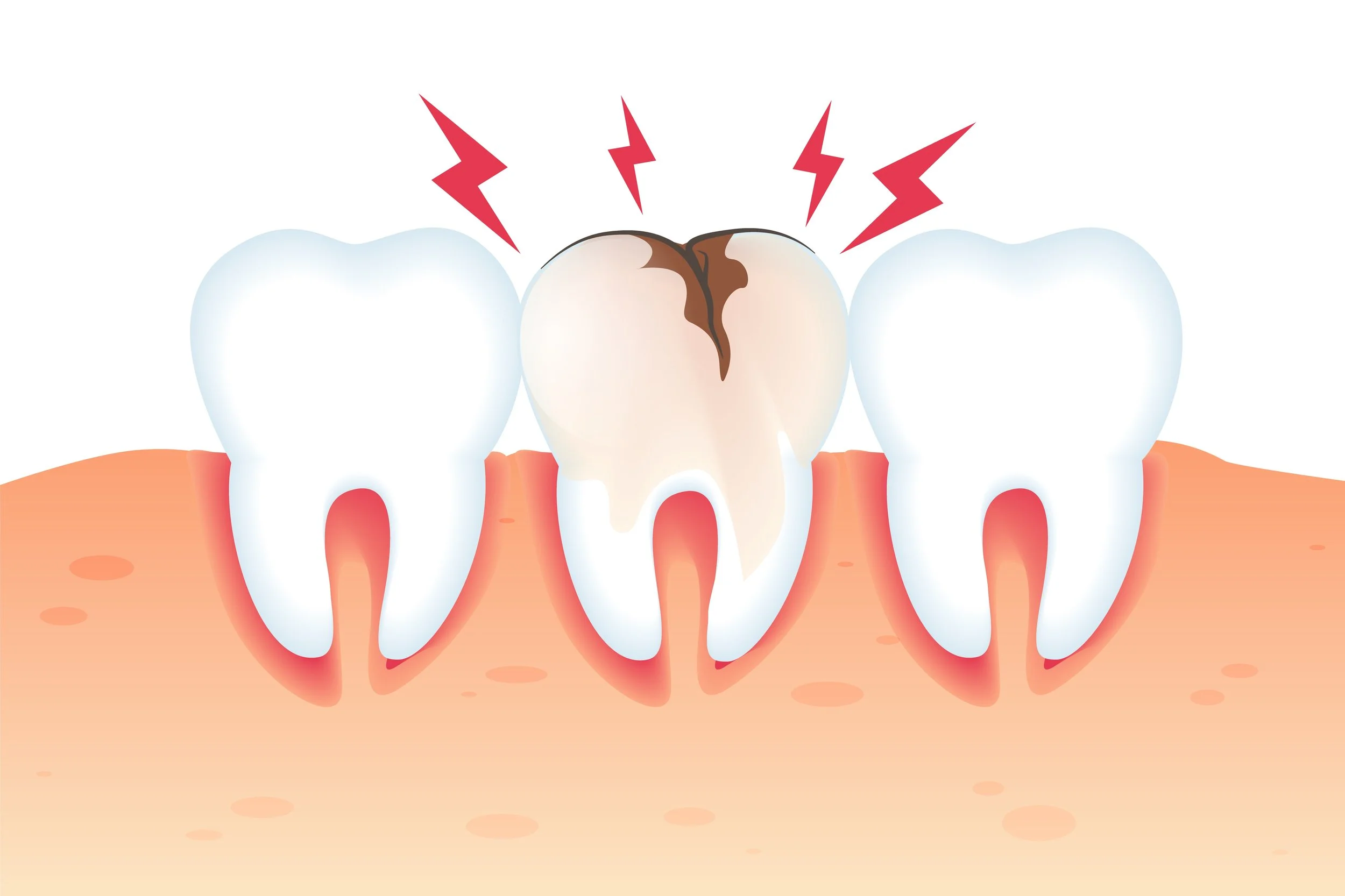
A broken tooth usually results from either a sudden force or repeated smaller stresses on a weakened tooth over time. What causes teeth to break is often a combination of factors: chewing habits, past dental work, decay, grinding, and natural wear.
Biting Hard Foods or Objects
Biting down on hard objects can snap a tooth. Common culprits include hard candy, unpopped popcorn kernels, ice cubes, bones, and nonfood items like pens or fingernails. Biting hard foods can increase the likelihood of cracked teeth, especially if the tooth is already weakened. Avoid using teeth as tools to open bottles or tear packages.
Dental Trauma
Physical trauma can fracture a tooth. Sports injuries, bicycle or car accidents, falls onto the face, and direct blows can cause visible breaks, hidden cracks, or associated damage like a loose tooth. Contact sports carry particular risk, and protective gear like mouthguards significantly reduces dental injuries.
Large Fillings or Weakened Tooth Structure
Large fillings can weaken a tooth over time. Teeth with extensive restorations have less remaining natural tooth structure, making them more prone to cracked teeth or fractured cusps. Older, large metal fillings can act like wedges under repeated chewing forces, contributing to cracks along the edges.
Tooth Decay
Untreated tooth decay weakens the structure of the tooth, making it more likely to break or crumble under normal chewing forces. A tooth may appear to "break suddenly" when a thin shell of remaining enamel collapses over an untreated cavity. Treating decay early helps maintain strong tooth structure.
Teeth Grinding and Clenching
Teeth grinding can create microfractures over time, and teeth grinding can cause repeated trauma leading to cracks. Common signs include morning jaw soreness, worn-down biting surfaces, and complaints from a sleep partner. Dentists may recommend night guards or other approaches to protect teeth from further damage.
Sudden Temperature Changes
Sudden temperature changes can cause thermal shock to teeth-for example, eating ice immediately after drinking very hot coffee. While this is usually not the sole cause of a cracked tooth, it may contribute to stress in already weakened teeth. Moderate habits can reduce this minor risk.
Normal Wear and Aging
Over many years, teeth experience thousands of chewing cycles, minor bumps, and restorations, which contribute to small structural changes. Age increases the risk of cracked teeth due to wear and tear, and normal wear with age can lead to increased fracture susceptibility in teeth. Adults over 50 are more susceptible to cracked teeth, though aging alone does not guarantee fractures. Mentioning intermittent pain or new lines to a dentist helps catch problems early.
Different Types of Tooth Cracks and Fractures
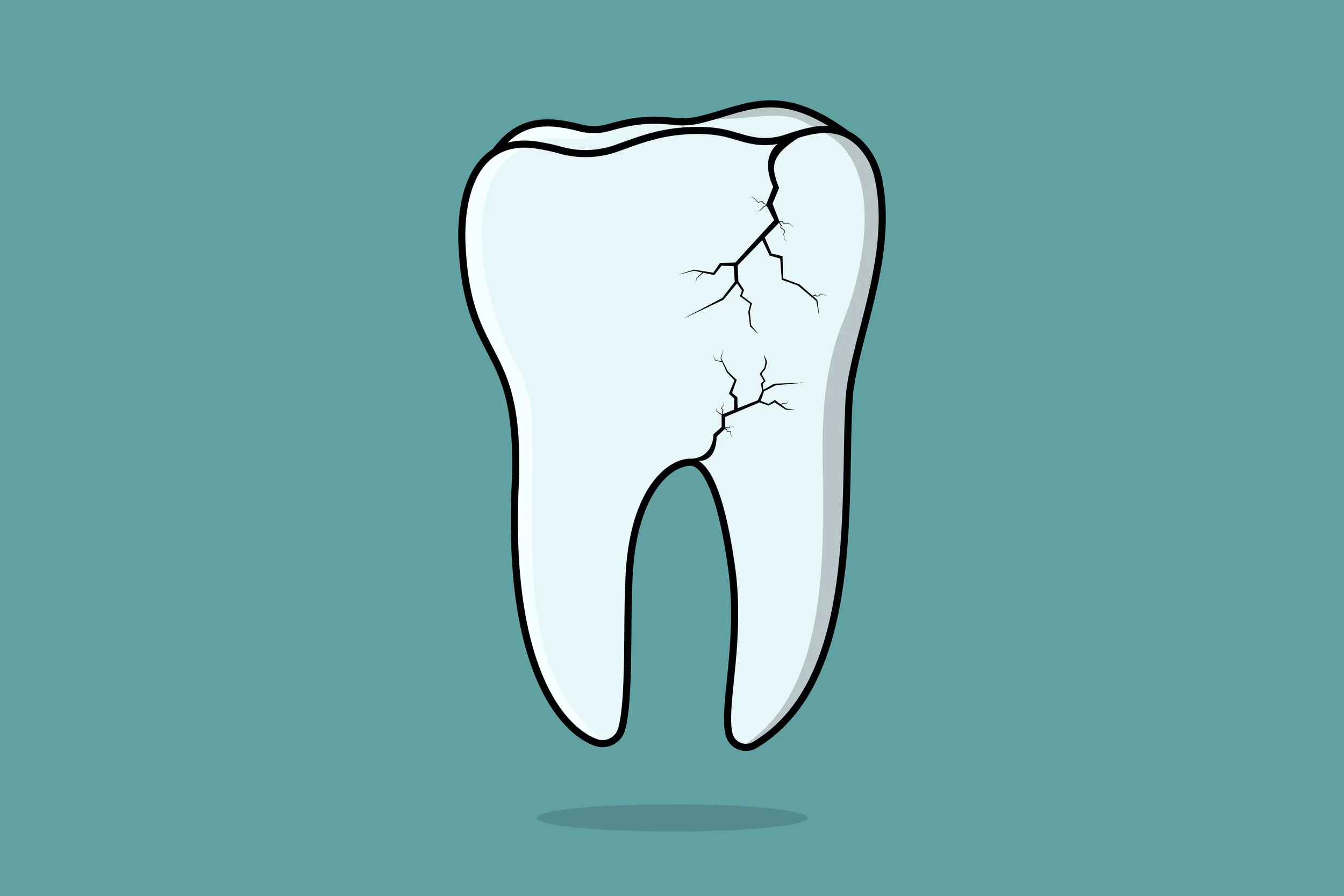
Not every line or break is the same. Dentists classify types of cracked teeth into categories with different treatment needs and prognoses.
Craze Lines
Craze lines are small, shallow cracks in enamel that often run vertically and are common in adult teeth. They usually do not cause pain, do not involve dentin or pulp, and are different from true structural cracks. Most faint enamel lines are not dental emergencies-they are primarily cosmetic concerns.
Fractured Cusp
A fractured cusp happens when part of the chewing surface-often a pointed cusp-breaks away, frequently around a large filling in a molar or premolar. Fractured cusps occur when part of the tooth breaks off. Typical treatments include a new filling, onlay, or dental crown.
Cracked Tooth
A cracked tooth extends vertically but does not split in two. The crack may cross one or both marginal ridges and can involve dentin and possibly the pulp, causing biting pain and temperature sensitivity. Treatment may include a crown or, if the crack extends to the pulp, root canal treatment plus a crown.
Split Tooth
A split tooth represents the advanced stage of a cracked tooth where the crack forms through the tooth so completely that it separates into segments. Prognosis depends on how far the split extends; often, at least part of the tooth cannot be saved. Early detection of a crack before it becomes a split tooth offers a better chance of preservation.
Vertical Root Fracture
A vertical root fracture starts at the root of the tooth below the gum line and travels toward the crown. Vertical root fractures start at the root and extend upward, often producing only subtle symptoms like mild persistent pain, localized gum infection, or a narrow deep pocket next to the tooth. These vertical fractures often have a guarded prognosis. Research shows that vertical root fractures occur in about 16.2% of root-filled teeth with posts versus roughly 1.2% without posts.
How a Broken Tooth Is Evaluated
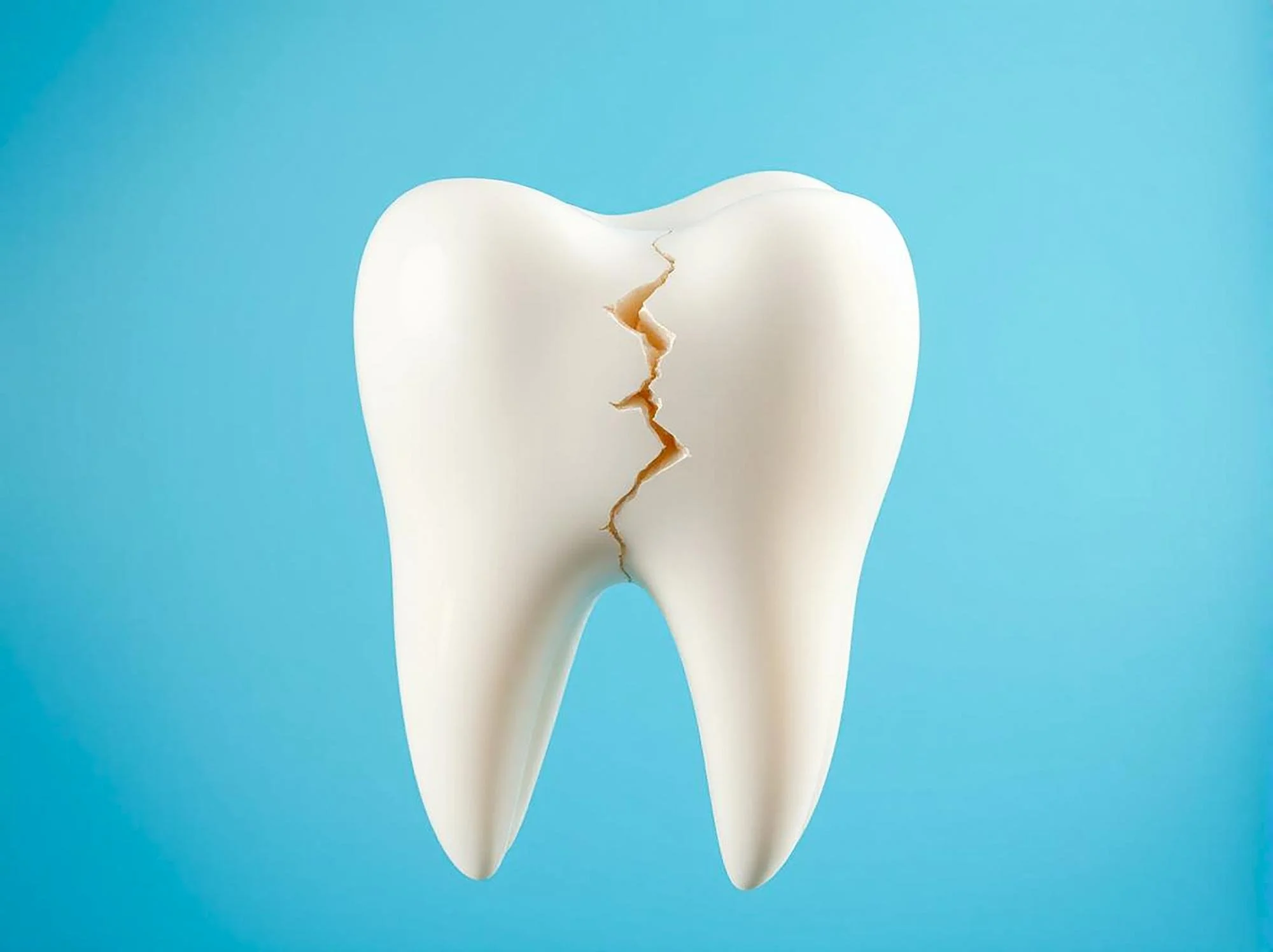
When you arrive at the dentist's office with a broken or cracked tooth, diagnosing the problem often requires combining information from symptoms, dental history, visual examination, bite tests, and dental imaging. Accurate diagnosis guides appropriate treatment.
Symptoms and Dental History
The dentist will ask about when the pain started, what foods trigger it, whether there was recent trauma, and whether you have large fillings, crowns, root canals, or a history of teeth grinding. Bringing details about how the tooth feels when biting or releasing pressure helps narrow down the cracked tooth diagnosis.
Visual and Physical Examination
The dentist inspects teeth and the surrounding gum tissue using bright light, mirrors, and sometimes magnification or a staining dye to look for cracks, chipped areas, or broken cusps. They may gently probe along the tooth surface to detect spots where a crack might catch the instrument.
Bite Testing
The dentist may ask you to bite down gently on special tools placed on specific parts of the tooth. The goal of bite tests is to identify whether pain occurs when biting or releasing pressure on a particular cusp. This is a controlled, supervised process-different from repeatedly chewing hard foods at home.
Dental Imaging
X-rays help check for decay, bone changes, infections around the surrounding bone, and some types of fractures. However, not all tooth cracks show clearly on X-rays, especially cracks running parallel to the imaging beam. A normal X-ray does not always rule out a cracked tooth, and additional views may be needed.
Why Some Cracks Are Hard to Diagnose
Many cracked teeth have fine fracture lines hidden under gums, fillings, or crowns that only open under biting pressure. Intermittent symptoms, overlapping issues, and normal-looking X-rays all contribute to diagnostic difficulty. Early diagnosis through persistence with follow-up appointments and clear symptom descriptions can help the dentist reach appropriate conclusions. According to data from the Cracked Tooth Registry, combining multiple diagnostic signs-staining, explorer detectability, transillumination-improves detection accuracy.
Treatment Options for a Broken Tooth
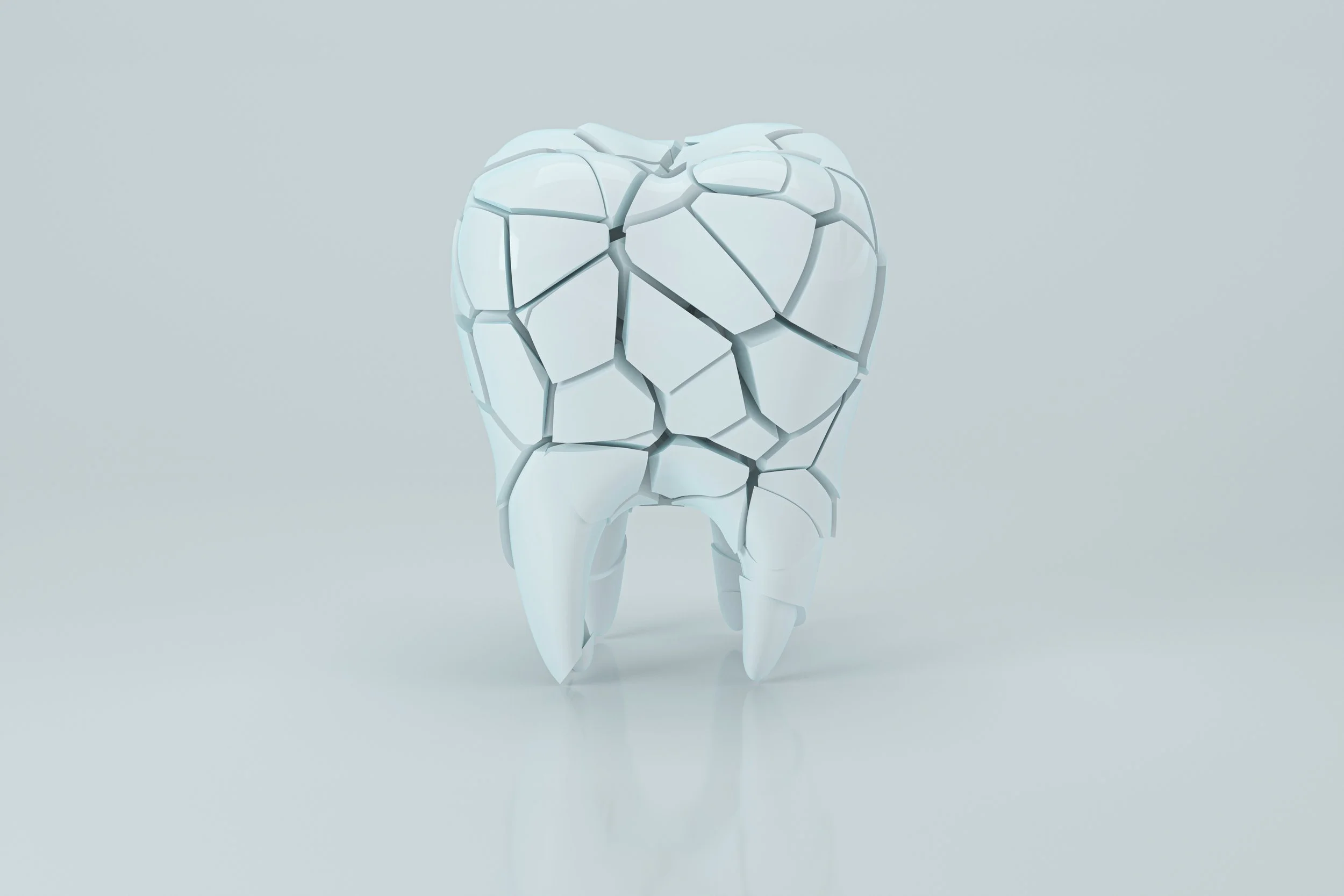
Broken tooth treatment and cracked tooth treatment depend on fracture depth, tooth location, remaining structure, symptoms, and pulp involvement. There is no single correct approach-options range from simple smoothing to extraction in severe cases.
Smoothing or Polishing
Very small chips or rough enamel edges can sometimes be managed by gently smoothing and polishing. This chipped tooth treatment is quick, conservative, and appropriate when there is no exposure of dentin or pulp. The dentist will still monitor the tooth over time.
Dental Bonding
Bonding uses a tooth colored resin-a plastic composite material-applied to the chipped or cracked area, shaped, and hardened with a special light. Bonding uses a plastic resin to fill and restore cracks, and works well for many small and medium chips, particularly on front teeth. Bonded repairs can discolor or wear over time but preserve more natural tooth structure than larger restorations.
Dental Filling
A dental filling replaces missing or decayed tooth structure with material such as composite resin. Minor cracks are often restored with a filling or crown. Fillings are commonly used in back teeth with limited fractures or where decay contributed to the break.
Dental Crown
A dental crown is a custom-made cap covering and protecting a tooth that has lost significant structure. Crowns can provide a long-term solution for cracked teeth. They are often recommended for large fractures, fractured cusps, cracked molars, or teeth that have had root canal treatment. A 2024 systematic review found that full-coverage crowns reduced the risk of tooth extraction by approximately 8-fold compared to restorations without cuspal coverage. Not every broken tooth needs a crown, but they are very effective when large areas are involved.
Root Canal Treatment
Root canal treatment involves carefully cleaning out damaged or infected pulp tissue inside the tooth, disinfecting it, and sealing it. Deep cracks with pulp involvement require root canal treatment. Root canal therapy addresses pulp health, but separate restorations like crowns are still needed to fix the structural crack. Not every cracked tooth needs a root canal-it depends on whether the dental pulp is irreversibly damaged.
Research shows that cracked teeth treated with root canal therapy and full crowns achieved approximately 90–91% survival at one to two years, though longer-term survival drops to roughly 66% at 10 years and 55% at 15 years, depending heavily on factors like probing depth and restoration type.
Tooth Extraction
A cracked tooth may need extraction if damage is severe-such as a split tooth, certain vertical root fractures, or fractures far below the gum line. Extraction is typically considered only after other treatment options have been evaluated. Many broken and cracked teeth can be saved with appropriate treatment.
Replacing a Tooth That Cannot Be Saved
If tooth extraction is necessary, common replacement options include a dental implant, fixed bridge, or removable partial denture. Replacing a missing tooth helps with chewing, appearance, and preventing neighboring teeth from shifting. Detailed coverage of replacement options is beyond this article's scope.
Can a Cracked Tooth Heal on Its Own?
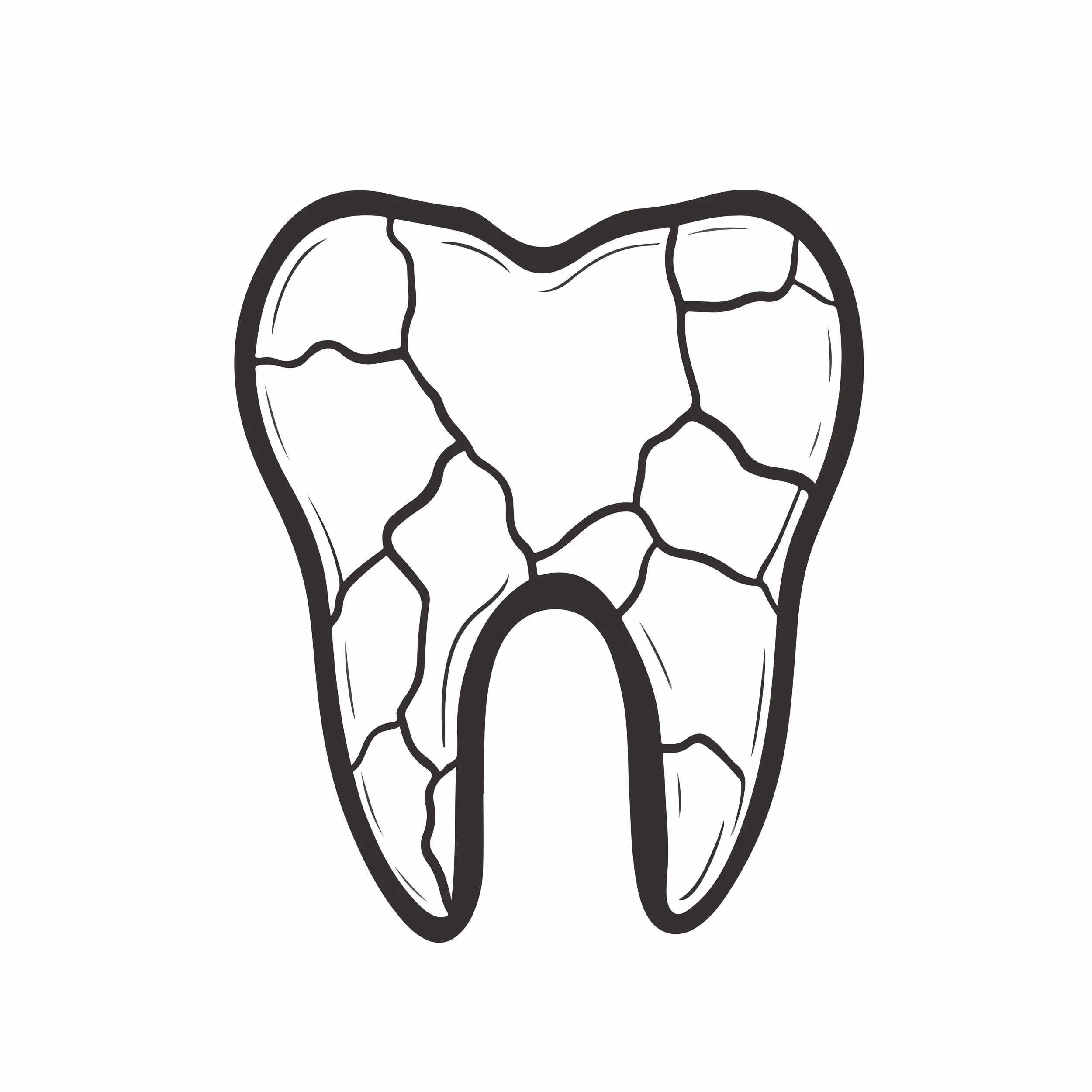
Tooth enamel and dentin do not regenerate the way skin or bone does. Structural cracks generally do not "heal" or seal themselves. Symptoms from a cracked tooth may lessen or disappear for periods if the crack remains stable or triggers are avoided, but the underlying fracture typically persists.
Craze lines are different-these superficial enamel lines are usually harmless and do not require intervention. Deeper structural cracks, however, can worsen with continued chewing forces. Early evaluation allows the dentist to monitor or treat a crack before it progresses, rather than waiting for it to heal on its own.
What Happens If a Broken Tooth Is Left Untreated?
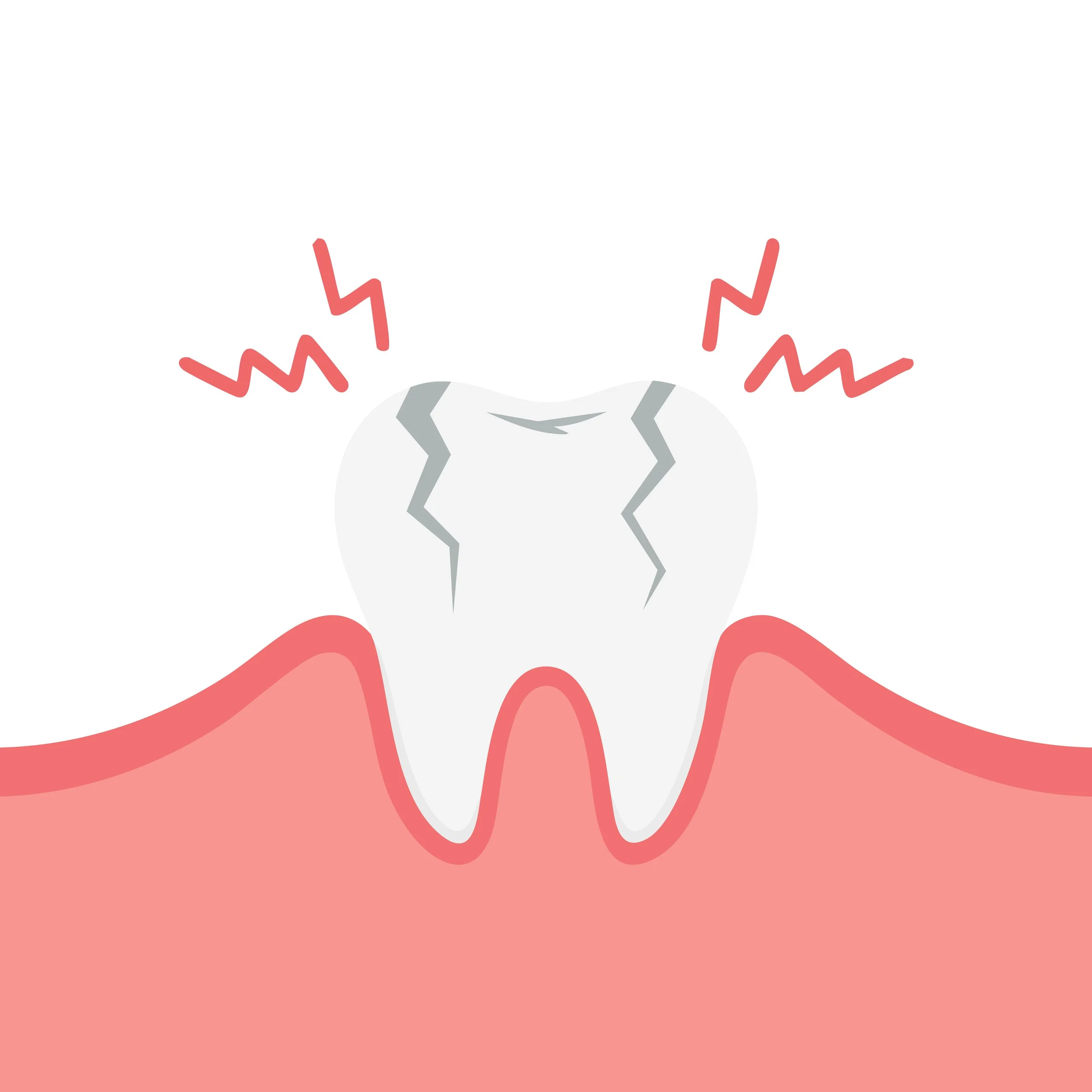
Not every broken tooth leads to serious complications, but leaving structural damage untreated can increase certain risks over time. The speed of progression varies based on fracture type, bite forces, and oral hygiene.
Further Fracture
Weakened tooth structure is more susceptible to additional cracking during normal chewing. A small chip or crack can gradually extend, turning a repairable cracked tooth into a split tooth that is harder to save. See a dentist even if the initial break seems minor.
Increasing Sensitivity or Pain
Untreated broken or cracked enamel exposes dentin, which can lead to worsening sensitivity to temperature extremes, sweets, or pressure. If left untreated, pain can become more frequent or severe as the crack reaches deeper layers.
Pulp Inflammation or Infection
Bacteria can enter through a fracture line and reach the pulp tissue, leading to inflammation (pulpitis) and sometimes infection. Symptoms may include prolonged pain, swelling, or a pimple-like bump on the gums. Untreated pulp infection can spread to surrounding tissues.
Tooth Structure Loss
As cracks deepen or pieces break away, less healthy structure remains for fillings, crowns, or other restorations. Preserving tooth structure early allows for more conservative dental treatments and better long-term outcomes.
Tooth Loss in Severe Cases
In advanced situations-extensive splits or vertical root fractures-the damaged tooth may eventually become nonrestorable and need extraction. This outcome is not inevitable, and many teeth can be saved with timely, appropriate care.
Broken Front Tooth vs. Broken Back Tooth
Where the tooth sits in the mouth affects both the impact of the break and preferred repair methods. Front teeth are visible and play a role in speech, while back teeth handle heavier chewing forces.
Broken Front Tooth
Common causes include falls, sports injuries, and biting something hard. A broken front tooth creates concerns about sharpness, sensitivity, and appearance. Treatments range from smoothing and bonding to veneers or crowns, balancing durability with a natural look.
Broken Molar or Premolar
Back teeth often develop fractured cusps, cracked molars, or broken fillings due to heavy chewing forces and large restorations. These breaks may not be easily seen but cause chewing pain. Treatment focuses on strength and function using fillings, onlays, or crowns.
Why Tooth Location Matters
Tooth anatomy, chewing forces, and cosmetic priorities all change depending on position. A dental specialist weighs these factors when deciding whether bonding, a filling, a crown, or other options are best for each specific situation.
Broken Teeth and Existing Dental Work
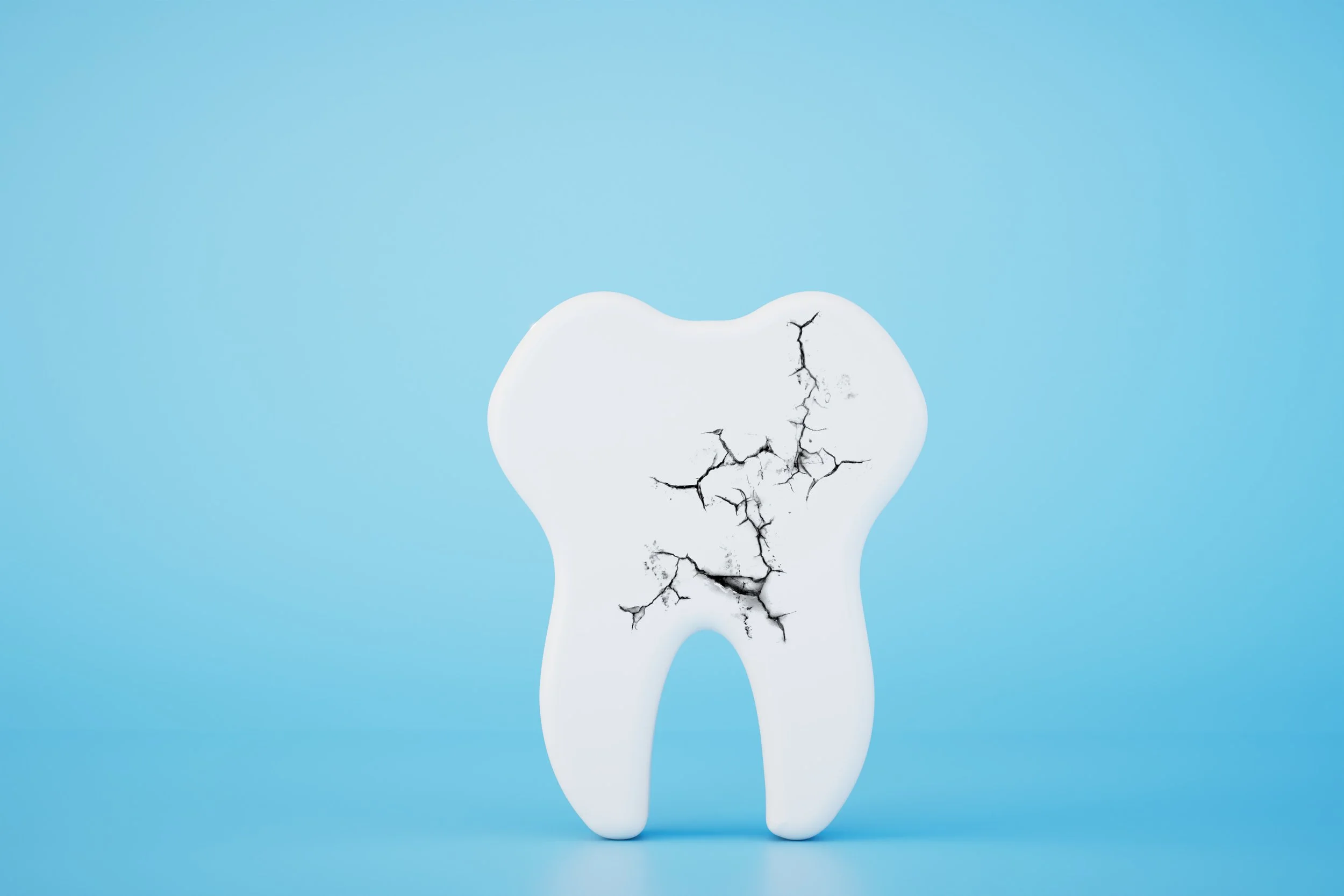
Broken teeth often involve or occur near existing dental work. Understanding how dental history influences vulnerability helps you know what to expect.
Teeth With Large Fillings
Large fillings replace much of the natural tooth and can leave remaining walls thin and prone to fracture. Cracks sometimes form along filling edges where stresses concentrate. Dentists may recommend crowns to prevent or treat fractures in these weakened teeth.
Broken Crowns
Crowns can chip, crack, or loosen over time. A broken crown may expose the underlying tooth, which can also be cracked or decayed. Treatment may involve repairing or replacing the crown while also addressing any damage beneath.
Root Canal-Treated Teeth
Many teeth needing root canal treatment have already lost significant structure from decay, cracks, or old fillings. Root canal therapy itself does not automatically make a tooth brittle, but the combination of previous damage and heavy use often requires added protection like a crown. Data from the American Association of Endodontists suggests that new cracks around root canal-treated teeth should be evaluated promptly.
What Not to Do With a Broken Tooth
A few well-intentioned actions can cause more harm than good. Keep this as your quick "don'ts" checklist.
Do Not Keep Chewing on It
Repeated stress can deepen cracks, break off more tooth structure, or worsen pain. Switch to the opposite side and choose softer foods until the tooth can be evaluated.
Do Not Try to Glue the Tooth
Household glues, superglue, and other adhesives are not safe for oral tissues. They can prevent proper bonding later or trap bacteria under the repair. Only professional dental materials should be used.
Do Not Place Aspirin on the Tooth or Gums
Placing aspirin tablets directly on a painful tooth or gum can cause chemical burns and damage soft tissues. If using over-the-counter pain relief, swallow it as directed-never apply it locally.
Do Not File the Tooth Yourself
Using nail files, metal tools, or other objects to smooth sharp edges can remove too much enamel, create new microcracks, or traumatize gums. Ask your dentist to professionally smooth or cover sharp edges.
Do Not Ignore Persistent Pain
Ongoing or recurring pain after a tooth breaks can indicate deeper involvement. Delaying evaluation may allow problems to progress and limit treatment options. Schedule an assessment if discomfort persists, even if it comes and goes.
Do Not Assume a Painless Crack Is Harmless
Some cracks cause few or no symptoms initially. Structural problems can worsen with time and chewing forces even without obvious pain. Mention any visible lines or unusual sensations to your dentist at routine visits.
Eating With a Broken Tooth
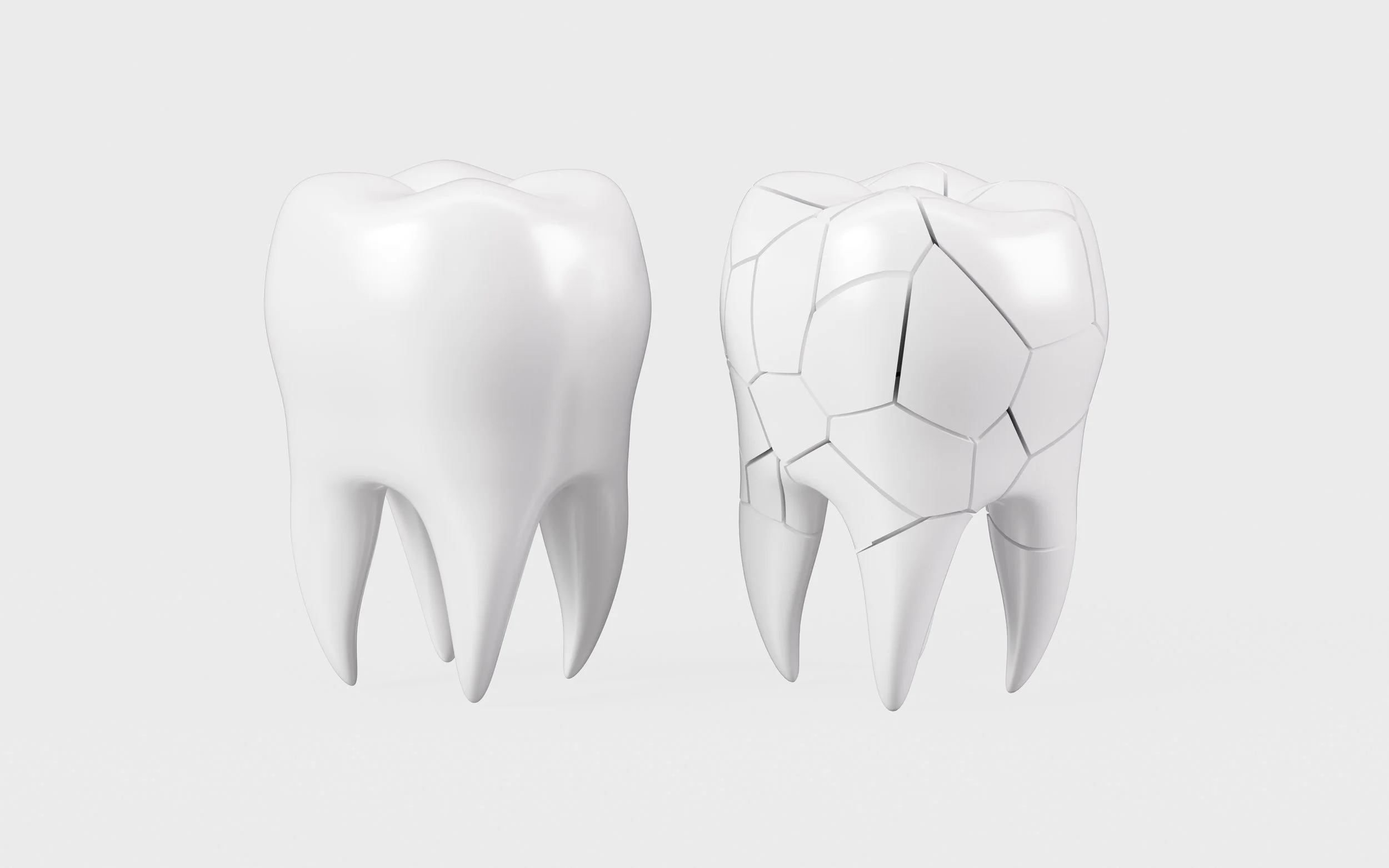
These are temporary strategies for eating more comfortably until professional care is obtained.
Chew on the Opposite Side
Consciously chew on the side opposite the broken tooth to reduce direct pressure. Cut foods into smaller pieces to control where chewing occurs.
Choose Softer Foods Temporarily
Select soft, easy-to-chew foods: yogurt, soups at a comfortable temperature, mashed vegetables, eggs, oatmeal, soft pasta, and smoothies. Avoid foods requiring tearing or heavy grinding.
Avoid Hard and Sticky Foods
Avoid certain foods temporarily, including hard candy, ice, nuts, popcorn kernels, sticky caramels, and taffy. Hard foods can wedge into cracks, and sticky foods can pull on loose fragments.
Be Careful With Temperature Extremes
Be cautious with very hot drinks and cold food like ice water or frozen desserts. Lukewarm or room-temperature options are usually more comfortable when dentin is exposed.
Preventing Broken and Cracked Teeth
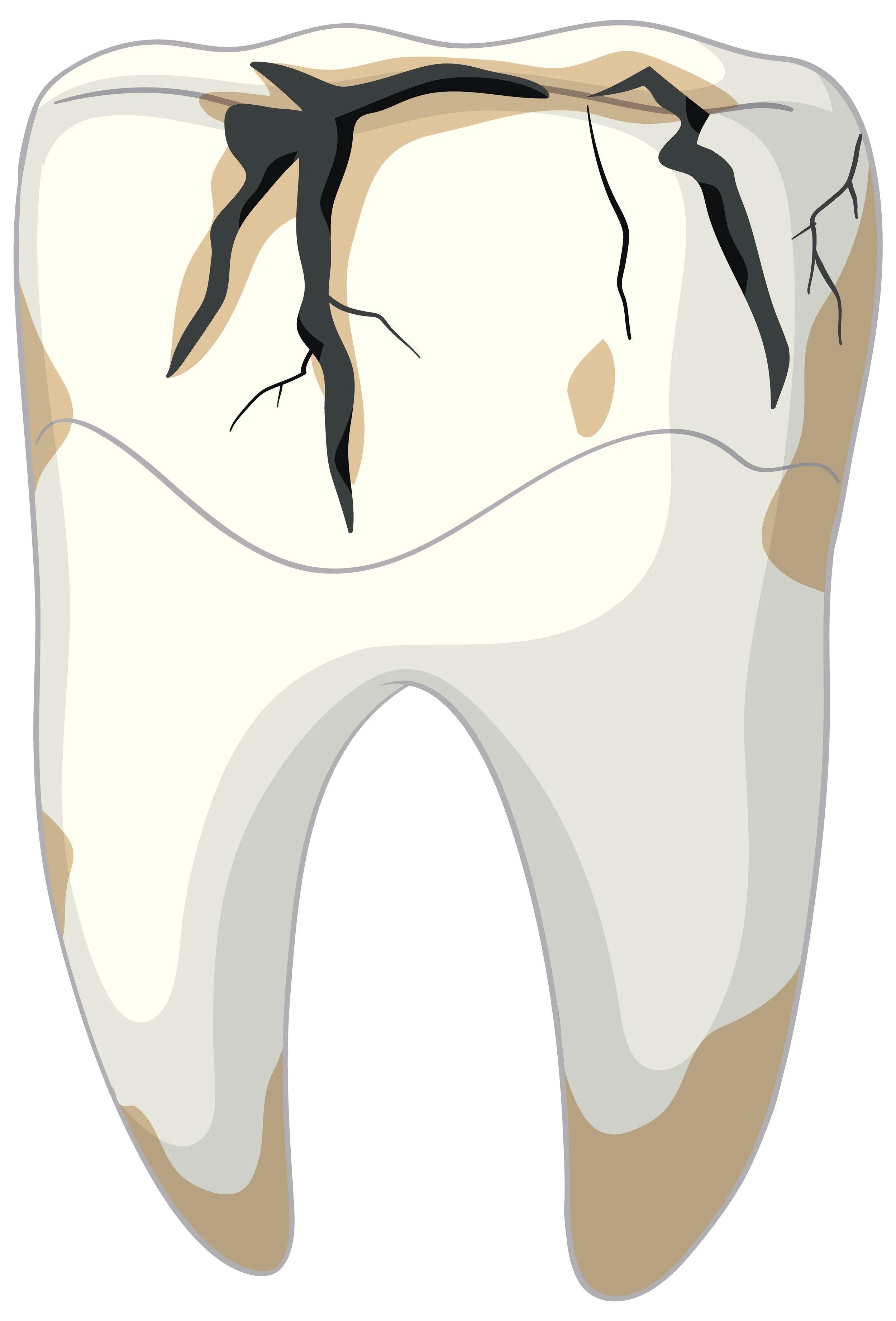
Not all dental injuries can be avoided, but many risk factors can be reduced through practical habits.
Avoid Chewing Hard Nonfood Objects
Break habits like chewing on pens, pencils, fingernails, or jewelry. Try substitute stress-relief activities like squeezing a stress ball.
Be Cautious With Very Hard Foods
Use common sense with hard foods like ice, nuts in shells, or unpopped kernels-especially if teeth already have large fillings. Let hard candy dissolve rather than biting it.
Protect Teeth During Sports
Wear a properly fitted mouthguard for contact sports and activities with collision risk. Custom mouthguards from dental impressions usually offer better comfort and protection, though any mouthguard is better than none.
Address Teeth Grinding or Clenching
If you suspect grinding or clenching, mention it to your dentist. Solutions may include night guards, stress-management strategies, or bite adjustments. Controlling bruxism reduces future cracks and worn-down teeth.
Maintain Tooth Structure
Prevent tooth decay through daily brushing, flossing, and fluoride use. Regular dental check-ups allow early detection of cavities before they weaken teeth enough to fracture.
Protect Restored Teeth
Teeth with crowns, large fillings, or root canal treatments still need careful brushing, flossing, and attention to new symptoms. Avoid biting very hard objects with teeth that have large restorations.
Can a Broken Tooth Be Prevented Completely?
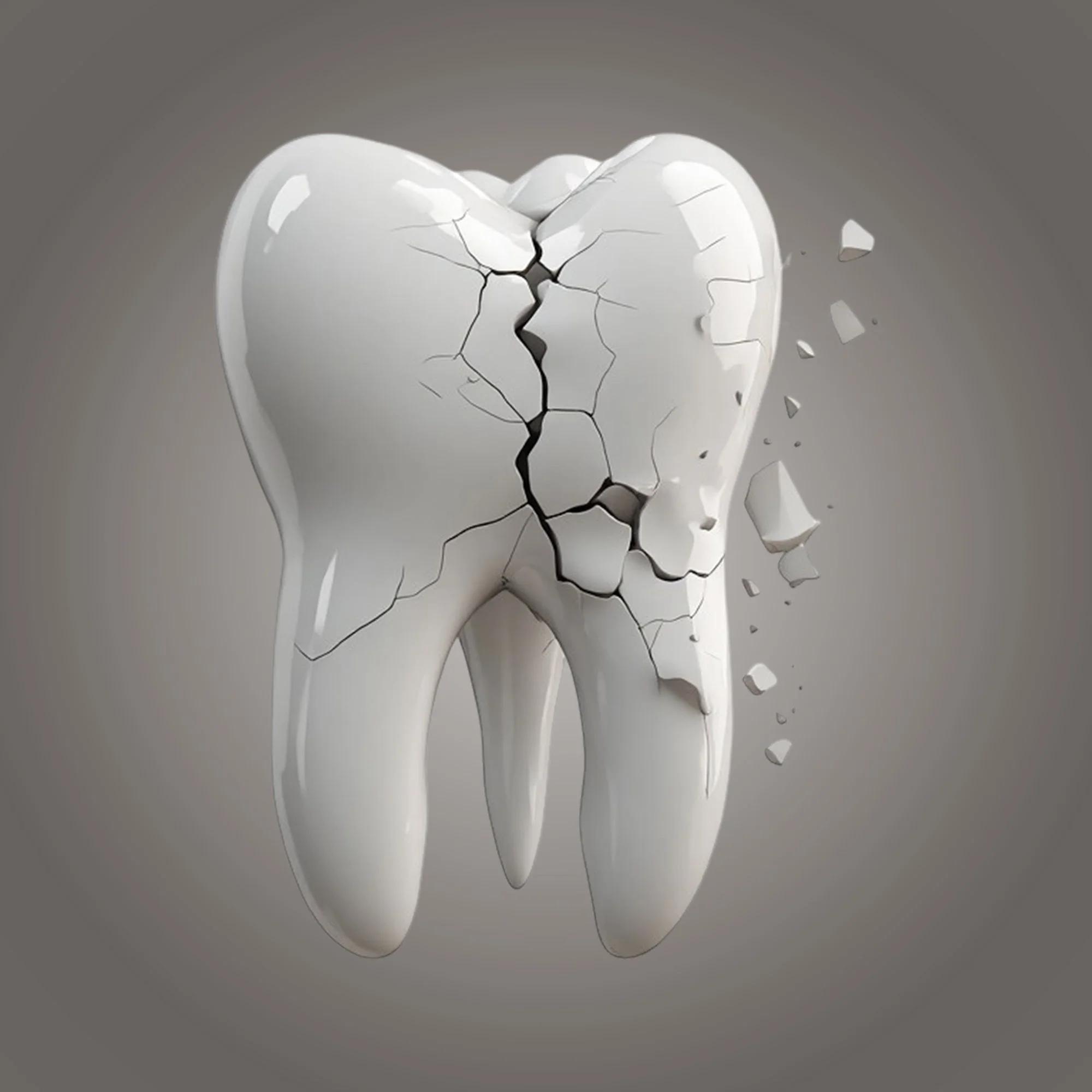
Even with excellent care, some accidents and fractures cannot be fully prevented. Prevention strategies significantly lower the likelihood and severity of broken tooth problems but cannot provide absolute guarantees. Focus on controllable factors: good oral hygiene, protective gear, careful eating habits, and prompt attention to early symptoms.
Common Myths About Broken and Cracked Teeth
Misunderstandings about cracked teeth and broken tooth treatment can delay care or lead to poor decisions.
"If the Tooth Does Not Hurt, It Is Fine"
Lack of pain does not always mean the tooth is healthy. Some cracks and chips are painless but structurally significant. Routine exams help catch problems before they progress.
"A Small Crack Will Heal on Its Own"
Enamel and dentin do not regenerate to close structural cracks. Leaving a small crack unchecked can allow it to deepen under continued biting forces. A large practice-based study found that while tooth survival exceeded 98% over three years, approximately 12% of monitored cracks showed progression-they did not heal.
"Every Cracked Tooth Needs a Root Canal"
Root canal treatment is needed only when the pulp is irreversibly inflamed or infected. Many cracks involve only enamel and dentin and can be managed with bonding, fillings, or crowns without treating the tooth pulp.
"Every Broken Tooth Needs a Crown"
Some minor chips and small fractures can be treated with smoothing, bonding, or fillings. Crowns are reserved for cases where significant structure is missing or reinforcement is needed.
"A Cracked Tooth Always Has to Be Removed"
Many cracked teeth can be preserved with appropriate treatment, especially when caught early. A cracked tooth may need extraction only when cracks make it nonrestorable or vertical root fractures severely compromise support.
"You Can Fix a Broken Tooth With Household Glue"
Household adhesives are not safe for the mouth. DIY repairs can trap bacteria, mask underlying problems, and break again under chewing forces. Professional materials and techniques are necessary for safe, durable broken tooth repair.
Frequently Asked Questions
These answers provide general guidance and are not a substitute for personalized dental advice.
What should I do immediately if I break a tooth?
Stay calm, rinse gently with water, save any broken pieces in milk or saliva, avoid chewing on the tooth, and manage pain safely with over-the-counter medication taken as directed. Contact a dentist as soon as possible. If there is severe pain, heavy bleeding, or facial swelling, the situation may be a dental emergency.
Is a broken tooth a dental emergency?
Small, painless chips can often wait for a scheduled appointment. Severe pain, large fractures, exposed pulp, swelling, fever, or trauma-related injuries can make it a broken tooth emergency. Call a dental office for guidance if you are unsure.
What should I do with a piece of tooth that broke off?
Rinse the fragment carefully with clean water, avoid scrubbing it, and store it in milk, saline, or saliva in a clean container. The dentist may not always reattach it, but it can sometimes be bonded back or help guide treatment.
Can a broken tooth heal itself?
While symptoms may lessen and the tooth may feel better, enamel and dentin do not regrow to repair structural cracks or missing pieces. Any chipped, cracked, or broken tooth should be evaluated.
Can a cracked tooth be saved?
Many cracked teeth can be saved with appropriate cracked tooth treatment such as a crown, sometimes combined with root canal therapy. Prognosis depends on how far the crack extends, especially whether it reaches below the gum line or into the root.
How do I know if my tooth is cracked?
Common signs include sharp pain when biting or releasing, intermittent discomfort, sensitivity to temperature or sweet foods, and sometimes a visible line. Only a dentist can confirm a cracked tooth diagnosed through examination, imaging, and bite tests.
Why does a cracked tooth hurt when I bite?
Biting can cause the crack to open slightly, stressing inner layers and sometimes the pulp, which sends pain signals through blood vessels and nerve fibers. Pain may stop when pressure is released because the crack closes-a pattern typical of tooth syndrome cases.
Can a cracked tooth stop hurting?
Symptoms can temporarily decrease if the crack is stable or triggers are avoided, but this does not mean the crack has healed. Returning or intermittent pain still warrants evaluation.
What happens if a broken tooth is not treated?
Potential outcomes include further fracture, increased sensitivity or pain, pulp inflammation or infection, and in severe cases, loss of restorable tooth structure or even the tooth itself. Timely treatment generally offers better, more conservative options.
Does every broken tooth need a crown?
No. Small chips or limited fractures may be managed with smoothing, bonding, or fillings. Crowns are typically reserved for teeth with substantial structural loss or cracks needing reinforcement.
Does every cracked tooth need a root canal?
Root canal treatment is recommended only if the crack has damaged the pulp or if the pulp is inflamed or infected. Many cracks limited to outer layers can be treated without root canal therapy.
Can a broken tooth be repaired with bonding?
Bonding works well for many small to moderate chips and minor cracks, especially on front teeth. Larger or deeper fractures may need more extensive restorations like crowns for long-term strength.
Can a fractured tooth cause an infection?
Yes. If a fracture exposes dentin and the dental pulp, bacteria can enter and potentially lead to infection and an abscess. Warning signs include increasing pain, swelling, bad taste, or fever-all of which require prompt dental attention.
What foods should I avoid with a broken tooth?
Avoid hard foods (ice, nuts, hard candy), sticky foods (caramel, taffy), very chewy foods, and very hot or cold items if they trigger sensitivity. Focus on softer, room-temperature foods until the tooth is examined.
How can I prevent teeth from cracking or breaking?
Avoid chewing hard objects, be cautious with very hard foods, wear a mouthguard for high-risk sports, manage grinding or clenching, prevent decay, and care for restored teeth. No strategy prevents all cracked teeth, but these habits significantly reduce risk.
Conclusion
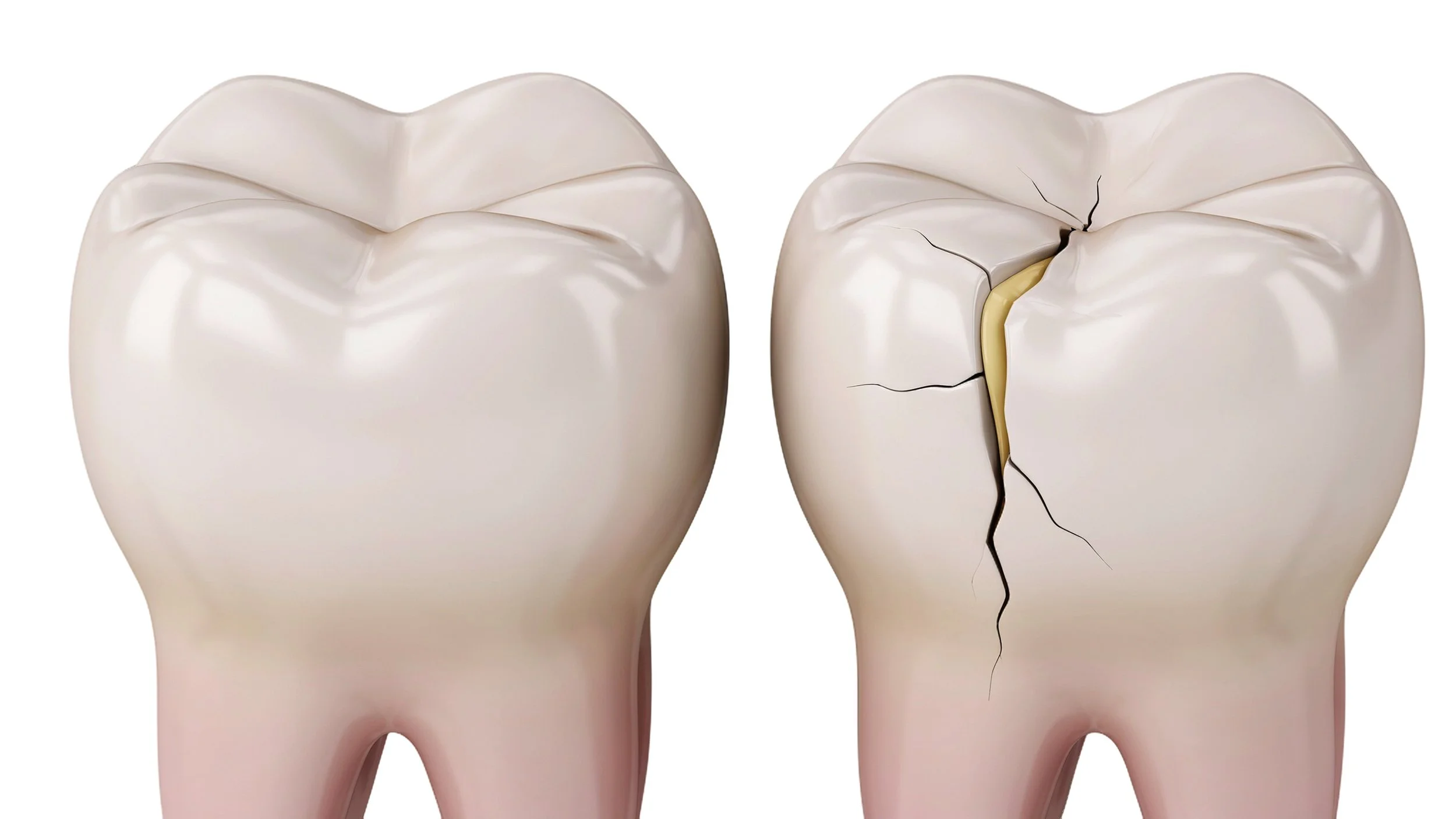
A broken tooth can range from a small, painless chip to a deep structural fracture that threatens the health of the entire tooth. The first steps-protecting the tooth, avoiding additional stress, managing discomfort safely, and watching for emergency warning signs-give you the best chance of preserving as much healthy structure as possible.
Treatment is always individualized. A tiny chip might need nothing more than smoothing, while a deep crack may call for a crown, root canal treatment, or in some cases extraction with replacement. The key variable is how much healthy tooth remains and whether the pulp is involved.
Many broken and cracked teeth can be saved, especially when addressed early. Preventive habits-mouthguards during sports, managing grinding, avoiding hard objects, and keeping up with routine dental care-go a long way toward protecting teeth over a lifetime. If something feels off after a bite, a fall, or even an ordinary meal, trust your instincts and have it checked. Early attention to a small crack today can prevent a serious injury tomorrow.