Key Takeaways
A completely knocked-out tooth is called an avulsed tooth and is a true dental emergency, especially when it involves a permanent tooth.
Handle a knocked-out permanent tooth only by the crown, never by the root. If dirty, gently rinse it briefly with clean water or saline without scrubbing.
Replant a permanent tooth into its socket immediately if it can be done safely, then gently bite on clean gauze or cloth and head for emergency dental care.
If you cannot replant a permanent tooth, keep it moist in a tooth-preservation solution, milk, or saline - do not let it dry out or store it long-term in tap water.
Never replant a knocked-out baby tooth. Instead, control bleeding, comfort the child, and arrange prompt dental evaluation.
Always prioritize serious medical issues - loss of consciousness, breathing problems, suspected head or neck injury, or heavy bleeding - over dental first aid.
Replanted teeth often require follow-up and, in many mature permanent teeth, eventual root canal treatment. Ongoing monitoring helps catch complications early.
Children, teens, athletes, and active adults are at higher risk of dental trauma, so mouthguards and appropriate protective gear can significantly reduce the risk.
Knowing these first-aid steps before an accident happens can improve the chances of saving a knocked-out tooth and protecting long-term oral health.
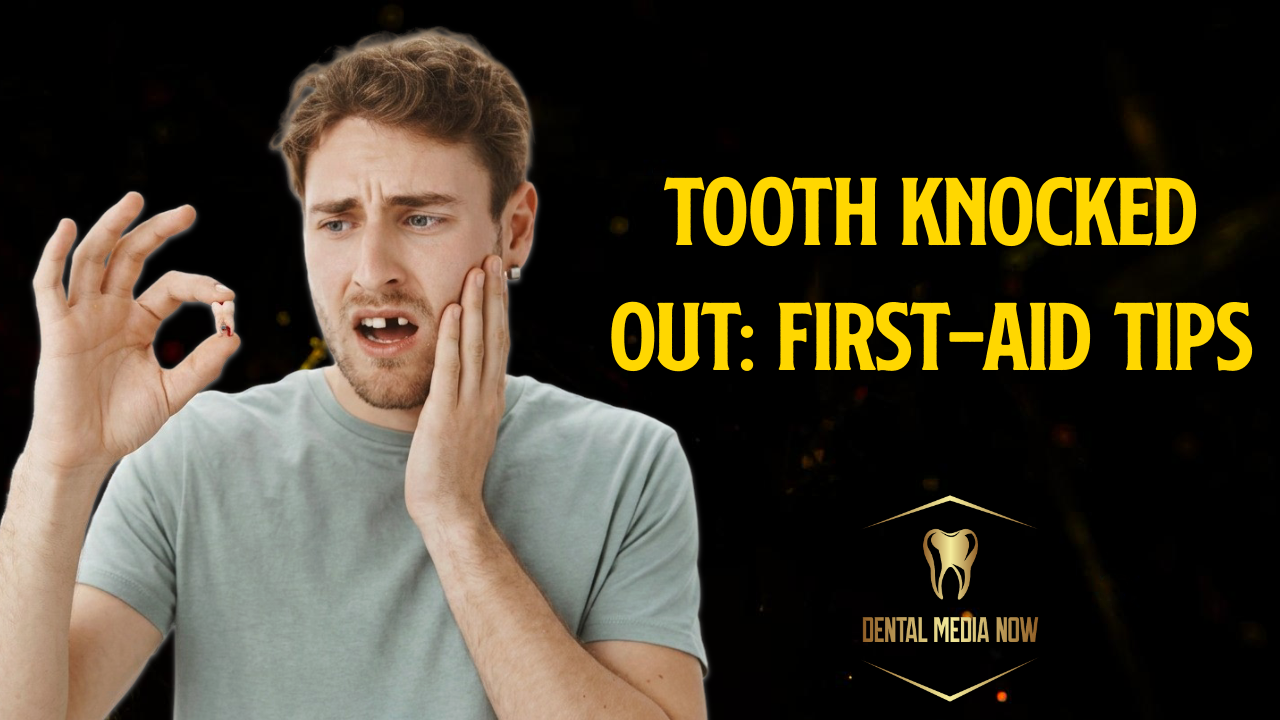










A completely knocked out tooth - medically called an avulsed tooth - is one of the most time-sensitive dental injuries you can face. If a permanent tooth is knocked out, your immediate actions directly influence whether that tooth can be saved. Find the tooth, pick it up by the crown, gently rinse it if dirty, replant it immediately if possible, or keep it moist in milk, a tooth-preservation solution, or saline and get to a dentist immediately.
One distinction matters more than anything else: a knocked-out permanent tooth may be replanted, but a knocked-out baby tooth must never be put back into the socket. Attempting to replant a primary tooth can damage the developing permanent tooth underneath.
A knocked-out permanent tooth is a dental emergency, and quick, correct first aid can improve the chances of saving the tooth and protecting long-term oral health. This guide covers the definition of tooth avulsion, step-by-step first aid, safe handling and storage, what to expect at an emergency appointment or emergency room visit, possible complications, children's dental injuries, prevention tips, common myths, key takeaways, and frequently asked questions.
What Is a Knocked-Out Tooth?

A knocked-out tooth, or tooth avulsion, means a tooth has been completely displaced from its socket. The socket is empty and the entire tooth - crown and root - is outside the mouth. This is different from other traumatic dental injuries such as a loose tooth that is wobbly but still seated, a displaced tooth that has shifted but remains attached, or a broken tooth where part of the crown is missing but the root stays in place.
Tooth avulsion most often affects front permanent teeth after falls, contact sports injuries, bicycle accidents, or blows to the face. Accidents and falls are among the most common causes of a knocked-out tooth, especially in children aged 7 to 11. Avulsed teeth are more serious than many other dental injuries because the periodontal ligament and blood supply are torn, and root-surface cells begin to die if the tooth dries out.
Knocked-Out Permanent Tooth
A knocked-out permanent tooth - also called an adult tooth - can sometimes be successfully replanted and function for years if first aid and emergency treatment happen quickly. The success of a replanted permanent tooth depends heavily on how fast it is returned to the socket, whether it was kept moist, and how gently it was handled.
Front upper incisors in children between about 7 and 10 years old are among the most commonly avulsed permanent teeth, and these often have roots that are still developing. Regardless of age, a knocked-out permanent tooth always requires urgent emergency dental care, even if pain seems mild.
Knocked-Out Baby Tooth
A knocked-out baby tooth should not be replanted. Do not reinsert a baby tooth if knocked out, because pushing it back can injure the developing permanent tooth underneath. Even though the baby tooth itself will not be saved, the injury still requires evaluation to check the gums, bone, lips, and the underlying permanent tooth bud.
Many avulsions in preschoolers involve primary front teeth lost during playground falls or household accidents. If a baby tooth is knocked out, control bleeding with gentle pressure, apply a cold compress if needed, keep the child calm, and arrange prompt dental evaluation.
Knocked-Out Tooth vs. Broken Tooth
An avulsed tooth is completely outside the mouth with an empty socket. A broken tooth still has its root and part of the crown in place. If the entire tooth including the root is on the ground, it is a knocked-out tooth. If only a piece of enamel chipped off, that is a broken or partially dislodged tooth - not avulsion.
Both broken teeth and loose teeth after injury are dental emergencies, but they require different first aid. Do not assume that guidance for an avulsed tooth automatically applies to broken or intruded teeth. Any significant mouth injury or dental trauma warrants urgent professional evaluation.
What to Do Immediately If a Permanent Tooth Is Knocked Out
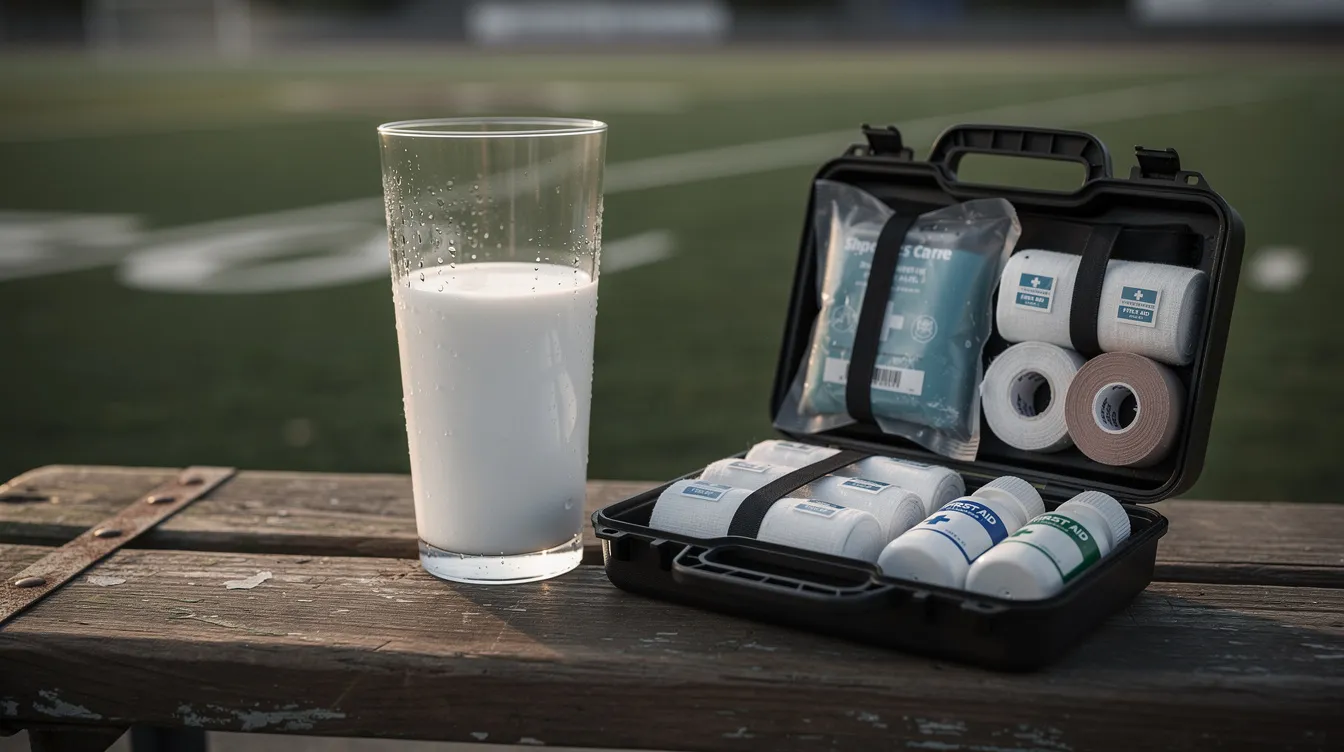
This is the most critical section of this guide. These steps are designed to be scanned quickly during an emergency and apply only to a knocked-out permanent tooth in a conscious person who is breathing normally and does not have more serious injuries requiring immediate medical attention.
The core emergency sequence: find the tooth, pick it up by the crown, rinse briefly if dirty, replant immediately if possible and safe, or keep it moist in an appropriate medium, then seek emergency dental care without delay. Immediate dental care is crucial for successful replanting.
Find the Tooth
Once serious injuries are ruled out, quickly locate the knocked-out permanent tooth if it is safe to do so. Check the ground, floor, clothing, sports surface, or wherever the impact occurred. Do not spend excessive time searching if bleeding, dizziness, or other injuries are more urgent.
If the person might have swallowed or inhaled the tooth and is coughing, choking, or having trouble breathing, this becomes a medical emergency. Call emergency services immediately.
Pick It Up by the Crown
The crown is the white chewing surface of the tooth that is normally visible in the mouth. The root is the yellowish portion that normally sits inside the bone. Handle a knocked-out tooth by the crown only. Do not touch the root of a knocked-out tooth, because the root surface carries delicate periodontal ligament cells that help the tooth reattach.
Squeezing, rubbing, or pinching the root damages these cells and reduces the chance of successful replantation. Hold the tooth gently between two fingers by the crown - avoid touching the root more than absolutely necessary.
If the Tooth Is Dirty, Rinse It Briefly
If there is visible dirt or debris on the tooth, gently rinse it for a few seconds under a light stream of clean water or saline. If a tooth is dirty, rinse it very gently with milk or saline when available. Keep the tooth clean, but never scrub it.
What not to do: do not scrub or brush the tooth, do not scrape off tissue from the root, do not use soap, alcohol, hydrogen peroxide, bleach, mouthwash, or any household cleaning products, and do not dry the tooth with a tissue or towel. A short, gentle rinse is very different from storing the tooth in plain tap water, which is not ideal for root-surface cell survival.
Replant the Tooth Immediately If Possible
Immediate replantation of a knocked-out permanent tooth, ideally within minutes of the injury, offers the best chance for the periodontal ligament cells to survive and for the tooth to reattach. To replant, hold the tooth by the crown, gently orient it so the front faces the correct direction, and carefully guide the root into the empty socket. Do not force it. Once in place, have the person gently bite on clean gauze, a washcloth, or a handkerchief to keep the tooth in place.
Act quickly, but only attempt this when the person is alert, cooperative, and not at risk of swallowing the tooth, and when there is no obvious jaw fracture, severe facial injury, or other medical emergency taking priority. You can put your tooth back in this way - but only if it is a permanent tooth. You can also put the tooth back with help from a calm caregiver.
These replantation steps apply only to a knocked-out permanent tooth. Never attempt to put your tooth back if it is a baby tooth.
If You Cannot Replant It, Keep It Moist
If replanting the permanent tooth immediately is not possible or feels unsafe, the next most important goal is to keep the tooth moist at all times. If you cannot reinsert the tooth, keep it moist to prevent drying out. Letting the tooth dry is one of the worst things you can do.
Preferred storage options:
A commercial tooth-preservation solution (sometimes found in sports first-aid kits)
Cold milk in a clean container - store the tooth in milk to increase chances of success
Sterile saline solution
In appropriate, low-risk situations, inside the cheek or under the tongue for a conscious, cooperative older teen or adult
Do not store the tooth dry in a tissue, paper towel, pocket, or plastic bag. Do not store a knocked-out tooth in plain tap water for an extended period. Placing a loose tooth in the mouth is not safe for young children, drowsy individuals, or anyone who might swallow or aspirate the tooth - use milk, saline, or a tooth-preservation solution instead.
Seek Emergency Dental Care Immediately
After replanting or placing the tooth in a moist storage medium, go straight for emergency dental care. Contact a dentist immediately after a tooth is knocked out. Call ahead if possible and say "a permanent tooth was knocked out." Seek emergency dental care immediately - prompt dental treatment increases the likelihood of tooth reattachment.
While earlier treatment generally improves the outlook, professional evaluation is still important even if more time has passed or the tooth was briefly dry. If no dentist is immediately available and there are serious additional injuries, an emergency room or urgent-care facility may be the first stop. They can stabilize the person and help arrange emergency dental care. Immediate care helps reduce damage to surrounding tissues and teeth.
What to Do If a Baby Tooth Is Knocked Out
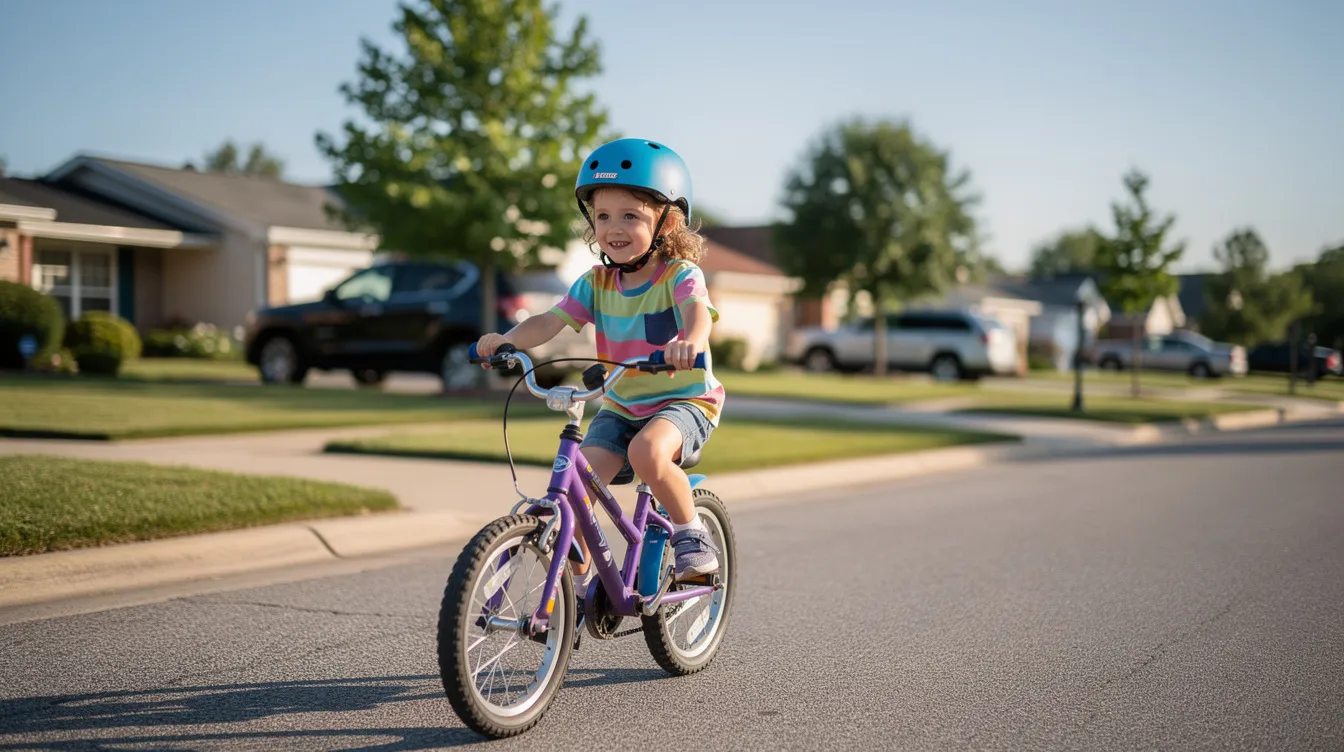
Primary teeth require a different, safer approach than permanent teeth when they are knocked out. The focus is on comfort, bleeding control, and professional evaluation - not replantation.
Do Not Put the Baby Tooth Back Into the Socket
Never attempt to replant a knocked-out baby tooth, even if it looks intact and the child wants it back. Forcing a baby tooth back into the gum can injure or alter the developing permanent tooth forming just above or below the baby tooth's root. This is a firm safety rule based on international dental traumatology guidelines.
Find the Tooth if Possible
Locate the baby tooth if you can do so safely, mainly so the dentist can see exactly what came out and confirm no fragments remain in the mouth. The tooth can be gently rinsed and placed in a small container to bring to the dental visit, but there is no need to keep it moist because it will not be replanted.
Control Bleeding
Have the child bite gently - gently biting on folded clean gauze or a soft cloth for 10 to 15 minutes helps stop bleeding from the socket. Mild oozing is common after tooth loss, but heavy or prolonged bleeding that does not slow down needs urgent professional attention.
Use a Cold Compress
Place a cold pack or wrapped ice pack on the outside of the lip or cheek near the affected area for 10 to 15 minutes at a time to help reduce swelling and discomfort. Never place ice directly on the gums or tooth socket, and supervise young children closely when using any cold compress.
Have the Injury Evaluated
Arrange a prompt dental visit after a baby tooth has been knocked out, even if the child seems comfortable and bleeding has stopped. See your dentist or call your dentist to arrange an emergency appointment. The dentist will check the gums, surrounding bone, neighboring teeth, and the area of the developing permanent tooth for signs of trauma or infection risk. Follow-up visits may be recommended to monitor how the permanent tooth develops and whether the gap will affect bite or alignment.
Why Time Matters After a Permanent Tooth Is Knocked Out
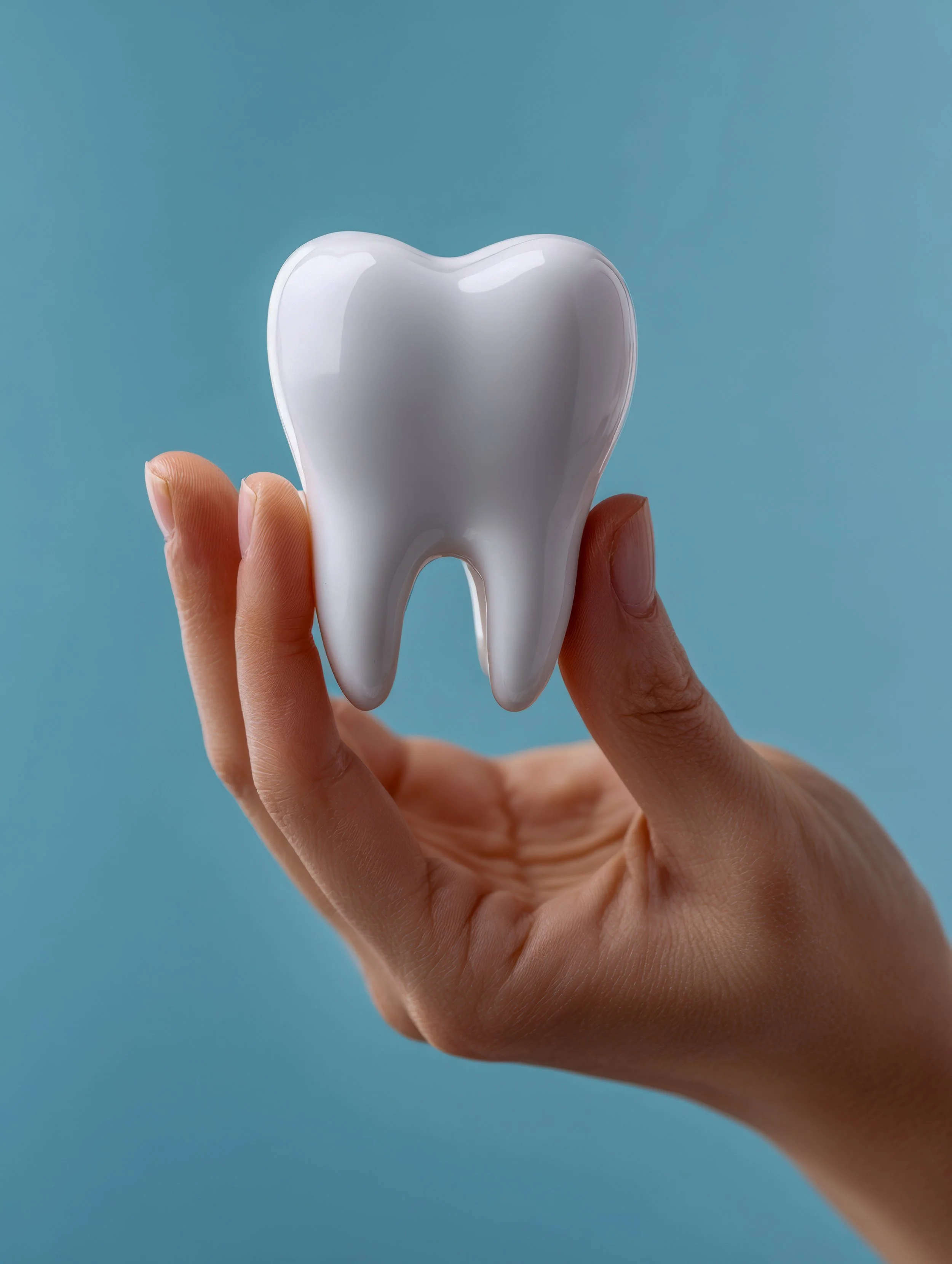
Once a permanent tooth is out of the mouth, the clock starts ticking on the survival of the periodontal ligament cells covering the root surface. Both the total time outside the mouth and how long the tooth is allowed to dry affect the chances of long-term success. Earlier is always better, but professional assessment is worthwhile even if ideal timing has been missed.
The Periodontal Ligament
The periodontal ligament is a thin layer of tiny fibers and living cells that attach the tooth root to the surrounding bone in the socket. Tooth avulsion tears these ligament fibers, but many root-surface cells can still be alive immediately after the injury. When these cells survive, they help the tooth reattach and stabilize after emergency treatment.
Drying Damages Root-Surface Cells
Leaving a knocked-out permanent tooth dry - even for several minutes - can harm the delicate cells on the root surface, reducing the likelihood of normal healing. Keeping the tooth moist in an appropriate solution such as a tooth-preservation fluid, milk, or saline helps protect these cells while on the way to emergency dental care.
More time dry usually means higher risk of complications such as root resorption or ankylosis later. Never let the tooth dry out.
Immediate Replantation Gives the Best Opportunity
Placing a permanent tooth back into its socket within minutes, especially if it never dried, offers the most favorable prognosis. Teeth replanted within 30 minutes have the best success rate. Aim to reinsert the tooth within 30 minutes to one hour for the best outcome. Current dental traumatology guidelines from professional organizations emphasize immediate replantation of avulsed permanent teeth when the situation is safe.
Delayed Treatment Can Still Be Worthwhile
While the chances of full success decline as time passes - especially if the tooth was dry - there is no exact minute after which treatment is automatically pointless. Replanting is less likely to succeed if delayed, but keep the tooth moist and see a dentist even when more than 30 to 60 minutes have passed. Delayed treatment can lead to complications such as infection and bone loss, but professional evaluation is still important. Dentists may still attempt replantation or focus on other ways to protect oral health depending on the tooth's condition and the person's age.
How to Handle a Knocked-Out Tooth Safely
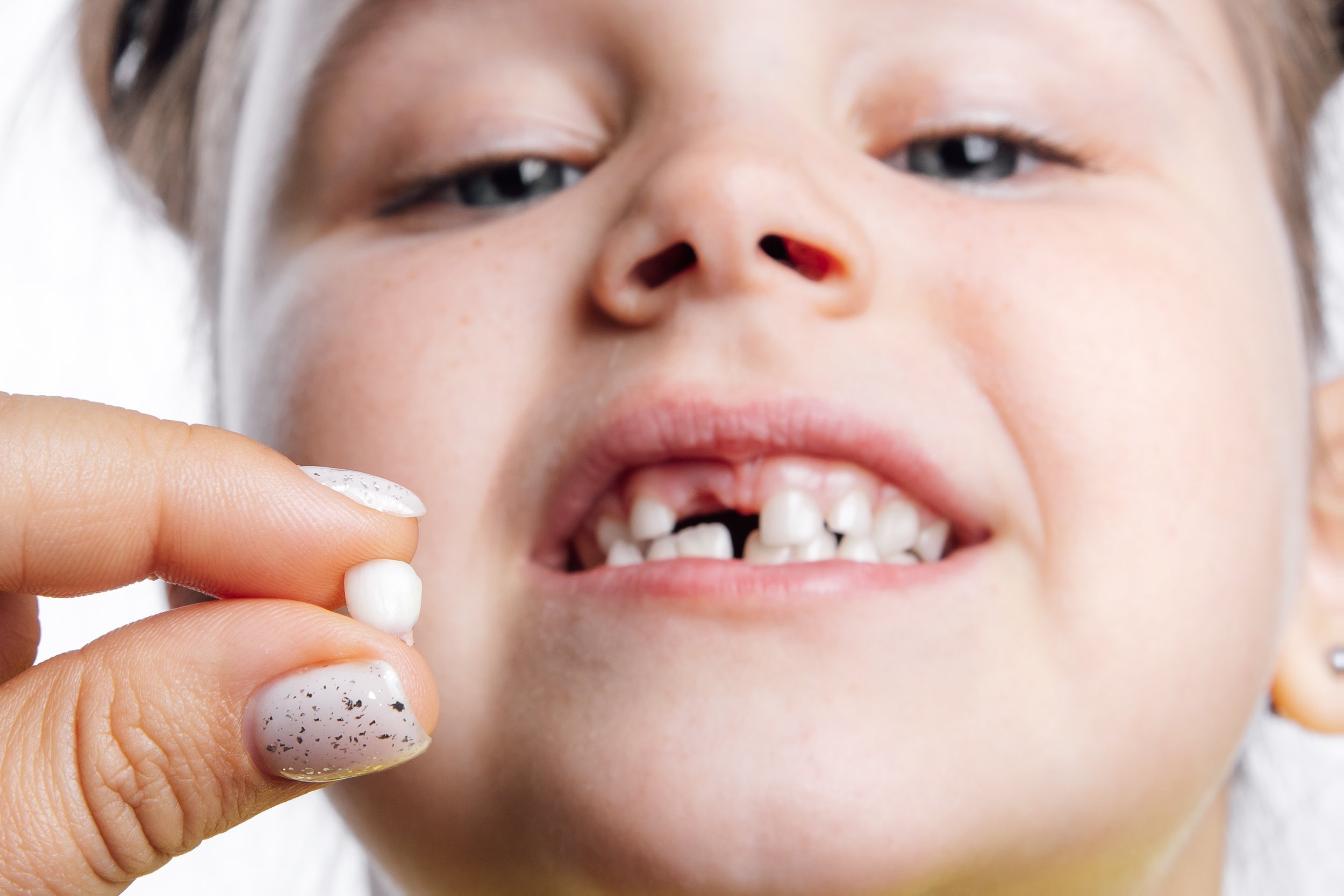
Protecting the root surface and periodontal ligament cells is essential when managing a knocked-out permanent tooth. These handling rules apply to permanent teeth. A knocked-out baby tooth should not be replanted, but even so, avoid unnecessary damage.
Touch Only the Crown
The crown is the visible white part used for chewing. Handling the tooth by the crown avoids disturbing the fragile root-surface cells. Grasp it gently between two fingers - avoid touching the root, squeezing, or twisting.
Do Not Scrub the Root
Scrubbing, brushing, or wiping the root strips away living cells and ligament fibers critical for reattachment. Even if the tooth looks dirty, only a brief, gentle rinse is recommended.
Do Not Dry the Tooth
Drying the tooth with tissue, cloth, paper towel, or leaving it exposed to air rapidly damages root-surface cells. Keep the tooth visibly moist - shiny and wet - either by immediate replantation or by placing it in an appropriate storage medium.
Do Not Use Chemicals
Common substances people might think to use - soap, alcohol, peroxide, bleach, disinfectant, mouthwash - should never touch the root of an avulsed tooth. These chemicals kill the cells needed for the tooth to reattach.
Do Not Try to Remove Tissue From the Root
Soft tissue or tiny fragments attached to the root may include important ligament fibers and should be left in place. Do not scrape, pick, or cut any tissue from the tooth. Let the dentist evaluate it as it is.
The Best Ways to Store a Knocked-Out Permanent Tooth
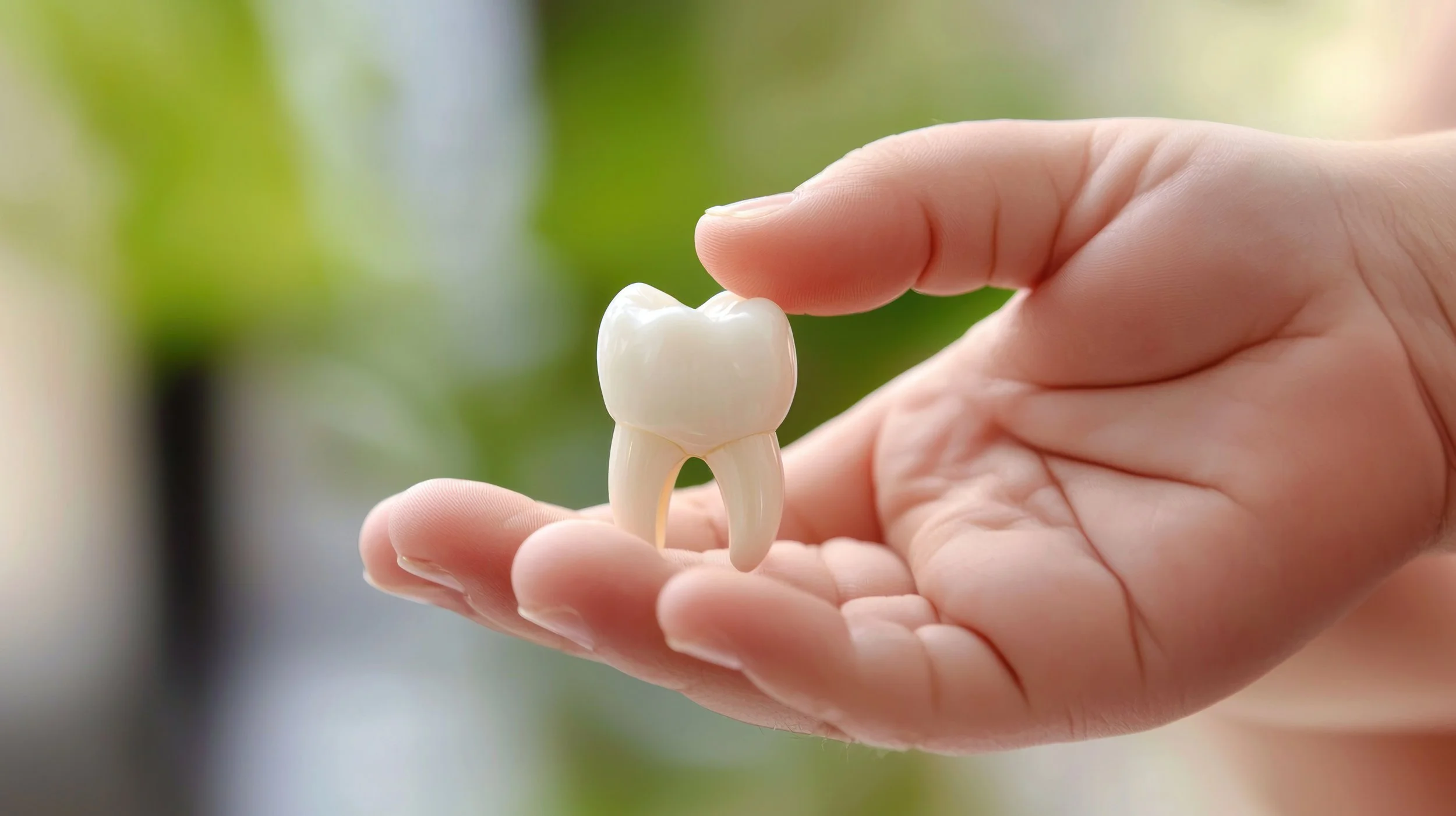
Immediate replantation is usually best, but when that is not possible, appropriate storage becomes the next priority. All recommended storage options share one goal: keeping the root moist and protected until emergency dental care is available. Keep the tooth moist until you see a dentist.
Tooth-Preservation Solution
Commercial tooth-preservation kits - sometimes found in school nurse offices, athletic facilities, or sports first-aid kits - contain a balanced salt solution designed to keep root-surface cells viable. If one is available quickly, placing the tooth directly into the solution provides excellent short-term protection while traveling to the dentist's office.
Milk
Cold, pasteurized cow's milk is a widely recommended and readily available storage medium. Storing a knocked-out tooth in milk increases chances of success because it helps preserve root-surface cells far better than plain tap water. You can store the tooth in milk - whole or low-fat - in a small, clean container while heading for emergency dental treatment.
Saline
Sterile saline solution, such as contact lens saline or medical saline, is another acceptable option when quickly available, especially in healthcare or sports settings. Place the tooth fully under the saline surface in a clean cup or vial.
Saliva
Saliva can help keep the tooth moist when other options are not available, but storing a loose tooth inside the mouth is only appropriate for a fully conscious, cooperative older teen or adult with low swallowing risk. A safer alternative is to have the person spit saliva into a small container and place the tooth in that. Young children, people who are drowsy, or anyone with altered awareness should not keep a tooth in their cheek because of choking or aspiration risk.
Why Plain Water Is Not Ideal for Storage
Brief rinsing under running tap water is acceptable to remove obvious dirt. However, leaving the tooth stored in tap water for more than a short time is not recommended. Root-surface cells do not tolerate water well over time because of differences in salt concentration, so prolonged water storage can damage them. Switch the tooth into milk, saline, or a preservation solution as soon as any of those become available.
What Not to Do With a Knocked-Out Tooth
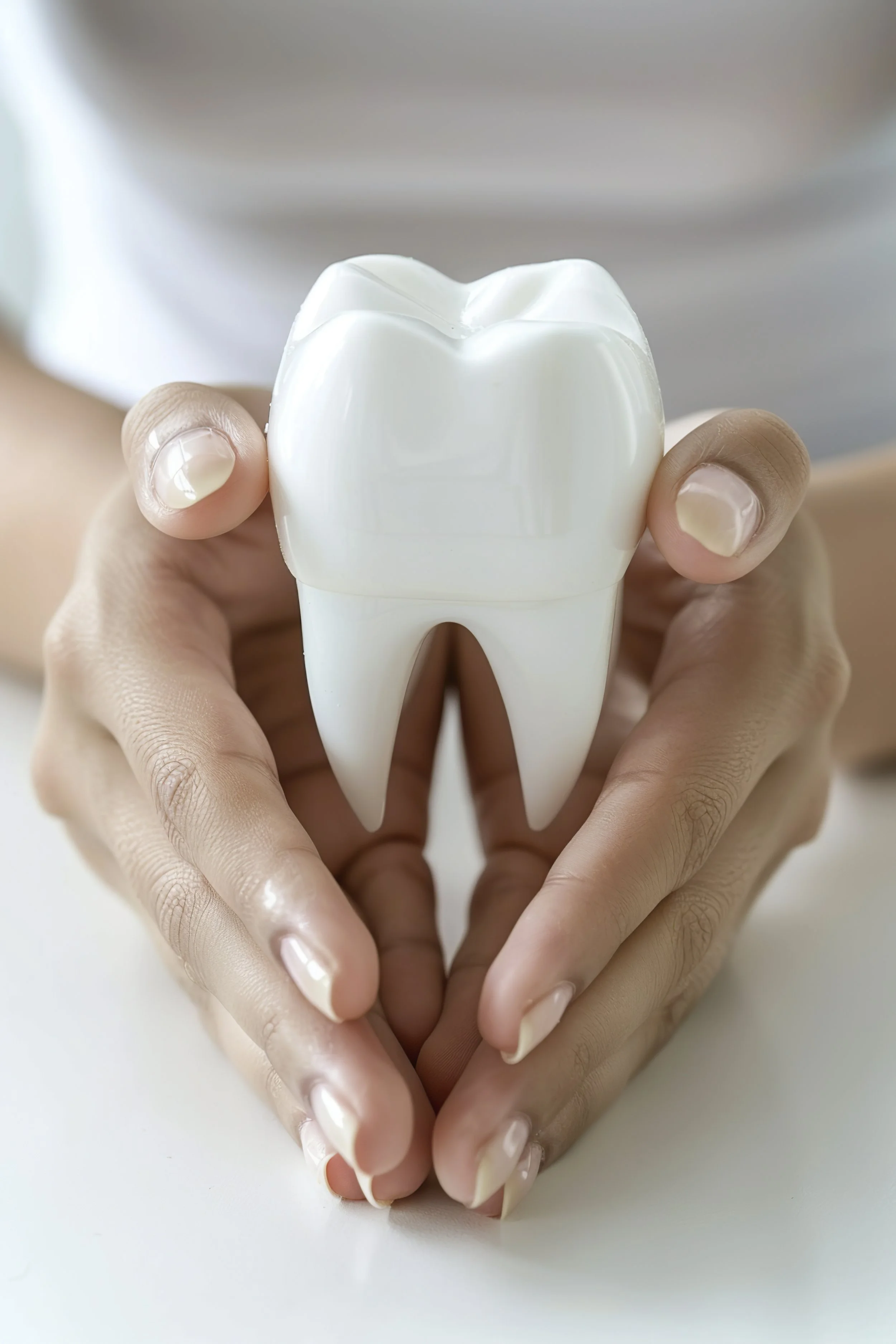
Avoiding common mistakes can be just as important as following the right steps. This quick checklist reduces errors that harm the tooth or endanger the person.
Do Not Touch the Root More Than Necessary
Touching the root damages the cells needed for healing. Always hold the tooth by the crown and avoid touching the root unless absolutely unavoidable.
Do Not Scrub the Tooth
Scrubbing may seem like cleaning but actually removes vital tissue from the root surface. Only a brief rinse is appropriate.
Do Not Let the Tooth Dry Out
Dryness is one of the biggest threats to a knocked-out permanent tooth's survival. Keep it moist at all times.
Do Not Wrap It in Tissue or Cloth
Wrapping the tooth in dry napkins, tissues, paper towels, or handkerchiefs soaks away moisture and encourages the root to dry.
Do Not Use Soap or Disinfectants
Disinfectants designed for skin or surfaces are too harsh for living root cells. Never apply them to the tooth.
Do Not Store It in Tap Water for an Extended Period
Tap water is acceptable for a quick rinse but not as a soaking solution while traveling to emergency dental care.
Do Not Replant a Baby Tooth
Primary teeth are never replanted after avulsion under any circumstances. A knocked-out baby tooth stays out.
Do Not Delay Emergency Care While Trying Home Remedies
Do not spend extra time experimenting with home treatments or searching for the "perfect" storage medium. Follow basic first aid and head for emergency dental care as soon as possible.
When Other Injuries Take Priority
A knocked-out permanent tooth is a true dental emergency, but it must never take precedence over life-threatening or serious medical issues. Call emergency medical services or go to an emergency room immediately if there are signs of head, neck, breathing, or severe bleeding problems - even if a tooth is also avulsed.
Loss of Consciousness
Any loss of consciousness after an injury - whether brief or prolonged - requires urgent medical assessment, as it may indicate concussion or more serious brain injury. Dental first aid can wait until medical stability is confirmed.
Suspected Head or Neck Injury
Signs such as severe headache, confusion, vomiting, neck pain, or difficulty moving the neck or jaw suggest possible serious trauma. Do not move the person unnecessarily and seek emergency medical care before focusing on the knocked-out tooth.
Difficulty Breathing
Any trouble breathing, gasping, choking, or suspicion that the tooth was inhaled turns the situation into a medical emergency. Call emergency services immediately.
Heavy or Uncontrolled Bleeding
Bleeding that soaks through dressings and does not slow with pressure needs urgent evaluation in an emergency setting. While dental injuries can bleed noticeably, persistent heavy bleeding is not typical.
Severe Facial or Jaw Trauma
Signs like obvious facial deformity, inability to close the mouth properly, or severe pain when moving the jaw may indicate fractures. Suspected facial or jaw fractures require emergency medical evaluation before or alongside dental treatment for avulsed teeth.
What Happens During Emergency Treatment?
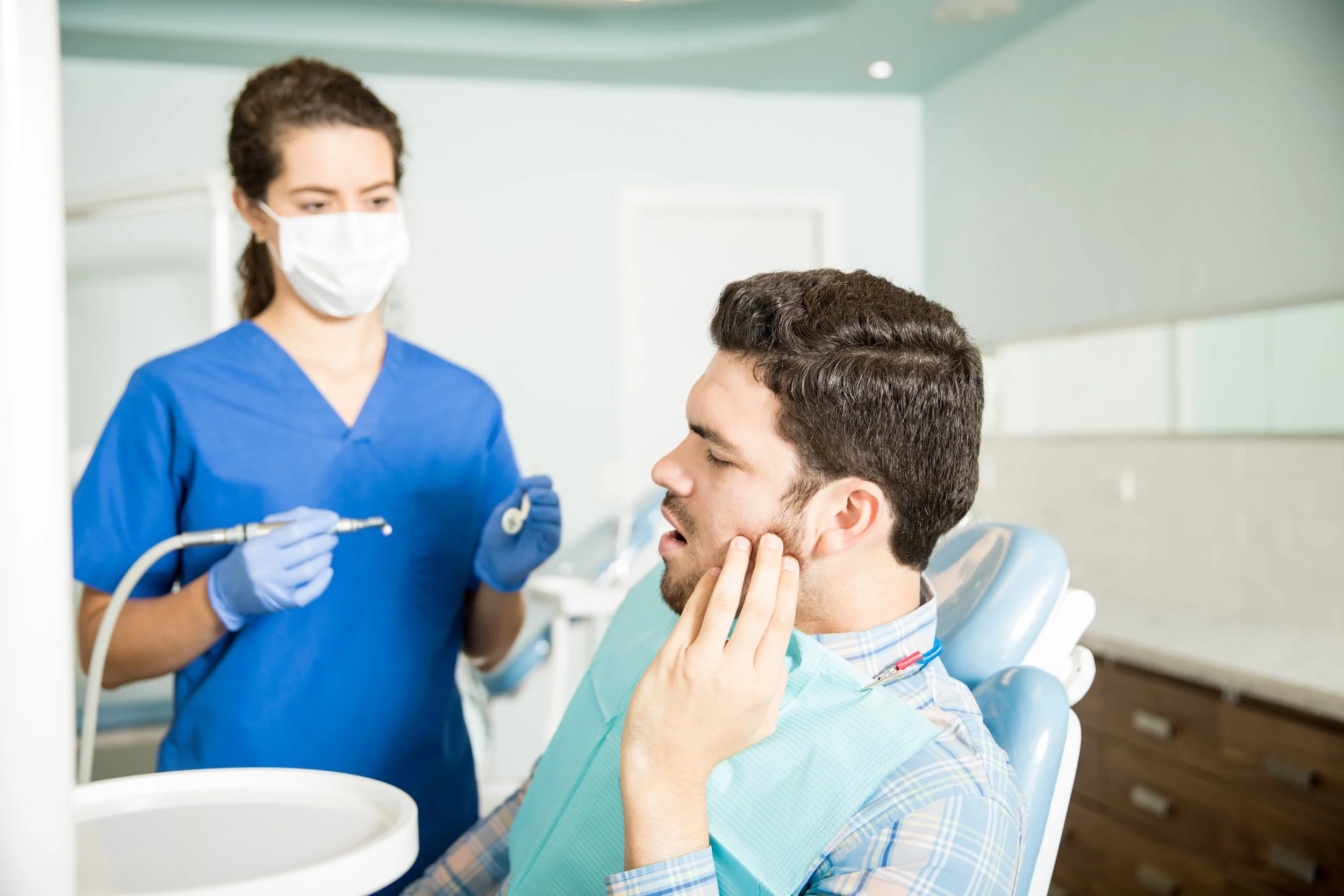
Once you reach an emergency dentist or appropriate clinic after a tooth avulsion, here is a general overview of what to expect.
Examination of the Tooth and Socket
The dentist will review how the injury happened, examine the mouth, tooth socket, neighboring teeth, gums, lips, and tongue, and check for signs of additional dental injuries. They may gently clean the area and assess whether the tooth or any fragments are suitable for replantation.
Replantation
If the permanent tooth has not yet been replanted and the dentist determines it is appropriate, they may carefully place it back into the socket under controlled conditions, typically after numbing the area and cleaning away debris.
Stabilizing the Tooth
Dentists may splint a replanted tooth for stability. This flexible splint - often a small wire or fiber material attached with tooth-colored material - connects the replanted tooth to neighboring teeth so it can heal. The splint is temporary and remains for a limited period while the tooth and supporting tissues stabilize.
Dental Imaging
Dental X-ray imaging may be taken to check the position of the replanted tooth, look for root fractures, and assess surrounding bone. Imaging also helps ensure no tooth fragments are left in the socket or soft tissue.
Treatment of Soft-Tissue Injuries
Cuts or bruises to the lips, cheek, or gum may be cleaned, gently smoothed, or sutured if necessary to support healing and reduce infection risk. Both dental and medical providers may be involved when facial soft-tissue injuries are more extensive.
Additional Treatment
Further treatment decisions depend on whether the tooth root is fully developed or still growing, how long the tooth was out of the mouth, how it was stored, and how it responds after replantation. Options may include medications, close monitoring, or eventual root canal treatment for some teeth. Details and timing are individualized by the dentist as soon as healing patterns become clearer.
Will a Replanted Tooth Need Root Canal Treatment?
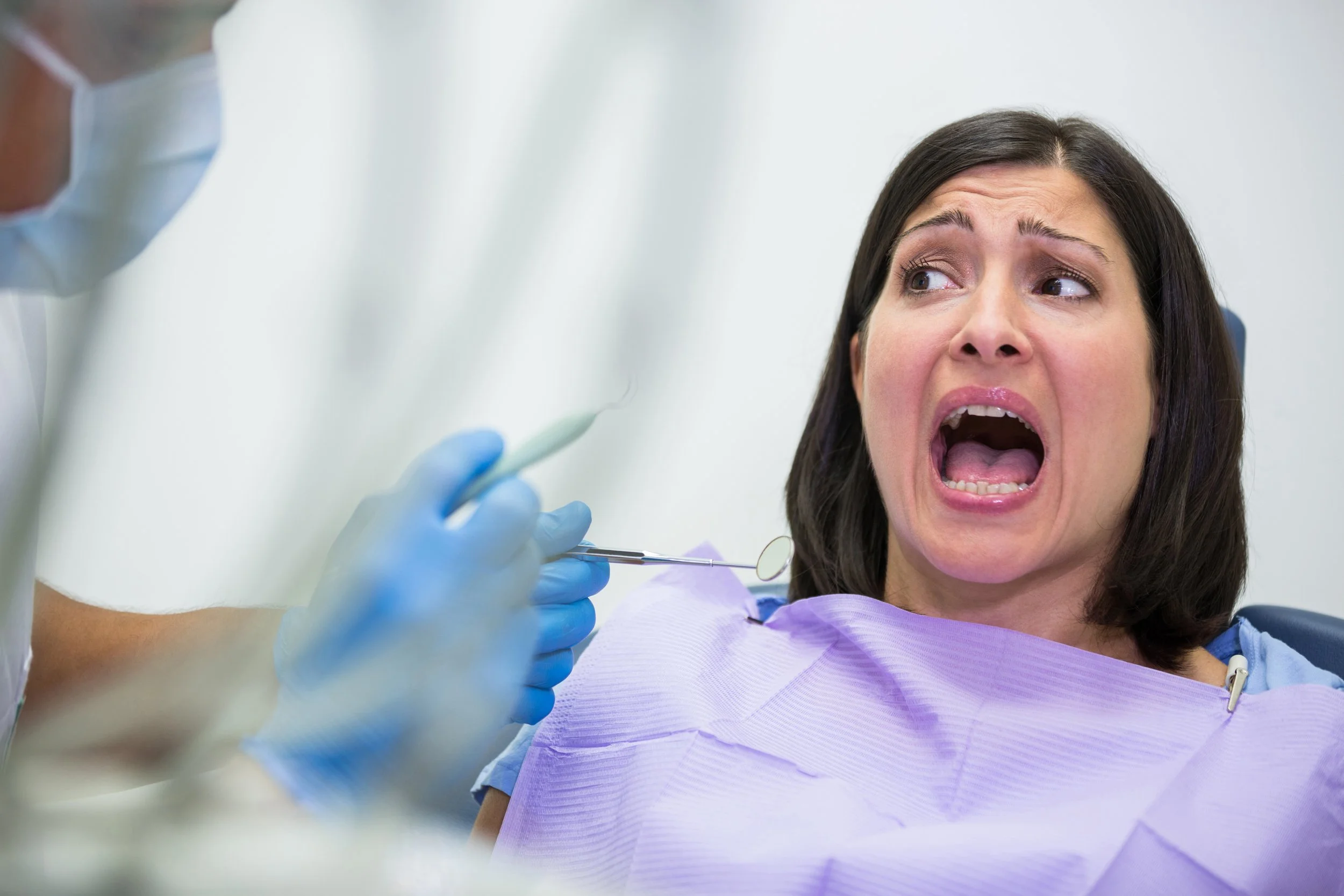
Many people worry about whether a knocked-out permanent tooth will require a root canal after replantation. Root canal treatment may be needed after tooth replantation because avulsion interrupts the blood supply and nerve inside the tooth - the pulp - which often leads to the need for treatment, especially in fully developed teeth.
Mature Permanent Teeth
Teeth with fully formed roots, common in older teens and adults, usually lose their pulp vitality after avulsion because the blood vessels are torn. As a result, many replanted mature permanent teeth eventually need root canal treatment to clean and seal the inside of the tooth and reduce the risk of infection or pain. The exact timing and approach are determined by the dentist or endodontist.
Immature Permanent Teeth
Immature permanent teeth - those with roots still developing, common in children and younger teens - sometimes have better potential for healing and continued root development after replantation. According to the International Association of Dental Traumatology, the dentist may monitor them closely rather than performing immediate root canal treatment.
Why Follow-Up Matters
Even if the tooth feels fine after replantation, problems such as pulp death, infection, or resorption can develop months or even years later. Keep all recommended follow-up appointments and report new symptoms like pain, swelling, or looseness promptly. See your dentist at every scheduled interval.
Possible Complications After a Knocked-Out Tooth

Not every replanted tooth will face complications, but several known issues can occur, especially if the tooth was out of the mouth for a long time or dried out. Delayed treatment can lead to complications such as infection and bone loss, making prompt care even more important.
Pulp Damage or Infection
When the pulp loses its blood supply during avulsion, it can become inflamed or infected, leading to pain, swelling, or sensitivity after an initial symptom-free period. Root canal treatment is often used to manage this problem and preserve the tooth's outer structure.
Root Resorption
Root resorption is the gradual breakdown or loss of root structure caused by the body's cells after trauma, sometimes visible only on X-ray imaging initially. Certain types of resorption are more likely when the tooth was dry or handling was rough. Early detection during follow-up visits guides treatment decisions.
Ankylosis or Replacement Resorption
Ankylosis occurs when the tooth root becomes fused directly to the surrounding bone, sometimes causing the tooth to appear slowly shorter or sunken compared with neighboring teeth as a child grows. This is more likely when the periodontal ligament was severely damaged. Management decisions may involve long-term planning, especially in growing children.
Tooth Discoloration
A traumatized tooth may change color - becoming darker, yellowish, or gray - because of internal changes in the pulp or dentin after injury. Color change alone does not prove whether the tooth is healthy or infected. It is a sign that should prompt professional evaluation and possibly imaging.
Loss of the Tooth
Despite correct first aid and professional care, some replanted permanent teeth may eventually be lost because of severe resorption, persistent infection, or ankylosis. If a tooth can't be replanted or is eventually lost, options for replacing missing teeth - such as bridges, a dental implant, or dentures - can be discussed once healing is complete.
Follow-Up After a Replanted Tooth
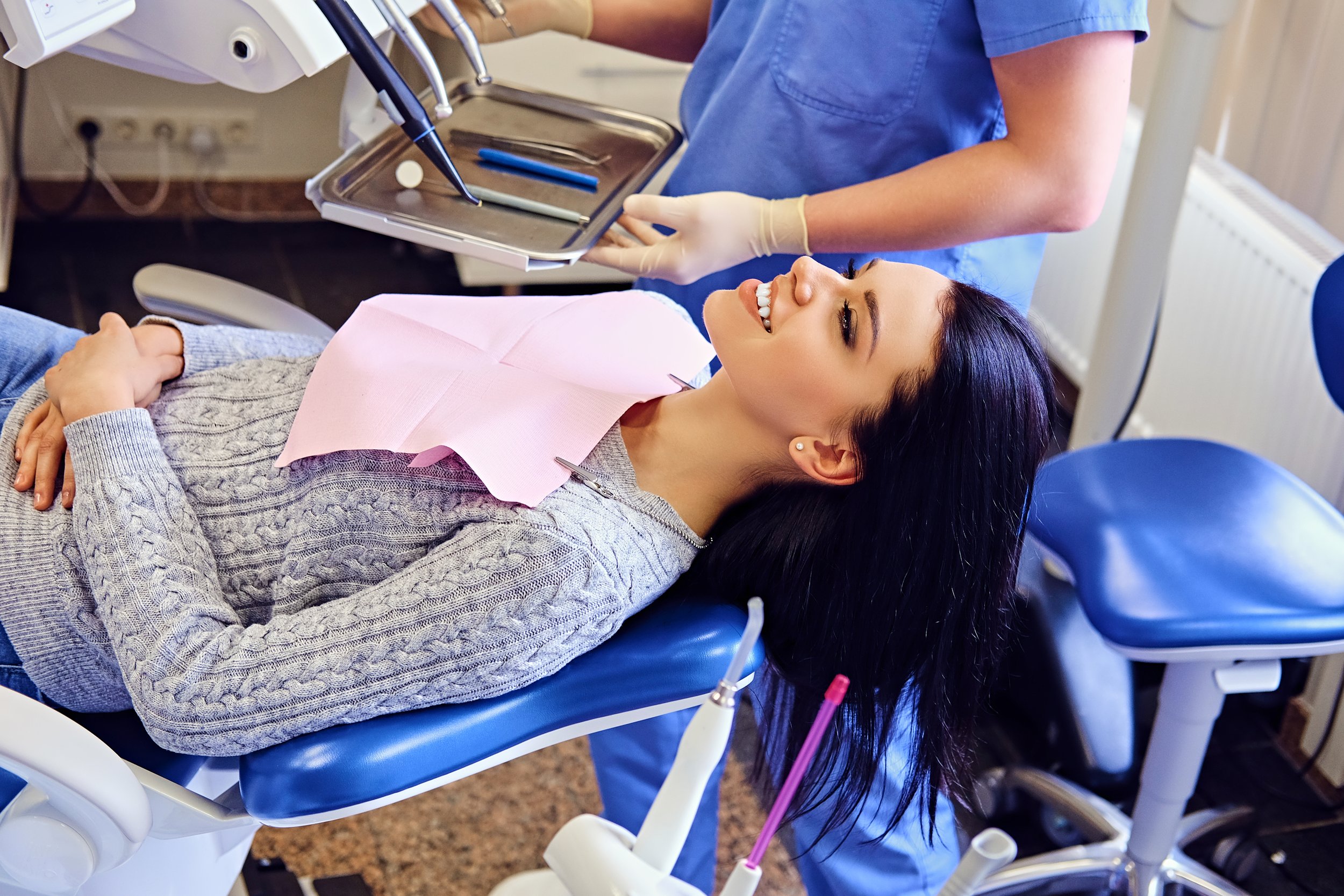
Emergency treatment is only the first step. Long-term success depends on good follow-up, oral hygiene, and protection from further trauma.
Monitoring Healing
The dentist will check the stability of the tooth, gum health, and bite at follow-up visits and may take periodic X-rays to see how the root and surrounding bone are responding. This monitoring can extend over several months or even years, especially in children whose jaws are still growing.
Watching for New Symptoms
Contact your dentist if you notice new or worsening pain, swelling, a bad taste, drainage, looseness of the tooth, or changes in how the teeth meet when biting. Early reporting of these symptoms can allow simpler interventions and improve the long-term outlook.
Oral Hygiene
Maintain gentle but thorough oral hygiene - careful tooth brushing and flossing around the area as instructed by the dentist - to reduce plaque and support gum healing. The dentist may recommend specific rinses or modified cleaning techniques for a period; follow these instructions closely to protect your oral health.
Protecting the Tooth From Additional Trauma
Avoid biting into very hard foods with the replanted tooth during the early healing period and use the opposite side of the mouth when possible if advised by the dentist. People at ongoing risk of dental injuries in contact sports should consider a well-fitted mouthguard once the dentist confirms it is safe to wear.
Knocked-Out Teeth in Children and Teens
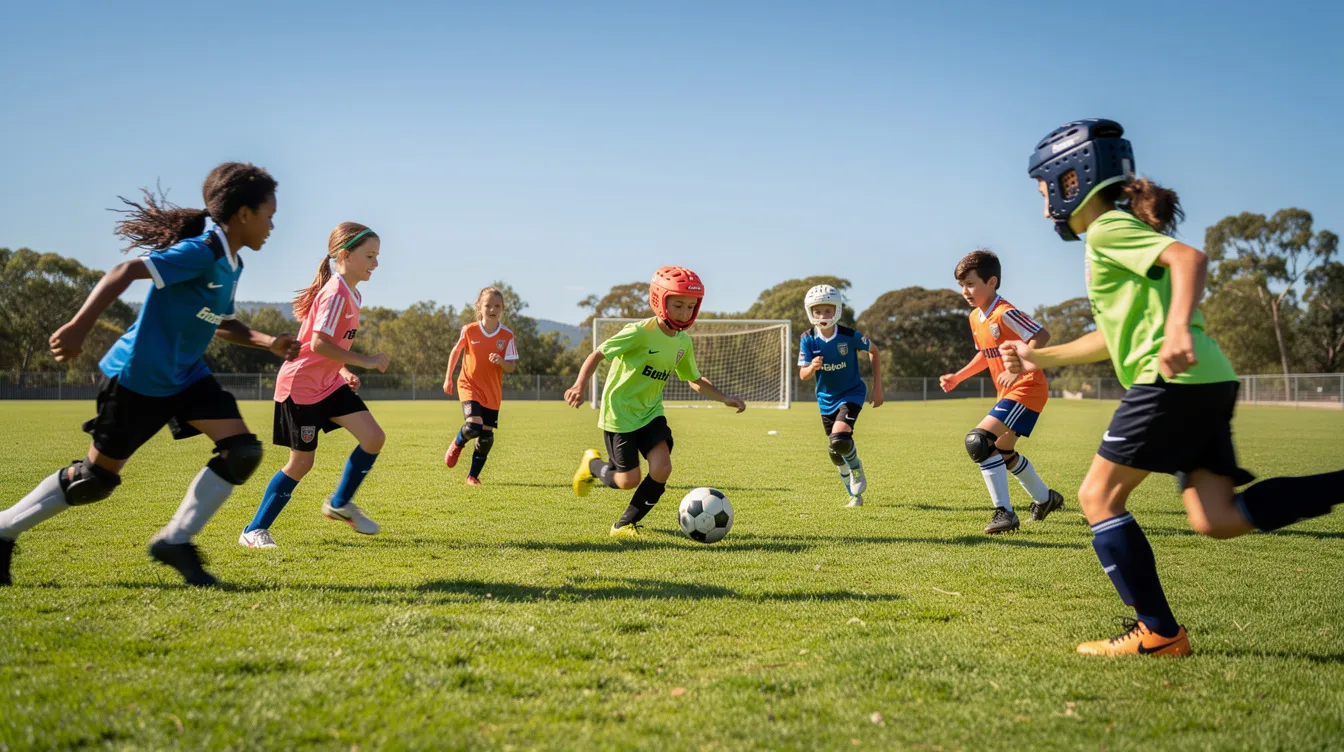
Many avulsed teeth occur in school-aged children and teenagers during sports, bicycle accidents, playground falls, or collisions. Quickly distinguishing whether the lost tooth is a baby tooth or a permanent tooth is crucial for safe first aid.
Is It a Baby Tooth or Permanent Tooth?
Front baby teeth usually appear around 6 to 12 months and are normally lost between ages 6 and 7, while permanent front teeth typically erupt between ages 6 and 8. Newly erupted permanent teeth often look larger and more rectangular than baby teeth; they may not be as bright white and can have small ridges on the biting edge at first.
When in doubt - especially around ages 6 to 8 - treat a knocked-out front tooth as permanent for first aid purposes. Do not replant it if you are unsure whether it is a baby tooth. Keep it moist and seek urgent dental evaluation to confirm.
Permanent Teeth in Growing Children
A knocked-out permanent tooth in a child whose jaw is still growing can have important long-term implications for bite, appearance, and jaw development. These teeth often have immature roots at the time of injury, so treatment plans and follow-up schedules may differ from those for adults, with an emphasis on monitoring root growth and vitality.
Choking and Aspiration Concerns
Asking a young child to keep a loose tooth in their cheek or under their tongue is not safe because they could accidentally swallow or inhale it. Use an external storage medium such as milk, saline, or a tooth-preservation solution for a child's knocked-out permanent tooth instead of placing it back in the mouth for storage.
Sports and Play Injuries
Common scenarios for tooth avulsion in children include being hit by a ball, colliding with another player, falling from a scooter or bike, or tripping on the playground. High-impact sports often result in dental trauma such as knocked-out teeth. Coaches, school nurses, and parents should keep basic dental first aid in mind during sports seasons and consider having a tooth-preservation kit in sports bags or first-aid stations. The best protection for teeth during sports comes from combining awareness with the right equipment.
Knocked-Out Tooth vs. Other Dental Injuries
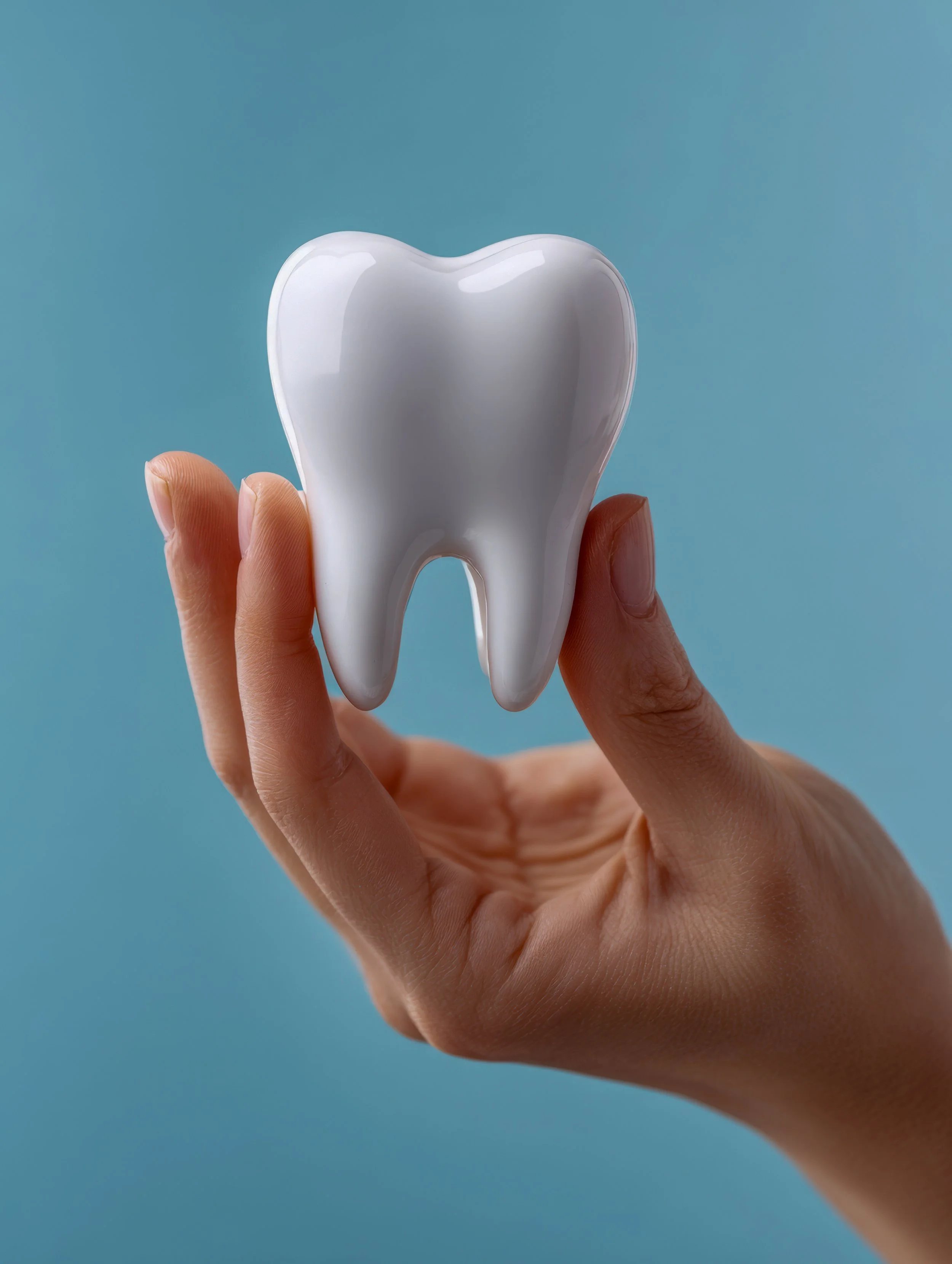
Not every dental injury involves a completely knocked-out tooth. Some teeth are loosened, pushed out of place, driven deeper into the bone, or fractured. Identifying the type helps guide safe actions while waiting for professional care.
Loose Tooth
A loose tooth after trauma is still in the socket but moves more than normal when touched or when biting. Avoid wiggling or biting on that tooth and arrange prompt dental evaluation. Do not try to pull it out or push it around.
Displaced Tooth
A displaced or partially dislodged tooth has been pushed forward, backward, or sideways in the socket but remains attached. Do not force it back into position at home unless specifically instructed by a dentist. See a dentist as soon as possible.
Intruded Tooth
An intruded tooth has been driven deeper into the jawbone, appearing shorter or nearly invisible compared with neighboring teeth. This is a serious dental injury that should not be manipulated at home. Professional evaluation and imaging are needed urgently.
Broken Tooth
A broken or chipped tooth has lost part of its crown, but the rest of the tooth and root remain in the mouth. Rinse the mouth gently, save any large fragments in milk if available, avoid chewing on the area, and seek emergency dental care. This requires different management from a fully avulsed tooth.
How to Prevent Knocked-Out Teeth
Not all dental injuries can be prevented, but many risks can be reduced with practical steps at home, school, and in sports. Prevention is a key part of overall oral health.
Wear a Mouthguard During Sports
Use a well-fitting mouthguard for contact sports and activities with a risk of facial impact - football, hockey, basketball, martial arts, skateboarding, and similar activities. Custom mouthguards made by a dentist generally provide better protection and comfort than "boil and bite" or stock guards, but any mouthguard is better than none. The American Dental Association and the American Association of Pediatric Dentistry both recommend mouthguards for youth sports.
Use Appropriate Protective Equipment
Helmets, face shields, and cages are important protective equipment in activities like cycling, skating, and skiing. While these devices primarily protect the head and face, they also reduce the risk and severity of dental injuries, including avulsed teeth.
Avoid Using Teeth as Tools
Do not open packages, bottle caps, or stubborn containers with your teeth. This can crack or loosen teeth and increase injury risk over time. Use scissors, bottle openers, or pliers instead.
Reduce Fall and Collision Risks Where Practical
Simple measures help: keep walkways clear, use handrails on stairs, and ensure playgrounds have appropriate surfacing. For younger children, recommend supervision on trampolines, bikes, and scooters and the use of helmets consistent with safety guidelines.
Understand That Not Every Injury Can Be Prevented
Accidents still happen even with precautions. Knowing what to do - especially how to handle a knocked-out tooth - is an important part of preparation. Encourage families, schools, and teams to review basic dental emergency steps periodically and keep contact information for emergency dental care handy.
Common Myths About Knocked-Out Teeth

Misinformation can lead to harmful delays or incorrect first aid during a dental emergency. Here are the most common myths - and the facts that correct them.
"A Knocked-Out Tooth Is Automatically Lost"
Many knocked-out permanent teeth can be saved if handled correctly and treated quickly. A systematic review of outcomes shows that replantation within minutes, combined with proper moist storage, gives the best chance of long-term tooth survival. A lost tooth does not have to stay lost.
"You Should Scrub the Tooth Before Putting It Back"
Scrubbing removes vital root-surface cells and tissue. Only a brief, gentle rinse is recommended if there is visible dirt on the tooth.
"You Should Hold the Tooth by the Root"
The tooth must be held by the crown only. The root carries delicate cells needed for healing, and handling it can destroy them.
"A Baby Tooth Should Be Put Back Immediately"
This is unsafe. Knocked-out baby teeth should never be replanted because of the risk to the developing permanent tooth underneath. Have the injury evaluated by a dentist instead.
"If 30 Minutes Have Passed, Nothing Can Be Done"
While prognosis is best when a tooth is replanted promptly, dentists can sometimes still replant or manage a tooth after longer periods, especially if it has been kept moist. Seek emergency dental care regardless of the exact time elapsed.
"Water Is the Best Place to Store the Tooth"
Plain water is not the best storage medium. Milk, saline, or a tooth-preservation solution are preferable for maintaining root-surface cell health during transport.
"Once the Tooth Is Replanted, the Emergency Is Over"
Replantation is only the first step. Stabilization, monitoring, and follow-up visits are crucial to address possible complications and support long-term success.
Frequently Asked Questions

What should I do first if a tooth gets knocked out?
Check for serious injuries first. Then find the tooth, pick it up by the crown, briefly rinse if dirty, and either replant it (for a permanent tooth) or keep it moist while heading for emergency dental care. Remember: do not replant a baby tooth.
Can a knocked-out permanent tooth be saved?
Many knocked-out permanent teeth can be saved if they are replanted quickly, kept moist, and treated promptly by a dentist. Success is generally higher when the tooth is replanted within minutes and has not dried out.
How quickly should a knocked-out tooth be put back in?
Immediate replantation - ideally within the first few minutes - offers the best chance. Teeth replanted within 30 minutes have the best success rate. However, professional care is still worthwhile even if more time has passed. Act as soon as safely possible.
How do you pick up a knocked-out tooth?
Pick it up by the crown - the white chewing part - not by the root. Avoid squeezing or rubbing the root surface, as it carries delicate cells that help the tooth reattach.
Should you rinse a knocked-out tooth?
If the tooth is visibly dirty, you can briefly rinse it with clean water or saline for a few seconds. Do not scrub, dry, or use soap or chemicals. Rinsing is different from storing the tooth in water.
Can you put a knocked-out tooth back in yourself?
For a permanent tooth, a calm, cooperative person or caregiver can often gently replant the tooth into the socket following basic steps, as long as there are no more serious injuries. If unsure or uncomfortable, keep the tooth moist and seek emergency dental care immediately.
What should you store a knocked-out tooth in?
Preferred options include a commercial tooth-preservation solution, milk, or sterile saline. In limited cases, the person's own saliva in a container may be used. Store a knocked-out tooth in milk or saliva - never dry and never in tap water long-term.
Can you put a knocked-out tooth in milk?
Yes. Milk is one of the most commonly recommended and widely available storage media. Storing a knocked-out tooth in milk helps keep root-surface cells alive while you travel for emergency dental care.
Can you store a knocked-out tooth in water?
Water is acceptable for a quick rinse but not ideal for longer storage. It can damage root-surface cells over time. Switch to milk, saline, or a tooth-preservation solution as soon as possible.
What if the tooth was dry for a while?
If a knocked-out tooth has been dry for an extended period, the chance of long-term success is lower, but you should still seek professional evaluation and bring the tooth. Dentists may still replant it or discuss alternative options.
Should a knocked-out baby tooth be replanted?
No. A knocked-out baby tooth should never be replanted because of the risk to the developing permanent tooth underneath. Control bleeding, comfort the child, and schedule a prompt dental visit.
How can you tell whether a child lost a baby tooth or permanent tooth?
Baby front teeth are typically lost between ages 6 and 7. Permanent front teeth are larger, less uniformly white, and may have small ridges when newly erupted. If in doubt, keep the tooth moist and seek urgent dental guidance rather than guessing.
Will a replanted tooth need a root canal?
Many mature permanent teeth will eventually need root canal treatment after avulsion, while some immature teeth in children may be monitored first. The dentist or endodontist will determine this based on follow-up exams and imaging.
How long can a replanted tooth last?
Some replanted teeth function for many years or even decades, especially when promptly replanted and carefully monitored. Outcomes vary with age, injury severity, treatment timing, and individual healing. An hour can make all the difference - but so can years of attentive follow-up.
What complications can happen after tooth avulsion?
Possible complications include pulp damage, infection, root resorption, ankylosis, discoloration, and sometimes eventual tooth loss. Regular dental follow-up helps detect and manage these issues early.
How can knocked-out teeth be prevented during sports?
Wearing a properly fitted mouthguard, using helmets and face protection where appropriate, and following sport-specific safety rules can greatly reduce the risk. Teams and leagues should consider including dental trauma information in their safety guidelines.
Conclusion
A knocked-out permanent tooth is a time-sensitive dental emergency in which the right first steps - handle by the crown, gently rinse if needed, replant immediately if possible, or keep the tooth moist - can strongly influence the outcome. The central safety distinction bears repeating: a knocked-out permanent tooth may be replanted when it is safe to do so, but a knocked-out baby tooth must never be put back into the socket.
Serious head, neck, breathing, or bleeding problems must always take priority over dental first aid, with emergency medical care sought immediately when present. Emergency dental treatment is followed by monitoring and possible additional care - such as root canal therapy for many replanted teeth - and outcomes can vary widely between individuals.
Learning these first-aid steps before an accident happens can help protect a permanent tooth and overall oral health when every minute matters. Keep this guide accessible, share it with coaches and caregivers, and make sure you know how to reach emergency dental care in your area before a dental emergency ever occurs.