Key Takeaways
Most dental emergencies include severe infections, significant dental trauma, knocked-out or displaced permanent teeth, and uncontrolled oral bleeding.
Pain intensity alone does not determine whether a situation is an emergency; patterns like swelling, fever, trauma, or difficulty breathing matter more.
Rapidly spreading facial or neck swelling, difficulty breathing or swallowing, and heavy bleeding are medical emergencies requiring immediate care.
A knocked-out permanent tooth is time-sensitive and may sometimes be replanted within 30 to 60 minutes, while a knocked-out baby tooth should never be put back in the socket.
Many problems-such as minor chips, lost fillings, and mild sensitivity-need timely dental care but are not usually medical emergencies.
DIY measures like draining abscesses, using household glue, or placing aspirin on gums can cause harm and should be avoided.
Common dental emergencies include knocked-out teeth and dental abscesses, both requiring professional care.
Recognizing the difference between urgent dental care and medical emergency signs helps you respond appropriately.
Keep basic dental first-aid knowledge and supplies on hand, and know how to contact dental and medical services quickly.
Addressing dental problems early through regular visits and good oral hygiene can reduce the likelihood of some urgent complications.








Dental problems range from minor annoyances that can wait for a routine appointment to time-sensitive conditions requiring immediate attention. A small chip on a back tooth, for example, is very different from a rapidly swelling jaw or a permanent tooth lying on the ground after a fall. Knowing the difference can help you respond appropriately without panicking over every twinge of discomfort-or, just as importantly, without ignoring symptoms that truly need urgent care.
Pain alone does not define a dental emergency. Swelling, fever, trauma, uncontrolled bleeding, and difficulty breathing or swallowing can all signal urgency, sometimes even when pain is minimal. The key is recognizing the full pattern of symptoms rather than focusing on any single one.
Think of urgency as falling into three broad levels. A medical emergency threatens breathing, swallowing, consciousness, or overall health and requires hospital care. A time-sensitive dental emergency needs prompt attention from a dentist to relieve severe pain, manage infection, or save a tooth. A non-emergency dental problem still deserves evaluation but can usually wait for a scheduled visit.
This article is a practical guide to recognizing common dental emergencies, understanding dental abscesses, dental trauma, cracked or broken teeth, and knowing when to seek emergency dental or hospital care. It is general education, not a substitute for personal medical or dental advice. When in doubt, contact your dentist immediately for any dental emergency or call emergency services if the situation feels life-threatening.
What Is a Dental Emergency?

A dental emergency is an oral health problem involving significant pain, infection, dental trauma, bleeding, or swelling that may need prompt attention to protect your health or save a tooth. A dental emergency requires immediate attention to prevent complications such as tooth loss, spreading infection, or damage to surrounding tissues.
Urgency exists on a spectrum. Some situations are life-threatening medical emergencies requiring a hospital emergency room. Others are urgent dental problems that still need same-day or next-day care from an emergency dentist. Examples span a wide range: a knocked out tooth after a sports collision, facial swelling from a dental abscess, severe bleeding after an extraction, or a broken tooth following an accident. In the United States, tooth disorders accounted for roughly 1.94 million emergency department visits per year between 2020 and 2022, underscoring how frequently these problems arise. Early response generally improves outcomes and reduces the risk of complications.
Dental Emergencies vs. Urgent Dental Problems
Some dental problems are urgent but not immediately dangerous to life or overall health. These include situations like a severe toothache without swelling, a broken tooth that is painful but not associated with major trauma, or a lost crown causing substantial discomfort.
These issues usually require an emergency appointment with a dentist within hours or a day or two, but not necessarily a trip to an emergency room. Emergency rooms do not perform restorative dental treatments like fillings or crowns-they stabilize pain and infection before referring you onward. When you are unsure whether your situation qualifies as a true emergency, contact a dentist as soon as possible for guidance. "Urgent" still means "do not ignore."
When a Dental Problem Becomes a Medical Emergency
Problems affecting breathing, swallowing, consciousness, or causing major bleeding are medical emergencies. Concrete examples include:
Rapidly spreading facial or neck swelling from a dental abscess
Heavy bleeding after an injury that will not stop with firm pressure
A suspected broken jaw with difficulty opening the mouth
Dental injuries combined with head trauma or loss of consciousness
These situations require immediate emergency medical care-urgent care or a hospital emergency department-not just waiting for a dental office to open. ERs handle severe injuries like uncontrolled bleeding or jaw fractures that go beyond what most dental offices can manage. Dental first aid is never a replacement for life-saving medical treatment.
Why Symptoms Can Be Misleading
Severe tooth pain can occur without a life-threatening infection, while some serious dental infections or fractures may initially cause only dull discomfort or even no pain at all. People sometimes misjudge emergencies by focusing exclusively on pain rather than considering the full pattern of symptoms-swelling, fever, trauma, difficulty swallowing, or changes in tooth position.
Avoid self-diagnosing a dental abscess, cracked tooth, or jaw injury based on a single symptom or online images. When symptoms are confusing, worsening, or accompanied by general illness, prompt professional evaluation is the safest path.
Warning Signs of a Dental Emergency

Certain symptoms act as red flags that should prompt rapid evaluation, even when they do not confirm a specific diagnosis on their own. One warning sign in isolation may not guarantee an emergency, but combinations-facial swelling plus fever, for example-deserve immediate attention. People with risk factors such as diabetes, immune compromise, or heart disease should be especially cautious, as infections can escalate more quickly in these groups.
Severe or Rapidly Worsening Tooth Pain
Severe, constant, or throbbing toothache that interferes with sleep, eating, or normal activity can signal deep decay, inflammation, or a tooth infection. Severe toothaches may indicate a serious underlying issue, including the possible need for root canal therapy. Pain that rapidly worsens over hours, or dental pain unrelieved by over-the-counter pain relievers, should not be ignored.
While intense pain may or may not constitute a dental emergency, it nearly always requires prompt dental care. Contact a dentist urgently when pain escalates rather than waiting to see if it resolves.
Significant Facial, Jaw, or Gum Swelling
Visible swelling around the gums, cheek, jaw, or under the tongue can indicate infection, injury, or other serious dental problems. A small localized gum area that is mildly puffy is different from swelling that spreads into the face, lower jaw, or neck region.
Rapidly increasing facial swelling, or swelling that feels firm or painful, requires same-day dental or medical evaluation. Swollen gums can signal a progressing infection, and swelling on one side of the face accompanied by difficulty opening the mouth is more concerning than minor gum puffiness.
Fever With Dental or Oral Symptoms
Fever-generally a temperature above about 38°C (100.4°F)-combined with dental symptoms such as toothache, gum swelling, or oral discharge can signal a spreading dental infection. Be especially cautious if fever is accompanied by chills, fatigue, or feeling generally very unwell.
Prompt professional evaluation is important when fever and dental pain occur together, particularly in children, older adults, or anyone with chronic medical conditions.
Difficulty Breathing or Swallowing
Any dental or facial problem causing trouble breathing, noisy breathing, or trouble swallowing saliva is a medical emergency. Swelling from dental abscesses under the tongue, in the floor of the mouth, or in the neck can narrow the patient's airway-a condition sometimes called Ludwig's angina.
Seek emergency medical care immediately rather than attempting home remedies or waiting for a dental appointment. Lying flat may worsen breathing problems, so keep the person upright while arranging urgent care.
Heavy or Uncontrolled Oral Bleeding
Heavy oral bleeding means blood steadily filling the mouth, soaking through gauze repeatedly, or lasting many minutes despite firm pressure. Uncontrolled bleeding after an extraction needs immediate attention, especially post-extraction bleeding lasting over 30 minutes.
Apply gentle, continuous pressure with clean gauze or cloth at the bleeding site while seeking urgent medical or dental evaluation. People on blood thinners or with bleeding disorders may be at higher risk and should not delay care.
Significant Dental or Facial Trauma
Accidents such as falls, sports collisions, bicycle or car crashes, and blows to the face can cause complex dental injuries. Possible consequences include broken teeth, loose teeth, knocked-out teeth, lacerations inside the mouth, and injuries to the jaw or facial bones.
Suspected concussion, loss of consciousness, confusion, or neck pain alongside dental trauma is a medical emergency. Once life-threatening other injuries are excluded or stabilized, urgent dental care can address the dental injuries.
A Knocked-Out Permanent Tooth
A knocked-out (avulsed) adult tooth is a time-sensitive dental emergency where minutes matter. A knocked-out tooth should be replanted within 30 to 60 minutes for the best chance of survival. Handle the tooth by the crown only, keep it moist, and seek immediate treatment from an emergency dentist.
Details on proper handling appear in the first-aid section below. A knocked-out tooth needs re-implantation within 30 to 60 minutes, making speed essential.
A Loose or Displaced Permanent Tooth After Trauma
A permanent tooth that suddenly becomes loose, pushed forward, backward, or up into the gum after an injury indicates damage to the tooth root and supporting tissues. This is different from gradual loosening due to gum disease or baby teeth becoming wiggly.
Do not force the tooth back into place. Seek urgent dental evaluation, as early stabilization by a dentist can sometimes save or protect an injured tooth.
Severe Toothache: When Is Tooth Pain an Emergency?

Toothache is one of the most common reasons people seek emergency dental care, but not all tooth pain is a dental emergency. Urgency depends on pain severity, duration, whether it keeps returning, and whether it is accompanied by swelling, fever, dental trauma, or drainage. Severe tooth pain may indicate an infection or decay, but pain alone is not sufficient for self-diagnosis.
Persistent or Intense Tooth Pain
Pain that is severe, throbbing, or constant for many hours or days is a reason to seek prompt dental assessment. This type of severe pain is often worse when lying down, eating, or drinking, and frequently disturbs sleep. Severe toothaches may indicate the need for root canal therapy or other dental treatment.
Contact a dentist the same day or as soon as possible when pain reaches this level. Over-the-counter pain relievers are recommended for dental emergencies as a temporary measure to alleviate severe pain, but they do not solve the underlying problem.
Tooth Pain With Swelling
Tooth pain combined with visible gum swelling, a "pimple" on the gum, or facial puffiness is more concerning than pain alone. This pattern can be associated with a dental abscess or spreading infection, especially if the area is warm, tender, or red.
Seek same-day or urgent dental care for toothache accompanied by new or worsening swelling. Any progression of swelling toward the cheek, eye, or jawline increases urgency.
Tooth Pain With Fever or Feeling Unwell
Toothache plus fever, chills, fatigue, or a general feeling of illness may suggest infection that is affecting more than just one tooth. This combination should prompt quicker action, particularly if symptoms escalate over hours.
Contact a dentist or healthcare provider promptly for guidance on whether emergency evaluation is needed. Vulnerable groups-pregnant individuals, people with diabetes, heart disease, or weakened immunity-should be especially cautious.
Pain When Biting or Chewing
Sharp pain when biting down can be associated with a cracked tooth, a high filling, deep decay, or inflammation of the tooth's supporting tissues. While this symptom alone may not be a medical emergency, it is still a reason to see your dentist soon.
Sudden intense biting pain after trauma or with a visible fracture is more urgent than mild discomfort appearing gradually. Avoid chewing on the affected tooth until it has been professionally assessed.
Mild or Temporary Tooth Sensitivity
Brief, mild sensitivity to hot, cold, or sweet foods that resolves quickly is typically non-emergency, especially without trauma or swelling. However, sensitivity that gradually worsens or begins to last longer after stimuli deserves evaluation, usually via a scheduled appointment.
Do not ignore increasing sensitivity over weeks-early treatment can prevent more serious dental problems. Sudden severe sensitivity after an injury or with visible cracks may be more urgent.
Dental Abscesses and Serious Tooth Infections
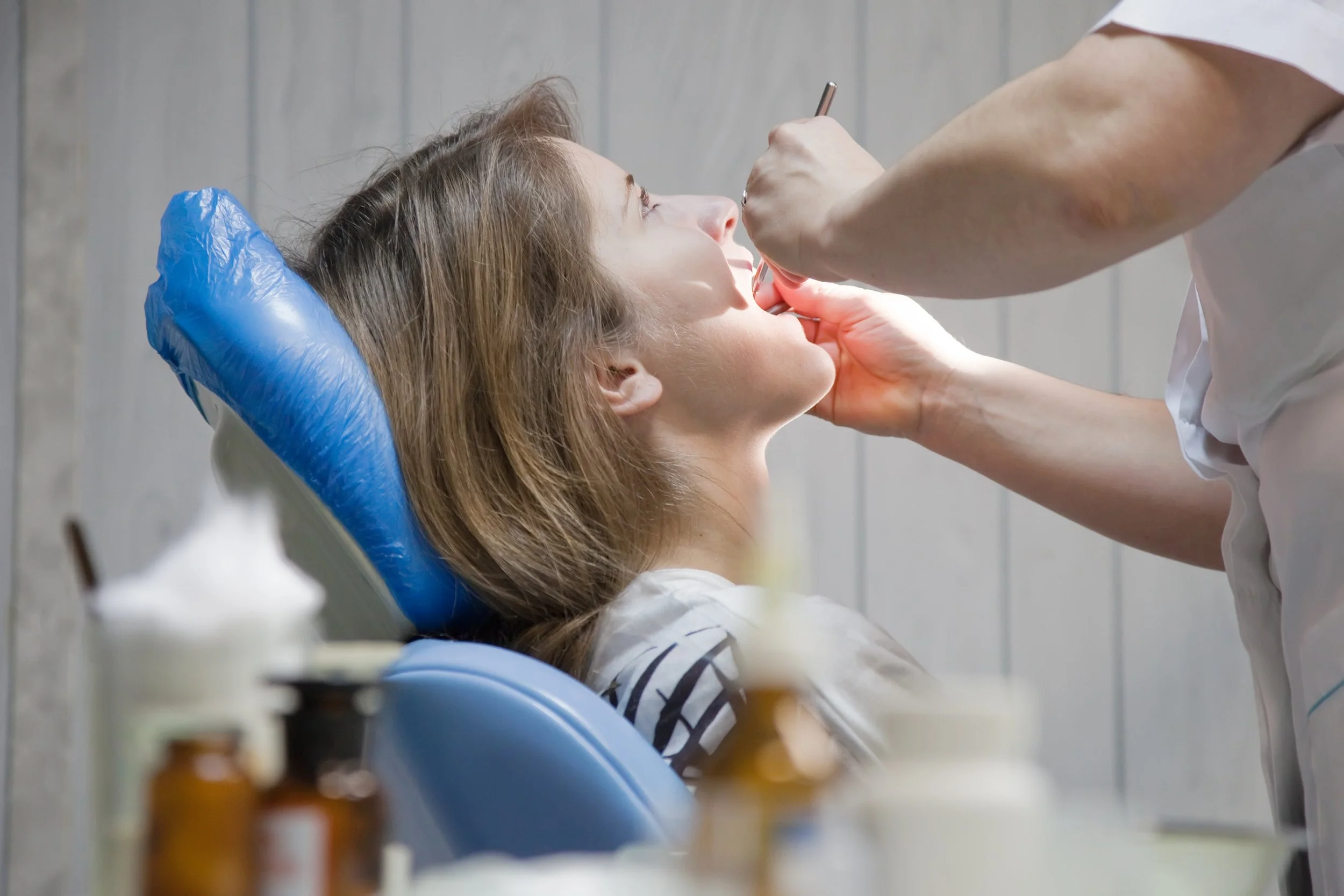
A dental abscess is a localized pocket of pus caused by a bacterial infection in or around a tooth or gum. A periapical abscess develops at the tip of the tooth root, typically from untreated tooth decay or trauma, while periodontal abscesses arise from the supporting gum tissue and bone. Many dental abscesses start with untreated cavities, cracked teeth, or advanced gum disease.
While most dental abscesses can be treated successfully, dental abscesses can spread infection to the jaw or bloodstream if not addressed promptly. A recent U.S. inpatient study (2020–2022) found that among 207,750 orofacial infection hospitalizations, approximately 1.1% developed distant-spread complications, with mortality reaching about 4.9% in those severe cases. Dental abscesses require prompt drainage and treatment to prevent spread.
Signs of a Possible Dental Abscess
A dental abscess appears as a painful, pimple-like swelling on the gum. Other typical features include:
Persistent toothache, often throbbing
Swelling of the gum or face
Tenderness to touch and warmth over the area
Pus drainage or a bad taste in the mouth
Sensitivity to hot or cold foods
Fever or swollen lymph nodes under the jaw
A small bump on the gum that periodically drains fluid can also be associated with an abscess. These signs suggest a possible abscess but are not enough for self-diagnosis-professional evaluation is essential.
Why Dental Infections Can Become Serious
The mouth is close to vital structures in the head and neck. Untreated dental infections can occasionally migrate into deeper spaces of the face or neck, making breathing or swallowing difficult in rare but serious cases. Emergency root canal therapy relieves severe pain and removes infection at the source, while in some situations tooth extraction may be necessary.
Not every cavity or abscess becomes life-threatening, but ignoring worsening symptoms increases risk. Seek care before infections reach an advanced stage.
Spreading Swelling
Spreading swelling moves beyond the immediate gum area into the cheek, below the jaw, or toward the eye or neck. Swelling that expands noticeably over a few hours or overnight is more worrisome than stable, localized puffiness.
Seek urgent dental or medical evaluation when swelling appears to "travel" or involves large portions of the face. Warmth, redness of the skin, or increasing pain around the swelling further raises concern.
Infection With Breathing or Swallowing Problems
Any dental infection accompanied by difficulty breathing, swallowing, or controlling saliva is an emergency requiring hospital care. Signs include drooling, muffled voice, difficulty lying flat, or needing to sit upright to breathe comfortably.
These symptoms should prompt immediate emergency medical attention rather than waiting for a dental appointment. Controlling the patient's airway and overall health comes before addressing the tooth itself.
Why an Abscess Should Not Be Popped at Home
Never use needles, pins, blades, or squeezing to "pop" or drain a dental abscess at home. Home drainage does not treat the source of the infection and can introduce more bacteria or injure surrounding gum tissue. There is also risk of pushing infection deeper into tissues or causing excessive bleeding.
Instead, rinsing with warm salt water can ease discomfort for a dental abscess temporarily. Rinsing a dental abscess with a mild salt-water solution may provide some relief, but safe definitive treatment requires professional drainage, cleaning, and addressing the underlying tooth or gum problem through procedures like root canal treatment or extraction.
Facial and Oral Swelling: When to Be Concerned
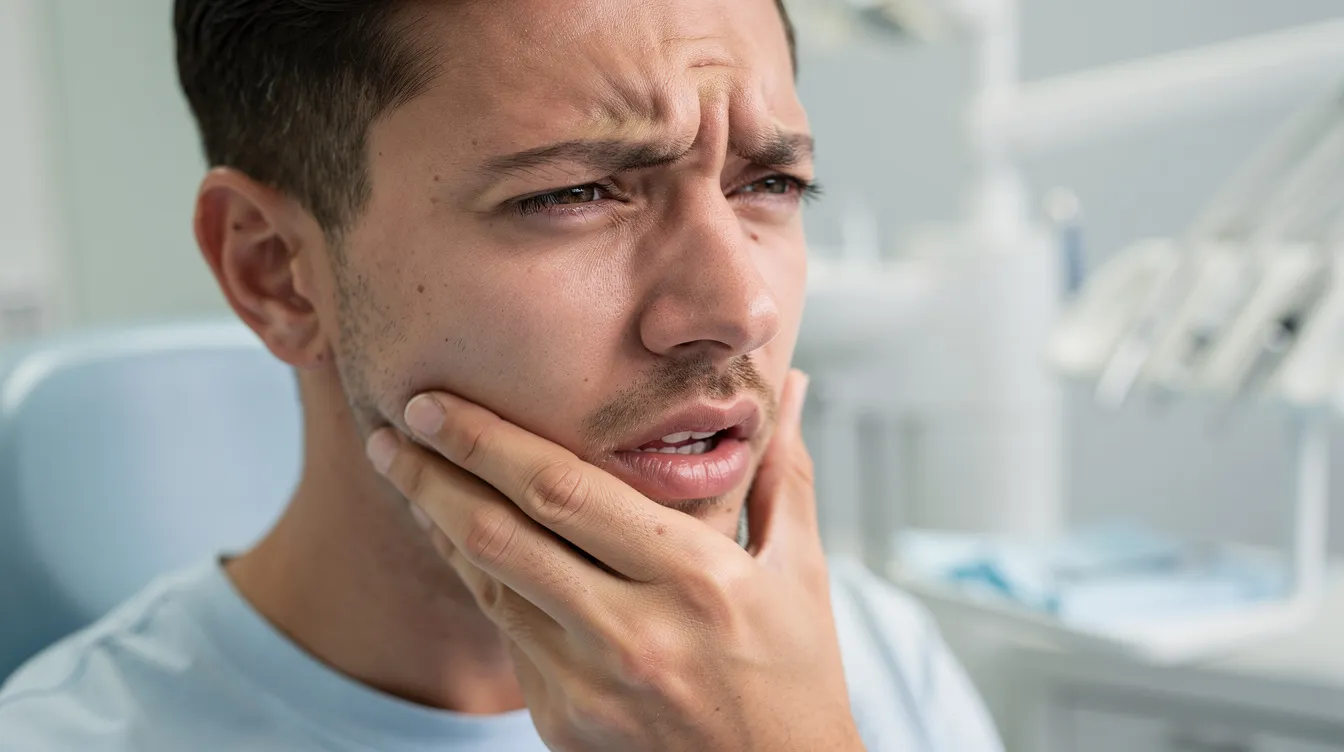
Swelling in the mouth, lips, or face can come from many causes-infection, trauma, allergic reactions, or irritation. Context matters: swelling after biting the cheek is very different from swelling after a severe toothache and fever. The speed at which swelling appeared and whether it is stable, improving, or spreading are critical details.
Localized Gum Swelling
Small, localized puffiness around one tooth or a small section of the gum, sometimes tender to brush or use dental floss around, can indicate localized infection or irritation. While often less urgent than widespread facial swelling, it still deserves dental evaluation, especially if the area is painful, bleeds easily, or does not improve in a few days.
Rapidly Increasing Facial Swelling
Rapidly increasing swelling-noticeable enlargement over hours rather than days-is a significant warning sign. Such progression, especially with pain or redness, can indicate that infection or another serious process is spreading. Seek same-day professional assessment, and if rapid swelling is accompanied by breathing or swallowing trouble, go to the emergency room.
Swelling Around the Jaw or Neck
Swelling under the jawline, along the sides of the neck, or in the floor of the mouth is more concerning than minor gum swelling because these areas are closer to vital structures involved in breathing and swallowing. Seek urgent dental or medical evaluation for noticeable swelling in these regions, particularly when associated with dental pain. Firm or "board-like" swelling is especially worrisome.
Swelling With Fever or Systemic Symptoms
Facial or oral swelling combined with fever, chills, night sweats, or feeling significantly unwell suggests a more serious infection. Seek prompt care when you feel "sick all over" alongside dental or facial symptoms. People with chronic health conditions or on immune-suppressing medications should act quickly.
Swelling Affecting Breathing or Swallowing
Swelling that interferes with breathing, swallowing, or causes drooling or inability to close the mouth properly is a medical emergency. Contact emergency services or a hospital emergency room immediately. Dental first aid such as rinses or painkillers should never delay emergency medical care when these signs are present.
Knocked-Out, Loose, and Displaced Teeth
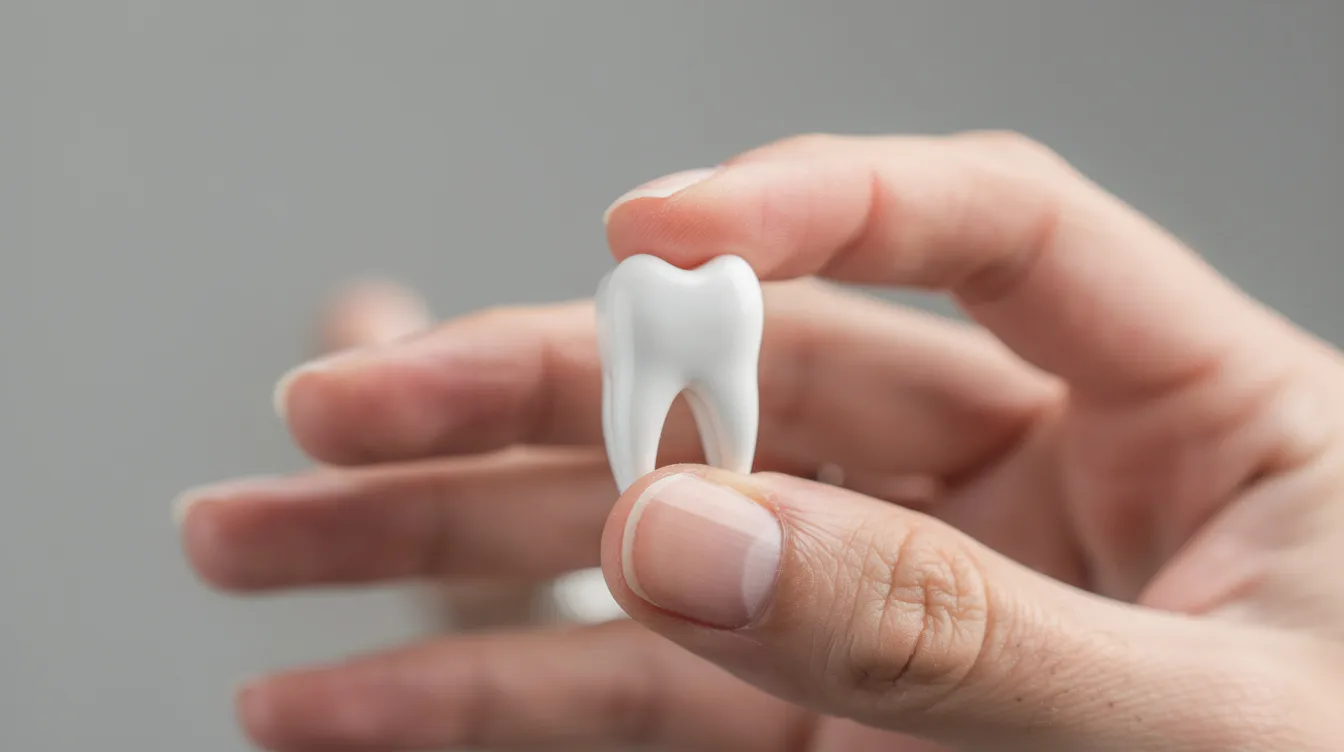
Traumatic dental injuries often involve teeth being knocked out, loosened, or moved out of position. Time is especially important for permanent teeth that are avulsed or significantly displaced. Correct first-aid actions can improve the chance of saving an injured tooth, but professional care is always needed. Baby teeth are handled differently than permanent teeth after trauma.
Knocked-Out Permanent Tooth
An avulsed adult permanent tooth may sometimes be saved by rapid replantation. A knocked-out tooth should be handled only by the crown-the white chewing surface-avoiding any contact with the tooth root. If the tooth is dirty, it can be gently rinsed with clean water for a few seconds without scrubbing or removing attached tissue.
If possible and safe, the tooth may be gently placed back into the tooth socket. Otherwise, a lost tooth should be stored in milk or saline if it cannot be reinserted immediately. A knocked-out tooth needs re-implantation within 30 to 60 minutes for the best chance of success. Seek immediate emergency dental care. Visit an emergency dentist for urgent dental problems needing immediate care like this.
Knocked-Out Baby Tooth
A knocked-out primary (baby) tooth should NOT be replanted at home or in a dental office. Forcing a baby tooth back into the socket can damage the developing permanent tooth underneath in the primary dentition. Caregivers should gently control bleeding with gauze and calm the child, then contact a dentist promptly.
Early loss of a baby tooth does not always lead to long-term problems, but professional assessment is important to check for damage to adjacent teeth, gums, or bone loss.
Loose Permanent Tooth After an Injury
A tooth that suddenly feels wiggly or shifts after a blow or fall indicates trauma to the ligament and supporting structures. This differs from gradual loosening due to gum disease or routine baby-tooth mobility.
Do not repeatedly wiggle or bite on the tooth, and avoid trying to push it back into place. Seek urgent dental care so the tooth can be examined and possibly stabilized with a splint to help it heal properly.
Displaced or Intruded Tooth
Displacement means a tooth has been pushed out of its normal position-forward, backward, or sideways. Intrusion means a tooth has been driven deeper into the gum or jawbone. Both injuries can damage the tooth root, surrounding bone, and nerves, making early treatment important.
Do not force a displaced or intruded tooth back into position yourself. These injuries require prompt evaluation by a dentist or specialist, often on the same day, to prevent further damage.
Broken and Cracked Teeth
Dental injuries range from minor enamel chips to deep fractures exposing the inner layers of the tooth. Not every chipped or cracked tooth is a dental emergency, but some require urgent dental care, particularly after significant trauma or when there is severe pain. Broken or cracked teeth can expose inner layers to bacteria, increasing the risk of infection or further fracture if left untreated.
Small Tooth Chips
Small chips in the enamel that do not cause pain or sensitivity are typically less urgent. They may still need evaluation and smoothing to prevent sharp edges from cutting the tongue or cheeks. Schedule a dental appointment soon, but immediate emergency care is rarely necessary if there is no pain or trauma.
Large Tooth Fractures
When a large portion of tooth structure is lost, the deeper yellow dentin or even the red pulp may be exposed. Symptoms include strong sensitivity to temperature, sharp pain, or visible fracture lines extending toward the gumline. These broken teeth situations often require same-day or urgent dental care. Keeping any broken pieces moist in clean water or milk and bringing them to the dentist's office may occasionally help with repair.
Cracked Tooth With Significant Pain
A cracked tooth may produce sharp pain when biting, pain when releasing the bite, or intermittent sensitivity. These signs can be associated with a cracked tooth but do not confirm the diagnosis without professional evaluation. Apply a cold compress to reduce swelling from a cracked tooth externally, avoid chewing on the affected side, and seek timely dental care. Earlier treatment may prevent the crack from spreading deeper.
Broken Tooth After Major Trauma
When a tooth breaks as part of a significant incident-a fall from height, sports collision, or vehicle crash-attention should also focus on possible head, neck, or jaw injuries to the facial bones. Medical evaluation may be needed first if there is facial deformity, severe bruising, difficulty moving the jaw, or suspected concussion.
Saving the tooth is important but should never outweigh ensuring overall safety.
Dental Trauma and Injuries to the Mouth
Not all dental emergencies involve the teeth. Soft tissue injuries to the lips, cheeks, and tongue, as well as jaw injuries, can accompany dental trauma. The mouth's rich blood supply through its many blood vessels means cuts and bruises inside the mouth often bleed heavily, but many heal well with basic care.
Cuts to the Lips, Tongue, or Gums
Small cuts from biting the tongue, sports accidents, or being struck in the mouth often stop with gentle pressure using clean gauze. Deep wounds, gaping cuts, or injuries with persistent severe bleeding may need urgent care from a dentist or medical professional.
Jaw Injury
Warning signs of possible jaw fracture or dislocation include severe jaw pain, difficulty opening or closing the mouth, a bite that suddenly feels "off," or visible asymmetry. These signs, especially after a blow or fall, should prompt emergency medical evaluation. Do not try to move or "snap" the jaw back into place.
Head or Neck Injury With Dental Trauma
When dental injuries occur alongside a possible concussion, neck injury, or loss of consciousness, the head and neck take priority. Concerning signs include confusion, vomiting, seizures, vision changes, severe headache, or neck pain after an impact. Damaged teeth can typically be treated after head and neck injuries have been evaluated and stabilized.
Objects Embedded in Oral Tissues
Objects such as glass fragments, wood splinters, or metal pieces lodged in gums, lips, or cheeks should not be aggressively removed with fingers or sharp tools at home. Deep or firmly lodged objects causing persistent pain or bleeding need professional removal.
Uncontrolled Bleeding From the Mouth

Minor bleeding from brushing, flossing, or small cuts is common. Heavy or prolonged bleeding is different. People taking anticoagulant medications or with bleeding disorders have a lower threshold for concern. Uncontrolled bleeding after a dental procedure needs immediate attention.
Bleeding After Trauma
Bleeding from cuts to the tongue, lips, or gums after biting or being struck in the face often responds to gentle, continuous pressure with clean gauze or cloth at the bleeding site for several minutes. Seek care if bleeding continues heavily despite pressure, or if the wound is deep.
Bleeding After a Dental Procedure
Some oozing is common after extractions or gum surgery. However, bright red bleeding that soaks gauze repeatedly or resumes strongly after stopping may be more concerning. Post-extraction bleeding lasting over 30 minutes needs immediate attention. Contact the dental office or an emergency service if bleeding seems excessive.
Spontaneous or Unexplained Bleeding
Significant bleeding that occurs seemingly without an obvious trigger-such as profuse bleeding from the gums during normal activities-deserves evaluation. While gum disease can cause bleeding, heavy spontaneous bleeding may also relate to medications or medical conditions. Mention all medications and health conditions when seeking care for unexplained oral bleeding.
When Bleeding Requires Emergency Medical Attention
Clear red flags for emergency care include:
Bleeding that will not stop with firm pressure
Blood filling the mouth
Signs of significant blood loss (dizziness, weakness, fainting)
Excessive bleeding combined with major trauma
Shortness of breath or altered consciousness with oral bleeding
These signs call for immediate emergency care, not only dental follow-up.
Lost Fillings, Crowns, and Other Dental Restorations
A lost filling or crown can be uncomfortable and alarming, but lost fillings are rarely life-threatening dental emergencies by themselves. Missing restorations can expose sensitive tooth layers, create sharp edges, and increase the risk of tooth decay if not repaired. Urgency increases when there is strong pain, visible fracture, or associated swelling.
Lost Filling
A filling can fall out, leaving a visible hole that may feel rough or sensitive to temperature or sweets. In many cases, this can wait for a prompt but non-emergency dental visit if there is no severe pain or swelling. Avoid chewing hard foods on that side and keep the area clean. Call your dentist quickly if pain develops.
Lost or Loose Crown
A crown may loosen or detach, exposing the underlying tooth which can be sensitive or brittle. A lost crown or filling should be handled carefully and preserved for the dentist visit-keep the crown if possible and bring it in. Do not use household glue or other non-dental adhesives, as they can damage tooth and gum tissue.
Broken Dental Restoration
A broken filling, chipped crown, or fractured bridge is different from a fracture of the natural tooth structure. Broken restorations may leave sharp edges or trap food, increasing the risk of decay or gum irritation. Schedule a prompt appointment at a dental office rather than visiting an emergency room for this type of issue.
When a Restoration Problem Becomes More Urgent
Features that increase urgency include intense pain, deep fracture into the tooth, bleeding, or associated facial injury. Swelling, fever, or drainage from a tooth with a lost restoration are signs of possible infection needing quick attention. In the absence of these signs, restoration issues are typically handled as urgent but not medical emergencies.
Problems That May Be Urgent but Are Not Usually Medical Emergencies

Some conditions require prompt dental care but generally do not demand emergency room treatment when serious warning signs are absent. These problems can cause discomfort and should not be ignored, but they usually allow time to arrange an emergency dental visit rather than calling emergency services. This guidance applies only when there is no severe swelling, fever, trauma, difficulty breathing, or uncontrolled bleeding.
Persistent Toothache Without Swelling or Fever
Ongoing tooth pain without visible swelling, fever, or recent trauma likely does not require an ER visit but still needs timely dental evaluation. Call a dentist as soon as possible. Over-the-counter pain medicine may relieve pain temporarily but does not address the underlying cause.
Lost Filling or Crown
Lost fillings and crowns often fall into this category when there is no severe pain or swelling. Schedule a prompt dental appointment, ideally within a few days. Do not attempt permanent DIY repair. Avoid sticky, hard, or very hot and cold foods on the affected side.
Minor Tooth Chip
A small chip without pain, sensitivity, or deep fracture is typically suitable for a timely but scheduled repair. Contact a dentist to discuss timing based on the size and location of the chip.
Mildly Broken Orthodontic Appliance
Minor problems with braces-a loose bracket or mildly poking wire-are uncomfortable but rarely medical emergencies. Cover sharp areas with orthodontic wax if available and schedule an orthodontic visit. If a wire is embedded in the cheek or lip or causing bleeding, more urgent attention is needed.
Persistent Tooth Sensitivity
Ongoing sensitivity to cold, heat, or sweets that is uncomfortable but not severe or associated with swelling usually warrants dental evaluation but rarely requires emergency treatment. If pain persists or worsens at night, schedule an earlier appointment.
Localized Gum Irritation
Redness, mild swelling, or tenderness in a small gum area, often related to plaque buildup, new flossing habits, or minor food impaction, is typically not an emergency. It should improve with gentle cleaning and good oral health practices. See your dentist if it persists, worsens, or begins to bleed heavily.
When to Seek Emergency Medical Care Instead of Waiting for Dental Care
Some dental-related problems are, first and foremost, medical emergencies requiring hospital-level emergency care. These situations can threaten breathing, circulation, or brain function. Emergency medical providers may then coordinate with dentists or oral surgeons after the immediate danger is controlled.
Difficulty Breathing
Signs such as shortness of breath, noisy breathing, struggling to take a breath, or needing to sit upright to breathe comfortably in the context of dental pain or swelling require immediate emergency medical care. Call local emergency services rather than driving yourself if breathing is significantly impaired.
Difficulty Swallowing
Trouble swallowing saliva, liquids, or food-particularly with swelling or pain under the jaw or tongue-may indicate a dangerous infection. Additional signs include drooling, choking sensation, or inability to swallow medications. Seek urgent emergency medical evaluation.
Rapidly Spreading Facial or Neck Swelling
Swelling moving quickly into the cheek, eyelid, or neck over hours is a serious warning sign. Seek emergency medical care if accompanied by pain, fever, or changes in breathing or swallowing. Imaging and intravenous treatment may be required, which are available in hospital settings.
Severe or Uncontrolled Bleeding
Bleeding that does not slow with continuous pressure, or that causes dizziness, weakness, or fainting, is a medical emergency. Emergency medical professionals can provide advanced bleeding control. Share details about recent dental procedures or injuries with emergency staff.
Loss of Consciousness or Serious Head Injury
Any dental trauma associated with loss of consciousness, confusion, seizures, or significant head impact must be treated primarily as a head injury. Call emergency medical services. Tooth fractures or looseness can be assessed after brain and neck safety are ensured.
Suspected Jaw or Major Facial Fracture
Signs include severe pain, difficulty moving the jaw, visible bone deformity, inability to bring teeth together, or numbness in the lips or chin. These should prompt emergency medical care, often including imaging. Jaw fractures are typically managed by hospital teams, sometimes with surgical intervention.
Severe Systemic Illness With an Oral Infection
People feeling extremely ill-high fever, rapid heart rate, confusion, or extreme weakness-in the setting of a dental abscess or oral infection may have infection spreading beyond the tooth. The American Dental Association defines dental emergencies as potentially life-threatening conditions when they involve systemic complications. Immediate medical evaluation is essential, as intravenous antibiotics or hospital admission may be required. Treating the affected tooth will follow after systemic stability.
Dental Emergency First Aid: What You Can Do Right Away
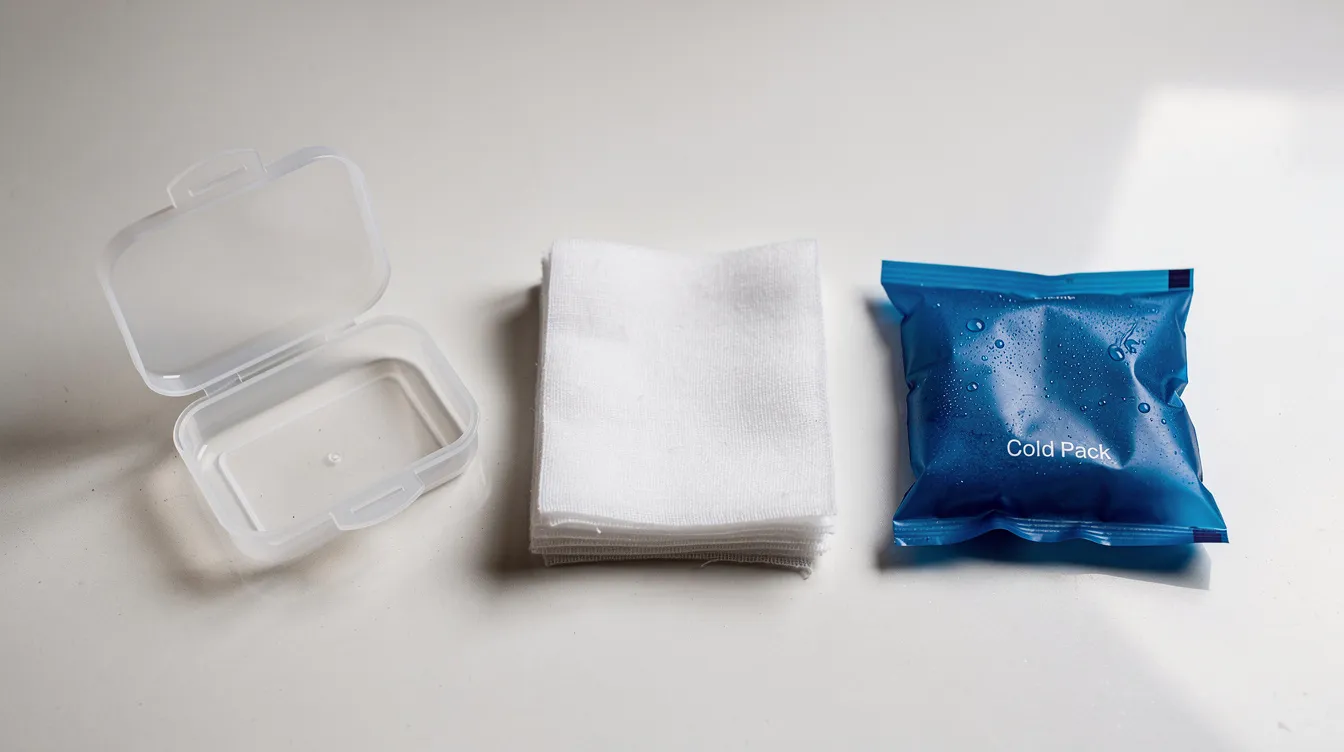
Simple first-aid steps can sometimes reduce pain, protect teeth, and limit damage while professional care is being arranged. First aid does not replace evaluation by a dentist or doctor, especially when serious warning signs are present. Prioritize safety and seek emergency help when in doubt about breathing, bleeding, or severe trauma.
Stay Calm and Assess the Situation
Take a moment to check for serious issues: difficulty breathing, heavy bleeding, loss of consciousness, or major facial injury. Ask simple questions if helping another person-"Can you breathe okay?" "Can you swallow?" Call emergency services immediately if any life-threatening signs are present.
Rinse Gently When Appropriate
Gently rinsing the mouth with clean, warm water can help remove blood, debris, or food from the area of a broken tooth or minor injury. Avoid vigorous swishing or spitting, especially after extractions, as it can disturb early clot formation. Rinsing does not disinfect a serious wound and is only an initial step.
Control Minor Bleeding
Use a clean gauze pad, cloth, or even a damp tea bag to apply gentle, direct pressure to a bleeding area inside the mouth. Hold steady pressure for several minutes before checking. Maintain an upright position and avoid spitting excessively. If bleeding remains heavy, emergency medical or dental care is needed.
Use a Cold Compress for Trauma-Related Swelling
Place a cold pack or wrapped bag of ice on the cheek near an injured area to reduce swelling and numb pain during a dental emergency. Use a cloth between ice and skin and limit each application to about 15–20 minutes to prevent skin damage. Cold compresses can help reduce swelling and numb pain, but they do not replace evaluation for fractures or serious injuries.
Protect an Injured Tooth
Avoid chewing on a tooth that is broken, cracked, or painful to prevent further damage. Do not repeatedly test a loose or sore tooth by pushing or wiggling it. Choose soft foods and chew on the opposite side until a dentist can examine the area.
Handle a Knocked-Out Permanent Tooth Correctly
Pick up the tooth by the crown, avoid touching the root, and rinse gently if dirty without scrubbing. If possible and safe, the tooth can be gently guided back into the socket and held in place while seeking care. If reinsertion is not feasible, place the tooth in milk, saline, or a tooth preservation container rather than letting it dry.
This guidance applies only to permanent teeth. A baby tooth should never be replanted.
What Not to Do During a Dental Emergency
Some common "home remedies" and DIY techniques can worsen injuries or infections. Avoiding harmful actions is just as important as taking the right first-aid steps.
Do Not Place Aspirin Directly on Teeth or Gums
Placing aspirin tablets or crushed aspirin on the gum or tooth can burn or irritate oral tissues. Avoid placing aspirin directly on gums to prevent burning tissue. Aspirin is designed to be swallowed as directed, not used as a topical remedy. Check with a healthcare provider before taking any medication when underlying health conditions are present.
Do Not Use Household Glue
Never use superglue, craft adhesives, or other household glues to reattach crowns, bridges, or broken teeth. These substances can be toxic, irritate tissues, and complicate later professional repairs. Store any detached crown or tooth fragment in a clean container and bring it to the dentist instead.
Do Not Pop or Drain an Abscess
Puncturing or squeezing a dental abscess with pins, knives, or fingers is unsafe. Home drainage does not remove the source of infection and risks spreading bacteria deeper. Such attempts can cause scarring, uncontrolled bleeding, or worse infection. Emergency dentists treat dental issues like toothaches and abscesses safely and effectively.
Do Not Force a Displaced Tooth Into Position
Aside from gentle replantation of a knocked-out permanent tooth, do not push, twist, or lever a tooth back into place. Forcing an intruded or sideways-displaced tooth can damage nerves, roots, and surrounding bone. Protect the area and arrange urgent dental evaluation instead.
Do Not Ignore Breathing or Swallowing Problems
Trouble breathing, swallowing, or speaking clearly should never be dismissed as "just anxiety" when there is facial or dental swelling. Treat these signs as medical emergencies. Attempts to manage these situations solely with ice, rinses, or antibiotics at home can delay life-saving care.
Do Not Delay Serious Medical Care to Address a Tooth
While saving a tooth is important, it should not come before protecting the airway, brain, and circulation. Head injuries, suspected jaw fractures, or severe facial trauma require hospital care first. Dental treatment can often be coordinated soon after the patient is medically stable, and a treatment plan for the tooth can be developed once safety is established.
Dental Emergencies in Children

Children experience many of the same dental emergencies as adults, but important differences exist because of developing teeth and smaller airways. Caregivers should stay calm and focus on both the child's comfort and safety. Common pediatric dental emergencies include knocked-out teeth, broken teeth, lip and tongue injuries, and jaw injuries from falls. Serious signs such as difficulty breathing, confusion, or heavy bleeding in a child always require immediate medical attention.
Baby Teeth vs. Permanent Teeth
Children typically transition from primary to permanent teeth between roughly ages 6 and 12. Identifying whether an injured or knocked-out tooth is a baby tooth or a permanent tooth affects first-aid steps. Keep any tooth you find, but do not assume it should be replanted until a dentist confirms which type it is.
Knocked-Out Baby Teeth
Primary teeth should not be replanted after being knocked out, due to risk of harming underlying permanent teeth. Gently control bleeding with gauze, calm the child, and contact a dentist promptly. The dentist may assess for damage to adjacent teeth, gums, or bone and plan for space maintenance if needed.
Injuries to Newly Erupted Permanent Teeth
Permanent incisors often begin erupting around ages 6–8, and these new teeth are more vulnerable to trauma. Even though a child is young, a newly erupted permanent tooth should be treated as an adult tooth in emergencies. Rapid action and urgent dental care are essential if a newly erupted permanent tooth is knocked out, cracked, or displaced. Prompt treatment is crucial to prevent tooth loss or infection spread.
Falls and Sports Injuries
Common scenarios for pediatric dental trauma include playground falls, bicycle accidents, and collisions during sports. Not every bump to the mouth is an emergency, but caregivers should watch for broken or loose teeth, cuts, and swelling. Playing contact sports without a mouthguard significantly increases risk. Using mouthguards for sports where contact with people, balls, or equipment is likely can prevent many traumatic dental injuries.
When a Child Has Other Signs of Serious Injury
Serious signs after dental trauma in children-loss of consciousness, repeated vomiting, unusual drowsiness, confusion, trouble walking, or trouble breathing-require emergency medical care before dental treatment. Keep the child still and supported while calling emergency services if spinal injury is suspected.
How to Prepare for a Dental Emergency
While not every dental emergency can be prevented, preparation reduces stress and improves outcomes. A few simple steps ahead of time can make a significant difference when dental injuries or sudden tooth pain occur.
Know Basic Dental First Aid
Familiarize yourself with first-aid steps for knocked-out teeth, bleeding, swelling, and minor dental injuries. Keep a printed or digital summary of key instructions in the home first-aid kit. Review emergency guidance with older children and family members.
Keep Simple First-Aid Supplies Available
Emergency dental kits should contain dental floss, gauze, and a tooth-preservation container. Additional useful items include a cold pack, saline solution or access to milk for temporary tooth storage, and over-the-counter pain relievers. Store emergency contact numbers for dentists and medical services where they are easy to find. Same day emergency appointments may be available from many dental offices if you call promptly.
Use Mouthguards During Appropriate Sports
Properly fitted mouthguards for activities such as football, basketball, hockey, martial arts, and skateboarding help absorb impact and reduce the risk of broken or knocked-out teeth and soft tissue injuries. Discuss custom or well-fitting mouthguards with a dentist for children and adults who play regularly.
Do Not Use Teeth as Tools
Using teeth to open bottles, tear packaging, cut tape, or hold hard objects increases the risk of chipped, cracked, or broken teeth and can damage dental work. Teaching children early not to use teeth as tools can prevent future dental emergencies.
Address Dental Problems Before They Become Severe
Many dental emergencies begin as small problems-early cavities or mild gum disease-that progress over time. Regular dental check-ups and prompt attention to early warning signs like intermittent toothache or occasional swelling often reduce the risk of severe tooth infections or dental abscesses. Maintain consistent home oral hygiene, including twice-daily brushing with fluoride toothpaste and daily interdental cleaning, to support long-term oral health. Early treatment does not guarantee prevention of all emergencies, but it makes many of them less likely.
Common Myths About Dental Emergencies

Misunderstandings about dental emergencies can lead people to panic unnecessarily or delay care when it is truly needed. Addressing common myths helps you make more confident, informed decisions.
"If There Is No Pain, It Cannot Be an Emergency"
Some serious conditions-early spreading infections, certain fractures, or a tooth knocked loose without immediate pain-may initially cause little discomfort. Visible changes like swelling, tooth position changes, or bleeding can still indicate an urgent problem. Pay attention to the full picture, not just the pain level.
"Every Toothache Is a Dental Emergency"
While toothaches should always be taken seriously, many do not require emergency room care. In 2018, approximately 95% of dental ED visits resulted in discharge without hospital admission. Mild to moderate pain without swelling, fever, or trauma is often managed by arranging an urgent dental visit. Worsening pain or pain with other warning signs changes the situation.
"Facial Swelling Can Always Wait"
Some people assume swelling will resolve on its own. Rapidly spreading swelling extending into the jaw or neck, or associated with fever or difficulty swallowing, requires quick attention and should not be observed at home for days.
"A Knocked-Out Tooth Is Automatically Lost"
Permanent teeth can sometimes be successfully replanted, especially with rapid first aid. Time, proper handling, and appropriate storage in milk, saline, or a tooth preservation solution can improve the outlook. There are no guarantees, but immediate emergency dental care offers the best chance.
"A Knocked-Out Baby Tooth Should Be Put Back"
Primary teeth should not be replanted. This misconception can harm the underlying permanent tooth bud. Instead, control bleeding and seek dental evaluation. Dentists have strategies to monitor and maintain proper spacing after early tooth loss.
"You Can Pop a Dental Abscess at Home"
Attempting to drain an abscess at home is unsafe and does not treat the cause of the infection. Self-drainage can allow bacteria to spread or enter the bloodstream. Professional treatment drains pus and addresses the source through root canal therapy, tooth extraction, or other appropriate dental procedures.
"Emergency Dental Problems Always Look Severe"
Some emergencies-deep infections early in their course, certain fractures-may not look dramatic from the outside. Subtle signs like a tooth that changes position slightly, a small draining bump, or moderate swelling can still signal significant issues. Do not wait for symptoms to look "terrible" before seeking help if something feels seriously wrong.
Frequently Asked Questions
What is considered a dental emergency?
A dental emergency is any oral health condition involving severe pain, significant infection, trauma, swelling, or uncontrolled bleeding that requires prompt attention to protect health or preserve teeth. Common dental emergencies include a knocked-out permanent tooth, large facial swelling from a dental abscess, or heavy bleeding after injury or extraction.
How do I know if my toothache is an emergency?
A toothache becomes more urgent when it is severe, persistent, or accompanied by swelling, fever, trauma, or difficulty swallowing. Mild, occasional discomfort without other symptoms often allows for a scheduled dental visit, while rapidly worsening pain requires quicker evaluation.
When does facial swelling become an emergency?
Swelling is more concerning when it spreads quickly, reaches the jaw or neck, or is paired with fever, difficulty breathing, or trouble swallowing. Seek urgent care in those situations rather than waiting for the swelling to resolve on its own.
Is a dental abscess an emergency?
A dental abscess is a serious infection that usually needs prompt dental treatment. It can sometimes require emergency care if swelling or systemic symptoms develop. Signs such as fever, facial swelling, or difficulty swallowing indicate a higher level of urgency.
Can a tooth infection become a medical emergency?
Most tooth infections can be treated effectively when addressed early, but dental abscesses can spread infection to the jaw or bloodstream and threaten breathing or overall health. Seek immediate medical attention if you experience rapidly worsening swelling, high fever, or trouble breathing or swallowing.
Is a broken tooth a dental emergency?
A broken tooth is more likely an emergency when a large portion is missing, inner tooth layers are exposed, or there is severe pain or bleeding. Small, painless chips can usually be managed with a prompt but non-emergency routine appointment.
Is a cracked tooth an emergency?
A cracked tooth causing sharp pain when biting, sudden sensitivity, or resulting from trauma often requires urgent dental assessment. Hairline cracks without symptoms may be monitored but should still be evaluated by a dentist.
Is a knocked-out tooth always an emergency?
A knocked-out permanent tooth is always a dental emergency due to the time-sensitive chance of reimplantation. A knocked-out baby tooth is not replanted but still needs prompt dental evaluation for other injuries.
What should I do if a permanent tooth gets knocked out?
Handle the tooth by the crown, rinse gently if dirty without scrubbing the root, try to reinsert it into the socket if possible, or keep it moist in milk or saline. Seek emergency dental care immediately. A knocked-out tooth should be replanted within 30 to 60 minutes.
Should a knocked-out baby tooth be put back in?
A knocked-out baby tooth should not be put back into the socket. Control bleeding, comfort the child, and see a dentist promptly for evaluation of possible other injuries.
Is a loose adult tooth after an injury an emergency?
A suddenly loose adult tooth after trauma is an urgent dental problem because early stabilization can improve the chance of saving it. Avoid chewing on the tooth and contact a dentist as soon as possible.
Is a lost filling or crown a dental emergency?
A lost filling or crown is usually not a medical emergency but can be urgent if it causes significant pain or exposes deep tooth structure. Arrange a prompt dental visit and avoid home glues or permanent DIY fixes.
When is oral bleeding an emergency?
Minor bleeding that stops with gentle pressure is common. Heavy or persistent bleeding that does not slow, is associated with trauma, or causes dizziness or weakness is an emergency requiring immediate medical or dental care.
When should I seek emergency medical care for a dental problem?
Seek emergency medical care for difficulty breathing or swallowing, rapid facial or neck swelling, uncontrolled bleeding, serious head or jaw injury, or severe illness with a dental infection. In these cases, contact hospital or emergency medical services before a dentist.
What should I keep available for dental first aid?
Keep clean gauze or cloth, a small clean container, a cold pack, dental floss, a tooth-preservation container, and contact information for dental and medical services. Milk or saline can serve as useful temporary storage for a knocked-out permanent tooth.
What should I never do during a dental emergency?
Do not place aspirin on gums, do not use household glue, do not pop abscesses, do not force teeth into position, and do not ignore breathing or swallowing problems. Contact dental or medical professionals promptly rather than experimenting with unverified home remedies.
Conclusion

Dental emergencies range from time-sensitive tooth injuries and severe toothaches to infections, facial swelling, and trauma that can affect overall health. Recognizing patterns of symptoms-especially swelling, fever, trauma, uncontrolled bleeding, or difficulty breathing or swallowing-is more reliable than judging by pain alone.
The major warning signs bear repeating: rapidly worsening facial or neck swelling, fever with dental infection symptoms, knocked-out or displaced permanent teeth, severe or escalating pain, and heavy oral bleeding. Breathing problems, swallowing difficulty, serious head or facial trauma, and signs of severe illness require immediate emergency medical care before any dental treatment.
Understanding basic dental first aid and knowing when to seek urgent dental versus medical help can protect both your oral health and overall well-being when unexpected dental emergencies occur. Keep your dentist's contact information accessible, review first-aid steps with your household, and do not hesitate to seek professional guidance when something feels wrong.