Sedation Dentistry: A Stress-Free Solution for Dental Anxiety
If you’ve ever felt your heart race at the thought of going to the dentist, you’re far from alone. Dental anxiety is one of the most common barriers to oral health care, affecting a significant portion of the adult population. For many, this fear leads to delayed or avoided dental treatment, which can quietly allow small problems to develop into more complex and costly procedures later on.
The good news is that sedation dentistry offers a way to make dental visits more comfortable and manageable. By using safe, carefully administered medications, this approach helps nervous patients feel calm and relaxed during their appointments. Sedation creates a stress-free environment by addressing both physical and emotional responses to fear, allowing patients to receive the care they need without the overwhelming anxiety that once held them back.
Whether you’ve skipped cleanings for a few months or avoided the dental office for years, understanding your sedation options can be the first step toward taking control of your oral health.
What Is Sedation Dentistry?
Sedation dentistry uses medication to help patients relax during dental procedures. Rather than feeling tense or panicked, you can remain calm while your dentist completes the necessary dental work. Most sedation methods allow you to stay awake and responsive throughout your appointment, though you may feel drowsy or detached from what’s happening around you.
Sedation works by calming the central nervous system, which helps patients feel relaxed and maintain responsiveness during dental treatments. This means you can still communicate with your dental team, but without the heightened stress that often accompanies dental care.
Conscious sedation dentistry can be used for both routine visits—like cleanings and fillings—and more involved treatments such as dental implants, extractions, or oral surgery. It’s important to note that sedation is different from local anesthesia. While local anesthesia numbs a specific area to block dental pain, sedation eases your overall anxiety and helps you feel at ease throughout the entire dental experience.
Types of Sedation Dentistry
There are several sedation options available, ranging from mild sedation to deep sedation. The right choice depends on your level of dental anxiety, the complexity of your treatment plan, your medical history, and your personal preferences. The most common types of sedation used in dentistry are nitrous oxide, oral conscious sedation, and IV sedation, each affecting patients differently based on their needs and the procedure’s complexity.
No single sedation method is better than another—what matters most is finding the type of sedation that fits your situation and allows you to receive comfortable dental care.
IV Sedation vs. Oral Sedation vs. General Anesthesia
Understanding the differences between these sedation techniques can help you have a more informed conversation with your dental professionals about what might work best for you.
IV Sedation (Intravenous Sedation)
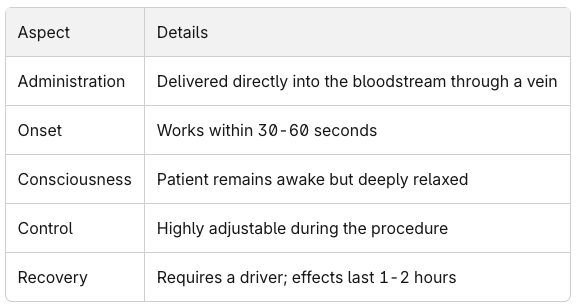
IV sedation is the deepest form of conscious sedation available in dental settings, providing a quick and highly controllable effect by administering sedatives directly into the bloodstream. This makes it suitable for lengthy or complex dental procedures. Patients often report feeling profoundly at ease, with minimal memory of the dental appointment afterward.
Oral Sedation
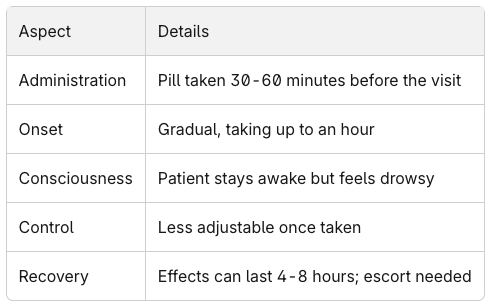
Oral conscious sedation involves taking prescribed sedative drugs before a dental procedure, allowing patients to remain awake but deeply relaxed. Many patients experience limited memory of their treatment, which can be especially helpful for those with severe dental anxiety. This needle-free option is simple and accessible, though the effects linger longer than other methods.
General Anesthesia
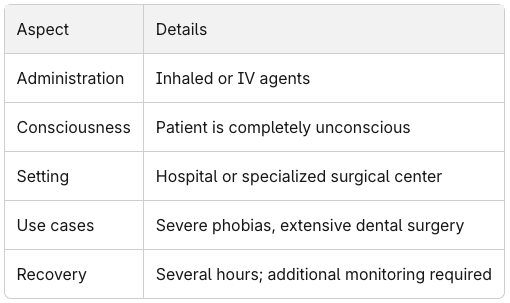
General anesthesia is used for severe phobias or extensive surgeries, making the patient unconscious throughout the procedure. This option is typically reserved for complex treatment or pediatric dentistry cases where other methods aren’t suitable.
Cost Considerations
The average costs for sedation dentistry can range from approximately $200-$300 for nitrous oxide to $500-$2,000 for oral sedation, with IV sedation typically commanding higher fees. Insurance coverage for sedation dentistry varies significantly among providers, with some plans covering sedation for specific medical procedures while others may consider it an optional service. Many dental practices offer payment plans or financing options to make sedation dentistry more accessible.
A Note on Nitrous Oxide
Nitrous oxide, also known as laughing gas, deserves special mention as a popular choice for mild sedation. This inhalation sedation method helps anxious patients relax during dental procedures without putting them to sleep. Delivered through a small mask over your nose, the effects begin within minutes and wear off quickly once the gas is stopped—often allowing patients to drive themselves home afterward.
Laughing gas is commonly used for routine appointments, patients with moderate sedation needs, or those who want to remain fully alert shortly after their dental visit.
Who Can Benefit from Sedation Dentistry?
Sedation dentistry isn’t only for extreme cases. Many everyday patients find it helpful for managing patient anxiety and making their dental experience more comfortable. You might benefit from dental sedation if you:
Experience dental fear or dental anxiety or phobia
Have avoided the dental office for years
Struggle with a strong gag reflex
Need multiple procedures or lengthy appointments
Have sensitive teeth or difficulty getting numb with local anesthesia alone
Feel overwhelmed by the sounds, lights, or sensations of the dental environment
Have certain medical conditions or health conditions that make sitting still challenging
Patients with severe dental anxiety may meet the criteria for dental phobia, which is recognized in the Diagnostic and Statistical Manual of Mental Disorders as a type of phobia. If anxiety or panic attacks have kept you from seeking care, you’re not alone—and sedation can help.
Sedation dentistry can also enhance comfort by minimizing pain, reducing gag reflexes, and lowering muscle tension, allowing patients to receive efficient care in fewer appointments. For those facing complex dental procedures like dental implants or oral surgery, sedation allows dental professionals to complete more work in a single visit, reducing the total number of appointments needed.

Is Sedation Dentistry Safe?
Safety is understandably a top concern for anyone considering sedation. The reassuring news is that sedation dentistry maintains an impressive safety record when administered by qualified professionals, governed by rigorous safety protocols that include comprehensive medical history reviews and continuous vital sign monitoring throughout treatment.
During sedation procedures, dental professionals utilize sophisticated monitoring equipment to track blood pressure, oxygen levels, and heart rate, ensuring patient safety and allowing for immediate response to any concerns. Vital signs are checked regularly, and doses are customized based on your age, weight, procedure complexity, and any existing medical conditions.
Before any sedation method is used, sedation techniques require prior consultation to assess patient suitability, particularly for those with high dental anxiety or complex procedures. You’ll be asked about your full medical history, medications (including prescription medication and supplements), allergies, and conditions such as sleep apnea or anxiety disorder.
Recovery considerations form an integral part of the safety protocol in sedation dentistry, with specific guidelines for post-procedure care and monitoring to ensure patient well-being after sedation. Most side effects—like temporary drowsiness or fuzzy memory—are mild. Serious adverse reactions are rare when healthcare providers follow established guidelines.
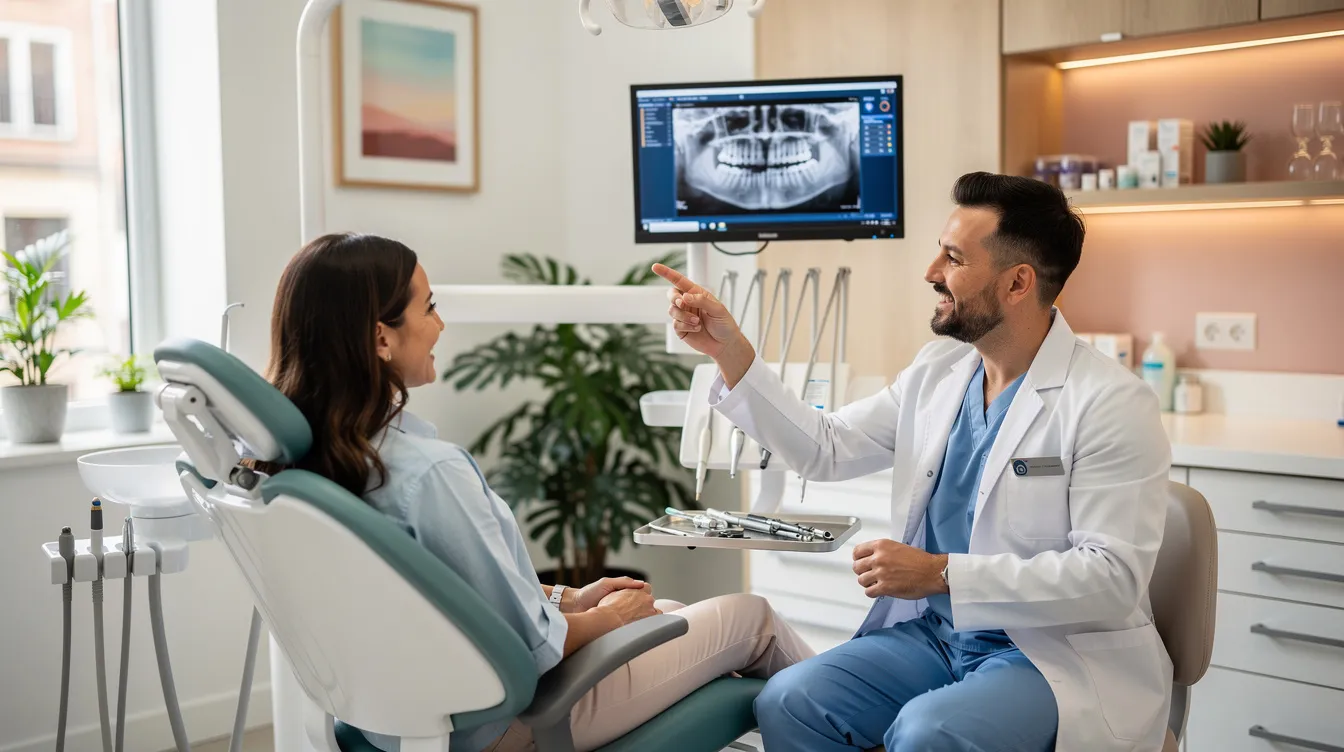
What to Expect During Your Visit
Knowing what to expect can help ease uncertainty. Here’s a general overview of how a sedation appointment typically unfolds:
Before Your Appointment
An initial conversation about your comfort level and sedation options
Review of your medical history, current medications, and any health conditions
Instructions based on your chosen sedation method (such as fasting for oral or IV sedation)
Arrangements for a driver if needed
During Your Appointment
Arrival and check-in with your dental team
Administration of sedation by a dental hygienist, dental assistant, dental nurse, or oral surgeon as appropriate
Continuous monitoring of vital signs throughout your treatment
Feeling relaxed and detached from time—many patients report an 80-90% drop in patient anxiety
After Your Appointment
Recovery observation until you’re stable
Written aftercare instructions
Rest at home; avoid driving or important decisions if you received moderate sedation or deeper
With nitrous oxide, the sedation wears off quickly and you may feel normal within minutes. With oral sedation or intravenous sedation, expect grogginess for several hours procedure afterward.
Conclusion
Dental visits don’t have to feel stressful or overwhelming. Sedation dentistry can significantly help patients with dental anxiety by providing a more comfortable experience during dental procedures, allowing them to remain relaxed while still being able to respond to their dentist. Whether you need a routine cleaning, extensive dental work, or have been putting off care due to extreme anxiety, there are options designed to support your well-being.
If you’ve been avoiding the dentist because of fear, consider talking to a qualified dental professional about whether sedation might be right for you. Patient education is a key part of the process—don’t hesitate to ask questions about relaxation techniques, sedation methods, and what to expect.
Taking care of your oral health is always worthwhile, and with the right support, your next dental appointment can be a step toward better health rather than a source of dread. You deserve to feel at ease, and today there are more options than ever to help you get there.