Dental Implants: What Patients Should Know About Their Tooth Replacement Options

Dental implants are considered the most permanent solution for missing teeth, providing a stable foundation for artificial teeth such as crowns or dentures. For many adults exploring how to replace damaged or missing teeth, implants offer a long-term option designed to look, feel, and function similarly to natural teeth.
This article is purely educational and intended to help patients better understand dental implants and related tooth replacement options. Treatment recommendations vary based on oral health, bone support, medical history, and personal goals. Both conventional dental implants and one-piece dental implants are commonly discussed implant designs, and each may serve different purposes depending on a patient’s needs.
Implants may be used to replace a single missing tooth, multiple missing teeth, a row of missing teeth, or to help stabilize dentures in some patients. Understanding these options can help you have more informed conversations with a dental specialist about what might work for your situation.
This article is not a substitute for professional dental advice, diagnosis, or individualized treatment planning.
What Are Dental Implants?

A dental implant is an artificial tooth root placed in the jawbone to support a replacement tooth or teeth. Unlike removable dentures that rest on the gums, implants are anchored directly in the bone structure of the upper or lower jaw.
The American Dental Association and major medical sources describe implants as having three primary parts:
Implant post (body): The titanium or ceramic screw placed into the jawbone
Dental abutment: The connector piece that attaches to the implant post and extends above the gumline
Restoration: The visible dental crown, bridge, or denture attached to the abutment
Dental implants are commonly made from titanium or zirconia, with titanium being the most widely used material due to its strength and durability. The human body tolerates titanium well, allowing bone to grow and bond tightly around the implant surface through a process called osseointegration.
There are two main types of dental implants: endosteal implants, which are placed directly into the jawbone, and subperiosteal implants, which are placed under the gum but above the jawbone. Most dental implants used today are endosteal.
Standard dental implants typically have a diameter between 3 and 6 millimeters. A dental crown is the custom-made, visible ceramic or porcelain tooth fixed securely to the abutment, designed to blend with your existing teeth.
Implants may support:
Single crowns for one missing tooth
Dental bridges for several teeth
Implant-supported dentures
Full mouth dental implants for complete arch restorations
Why Missing Teeth Can Affect Oral Health
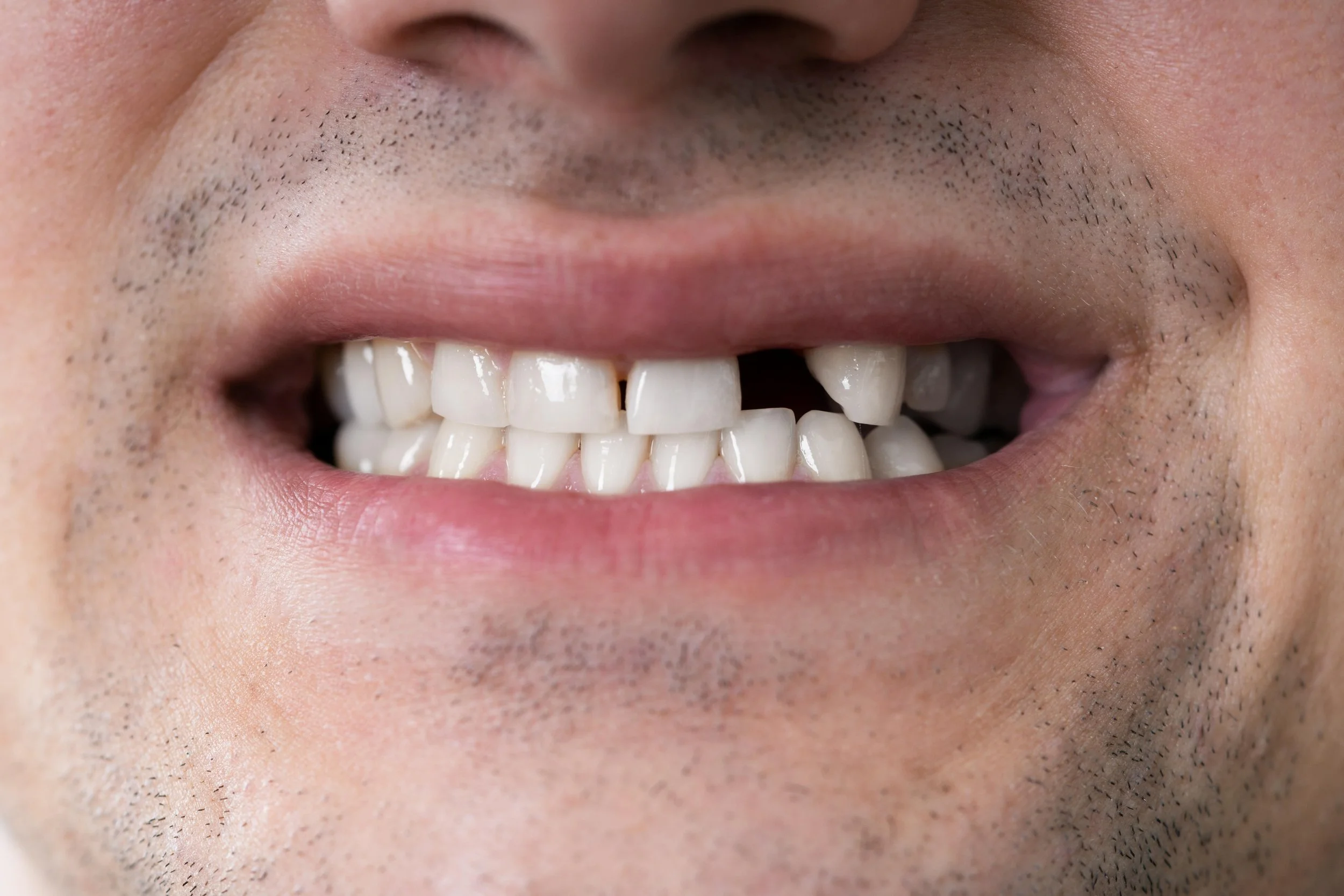
Missing teeth can affect more than appearance. Tooth loss may influence several aspects of daily life and long-term oral health.
Chewing and nutrition: When teeth are missing, chewing efficiency decreases. Some patients avoid certain foods, which can affect nutrition over time.
Speech: Front teeth play a role in pronunciation. Missing teeth may cause changes in how certain sounds are formed.
Bite alignment: Remaining teeth may drift or tilt into empty spaces over time, potentially affecting how the upper and lower jaw fit together.
Jawbone support: Dental implants help preserve jawbone structure, preventing bone loss that can occur when teeth are missing—a common issue with traditional dentures. The natural tooth roots stimulate bone maintenance; when roots are absent, gradual bone loss may occur in that area.
Facial appearance: Significant tooth loss and the associated bone loss can affect facial contours, sometimes creating a sunken appearance.
Confidence: Many people feel self-conscious about visible gaps and may smile less or avoid social situations.
Addressing tooth loss is not just about aesthetics. It involves maintaining overall oral health and function.
Who May Be a Candidate for Dental Implants?

Candidacy for dental implants is individualized and determined through professional evaluation. What works for one patient may not be appropriate for another.
Ideal candidates for dental implants must have fully grown jawbones, adequate bone density, and healthy oral tissues. Common considerations include:
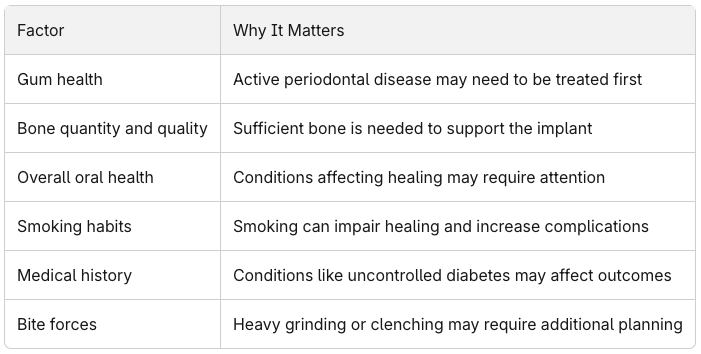
Adequate bone volume to support an implant is evaluated using digital X-rays or 3D CBCT scans during a clinical oral exam. If the jawbone is too thin or soft to hold an implant, a bone graft or sinus lift is performed to rebuild the necessary bone structure. The cost of a sinus lift, which may be necessary before getting dental implants, averages $2,022 and can range from $1,591 to $3,841.
Being told you need additional procedures before implant placement does not mean implants are impossible. It often means preparation is needed first. Implant options may differ depending on anatomy and treatment goals, which is why a thorough dental exam is essential.
Understanding the Dental Implant Process
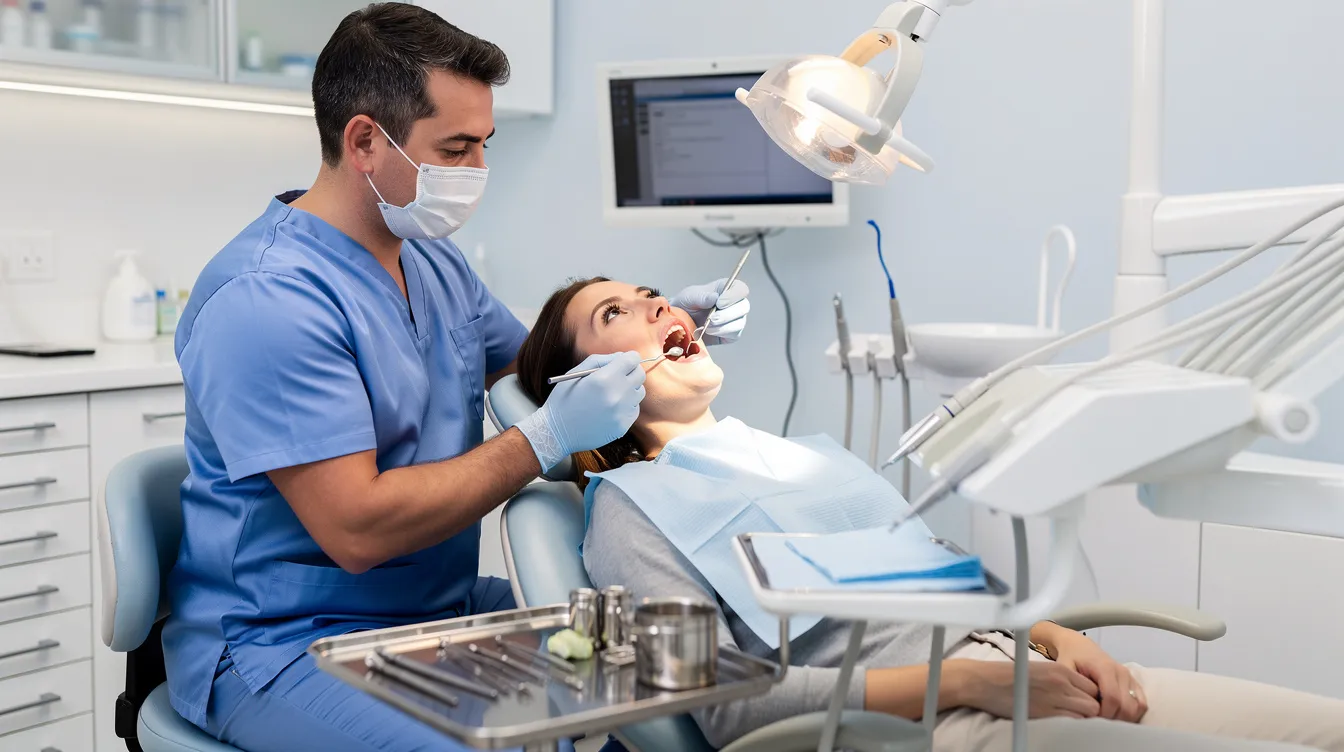
Dental implant surgery typically involves multiple steps, starting with the removal of the damaged tooth and ending with the placement of the artificial tooth, which can take several months to complete. The timeline varies based on healing rates, bone conditions, and the type of restoration planned.
Consultation and Treatment Planning
The process begins with a comprehensive evaluation. This includes:
Review of dental and medical history
Clinical oral exam of the teeth, gums, and soft tissue
Digital X-rays or 3D imaging to assess bone structure
Discussion of tooth replacement options and goals
During the dental implant procedure planning phase, a thorough assessment of the jaw and available bone support is conducted, and additional implant procedures like bone grafts may be identified as necessary before the implant can be placed.
Implant Placement
Dental implant placement is typically performed as outpatient surgery in a dental office. After surgery, local anesthesia or IV sedation is administered, and an incision is created in the gum tissue to insert the titanium implant post into the jawbone.
The surgical procedure involves:
Numbing the treatment area
Creating access through the gum tissue
Preparing a space in the bone
Placing the implant body
Closing the gum tissue to allow healing
Some patients may have a damaged tooth extracted and the implant placed on the same day, while others may need healing time between procedures.
Healing and Osseointegration
The healing phase, known as osseointegration, is critical for the stability of the dental implant and can take anywhere from three to nine months, depending on individual healing rates. During this time, the jawbone grows around the implant surface, creating a stable foundation.
Proper care during the healing phase is essential to ensure the success of the dental implant, including maintaining good oral hygiene and following the dentist’s post-operative instructions. In visible areas, a temporary tooth or provisional restoration may be placed to avoid gaps during the healing period.
Patients are typically advised to avoid placing excessive chewing pressure on the implant site during early healing.
Final Restoration
Once osseointegration is confirmed, the restoration phase begins. For conventional implants, the abutment screw is attached to connect the implant post to the new artificial tooth. Impressions or digital scans are taken to create the final dental crown, bridge, or implant-supported denture.
The goal is a restoration that provides comfortable function, proper bite alignment, and a natural appearance that blends with nearby teeth.
Conventional Dental Implants
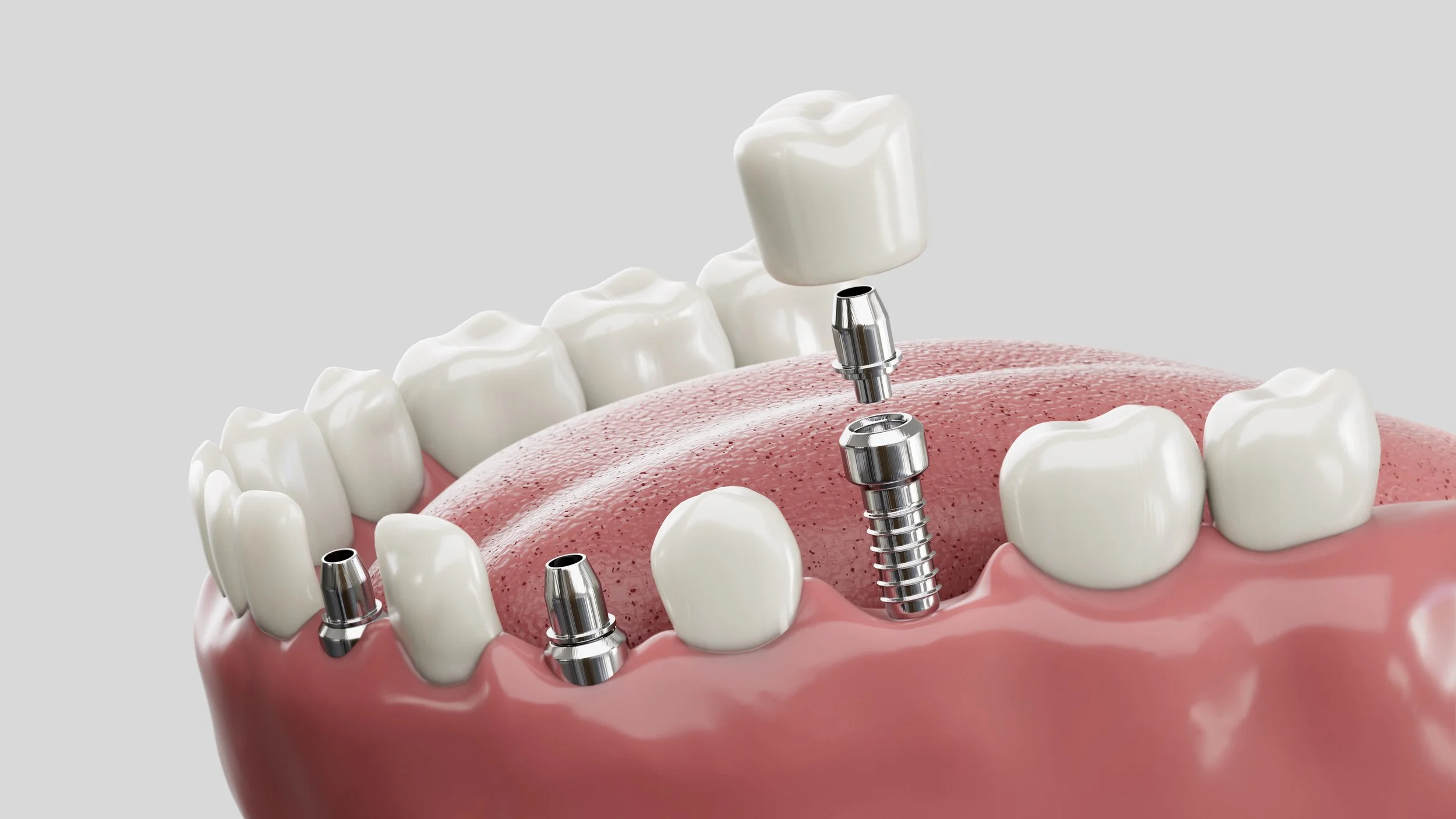
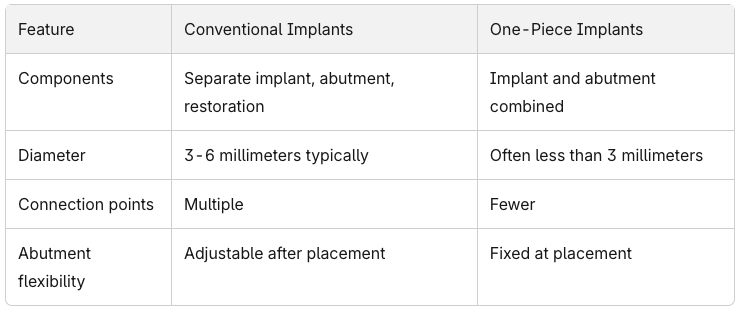
Conventional dental implants, also called multi-piece systems, are the most widely used design in implant dentistry. These consist of separate components: the implant body placed in the bone, a separate abutment, and the restoration.
This modular design offers several characteristics:
Restorative flexibility: The abutment can be angled or customized to achieve optimal positioning of the final restoration, even if the implant itself is placed at a different angle based on bone availability
Broad applications: Suitable for single tooth replacement, dental bridges, and full-arch restorations
Customization: Components can be selected to match specific anatomical and esthetic requirements
Established track record: Decades of clinical use and research support this approach
The average cost of dental implants is $2,695, with a range from $1,450 to $3,875 depending on various factors such as location, materials, and case complexity.
Treatment timelines vary depending on healing, bone conditions, and whether preparatory procedures like bone grafting are needed. The multi-piece design allows for staged treatment, with healing time between implant placement and final restoration.
One-Piece Dental Implants
One-piece dental implants combine the implant body and dental abutment into a single structure. Rather than requiring separate components to be connected, the implant and abutment are manufactured as one unit.
Mini dental implants are a common example of this design. Mini dental implants typically have a diameter of less than 3 millimeters, making them smaller than standard dental implants which usually range from 3 to 6 millimeters. Mini dental implants combine the implant body and dental abutment into a single screw-like piece, allowing for simultaneous placement without the need for a separate appointment to secure the abutment.
One-piece implants are sometimes used in situations involving:
Stabilizing dentures: Snap in dentures or snap on dentures can attach to one-piece implants for improved retention
Replacing a single missing tooth: In areas where anatomy permits
Replacing multiple missing teeth or a row of teeth: When conditions are appropriate
Areas with limited bone width: Mini dental implants are often used when the jawbone is too small or when there is insufficient space to accommodate a standard dental implant
The placement of mini dental implants is generally less invasive than standard implants, allowing most patients to resume normal activities quickly after the procedure. This can mean smaller incisions and potentially faster initial recovery for some patients.
Mini dental implants typically cost around $860 on average, with a range from $676 to $1,616 based on factors like material used and geographic location.
Important consideration: One-piece implants are not appropriate for every patient or every clinical situation. Because the abutment angle is fixed at the time of placement, there is less flexibility to adjust the final restoration position compared to conventional systems.
One-Piece vs. Conventional Dental Implants
Understanding the differences between implant designs can help patients have more informed discussions with their dental provider about what might be considered in their situation.
Structural Differences
Treatment Considerations
Healing approaches: Conventional implants often involve a staged process with healing time before abutment attachment. Some one-piece systems may allow for different loading protocols in selected cases.
Restoration flexibility: Conventional multi-piece systems allow more adjustment in how the final crown, bridge, or denture is positioned. One-piece systems require more precise initial planning since adjustments are limited.
Bite forces and anatomy: The choice between systems may depend on how many teeth need to be replaced, bone width, bite forces, and whether the restoration is in a visible area.
Denture stabilization considerations: Both conventional and one-piece implants can support implant-stabilized dentures, though the approach differs. Mini dental implants can also provide long-term support for dentures in appropriate cases.
Why Implant Design Matters
Implant selection depends on multiple factors:
Available bone support in the upper jaw or lower jaw
Location of the lost tooth
Functional requirements
Restorative goals and esthetic considerations
Implant planning is highly individualized. The decision about which system may be appropriate is made through professional evaluation, considering the patient’s specific anatomy and goals. This is not a choice patients typically make on their own—it results from clinical assessment and discussion with a qualified provider.
Benefits of Dental Implants

Patients with dental implants often report improved comfort and confidence, as implants look and function like natural teeth, allowing for normal eating and speaking. When properly planned and maintained, implants offer several potential advantages:
Improved chewing ability: Implants provide stable support for biting and chewing, allowing many patients to enjoy foods that might be difficult with loose dentures
Stability: Unlike removable appliances that may shift during eating or speaking, implants are anchored in bone
Jawbone preservation: By providing stimulation similar to replacement tooth roots, implants may help slow bone loss in the area
Natural-looking appearance: Restorations are custom-designed to match surrounding teeth
Long-term durability: With proper care, implants can function for many years
Improved denture retention: For patients with existing dentures, implants can provide attachment points that significantly improve stability and comfort
Research supports strong outcomes for implant treatment. Studies cited by StatPearls report success rates above 97% at 10 years when implants are properly placed and maintained.
Dental Implants vs. Other Tooth Replacement Options

Dental implants are not the only way to replace missing teeth. Understanding alternatives helps patients weigh their options.
Dental Implants vs. Dentures
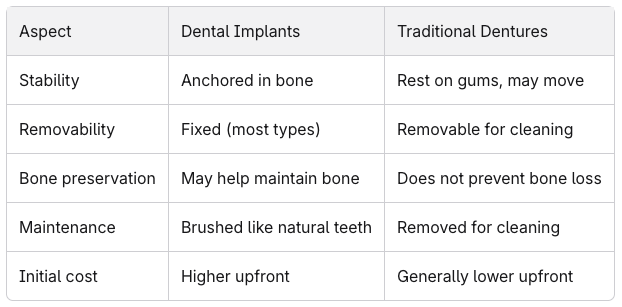
Removable dentures remain a valid option, especially for patients who prefer non-surgical approaches or when implants are not suitable. However, implant-supported dentures can address stability issues that some denture wearers experience.
Dental Implants vs. Dental Bridges
Traditional dental bridges replace missing teeth by anchoring to adjacent teeth. The neighboring teeth are reshaped to support dental crowns that hold the bridge in place.
Key differences:
Preservation of neighboring teeth: Implants stand independently without requiring preparation of adjacent teeth, while bridges require reshaping healthy teeth
Bone support: Implants occupy the space where the tooth root was, potentially helping maintain bone; bridges span the gap without bone stimulation beneath
Cleaning: Implant crowns can often be flossed individually, while bridges require special floss threaders or devices
Suitability: Bridges may be appropriate when neighboring teeth already need crowns or when implants are not an option
The best choice depends on individual circumstances, including how many teeth are missing, the condition of surrounding teeth, bone health, and personal preferences.
Recovery and Healing After Dental Implant Placement

Healing experiences vary from patient to patient. Most people return to normal daily activities within a day or two following minor surgery, though the complete healing process takes longer.
During the healing process, it is normal to experience slight discomfort and swelling, which can typically be managed with over-the-counter pain relievers. Some patients may also notice minor bruising around the implant area.
What to expect:
First few days: Mild soreness and swelling are common; follow aftercare instructions carefully
First two weeks: Initial soft tissue healing occurs; gums heal around the implant site
Several months: Bone integration (osseointegration) continues beneath the surface
Proper care during the healing phase is essential to ensure the success of the dental implant, including:
Maintaining good oral hygiene around the implant
Avoiding smoking, which can impair healing
Attending follow-up appointments as scheduled
Following any dietary modifications recommended
Professional monitoring allows early detection of any concerns and helps ensure the implant is integrating properly before proceeding with the final restoration.
How Long Do Dental Implants Last?

With proper care, dental implants can function for many years—often decades. The implant body in the bone tends to last longest, while the dental crown, bridge, or denture component may eventually require maintenance or replacement due to normal wear.
It is essential to maintain rigorous oral hygiene for the long-term success of the implant. Key factors influencing longevity include:
Daily oral hygiene: Brushing twice daily and cleaning around the implant with appropriate tools
Routine dental visits: Regular professional cleanings and monitoring of implant health
Gum health: Healthy tissue around the implant supports long-term success
Managing teeth grinding: Custom nightguards may be recommended for patients who clench or grind
Without proper care, complications can develop. Peri-implantitis affects roughly 19.5% of patients over time if oral hygiene is poor. This inflammatory condition involves the tissues around the implant and can lead to bone loss if not addressed.
Regular professional evaluation helps identify early signs of concern before they become significant problems.
Questions Patients May Want to Ask During an Implant Consultation

When meeting with a dental provider about implants, consider asking:
Am I a candidate for dental implants based on my oral health?
What type of implant may be appropriate in my situation?
Would one-piece or conventional implants be considered for my case?
Could implants help stabilize my current dentures?
Will bone grafting or a sinus lift be needed before placement?
How long could treatment take from consultation to final restoration?
What are the alternatives to implants for my specific situation?
What does recovery involve, and what should I expect during healing?
Bringing questions to your consultation helps ensure you get the information you need to make informed decisions about your oral and maxillofacial surgery or implant treatment.
Conclusion

Dental implants are one of several tooth replacement options available for people with missing teeth. Whether conventional or one-piece dental implants may be appropriate depends on individual anatomy, bone support, oral health, and treatment goals.
Implant treatment planning is highly personalized. Factors including how many teeth need to be replaced, the condition of the jawbone, and whether implants might stabilize existing dental appliances all play a role in determining the best approach.
If you are considering tooth replacement, seeking professional evaluation is the first step toward understanding what options might fit your needs. A thorough examination, appropriate imaging, and open discussion with a qualified provider can help clarify whether dental implants—or alternative approaches like dental bridges or dentures—may be appropriate for your situation.
Understanding your options empowers you to participate meaningfully in decisions about your oral health care.