Teeth Whitening: What Patients Should Know About Options, Safety, Results, and Maintenance
Teeth whitening is one of the most requested cosmetic dental treatments worldwide in 2026. Social media, video calls, and everyday photos have made many people more aware of tooth color and more interested in a bright smile that still looks natural.
Natural teeth are not pure white. A healthy natural tooth color can range from light ivory to yellowish or slightly gray tones, and teeth often darken with age.
Coffee, tea, red wine, smoking, dark sauces, and normal aging can stain teeth over time. This guide explains teeth whitening methods, from in office whitening to teeth whitening strips, plus safety, results, and maintenance. Results vary, and whitening does not work the same for every person or every stain.
What Is Teeth Whitening? (And What It Isn’t)

Teeth whitening is any whitening procedure that makes natural teeth look lighter by reducing tooth discoloration on or inside the tooth surface. Some whitening removes surface stains, while teeth bleaching changes stain color within the tooth.
Whitening that removes surface stains includes polishing and whitening toothpastes. Bleaching uses a bleaching agent such as hydrogen peroxide or carbamide peroxide. Teeth whitening products typically use either hydrogen peroxide or carbamide peroxide as active ingredients, which break down stains into smaller pieces to make teeth appear brighter.
Professional systems and many over the counter products use bleaching gel or whitening gel to lighten discolored natural teeth. The bleaching process depends on peroxide concentration, wear time, and how well the product stays in direct contact with the teeth.
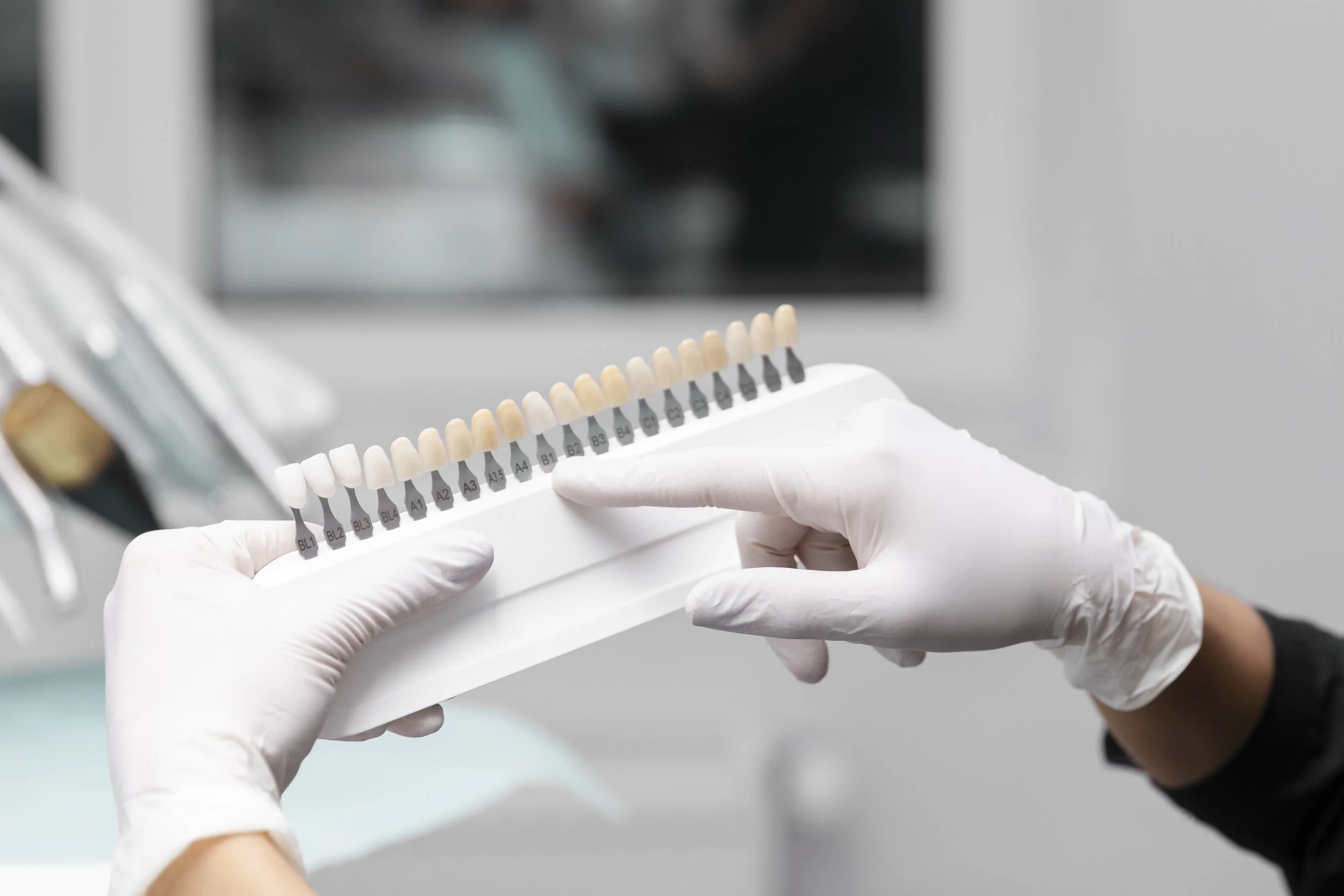
Whitening usually applies only to natural teeth. Restorative materials such as crowns, veneers, bonding, and fillings do not change color with bleaching gel. Teeth whitening agents are not effective on synthetic dental materials such as crowns or veneers; these may require replacement to match newly whitened teeth.
Paint on films, pens, whitening strips, and whitening kits can help whiten your teeth, but they usually contain lower-strength ingredients than professional whitening or office whitening.
Why Teeth Become Discolored Over Time
Understanding why teeth change color helps patients choose realistic whitening options.
Surface (Extrinsic) Stains
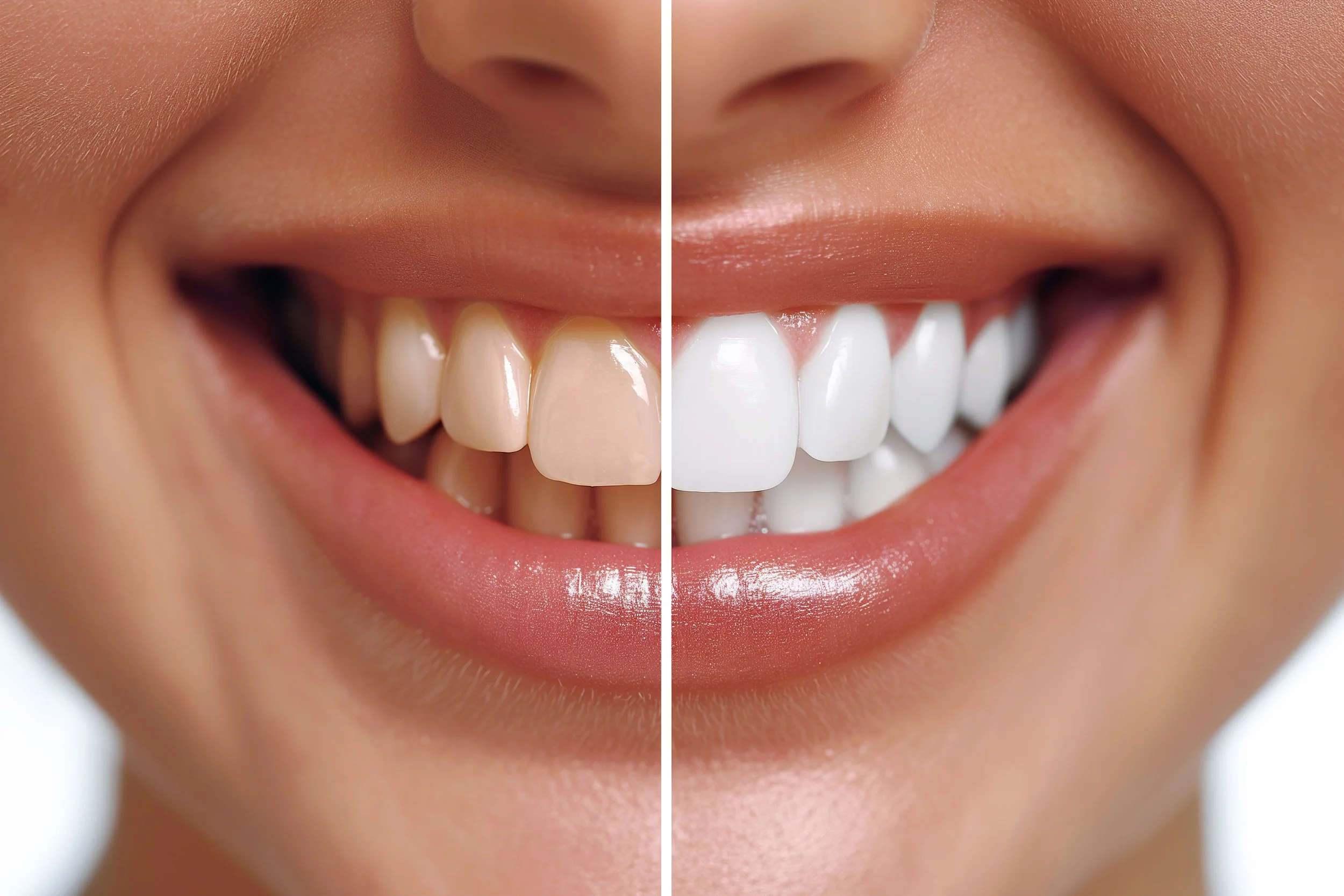
Surface stains form on the outer enamel layer. Coffee, tea, red wine, dark sodas, berries, tomato sauces, soy sauce, tobacco, and trapped food particles can leave pigmented compounds on tooth enamel.
These stains usually respond well to different teeth whitening methods, including professional teeth whitening, custom whitening trays, and some otc products. Cleaning can also remove surface stains before whitening begins.
Internal (Intrinsic) Discoloration
Internal discoloration happens inside the tooth. Aging can make enamel thinner, allowing more yellow dentin to show. Trauma, certain medications during tooth development, and too much fluoride in childhood can also affect tooth color.
Intrinsic stains can be harder to treat. Brown stains and gray stains may improve with stronger or repeated teeth whitening procedures, but some cases need bonding, veneers, or other cosmetic care. Genetics also matter; not everyone can reach a “Hollywood white” shade safely.
Teeth Whitening Options: From Office Treatments to At-Home Kits

There are several whitening options, including in office whitening, dentist-guided at home whitening, and over the counter teeth whiteners. Each option differs in speed, strength, cost, and convenience.
The goal is not to promote one product. It is to compare different teeth whitening methods so patients understand what may fit their goals, sensitivity level, and oral health.
Professional in office procedure choices tend to suit people who want faster noticeable results. Custom trays may suit people who prefer gradual control. Store-bought whitening products may help mild stains or maintenance, but over-the-counter teeth whitening products typically contain lower concentrations of bleaching agents compared to those used in professional treatments, which can lead to less dramatic results.
Professional In-Office Teeth Whitening
Professional in-office teeth whitening usually begins with a dental exam and cleaning to confirm that teeth and gums are healthy. Scheduling a professional dental exam and cleaning before starting any whitening treatment is essential to avoid irritation or damage to untreated cavities or gum disease.
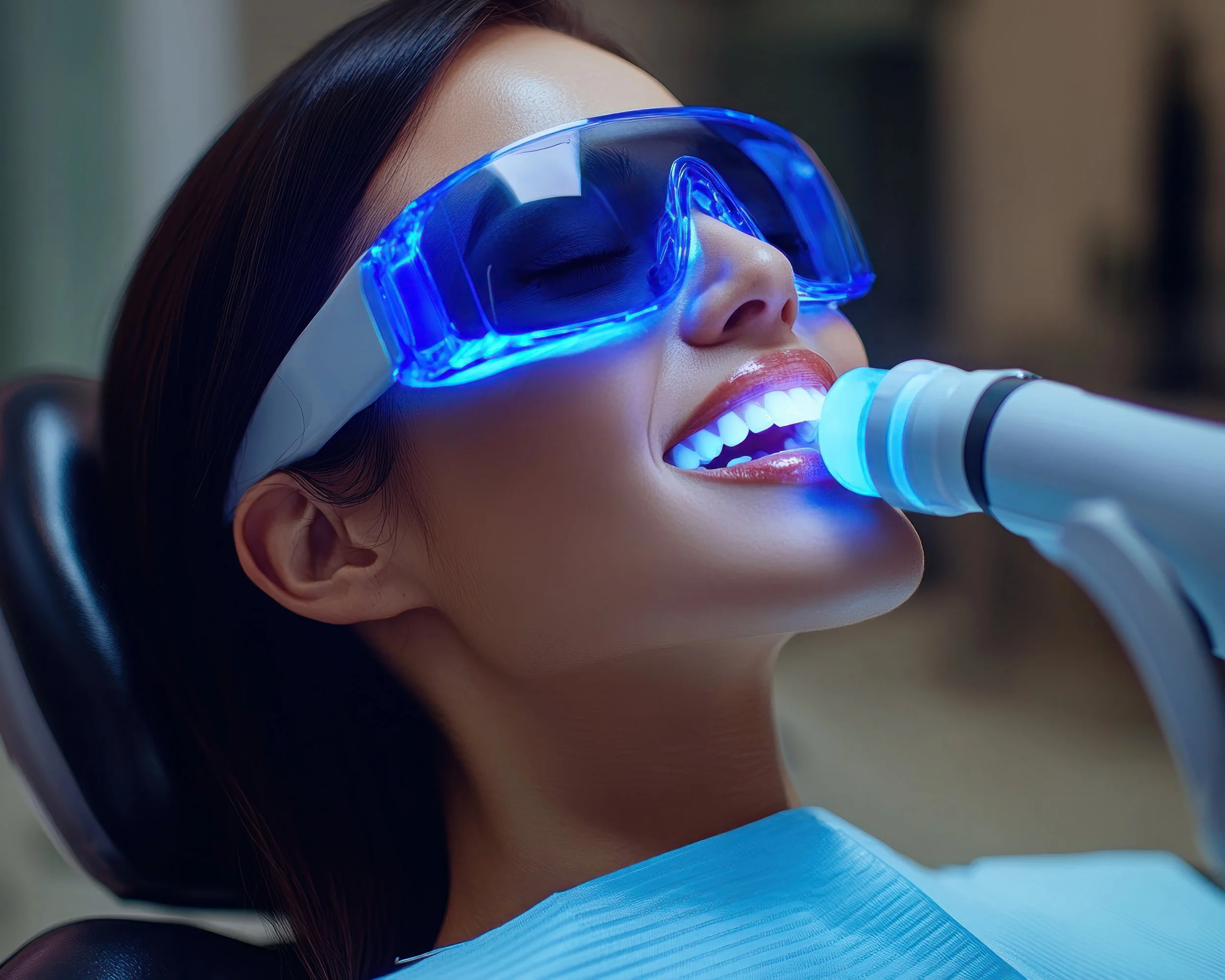
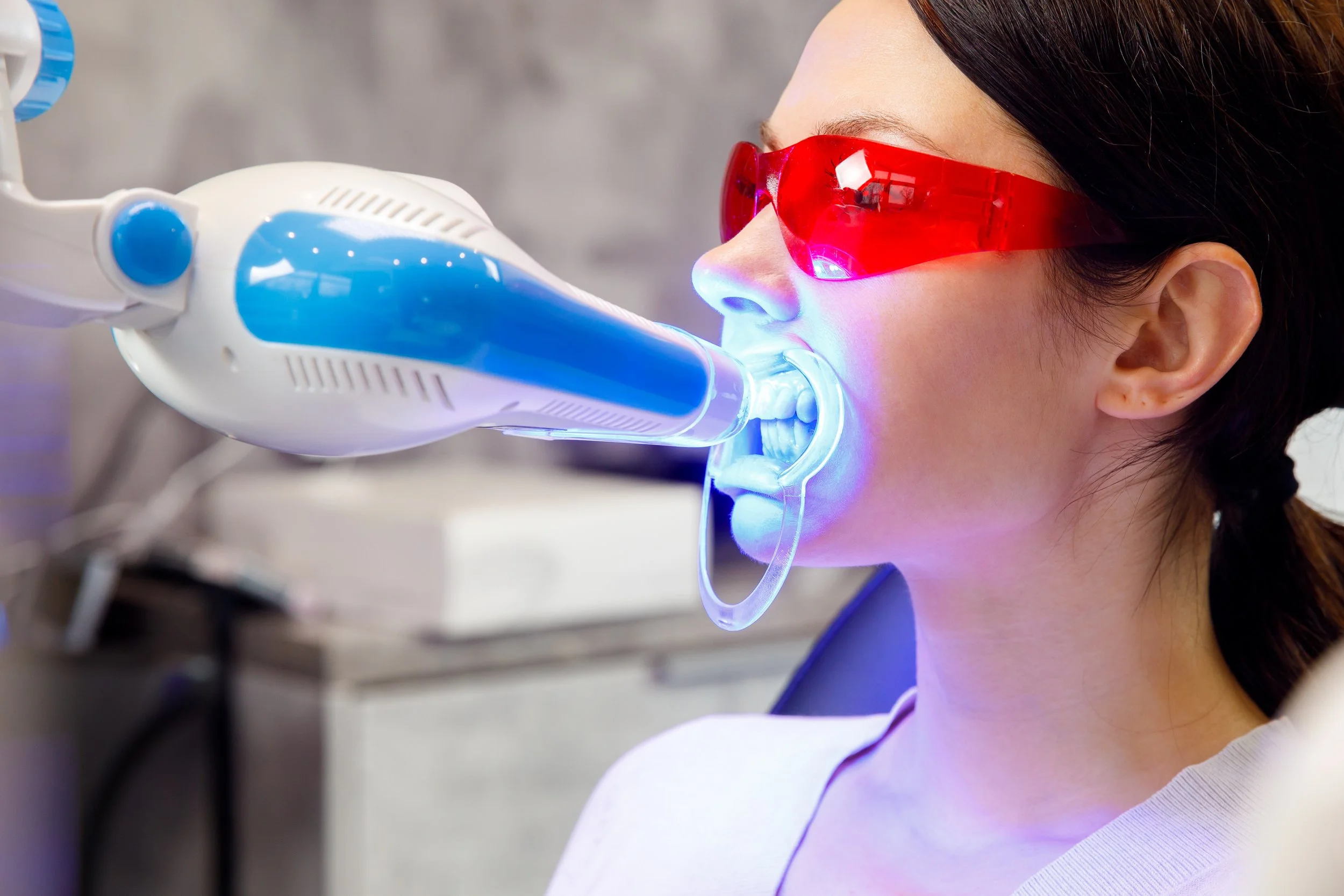
During in office bleaching, also called office bleaching or chairside bleaching, a dentist records the starting shade, protects the lips and gums, and applies a stronger bleaching gel to vital teeth. In-office bleaching, also known as chairside bleaching, usually requires only one visit to the dentist, where a protective gel or rubber shield is applied to the gums before the bleaching agent is applied to the teeth.
Many office bleaching systems use hydrogen peroxide at higher levels than at home bleaching. Some include light activation, laser whitening, or a blue led light, but research is mixed on whether lights add much beyond peroxide alone. The American Dental Association notes that whitening should be used carefully and according to directions.
Patients often see noticeable results in one visit. In-office teeth whitening can result in an average improvement of 7-8 shades lighter, while some patients may see up to 10-15 shades lighter after treatment. Results still depend on starting shade and stain type.
People with dark gray or brown intrinsic stains, many crowns, or many fillings may see less change from office whitening alone. Temporary tooth sensitivity is common, and many dental professionals advise patients to avoid eating or drinking strongly colored items for 24–48 hours.
Take-Home Whitening Trays From a Dentist
Many dental office teams offer custom whitening trays for at home bleaching. These use professional-strength gel, usually lower than in-office products but higher than most over the counter kits.
The process is simple. Impressions or digital scans are taken, custom fitted trays are made, and the patient receives syringes of bleaching gel with directions. At-home bleaching products provided by dentists involve custom-made trays that fit over the teeth, allowing for a more uniform application of the whitening solution, which can be used while awake or sleeping.
Custom whitening trays help keep gel evenly on teeth, reduce leakage onto gums compared with generic trays, and can be reused later. A custom made tray can be useful for touch-ups after the main whitening course.
The tradeoff is time. Treatment may take 10–14 days or longer. Some people still develop sensitive teeth or mild gum irritation if gel overflows. People with sensitive teeth can ask a dentist about lower-strength gels, shorter wear times, or alternate-day use.
Over-the-Counter Whitening Products
Over the counter whitening products include teeth whitening strips, generic trays with gel, paint on films, pens, whitening toothpastes, and mouthrinses. Over-the-counter bleaching products, such as whitening strips and toothpastes, are available but typically contain lower concentrations of bleaching agents compared to professional treatments, which may result in less dramatic improvements.
Whitening strips are flexible strips coated with gel and worn for about 30 minutes once or twice daily for 1–2 weeks. Whitening strips, gels, and trays can lighten teeth by 1 to 2 shades after several days of use, but results may vary based on the concentration of the bleaching agents used. Gum irritation can happen if strips overlap soft tissue.
Paint on films and pens place gel directly on teeth and let it dry into a thin coating. They are convenient, but technique and consistency matter.
Whitening toothpaste and mouthwash mainly remove surface stains with mild abrasives or low-level chemicals. They can help maintain brighter teeth but usually do not create a major whiter smile on their own.
The American Dental Association recommends looking for at-home whitening products that have earned the ADA Seal of Acceptance, indicating they have been tested for safety and effectiveness. The phrase ada seal may appear on product information. Avoid overuse, combining products, or leaving them on too long.
How Teeth Whitening Works (In Simple Terms)

Most peroxide-based whitening uses hydrogen peroxide or carbamide peroxide. These ingredients release oxygen molecules that move through tiny pores in enamel and dentin.
Teeth whitening products typically use either hydrogen peroxide or carbamide peroxide as the active bleaching agent, which breaks down stains into smaller pieces, making the color less concentrated and the teeth appear brighter. The tooth is not “sanded down” when whitening is done correctly.
Different teeth whitening methods use different strengths and contact times. Peroxide-based whitening methods offer the fastest and most dramatic results, but their safety and effectiveness depend on concentration and professional supervision.
Yellow stains often respond well. Deep brown or gray discoloration, trauma stains, and some medication-related stains are more resistant.
Is Teeth Whitening Safe? Side Effects and How to Reduce Them
Teeth whitening is generally considered safe for most healthy adults when products are used as directed. Guidance from a dentist can help match the method to the person.
The most common teeth whitening side effects are tooth sensitivity, gum irritation, and temporary uneven color or white spots. Tooth sensitivity is a common side effect of teeth whitening, occurring when the peroxide in the whitener penetrates the enamel and irritates the nerve of the tooth, though this sensitivity is usually temporary. Gum irritation is another frequent side effect associated with teeth whitening treatments, particularly those that use peroxide solutions.
Ways to reduce discomfort include desensitizing toothpaste with potassium nitrate, shorter wear times, lower peroxide concentration, alternate-day use, and well-fitting custom trays.
Overuse of teeth whitening products can lead to damage of the tooth enamel and gums, highlighting the importance of following product instructions and consulting with a dentist. People with untreated cavities, gum disease, cracked teeth, heavy enamel wear, pregnancy, breastfeeding, or age under about 16–17 should be cautious or delay whitening.
What Results Can Patients Realistically Expect?
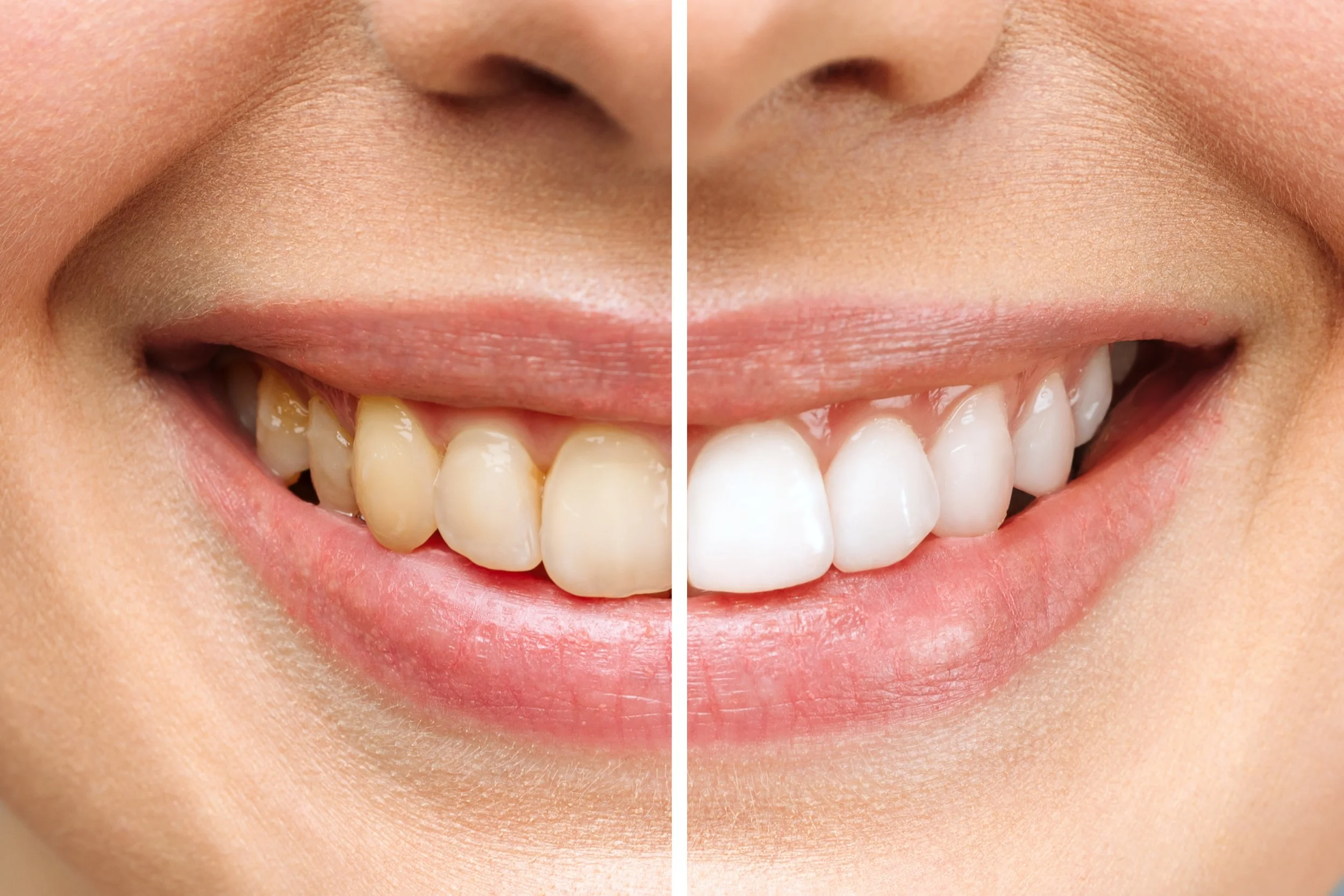
Whitening teeth is not the same for everyone. Some people see a large change; others see only mild improvement even when they follow directions.
Many patients notice several shades of change, but very bright “celebrity white” is not typical or always natural-looking. The desired result is usually a healthy shade that fits the person’s face and natural color.
Surface stains from coffee, tea, and tobacco often respond well. Deep, long-standing, grayish, or medication-related stains may remain visible.
Whitening products can cause uneven results if used on natural tooth enamel next to synthetic dental materials. Crowns, veneers, fillings, and bonding will not whiten, which can make them look darker beside newly whitened natural teeth.
How Long Does Teeth Whitening Last?
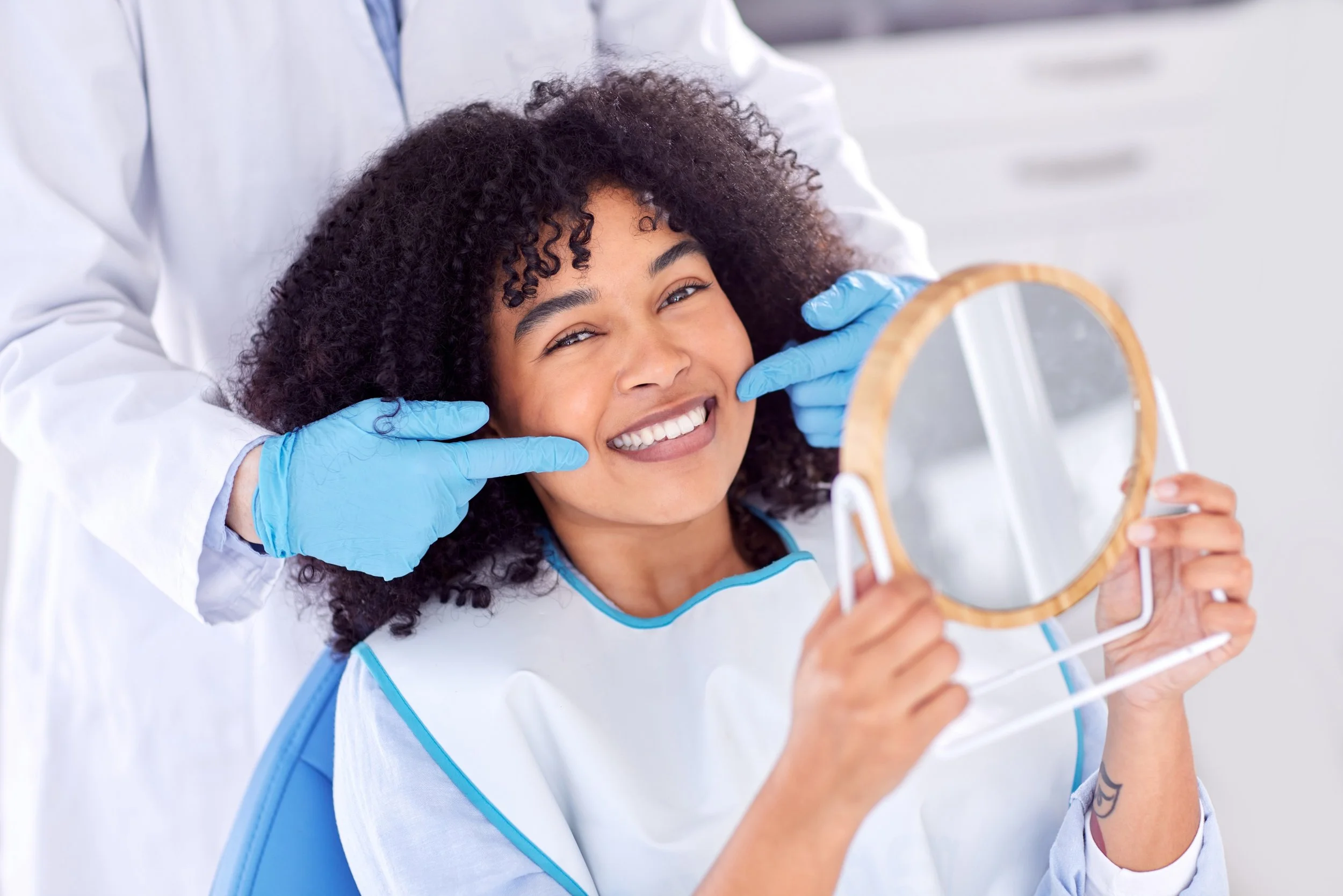
Whitening is not permanent. Most people notice gradual fading over months to a few years, depending on habits and the whitening options used.
Teeth whitening results can begin to fade in as little as 4 to 6 weeks, but avoiding or reducing exposure to staining substances can extend the duration of the whitening effect for 6 to 12 months. Professional in office whitening may stay noticeable for 6–12 months or longer with good care.
Take-home trays and otc products often create slower change, but they can make maintenance easier. Using custom-fitted touch-up trays or take-home bleaching kits provided by your dentist can help prolong the results of your teeth whitening treatment, with general advice to use them periodically as needed.
Dark drinks, smoking, vaping, poor hygiene, plaque, and dry mouth can shorten results. Brushing, flossing, regular cleanings, and careful touch-ups can help prevent stains from building back quickly.
Tips to Help Maintain Your Whitening Results
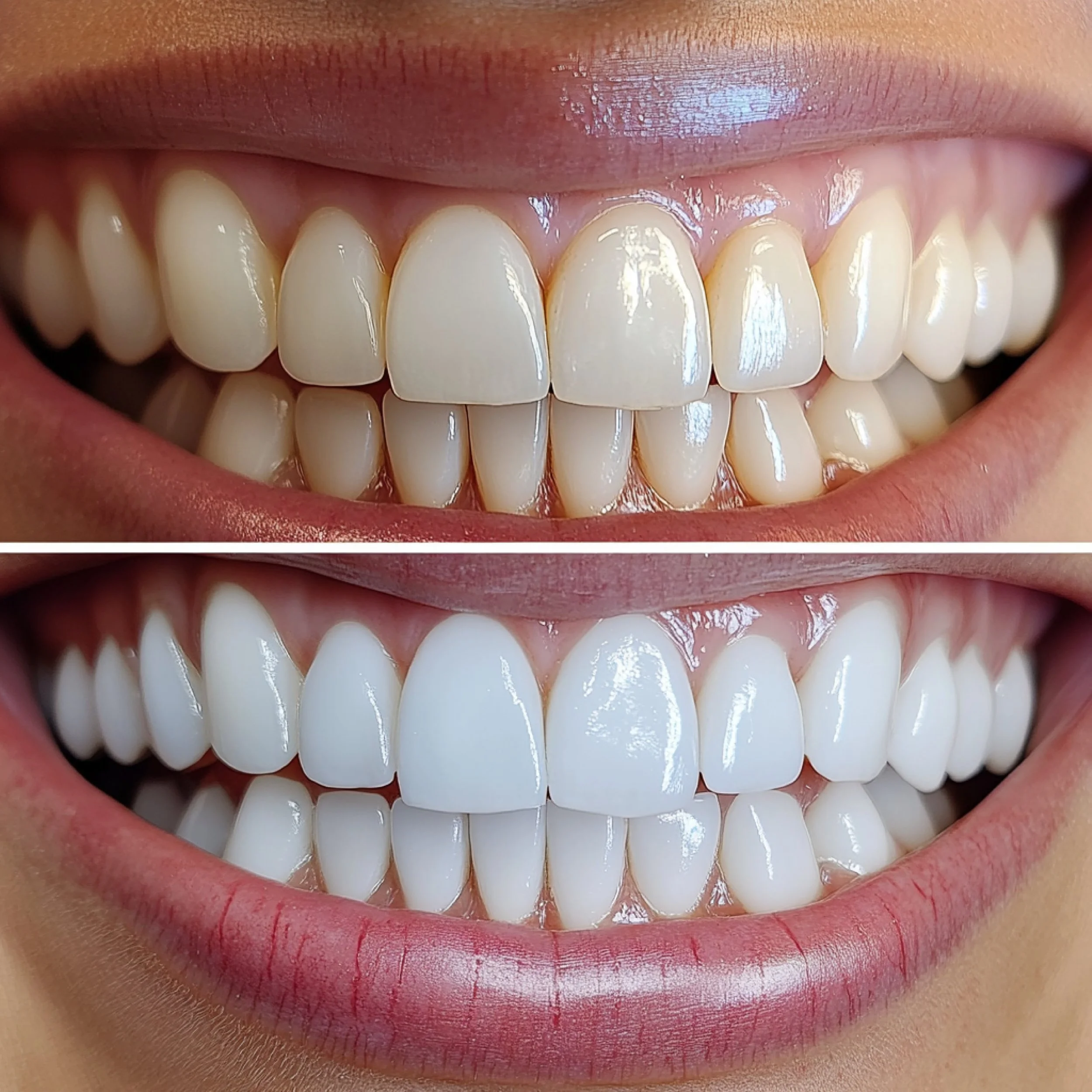
Maintenance is mostly about daily habits, not constant full-strength whitening.
Brush twice daily with fluoride toothpaste, clean between teeth daily, and consider an electric toothbrush for more consistent plaque removal. Limit coffee, tea, red wine, dark soda, and deeply colored sauces when practical.
To maintain teeth whitening results, it is recommended to avoid foods and drinks that can stain teeth, such as coffee, tea, and red wine, especially during the first 48 hours after treatment when teeth are more susceptible to staining. During that time, light-colored foods like chicken, rice, potatoes, and clear or white drinks are often suggested.
Using a straw for dark drinks, rinsing with water after staining foods, chewing sugar-free gum, and avoiding long sipping sessions can help. Coconut oil is sometimes discussed online, but it should not replace proven oral care or evidence-based whitening.
Common Questions Patients Ask About Teeth Whitening
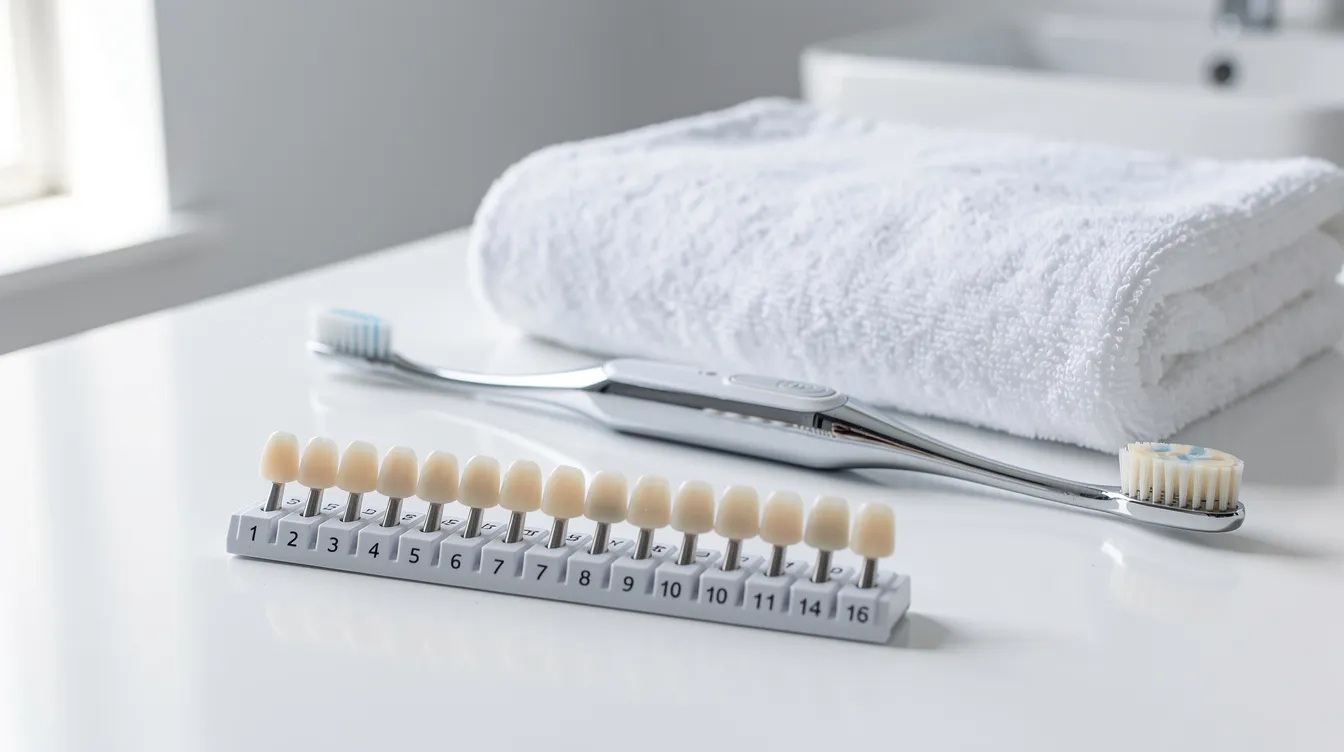
Patients often ask about safety, sensitivity, and dental work before choosing a whitening method.
Does teeth whitening damage enamel?
Properly used products are not expected to permanently damage enamel structure. Overuse, high strength, or poor fit can increase sensitivity and gum problems.
Can I whiten my teeth if I have sensitive teeth?
Many people can, but gradual treatment is often better. Lower-strength gel, shorter sessions, and desensitizing toothpaste may help, so talk to your dentist about comfort.
Will whitening work on crowns, veneers, or fillings?
No. These materials do not lighten, and color mismatch may require replacement or adjustment.
How often can teeth be whitened?
Major whitening courses are usually spaced by several months to a year. Brief touch-ups may be used as recommended rather than constant full treatment.
Is professional whitening better than store-bought products?
Professional options are usually stronger, faster, and more customized. OTC products can still help mild stains, but over-the-counter whitening products may lighten teeth by 1-2 shades after several days of use, but they generally do not provide the same dramatic results as professional treatments.
Who May Be a Good Candidate for Teeth Whitening?
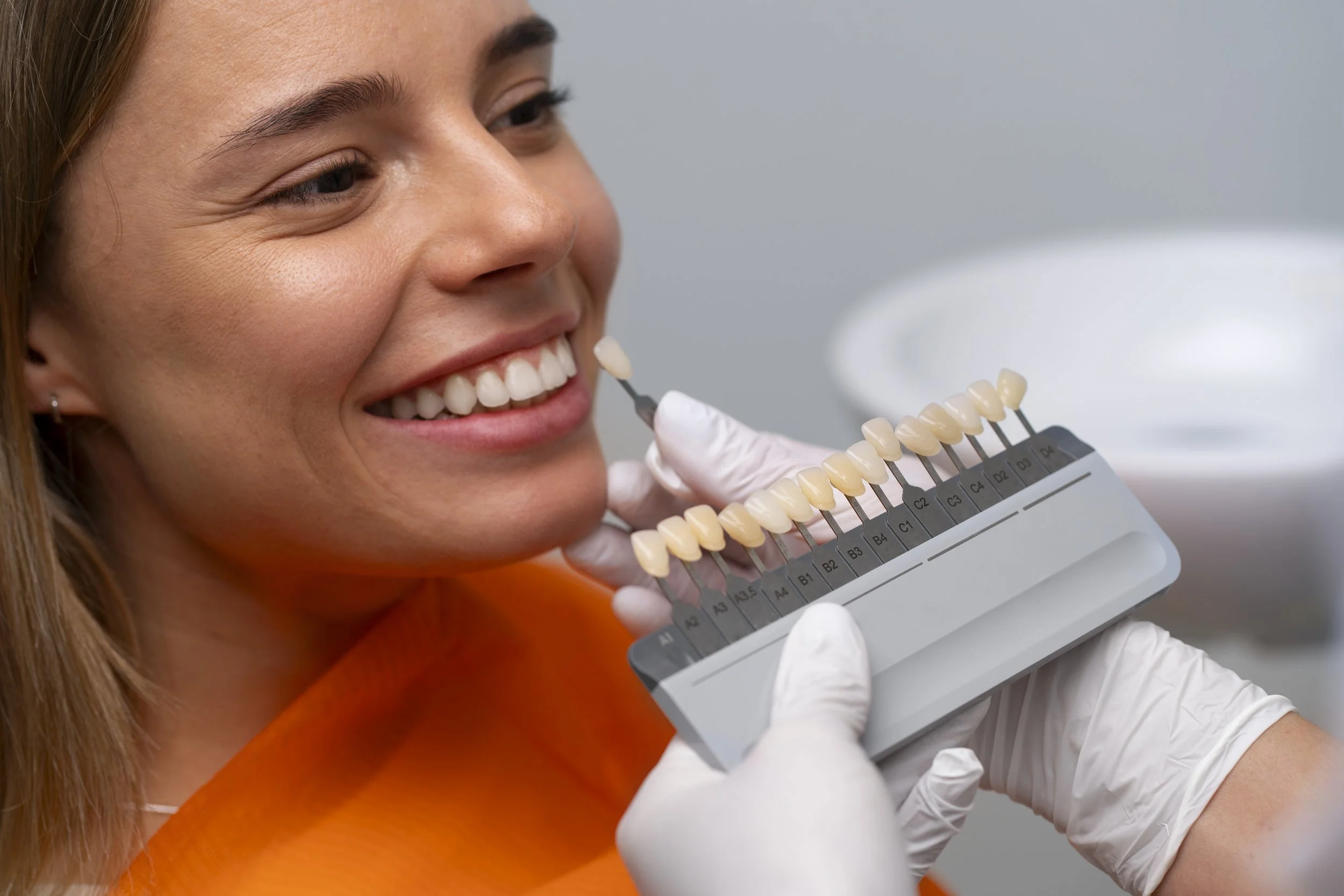
Whitening works best for adults with healthy gums, healthy natural teeth, and yellowish or light brown stains from food, drinks, or aging.
It may be less suitable when there is untreated decay, gum disease, cracked teeth, severe sensitivity, enamel erosion, many front crowns or veneers, or internal discoloration from trauma or medication.
Teenagers, pregnant people, and people allergic to whitening ingredients should be especially cautious. Whitening can also be one part of a larger cosmetic plan that may include orthodontics, bonding, or restorations.
Final Thoughts: Choosing the Right Teeth Whitening Approach for You
There is no single best way to whiten teeth. Options range from in office whitening and custom whitening trays to over the counter strips, gels, toothpaste, and paint on films.
The safest and most satisfying approach usually considers natural tooth shade, stain type, sensitivity, existing dental work, and budget. A whiter teeth goal should support oral health, not compete with it.
Teeth whitening is an enhancement, not a requirement. With clear expectations and input from dental professionals, patients can choose whitening methods that fit their lifestyle while keeping their smile healthy.