Understanding Oral Lesions: Common Soft and Hard Tissue Changes in the Mouth
Key Takeaways
Oral lesions are any abnormal changes in the soft or hard tissues of the mouth, including spots, patches, sores, or lumps affecting gums, tongue, cheeks, lips, palate, teeth, and jawbone.
Many oral lesions are harmless and temporary, but some may be linked to systemic health conditions or, less commonly, oral cancer.
Persistence beyond two to three weeks, changes in size or color, recurrent lesions, or associated symptoms like swelling or unexplained bleeding should prompt evaluation.
Oral health and overall health are closely connected, especially in conditions like diabetes mellitus, autoimmune diseases, and periodontal disease.
Regular oral self-checks, good oral hygiene, a healthy diet, and attention to new or changing lesions play an important role in long-term well-being.


















Changes inside the mouth are more common than most people realize. Oral lesions describe any abnormal change in the tissues of the mouth, whether that means a small sore on the cheek, a white patch on the tongue, or a rough spot on a tooth. These mouth lesions can develop on the gums, tongue, cheeks, lips, palate, teeth, and surrounding structures.
Many oral lesions are temporary and resolve without intervention. Others may be connected to conditions like gum disease, oral lichen planus, infections, or systemic health conditions such as diabetes mellitus. In rarer cases, persistent changes can be linked to oral cancer. Recognizing unusual changes early is an important part of protecting oral health and overall health, and understanding what to look for can help individuals stay informed about their well-being.
What Are Oral Lesions?

An oral lesion is any abnormal change in the soft or hard tissues of the mouth. This includes changes in color, texture, surface, or structure compared with surrounding healthy tissue. Dental lesions are abnormal tissues or spots that develop in the mouth, and they range from carious to non-carious lesions and soft tissue abnormalities.
Terms like mouth sores, oral abnormalities, gum lesions, tongue lesions, and cheek lesions all fall under this umbrella. Dental lesions can appear as ulcers, lumps, or red or white patches. Some lesions are single and well-defined, while others may be diffuse or multiple. They can be flat or raised, smooth or rough, and may present as blisters, bony swellings, or open sores.
Some lesions are temporary. A mild traumatic ulcer from biting the cheek, for example, typically heals within days. Others can persist for weeks or months and may relate to ongoing health conditions requiring closer attention.
Understanding Oral Lesions
In practical terms, an oral lesion is simply something that looks or feels different in the mouth compared with the surrounding healthy tissue. Key features include size (from a small spot to a larger area), shape (round or irregular), borders (well-defined or diffuse), surface (smooth, rough, or ulcerated), and color (white, red, mixed, or pigmented).
Oral lesions may cause symptoms like pain, burning, bleeding, or sensitivity, or they may be completely painless and discovered incidentally during routine oral health care. Many mucosal lesions are benign, but some may represent infections, inflammatory conditions, or in uncommon cases early mouth cancer. Oral lesions can be benign and may require no treatment unless they become problematic, but monitoring changes matters for long-term well-being.
Soft Tissue vs. Hard Tissue Lesions
Soft tissue lesions affect the oral mucosa and gums. These involve structures like the lining of the cheeks, lips, tongue, floor of the mouth, and palate. They often appear as spots, sores, mouth ulcers, or patches and are usually easier for individuals to notice at home.
Hard tissue lesions affect the teeth and jawbone. These include dental caries, developmental defects, bony growths, and changes in jawbone density. Hard tissue changes can be more subtle and may only be discovered during professional exams or on dental imaging, making regular evaluations essential.
Common Types of Soft Tissue Lesions

Soft tissue lesions are very common and include different kinds of mouth sores, patches, and growths on the oral mucosa. The following descriptions are for education only and are not intended for self-diagnosis. Persistent or changing lesions should always be evaluated.
Mouth Sores
Mouth sores are any sore or ulcer in the oral cavity. They can result from irritation, infections, immune conditions, or nutritional issues. Typical features include small or large open areas, tender or burning sensations, and difficulty eating acidic or spicy food. Canker sores and fever blisters are common types of oral lesions. Most short-lived painful mouth sores heal within one to two weeks, but any sore lasting longer than about two weeks should be checked.
Canker Sores (Aphthous Stomatitis)
Canker sores, also called aphthous ulcers, are common, non-contagious mouth ulcers that typically form on the inside of the lips, cheeks, or under the tongue. They usually appear as round or oval ulcers with a white or yellow center and a red border. Aphthous stomatitis affects 20% of the population, making it one of the most frequently seen oral conditions.
Minor canker sores often last 7 to 14 days, while a severe form involving major aphthae can be larger, deeper, and linger for several weeks. Stress can trigger the development of mouth ulcers, along with minor trauma, certain foods, hormonal changes, and nutritional deficiencies. Celiac disease can trigger oral lesions similar to canker sores. Recurrent, unusually large, or very frequent ulcers may point to an underlying condition that warrants further evaluation.
Traumatic Ulcers
Traumatic ulcers are caused by physical injury such as biting the cheek or tongue, irritation from sharp teeth, rough dental restorations, or hot foods. They typically appear as a single sore with a yellowish base and red border at the site that frequently contacts the teeth or an appliance.
Pain usually begins soon after the injury and gradually improves over several days to two weeks. Removing the source of irritation, such as smoothing a sharp edge, is important for proper healing and preventing recurrence.
Irritation-Related Lesions
Ongoing friction or pressure from dentures, oral appliances, or habitual cheek biting can produce thickened or calloused areas, small bumps, or linear white lines along the biting plane of the cheeks. These irritation-related lesions are usually benign but should be monitored, especially if they change color, ulcerate, or do not improve after the source of irritation is addressed.
White Patches in the Mouth
White patches where the mucosa looks thickened or slightly raised deserve attention. Some can be wiped away (as in certain fungal infections), while others are firmly attached. Oral candidiasis occurs in 30% to 60% of healthy individuals and can produce white plaques that wipe off, leaving redness underneath. Oral lichen planus affects up to 2% of individuals and can produce white lace-like patterns on the cheeks and tongue.
Leukoplakia occurs in 1% to 4% of individuals and presents as firm white patches that cannot be scraped off. White lesions like oral leukoplakia may be precancerous, so any persistent white patch, especially in adults who use tobacco or alcohol, should be examined. Smoking increases the incidence of oral leukoplakia sixfold.
Red Patches in the Mouth
Red patches appear as areas of mucosa that are more intensely red, thin, or inflamed compared with nearby tissue. They can be caused by inflammation, infection, trauma, or in some cases may represent changes requiring careful follow-up. Mixed red and white areas are particularly important to monitor. Red and white lesions should be evaluated for cancer risk, as some may be associated with increased risk for mouth cancer.
Tongue Lesions
Tongue lesions can include changes in color, texture, surface coating, or the presence of bumps, grooves, or ulcers. Geographic tongue, which produces map-like red patches, occurs in up to 3% of the population and is usually benign. Other common tongue findings include hairy tongue and fissured tongue.
Tongue lesions can be related to irritation, dry mouth, smoking, infections including candidiasis, or systemic conditions like anemia and vitamin deficiencies. Periodically checking the top, sides, and underside of the tongue for new or changing lesions is a simple but valuable habit.
Lip and Cheek Lesions
Lip and cheek lesions include blisters, ulcers, color changes, and thickened areas. Cold sores caused by herpes simplex virus are common on the lips. Mucocele-like bumps can develop from lip biting, and white lines or patches may appear along cheek biting areas.
Sun exposure, chapping, and trauma can contribute to lip lesions. Persistent crusting or color changes at the lip edge should be evaluated. Checking the inside of the cheeks and lip surfaces during routine brushing is a practical self-observation habit.
Common Types of Hard Tissue Lesions

Hard tissue lesions involve the teeth and jawbone. They may not be visible or symptomatic early on, which is why professional exams and imaging play an important role in oral health.
Lesions Affecting Teeth
Tooth decay is the most common hard tissue lesion. It is caused by bacteria feeding on sugars, which produce acids that demineralize enamel and dentin. Early carious lesions may appear as white, chalky spots, while advanced lesions can form brown or black cavities that cause pain or sensitivity.
Other tooth-related lesions include enamel wear from erosion, abrasion, and attrition, as well as fractures and developmental defects like hypoplasia. Frequent consumption of acidic foods can erode tooth enamel over time. Physical trauma from injuries or habits like grinding can also cause dental lesions. Controlling sugar intake, maintaining good oral hygiene, and using fluoride-containing products are key preventive measures. Nearly 90% of adults in the United States have experienced at least one cavity in their permanent teeth.
Lesions Affecting Jawbone Structures
Jawbone lesions can include benign bony growths (such as tori), cysts that form around unerupted teeth, and bone loss from advanced periodontal disease. Many are discovered on routine imaging before causing symptoms, though some may produce swelling, tooth movement, or discomfort. New lumps or persistent swelling in the jaw area, especially with pain or numbness, should be evaluated.
Changes in Supporting Oral Structures
The gums, periodontal ligament, and bone that hold teeth in place are vulnerable to oral disease. Periodontal disease affects over 1 billion people worldwide. Early gum disease may cause redness, swelling, and bleeding, while more advanced disease leads to recession, pockets, and bone loss.
Diabetes increases the risk of severe gum disease, and untreated gum disease complicates diabetes management. Changes in bite alignment, spaces opening between teeth, or teeth feeling loose can signal underlying hard and soft tissue lesions in the supporting structures.
Why Hard Tissue Changes May Be Less Noticeable
Teeth and jawbone lack the visible surface clues that soft tissue provides. Small cavities, early bone loss, or developing cysts may be painless and only visible on imaging. Subtle signs like mild sensitivity to cold, occasional discomfort when chewing, or slight shifting of teeth can be early indicators. Routine oral evaluations help identify these lesions early.
What Causes Oral Lesions?
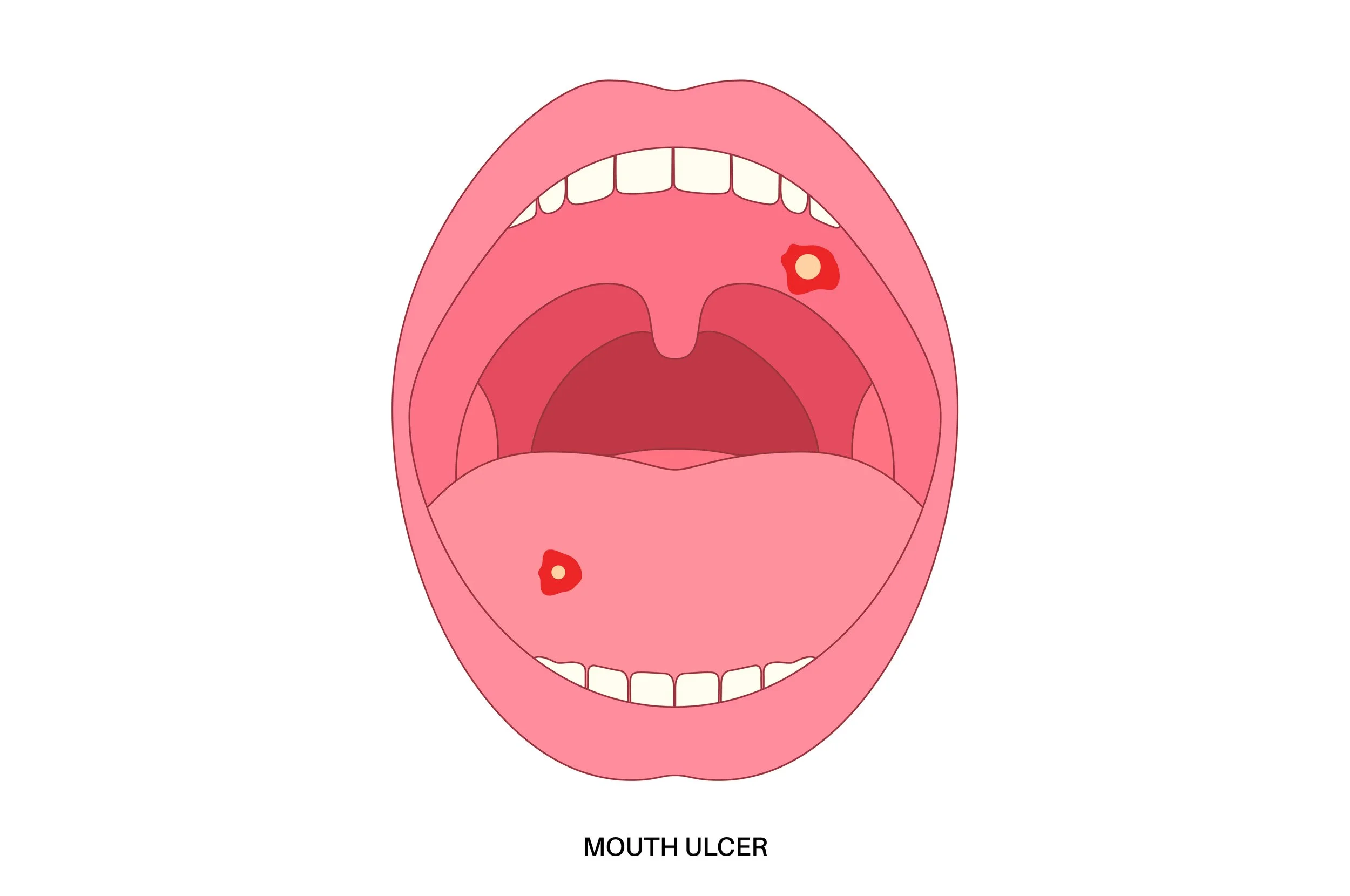
Oral lesions can have various causes including trauma and infections. These causes often overlap, and sometimes no single factor is identified.
Physical Irritation
Common physical causes include accidental cheek or tongue biting, sharp or broken teeth, rough dental restorations, and friction from appliances or braces. Habits like chewing on pens or the inside of the cheeks can contribute to irritation-related lesions. Addressing the source of irritation typically allows these lesions to heal.
Infections
Infections in the mouth may be viral, bacterial, or fungal. Herpes simplex virus causes cold sores and herpetic stomatitis. Human papillomavirus has been linked to certain mucosal changes. Fungal infections like oral candidiasis are especially common in patients using inhaled steroids, wearing dentures, or living with conditions that compromise immune function. Bacterial infections can lead to painful gum lesions, abscesses, or ulcers, particularly when poor oral hygiene or reduced immune function is involved.
Inflammatory Conditions
Inflammatory conditions involve immune-related responses affecting the oral mucosa. Examples include aphthous stomatitis, oral lichen planus, and mucosal changes associated with inflammatory bowel disease. These lesions may present as ulcers, red and white patches, or lace-like patterns, and can fluctuate with periods of flare and remission.
Tobacco Use
Tobacco use in any form can contribute to white patches, red patches, and other oral tissue changes. Long-term tobacco use is a major risk factor for mouth cancer and precancerous oral lesions, especially when combined with heavy alcohol use. Changes may develop slowly and be painless, reinforcing the importance of regular self-checks for tobacco users.
Nutritional Deficiencies
Nutritional deficiencies can contribute to the formation of oral lesions. Inadequate intake of iron, folate, vitamin B12, and other B vitamins can lead to mouth ulcers, red tongue (glossitis), and burning sensations. Conditions affecting the digestive system, like celiac disease, can impair absorption and lead to nutrient-related changes in oral tissues. A healthy diet supports tissue repair and immune function throughout the body.
Dry Mouth
Dry mouth, or xerostomia, results from reduced saliva flow caused by medications, certain health conditions, radiation therapy, or dehydration. Saliva protects oral tissues, neutralizes acids, and washes away food debris. Dry mouth can accelerate dental lesion formation and increase risk of fungal infections, tooth decay, and burning sensations.
Autoimmune Conditions
Autoimmune conditions occur when the immune system mistakenly attacks the body's own tissues. Immune system issues can lead to dental lesions, including white lace-like patterns, red irritated areas, or erosive ulcers that wax and wane. Oral lichen planus and lupus are examples where oral involvement is common. Oral health issues can signal systemic diseases like lupus.
Other Health Factors
Systemic health conditions, including diabetes mellitus, HIV/AIDS, and blood disorders, increase susceptibility to oral lesions. Diabetes can slow healing of oral lesions, and high blood sugar levels make infections more persistent. HIV infection increases the risk of major aphthae. People with weakened immune systems, whether from chronic illness or medications, may experience more frequent or severe mucosal lesions.
Stress, hormonal changes, and certain medications can also contribute to oral tissue changes. Poor oral hygiene can worsen heart disease outcomes, and cardiovascular disease research continues to explore links between oral and systemic health. These connections reinforce that oral health and overall health are deeply intertwined.
Symptoms Associated With Oral Lesions
Oral lesions present with a wide range of symptoms, though some cause no discomfort at all. Recognizing common patterns helps individuals notice when something has changed.
Pain or Discomfort
Pain can range from mild tenderness to sharp discomfort, triggered by eating, speaking, or brushing. Painful lesions are commonly seen with mouth ulcers, infections, and inflammatory conditions. However, some serious lesions, including early-stage oral cancer, may be painless initially.
Changes in Color
Color changes may include white, red, brown, or dark patches. White patches can result from thickened tissue, fungal overgrowth, or conditions like oral lichen planus. Pigmented spots should be monitored for changes in size, shape, or color.
Swelling
Swelling may affect the lips, cheeks, tongue, gums, or floor of the mouth. Possible causes include infection, allergic reactions, trauma, or benign growths. Sudden, rapidly increasing swelling, especially with difficulty breathing or swallowing, is a medical emergency.
Ulcers or Open Areas
Ulcers are breaks in the mucosal surface, often appearing as open sores with a colored base and red edges. Causes include trauma, infections, immune-mediated conditions, and nutritional deficiencies. Ulcers lasting longer than two weeks or frequently recurring deserve evaluation.
White or Red Patches
These patches may be flat or slightly raised, smooth or rough. Persistence, spread, or surface changes like thickening or ulceration are important signs. Noting the date a patch first appears helps track duration over time.
Difficulty Eating or Speaking
Lesions on the tongue, lips, or palate can make chewing and swallowing uncomfortable. Pain and swelling can affect speech clarity. In severe cases, individuals may avoid certain foods, which can affect nutrition and quality of life.
Sensitivity
Sensitivity to hot, cold, spicy, or acidic food can result from exposed tooth roots, enamel wear, and certain soft tissue lesions. Burning sensations on the tongue or palate may be associated with dry mouth, nutritional deficiencies, or chronic mucosal conditions.
Oral Lesions and Oral Health
Oral lesions can affect daily life and oral function even when they are not dangerous. Monitoring oral tissue changes is part of keeping the mouth healthy and can sometimes offer clues about systemic health as well.
Effects on Daily Comfort
Recurrent ulcers, sore patches, or irritated areas can cause chronic discomfort during brushing, talking, and eating. Managing triggers and addressing sources of irritation can significantly improve day-to-day comfort.
Effects on Eating and Drinking
Painful lesions can lead individuals to avoid crunchy, spicy, or acidic foods. Chronic issues may contribute to limited diet variety. Dry mouth can make swallowing dry food difficult. Addressing underlying causes helps maintain good nutrition.
Effects on Speech
Tongue lesions, lip sores, or swelling can affect pronunciation. Pain or stiffness around the jaw can make extended speaking uncomfortable. Speech difficulties can sometimes be an early functional sign of an oral lesion.
Importance of Monitoring Tissue Changes
Routinely looking inside the mouth during daily oral hygiene routines can help catch new or changing lesions early. Checking in a well-lit mirror, tracking when a lesion first appears, and noting changes in size or color provide useful information. This kind of awareness is a normal part of caring for oral health, supported by ongoing dental and craniofacial research into early detection methods.
When Should Oral Lesions Be Taken Seriously?

It can be difficult to tell which oral lesions are harmless and which need further evaluation. Certain patterns serve as useful guides.
Lesions That Persist
Many simple mouth sores resolve within one to two weeks. Lesions persisting longer than about two to three weeks without signs of healing should be evaluated. Any mouth lesion lasting more than three weeks should be evaluated, particularly persistent white, red, or mixed patches.
Lesions That Change in Appearance
Concerning changes include rapid growth, new irregular borders, color changes, crusting, or repeated bleeding. New firmness or ulceration of a previously smooth area are additional reasons for attention. Individuals should not wait for pain to develop before taking changes seriously.
Recurrent Lesions
Some lesions like canker sores or cold sores are known to recur. Unusually frequent recurrences, very large lesions, or multiple ulcers appearing at once may suggest underlying health factors. Keeping a simple record of outbreaks helps identify patterns.
Unexplained Tissue Changes
Changes not clearly linked to an obvious cause deserve attention. A new patch on the side of the tongue, unexplained gum thickening, or a persistent rough spot without identifiable reason should be noted. Unexplained weight loss or fatigue alongside new oral lesions may be particularly important to mention during a health evaluation.
Lesions Accompanied by Other Symptoms
Associated symptoms such as enlarged neck lymph nodes, difficulty swallowing, voice changes, numbness, or unexplained bleeding add urgency. Patients with diabetes mellitus, immune system disorders, or those undergoing chemotherapy should be particularly alert to new or worsening oral lesions. Prompt evaluation supports both oral health and overall health.
Oral Lesions and Oral Cancer Awareness

Concern about mouth cancer is common when people discover new oral lesions. Most oral lesions are not cancer, but awareness of warning signs is valuable.
Understanding the Difference
Many oral lesions result from irritation, infections, or inflammation and resolve over time. Oral cancer lesions tend to persist and progressively change, often appearing as non-healing ulcers, firm lumps, or persistent red, white, or mixed patches on the tongue, floor of mouth, or soft palate. Only professional evaluation, and sometimes a biopsy, can determine whether a lesion is cancerous. Certain lesions may indicate precancerous or cancerous conditions, and persistent lesions that do not heal may require a biopsy to assess for cancer.
Risk Factors
Key risk factors include long-term tobacco use, heavy alcohol use, certain viral infections such as high-risk HPV, extensive sun exposure to the lips, and age over 40. About 25% of oral cancer patients have no known traditional risk factors, suggesting other factors such as HPV play a role in the general population. Having risk factors does not mean a person will develop oral cancer, but it makes monitoring especially important.
Importance of Early Recognition
Early-stage mouth cancer is often more treatable. Recognizing non-healing ulcers, persistent patches, or unexplained lumps and seeking evaluation supports earlier detection. Regular oral examinations, including inspection of the tongue sides and floor of mouth, are part of early recognition. Research from the national institute of dental and craniofacial research continues to advance understanding of oral disease detection.
Why Persistent Changes Should Be Evaluated
Persistence beyond two to three weeks without improvement is a key sign that assessment is appropriate. Evaluation may include a detailed history, thorough visual examination, and if indicated, tissue sampling. In most cases, evaluation provides reassurance and identifies conditions that benefit from early management.
How Oral Lesions Are Evaluated

Evaluation of oral lesions is individualized based on appearance, duration, symptoms, and personal health history.
Reviewing Symptoms
Evaluation begins with a discussion of pain, bleeding, burning, duration, recurrence, and any related systemic signs. Information about medical conditions and medications helps clarify potential causes.
Oral Examination
A typical oral examination involves visual inspection of the lips, cheeks, tongue, floor of mouth, palate, gums, and throat area. The examiner may gently feel tissues to detect firmness or hidden lumps and may check nearby lymph nodes. These steps are generally quick and not painful.
Identifying Possible Causes
The examiner correlates the lesion's appearance and location with history details and risk factors. Blood tests, swabs, or imaging may be ordered when needed. Sometimes more than one contributing factor is involved, such as dry mouth combined with irritation.
Monitoring Changes Over Time
Not all lesions require immediate invasive testing. Some may be observed to see if they resolve after triggers are removed. If a lesion does not improve, worsens, or displays concerning features, further investigation including biopsy may be recommended. Follow-up is an active part of oral health care, not simply waiting.
Preventing Certain Types of Oral Lesions

While not all oral lesions are preventable, many risk factors can be reduced through daily habits and lifestyle choices.
Good Oral Hygiene Habits
Twice-daily brushing with fluoride toothpaste and daily interdental cleaning reduce plaque and lower risk of dental lesions and gum disease. Poor oral hygiene is a risk factor for periodontal disease. Gentle brushing technique helps avoid trauma to gums and mucosa.
Avoiding Tobacco Products
Avoiding or quitting tobacco products significantly reduces the risk of many oral lesions, including those associated with oral cancer. Stopping tobacco use can lead to gradual improvement in gum health and fewer irritation-related white patches.
Maintaining Proper Nutrition
A balanced healthy diet rich in fruits, vegetables, lean proteins, and whole grains supports oral tissue health. Adequate intake of iron, B vitamins, and vitamin C helps reduce the risk of certain types of mouth ulcers. Limiting free sugars helps prevent dental caries and supports better control of conditions like diabetes.
Staying Hydrated
Drinking sufficient water supports saliva production, helps cleanse the mouth, and reduces dryness-related discomfort. Limiting sugary and acidic beverages also helps prevent tooth erosion.
Managing Sources of Irritation
Awareness of habits like cheek biting, pen chewing, or frequently eating very hot food can help reduce injury to oral tissues. Adjusting ill-fitting appliances reduces chronic irritation. Using a soft-bristled toothbrush prevents gum recession and mucosal trauma.
Supporting Overall Oral Health
Managing chronic conditions like diabetes mellitus, controlling blood sugar, and following medical advice reduce risk of frequent oral infections and lesions. Reducing alcohol use, managing stress, and prioritizing sleep support the immune system. Caring for oral health is an integral part of maintaining overall well-being. The connection is relevant even to conditions beyond the mouth, as research from the field of oral maxillofac surg and related disciplines continues to develop understanding of how oral health problems affect systemic health.
Common Myths About Oral Lesions

Misconceptions about oral lesions can lead to unnecessary worry or to ignoring important warning signs.
"Every Oral Lesion Is Cancer"
This is incorrect. The vast majority of oral lesions are not cancerous. Common causes include trauma, infections, and benign inflammatory conditions such as aphthous ulcers and oral lichen planus. While persistent or unusual lesions should be evaluated, most turn out to be non-cancerous.
"Mouth Sores Are Always Harmless"
Many mouth sores are minor and self-limiting, but not all should be dismissed. Non-healing ulcers, recurring lesions in the same spot, or sores with concerning changes can indicate an underlying condition. Duration, pattern, and associated oral symptoms are key factors.
"Oral Lesions Only Affect Older Adults"
This is false. People of all ages, including children and women of childbearing age, can develop oral lesions such as canker sores, cold sores, or traumatic ulcers. Some precancerous changes and cancers are more common in older adults but are not exclusive to them.
"If a Lesion Doesn't Hurt, It Isn't Important"
The absence of pain does not guarantee that a lesion is benign. Some serious conditions, including early oral cancer and certain chronic inflammatory lesions, can initially be painless. Appearance, persistence, and change over time are often more important than pain level alone.
Frequently Asked Questions

What is an oral lesion?
An oral lesion is any abnormal change in the tissues inside the mouth or involving the teeth and supporting structures. This can include mouth ulcers, white or red patches, bumps, swelling, or changes on the gums, tongue, cheeks, lips, or palate. The term is descriptive rather than a specific diagnosis, and many different conditions can produce similar-looking lesions.
What causes oral lesions?
Main causes include physical irritation, viral and fungal infections, inflammatory and autoimmune conditions, nutritional deficiencies, dry mouth, and systemic diseases like diabetes mellitus. Lifestyle factors such as tobacco use, alcohol use, and high sugar intake also contribute. In some cases, no single cause is identified, and lesions may result from a combination of factors.
Are oral lesions always serious?
Most oral lesions are not serious. Many heal on their own, especially those caused by minor trauma. However, some can signal infections, immune conditions, nutritional problems, or in a smaller number of cases precancerous or cancerous changes. Seriousness depends on cause, duration, and associated symptoms rather than appearance alone.
What do oral lesions look like?
Appearances vary widely. They can include small round canker sores with white or yellow centers, clusters of blisters on the lips, white or red patches, thickened areas, pigmented spots, or bony lumps. Because many conditions look similar, appearance alone is not enough to determine the exact cause.
Can oral lesions go away on their own?
Many oral lesions, such as minor aphthous ulcers or traumatic ulcers from accidental biting, heal on their own within one to two weeks. Cold sores and some fungal lesions may also improve with time. However, lesions that do not improve, continue to enlarge, or recur frequently should not be assumed to be self-limiting.
When should an oral lesion be evaluated?
Lesions lasting more than two to three weeks or that worsen instead of improving should be assessed. Immediate evaluation is appropriate for lesions accompanied by severe pain, fever, difficulty swallowing, or significant swelling. Individuals with risk factors such as tobacco use, heavy alcohol consumption, or weakened immune systems should be especially attentive. Seeking evaluation is a proactive step in maintaining oral health, not a sign of overreacting.
Conclusion
Oral lesions encompass a broad range of soft and hard tissue changes in the mouth, affecting the oral mucosa, gums, teeth, and supporting structures. While many lesions are temporary and related to minor irritation or common health conditions, some persistent or changing lesions can signal more serious issues, including gum disease, systemic health conditions, or oral cancer.
Understanding how oral lesions appear, what can cause them, and which warning signs to watch for helps individuals stay informed and engaged in their own oral health. Regular self-monitoring, healthy habits, and timely evaluation of concerning lesions support both oral health and overall well-being over the long term.