Tooth Sensitivity: Causes, Symptoms, Treatment, and Prevention
Key Takeaways
Tooth sensitivity occurs when protective layers become compromised, exposing dentin or tooth roots to stimuli
Common causes include enamel erosion, gum recession, tooth decay, teeth grinding, cracked or chipped teeth, and side effects from teeth whitening or recent dental procedures
Symptoms typically appear as brief, sharp pain triggered by hot or cold foods and drinks, sweet or acidic foods, brushing, or cold air
Treatment depends on the underlying cause and may involve desensitizing toothpaste, fluoride treatments, restorative procedures, and daily habit changes
Preventive strategies like gentle brushing, good oral hygiene, limiting acid exposure, and addressing grinding play a major role in reducing risk
New, severe, or persistent sensitivity should be evaluated to protect both comfort and long-term oral health















Tooth sensitivity is one of the most common oral health concerns, affecting an estimated one in three adults at some point in their lives. It typically occurs when tooth enamel wears down or gums recede, exposing the underlying dentin and sometimes the tooth root. The result is a sharp pain that can strike when eating ice cream, drinking hot coffee, brushing, or simply breathing in cold air.
This article covers what tooth sensitivity is, the most common causes of sensitive teeth, recognizable symptoms, treatment options including desensitizing toothpaste and fluoride treatments, and prevention strategies built around good oral hygiene and smart dietary habits. While sensitivity is often manageable and sometimes reversible, it can also signal underlying oral health problems that deserve attention.
What Is Tooth Sensitivity?

Tooth sensitivity, clinically known as dentin hypersensitivity, refers to short, sharp pain arising from exposed dentin in response to everyday stimuli. Sensitive teeth react strongly to cold, heat, sweet, or acidic foods and drinks, as well as cold air and routine brushing or flossing. Unlike a constant ache or throbbing tooth pain, this discomfort is usually temporary and triggered, meaning it fades quickly once the stimulus is removed.
Sensitivity can be localized to one or two teeth or generalized across many, depending on the cause. It may also be short-term, such as after recent dental procedures or teeth whitening, or long-term if the underlying issue persists without treatment.
Understanding Sensitive Teeth
A healthy tooth has built-in protection for its nerves inside the pulp. Enamel covers the crown, while cementum and gum tissue cover the roots. When these layers thin or recede, the inner layer called dentin becomes exposed to the oral environment.
Dentin contains microscopic hollow canals, often described as tiny straw-like tubes, that lead directly toward the tooth's nerve center. When these tubules are open and exposed, stimuli like cold water or acidic foods travel more easily to the nerve, producing that familiar sharp pain. Sensitive teeth are not a disease in themselves but rather a symptom of changes in tooth structure or gum health.
Dentin Hypersensitivity Explained
In clinical terms, dentin hypersensitivity is pain arising from exposed dentin in response to thermal, chemical, tactile, or osmotic stimuli that cannot be explained by another dental condition such as a cavity or abscess. Dentin sits beneath both enamel and cementum and is softer and more porous than enamel, making it vulnerable to wear and acid erosion.
Exposed dentin tubules allow stimuli to cause pain by stimulating the nerves in the pulp. When hot, cold, or sweet foods and drinks contact exposed dentin, they cause fluid movement within the tubules. This fluid shift generates nerve signals interpreted by the brain as a quick, sharp pain. Research shows that sensitive dentin can have up to eight times more open tubules and roughly double the tubule diameter compared to non-sensitive dentin.
An accurate diagnosis matters because similar tooth pain can come from tooth decay, a cracked tooth, or pulp inflammation, each of which requires different treatment.
How Teeth Become Sensitive
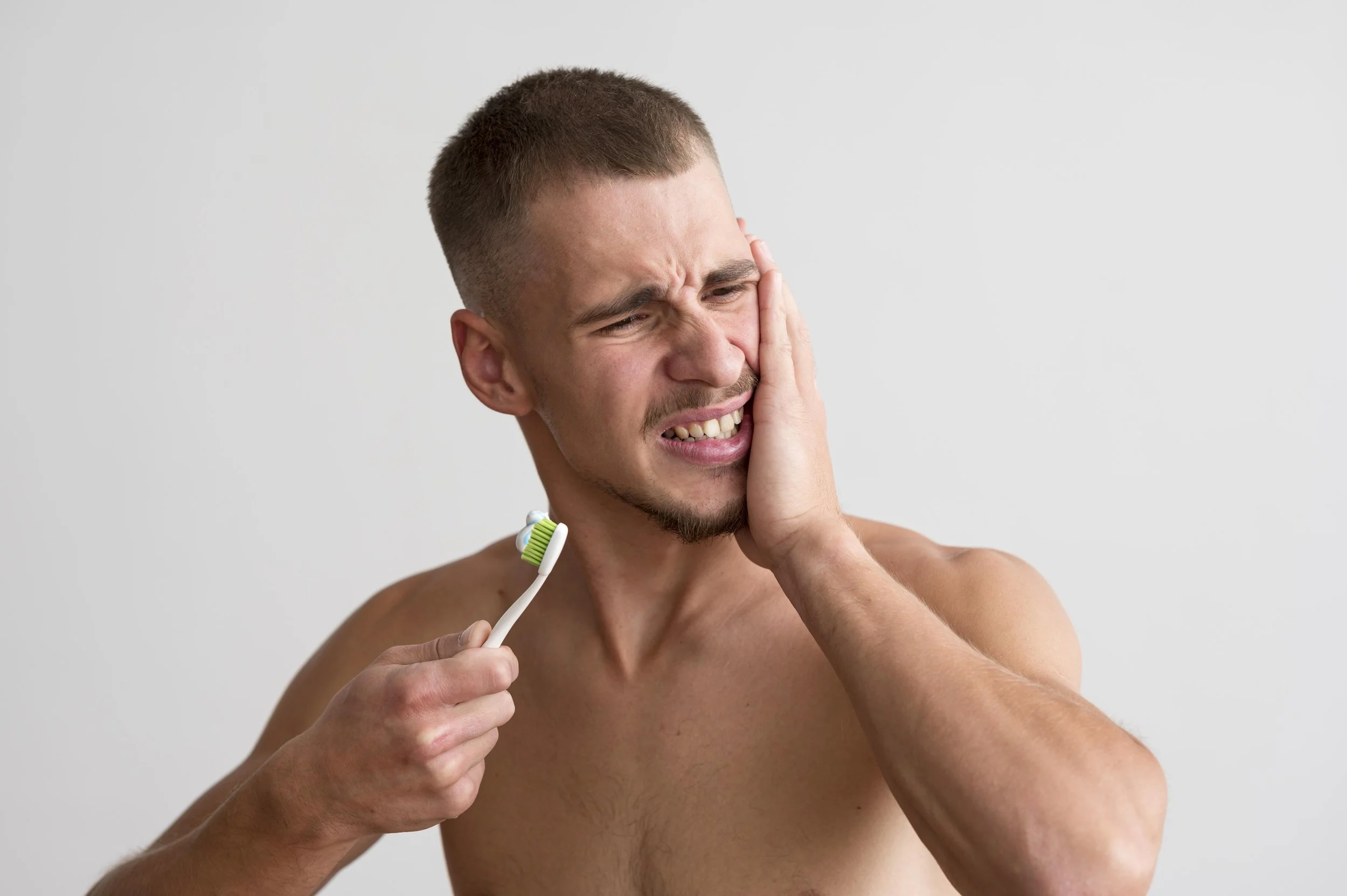
Sensitivity develops gradually as the natural barriers protecting tooth nerves become compromised. Both tooth structure and gum position play critical roles in shielding nerves from temperature changes and chemical irritation. The main pathways to sensitivity are enamel wear, gum recession, tooth decay, and physical damage to the tooth.
Understanding Tooth Structure
A tooth has four main components:
Enamel - the outer protective layer on the crown and the hardest tissue in the human body
Dentin - the porous middle layer containing tubules that connect to the nerve
Pulp - the innermost chamber housing nerves and blood vessels
Cementum - a thin covering over the tooth root, protected by gums and bone
When enamel thins or gums recede, dentin or root surfaces lose their natural covering, and sensitivity begins.
The Importance of Enamel Protection
Enamel acts as a shield against both mechanical forces like chewing and brushing and chemical attacks from acidic foods and drinks or stomach acid. Once significantly worn, enamel does not regenerate because it contains no living cells to repair itself.
Common ways enamel thins over time include frequent acid exposure, aggressive brushing with hard bristles, and teeth grinding. Losing enamel thickness makes the tooth more vulnerable to sensitivity and decay, particularly near the gum line where enamel can already be thinner.
How Exposed Dentin Leads to Sensitivity
When enamel wears away, gums recede, or damage like chips and cracks occurs, dentin or tooth roots become exposed. Stimuli such as cold water, hot beverages, sweet snacks, or even air can then move fluid within the dentin tubules, generating a signal the nerve interprets as sharp, quick pain.
Exposed root surfaces are especially reactive because cementum is thin and easily worn. If exposure continues or worsens, sensitivity can become more frequent or more intense over time.
Common Causes of Tooth Sensitivity

Multiple factors often overlap to produce sensitive teeth. Identifying the specific underlying cause is essential because treatment depends on what is actually happening to the tooth or gum tissue.
Enamel Erosion
Enamel erosion exposes dentin, leading to sensitivity. Regular consumption of acidic foods erodes tooth enamel over time. Common sources include frequent consumption of citrus fruits, soda, energy drinks, sports drinks, and vinegar-based dressings. Stomach acid from chronic reflux can also erode enamel.
When enamel is softened by acid, brushing immediately afterward can worsen enamel wear. As the protective layer thins, underlying dentin becomes closer to the surface, increasing sensitivity to cold and sweet stimuli.
Gum Recession
Gum recession can expose tooth roots, causing sensitivity. As the gum margin moves away from the tooth crown, the exposed tooth root surface, covered only by thin cementum and dentin rather than enamel, becomes highly reactive to temperature and touch.
Common contributors include aggressive brushing, chronic inflammation from plaque buildup, periodontal disease, and natural aging changes. People may notice longer-looking teeth or visible notches near the gum line along with increased discomfort.
Tooth Decay
Tooth decay or plaque buildup can expose sensitive inner layers of the tooth. Cavities thin the enamel and progress into the dentin, creating sensitivity to sweets, temperature changes, or biting pressure. Early decay may cause mild sensitivity, while deeper cavities can produce more persistent or intense tooth pain.
Cracked or Chipped Teeth
Cracked or chipped teeth can expose dentin and allow bacteria to reach the nerve. A cracked tooth may cause sharp pain when biting or releasing pressure, as well as sensitivity to hot or cold foods and drinks. Cracks can result from biting hard objects, accidents, long-term grinding, or large existing fillings that weaken tooth structure. Some cracks are not visible without professional evaluation, but sensitivity can be an early warning sign.
Teeth Grinding (Bruxism)
Teeth grinding or clenching, often during sleep, gradually wears down enamel and creates flattened or chipped biting surfaces. As enamel thins, the underlying dentin becomes exposed, leading to generalized sensitivity. A night guard can protect teeth from grinding and clenching during sleep and help reduce sensitivity risk.
Aggressive Brushing
Aggressive brushing can damage enamel and cause sensitivity. Using a hard-bristled toothbrush or scrubbing horizontally with heavy pressure can wear away enamel at the gum line and irritate gum tissue, leading to both enamel abrasion and receding gums. Use a soft-bristled toothbrush to prevent enamel damage and brush teeth gently using circular motions rather than aggressive horizontal strokes.
Recent Dental Procedures
Recent dental work can cause temporary sensitivity for a few days. Fillings, crowns, deep cleanings, and other dental procedures can temporarily irritate the tooth nerve or expose slightly more dentin. This type of sensitivity often gradually decreases as the tooth heals and the tissues recover. Sensitivity that worsens or persists beyond a typical healing period should be evaluated.
Teeth Whitening Products
Teeth whitening gels, strips, and in-office treatments can temporarily increase sensitivity, especially to cold. Whitening agents can pass through enamel and irritate the dentin or pulp, causing temporary pain. This sensitivity typically resolves after whitening sessions end. Following product directions carefully and avoiding overuse can help limit whitening-related discomfort.
Common Symptoms of Tooth Sensitivity

Recognizing tooth sensitivity symptoms can help differentiate the condition from other types of tooth pain. Symptoms range from mild twinges to sharp, sudden pain and may come and go depending on triggers.
Sensitivity to Cold Foods and Drinks
Teeth sensitivity to cold is one of the most frequently reported symptoms. Consuming ice water, iced tea, ice cream, or cold fruit can trigger sharp or stabbing pain. The pain is usually brief and stops when the cold stimulus is removed.
Sensitivity to Hot Foods and Drinks
Some people experience discomfort when drinking hot coffee, tea, or soup. Heat sensitivity can signal dentin exposure but may also be associated with deeper nerve involvement. New or worsening heat sensitivity, especially if persistent, warrants evaluation.
Pain When Brushing or Flossing
Exposed roots, enamel wear near the gum line, or inflamed gums can make routine brushing feel painful. People who begin avoiding sensitive areas risk more plaque buildup, which can worsen sensitivity. Using a soft-bristled toothbrush minimizes irritation and sensitivity during daily cleaning.
Sensitivity to Sweet or Acidic Foods
Sugary foods and acidic foods can trigger sharp pain in teeth with exposed dentin or cavities. Acidic foods and drinks like citrus fruits, soda, and sports drinks can cause stinging on already-sensitive surfaces. Noticing which foods and drinks cause discomfort can provide clues about the cause.
Intermittent vs. Persistent Symptoms
Classic dentin hypersensitivity presents as short, sharp, intermittent pain tied to specific triggers. Persistent or worsening pain that lingers, throbs, or occurs without stimulation may indicate conditions beyond typical sensitivity, such as deep decay or pulp inflammation.
Tooth Sensitivity and Gum Health
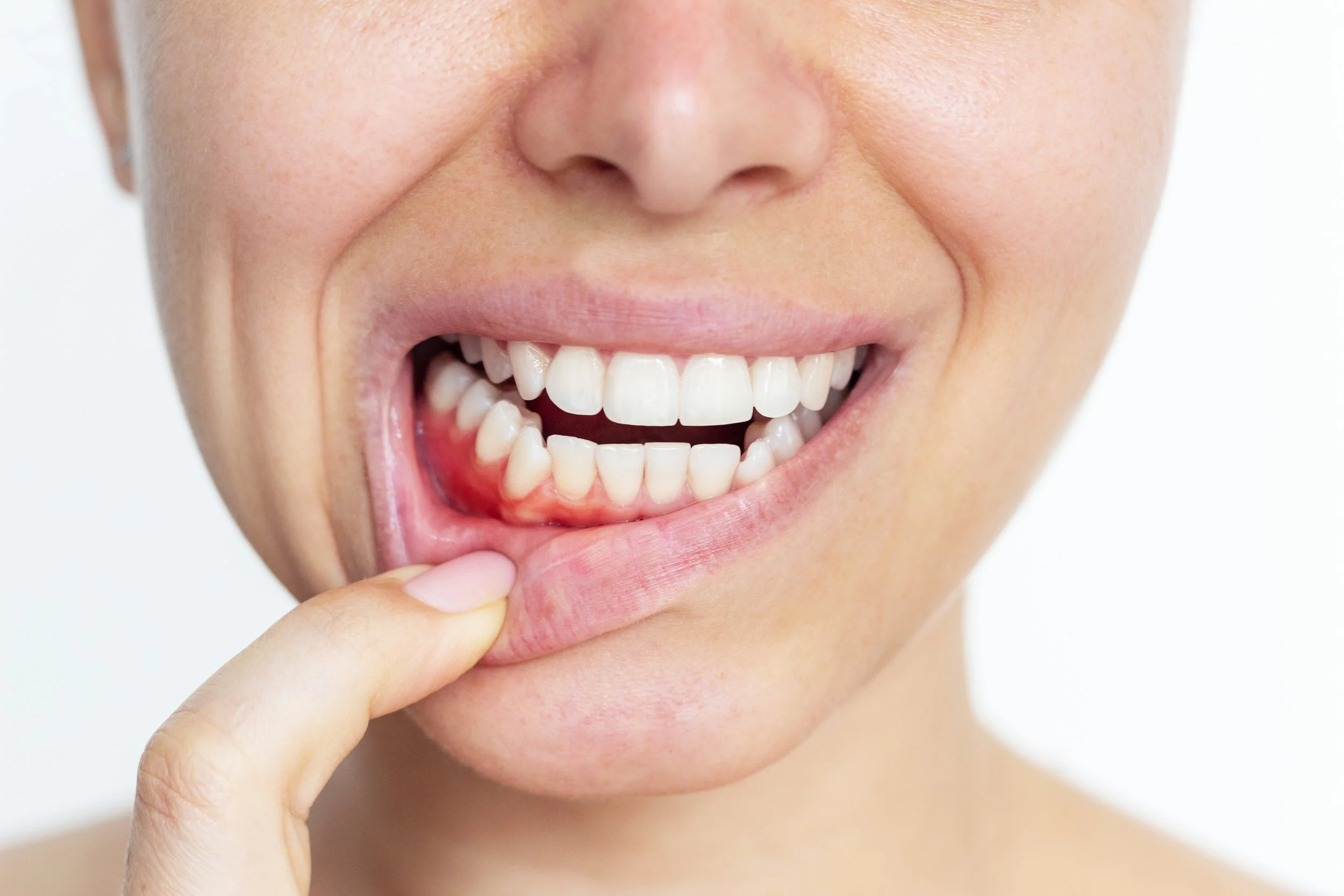
Gum health and tooth sensitivity are closely connected. Changes in gum position or health are among the most common contributors to exposed tooth roots and sensitivity.
Gum Recession
When gums recede, tooth roots that are normally covered and protected become exposed. These roots lack thick enamel and are far more vulnerable to temperature changes and irritation from foods and drinks. Managing contributing factors such as aggressive brushing or chronic inflammation can help slow further recession.
Gum Disease
Gum disease results from prolonged plaque and tartar buildup along and under the gum line. Inflammation and attachment loss can lead to gum recession and exposure of root surfaces. Treating gum disease and maintaining good oral hygiene can help reduce sensitivity associated with inflamed or receding gums. Oil pulling can help reduce bacteria and improve gum health as a complementary practice.
Root Surface Exposure
Exposed root surfaces may look darker or yellower than enamel and feel notched or rough near the gum line. These surfaces are primarily dentin and cementum, which are more porous and responsive to temperature and chemicals. They are particularly sensitive to cold air, cold water, and tactile pressure.
Supporting Long-Term Gum Health
Maintaining healthy gums requires consistent oral hygiene, including twice-daily brushing and once-daily cleaning between teeth. Brush gently along the gum line with a soft bristled toothbrush to remove plaque without traumatizing tissues. Avoiding tobacco products, which are linked to a higher risk of gum disease and recession, also supports long-term gum health. Visiting a dentist regularly for professional cleanings helps protect gum tissue and root surfaces over time.
Tooth Sensitivity and Enamel Erosion
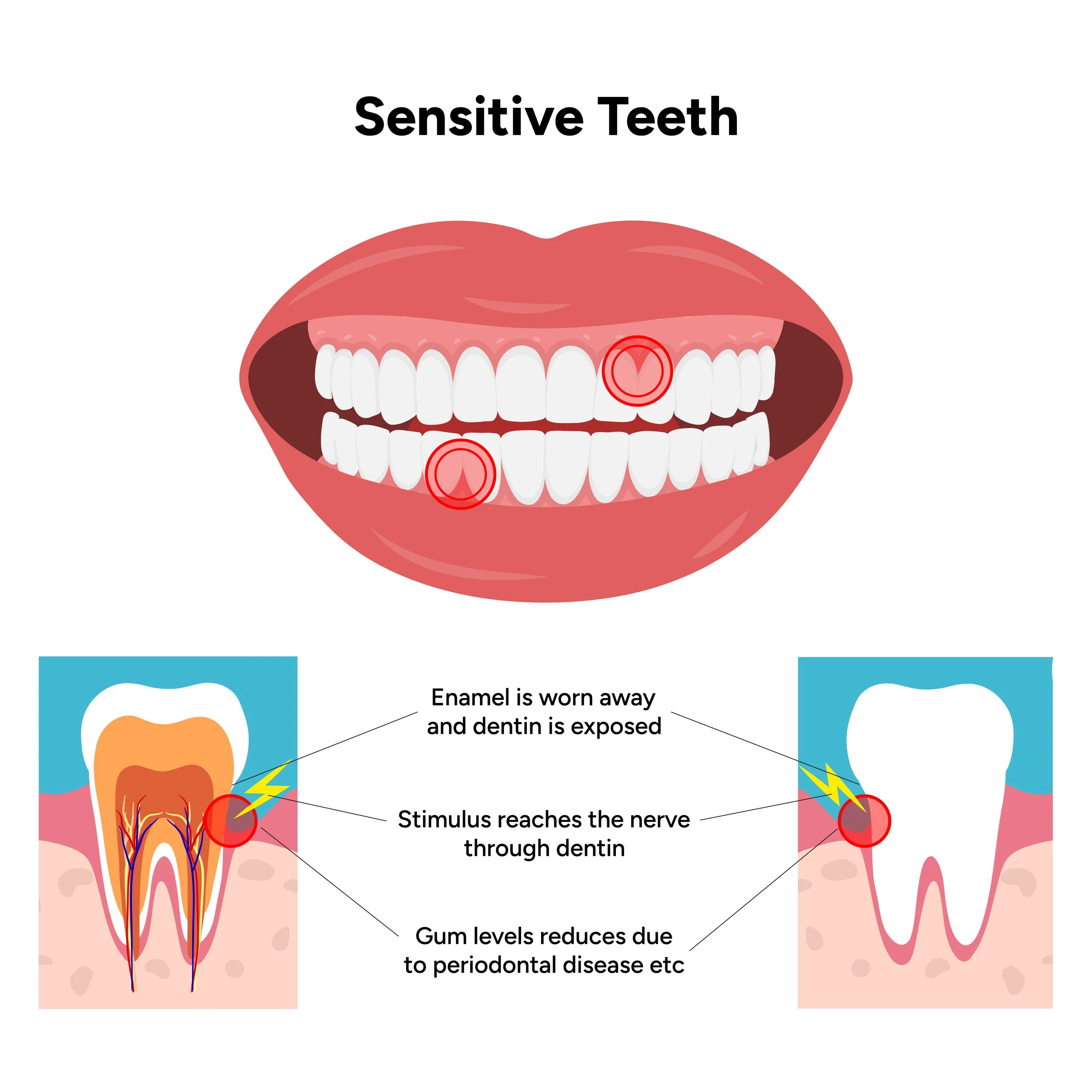
Enamel erosion is one of the primary structural changes leading to sensitive teeth. Erosion is a chemical process that gradually thins enamel, making teeth more vulnerable to stimuli.
What Causes Enamel Erosion?
Enamel erosion occurs when acids repeatedly soften and dissolve the mineral content of enamel. Sources include stomach acid from chronic reflux and external acids from the diet. Frequent snacking or sipping on acidic beverages increases the time teeth wears under acid exposure. Brushing immediately after acidic exposure can worsen sensitivity because softened enamel is more easily worn away.
Foods and Drinks That May Contribute
Common contributors include citrus fruits and juices, carbonated soft drinks, energy drinks, sports drinks, wine, and vinegar-based sauces. These items are not necessarily harmful in isolation but can contribute to erosion if consumed frequently or sipped over long periods. Drinking water afterward and consuming acidic items with meals can reduce direct acid contact.
Why Enamel Does Not Grow Back
Enamel is formed before teeth erupt and has no living cells once fully formed. While early mineral loss can sometimes be partially repaired through remineralization with fluoride, advanced thinning or structural loss cannot be reversed. This makes prevention critical.
Protecting Tooth Enamel
Strategies for preserving enamel include limiting frequent acid exposure, drinking plenty of water, and waiting at least 30 minutes before brushing after consuming acidic foods and drinks. Using fluoride toothpaste daily can help strengthen tooth enamel and resist acid attacks. Gentle brushing with soft bristles and non-abrasive toothpaste helps avoid mechanical enamel wear.
Risk Factors for Tooth Sensitivity
While anyone can experience sensitivity, certain behaviors and conditions increase risk.
Poor oral hygiene - Inadequate brushing and flossing allow plaque buildup along the gum line, leading to gum inflammation, recession, and decay
Frequent acid exposure - Frequent consumption of acidic foods and drinks is a major risk factor for enamel erosion
Tobacco use - Smoking and smokeless products increase gum disease and recession risk
Teeth grinding - Chronic grinding accelerates enamel wear and may cause cracks
Aging and natural wear - Cumulative mechanical and chemical forces lead to gradual enamel thinning and gum changes
Existing oral health conditions - Untreated cavities, gum disease, cracked teeth, and aging restorations can all worsen sensitivity
Treatment Options for Tooth Sensitivity

Tooth sensitivity treatment depends on identifying and addressing the underlying cause. Options range from at-home strategies to professional interventions.
Desensitizing Products
Desensitizing toothpaste can block pain signals effectively by either occluding dentin tubules or calming nerve activity. Specially formulated products containing ingredients like potassium nitrate or stannous fluoride are among the common treatments available. Consistent daily use over several weeks is usually needed before noticeable tooth sensitivity relief occurs.
Fluoride Treatments
Fluoride applications can strengthen teeth and reduce sensitivity. Fluoride supports remineralization, making enamel more resistant to acid attacks and limiting fluid movement within dentin. Options include high-fluoride toothpaste, gels, or professional applications depending on severity. These treatments work best alongside diet changes and improved oral hygiene.
Restorative Dental Treatments
Dental bonding can protect exposed dentin from sensitivity by covering vulnerable surfaces near the gum line. Other restorative options such as fillings, crowns, or sealants may be used when structural loss, decay, or cracks are causing sensitivity. In severe cases involving nerve damage or infection, more advanced treatment may be necessary.
Managing Underlying Causes
Long-term relief depends on addressing the root causes rather than masking symptoms. Examples include adjusting brushing technique, using a mouth guard for grinding, improving oral hygiene to manage gum disease, and modifying diet to avoid acidic foods. Rinsing with warm salt water can reduce inflammation and ease pain as a supportive home measure. Visiting a dentist is important to treat underlying causes of sensitivity that home care alone cannot resolve. A combination of professional guidance and at-home changes typically offers the best outcomes.
Why Treatment Depends on the Source of Sensitivity
Sensitivity from enamel erosion may respond best to fluoride and diet changes, while a chipped tooth or cracked tooth may require structural repair. Over-treating with strong procedures when not needed, or under-treating serious issues with only home remedies, can both be problematic. Paying attention to patterns in symptoms helps guide appropriate evaluation.
How to Prevent Tooth Sensitivity

Many cases of sensitivity can be reduced or avoided through consistent daily habits.
Brush gently with proper technique - Brush twice daily to maintain good oral hygiene, using a soft bristled toothbrush with gentle pressure and circular motions along the gum line
Use fluoride products - Fluoride toothpaste helps strengthen teeth and makes enamel less susceptible to acid attack
Limit acidic foods and drinks - Avoid acidic foods when possible, moderate intake of other acidic foods and drinks, and wait 30 minutes before brushing after acid exposure
Address teeth grinding - A mouth guard worn during sleep can protect teeth from mechanical wear
Maintain good gum health - Daily plaque removal along the gum line reduces the risk of gum recession and root exposure
Stay consistent - Regular dental check-ups can help prevent sensitivity issues, and consistent home care controls plaque, protects enamel, and keeps gums healthy
Foods and Drinks That May Trigger Sensitivity
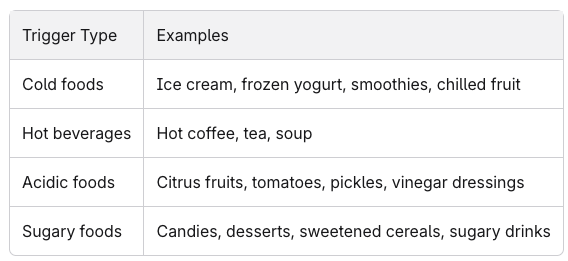
Understanding individual triggers matters. Some people feel sensitive primarily to cold, while others react more to sweet or acidic items. Gradually adjusting diet, preparation methods, or temperature of foods and drinks can help reduce discomfort.
When Should Tooth Sensitivity Be Taken Seriously?

While occasional mild sensitivity is common, certain patterns warrant closer attention:
Sudden sensitivity in one or more teeth without recent changes in diet or dental treatment
Severe or persistent symptoms that make it difficult to eat, drink, or maintain oral hygiene
Prolonged or spontaneous pain including throbbing or pain that wakes you at night
Visible tooth damage such as chips, cracks, broken fillings, or notches at the gum line
Signs of decay or gum disease including dark spots, bleeding gums, swelling, or gums pulling away from teeth
These symptoms go beyond typical dentin hypersensitivity and generally require professional assessment. Visiting a dentist is important when sensitivity is severe, sudden, or accompanied by other signs.
Common Myths About Tooth Sensitivity

"Sensitive teeth are normal and cannot be helped." While sensitivity is common, it is often manageable. Improving oral hygiene, adjusting diet, and using desensitizing products can make a meaningful difference.
"Only older adults develop sensitive teeth." Sensitive teeth can occur at any age. Lifestyle and oral health habits often play a larger role than age alone.
"Tooth sensitivity always means a cavity." While tooth decay is a possible cause, enamel erosion, gum recession, recent dental work, and cracked teeth can also be responsible.
"Brushing harder cleans teeth better." Brushing too hard can damage enamel, irritate gums, and actually increase sensitivity and gum recession. Thorough but gentle technique is more effective.
Frequently Asked Questions

What causes tooth sensitivity?
Tooth sensitivity is caused by exposed dentin or tooth roots, which occurs when enamel thins, gums recede, or tooth structure is damaged. Main causes include enamel erosion from acidic foods and drinks, gum recession exposing roots, tooth decay, cracked or chipped teeth, teeth grinding, aggressive brushing, and temporary pain after dental procedures or whitening. Identifying the primary cause is important for selecting the right treatment.
Why are my teeth sensitive to cold?
Teeth become sensitive to cold when the pathways to the tooth nerve are exposed due to enamel loss or root exposure. Cold drinks, cold foods, or cold air cause fluid movement inside dentin tubules, which stimulates the nerve and produces sharp, brief pain. Generalized cold sensitivity may indicate widespread enamel erosion, while cold sensitivity in a single tooth may suggest a cavity or crack.
Can tooth sensitivity go away?
In many cases, sensitivity can improve or resolve when underlying causes are treated and protective habits are adopted. Sensitivity from recent whitening or minor irritation often decreases with time. Some structural changes like significant enamel loss cannot be fully reversed, but their effects can often be managed with treatments, desensitizing products, and consistent care.
Does gum recession cause tooth sensitivity?
Yes, gum recession is a common cause because it exposes root surfaces normally covered by gum tissue. These exposed roots are coated with thin cementum and dentin rather than enamel, making them more responsive to hot, cold, sweet, and acidic stimuli. Adjusting brushing technique, improving oral hygiene, and managing gum disease can help reduce further recession and associated sensitivity.
How can tooth sensitivity be prevented?
Maintain good oral hygiene by brushing gently with a soft bristled toothbrush and fluoride toothpaste, and cleaning between teeth daily. Limit frequent exposure to acidic foods and drinks, and wait before brushing after acidic meals. Address teeth grinding with a mouth guard and seek care for early signs of gum disease or enamel wear. Small, consistent habits make the greatest difference.
When should tooth sensitivity be evaluated?
Mild, occasional sensitivity may be monitored at home while improving habits. Red flags include sensitivity that is severe, sudden, persists despite home care, or is accompanied by visible damage, swelling, or signs of decay or gum disease. New or worsening sensitivity to heat, or pain that lingers without a trigger, may require prompt evaluation. Persistent symptoms are important information about oral health and should not be ignored. Regular dental check-ups with a dentist regularly help catch problems early before they worsen.
Conclusion

Tooth sensitivity is a common condition that often develops when enamel becomes worn or tooth roots become exposed, allowing stimuli to reach the dentin and tooth nerve more easily. Understanding how tooth structure, enamel erosion, gum recession, and daily habits interact can help explain why teeth feel sensitive and what steps may help. Many forms of sensitivity can be managed through a combination of good oral hygiene, diet adjustments, desensitizing products, fluoride treatments, and addressing underlying issues such as tooth decay, cracked teeth, or teeth grinding. Awareness, prevention, and timely attention to changes in sensitivity remain important tools for maintaining comfortable, healthy teeth and supporting long-term oral health.