Dental Check-Ups: Why Regular Dental Visits Are Essential for Your Oral Health
Dental check-ups are regularly scheduled visits that usually combine a dental exam with a professional teeth cleaning. They are designed to identify dental problems before they become painful, expensive, or more difficult to treat.
Many oral health problems, including early gum disease, hidden cavities, and oral cancer, can begin without obvious symptoms. That is why regular dental check-ups are considered an important part of preventive care, not just something to schedule when a tooth hurts.
This guide explains what happens during a dental check-up, how often you should see a dentist, what a dental hygienist does, and how routine dental visits support long-term oral health.
What Is a Dental Check-Up?

A dental check-up is a preventive dental visit that typically includes an examination and professional cleaning.
A check-up is different from a treatment visit. Treatment appointments focus on addressing a known issue, such as a cavity, crown, root canal, implant, or other dental procedure. A dental check-up focuses on prevention, risk assessment, and identifying potential problems early.
During a routine dental exam, a dentist evaluates the teeth, gums, bite, soft tissues, existing restorations, and signs of oral disease. The exam may also include dental X-rays when needed. X-rays can help identify hidden cavities, bone loss, and other dental concerns that may not be visible during a visual examination.
Why Are Dental Check-Ups Important?

Detecting Problems Early
Early detection of dental issues is crucial for effective treatment. A small cavity found during a routine dental exam may need a simple filling, while a painful untreated cavity may require more extensive treatment.
Preventive care helps reduce the likelihood of complex dental procedures. Regular visits also allow dentists to monitor changes over time, including cracks, worn enamel, gum recession, and aging dental work.
Preventing Tooth Decay
Regular dental visits help reduce the risk of tooth decay and gum disease. Professional cleanings remove tartar that cannot be eliminated through brushing alone.
Dental hygienists also remove plaque around the gumline, where bacteria and food particles can accumulate. Combined with good daily oral hygiene, a healthy diet, fluoride, and preventive treatments when appropriate, routine check-ups play an important role in cavity prevention.
Monitoring Gum Health
Dentists check for signs of gum disease during routine examinations. Common signs include bleeding gums, swelling, recession, changes in gum pocket depth, and loose teeth.
Untreated periodontal disease can damage the bone that supports the teeth and increase the risk of tooth loss. Early identification and treatment can help preserve long-term oral health.
Research has also shown important connections between oral health and overall health, making routine dental care an important part of preventive wellness.
Maintaining Oral Function
Good oral health helps people chew, speak, and smile comfortably. Poor oral health can lead to pain, tooth loss, and difficulties with nutrition when eating becomes challenging.
Routine dental care helps manage harmful bacteria and infection in the mouth while supporting comfort, function, and quality of life.
Supporting Overall Well-Being
Health organizations and dental professionals continue to emphasize that oral health is closely connected to overall health. Preventive dental care helps maintain healthy teeth and gums while supporting long-term wellness.
How Often Should You Get a Dental Check-Up?

General Recommendations
For many people, dental check-ups every six months are recommended. However, every patient has unique oral health needs, and some individuals may benefit from more frequent visits.
Factors That May Affect Visit Frequency
Not all patients require the same schedule. Some people may need more frequent examinations due to factors such as:
A history of periodontal disease
Frequent cavities
Dry mouth
Diabetes
Tobacco use
Family history of gum disease or tooth decay
Extensive restorative or cosmetic dental work
Individualized Care Plans
Many dentists use risk assessments to determine how often a patient should be seen. A low-risk adult may remain on a six-month schedule, while someone with active gum disease may benefit from more frequent maintenance visits.
Depending on individual needs, dental check-ups may also include monitoring existing dental work, evaluating gum recession, assessing bite function, and performing oral cancer screenings when appropriate.
What Happens During a Dental Check-Up?
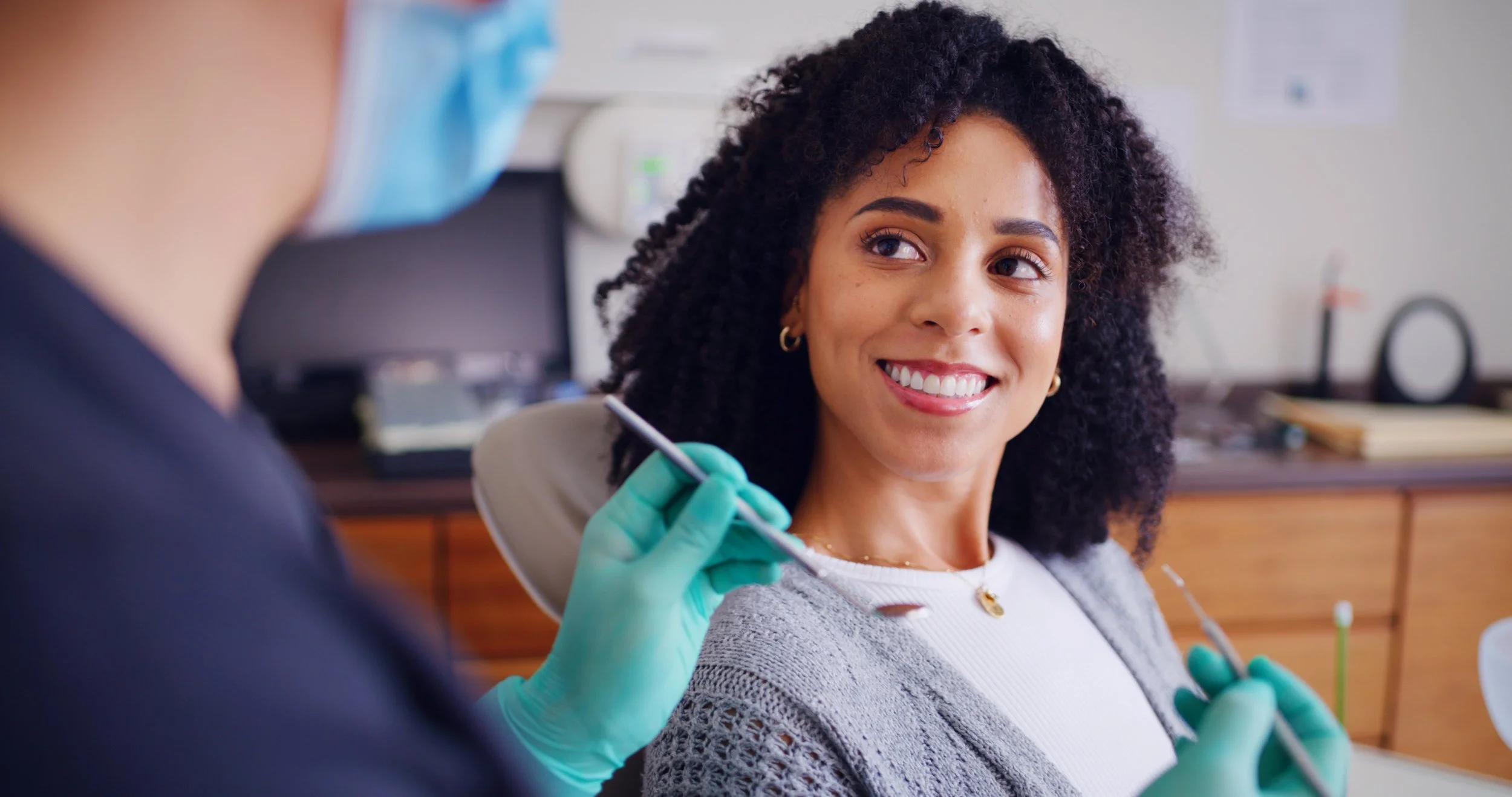
Understanding what happens during a dental check-up can make the experience feel more comfortable and predictable.
Review of Health History
The dental team reviews medications, allergies, medical conditions, and recent health changes. This information helps guide treatment decisions and ensures safe care.
Examination of Teeth
The dentist examines each tooth for signs of decay, cracks, worn enamel, damaged fillings, and bite-related concerns. Dental X-rays may be recommended if hidden decay or bone changes are suspected.
Evaluation of Gum Health
The dentist or dental hygienist evaluates the gums and may measure gum pockets to identify signs of gingivitis or periodontal disease before significant damage occurs.
Oral Cancer Screening
Routine dental exams often include an oral cancer screening. During this process, the dentist examines the lips, tongue, cheeks, throat, and surrounding tissues for unusual sores, lumps, discoloration, or other abnormalities.
Assessment of Existing Dental Work
Fillings, crowns, bridges, implants, dentures, veneers, and other restorations are checked for wear, looseness, or signs of deterioration.
What Happens During a Professional Dental Cleaning?
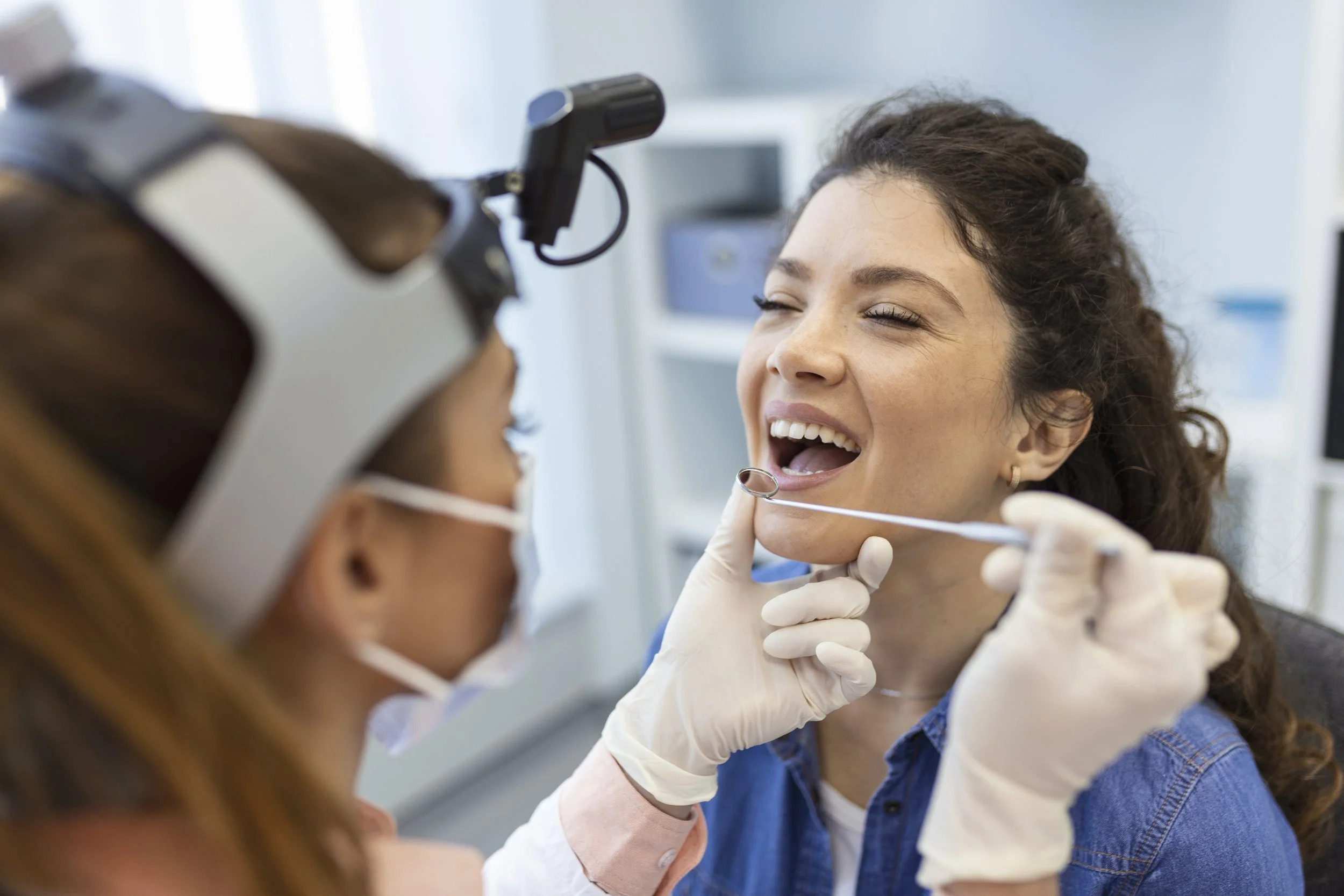
Dental hygienists often perform professional cleanings before the dentist completes the examination. A routine dental check-up generally takes between 45 and 60 minutes.
Plaque Removal
The hygienist removes plaque from the teeth and around the gumline to help reduce harmful bacterial buildup.
Tartar Removal
Tartar is hardened plaque that cannot be removed through brushing alone. Professional cleanings are designed to remove these deposits and help maintain healthy gums.
Tooth Polishing
Polishing helps remove surface stains and smooth the teeth, creating a cleaner feeling after the appointment.
Oral Hygiene Guidance
Patients may receive recommendations regarding brushing techniques, flossing habits, interdental cleaning tools, electric toothbrushes, and products designed for sensitivity or dry mouth.
Common Oral Health Problems Found During Check-Ups

Cavities
Cavities may develop between teeth, around existing dental work, or in areas that are difficult to clean. Early treatment is generally simpler and less invasive.
Gingivitis
Gingivitis causes red, swollen, or bleeding gums. When identified early, it is often reversible with proper care.
Periodontal Disease
Periodontal disease can lead to bone loss, loose teeth, and tooth loss if left untreated. Regular check-ups help identify the condition before it progresses.
Tooth Wear
Grinding, acid reflux, aggressive brushing, and bite imbalances can gradually wear down enamel and affect tooth structure.
Cracked Teeth
Small cracks may not cause symptoms initially. Identifying them early can help prevent more serious damage.
Oral Lesions
Persistent sores, red or white patches, and unusual lumps should always be evaluated by a dental professional.
Dental Check-Ups Throughout Life
Children
Children should begin seeing a dentist early in life. Regular dental visits help monitor growth and development while encouraging healthy oral hygiene habits.
Teenagers
Teenagers may require monitoring for orthodontic concerns, wisdom teeth development, sports-related injuries, and oral hygiene challenges associated with braces or aligners.
Adults
Adults benefit from ongoing cavity prevention, gum disease monitoring, and maintenance of existing dental work.
Older Adults
Older adults may experience dry mouth, gum recession, root cavities, and other age-related oral health concerns. Regular dental visits remain important throughout life.
How to Get the Most Out of Your Dental Check-Up
Questions to Ask
Patients should feel comfortable discussing concerns such as tooth sensitivity, whitening options, gum recession, jaw discomfort, or changes in their oral health.
Sharing Health Changes
Inform your dentist about any new medications, hospitalizations, diagnoses, or lifestyle changes that may affect oral health.
Discussing Symptoms
Schedule an appointment promptly if you experience bleeding gums, pain, swelling, bad breath, loose teeth, or increased sensitivity.
Following Home Care Recommendations
Brush twice daily, clean between teeth regularly, limit sugary foods and beverages, and follow the recommendations provided by your dental team.
Common Myths About Dental Check-Ups
"I Only Need a Check-Up If Something Hurts"
Many dental problems develop without pain during their early stages. Waiting until symptoms appear can allow conditions to worsen.
"Brushing Alone Is Enough"
Brushing is essential, but it cannot remove tartar. Professional cleanings provide additional protection against dental disease.
"Check-Ups Are Only for Cavities"
A dental exam evaluates much more than tooth decay. It can also assess gum health, oral cancer risk, bite function, and the condition of existing dental work.
"Dental Visits Become Less Important With Age"
Oral health needs often increase with age, making regular dental care just as important for older adults.
Frequently Asked Questions
How long does a dental check-up take?
A routine dental check-up typically lasts between 45 and 60 minutes, although first visits may take longer.
Do all dental check-ups include X-rays?
No. Dental X-rays are recommended based on a patient's risk factors, symptoms, and examination findings.
Are dental cleanings and check-ups the same thing?
No. A cleaning focuses on removing plaque and tartar, while a check-up includes a comprehensive examination and evaluation of oral health.
Can dental check-ups help prevent gum disease?
Yes. Regular examinations and cleanings can help identify gingivitis and other gum problems before they progress.
What if I have not had a check-up in years?
It is never too late to restart routine dental care. A dentist can evaluate your current oral health and recommend appropriate next steps.
Key Takeaways

Dental check-ups help identify problems before symptoms appear.
Preventive care supports long-term oral health.
Routine examinations and professional cleanings complement daily brushing and flossing.
Regular dental visits can help reduce the risk of cavities, gum disease, and other oral health concerns.
Consistent preventive care is an important part of maintaining healthy teeth and gums throughout life.
Regular dental check-ups remain one of the most effective ways to maintain oral health. Combined with good daily oral hygiene habits, routine dental visits help identify problems early and support healthy teeth and gums for years to come.